Week 7 - Minor Project
Aim
- Create domain for flow analysis
- Setup simulation for subsonic and supersonic regimes at
○5, 10, 15 angle of attack
Domain
- Domain was created in ICEM cfd and the mesh sizes of cell near the airfoil walls is varied for Subsonic and supersonic cases since there is variation in velocities
- For subsonic case the y+ is set to 8 and for supersonic it set to 4
- Hence the the first layer thickness for subsonic is set to 3.5e-5 and for supersonic case it was set to 3.8e-6 metres
Setup
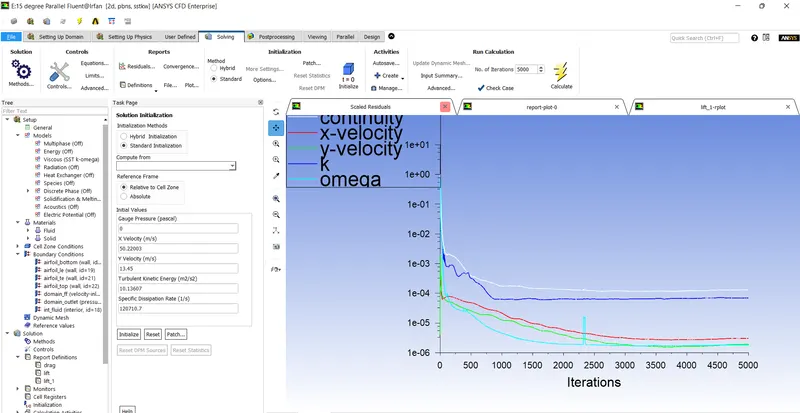
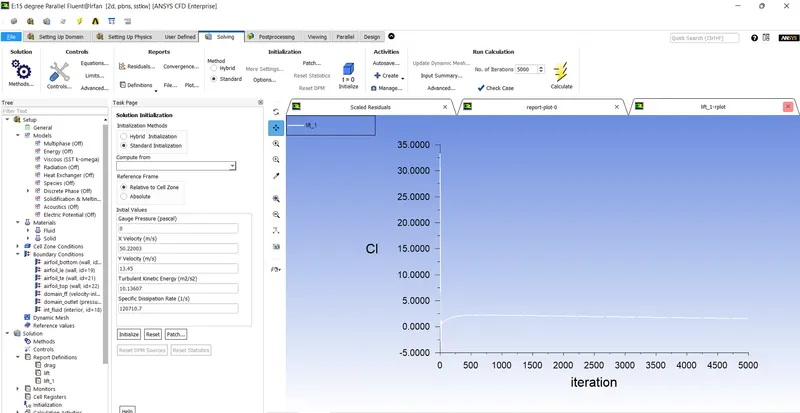
- For subsonic flow the pressure based calculation is selected
- the turbulance model is K-omega
- Air density is changed to 2.131 kg/m^3
- Pressure is set to zero in referance values
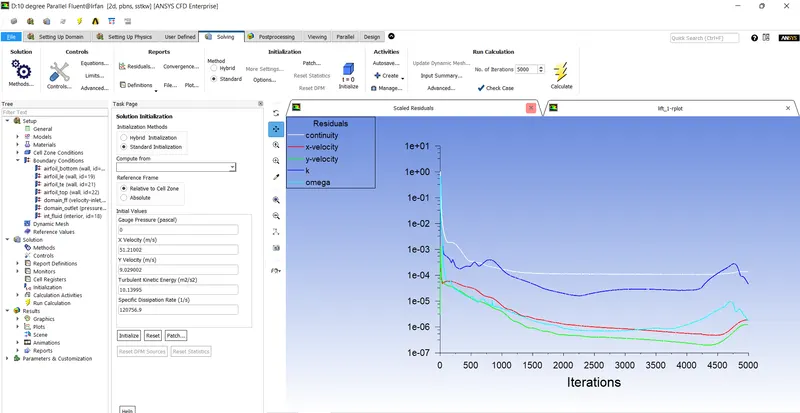
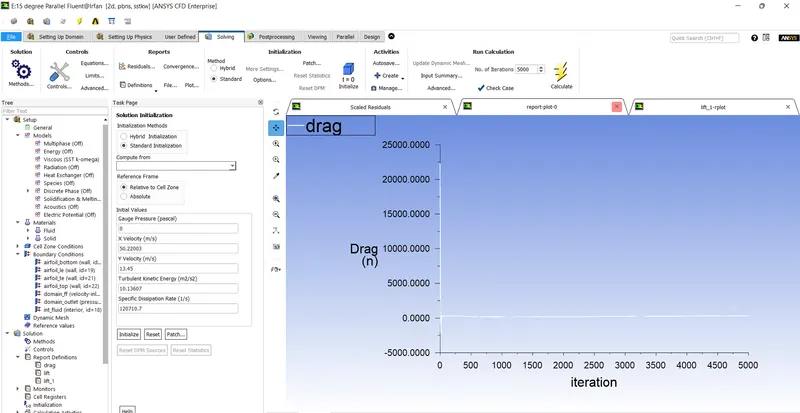
- The Inlet boundary condition is given as Velocity-inlet type for domain_ff so that the velocities can be entered in components mimicking the angle of attack
- For X velocity , the velocity is multiplied with Cos of angle of attack and for the y velocity it multiplied with sin of angle of attack
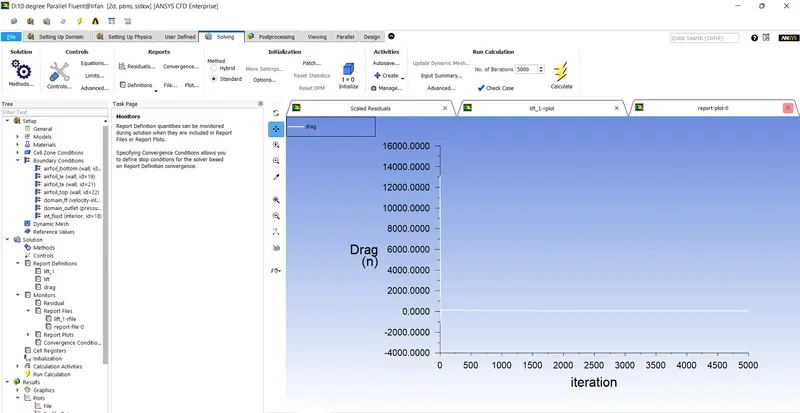
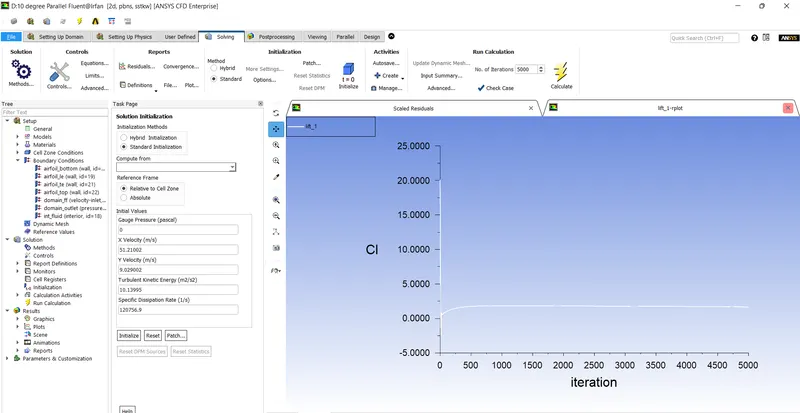
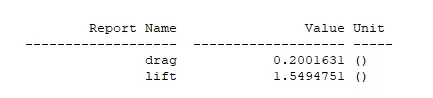
- Also the component values in report definitions is also changed as well, for lift plot the x component is the cos of angle of attack and y component is sine of angle of attack for lift it is vice versa
- For supersonic flows, the solver is set to density based since its compressible
Outputs
Subsonic flow
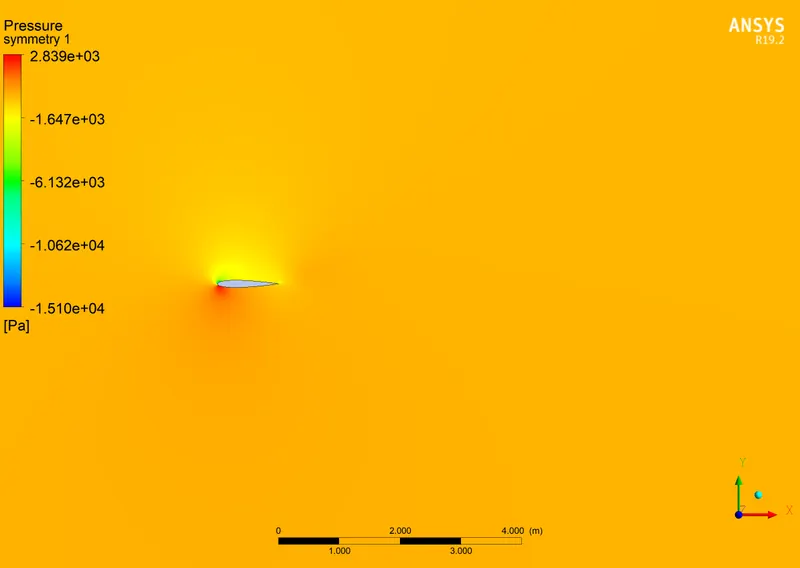
5 degree
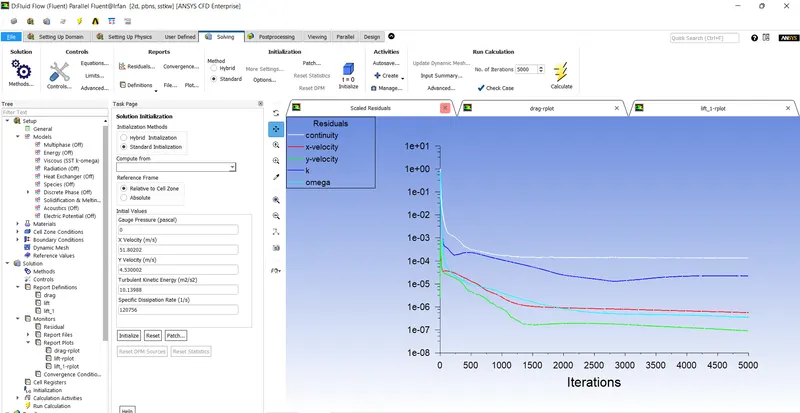
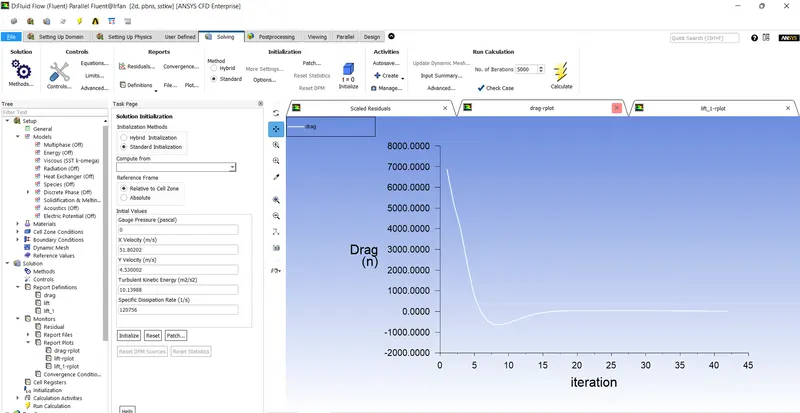
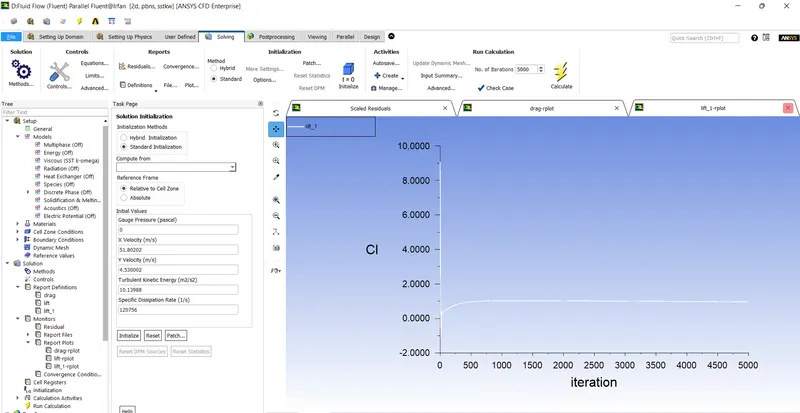

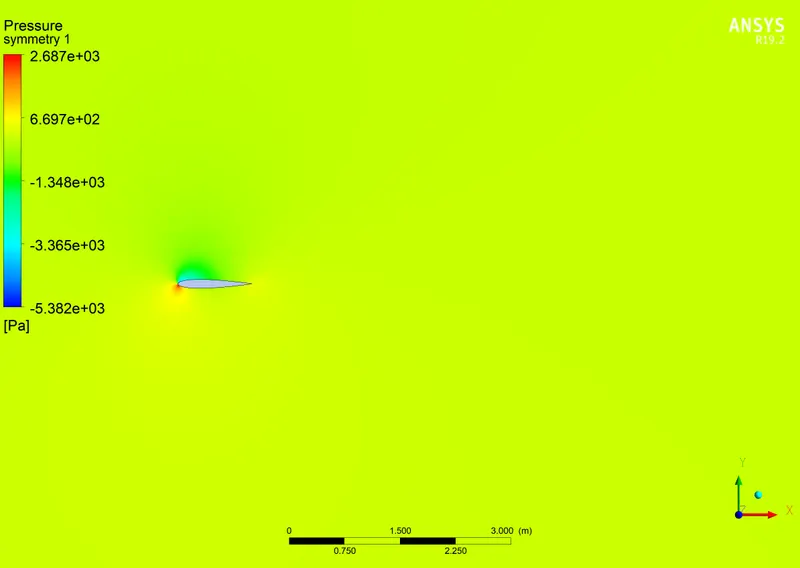
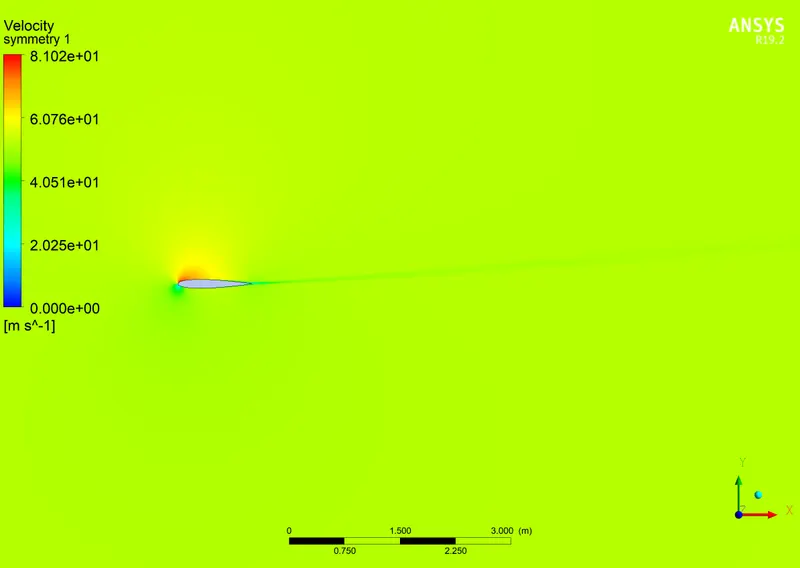
10 degree
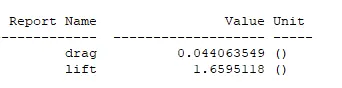
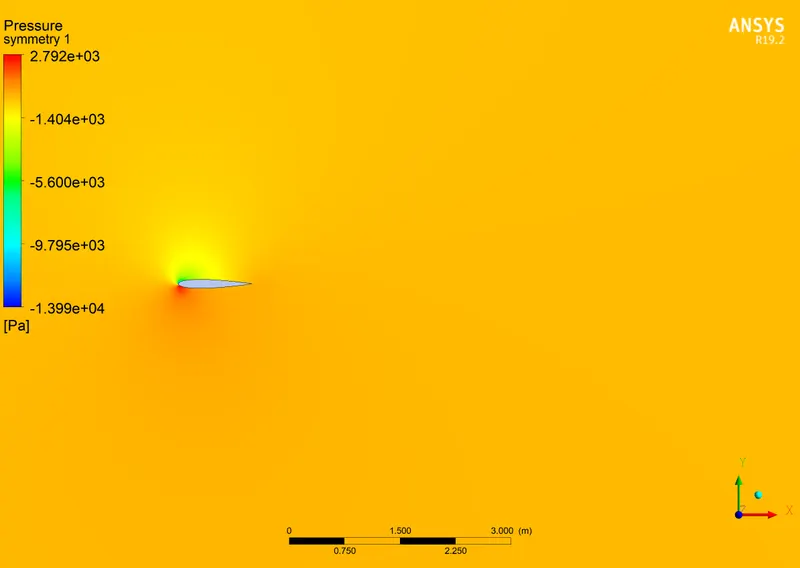
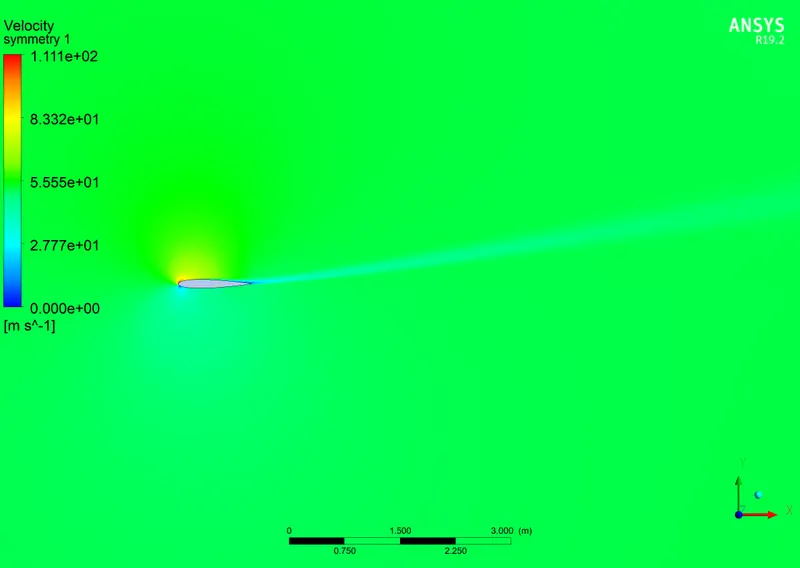
15 degree
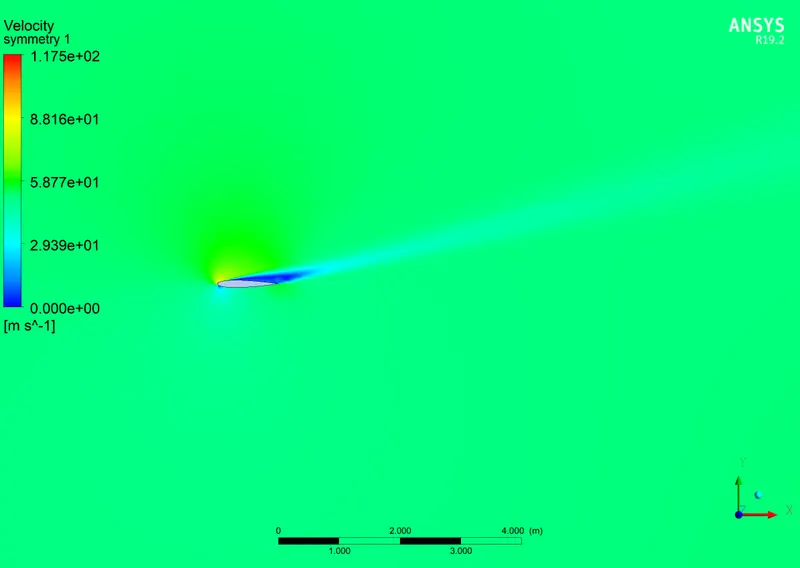
Supersonic flow
5 degree
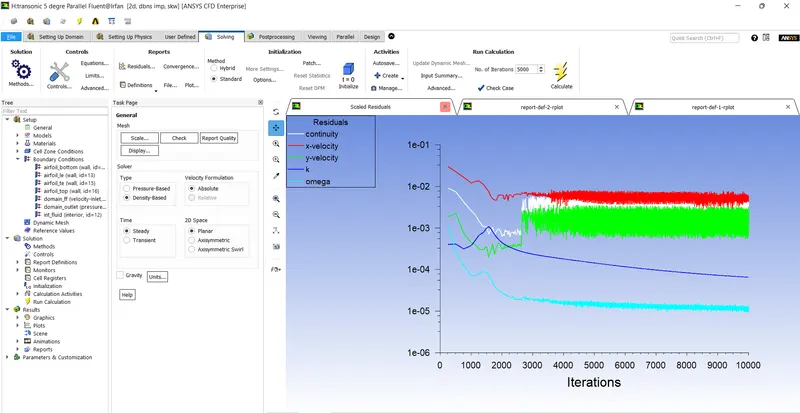
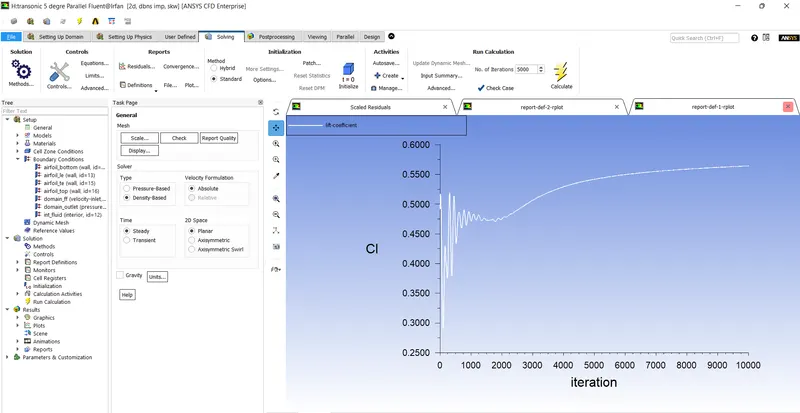
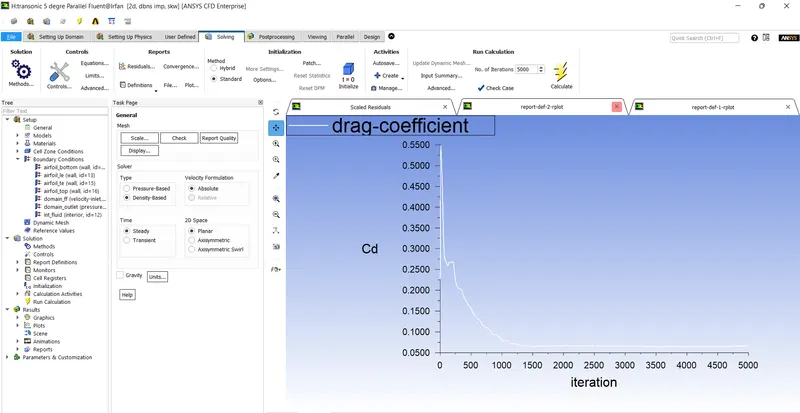
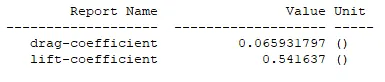
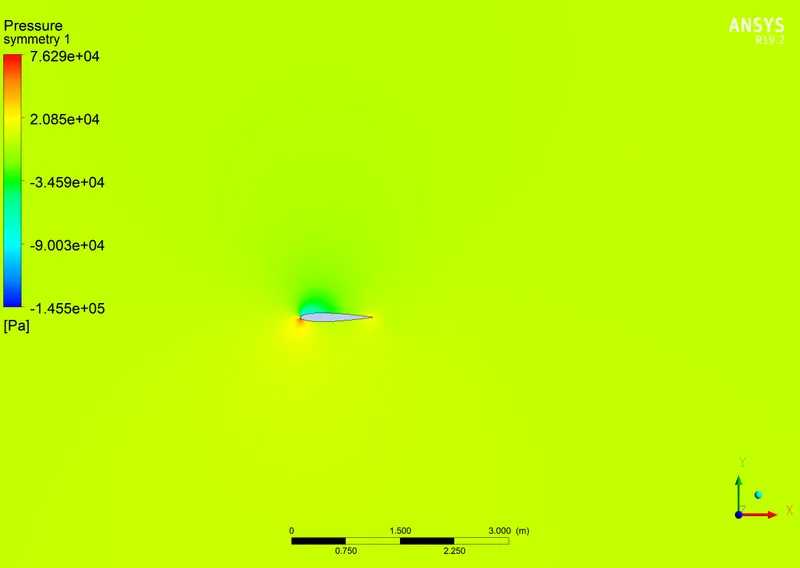
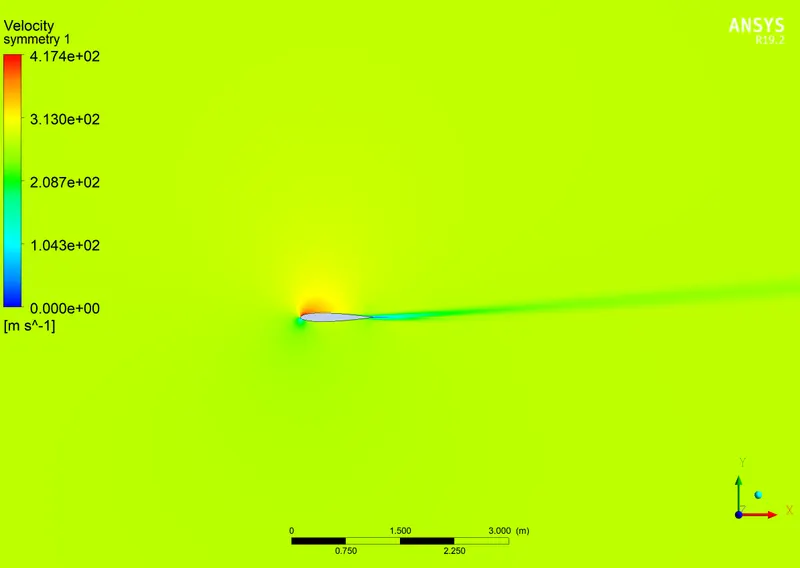
10 degree
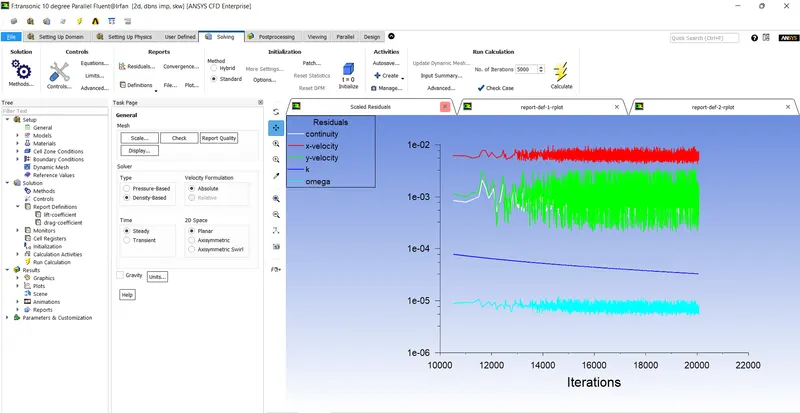
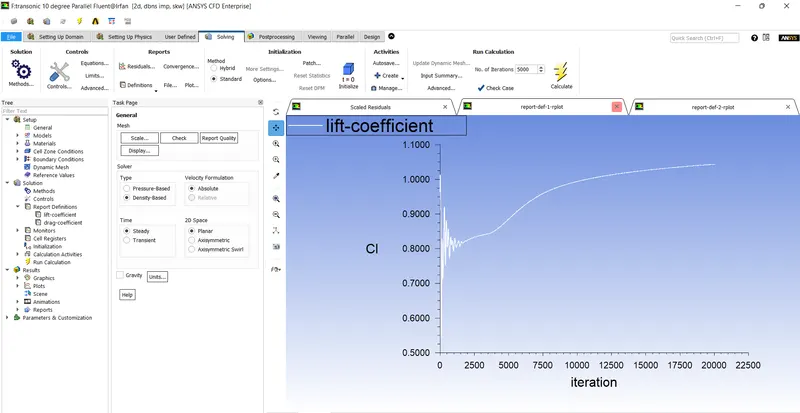
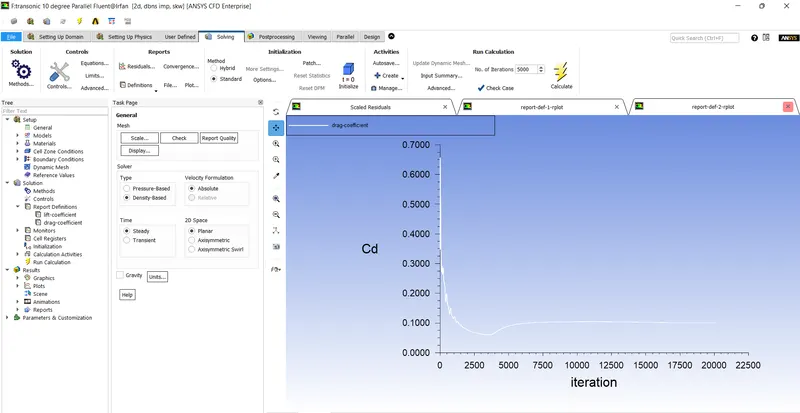

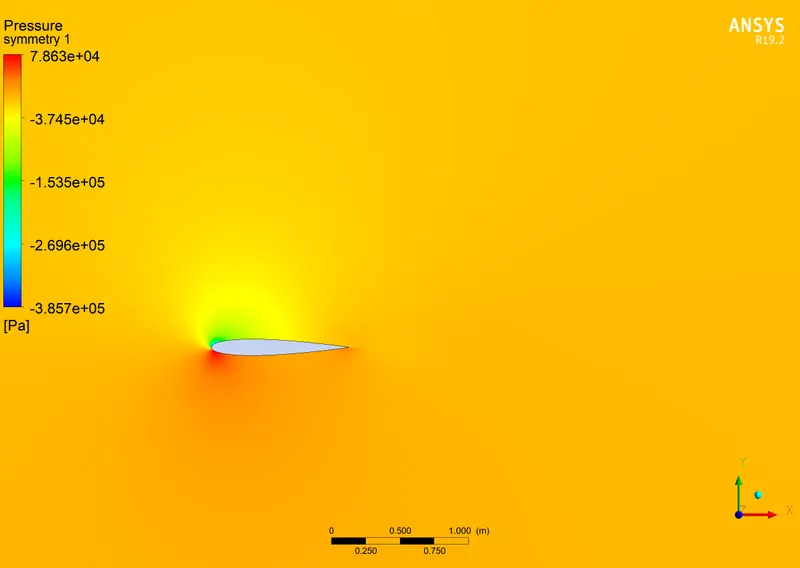
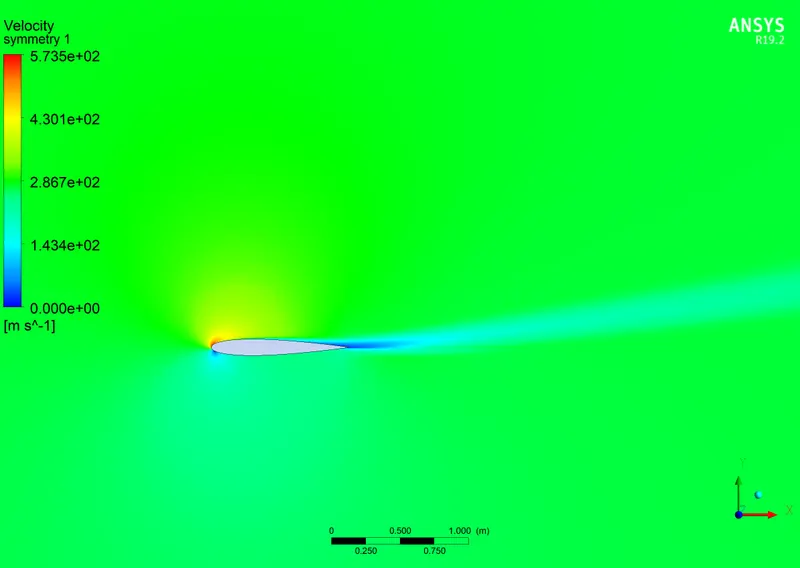
15 degree

Graphs
Subsonic
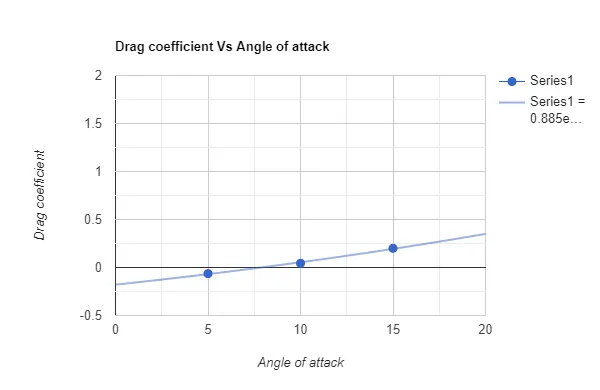
Drag coefficient
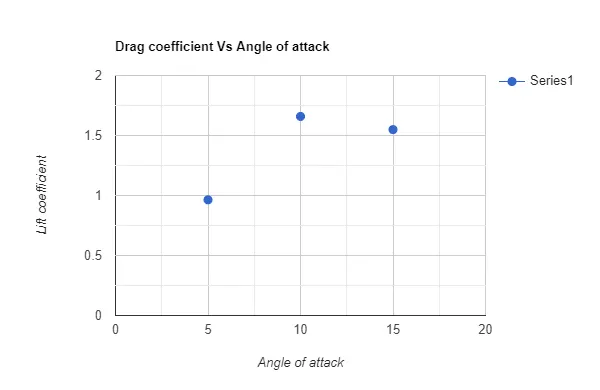
Lift coefficient
Supersonic
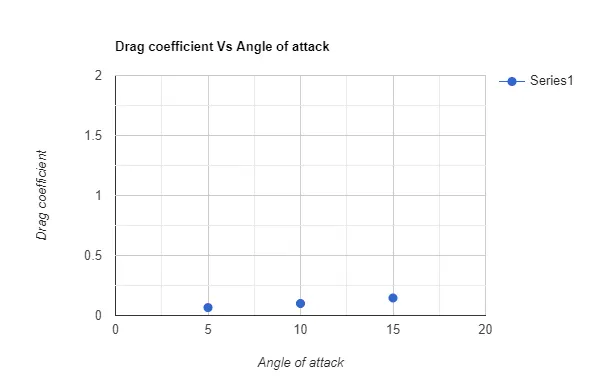
Drag coefficient
Lift coefficient
Observations
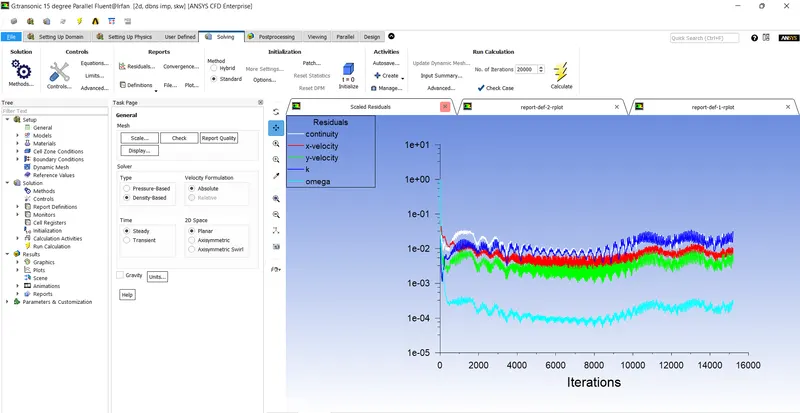
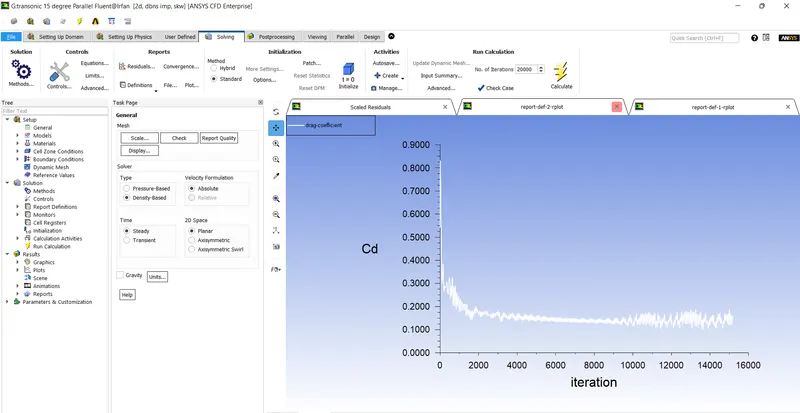
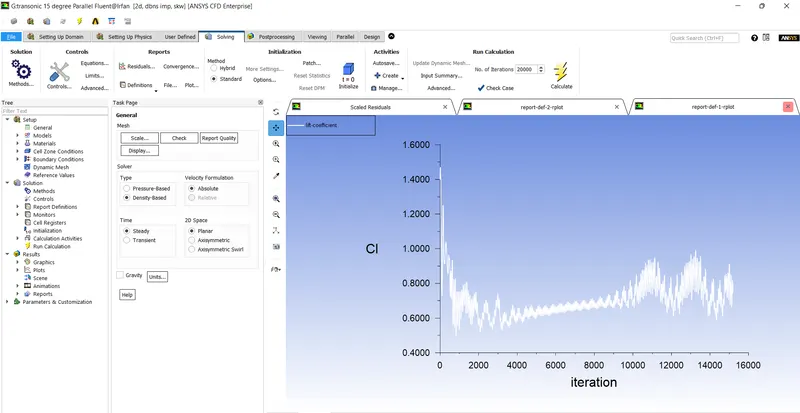
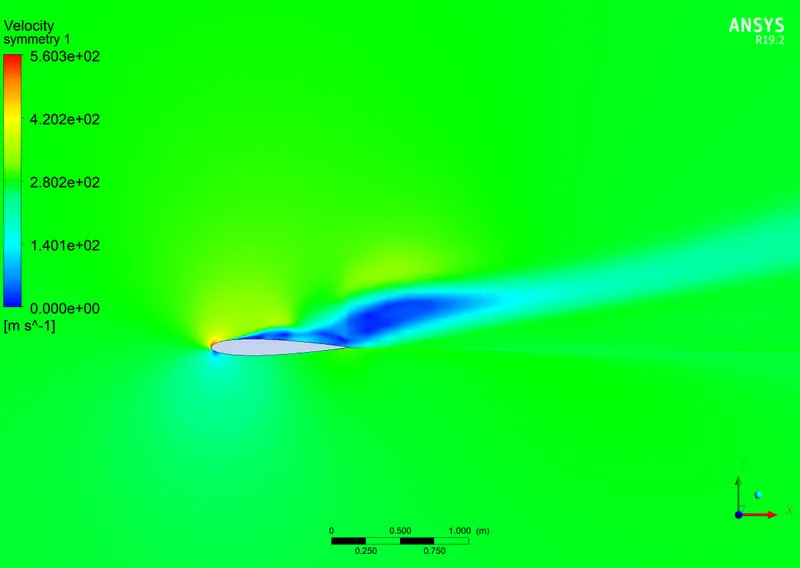
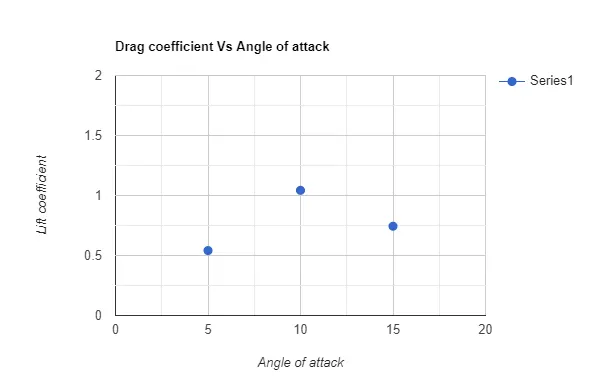
- There was a significant decrease in lift when the angle of attack is increased to 15 degree as it leads to creation of more wake region thus increasing the drag too, hence the phenomenon called stalling can occur in these conditions
- This issue is fatal at supersonic speeds
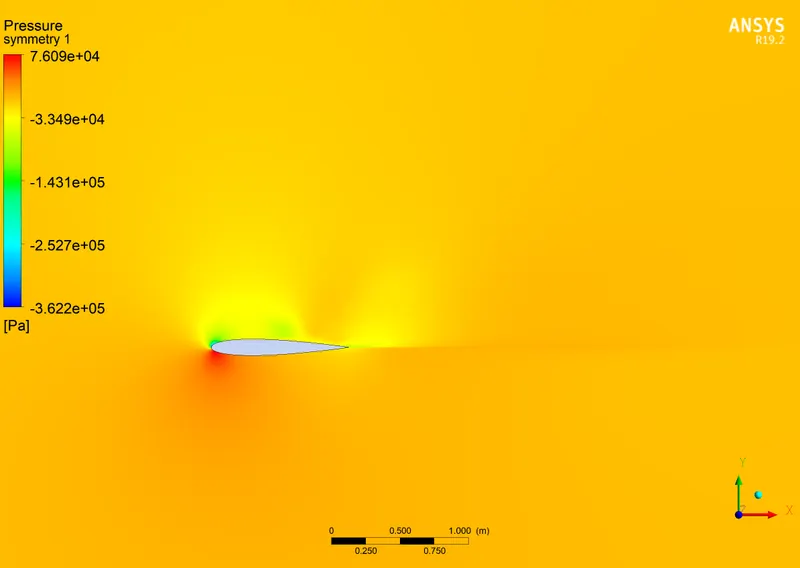
- The wake regions can be observed in the velocity contours as well as in pressure contours, it is clear that an angle of attack of 15 degree created more wake region
- A varyng behaviour in the output plotes at angle of attack of 15 degree is observed in supersonic flow
Conclusions
- Done the simulation at subsonic and supersonic cases
- Calculated the forces on walls
- Extracted Velocity and pressure contours
- Plotted the coefficients of drag and lift against angle of attacks on both the cases