Week 7 - Minor Project
Introduction: Aerodynamics are a major application of CFD where the forces acting on the body are thoroughy analyzed to understand the flow properties such as the drag, lift, separation etc. Though the CFD solvers are capable to take on the aerodynamic problems the important factor to take into consideration is the Meshing. As the flow properties that are observed in external fow simulation are close to the bod the mesh needs to be accurately generated to avoid loss of information. In this study a NACA 0012 airfoil is taken as the body under consideration. The following simulation is conducted for Angle of attack of 5, 10, 15.
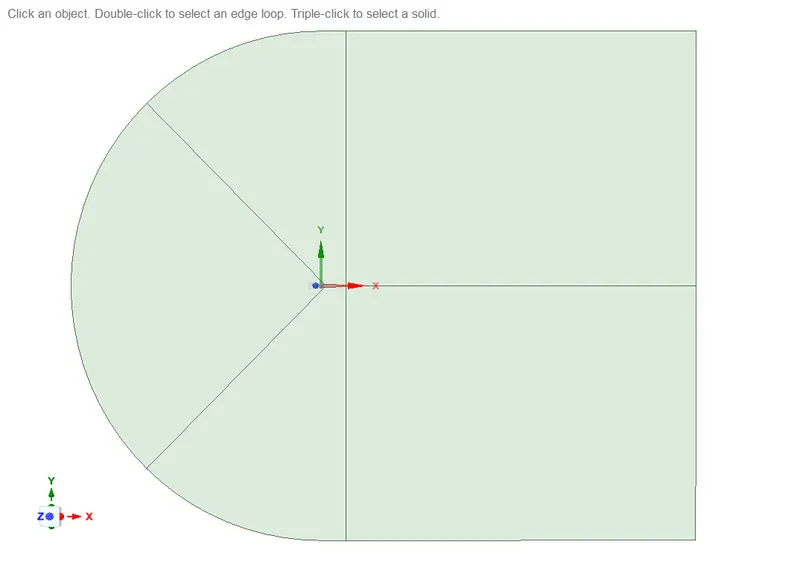
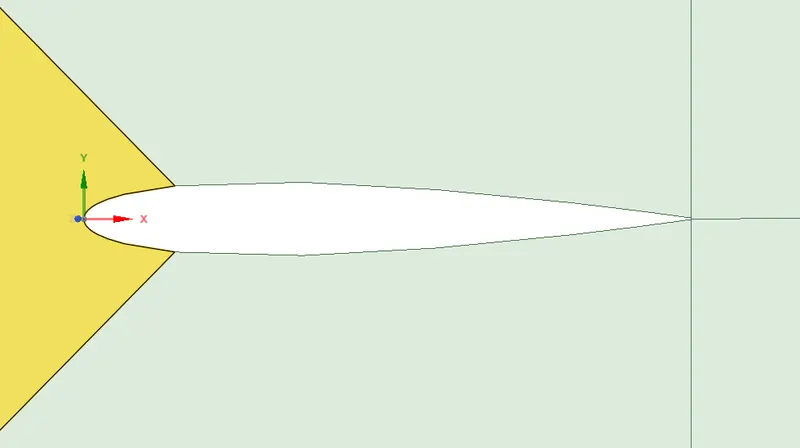
With a domain created to accomodate a structured mesh.
 |
 |
The mesh is generated based on the velocity of 32 and 272. This will be important to determine the first layer height of the mesh (assuming y+ of 1).
 |
|
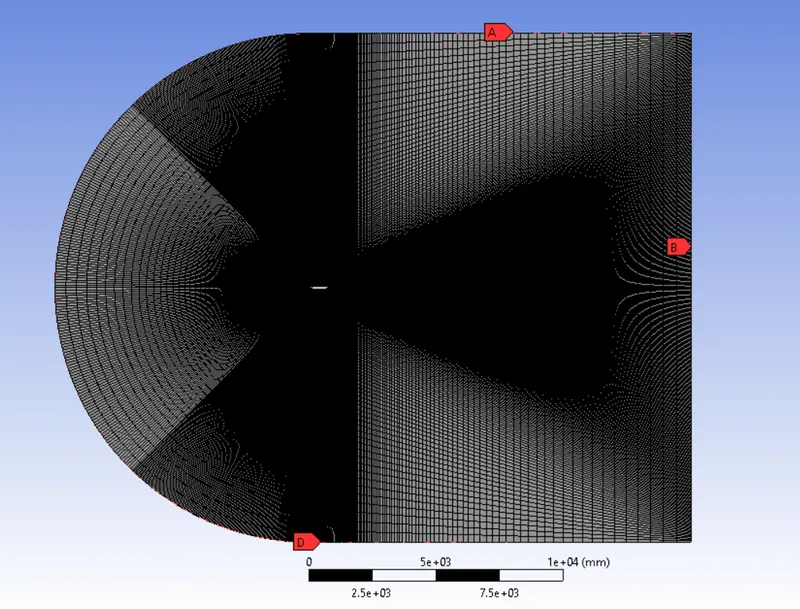
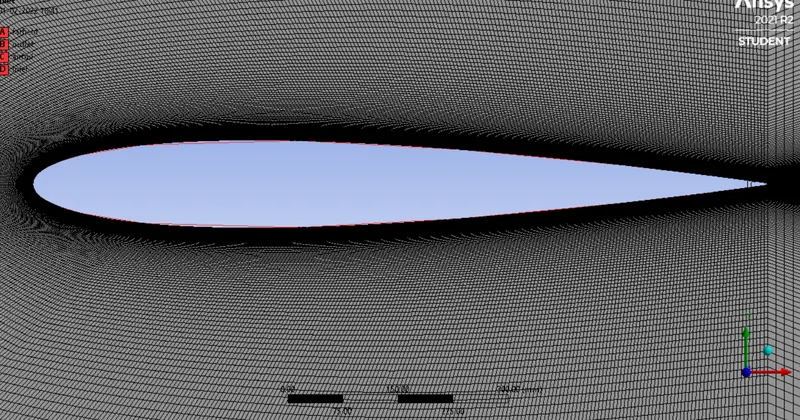
Inflation layer generated for the study.
|
|
Operations performed to get the structured mesh
|
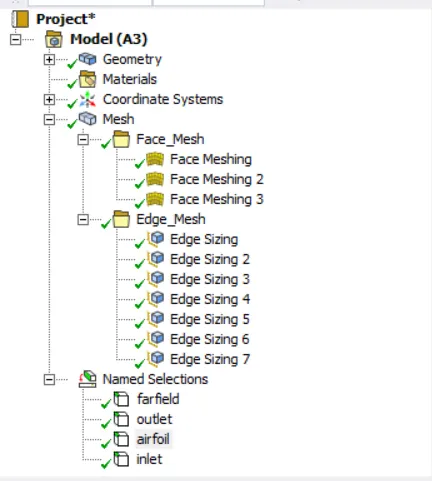
Since the simulation is ran for 3 angle of attack and 2 velocities it makes 6 cases.
The setup: For various angles of attac the vecocity components are used to input the velocities. Using the k-omega SST with Energy enabled (for the Compressible case). The Coefficeint of drag and lift are enables in report defination (Using the components for respective AoA).
Incompressible
| Angle of Atatck | Contours for Pressure and Velocity | ||
| 5 |
|
||
| 10 |
|
||
| 15 |
|
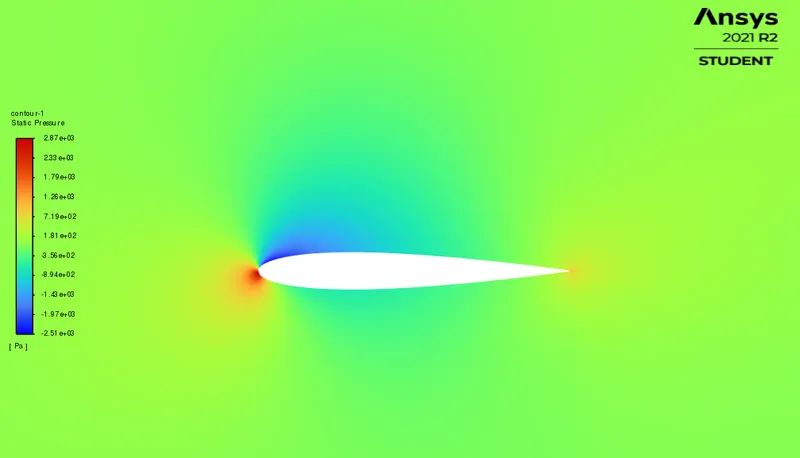
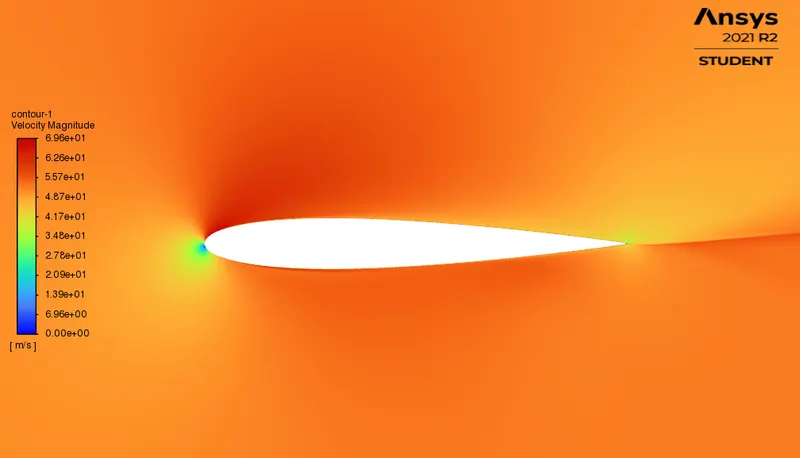
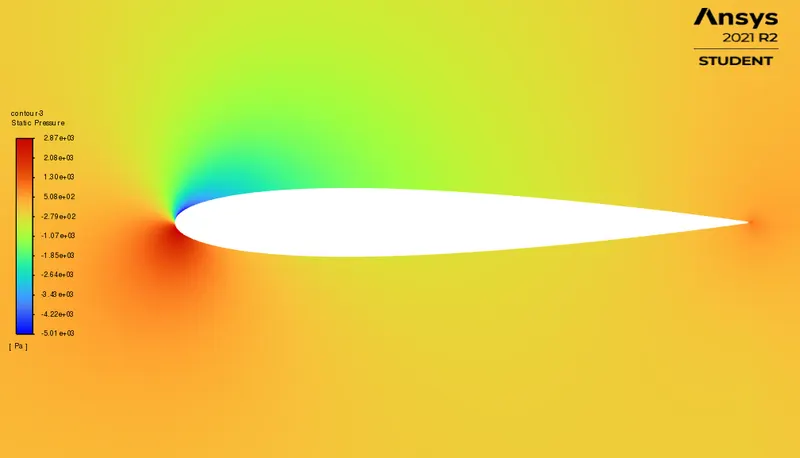
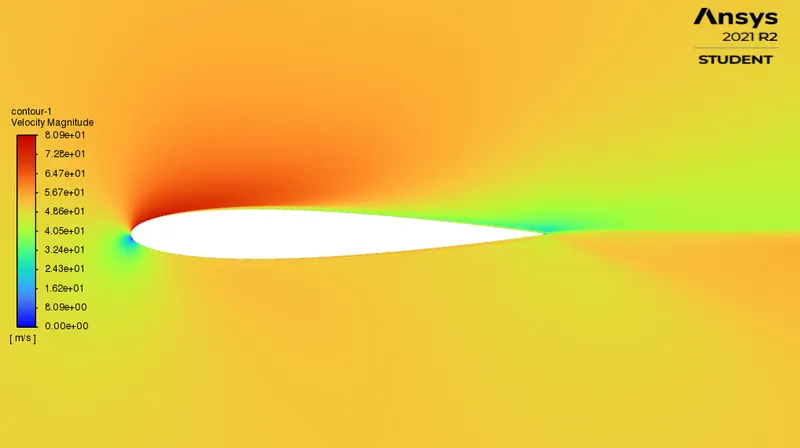
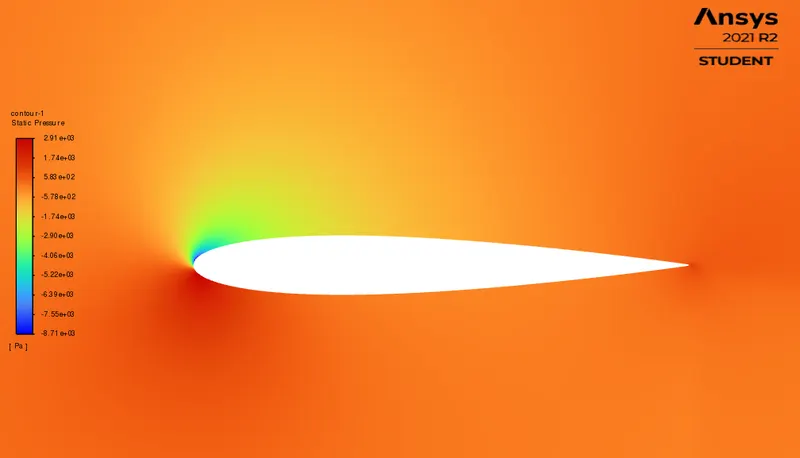
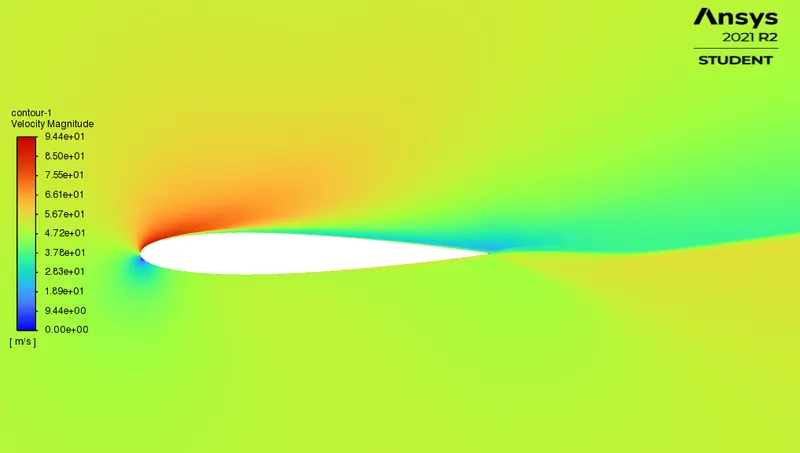
Compressible
| Angle of Attack | Contours for Pressure and Velocity | ||
| 5 |
|
||
| 10 |
|
||
| 15 |
|
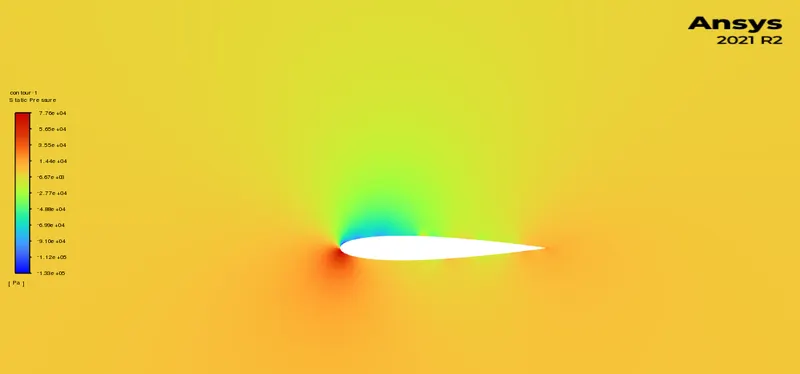
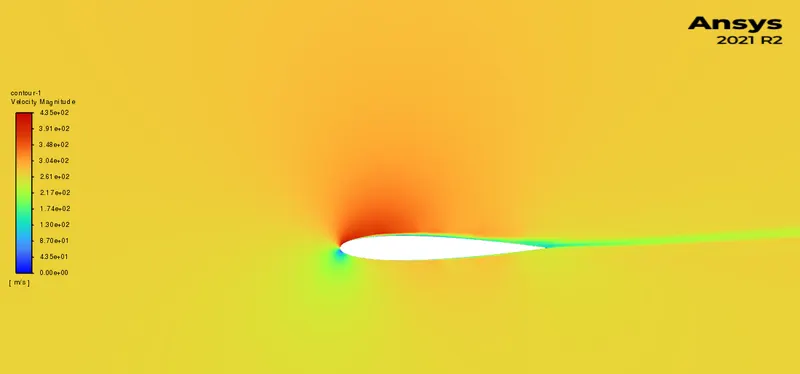
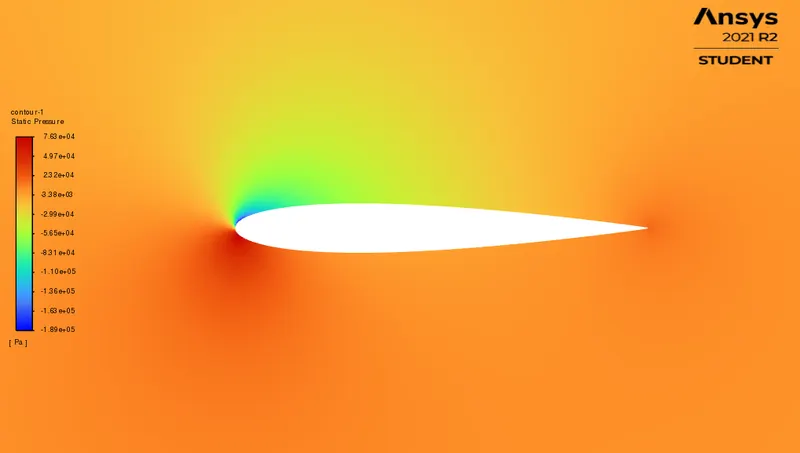
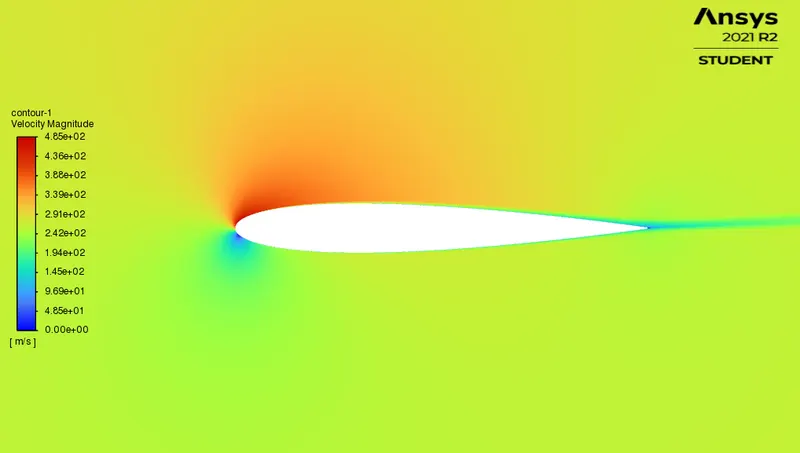
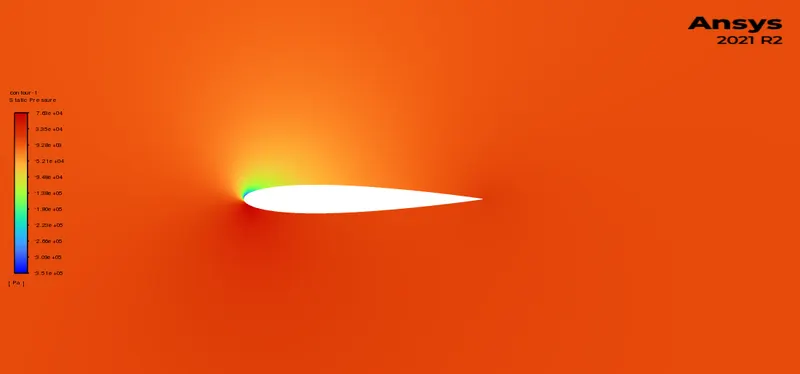
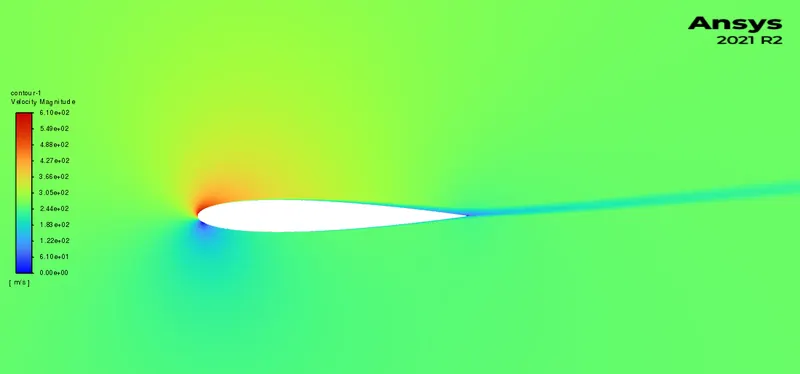
The result for the coefficient of drag and lift for each case is as follows:
| Incompressible | Compressible | ||||||||||||||||||||
|
|
Conclusion: The simulation is successful as the values stabilised and there was no undesired phenomenon was observed. Although, for the Compressible case it is desired that a density based solver be used, it was observed it woud often flutuate without a repetativeness to it, also the residuals would diverge after some iteration. In leiu of this pressure based solver was used whic seemd to be stable and not produce fluctuation randomly. Hence, we can conclude the study as successful.