Week 2 - Flow over a Cylinder.
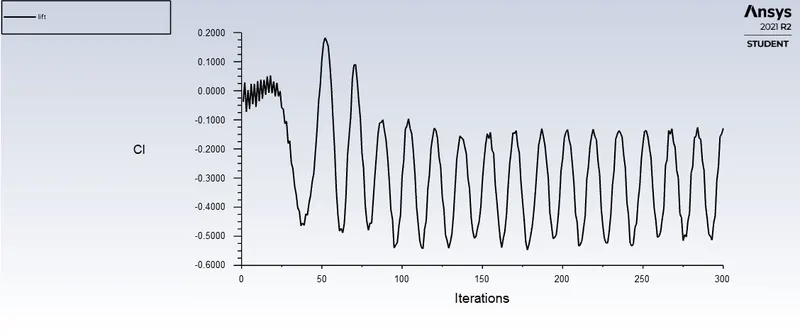
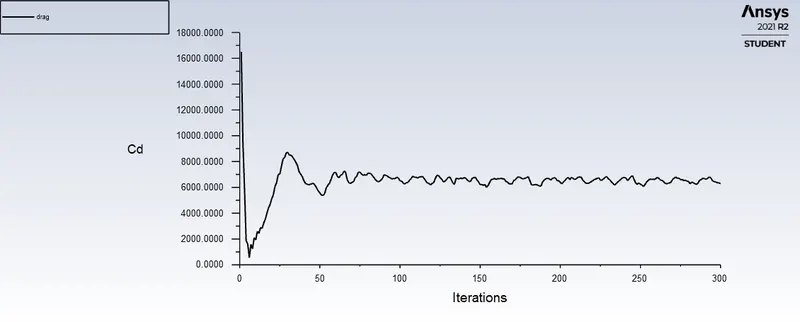
Introduction: This study is condusted to understand the external aerodynamics of a body (cylinder), in that, to acess the drag coefficient, lift coefficient, point of separation and Vortex shedding.
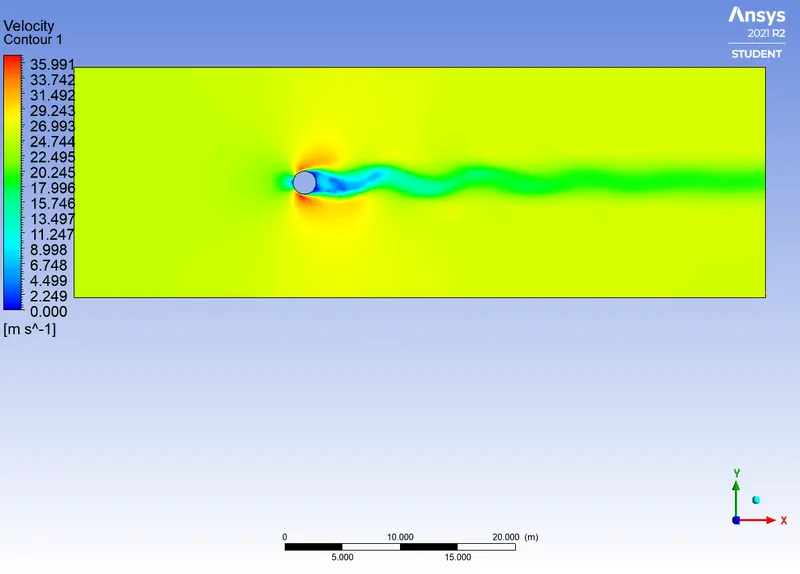
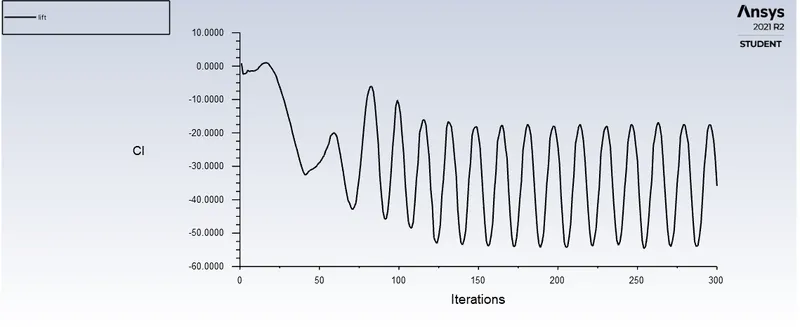
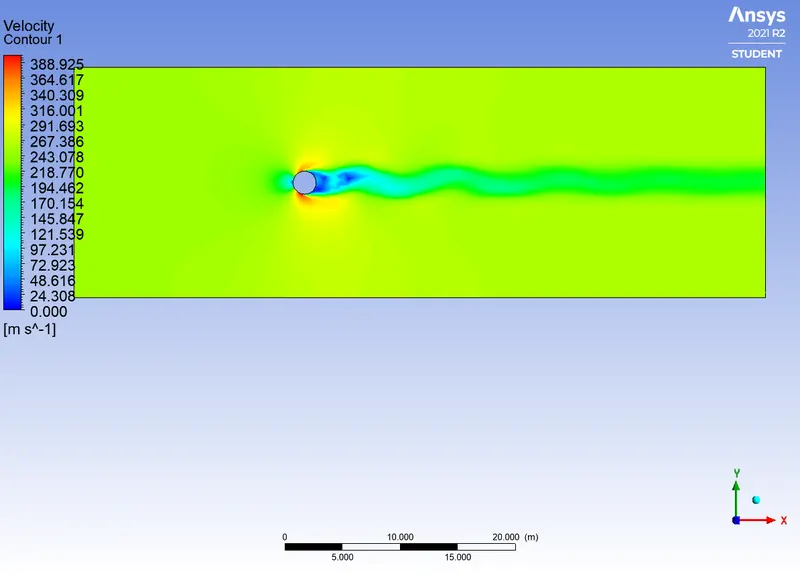
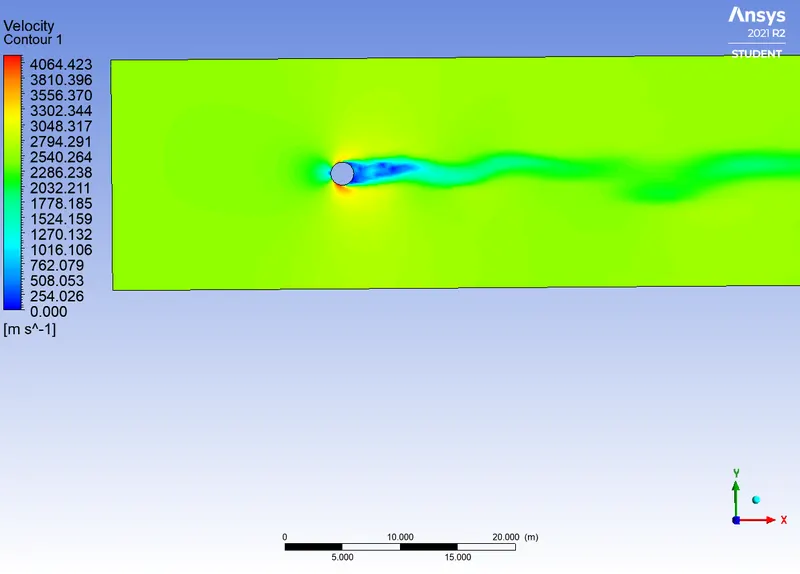
Vortex shedding: This phenomenon occurs whenever a is body moving through a fluid. The vorticis are created at the rear of the vehicle which occurs due to flow separation and pressure difference created by its movement. These vortices cause recirculation and their unstability can be dterimental to the vehicle's stability. The pattern created by these vortices at the rear of the body is known as von-Karmen vortex shedding.
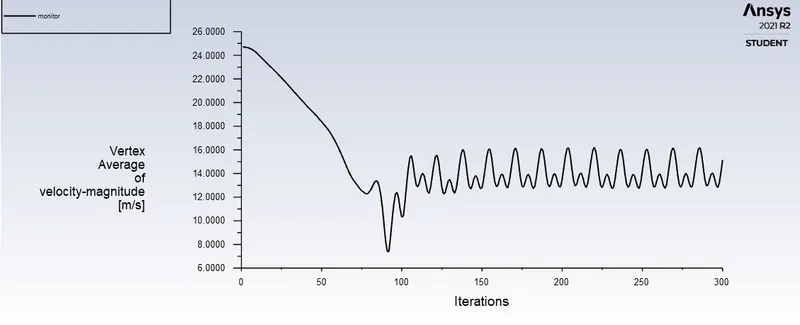
Strouhal number: A dimentionless number which gives an idea about the dominance of oscillations on the flow.
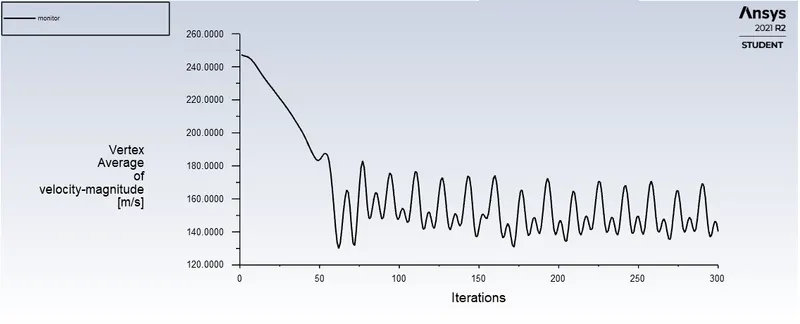
The vortex are alternating which gives them a certain frequency (Oscillations) based on the frequency, and amplitude of the vortex shedding one can evaluate Strouhal number.
`Sh = (Frequency*Amplitude)/(U)`
Here,
U = the free stream velocity
As this is a study based on Reynold's number we can easily find the relationship between the reynold's number and the Strouhal number as velocity is a common variable.
`Re = (rho*U*d)/nu`
after substitution,
`Re = (rho*f*A*d)/(Sh*nu)`
`Re alpha(1/(Sh))`
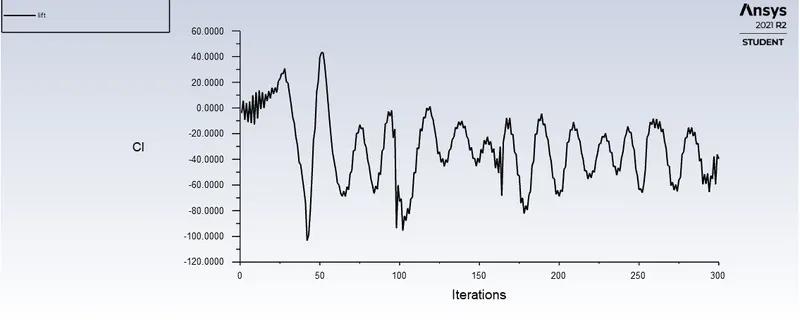
This becomes important as high Sh would mean that the flow dominates as Re will be lower which means there will be less variation in the velocity and lift coefficient, which is expected.
The simulation was conducted for 5 cases of Reynold's nummber:
| 10 | 100 | 1000 | 10000 | 100000 |
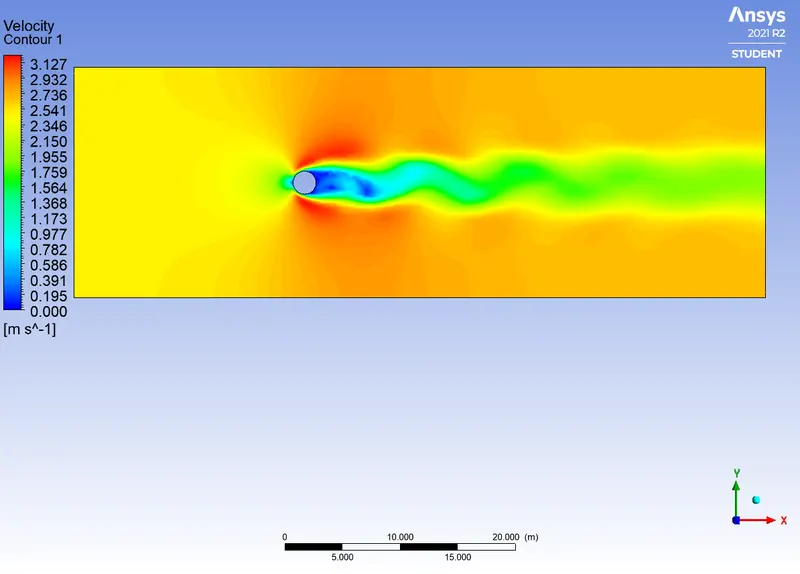
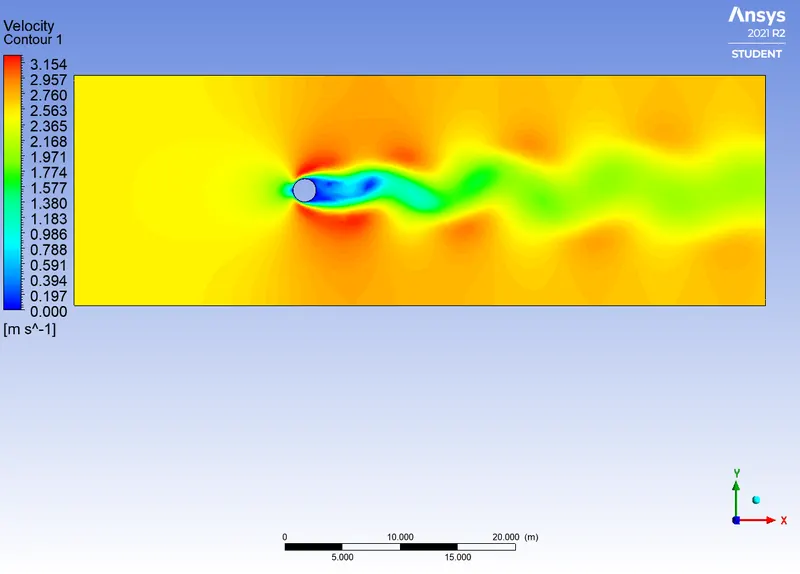
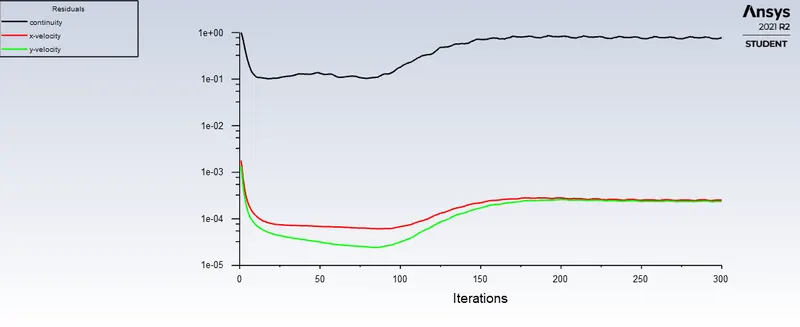
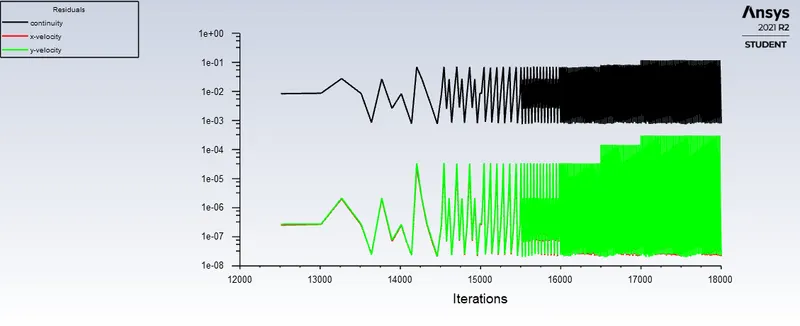
The following shows the results obtained from this study.
Case 1:
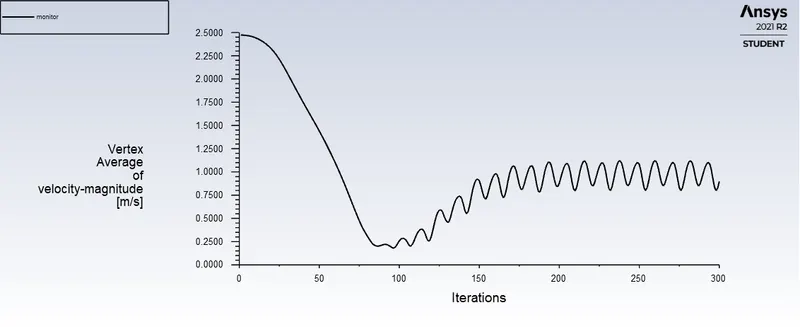
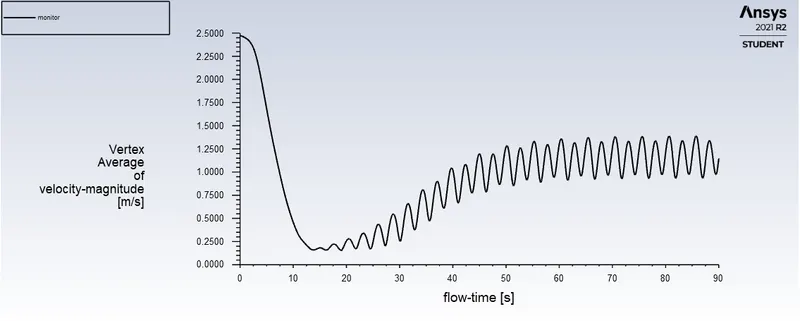
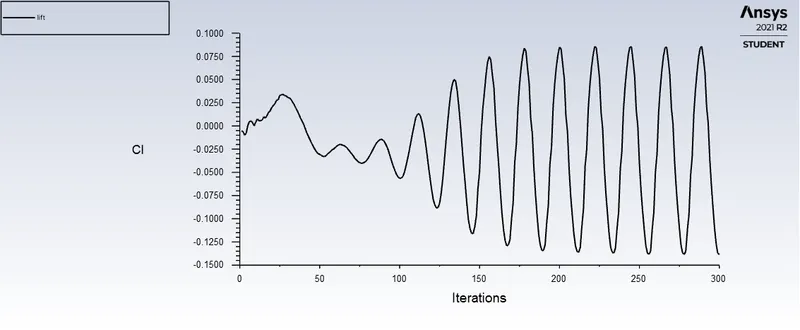
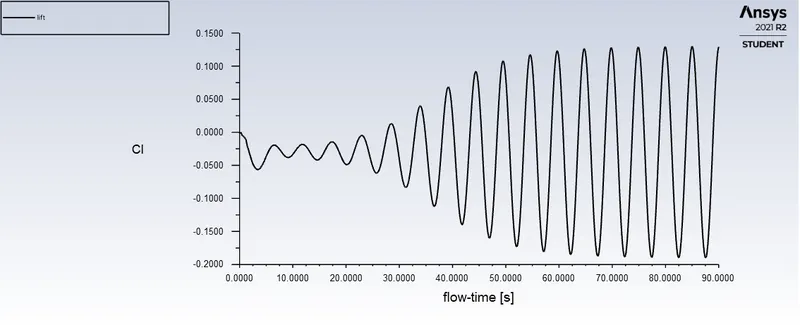
| Re 100 (Steady state) | Re 100 (Transient) |
 |
 |
 |
 |
 |
 |
 |
 |
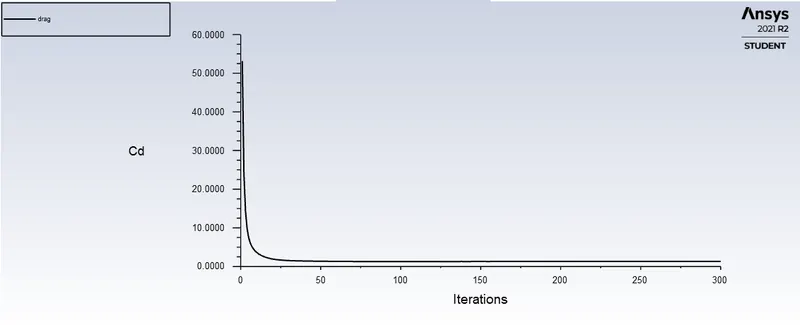 |
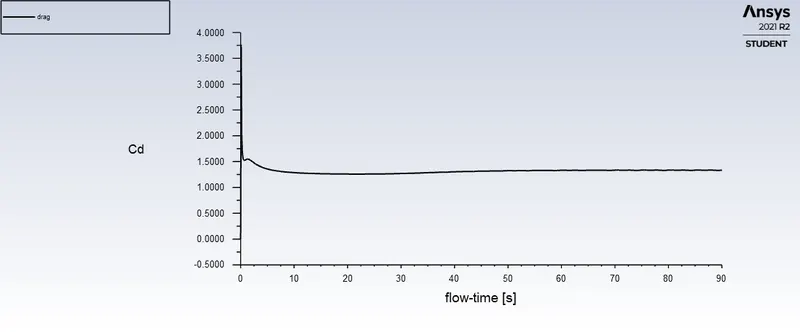 |
For the case of transient simulation strauhal number was observed and is given as follows:
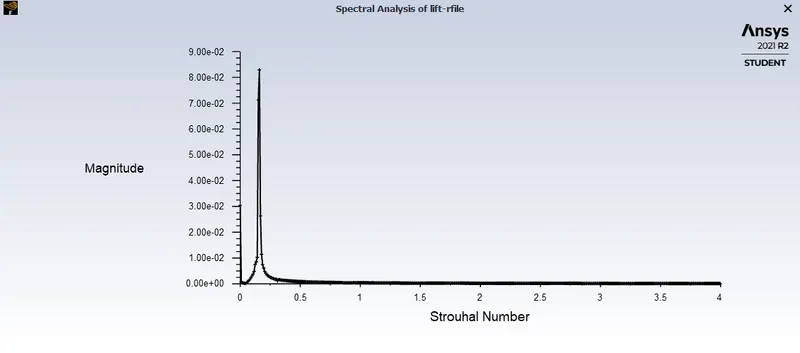 |
| Sh = 0.15982242 |
which conforms to the relationship derived above between Reynold's number and the Strauhal number.
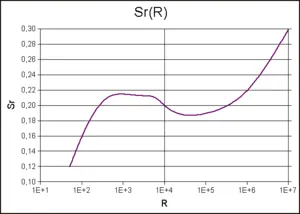 |
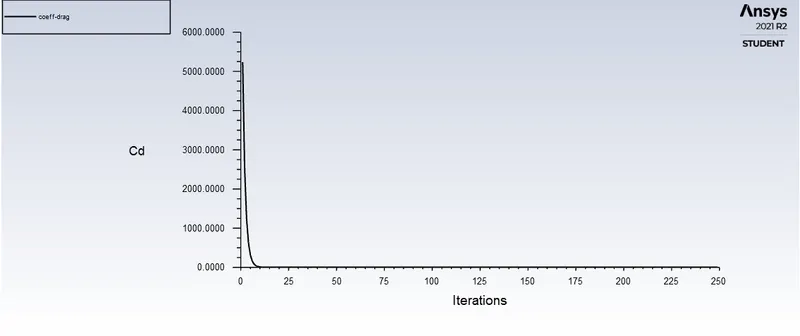
Case 2:
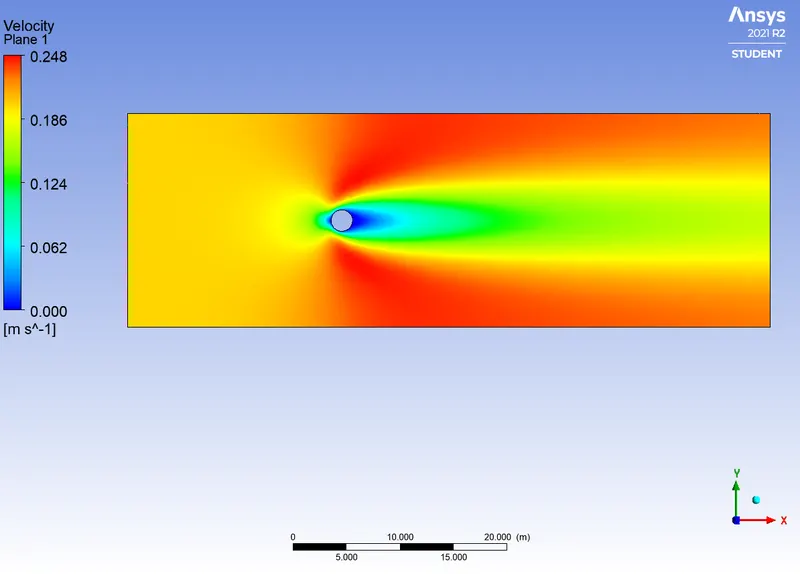
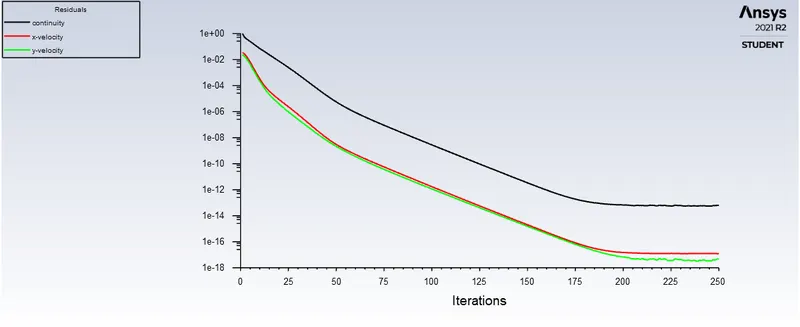
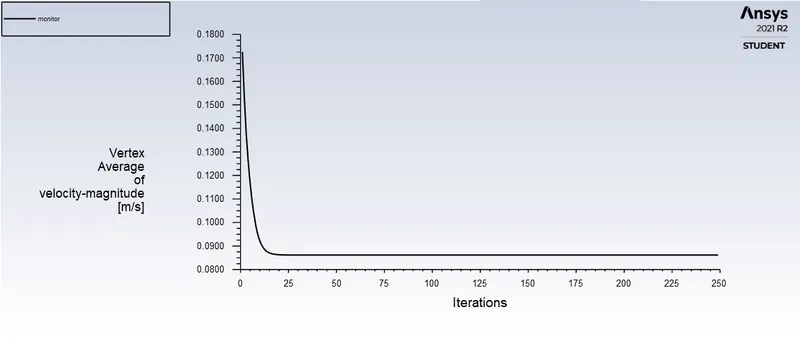
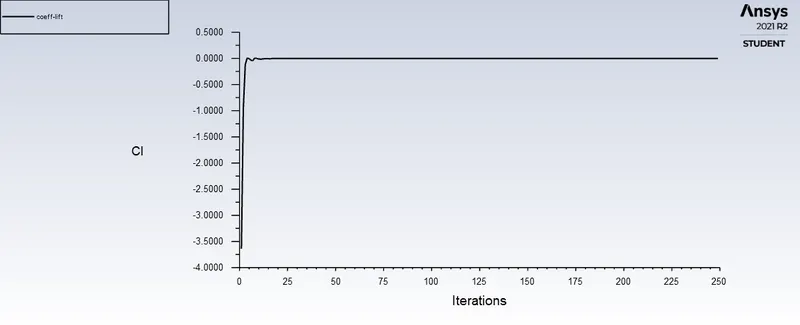
| Re 10 |
 |
 |
 |
 |
 |
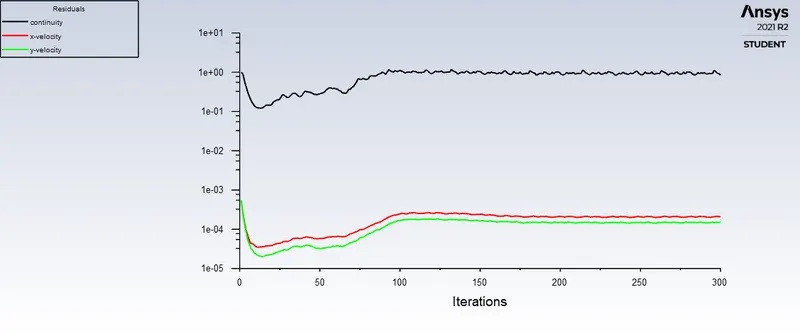
Case 3 :
| Re 1000 |
 |
 |
 |
 |
 |
Case 4:
| Re 10000 |
 |
 |
 |
 |
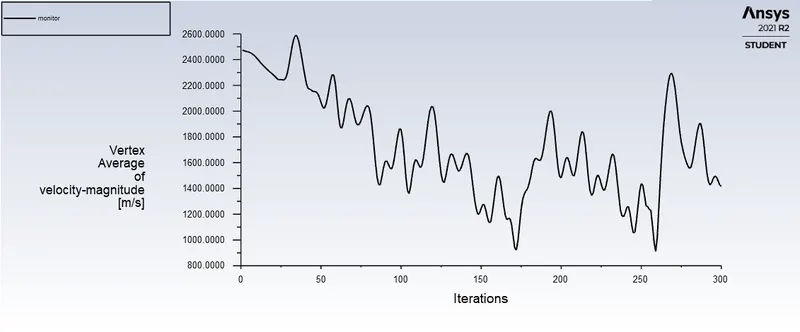
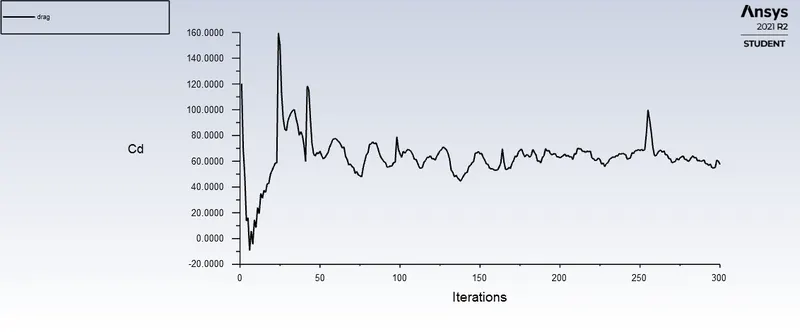
Case 5:
| Re 100000 |
 |
 |
 |
 |
 |
Conclusion:
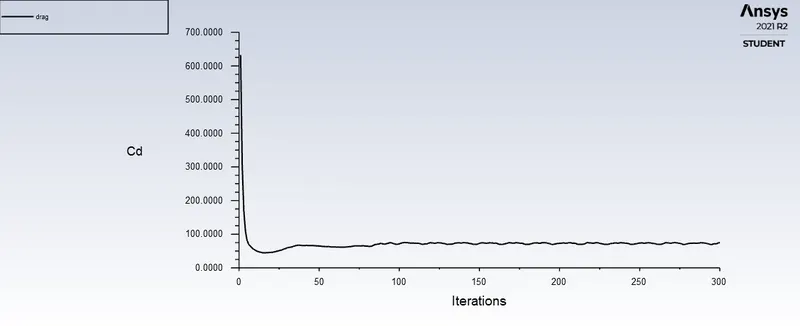
As the coefficient of drag is a function of the drag force and is inversely proportional to the area of the body, density of the fluid and the velocity it can be seen as when the velocity increases the Coefficient of drag will become a smaller value. As the velocity is also direcllty proportional to the velocity and hence as the Re increases the Cd decreases. Also flow separation is a reason that drag increases on the body becauses of the wake behind. As the velocity increses the flow will dominate which will resuce the length (accross) the Vortex street further pushing the point of separtion behind hence reducing the drag and its coefficient.