Week 7-Long Piston With Cam
OBJECTIVE
To perform a transient analysis on a piston and cam mechanism model
Run the analysis for a total 2 cases
Case 1 Frictionless contact
Case 2 Frictional with 0.1 as the frictional contact
Case 3 Frictional with 0.2 as the frictional contact
PRODECURE
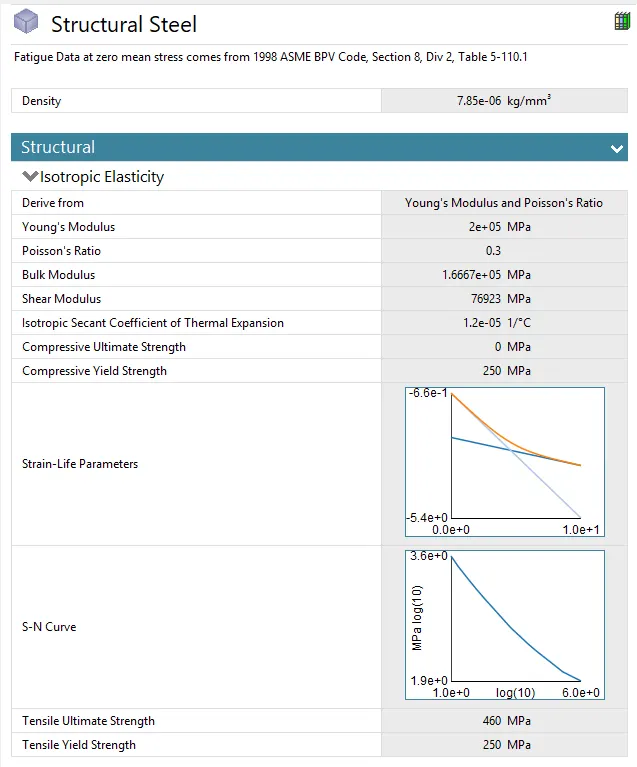
Create transient structural analysis and in engineering data select the material structural steel
Structural Steel
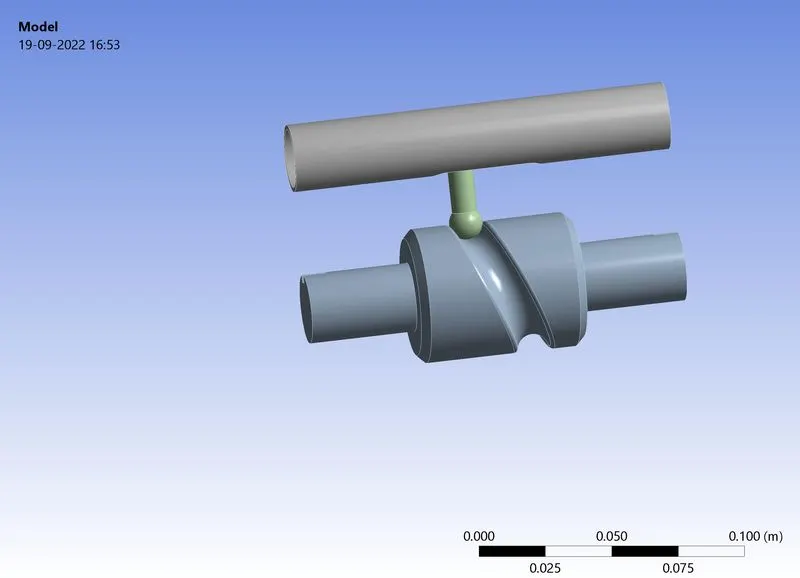
Import the geometry and check in spaceclaim for any irregularties
Then open ansys mechanical and rename the geometry as Barrel ,Barrel_cam and Cam_follower then assign the structural steel material
CONTACTS
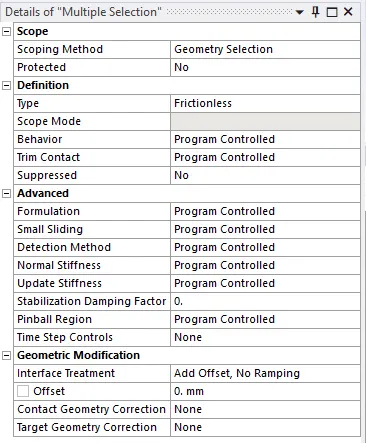
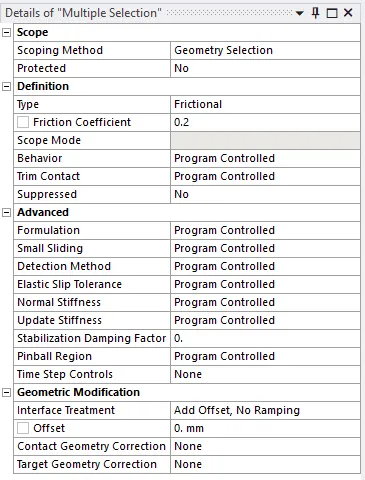
Two contacts created in the whole setup with frictionless or frictional type with friction coefficient of 0.1 and 0.2 and interface treatment is set to Add offset , Ramped effects
CASE 1 Frictionless contact
CASE 2 Frictional with 0.1 as the frictional contact
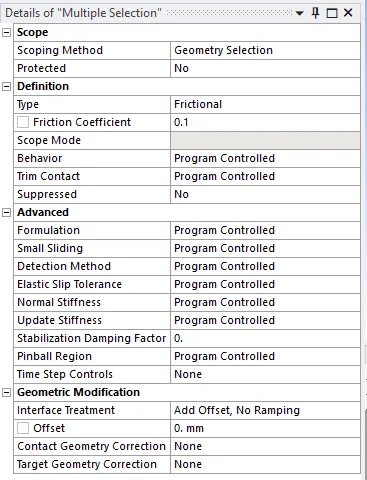
CASE 3 Frictional with 0.2 as the frictional contact
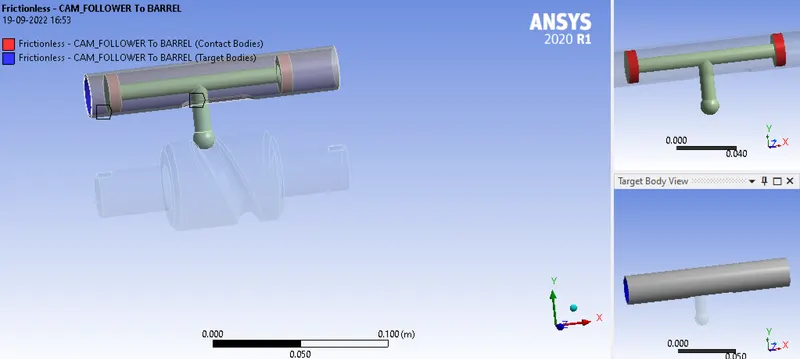
Contact Cam_Follower to Barrel
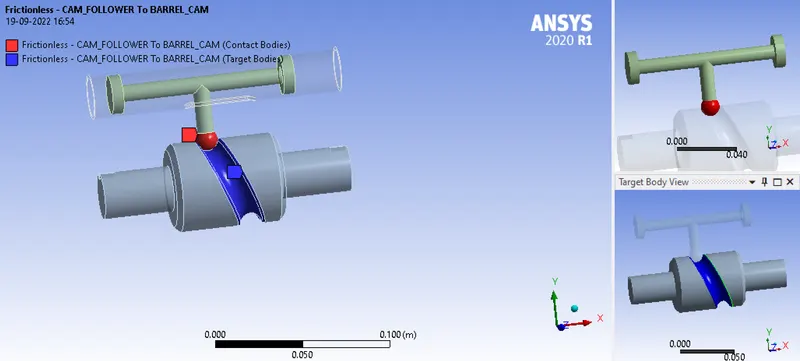
Contact Cam_Follower to Barrel_Cam
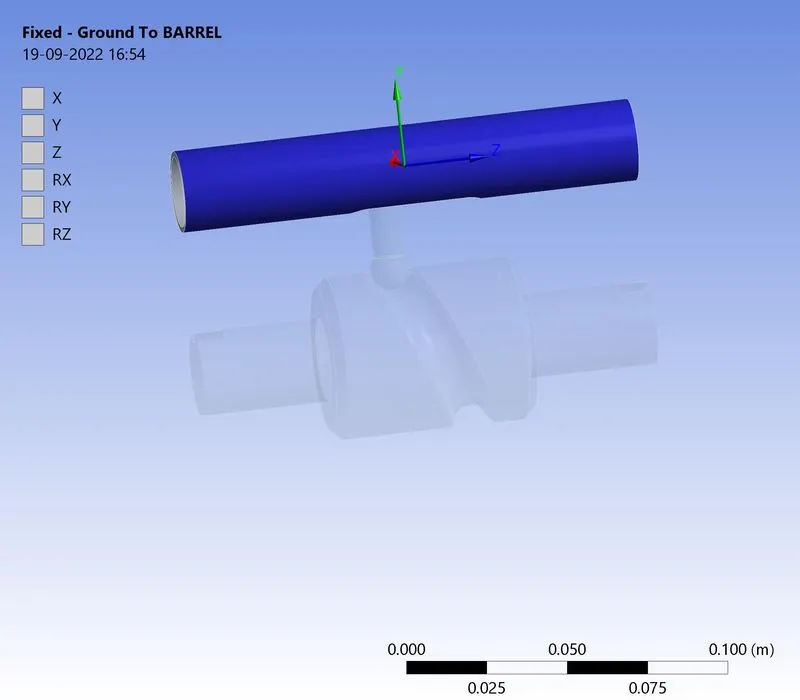
Joints Three joints created in whole geometry
Fixed Ground To Barrel
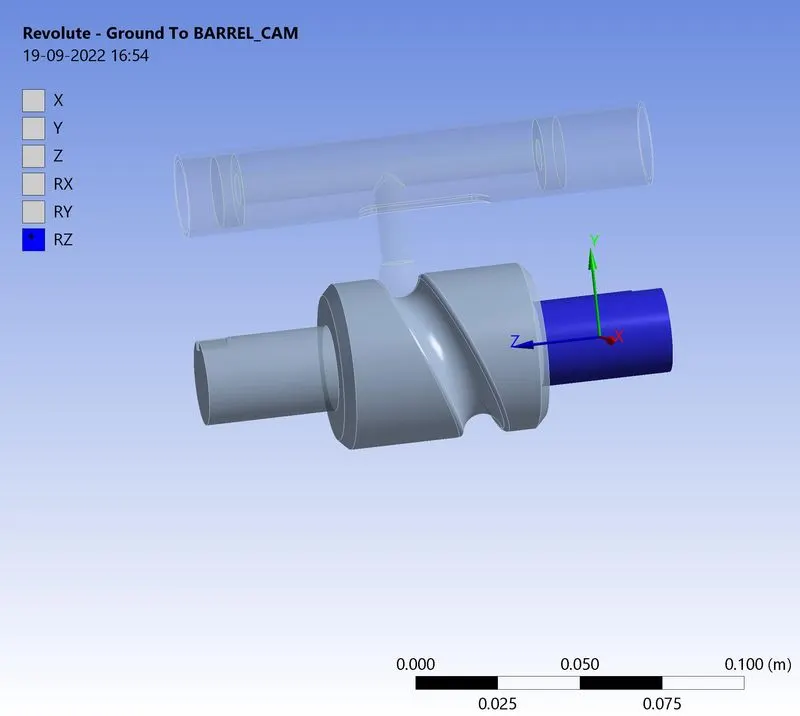
Revolute Ground to Barrel_cam
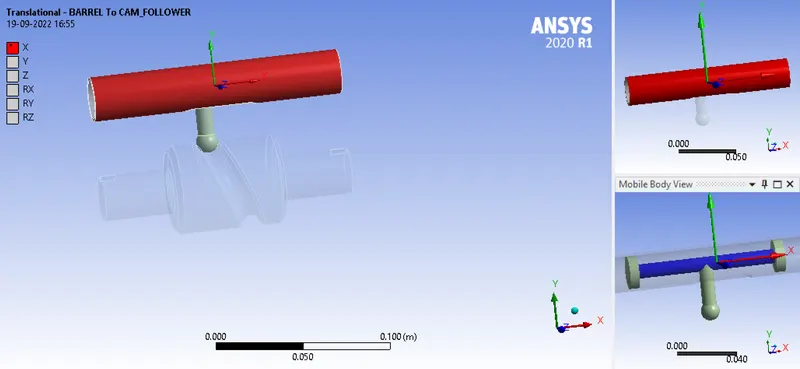
Translational Barrel to Cam_follower
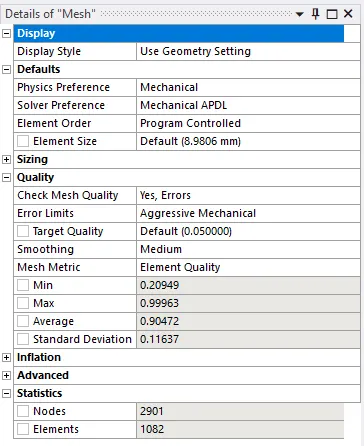
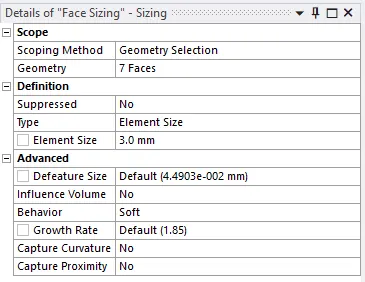
Mesh Face Sizing Option use for meshing 3mm element size
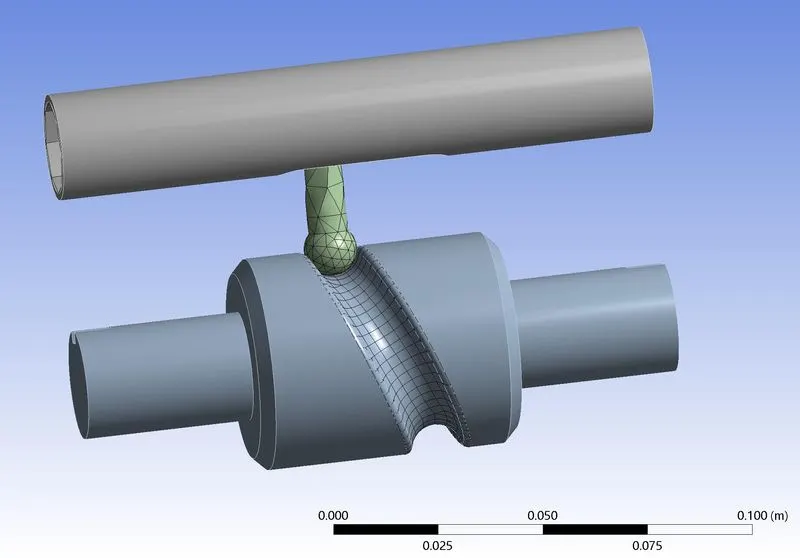
Analysis Settings
The simulation runs for 9 steps so that the number of steps is set as 9
In the first step large deflection set to on and defined by time step set to 0.1s Minimum time step set to 5e-2s and Maximum time step set to 0.2s and stabilization set to constant method to energy and energy dissipation ratio to 0.1 activation for first step to yes. In output control set all output to yes except contact miscellaneous.
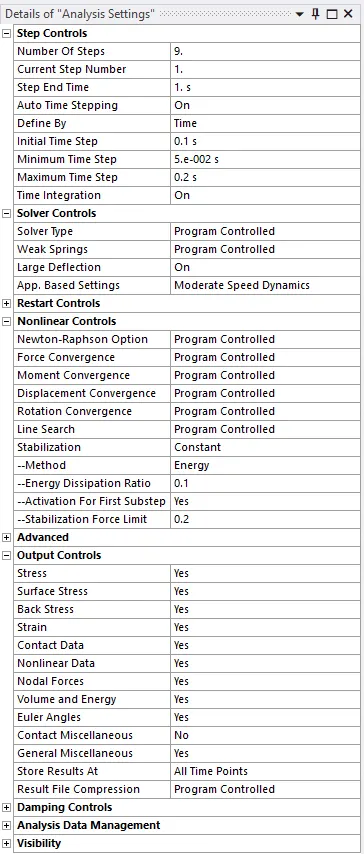
Second step to nine step large deflection set to on and defined time .Carry over time set to on Initial time step set to 0.1s Minimum time step set to 5e-2s and maximum time step to 0.3s and stabilzation set to constant method to energy and energy dissipation ratio to 0.1 activation for first step to yes .In output control set all output to yes excpt contact miscellaneous.
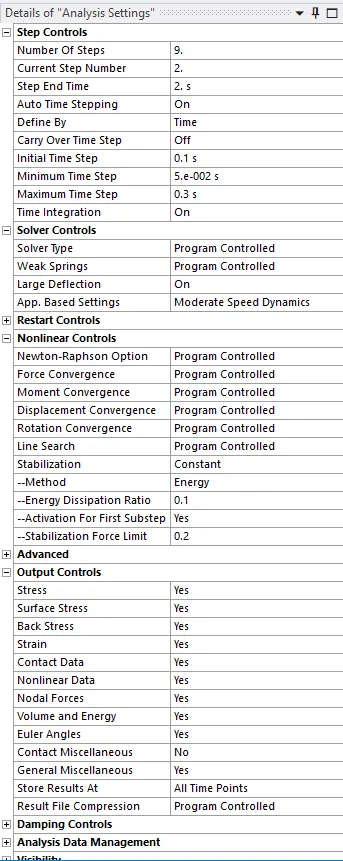
Joint Rotation Cam is provided a rotation of 270 degrees
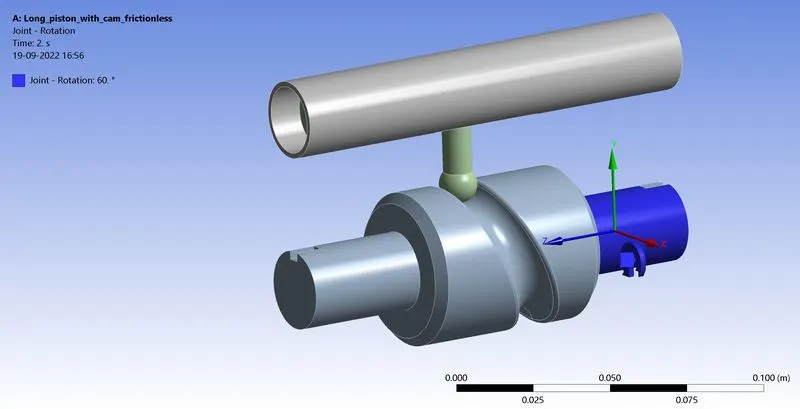
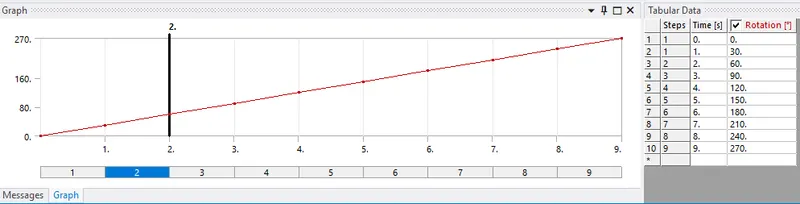
Run the simulation and results obtained
Result The analysis runs successfully and results obtained
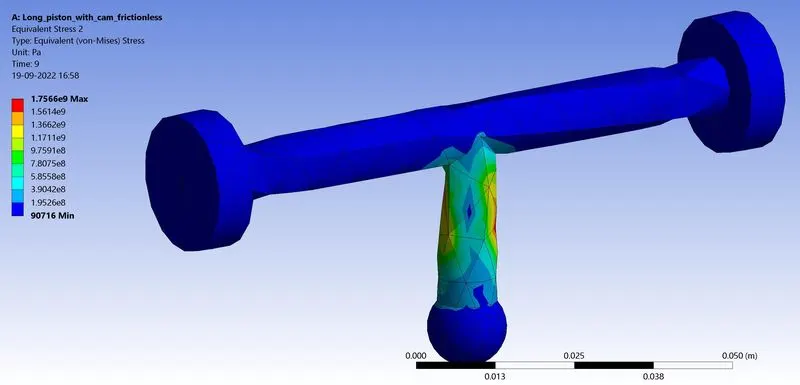
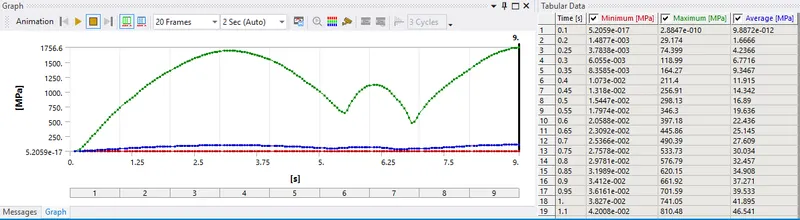
Case 1 Frictionless Contact
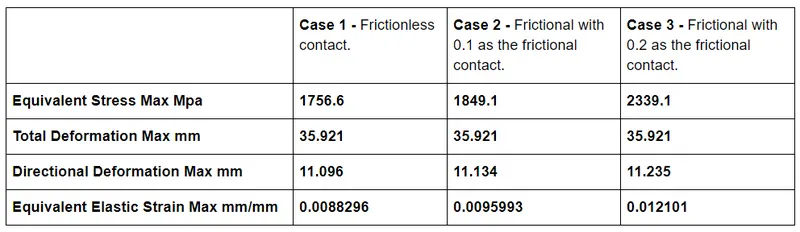
Equivalent Stress Max - 1756.6 Mpa
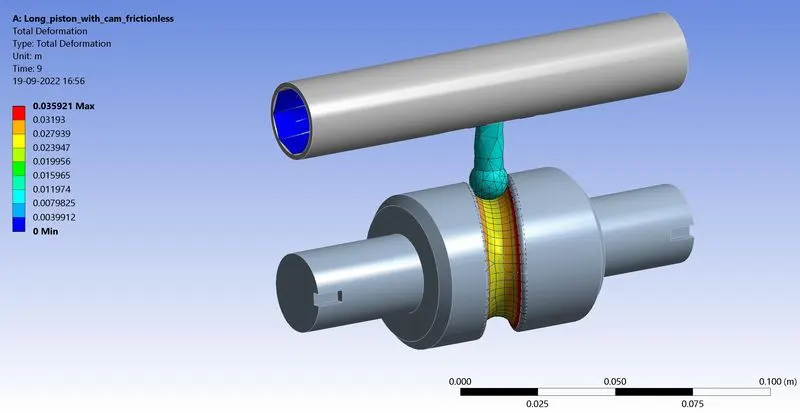
Total Deformation Max - 35.921mm
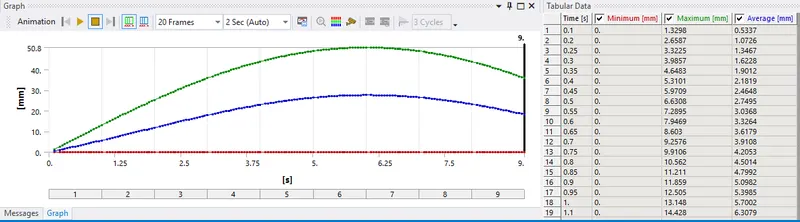
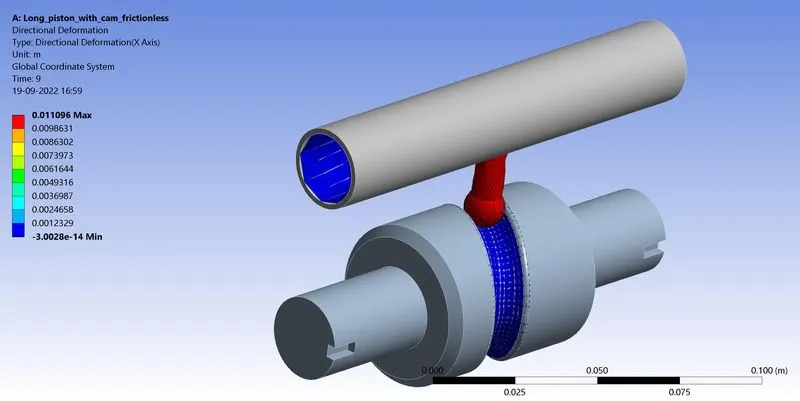
Directional Deformation Max - 11.096 mm
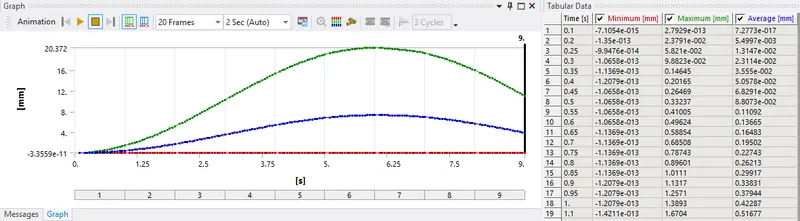
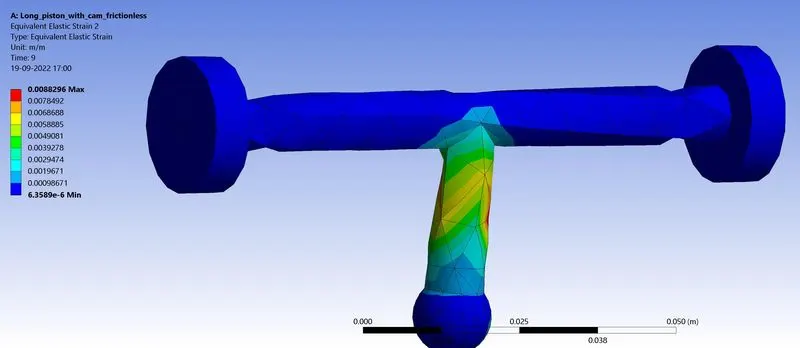
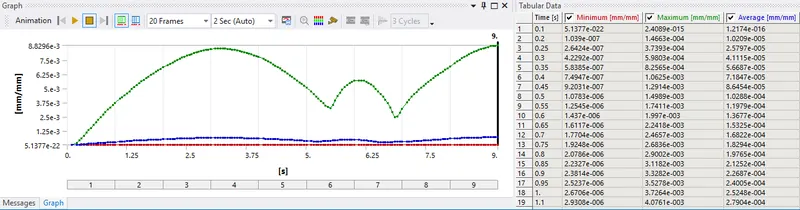
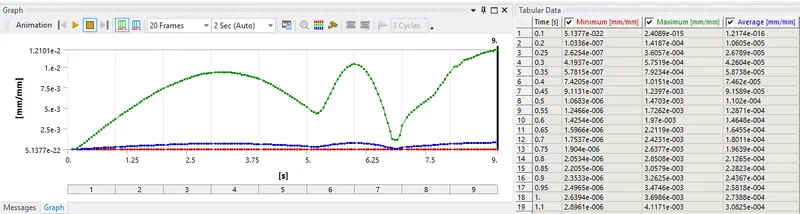
Equivalent Elastic Strain Max - 0.0088296 mm/mm
Case 2 Frictional with 0.1 as the frictional contact
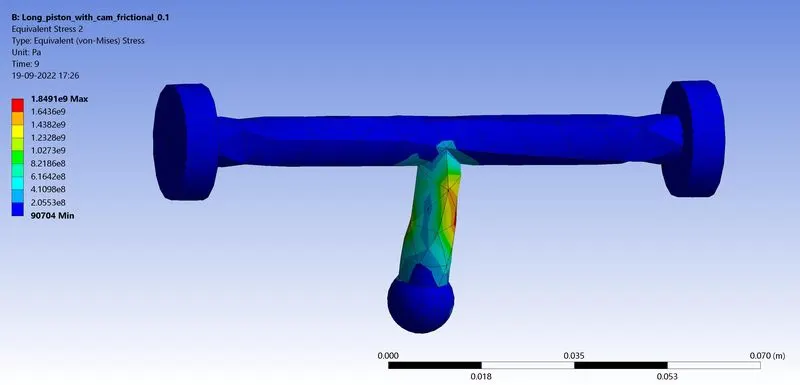
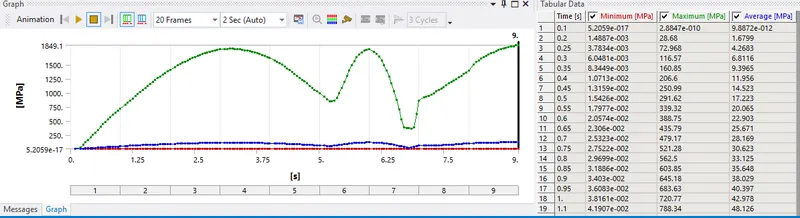
Equivalent Stress Max - 1849.1 Mpa
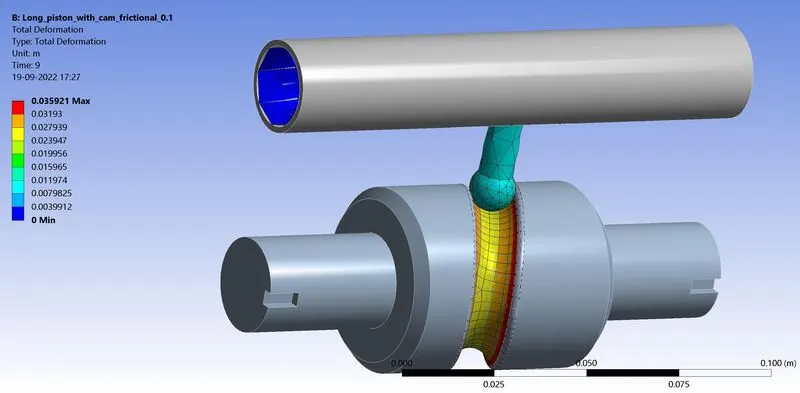
Total Deformation Max - 35.921mm
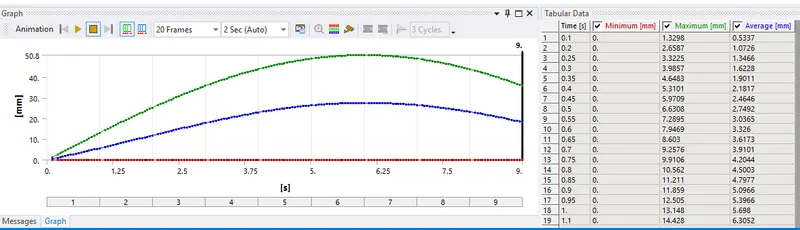
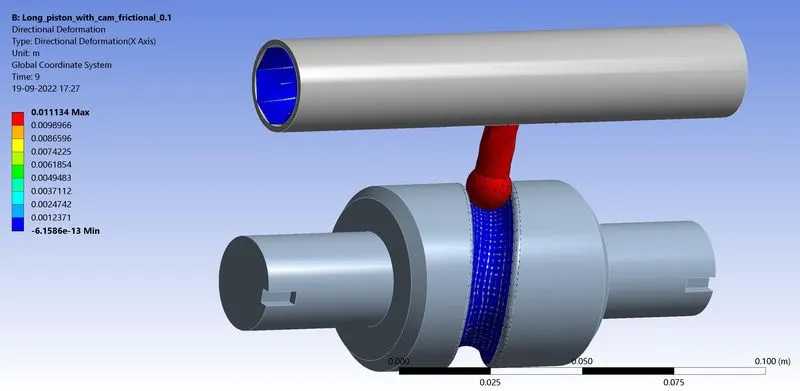
Directional Deformation Max - 11.134 mm
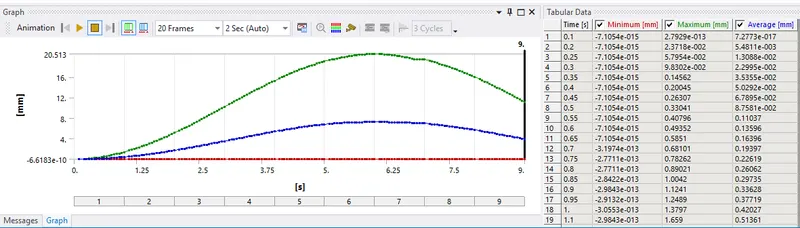
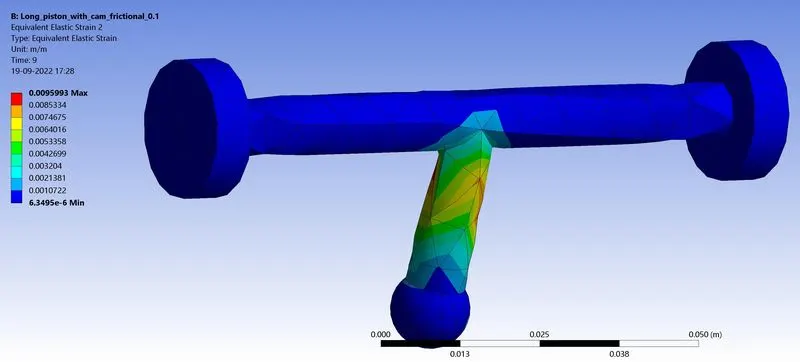
Equivalent Elastic Strain Max - 0.0095993 mm/mm
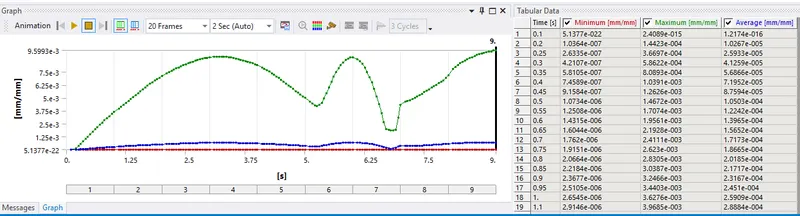
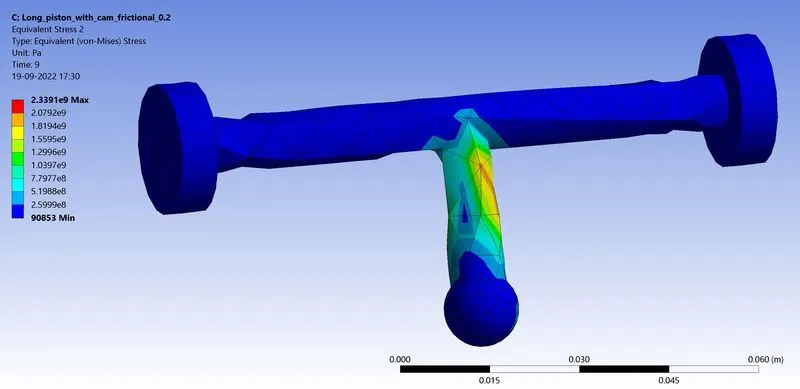
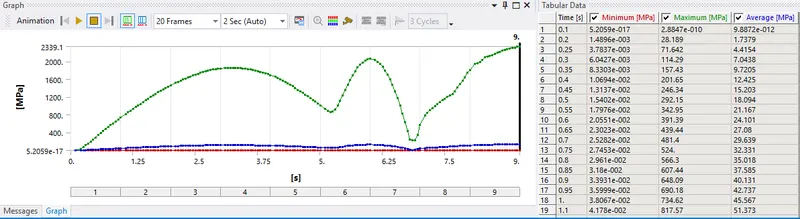
Case 3 Frictional with 0.2 as the frictional contact
Equivalent Stress Max - 2339.1Mpa
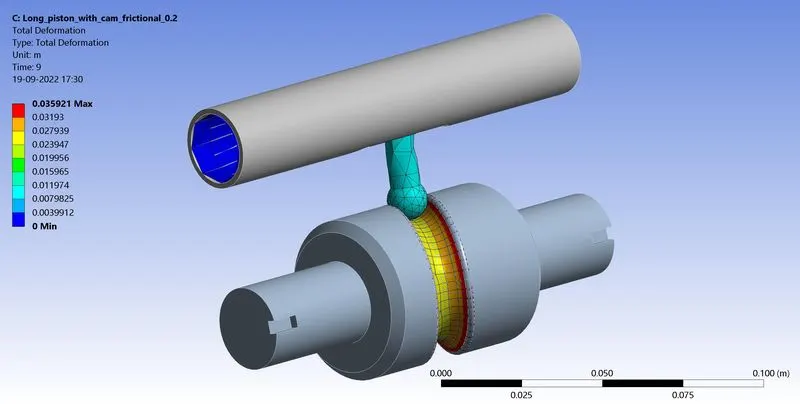
Total Deformation Max - 35.921mm
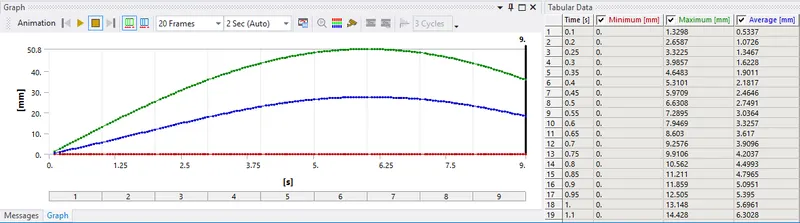
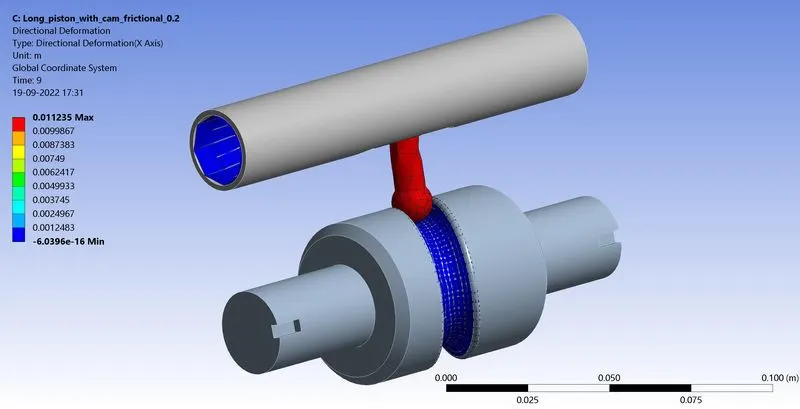
Directional Deformation Max - 11.235mm
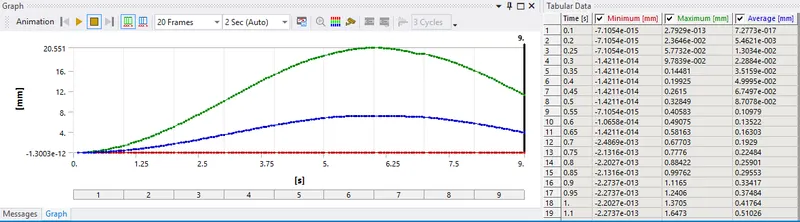
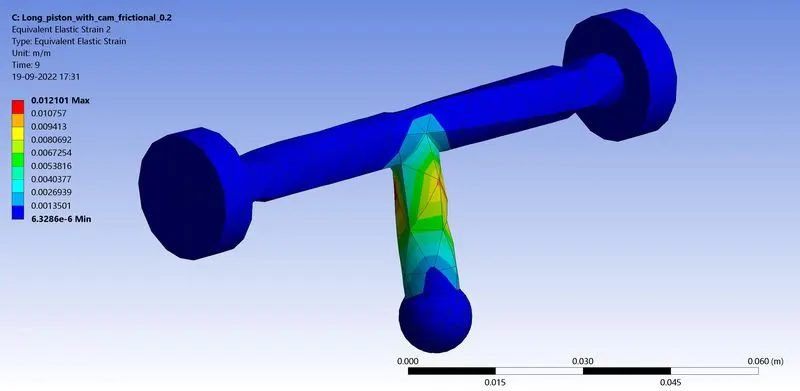
Equivalent Elastic Strain Max - 0.012101 mm/mm
CONCLUSION
INTERFACE
- Equivalent Stress - Stress keeps on increasing as we increase the friction coefficient values .As the friction coefficient calue increases it resists more the movement of the follower and thus stress develops at the stem of the follower
- Directional Deformation It is increasing slightly with increasing friction coefficent value
- Equivalent Elastic Strain Also because of the same reason as equivalent stress , Equiavalent strain also increases due to more resistance offered.