Week 7 - CHT Analysis on a Graphics card
Objectives:
-
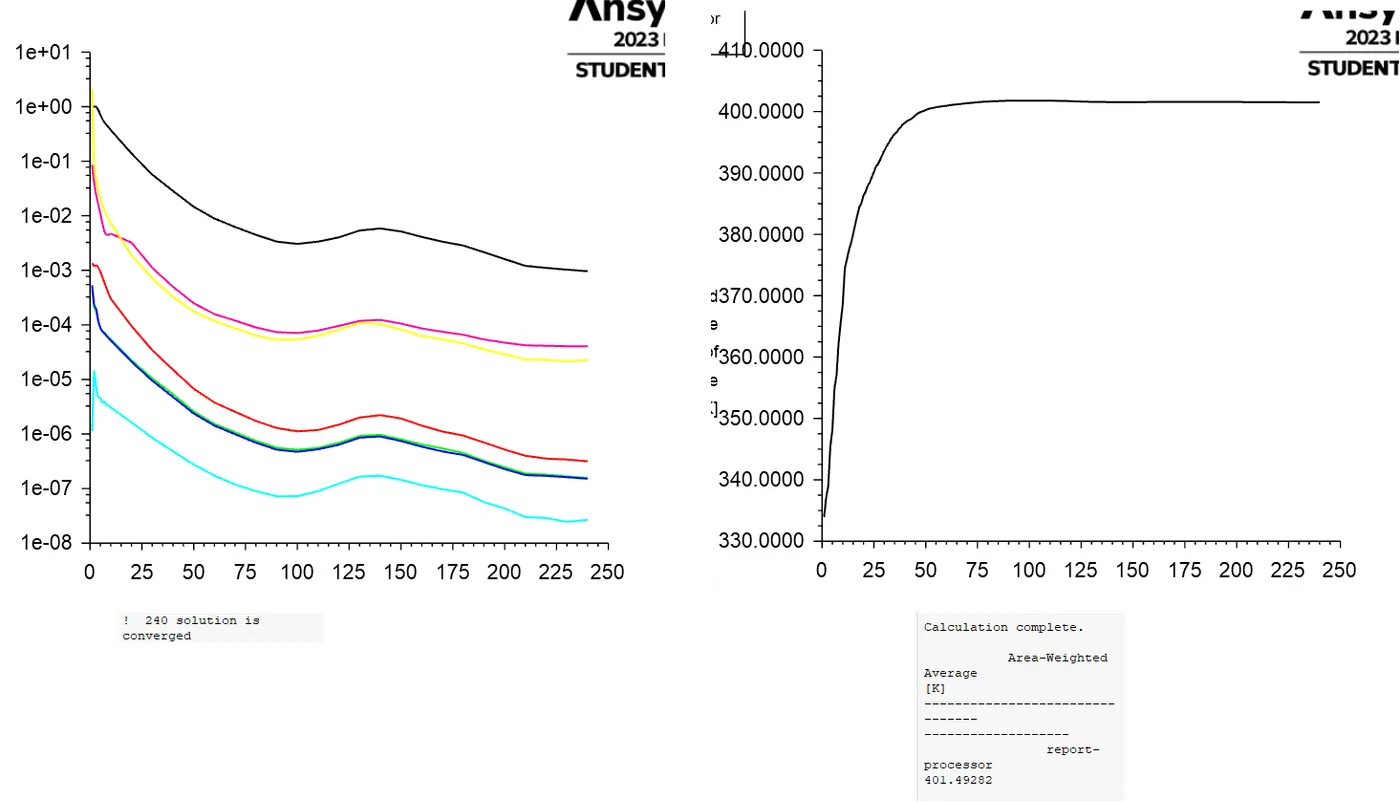
Simulate by varying the velocity from 1m/sec to 5m/sec for at least 3 velocities and discuss the results with the simulation, which has achieved convergence with appropriate images and plots.
-
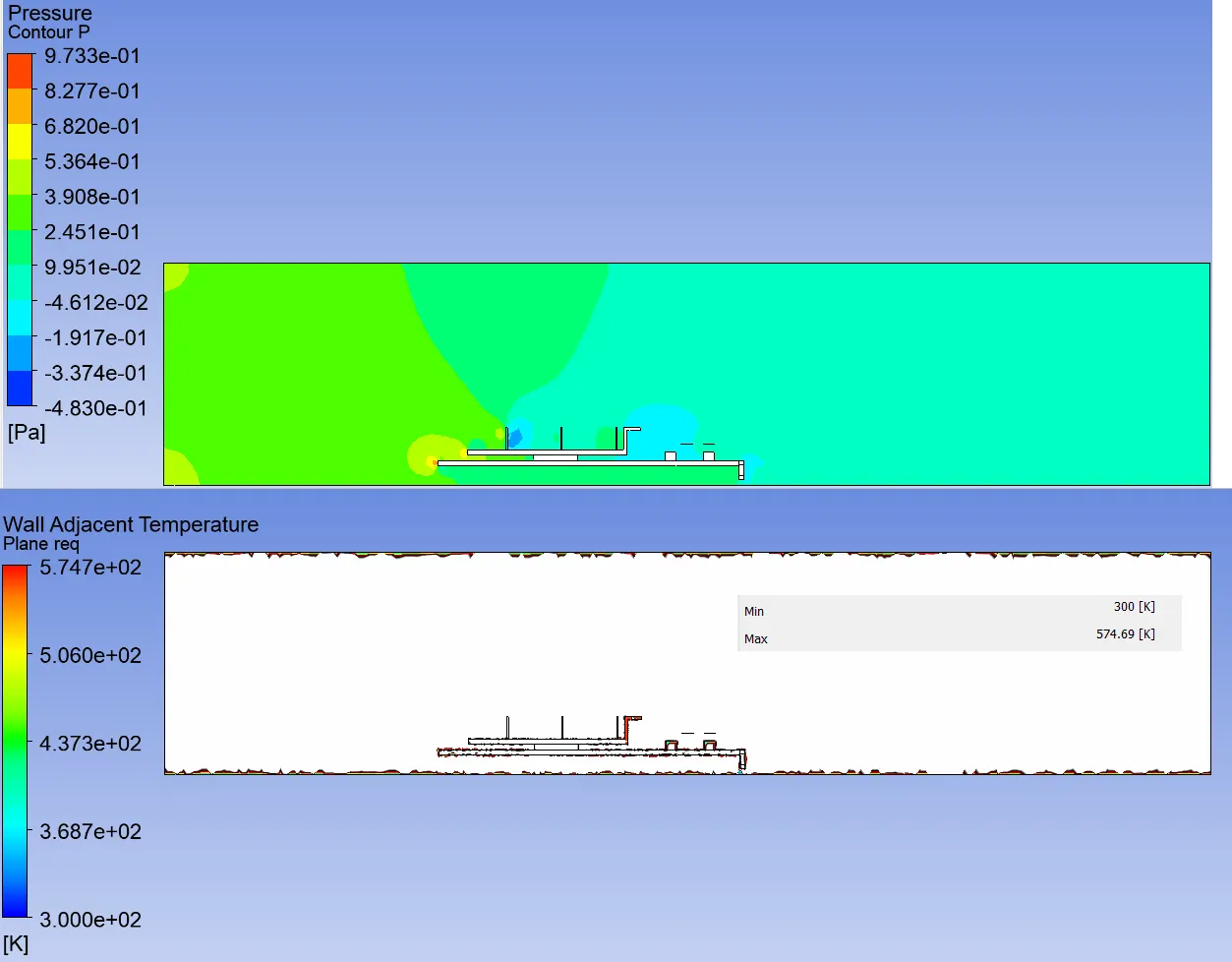
Find out the maximum temperature and heat transfer coefficient attained by the processor.
-----XXXX-----XXXX-----XXXX-----
Answer 1:
Geometry:
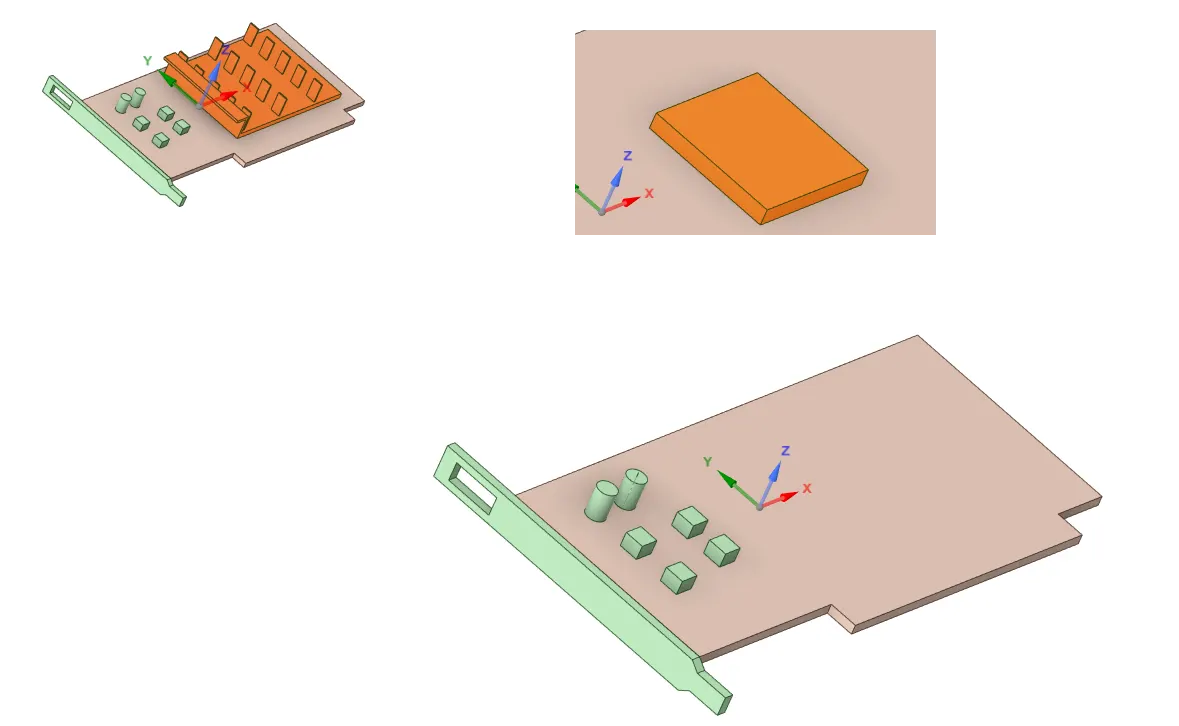
- Import the required geometry in the Ansys workbench and open via spaceclaim.
- Once spaceclaim starts, check on components by disabling the enclosure.
- Share prep must be done with the parts to share the geometry data.
- Once finished, geometry is moved to the mesh section.
Respective figure:
Mesh:
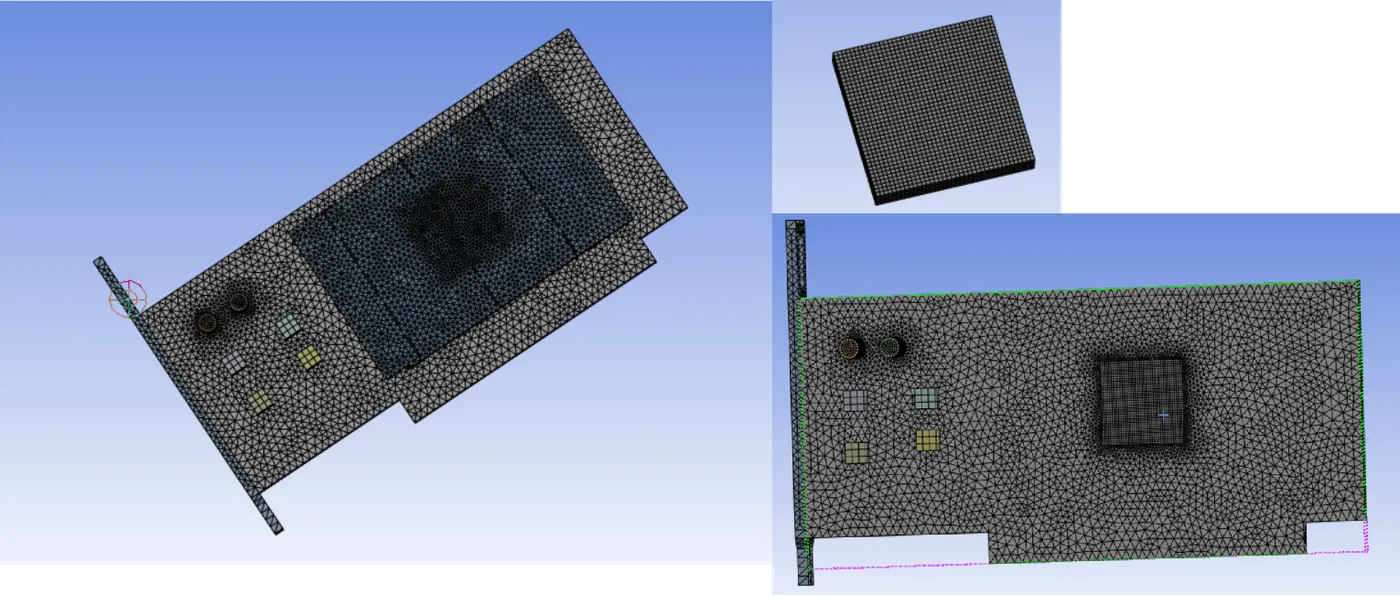
- Once the geometry arrives, mesh names the sections.
- Do the Ansys default mesh to get some pictures.
- Once the idea kicks in, further reduce the mesh by refining it and reducing the mesh size accordingly.
- The fluent analysis doesn't allow more than 1048576 cells in student licensing.
- Check on your statistics with a calculator often.
- Reduce the amount until the difference between the standard and your mesh statistics is lower.
- Once the meh becomes finer, save it.
- Then, move it to the fluent part.
- Creating a section plane gives a clear idea of how the mesh is done.
Respective figures:
 Fluent:
- General mesh models.
- Energy on with k epsilon model.
- Copy the materials from fluent databases and edit them accordingly.
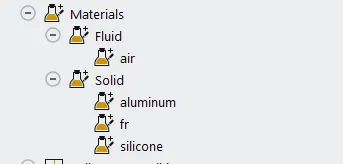
- In this context, FR-4 non-metallic substrate with resin insulation material is chosen as the user-defined material for the base.
- FR with density: 1850, specific heats: 1300 and thermal conductivity of 0.27.
- Similarly, some silicone base materials are used for processors with a density of 2331, specific heat of 710 and thermal conductivity of 149.
- All the respective values are taken from Internet sources.
- Change in cell zone conditions according to the materials and their belonging parts.
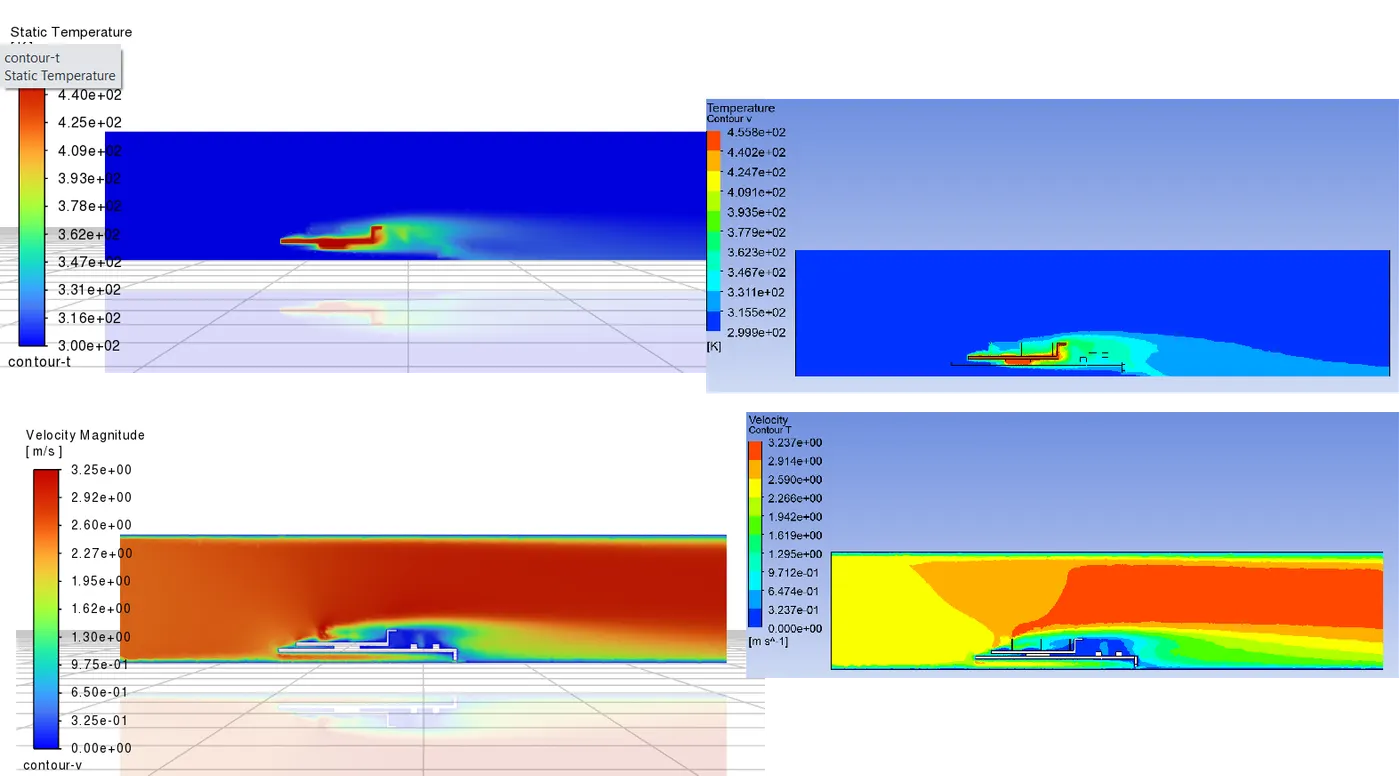
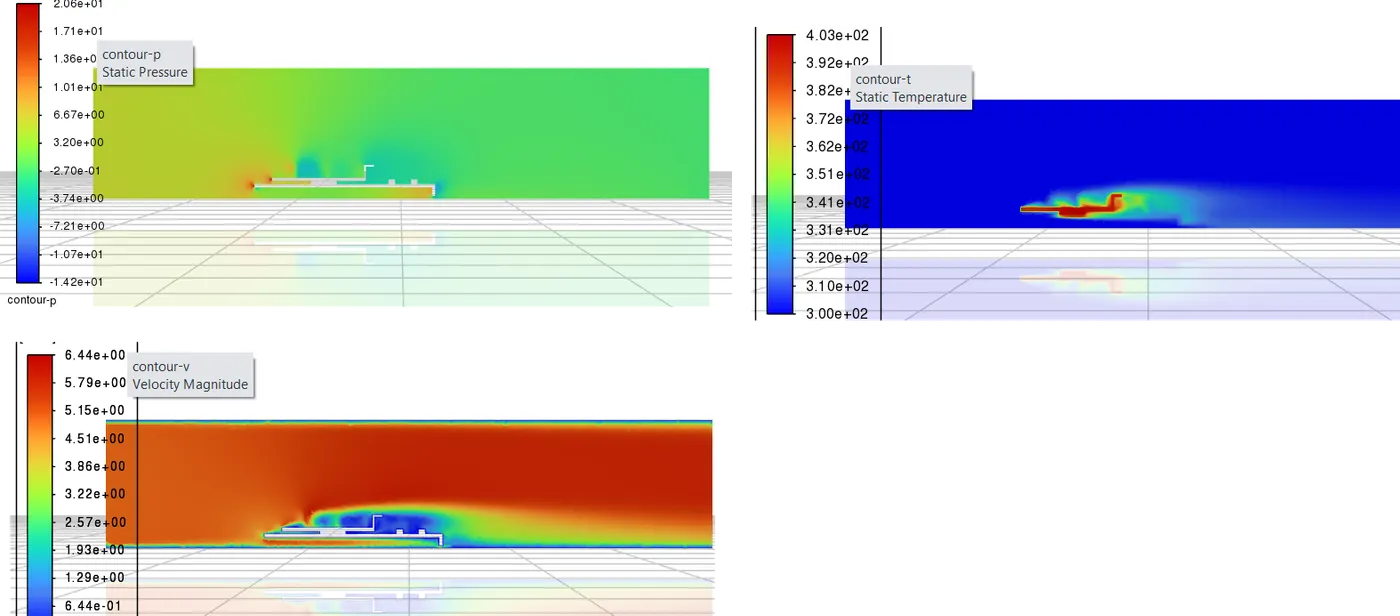
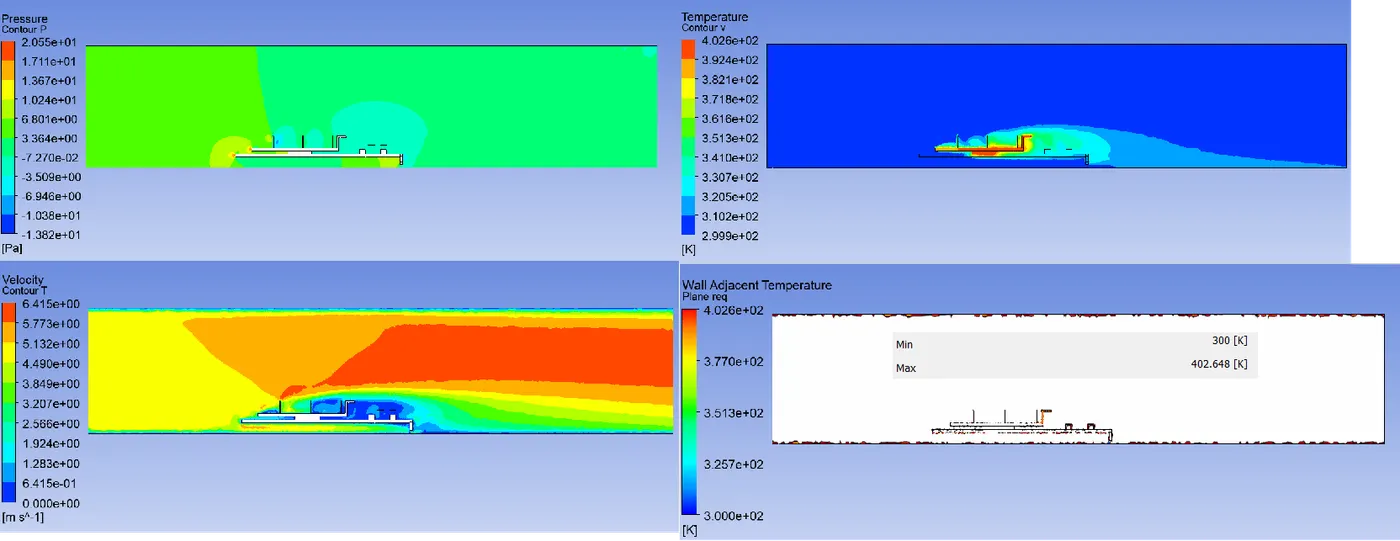
- The inlet varies according to the cases here: 1, 2.5 and 5 m/s.
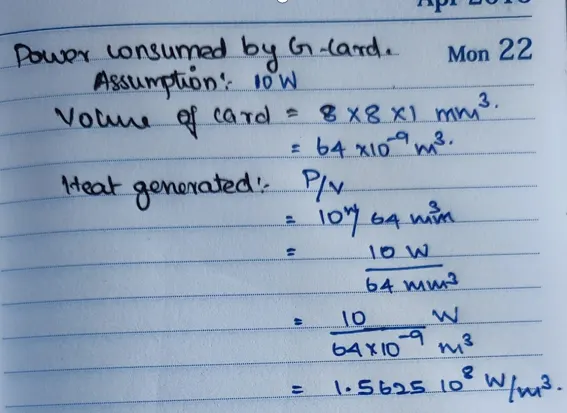
- Creating a Source term for heat is also essential.
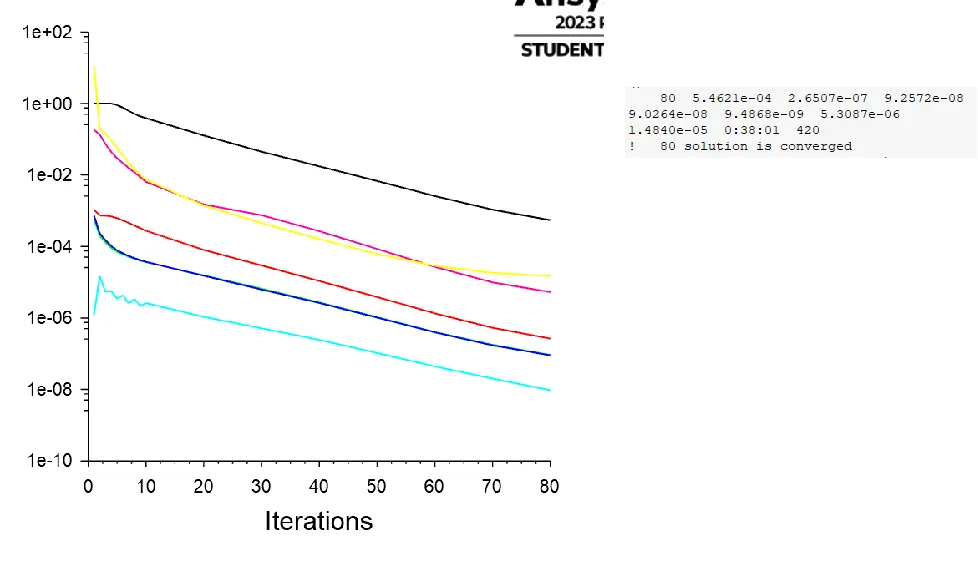
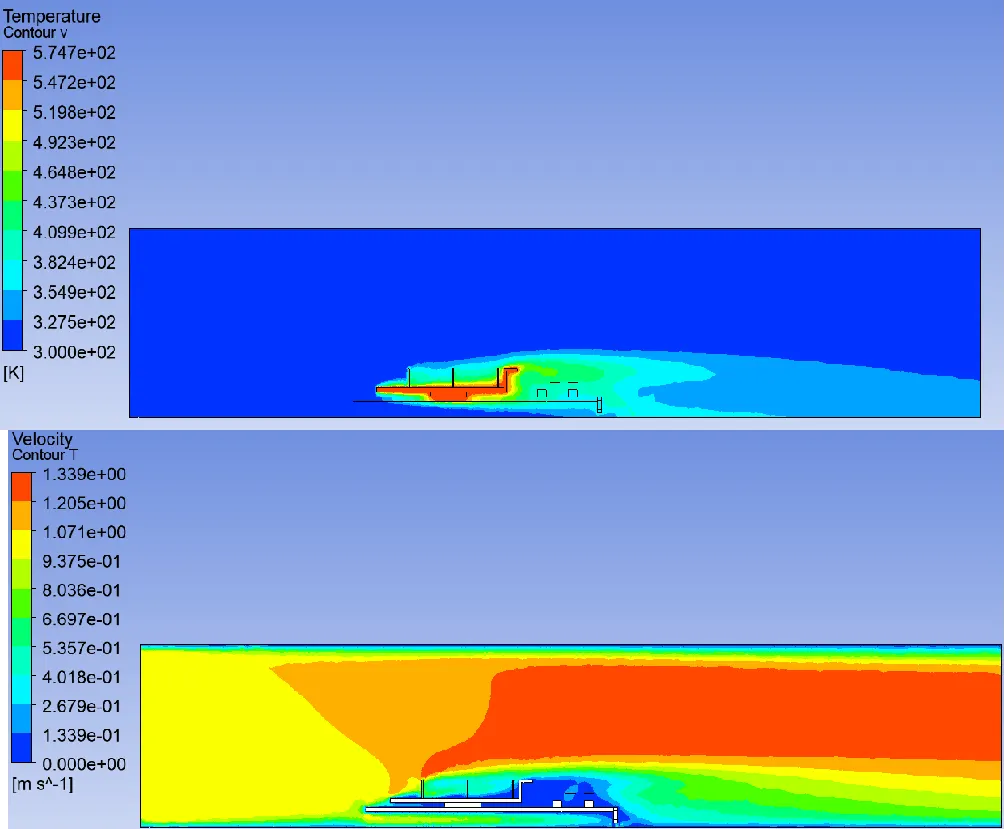
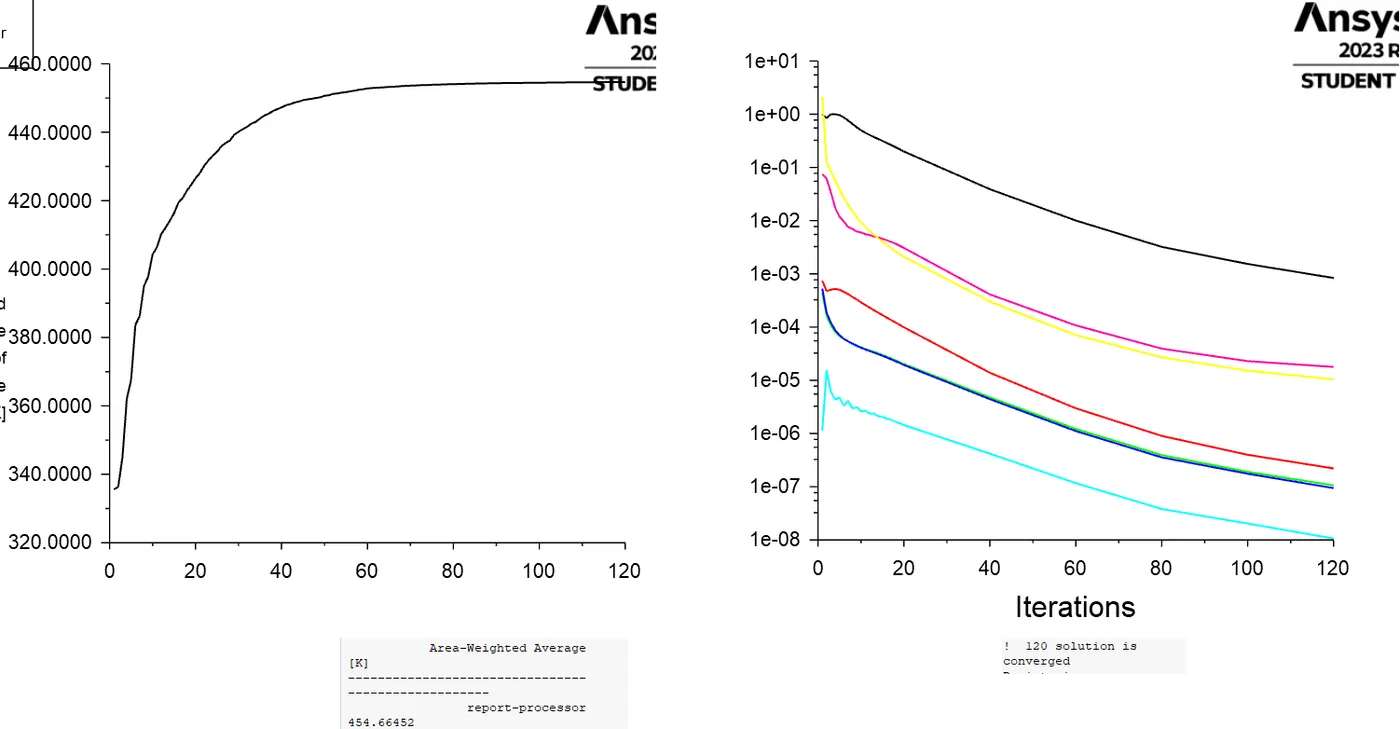
- Area weighted report, Hybrid initialisation and respective contours for animation.
Respective figures:
Base Mesh:
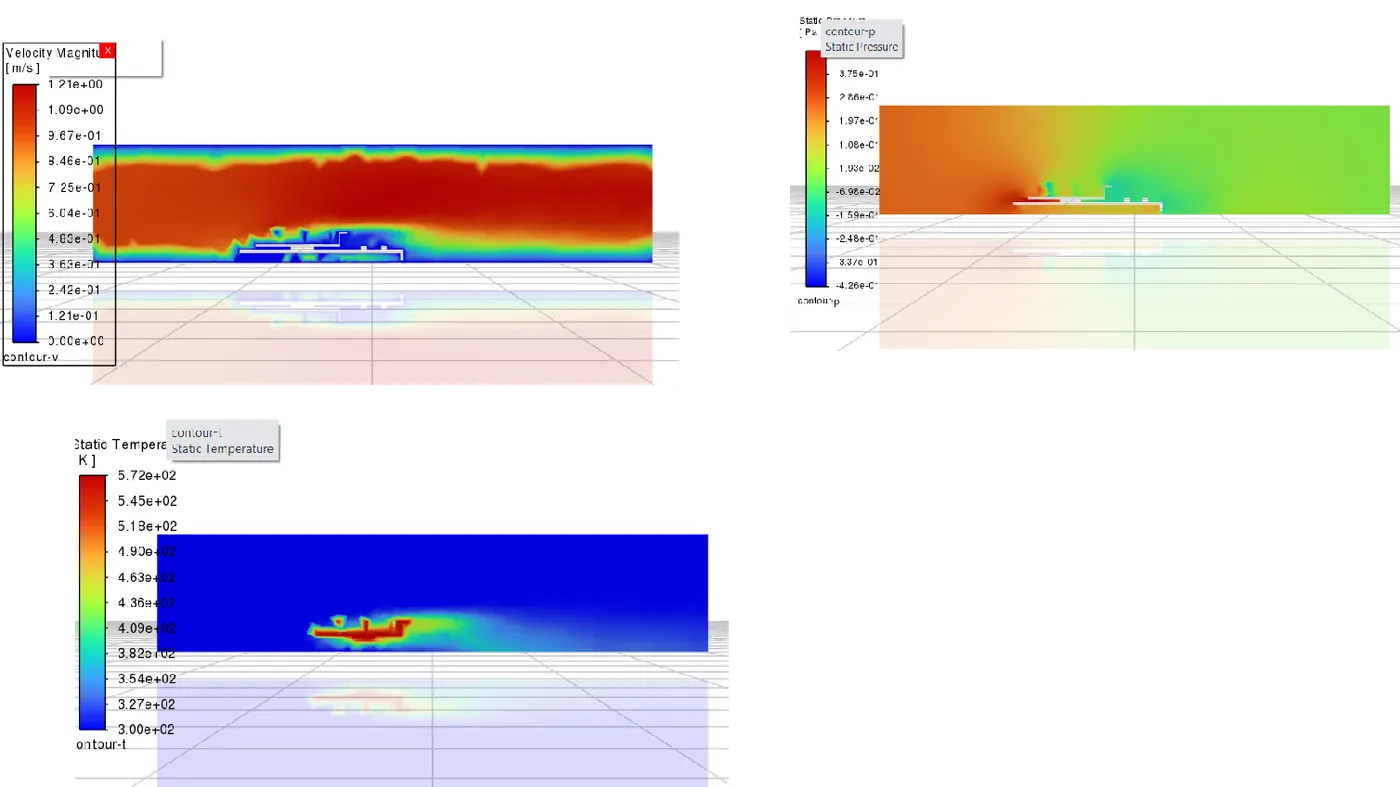
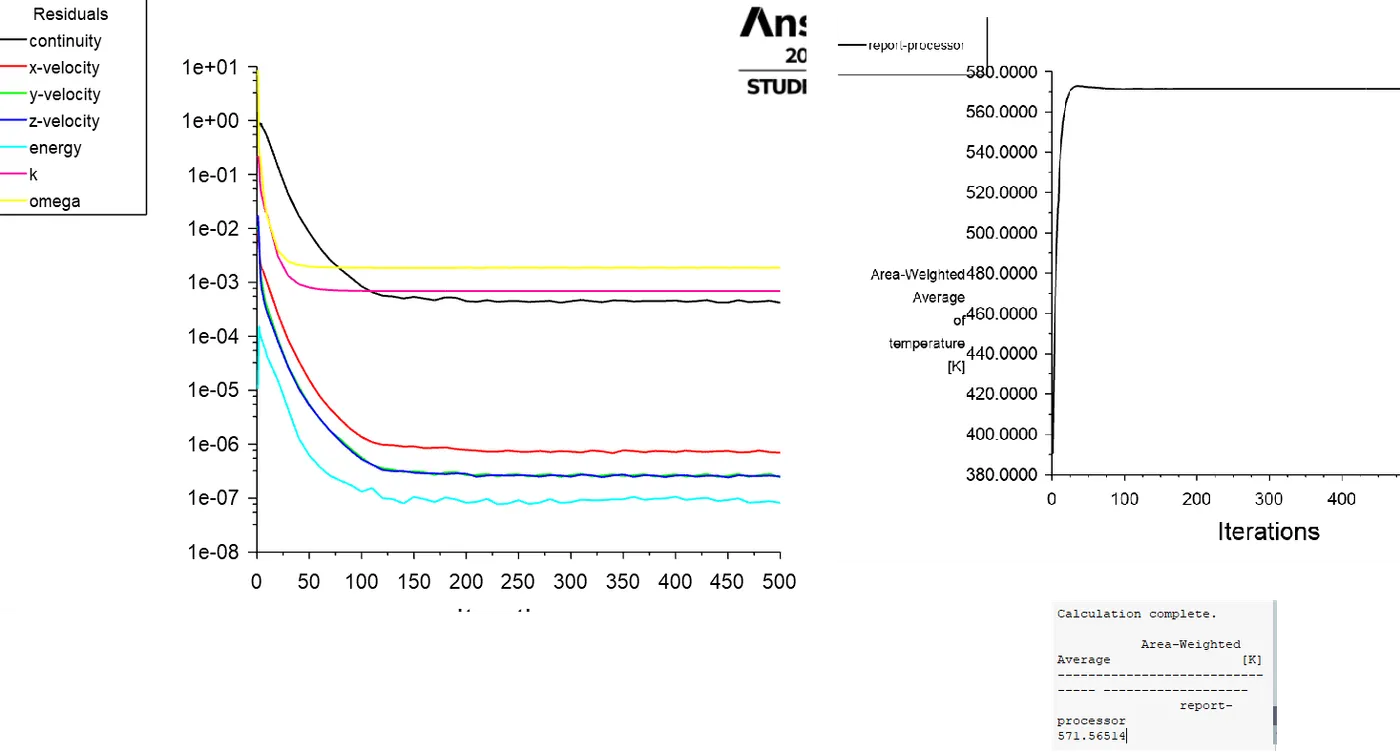
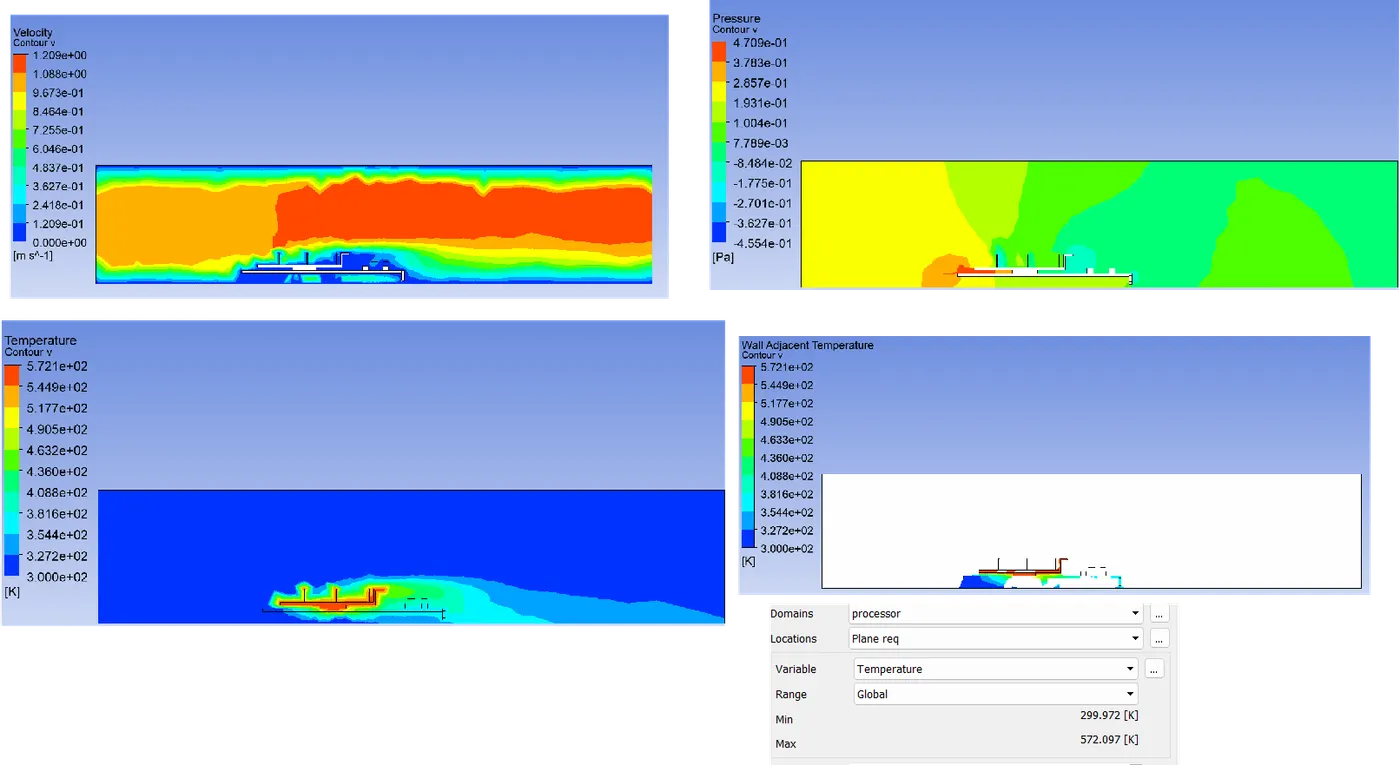
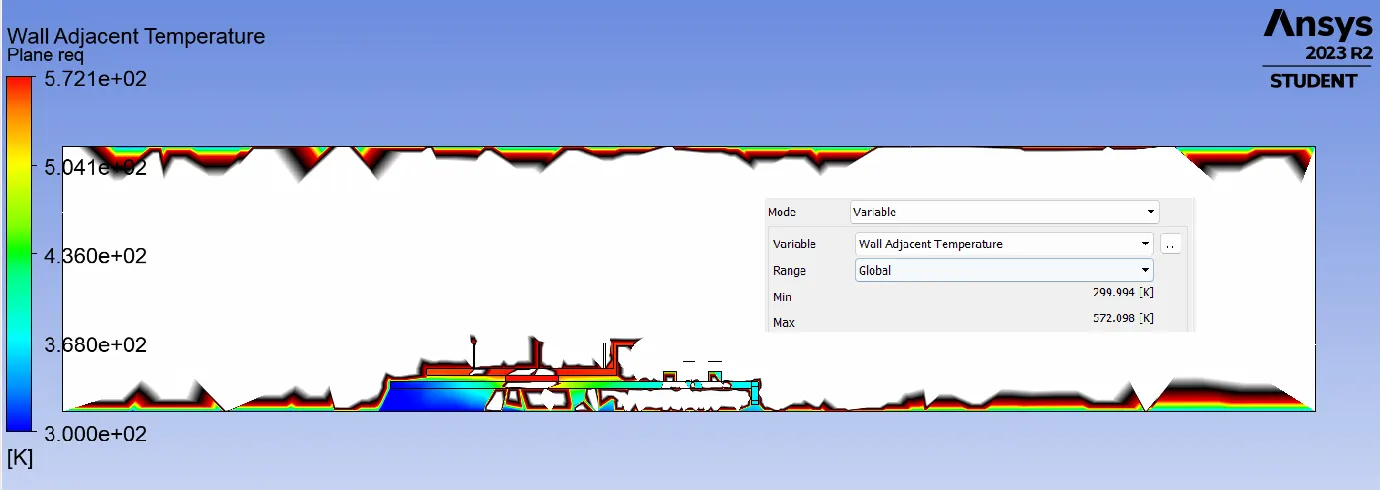
Finer mesh with velocity 1 m/s:
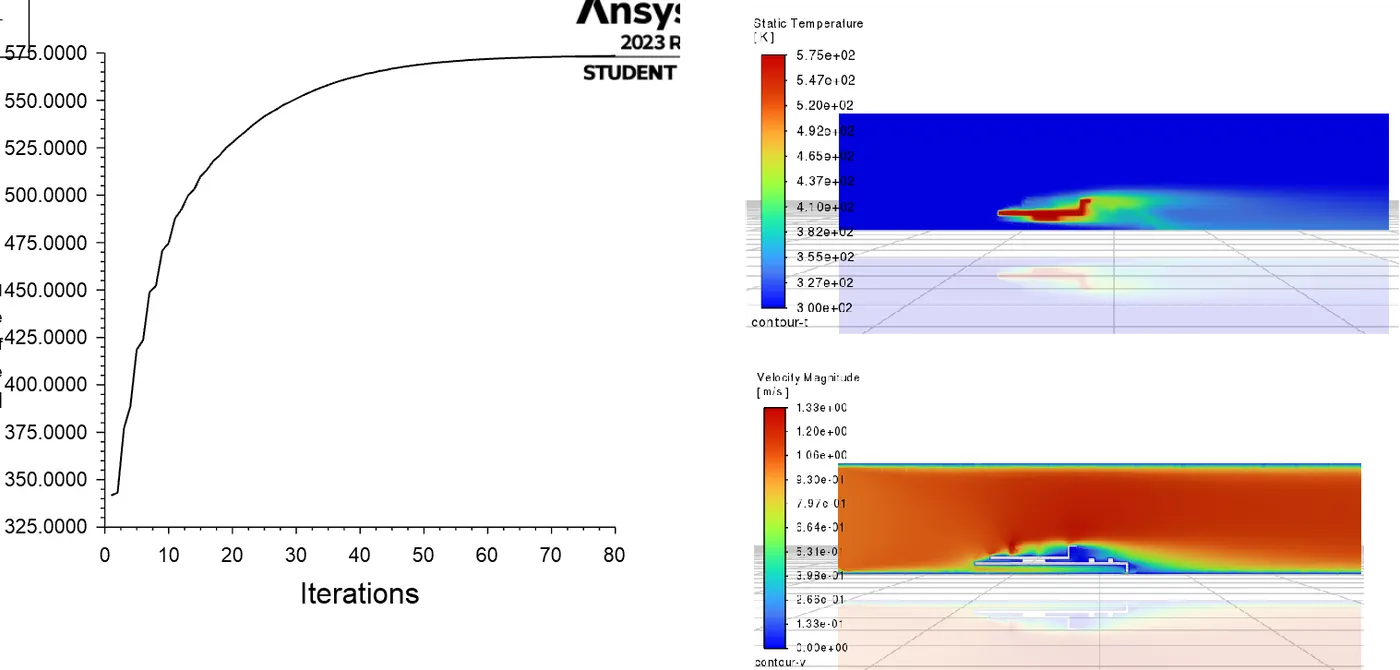
Finer mesh with velocity 2.5 m/s:
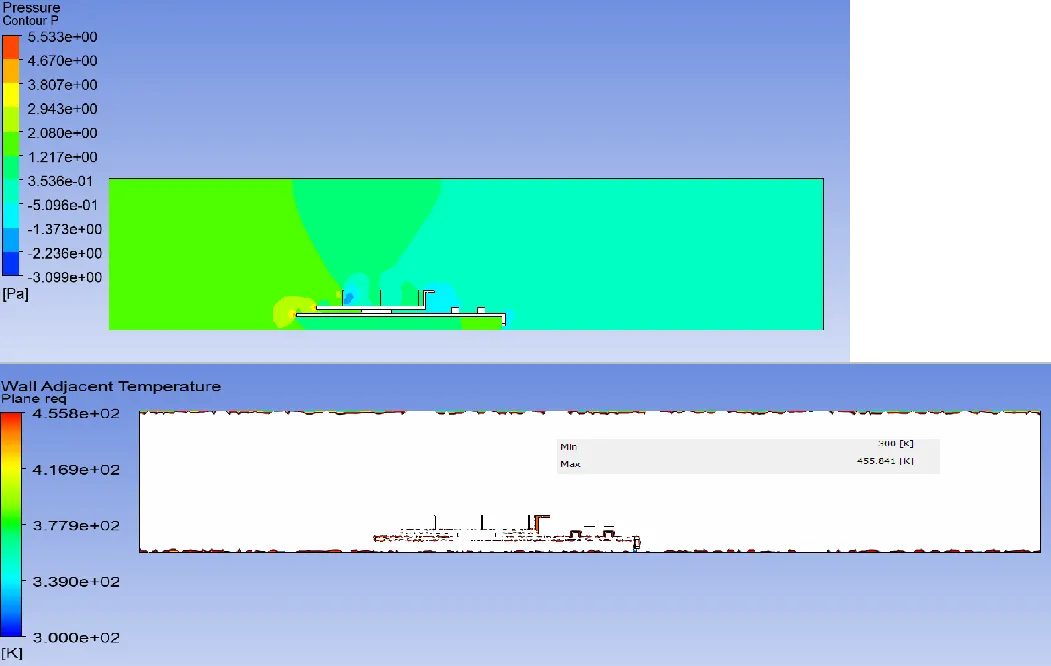
Finer mesh with velocity 5 m/s:
-----XXXX-----XXXX-----XXXX-----
Animation:
Animations are compiled, and the link is below.
https://drive.google.com/drive/folders/1Hxu2BlUbGsk-zyBcaybNtRoBWxUyoCVi?usp=sharing
-----XXXX-----XXXX-----XXXX-----
The source term is calculated by,
-----XXXX-----XXXX-----XXXX-----