Week 7 Challenge - Assembly Workbench
Title- Assembly Workbench
Aim- To create assembly for Quick return mechanism and CV Joint.
Objectives:-
- To create the individual part files according to 2D diagrams of the components are provided.
- To create a complete assembly of those part files in the assembly workbench
- To create the 2D drawing of parts and assembly using drafting workbench.
Introduction-
MODEL 1. Quick Return Mechanism-
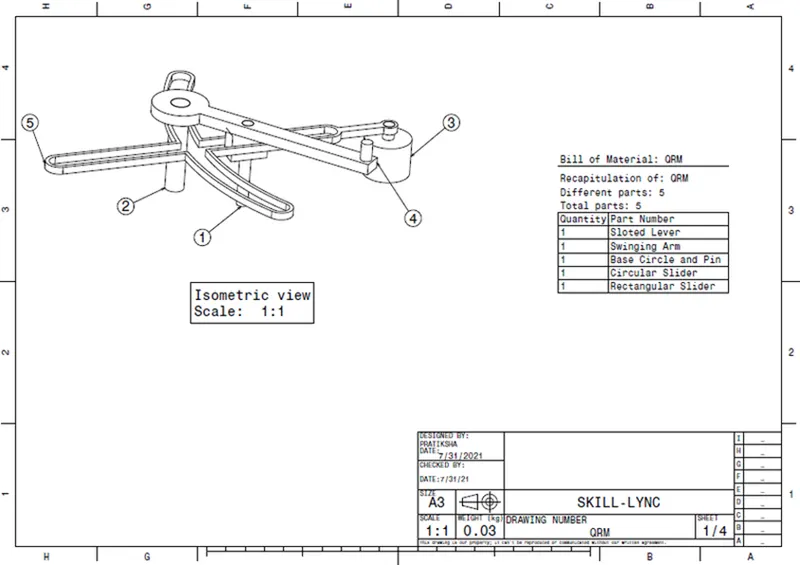
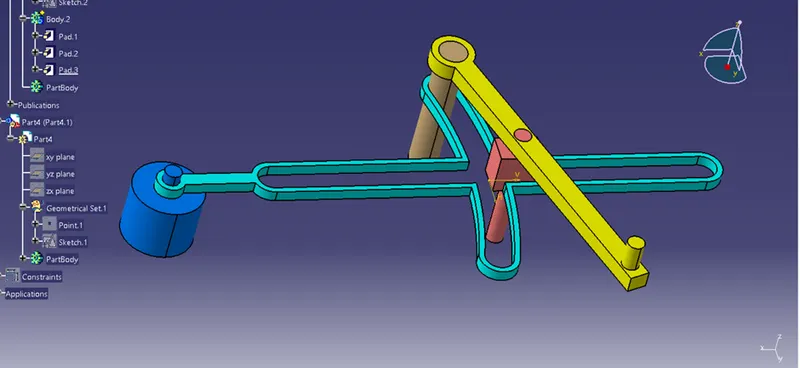
A quick return motion mechanism is used in the shaper and slotter machine in which the circular motion is converted into reciprocating motion so that the slider moves forward and backwards. In the forward direction, the cutting process occurs while in return there is no such cutting.
Part Models
1. Slotted Lever-
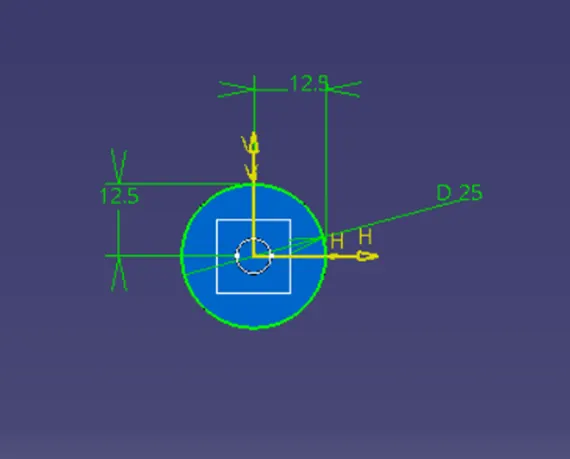
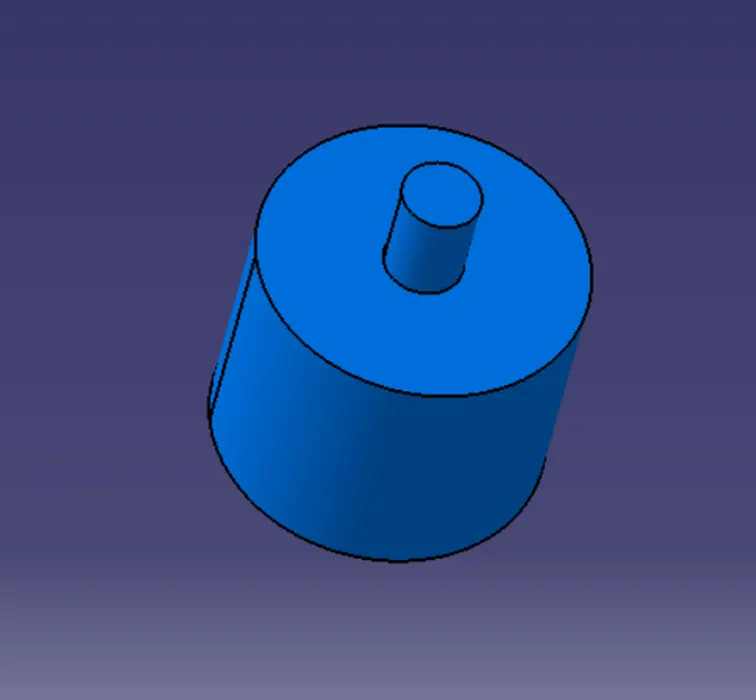
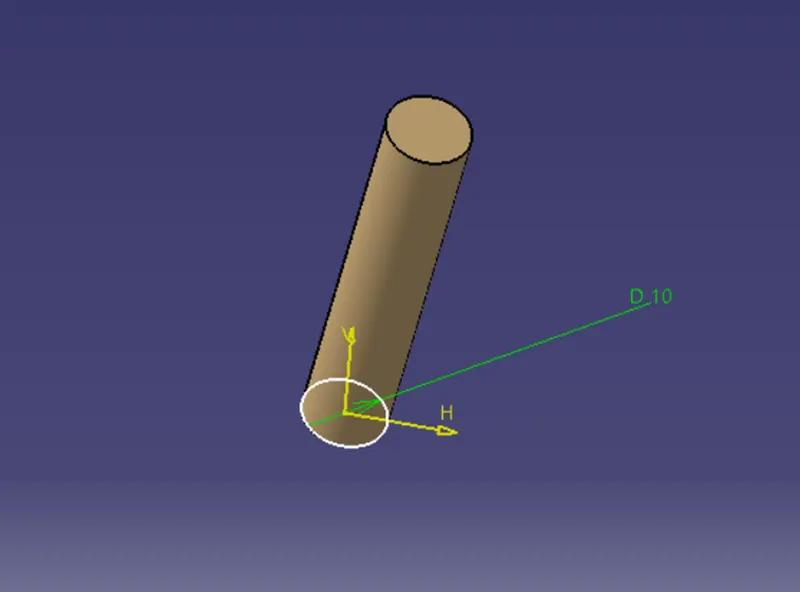
2. Base Circle and Pin
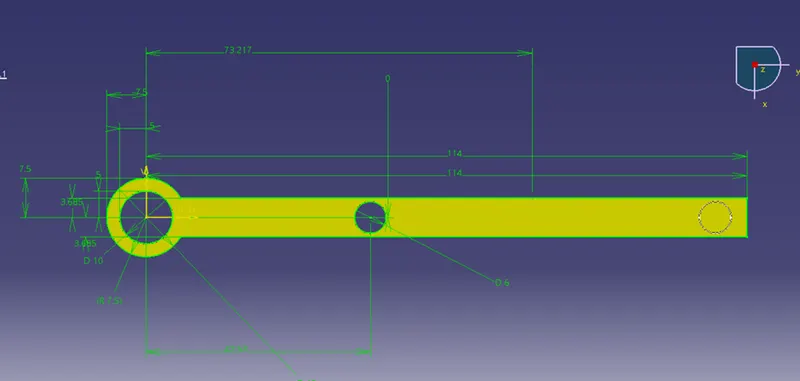
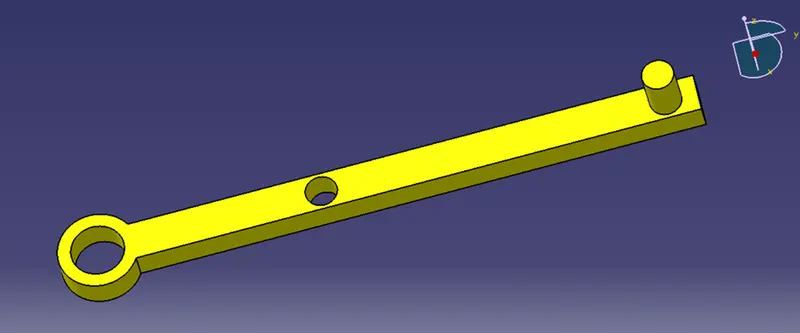
3.Swinging Arm
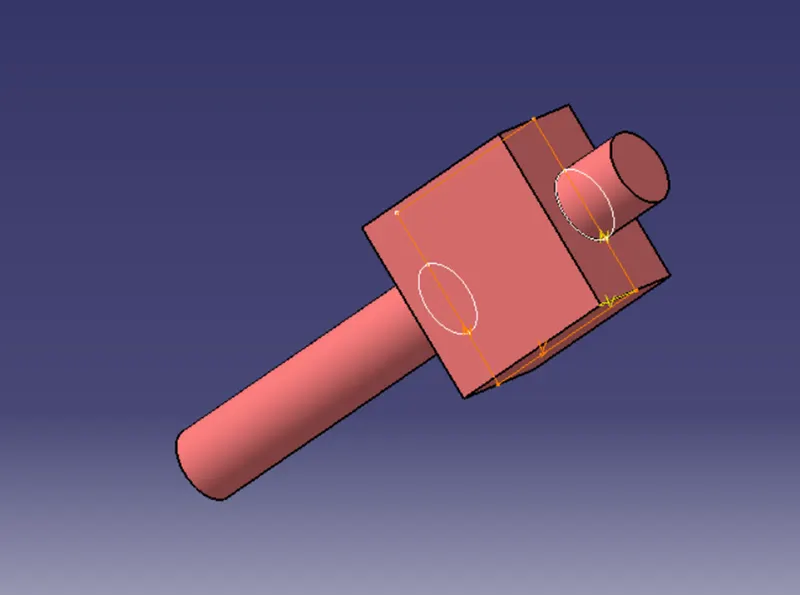
 4. Rectangular Slider
5. Circular Slider
Final Assembly of parts of Quick Return Mechanism
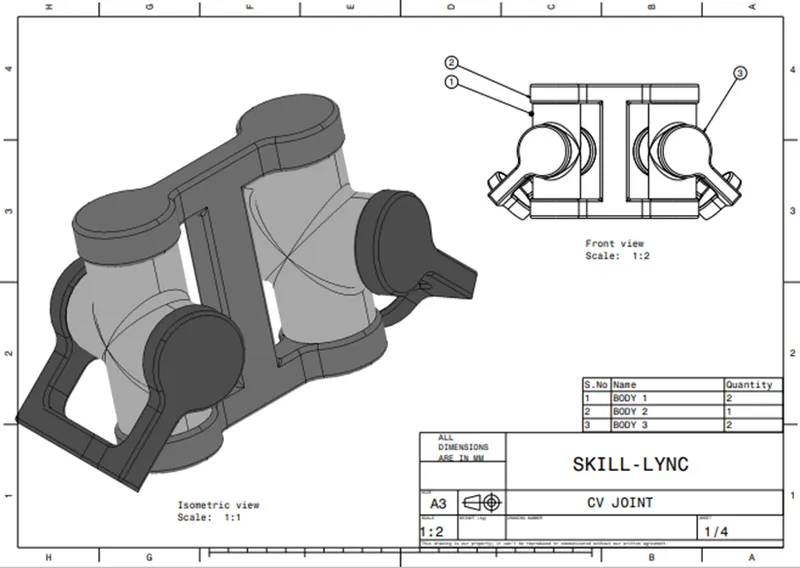
MODEL 2- CV Joint
All front-wheel drive cars have Constant Velocity joints or CV joints on both ends of the drive shafts (half shafts). Inner CV joints connect the drive shafts to the transmission, while the outer CV joints connect the drive shafts to the wheels. Many rear-wheel drive and four-wheel drive cars as well as trucks also have CV joints.
The CV joints are needed to transfer the torque from the transmission to the drive wheels at a constant speed, while accommodating the up-and-down motion of the suspension. In front-wheel drive cars, CV joints deliver the torque to the front wheels during turns. There are two most commonly used types of CV joints: a ball-type and a tripod-type. In front-wheel drive cars, ball-type CV joints are used on the outer side of the drive shafts (outer CV joints), while the tripod-type CV joints are mostly used on the inner side (inner CV joints)
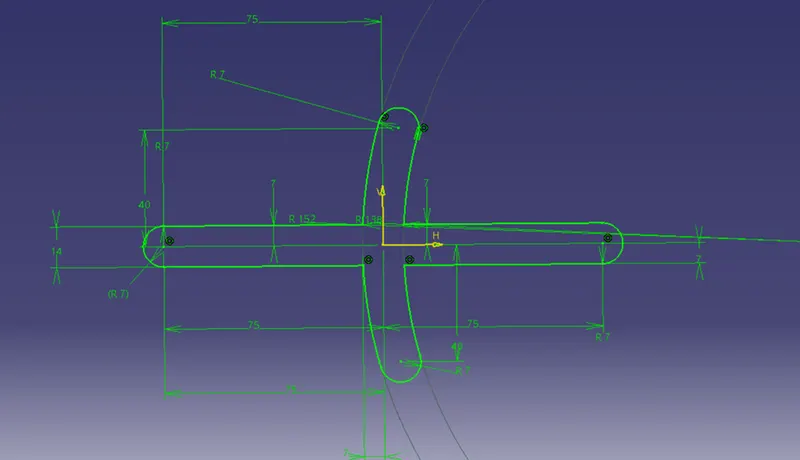
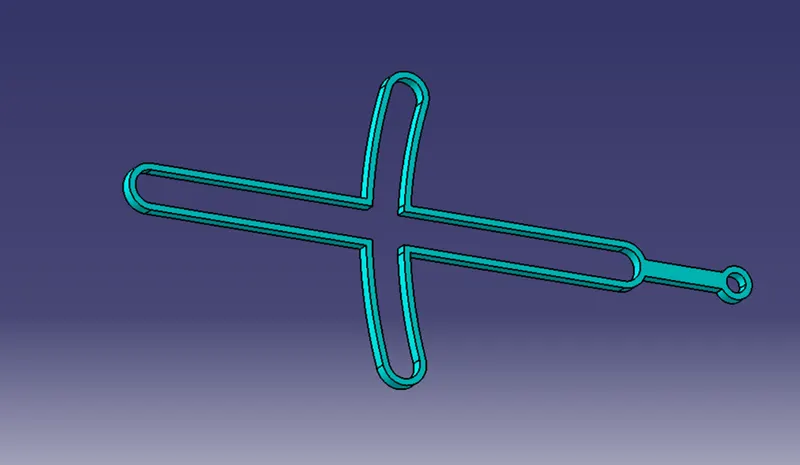
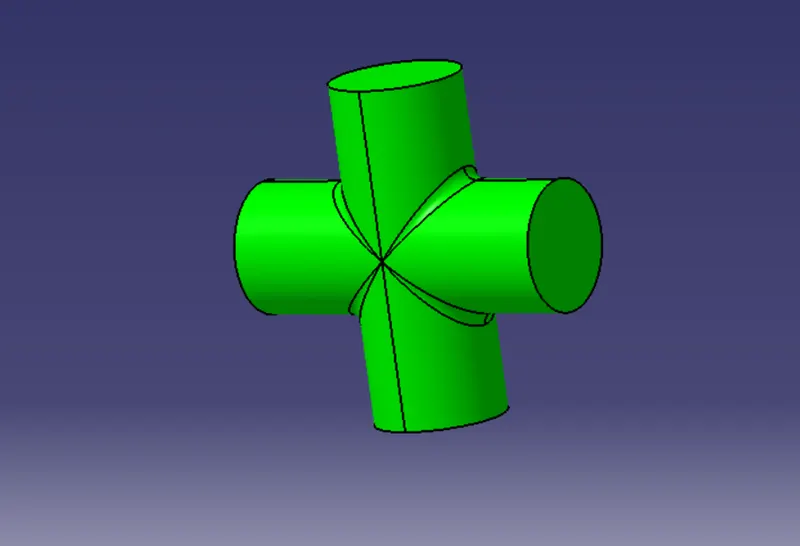
PART 1
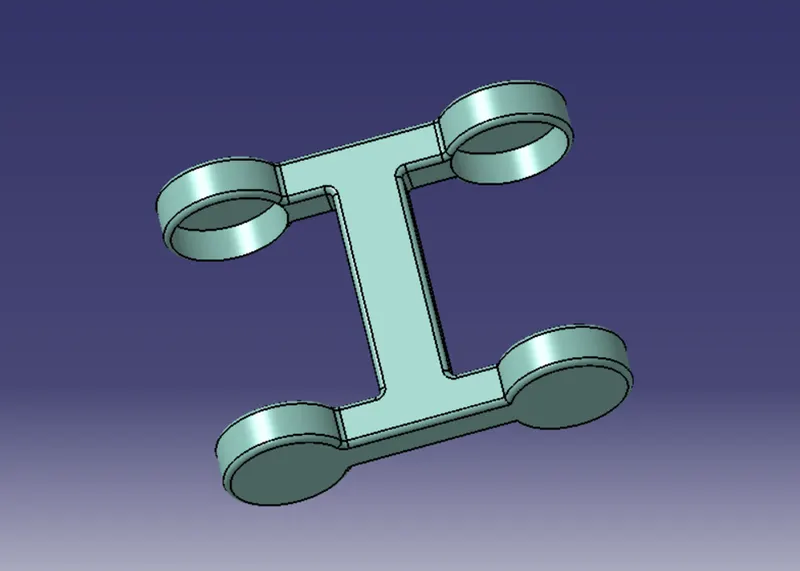
PART 2
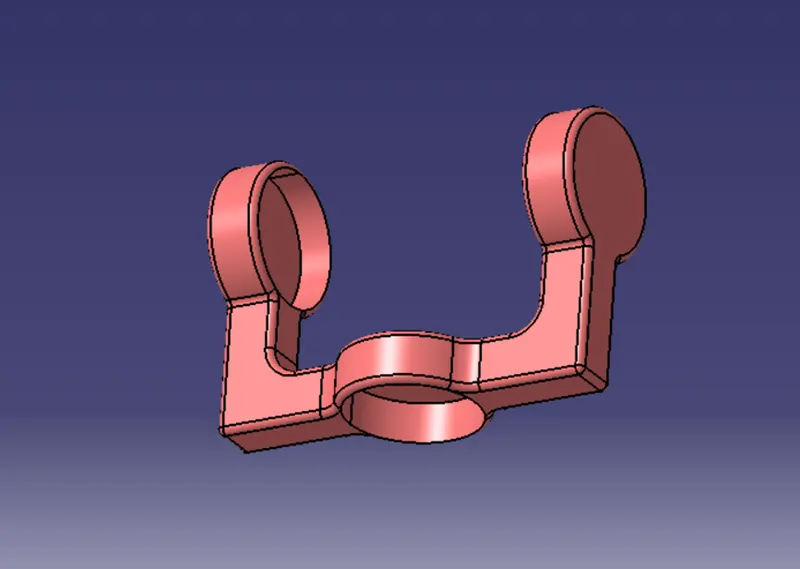
PART 3
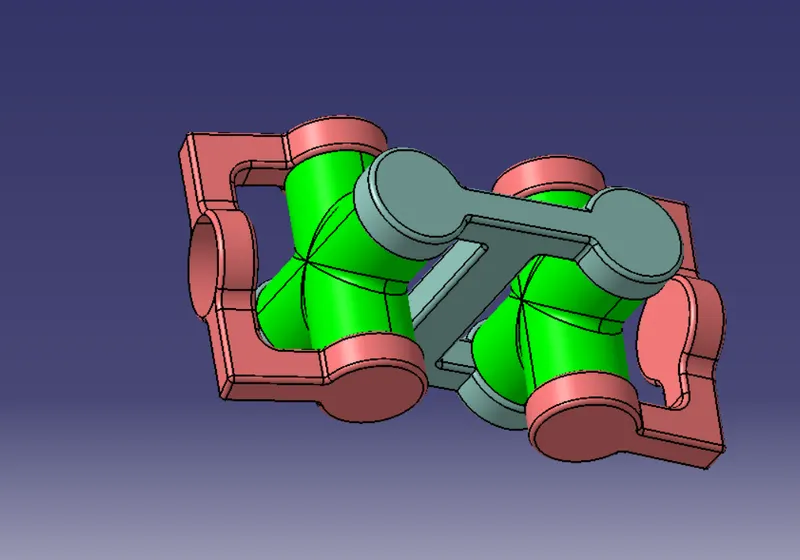
Assembly