Underbody Coating
UNDER BODY COATING
In India we have different types of roads in our surroundings like highways, gravel road, boulevard, trunk road, muddy roads, dirt roads etc. And they have different conditions due to the climatic conditions like due to rains some roads leads to muddy, swampy. But we have to travel everywhere with our vehicle. So clean roads will not affect much to our vehicle but due to climatic conditions dust, mud, moisture and also water in rainy season affects to our underbody of vehicle. Also in some cases humps are touched to the vehicle and stones get thrown by wheels to the undercarriage and leads to dent and damage. So its our responsibility to take precaution to save our vehicle’s undercarriage part from them to get rid of corrosion and cracks in them.
So, Is there any way to save our car’s undercarriage by dirt, mud, water and dents?
Yes, as per the research underbody coating is the best option.
What is Underbody Coating?
Underbody coating is usually a thick covering applied uniformly to the undercarriage of our automobile. It is normally sprayed or painted before the car is out for dealership. And also we should ask our service centres to redo the underbody coating process once in every 3-4 years to maintain and keep our undercarriage safe from corrosion, cracks for longer period of time. Under body coating prevents our vehicle from further damage of undercoating.
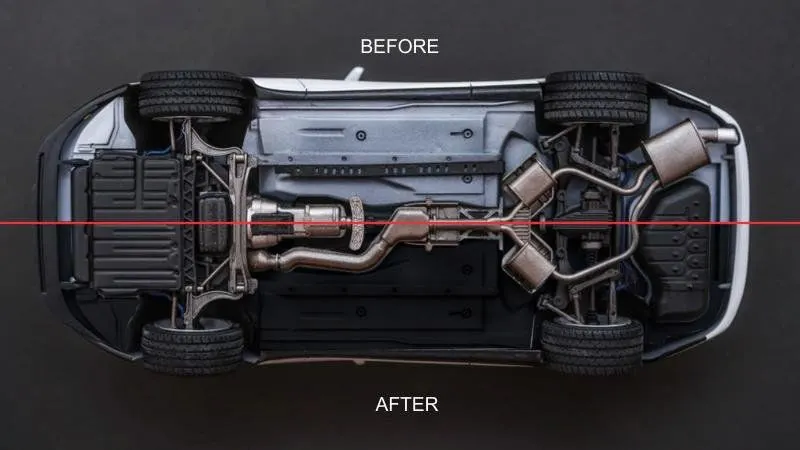
Fig 1. This figure shows undercarriage of vehicle before and after undercoating.
Why Underbody coating is important?
To protect our automobile’s undercarriage from rust, tear, wear, dent, fractures and to improve life of body.
- Problems we may face if we ignore undercoating.
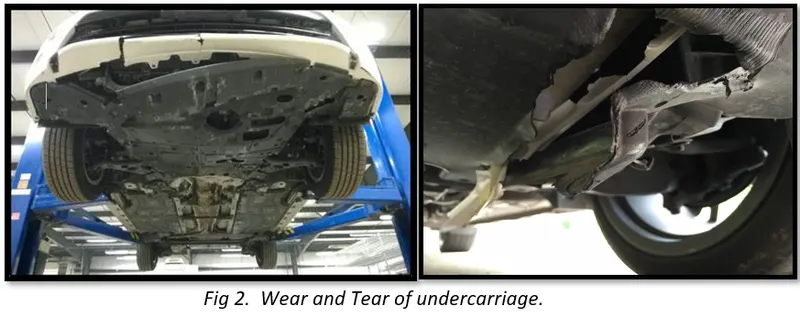
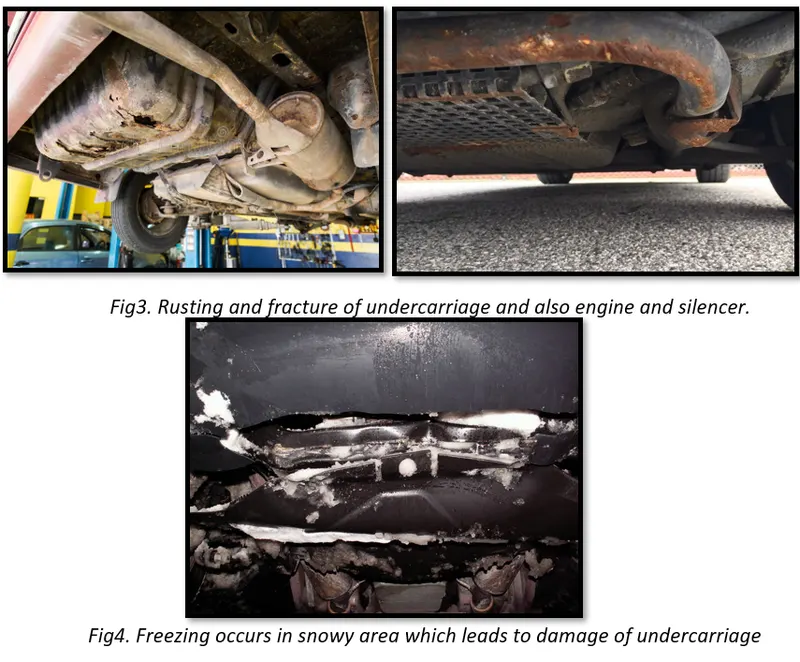
Types of Undercoating Process:
- Rubberized Undercoating Process
- Polyurethane Undercoating Process
- Wax and Paraffin based Undercoating Process
- Asphalt based Undercoating Process
- Rubberized Undercoating Process
- Applying of rubber covering is done in this process of undercoating.
- It is the best technique to protect our undercarriage from scratches and dents.
- It gives soft rubber finish to our undercarriage which prevents rusts and act as barrier between moisture and undercarriage.
- Easy to apply.
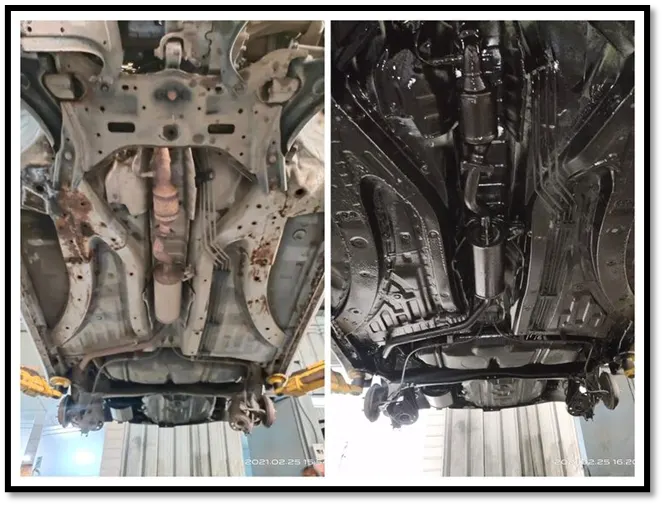
Fig 5. Before and after rubberized undercoating.
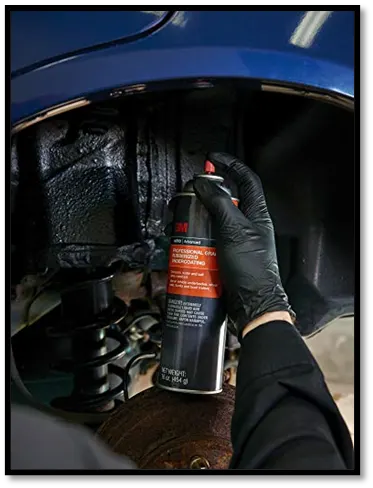
Fig 6. 3M Rubberized undercoating spray
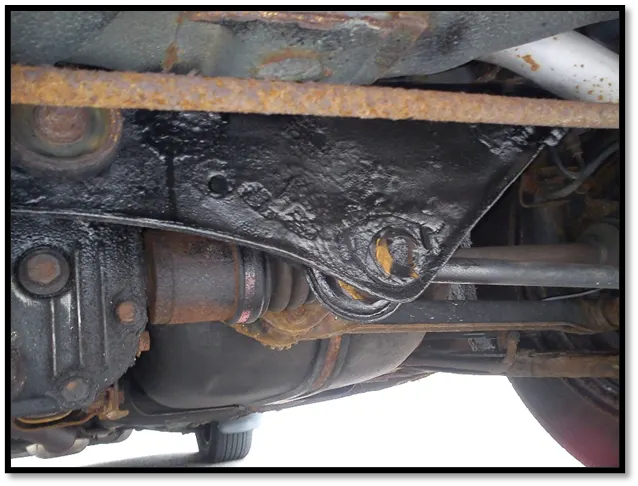
Fig 7. Undercoating in rusted member.
- Polyurethane Rubberized Undercoating Process
- Here a polyurethane-based sealant is used.
- This coating closes up splits and fractures on the underbody of vehicle.
- This product comes in canisters where spraying gun is used for overcoating.
- Less time taking process.
- Protects unoxidized metal from moisture, rusts.
- This process requires to be used of etching primer to the metal before the overcoating process.
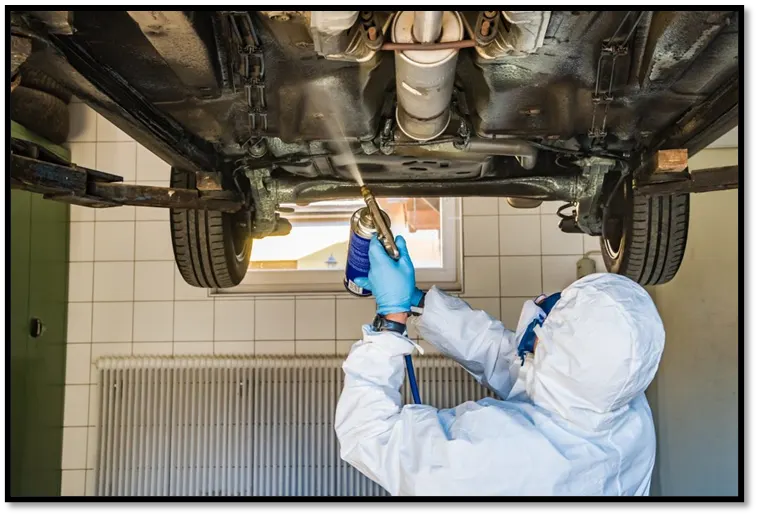
Fig 8. Applying polyurethane undercoating on undercarriage
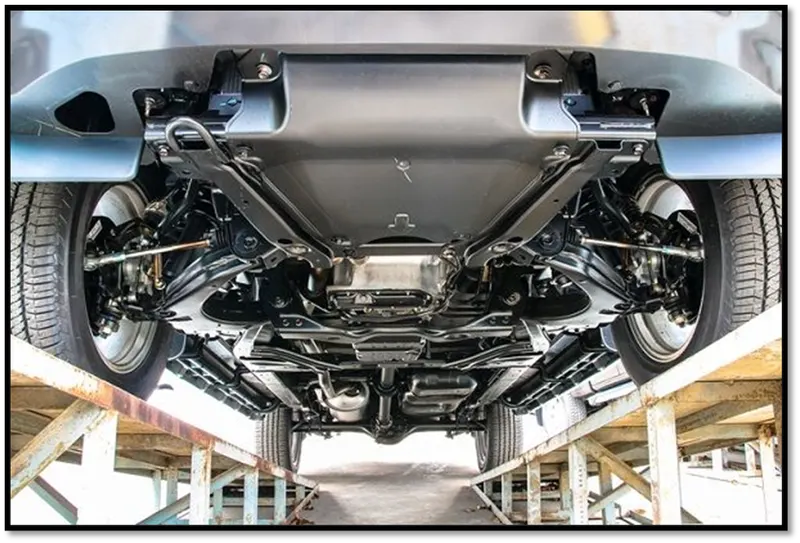
Fig 9. After polyurethane undercoating applied.
- Wax and Paraffin based Undercoating Process
- Paraffin based undercoating is cheapest and quickest process of undercoating.
- It resist dampness.
- This coating wears away in shorter period of time.
- It should be reapplied once in a year.
- Wax overcoating is used to prevent cracks but in humid regions its not preferable.
- It fight against moisture.
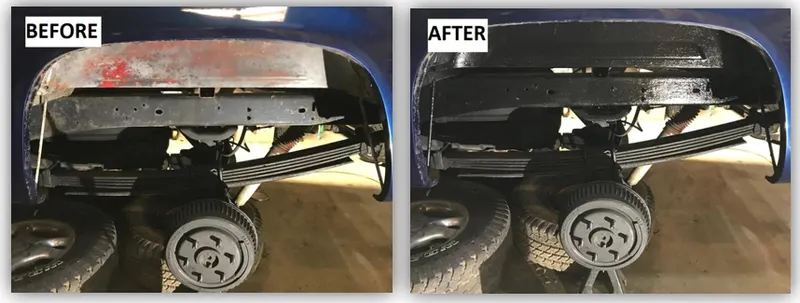
Fig 10. Before and after applying of wax based undercoating process.
- Asphalt based undercoating process
- For Large and heavy vehicles this process is used.
- Higher level of protection suitable fore heavy trucks, heavy machinery.
- It’s a time taking process.
- This process provides extra protection from chips, dents, moisture.
- Asphalt-based undercoating generally contains a little bit of rubberized material that sets up firmly and also helps soften noise.
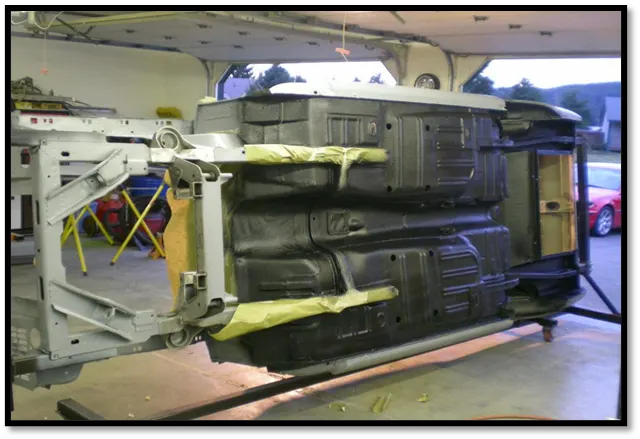
Fig 11. Asphalt Based Undercoating
PROS of Undercoating process:
- Resistance of corrosion.
- Anti-chipping of vehicle sheeting and undercarriage.
- Maintenance cost may be saved.
- Safe Ride of vehicle.
- Reduction of noise NVH.
- Extra protection from dust, moisture.
- Protection of different parts of the car including the frame, wheel wells, gas tanks, and suspension parts.
- Extended lifespan of the vehicle.
- Environmentally friendly
CONS of Undercoating Process:
- Bit Expensive and will be added as extra expenses than regular maintenance servicing.
- If the under carriage already rusted and then we are using undercoating, the sealants are of no use if we apply over the corrosive surface.
- Reapplication of process should be done within the time interval of the exhaustion of coating sealant. (yearly touch-up)
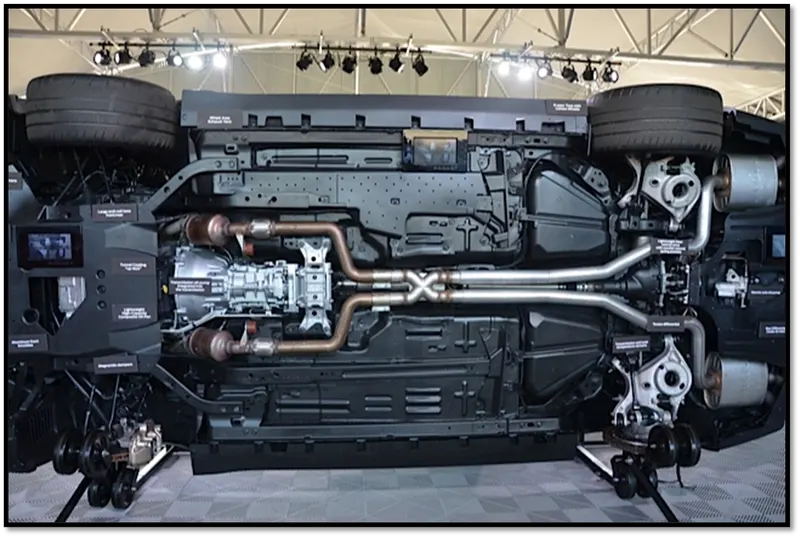
Fig 12. Under carriage with proper rubberized coating.
Conclusion
Although some vehicles can be benefitted with an undercoat like some luxury cars, not every car needs it. It’s important to figure out whether or not undercoating is a good idea to keep our vehicle safe from surrounding’s bad calamities.
Remember also that you can do your own vehicle undercoating. This is the cheapest way.
It is a good idea to inspect your undercoating once in a year, or have the dealership do it, on a yearly basis to check if reapplication of undercoating is required.