Week 6-Meshing of Hood Challenge
AIM: Create a Mesh of Car hood from the given Model file and using the following Quality Criteria.
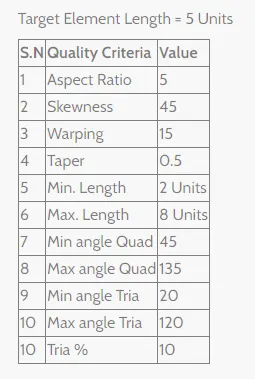
INTRODUCTION:
Car Hood
A car hood also called a bonnet is a hinged cover that rests over the engine of a front-engine vehicle. Its main task is to provide access to the engine for repair and Service. A concealed latch is typically used to hold down the hood. Car hoods are typically constructed from steel and sometimes from aluminum.
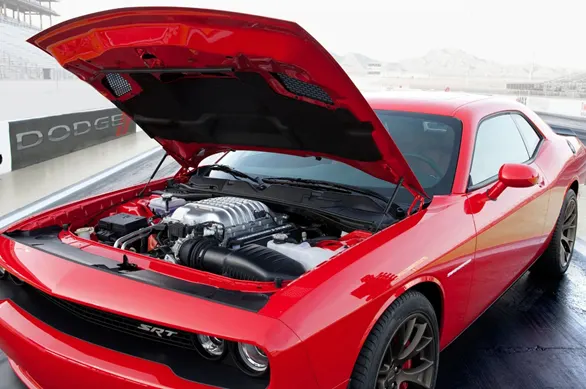
The car hood mainly consists of 4 parts.
Inner hood
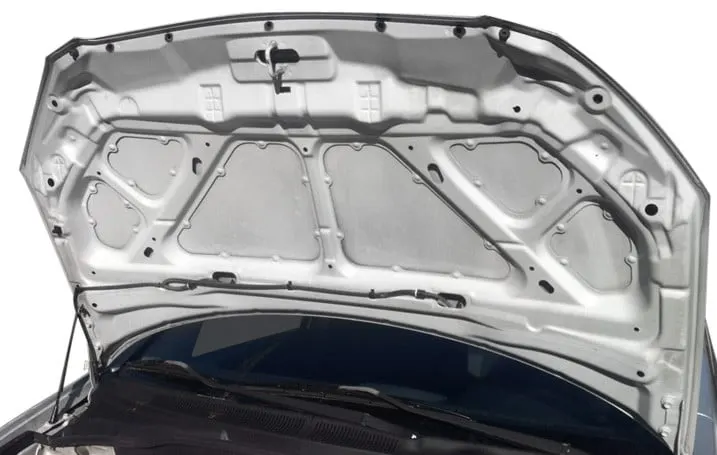
The inner part of the hood is stiffening members to make the outer skin structurally rigid when the two parts are bonded, which is how the inner panel is designed and punched from sheet metal.
Outer panel
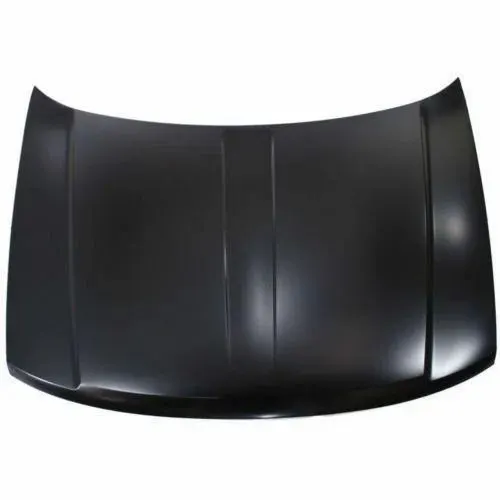
The outer part of the hood serves various purposes, mainly is used as an aesthetic pat but it gives safety as well as aerodynamics to the car body depending on the main body build.
Hinge
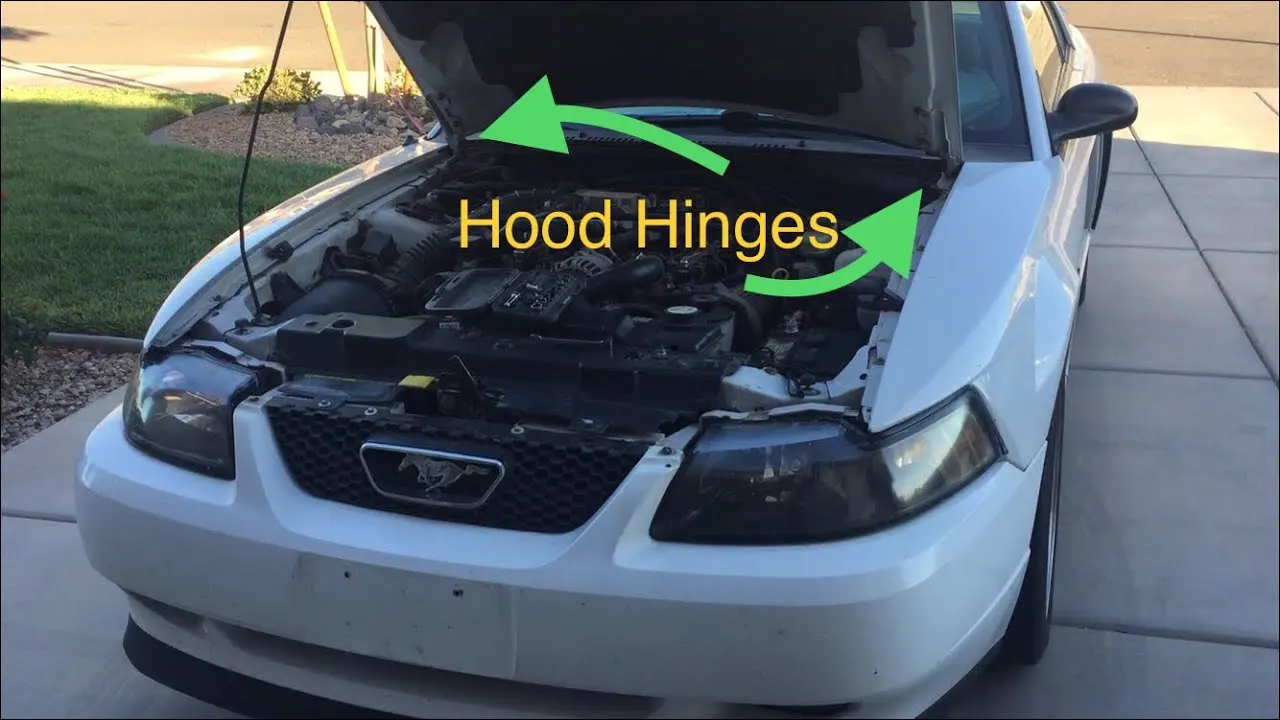
This is what attaches the hood to the main body of the car and holds it in place.
Latch
This part locks the hood close when not in need and doesn't let it open or interfere when the car is driving and removes most of the vibration transmission while moving. it is located near the center front bumper side as in the above pictures.
ELEMENT QUALITY CRITERIA:
In this project, a hood file is given with all design criteria satisfied and clear to generate mesh for post-analysis. For element quality check-in hypermesh we verify the basic quality of elements and the geometric qualities of those elements.
Warpage: It is the amount by which an element (or in the case of solid elements, an element face) deviates from being planar. This check is only applicable to quads as three nodes define a plane that does not define any deviation.
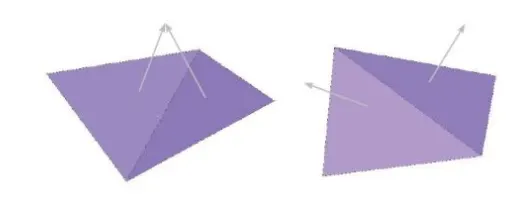
To solve this issue, check which side needs to be made planar to the other three nodes so that the element can be released from warpage then use the translate command to make the nodes in planar form.
Aspect Ratio: This is the ratio of the longest edge of an element to either its shortest edge or the shortest distance from a corner node to the opposing edge.
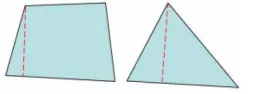
The skew of triangular elements is calculated by finding the minimum angle between the vector from each node to the opposing mid-side, and the vector between the two adjacent mid-sides at each node of the element.
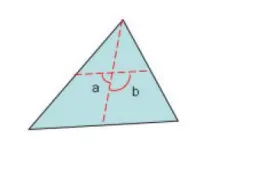
The taper ratio for the quadrilateral element is defined by first finding the area of the triangle formed at each corner grid point. These areas are then compared to one-half of the area of the quadrilateral.
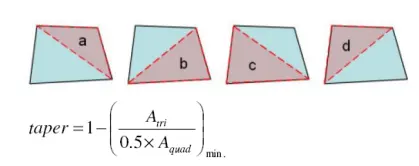
Minimum and maximum interior angles: Interior Angles with maximum and minimum values
are evaluated independently for triangles and quadrilaterals.
PROCEDURE:
Given Hood design is as shown below:
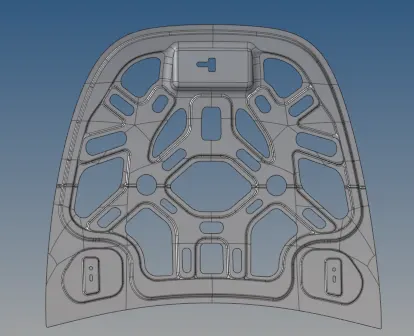
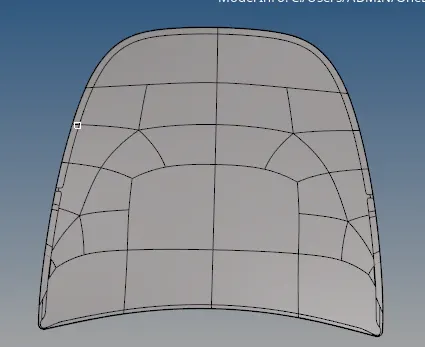
To generate the mesh for the above-mentioned component following steps were followed.
- Delete any solid components and use the auto mid surface command to generate a mid surface for the component.
- For the geometry cleanup use the various commands from the quick edit option such as surface split, washer split, toggle edges, etc.
- Use 2D auto mesh to slowly start mesh of the component by selecting small split surfaces.
- Maintain a proper mesh flow with lower tria concentration, at corners or curving portions of the body tries can be kept to maintain the element quality criteria.
Once geometry cleanup is completed (e.g. surfaces are stitched together — no unwanted free surface edges inside the geometry), meshing is next.
Things to keep in mind while doing meshing:
- The mesh should look rather smooth and regular as the analysis is based on the mesh quality.
- Try to Keep mesh-related uncertainties to a minimum if possible.
- Remove any opposite tria elements wherever possible.
- Avoid Rotating Quads and prefer tria in their place.
- Don't let the mesh distort or move beyond the surface integrity.
- Near corner or converge/diverge regions try to keep the mesh with tria smooth as possible.
Below are the parts mentioned in the hood with all the attached images for Initial model, Mid surface, Final mesh.
LATCH Part:
Given Model:
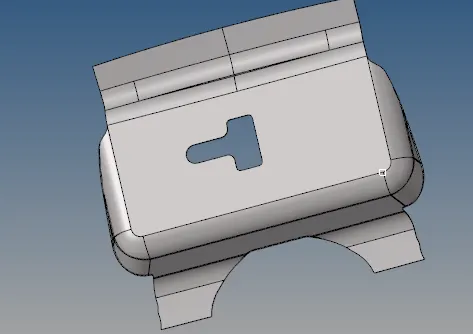
Mid-surface:
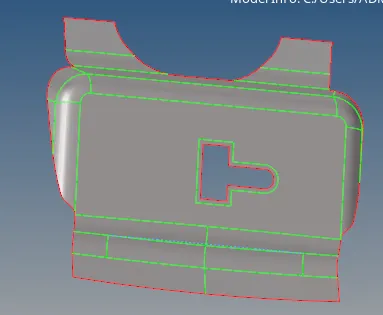
Final Mesh:
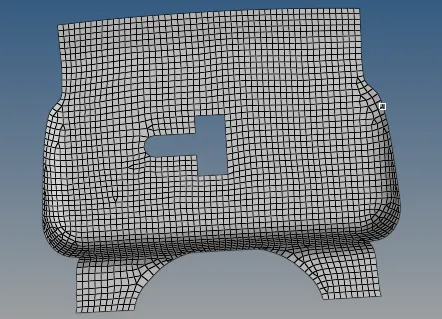
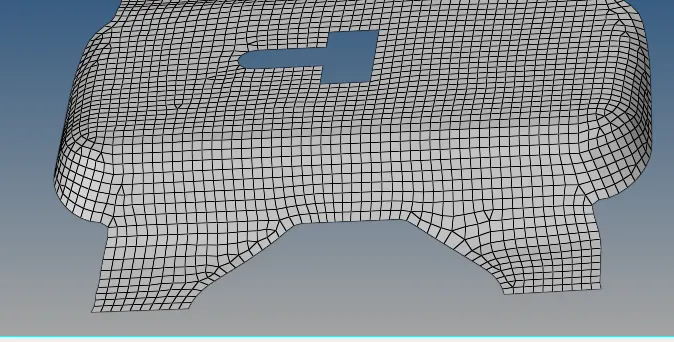
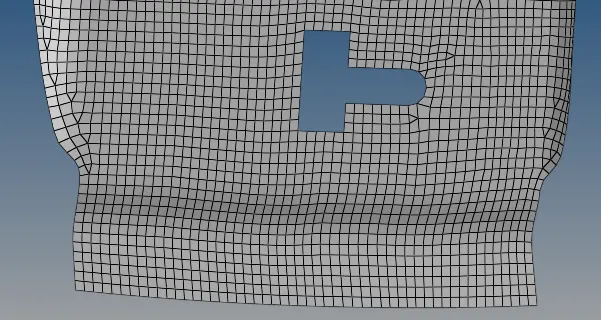
HINGE PART
Given Model:
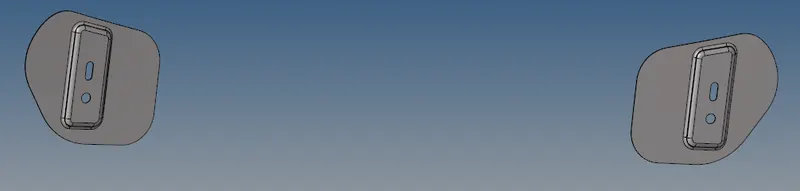
Mid-surface with Geometry cleanup:
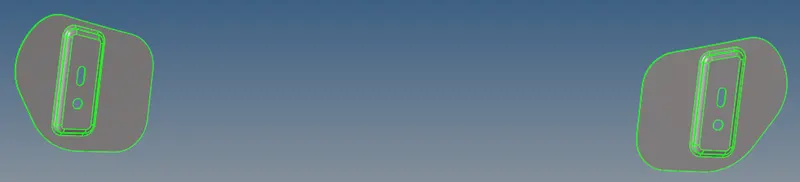
Mesh on one part:
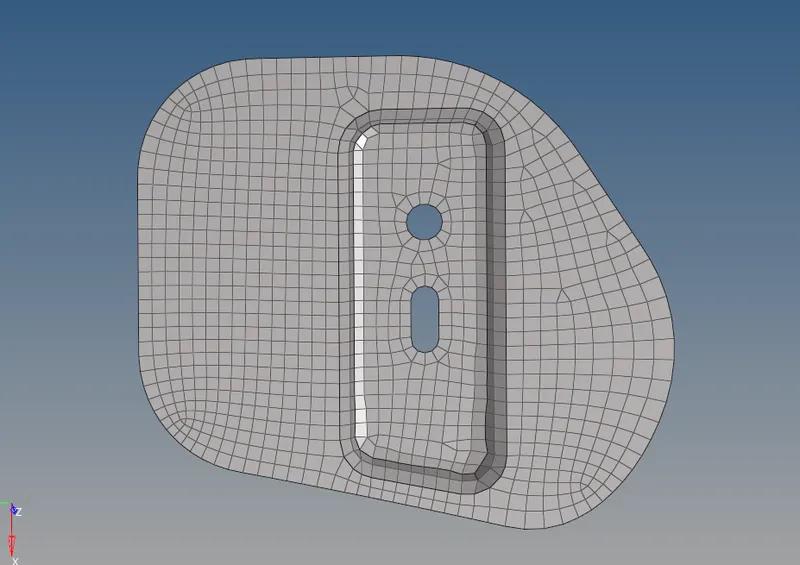
Reflect:
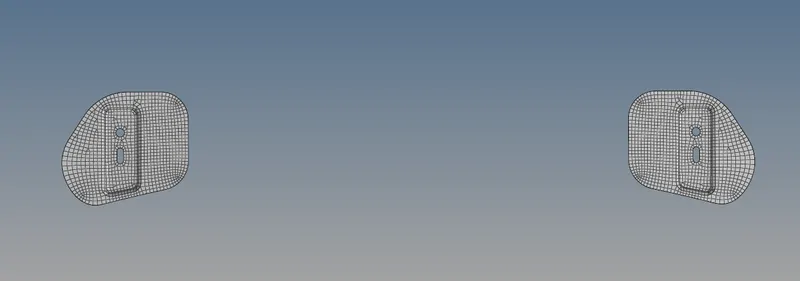
OUTER PART
Given Model:
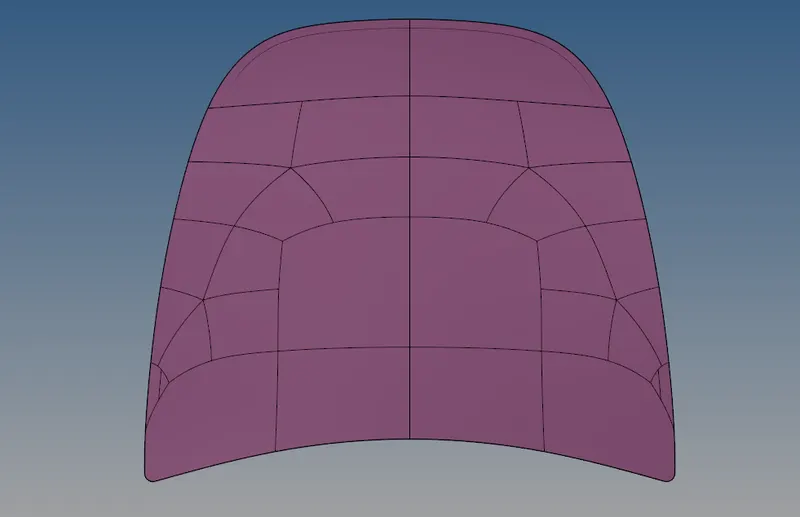
Mid-surface with Geometry cleanup:
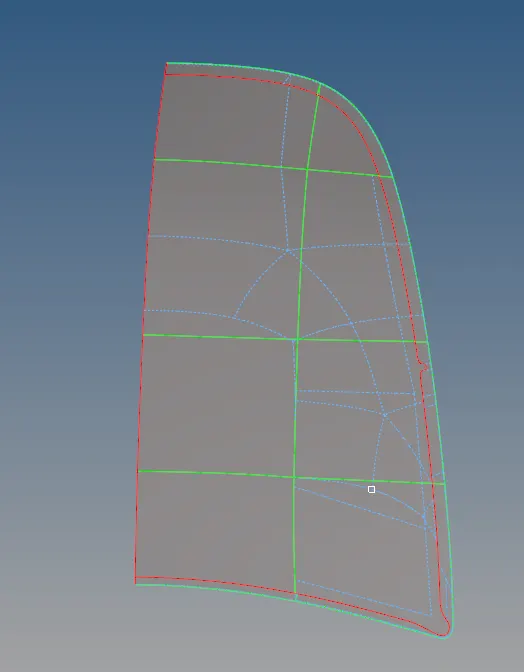
Mesh on one part:
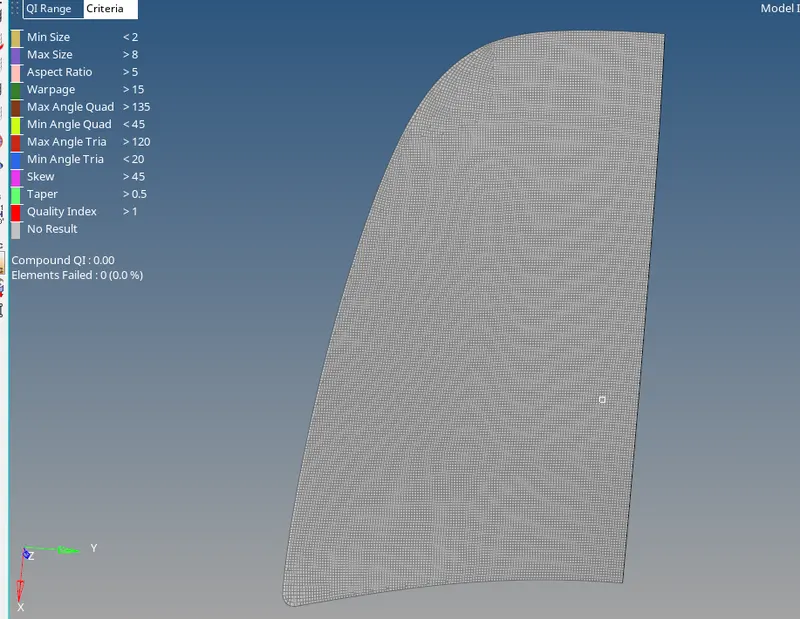
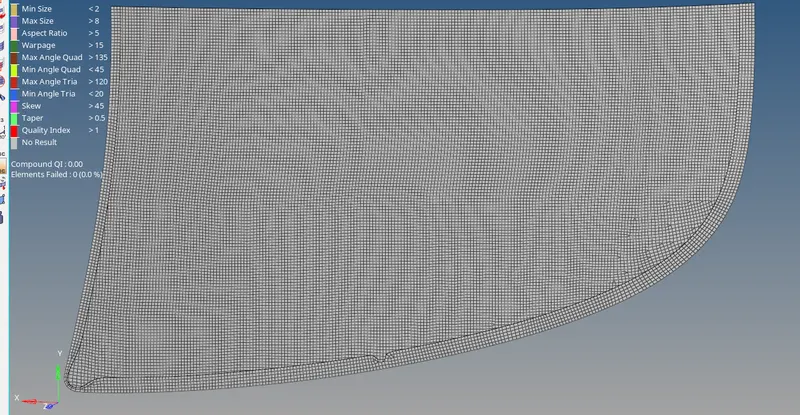
Reflect:
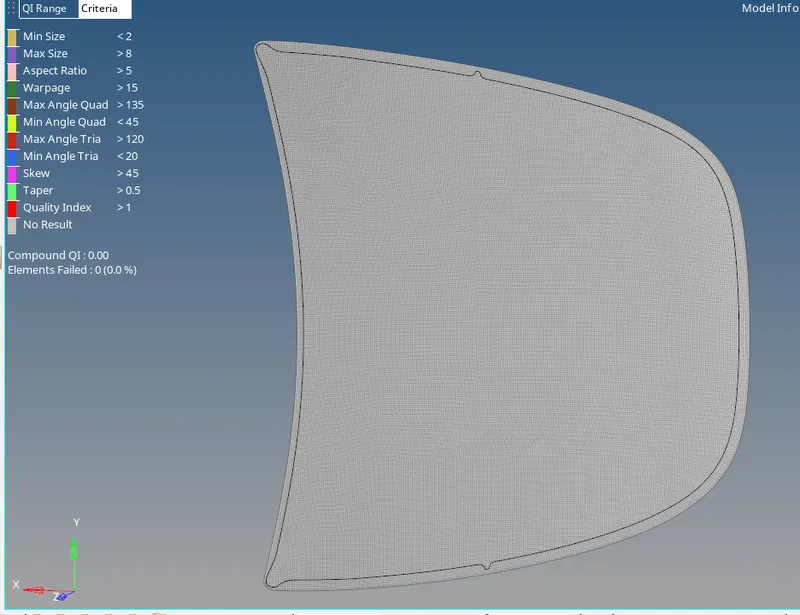
INNER PART
Given Model:
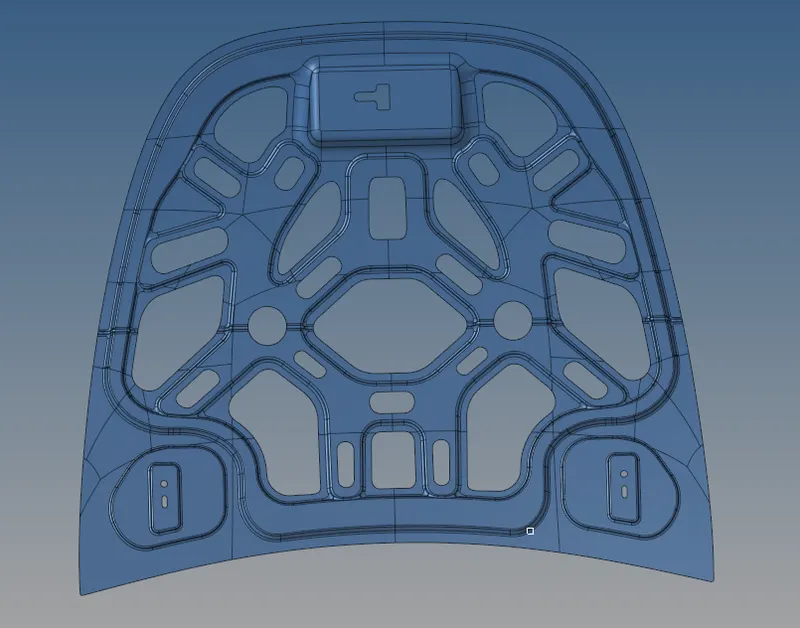
Mid-surface with Geometry cleanup:
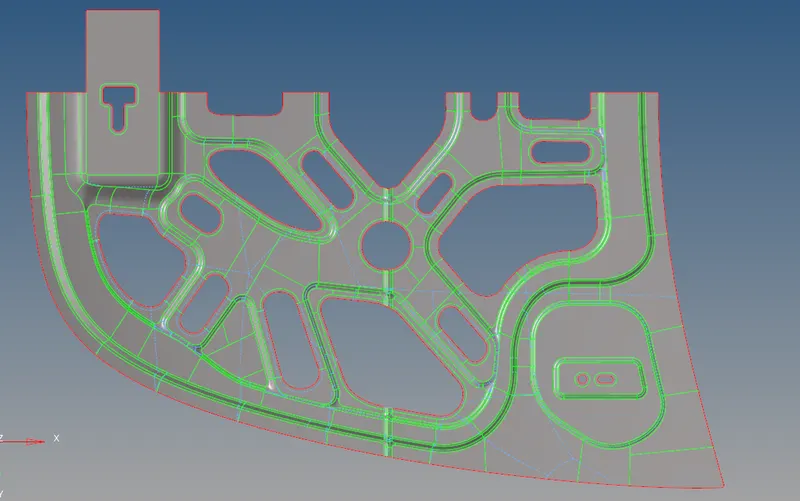
Mesh on one part:
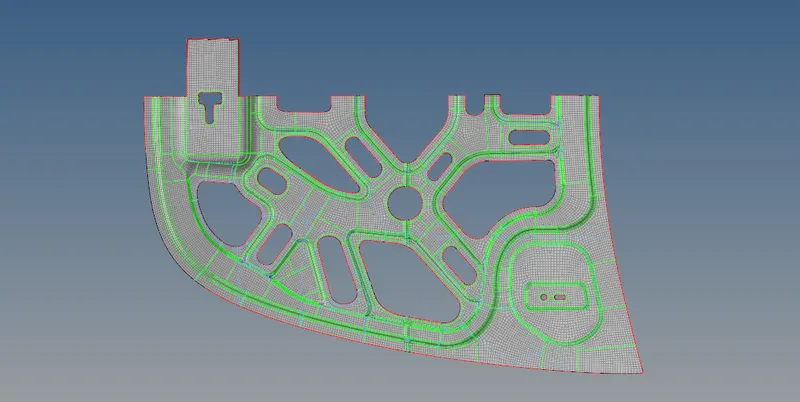
Reflect:
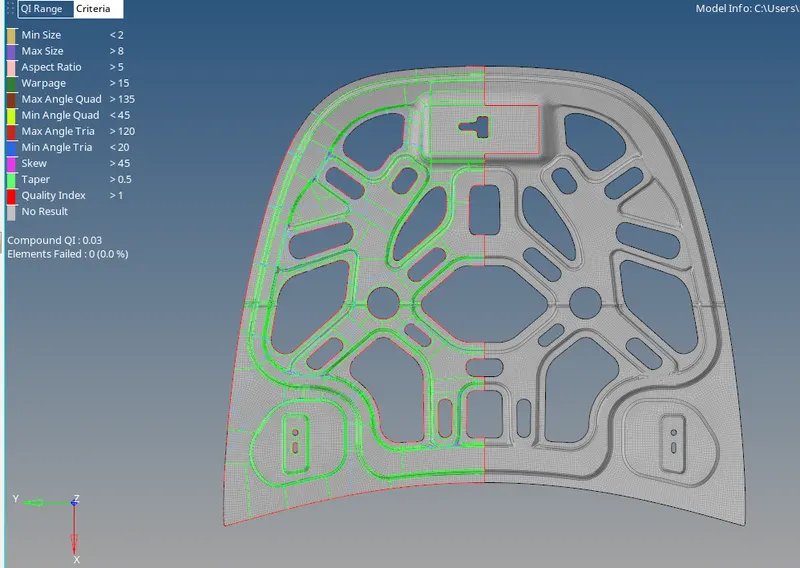
CONCLUSION:
Successfully generated mesh for all the hood parts with the element criteria as mentioned and resolved all the issues that were created while meshing.