Week 6: Conjugate Heat Transfer Simulation
introduction
conjugate heat transfer
- conjugate heat transfer corresponds with the combination of heat transfer in solids and heat transfer in the fluid.
- in solid, conduction is often domain whereas in fluid convection usually domain
- conjugate heat transfer is observed in many situations .for eggs heat sinks
super-cycling method
in the super cycling method, the fluid solver working on convection problem is paused for a small-time period allowing the solid-state conduction solver to catch up this method significantly reduce the number of cycle and simulation time'
velocity calculation
RE=7000
density=1.225
d=0.015m
viscosity=18.45*e-6
v=RE*viscosity/(density*d)
so velocity=7.025m/s
geometry
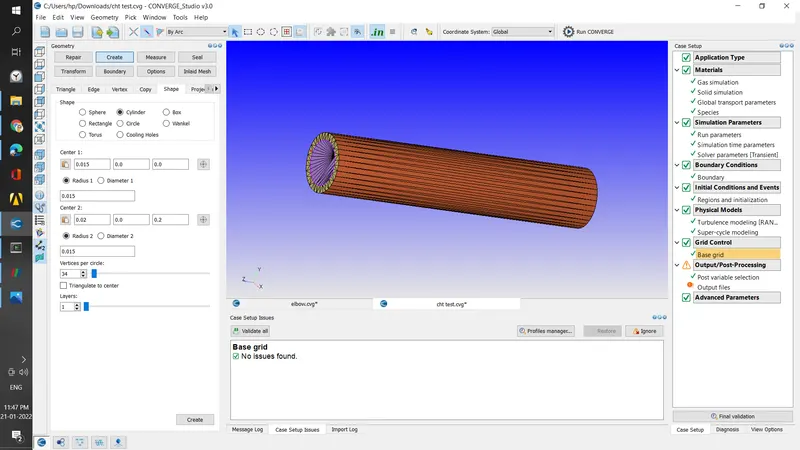
common case setup
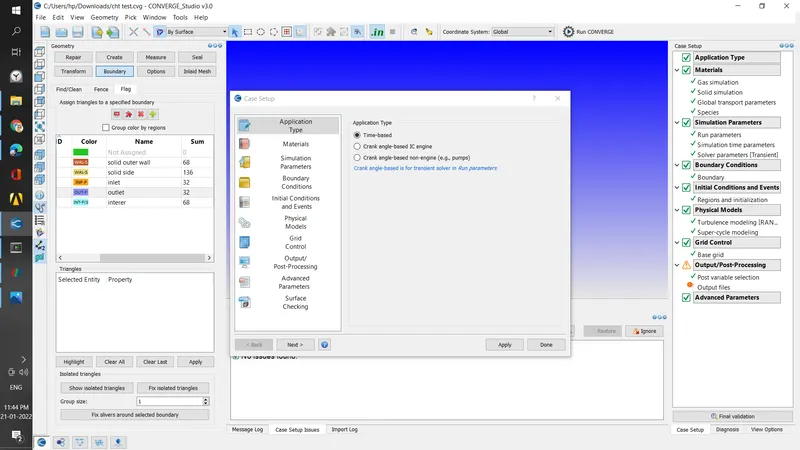

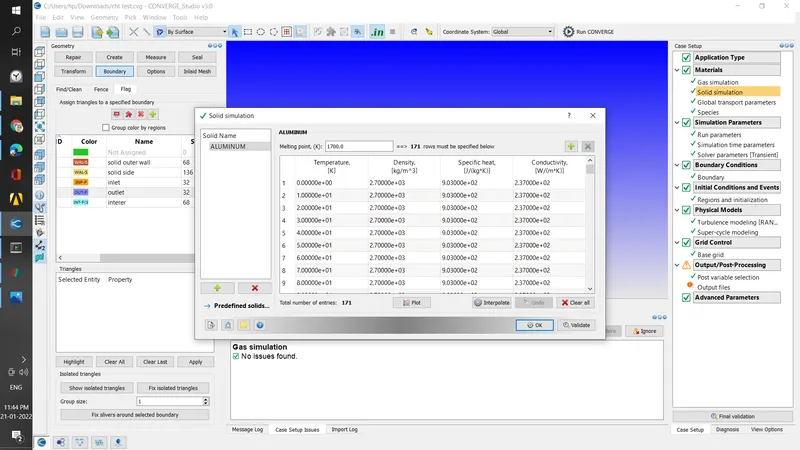








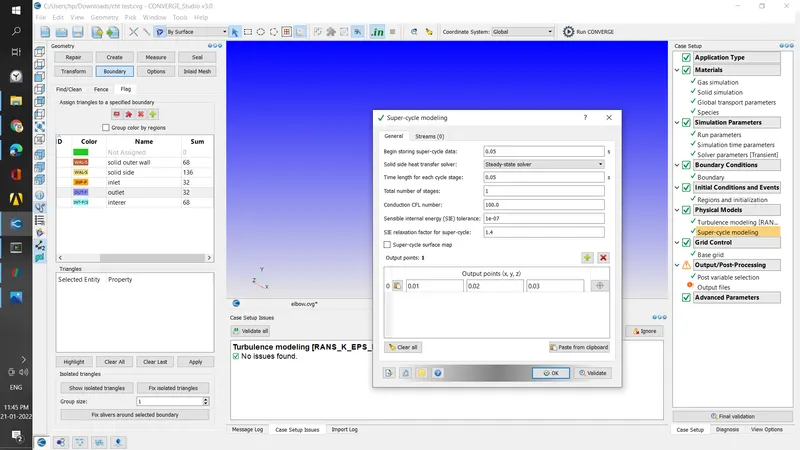
mesh
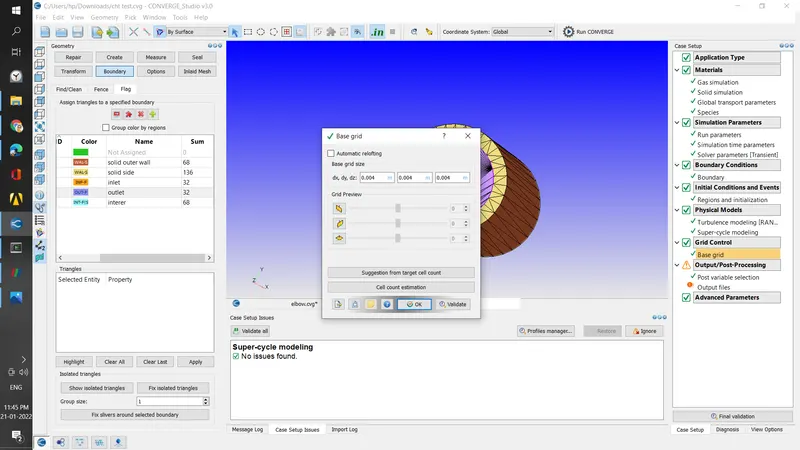
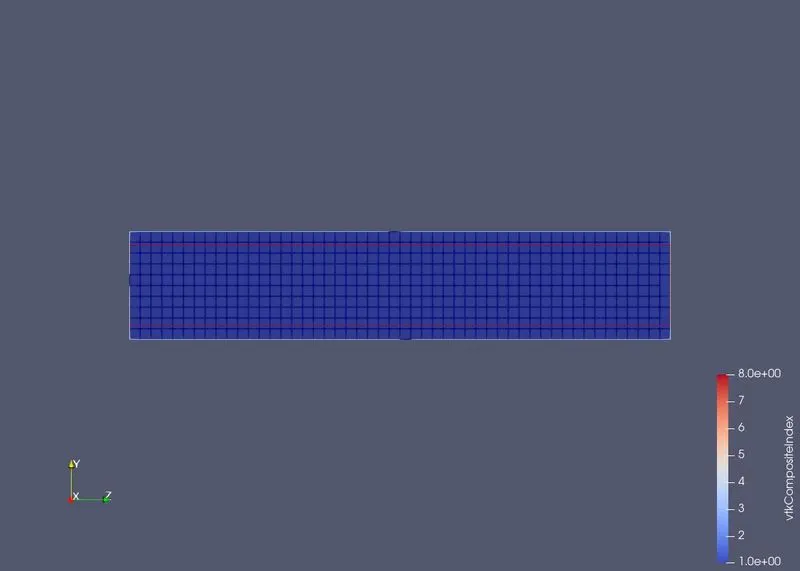
results
yplus
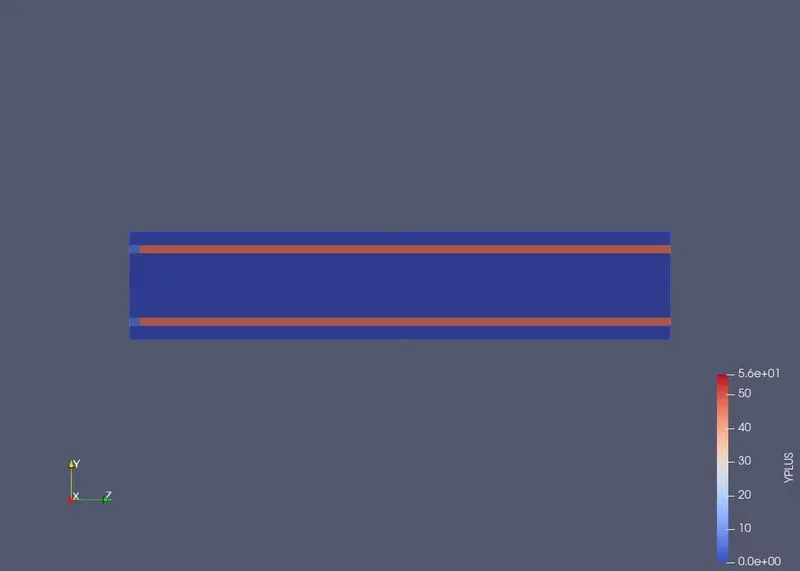
velocity vector
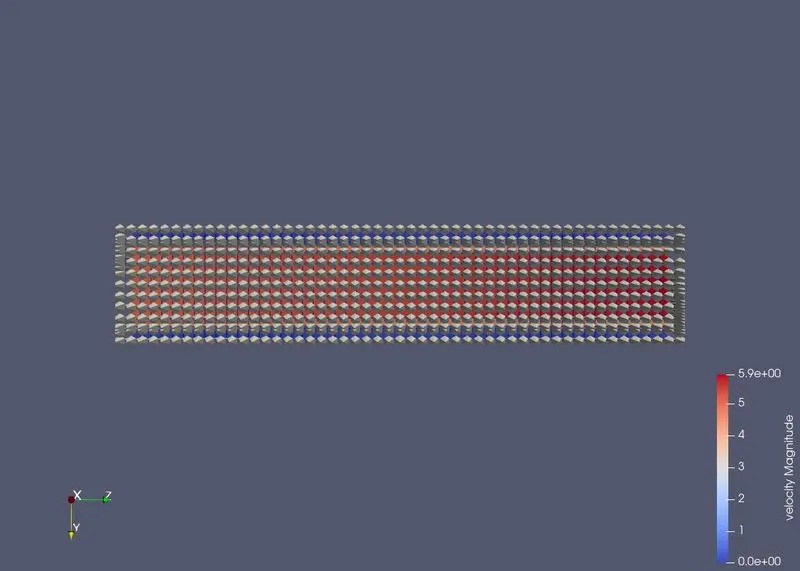
velocity
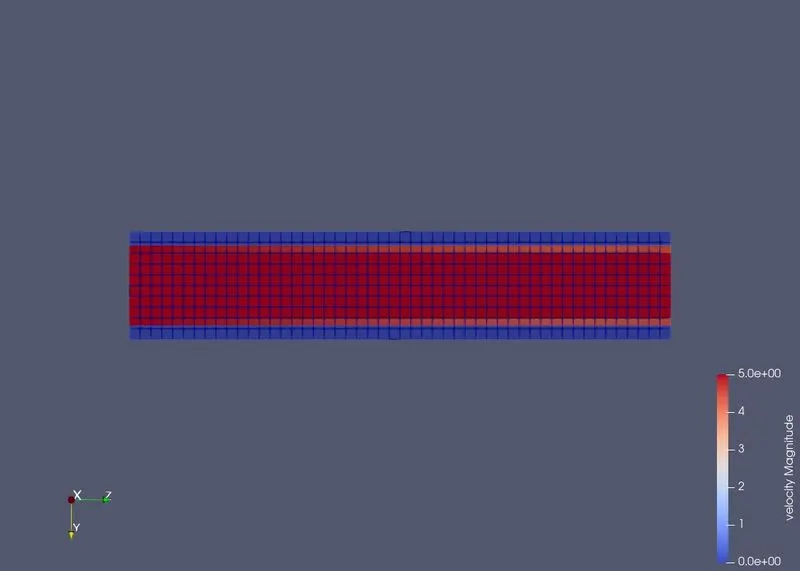
temperature


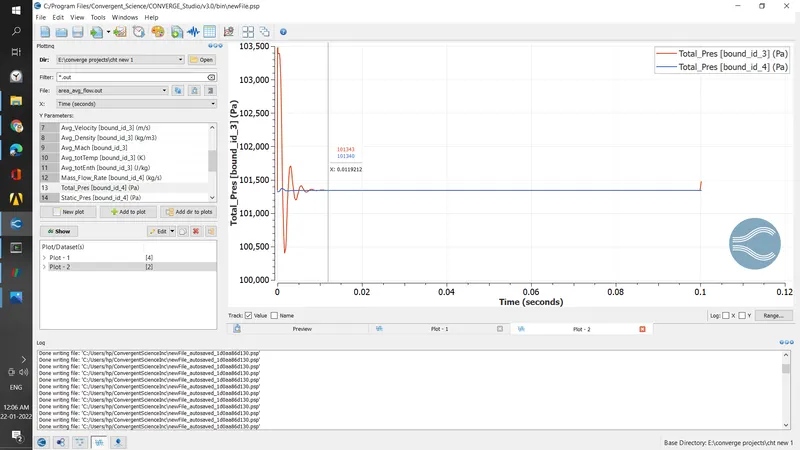
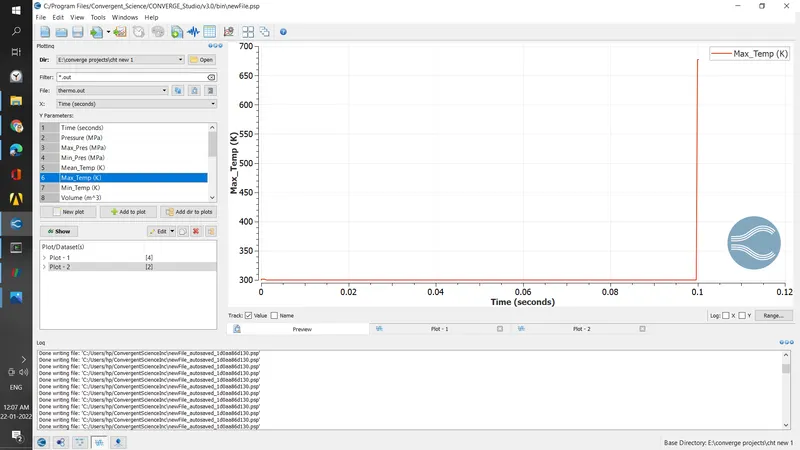
Grid dependence test
dx=dy=dz=0.002
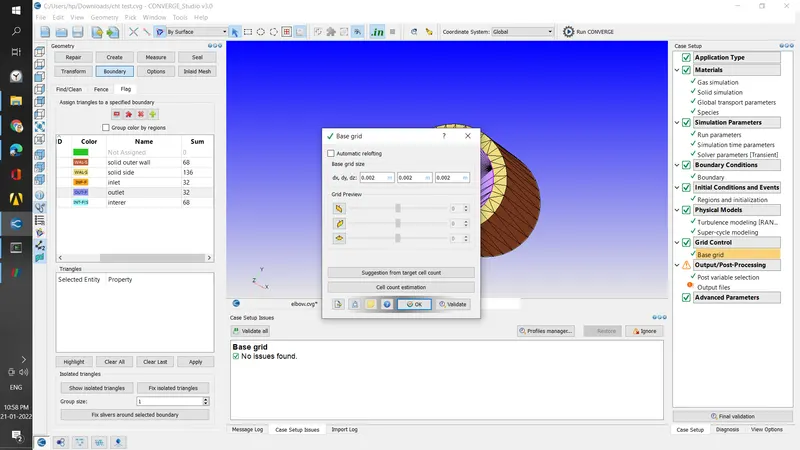
mesh

plus

velocity
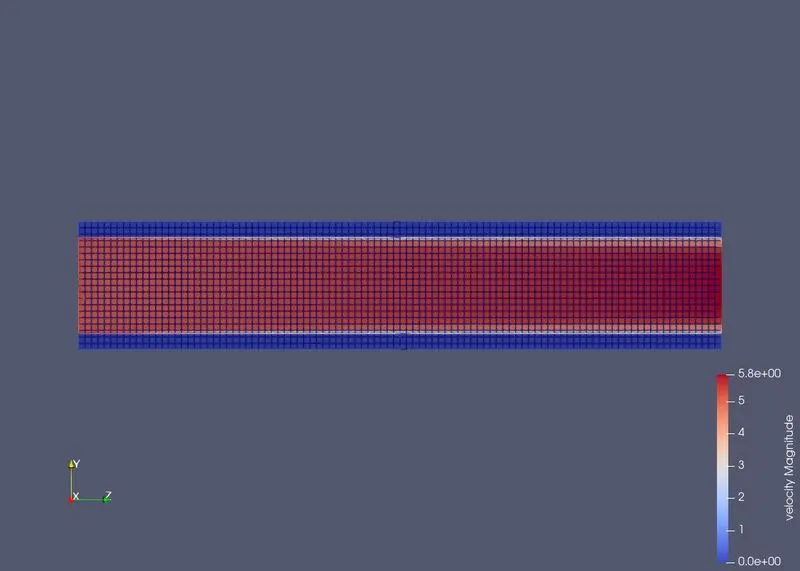
temperature
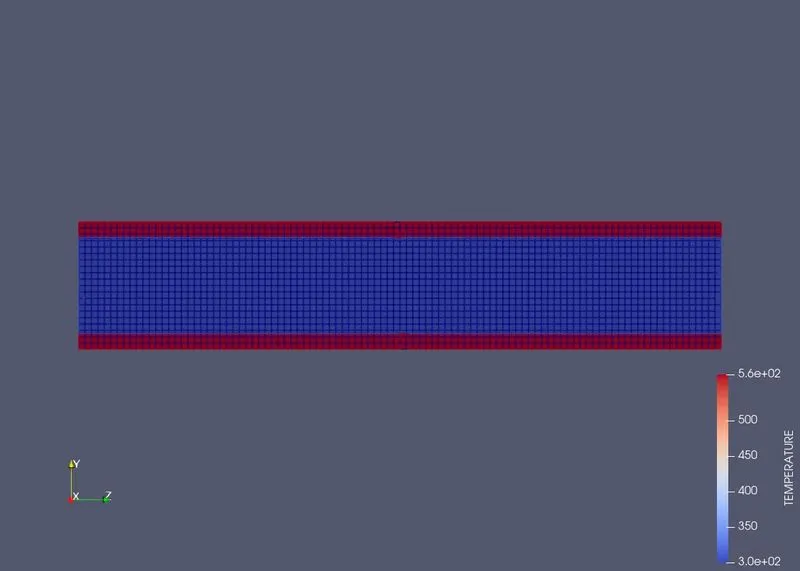
pressure
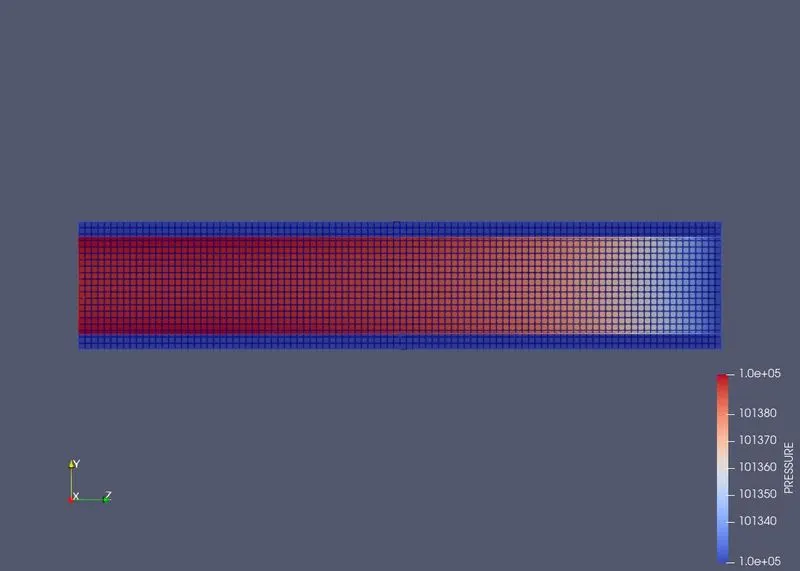
dx=dy=dz=0.003
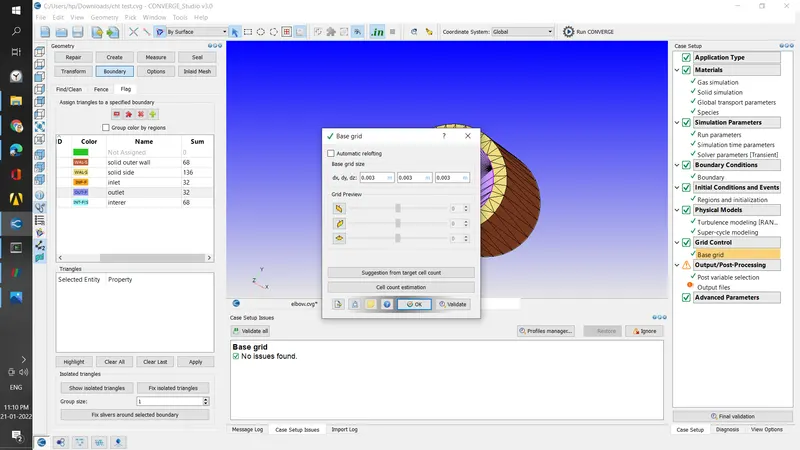
mesh
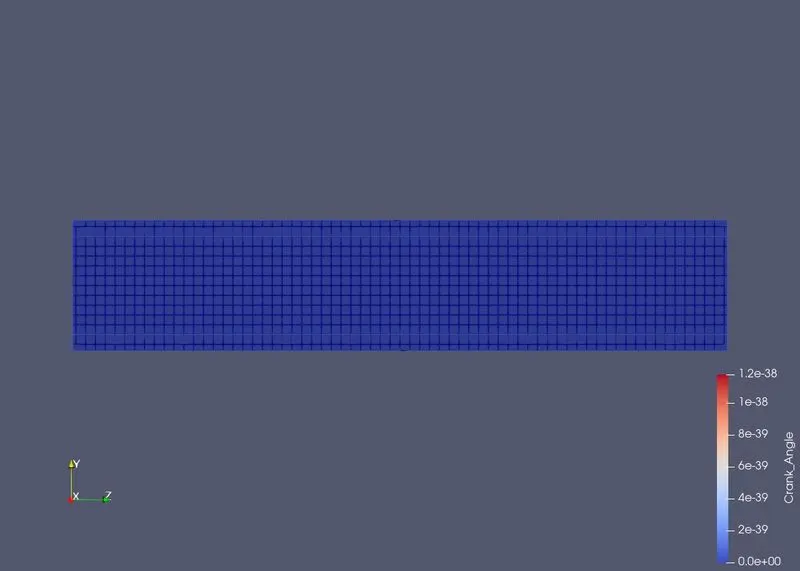
yplus

velocity
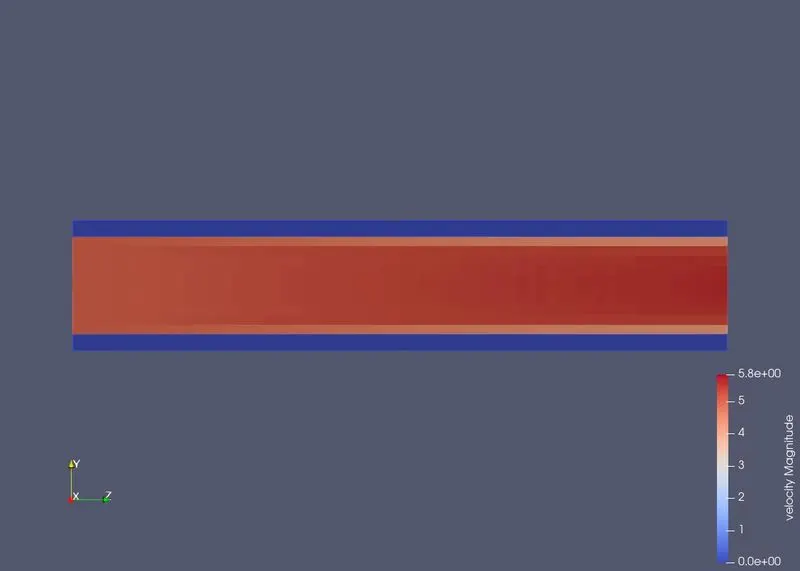
temperature

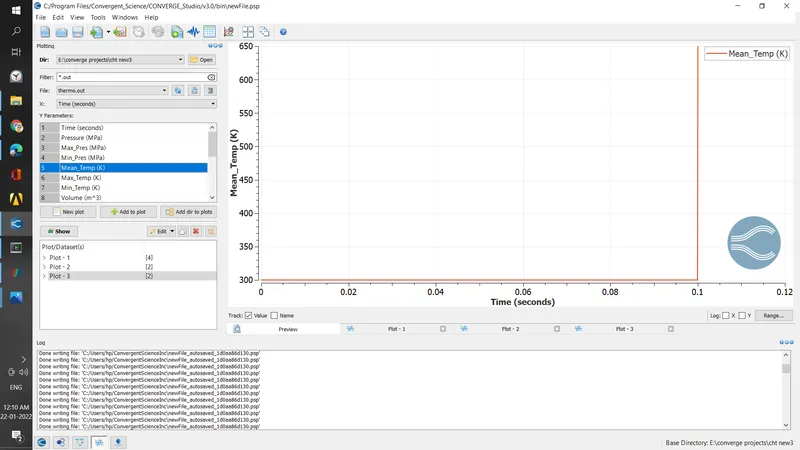
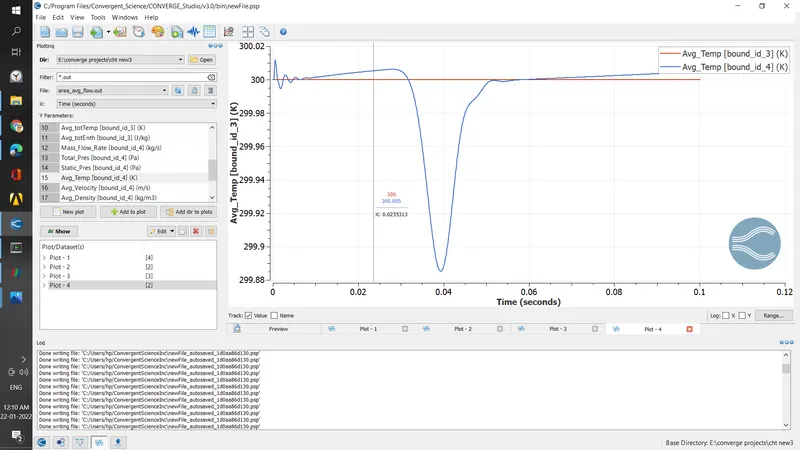
as grid size increase the time required to run simulation also decrease
outlet temperature also heated as grid size decrease
we found that y puls decrease as grid size decrease
Effect of supercycle stage interval
plus

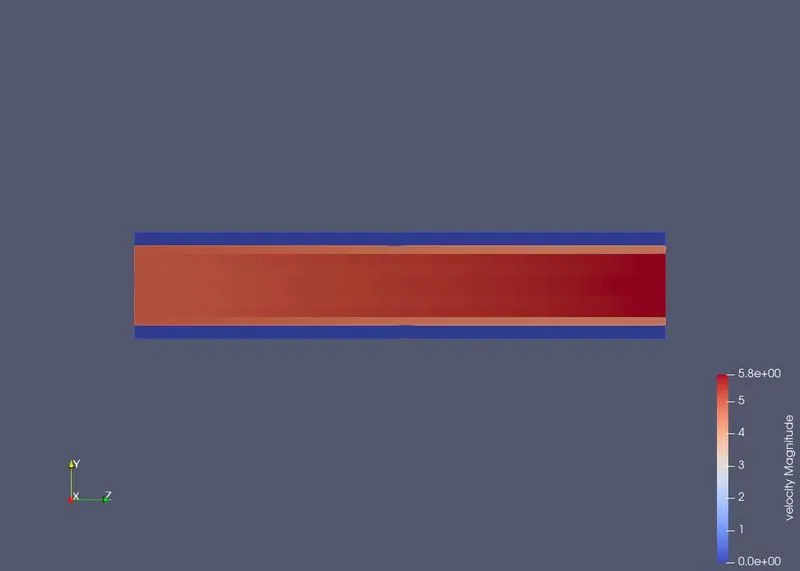
velocity
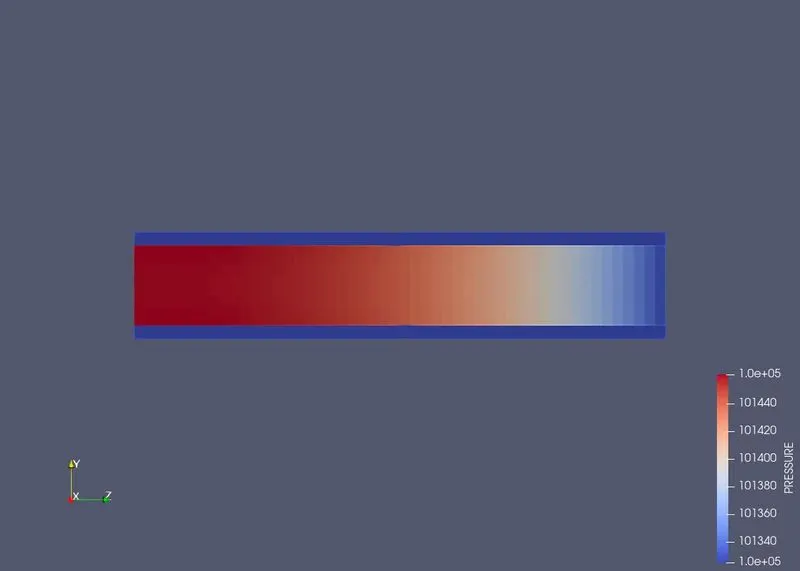
pressure
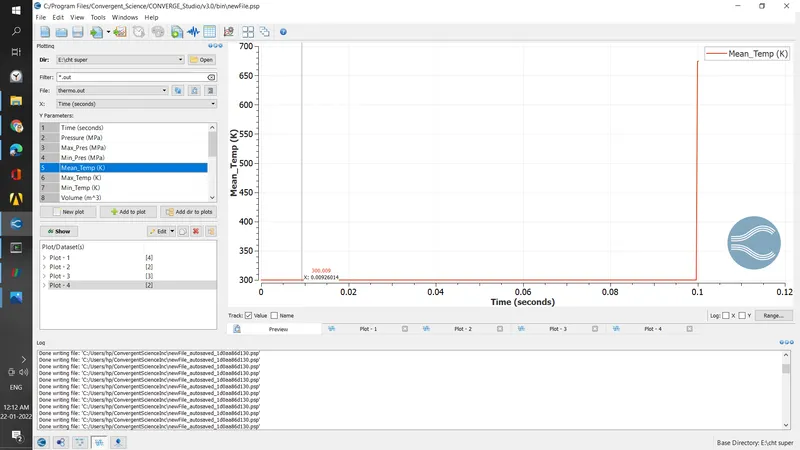
as compared to the base case avg value of temperature id decrease as the Effect of supercycle stage interval changes