Week 6 - CHT Analysis on a Graphics card
Introduction
conjugate heat transfer
the conjugate heat transfer analysis type allows for simulation of heat transfer between solid and fluid domains by exchanging thermal energy at the interfaces between them. typical applications of this analysis type exist as but are not limited to, simulation of the heat exchanger, cooling of electronic equipment, and general-purpose cooling and heating system.
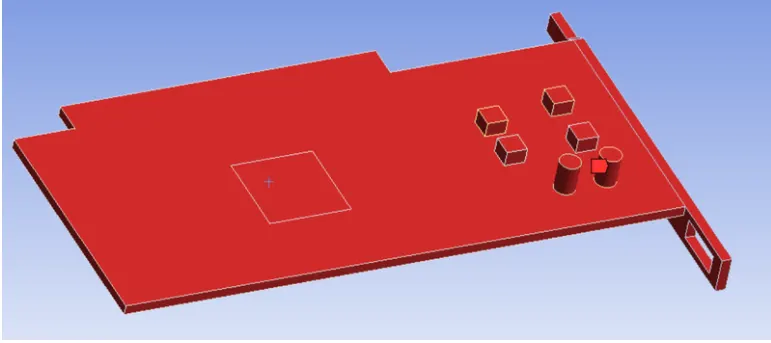
Geometry setup
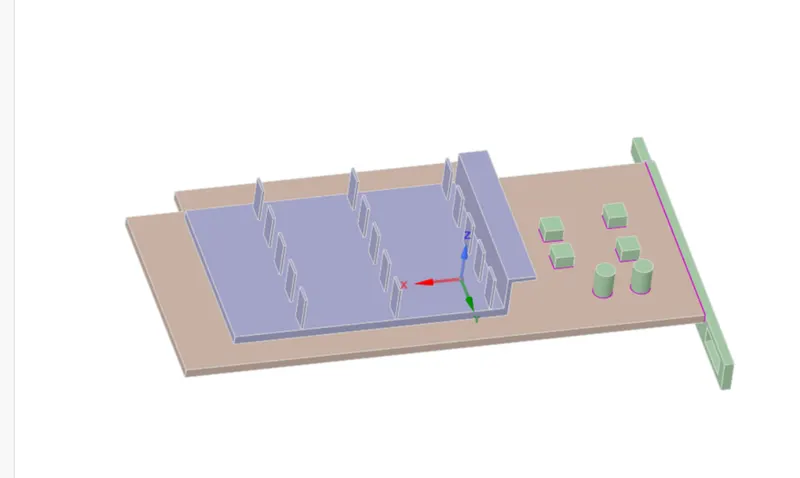
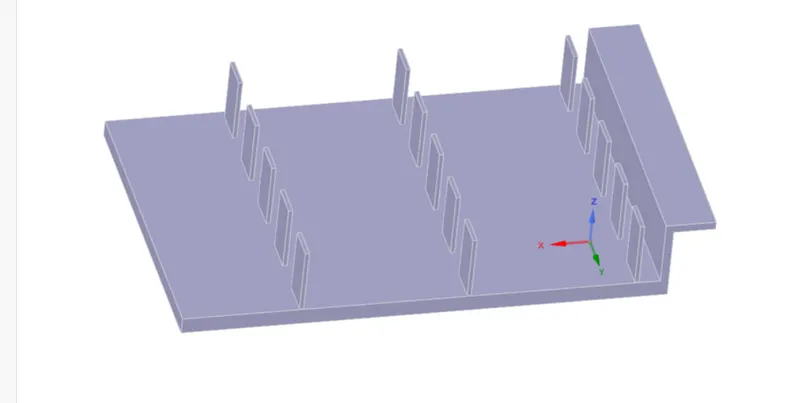
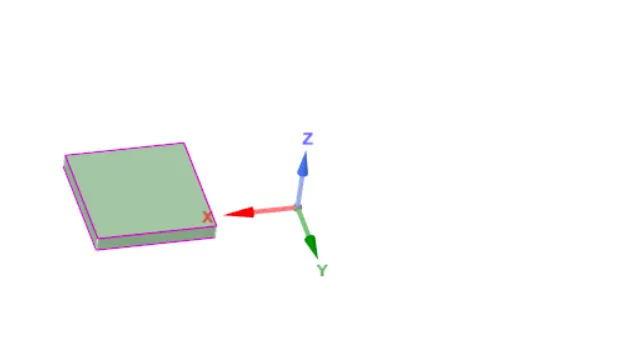
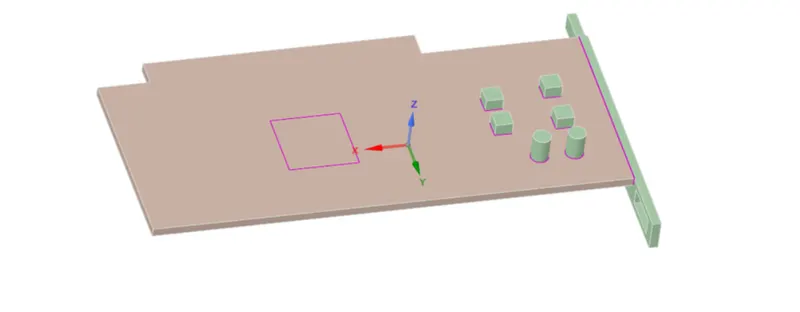
naming
fins
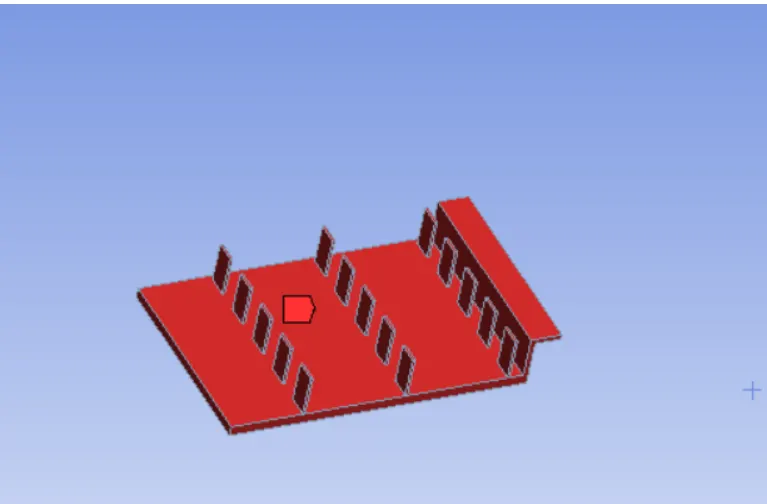
processor
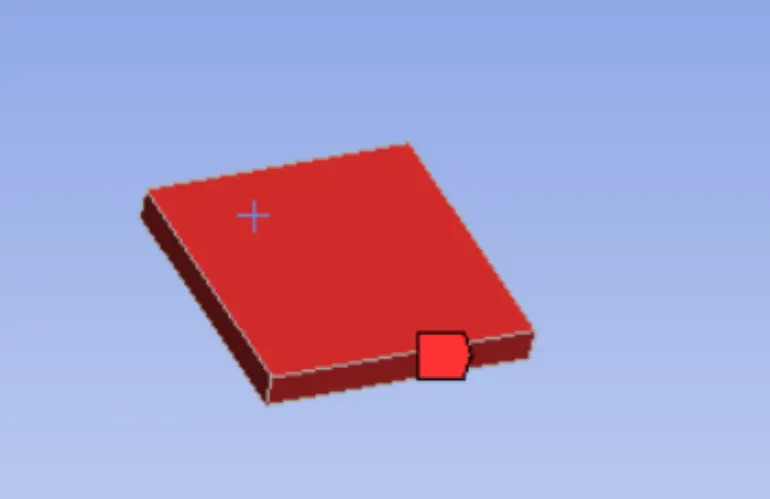
base
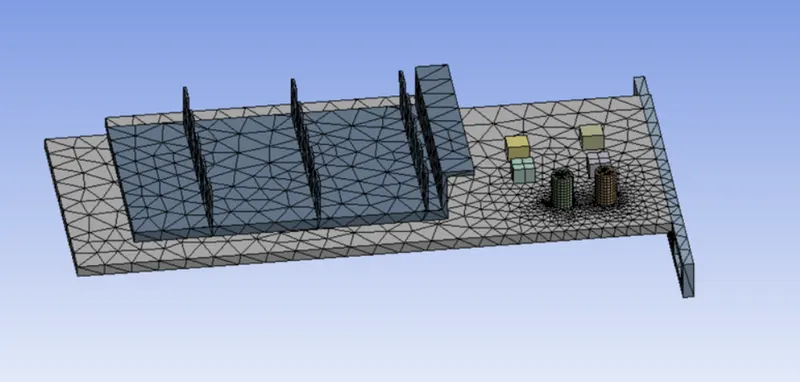
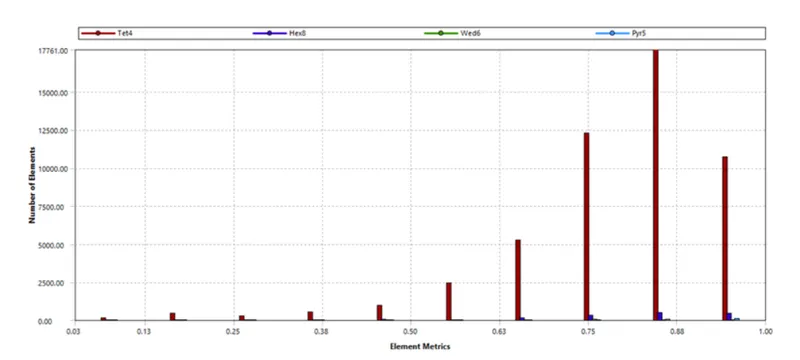
meshing
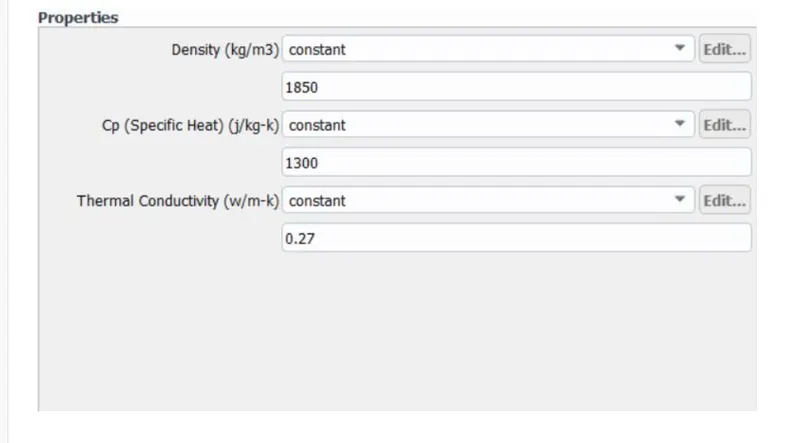
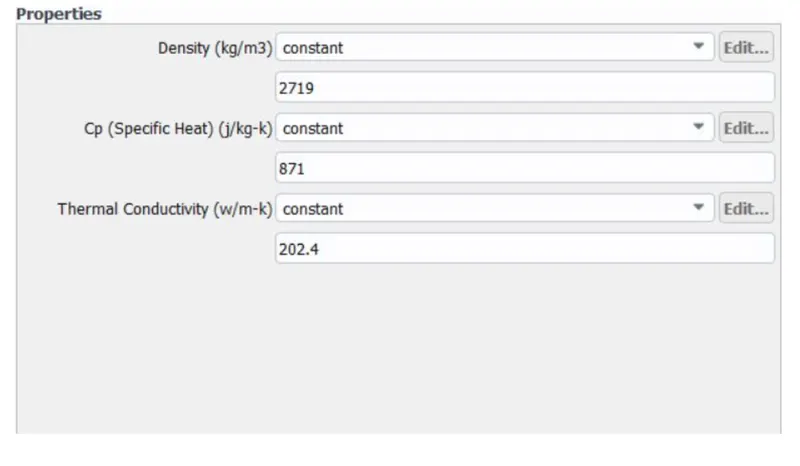
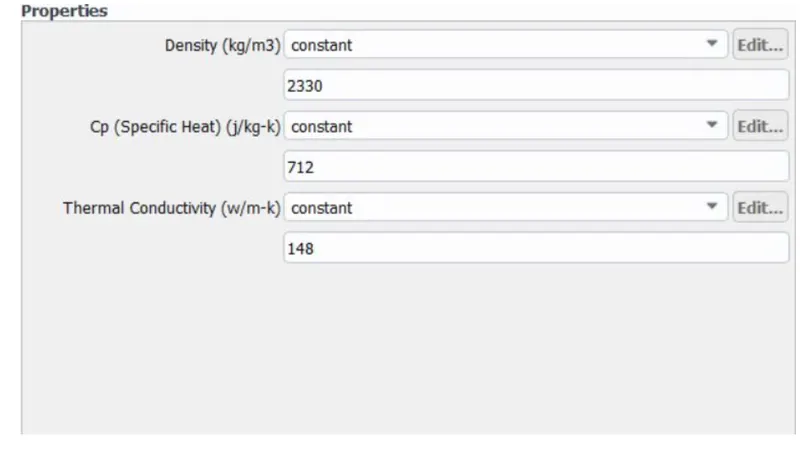
material selection
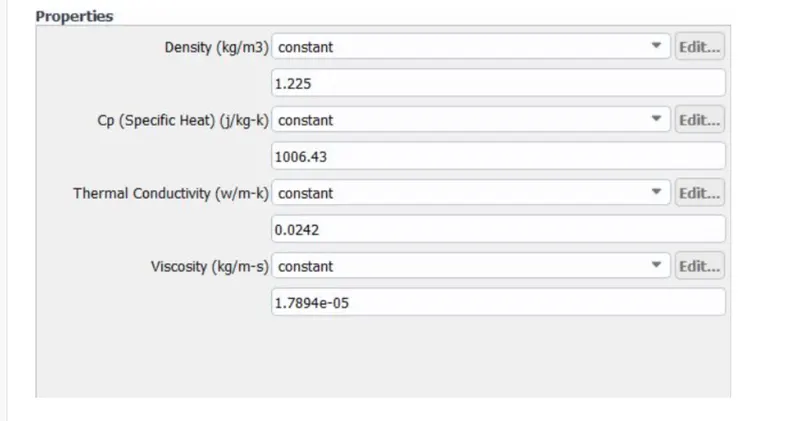
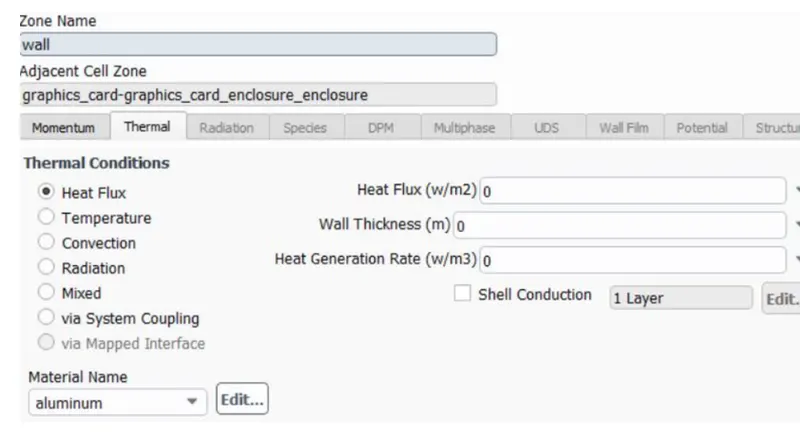
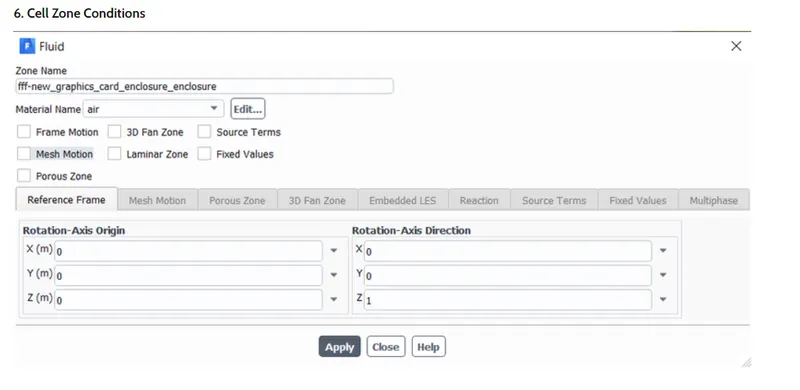
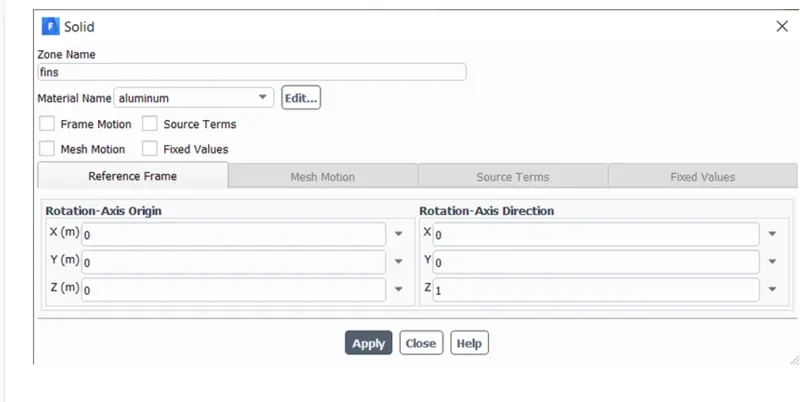
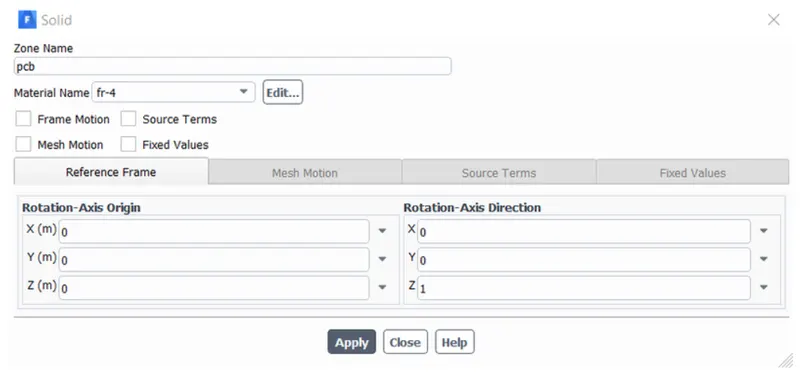
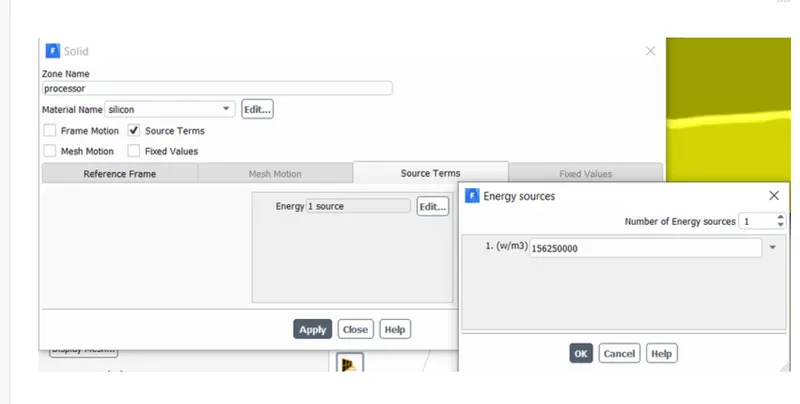
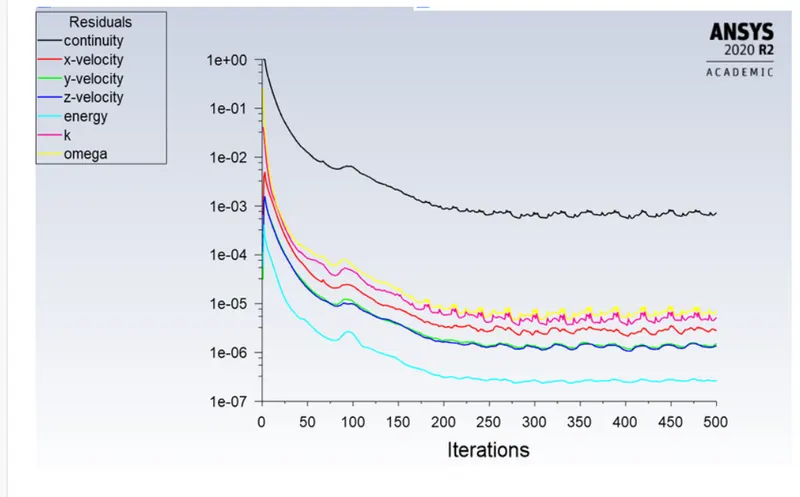
solution setup
steady-state solver
type pressure type
k-omega turbulence model
boundary condition
inlet-velocity inlet
velocity -5m/s
temperature -300k
symmetry-symmetry
wall-wall
results
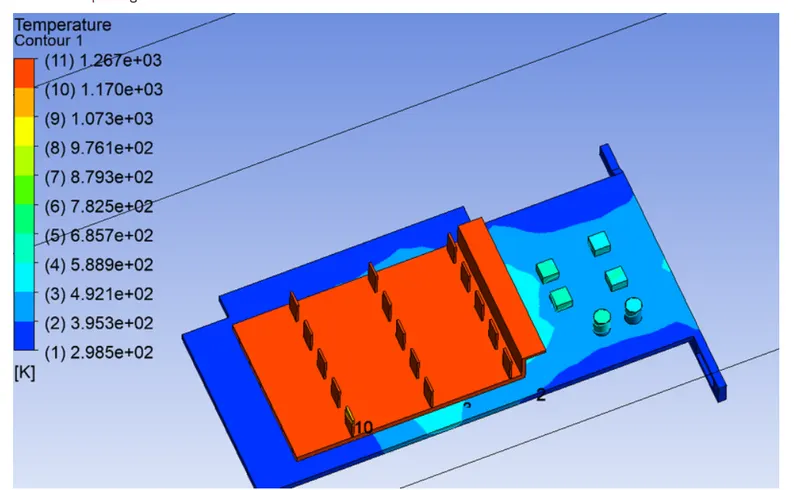
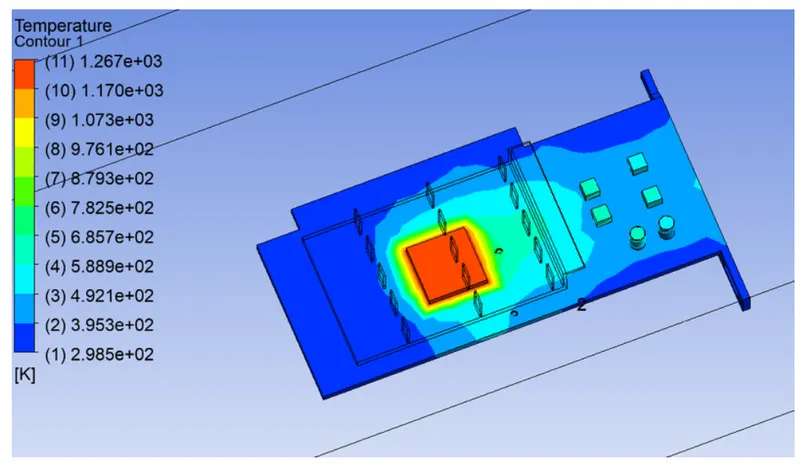
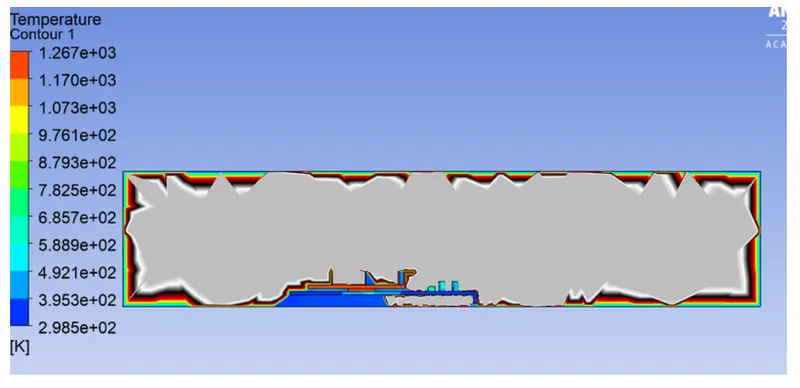
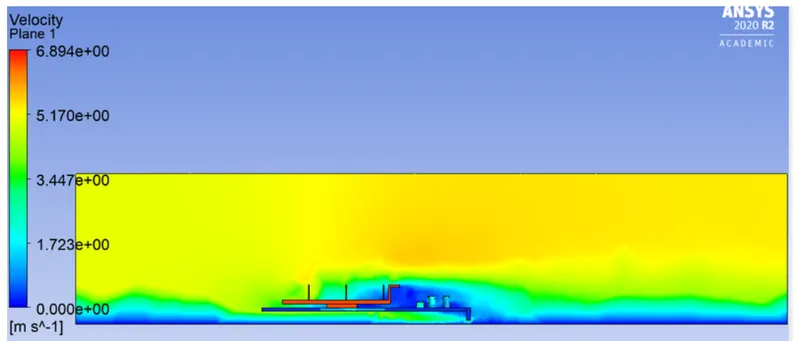
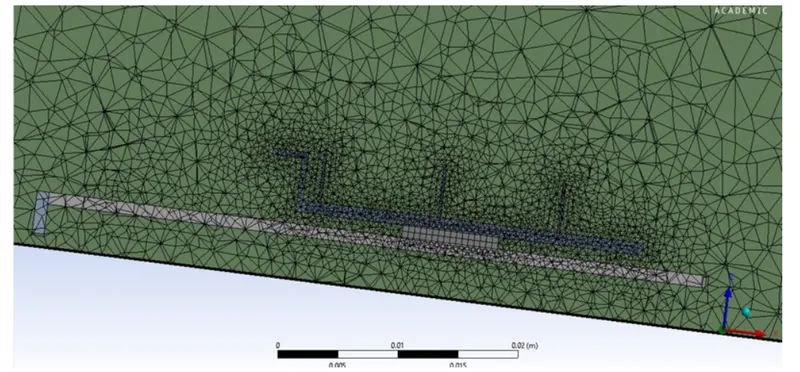
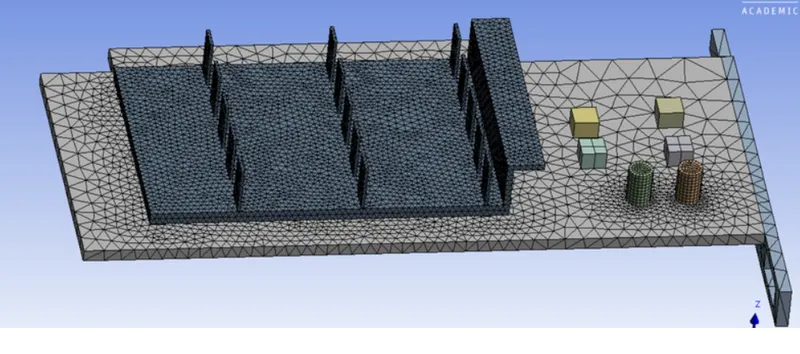
refined mesh
number of nodes =884447
number of elements =429838
elemats size=0.5mm
case1
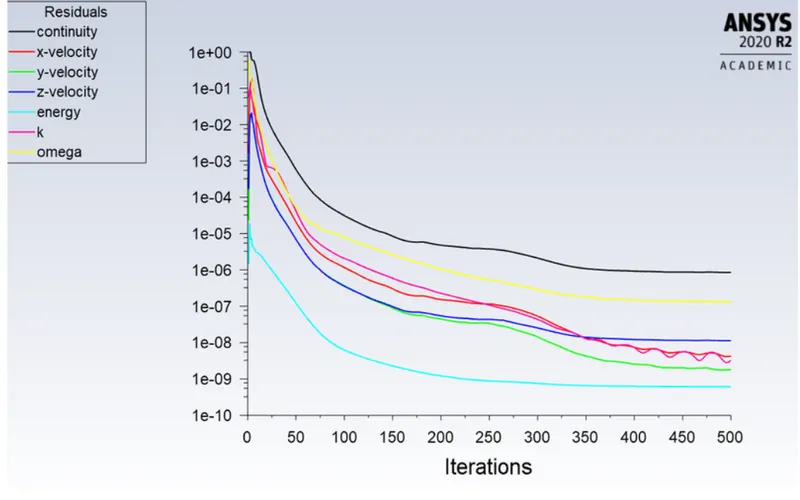
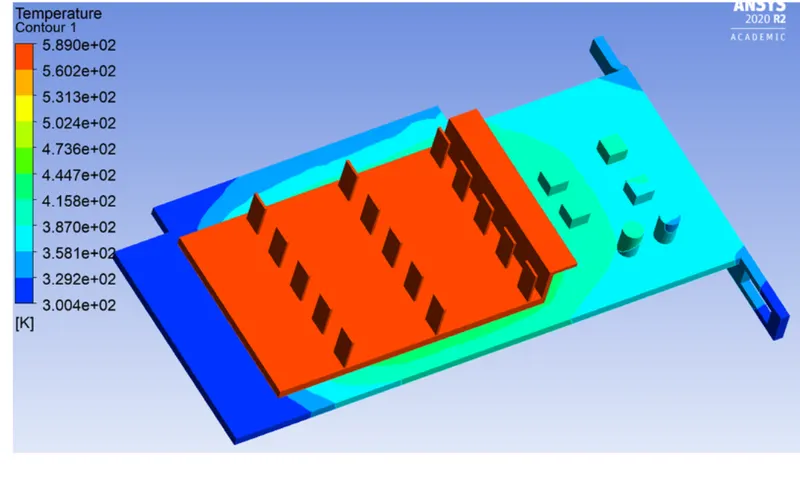
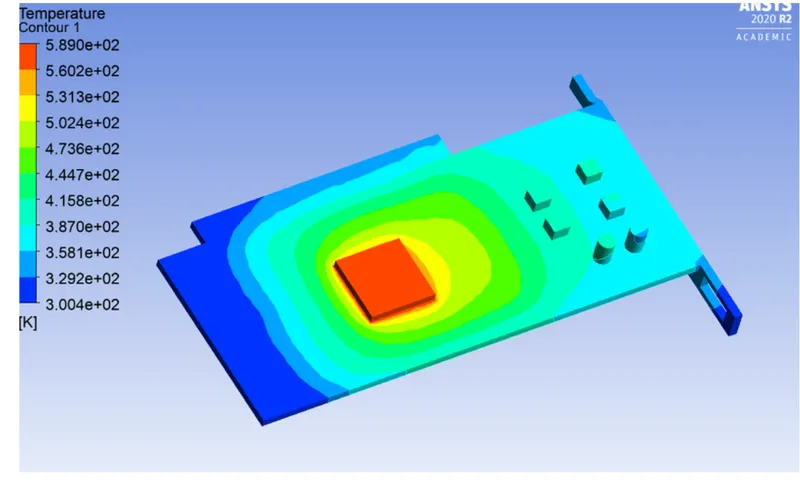
inlet velocity 1m/s
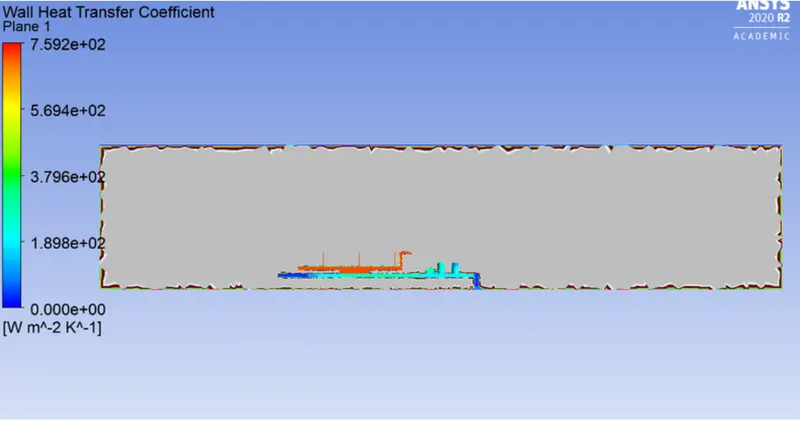
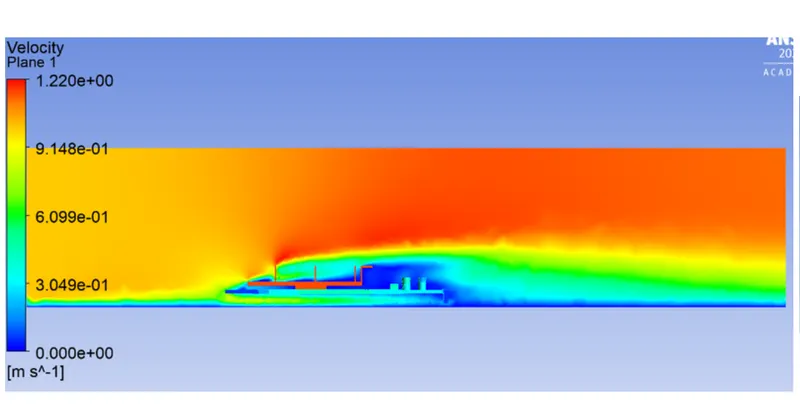
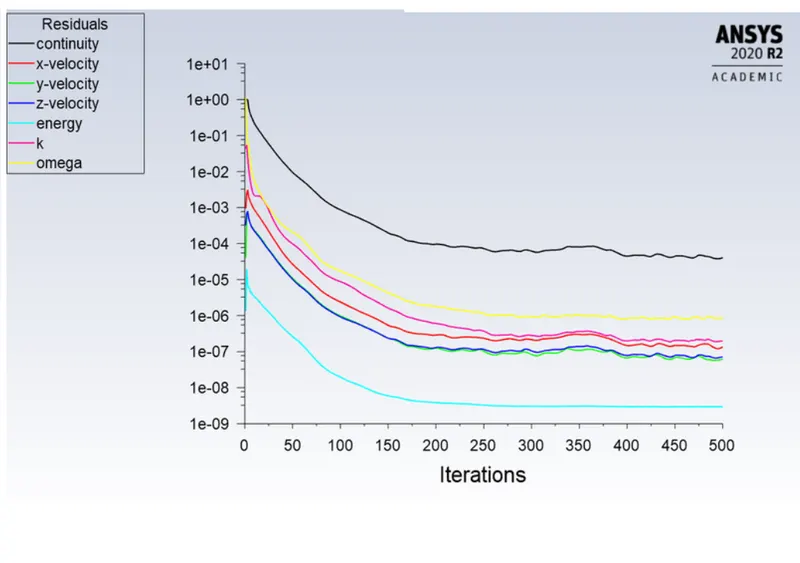
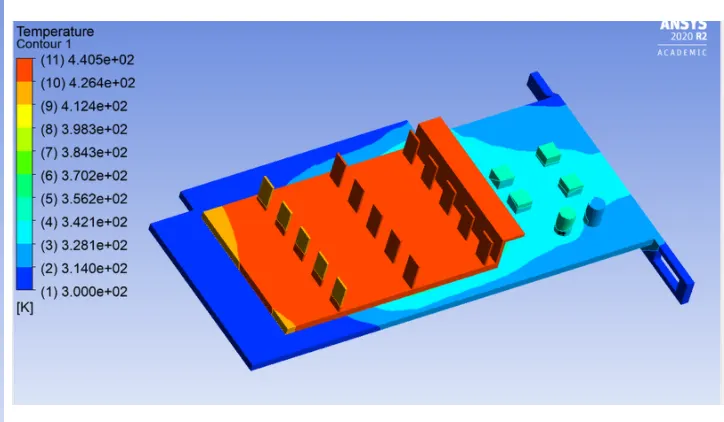
case 2
inlet velocity 3 m/s
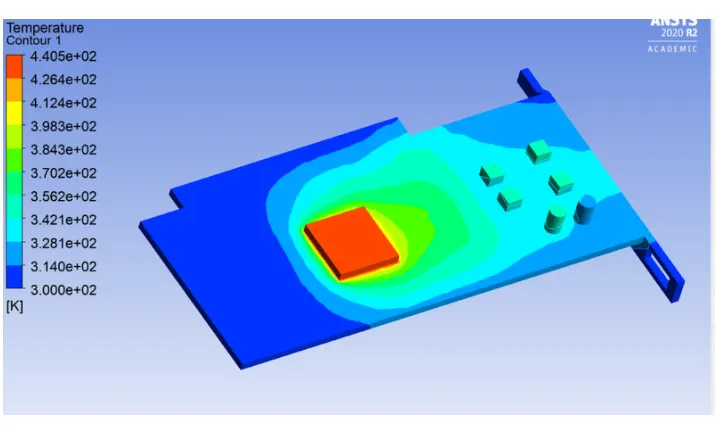
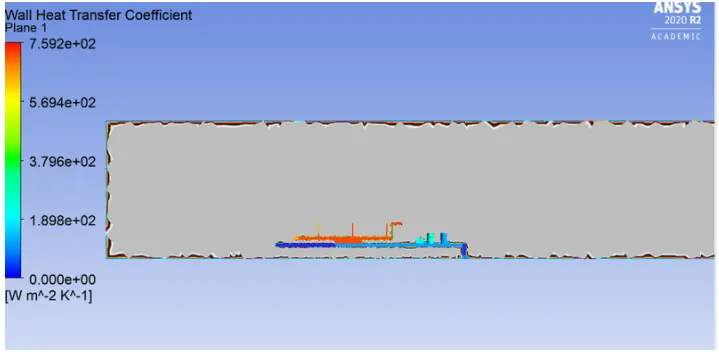
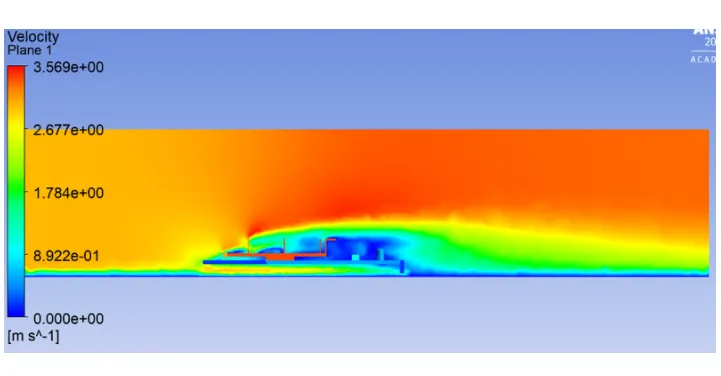
case 3
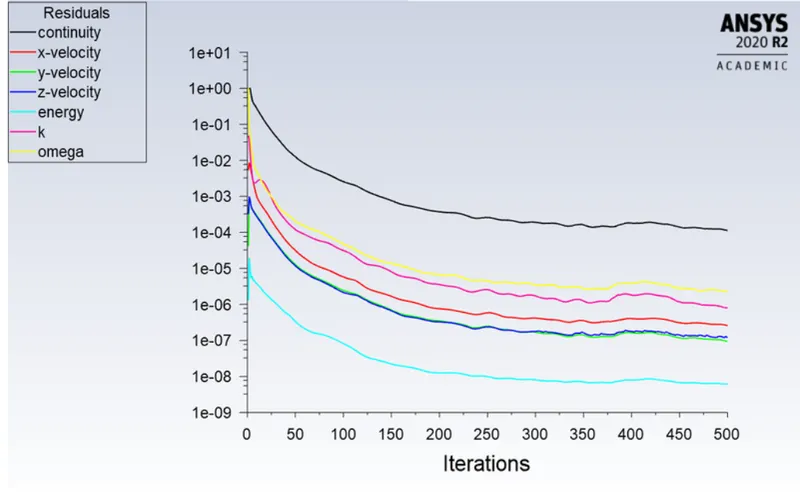
inletvelocity= 5 m/s
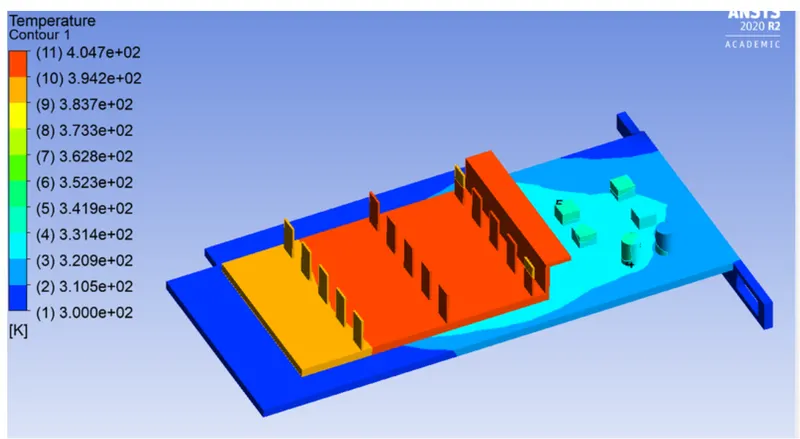
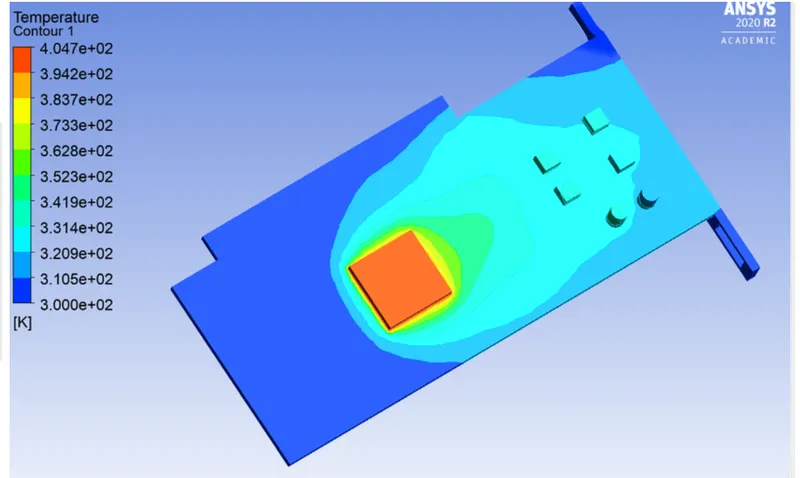
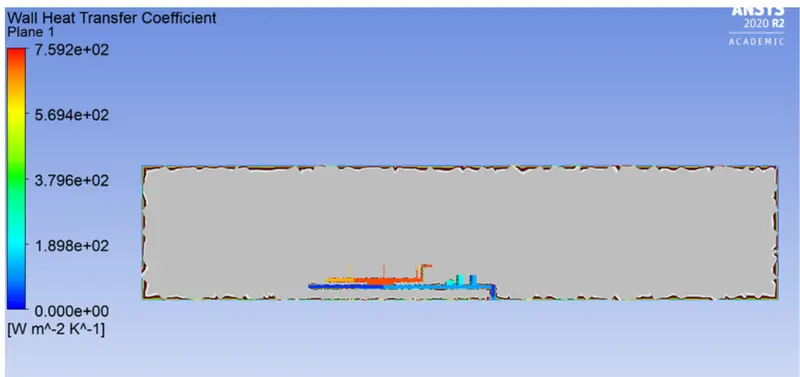
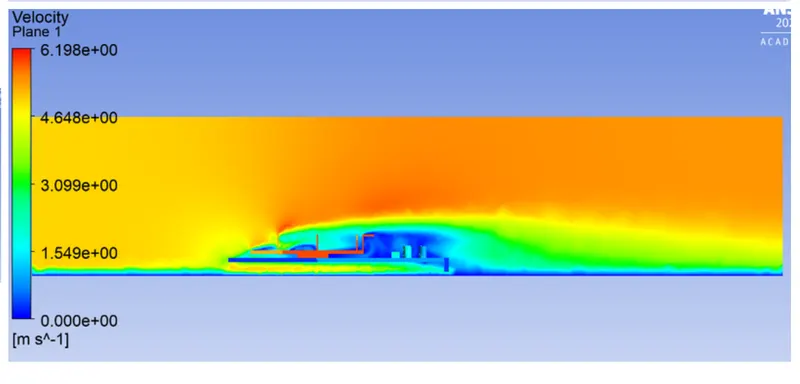
| velocity | tem at the processor (k) | temp at fins | HTC at fins |
| 1 | 580.23 | 576.59 | 250.92 |
| 3 | 432.62 | 426.58 | 256.32 |
| 5 | 398 | 390.20 | 264.22 |
conclusion
1)as the number of elements increases the accurate results of temperature distribution is obtained.
2)from the above table, it is fairly notable that the net temperature of components of graphics cards decreases with an increase in inlet velocity