Week-6 Challenge: EV Drivetrain
AIM :-
- To understand the types of power converters used in hybrid and electric vehicles.
- To calculate the steady state speed of an EV powertrain with the given duty cycle.
- To summarise the blog Induction vs DC brushless motors by Wally Rippel.
1. TYPES OF POWER CONVERTERS EMPLOYED IN ELECTRIC AND HYBRID VEHICLES :-
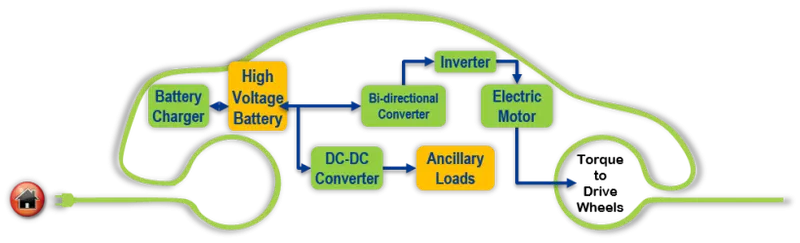
The power converters used in electric vehicles and hybrid vehicles are,
AC to DC Converter or Rectifier: In most of the countries, the electrical power generation and transmission are purely based on alternating current. The AC current to DC current conversion process is known as rectification. This rectifier converts AC supply from the mains power socket into the DC supply at load end connection which is the traction battery pack. Normally Transformers are used to adjust the AC source to get step down transformer to reduce the voltage level to have better operation range for DC supply. This power converter is used in on board chargers of electric vehicles.
DC to AC Converter or Inverter: The inverter is used to convert the DC supply from the traction battery to an AC motor which is used to drive the electric vehicle.
DC to DC Converter: These converters are used to increase or decrease the voltage level at the power outlet. This is done by storing the energy momentarily and then releasing the energy to the requried voltage. Although typically they are designed to be one-directional from input to output, bi-directional converters are also used especially in vehicle which have regenerative braking. The amount of power flow is controlled by varying the duty cycle.
AC to AC Converter: These converters are used to increase or decrease the AC voltage levels between two components.
2. CALCULATE THE STEADY STATE SPEED OF THE GIVEN EV POWERTRAIN :-
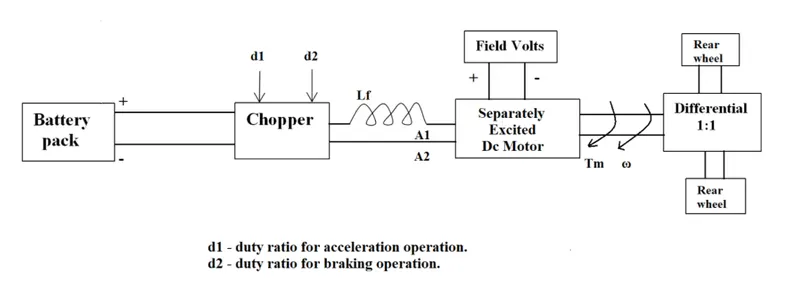
An electric vehicle's powertrain with a 72V battery pack is shown in the diagram below.
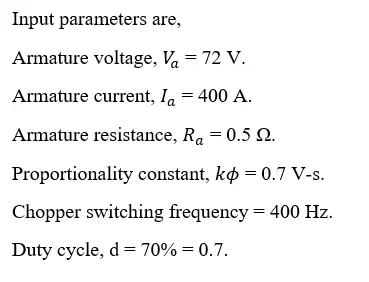
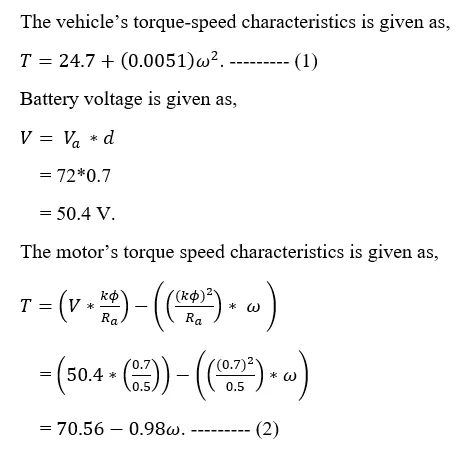
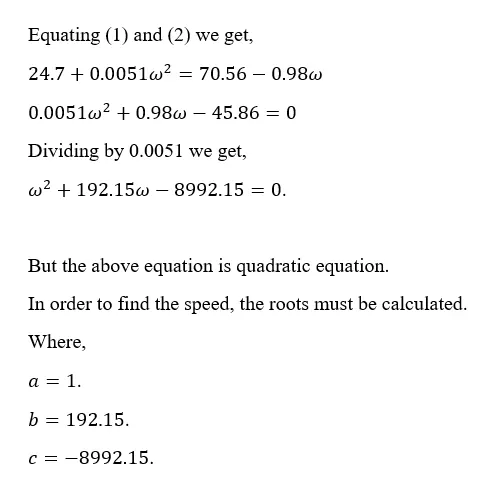
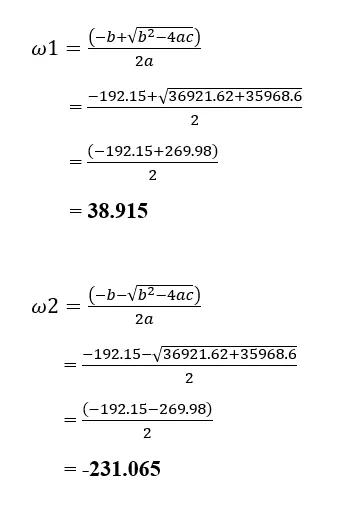
Therefore, the steady state speed is 38.915 rad/s.
3. INDUCTION VS DC BRUSHLESS MOTOR BY WALLY RIPPEL :-
The blog is written by Wally Rippel who is the principal power electronics engineer at Tesla. In this blog he explains the differences between AC induction motor and DC brushless motor.
He starts the explanation by saying that as there is no best engine despite having various types and that each have their own benefits based on the customer's requriments, the same is true for induction and brushless motors. Both motors have their advantages based on the vehicle types and performance requirements.
The author then explains the differences between brushless motor and induction motor. Although the construction of the two are very similar, the core difference lies in the construction of the rotor elements. The differences are summarised below.
- With brushless machines, the rotor includes two or more permanent magnets that generate a DC magnetic field. In turn, this magnetic field enters the stator core and interacts with currents flowing within the windings to produce a torque interaction between the rotor and stator.
- As the rotor rotates, it is necessary that the magnitude and polarity of the stator currents be continuously varied – and in just the right way - such that the torque remains constant and the conversion of electrical to mechanical energy is optimally efficient. The device that provides this current control is called an inverter.
- The induction rotor has no magnets, just stacked steel laminations with buried peripheral conductors that form a shorted structure. Currents flowing in the stator windings produce a rotating magnetic field that enters the rotor. In turn, the frequency of this magnetic field as seen by the rotor is equal to the difference between the applied electrical frequency and the rotational frequency of the rotor itself.
- Accordingly, an induced voltage exists across the shorted structure that is proportionate to this speed difference between the rotor and electrical frequency. In response to this voltage, currents are produced within the rotor conductors that are approximately proportionate to the voltage, hence the speed difference. Finally, these currents interact with the original magnetic field to produce forces – a component of which is the desired rotor torque.
From a performance view point, heat generated is much less in a brushless motor compared to induction motors which improves rotor cooling and peak point efficiency. The power factor in DC motors is high being 1 whereas induction motors can achieve a maximum of 0.85.
In conclusion, DC brushless drives will continue to dominate in the hybrid and coming plug-in hybrid markets, and that induction drives will likely maintain dominance for the high-performance pure electrics.
CONCLUSION :-
- The different types of power electronics used in electric and hybrid vehicles were explained.
- The steady state speed of the EV drivetrain was calculated.
- The blog on induction vs brushless motor was summarised.