Week 5 - Rayleigh Taylor Instability
REPORTS
OBJECTIVES
To perform Rayleigh Tayor instability simulation for different meshes and analyze the differences in the animation based on mesh size. To understand and explain how the variation in Atwood number in the baove cases affects the behavior of instability.
Theory
Rayleigh Taylor instability is an instability of the interface separating two immiiscible fluids; the densest of which rests on the lightest. Multiphsase flow has more tha one mixture condition of fluid. These flow occurs in different bio pharma, food processing, nuclear plant.Atwood number deals with definining the differences in density between two different fluids. If there is a higher density differences Atwood number will be closer to 1 while for lower density differences Atwood number will be closer to 0.
GEOMETRY
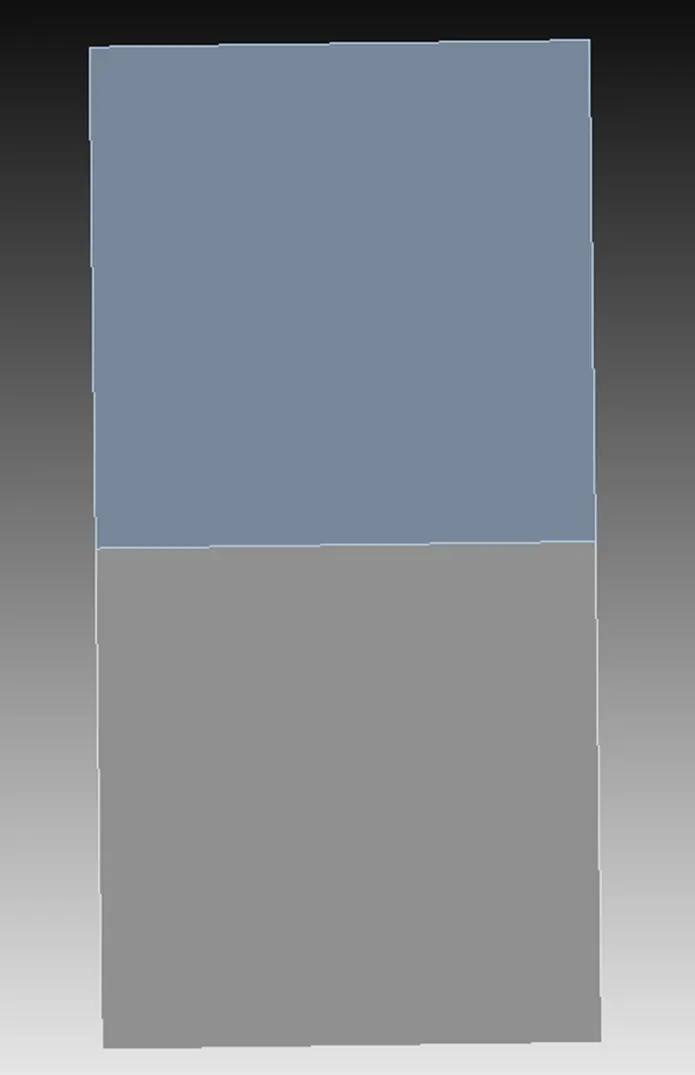
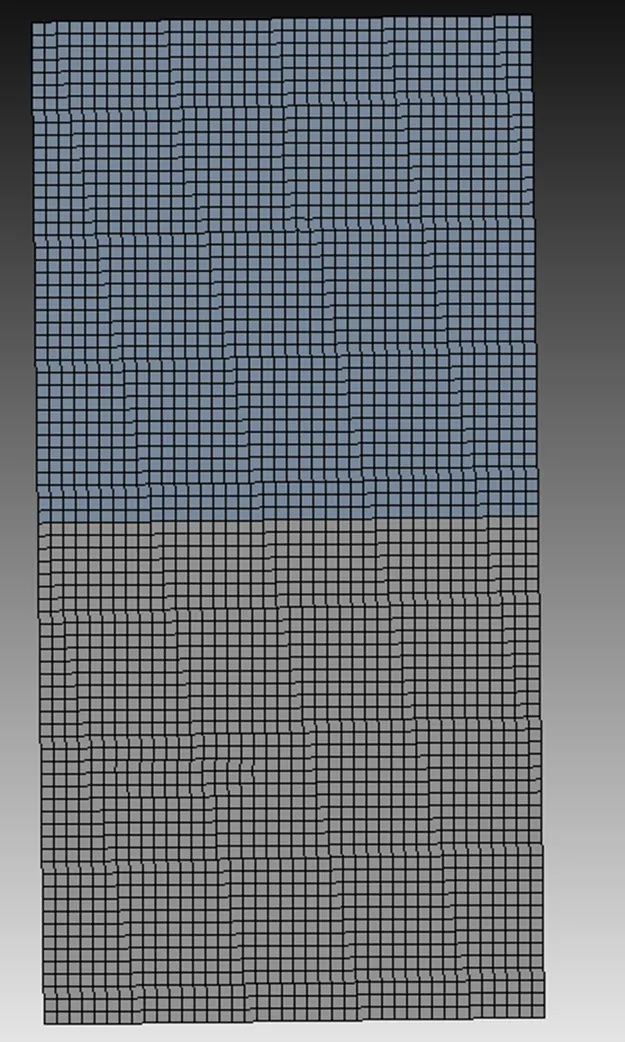
CASE 1- Base Mesh size 0.5 mm
RESULTS
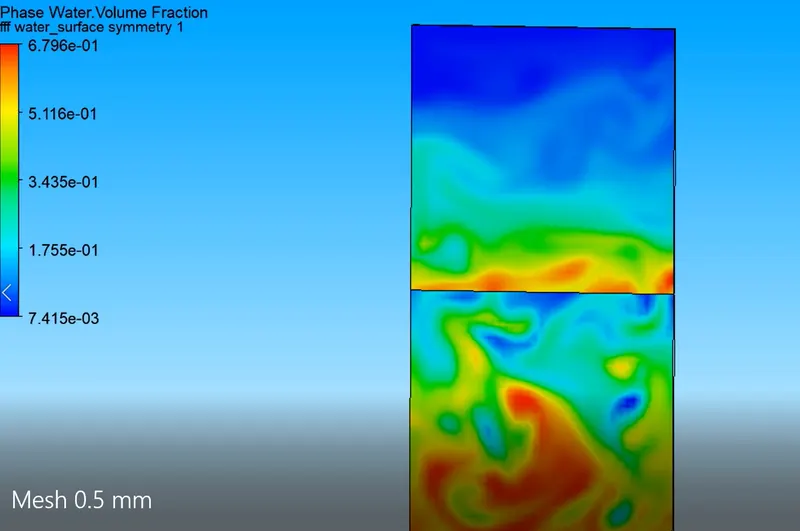
Google drive link
https://drive.google.com/file/d/1f_DDUQRIysjHmIsw0M4xHBB8oonRHan4/view?usp=sharing
Case -2
When mesh size is 0.2 mm
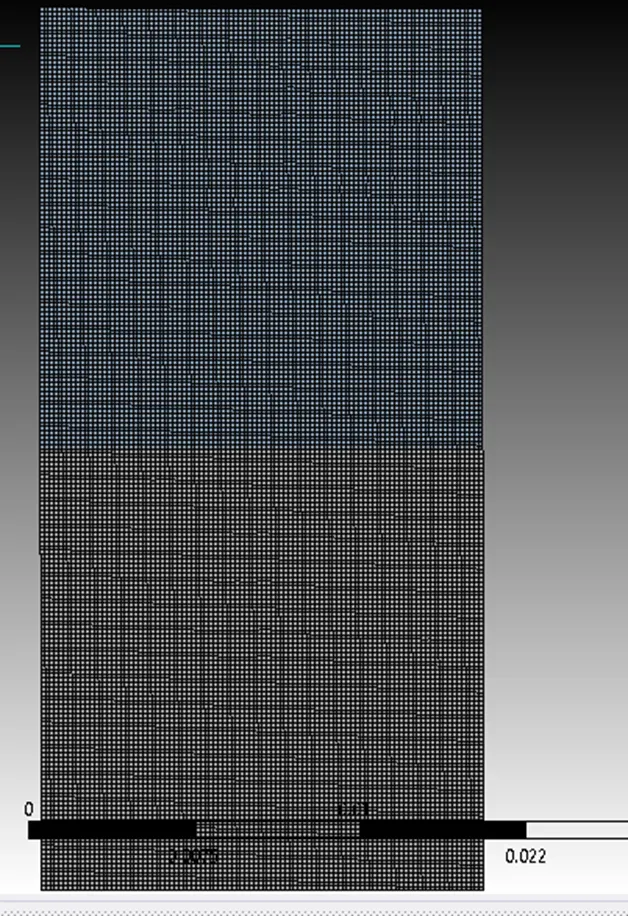
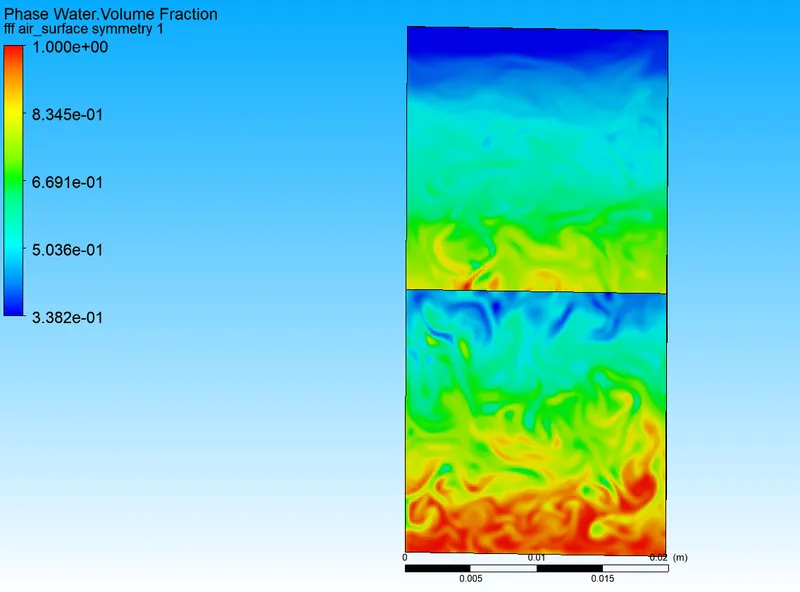
Google drive link
https://drive.google.com/file/d/1iY0wJYxVN9i7g0EEqMcCX4NkBaoiPl1P/view?usp=sharing
CASE 3- User defined material
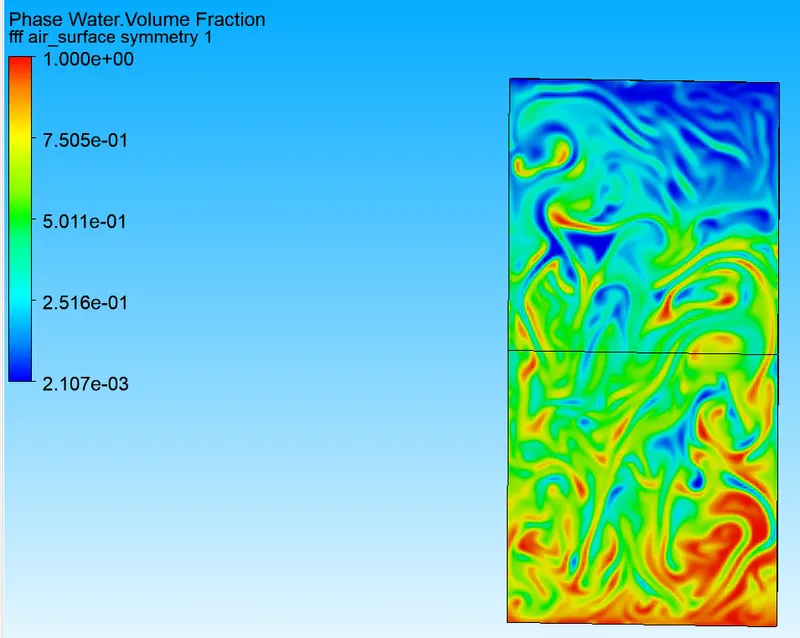
Link - https://drive.google.com/file/d/1Z991LHrqhe93eSMglpaTC-1MNwc92-Cm/view?usp=sharing
Atwood number
Mesh - Base mesh (0.5mm)
Atwood number - 0.99
Mesh - Refined Mesh (0.2mm)
Atwood number - 0.99
Mesh - Refined mesh (0.2 mm) , User defined material
Atwood number - 0.42
References
Numerical modeling of Rayleigh-Taylor instabilty vith interFoam - (cfd-training.com)