Week 4 - CHT Analysis on Exhaust port
Objectives
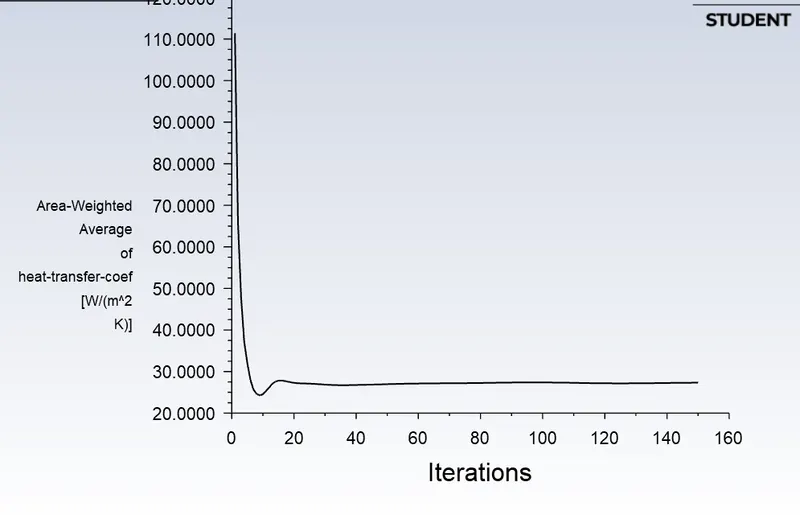
The objectives of the project is to give a brief analysis on CHT analysis, calculate the wall/surface heat transfer coefficient in the internal solid surface and show velocity and temp contours in different areas and verfify if HTC predictions are right.
Theory
Conjugate heat transfer refers to the combination of heat transfer in solids and heat transfer in fluids. CHT concept are used in simulation of heat exchangers, heating and cooling systems. Efficiently combining heat transfer in fluids and solids is the key to desiging effective coolers. The fluid plays the role of energy carrier on large distance. CHT concept can also be combined to minimize heat losses in various devices.
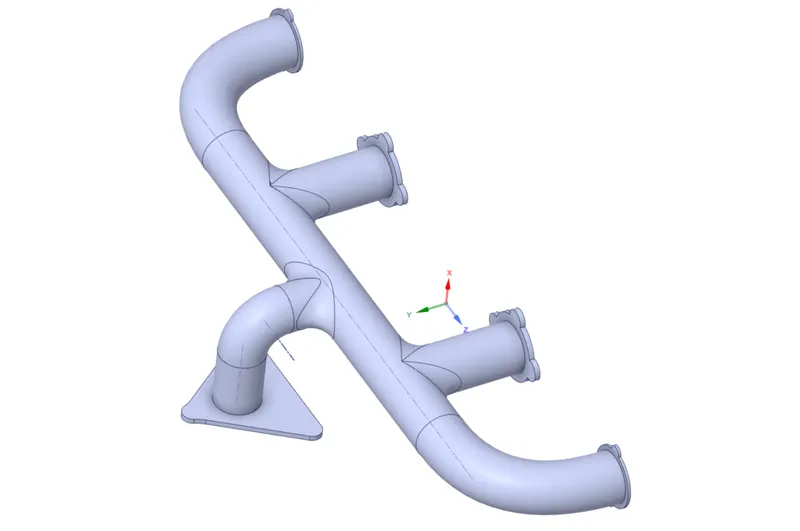
Geometry
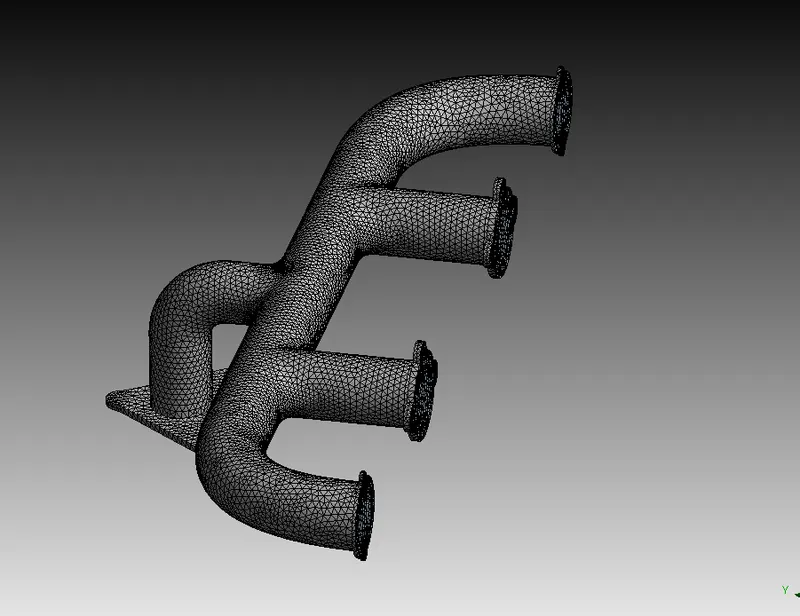
Meshing
Results
Conclusions
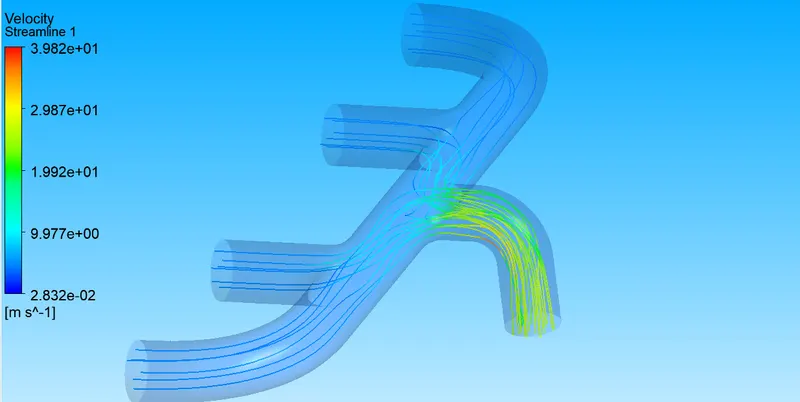
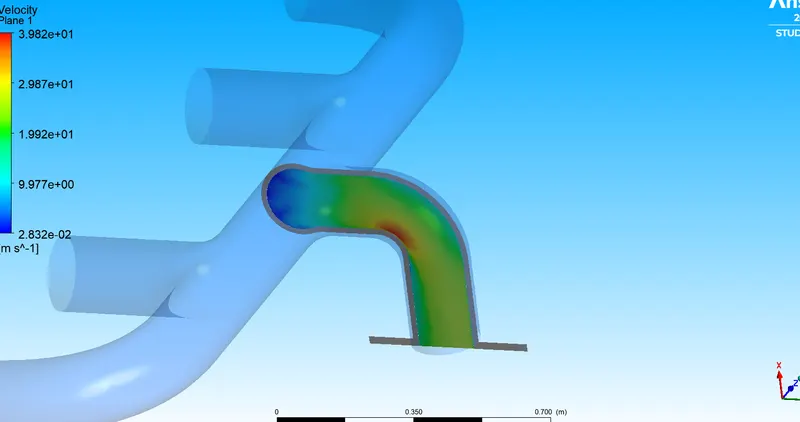
To verify, if our Heat transfer predictions matches we need to analyze the flow conditiosn near the outlet. Velocity is higher at the outlet as it has to follow the mass conservation principle. When the velocity is higher, our Reynold's number increases. This will increase the heat transfer coefficent. Again, these depends upon the materials used, mesh quality and boundary conditions.
References