Week 5 Challenge : Surface wrap on Automotive Assembly
AIM : To perform Surface Wrap on the Given Geometry
Objective : To perform Surface Wrap one the given geometry using target length for wrap as 3 mm.
Surface Wrap is a meshing technique that we perform on very complex geometrical structures when we don't have time on our hands. We are only concerned with the geometrical errors on the external surface, not the internal ones.
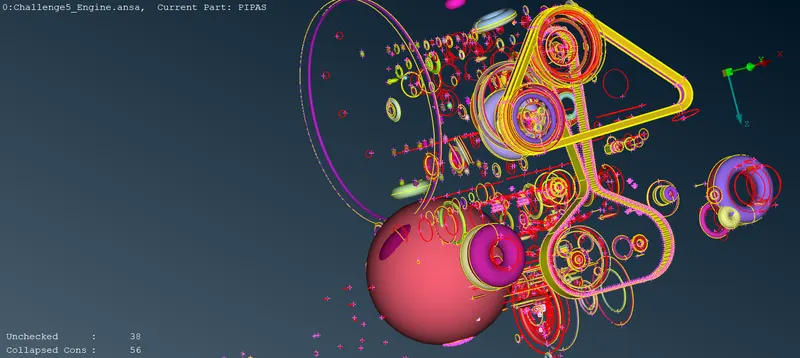
These are the external parts that are not interacting with our surfaces, so we can delete them and clean our geometry further more.
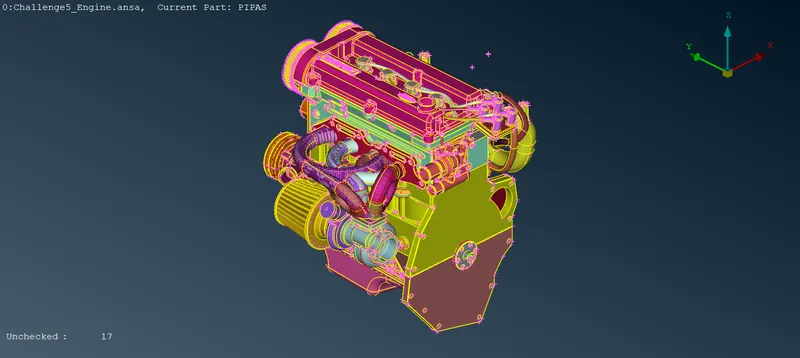
Now we need to perform in-depth geometrical cleanup to remove all overlapping surfaces issues and further more stuff.
Now while cleaning up the geometry we can observe open surfaces indicated by red coons
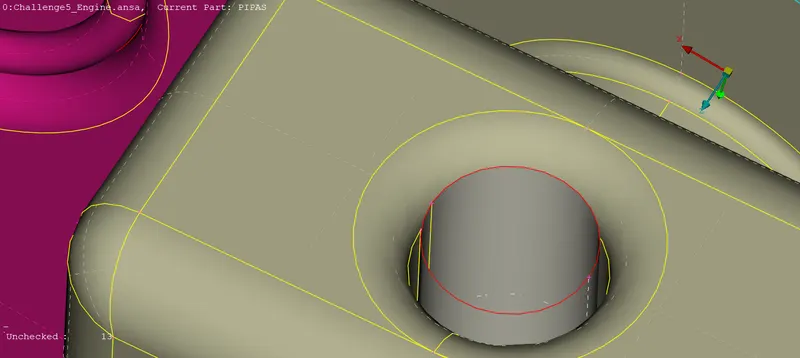
which need to be closed using new surfaces
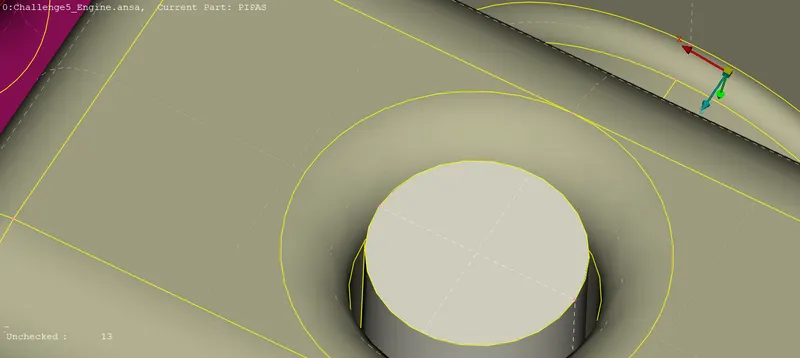
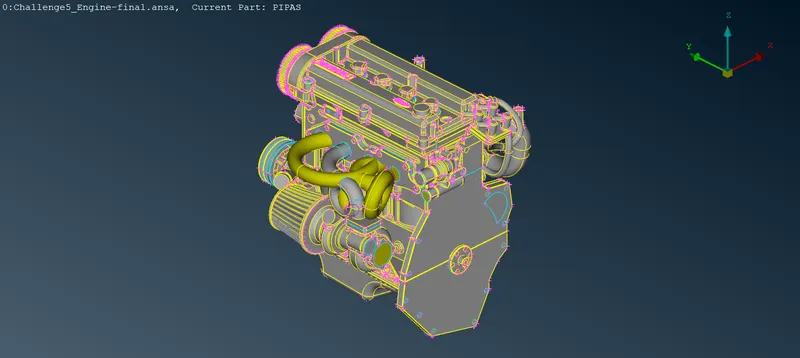
After fixing geometrical errors,we tried to achieve our water tight model
Now we are starting geomtrical cleanup for our gearbox
First of all we need to hit the topo and check for the single coons and other geometrical errors present in our geometry
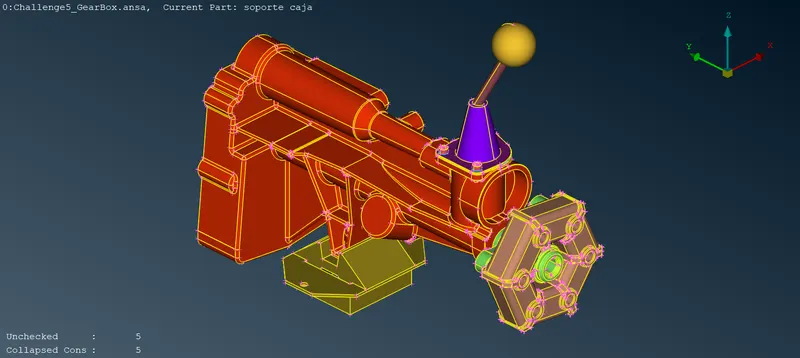
While examining our gearbox, we can observe that we need to close a few openings at the bottom, a few at the front, and a few more small openings so that we can achieve a perfect water-tight geometry.
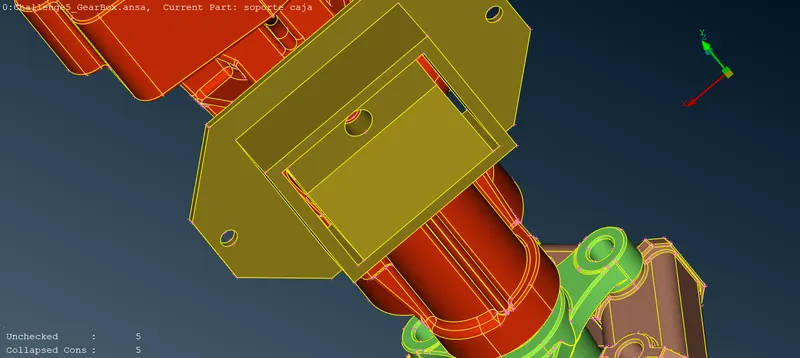
Apart from this issues, the geometry looks in good shape, So here is our water-tight gearbox geometry
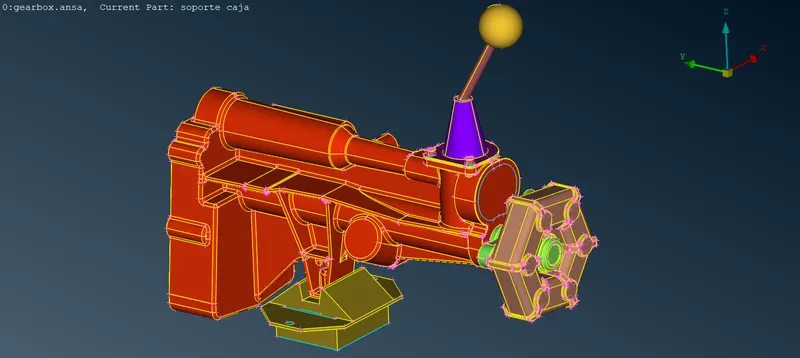
We can keep these triple coons as we are only concerned about our surface wrap on these geometry
Now, we need to analyze our transmission model thoroughly. We can observe that we have many small openings all over the geometry that need to be closed.
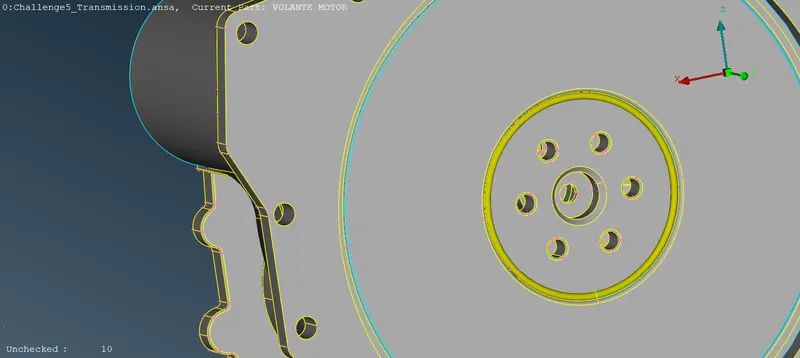
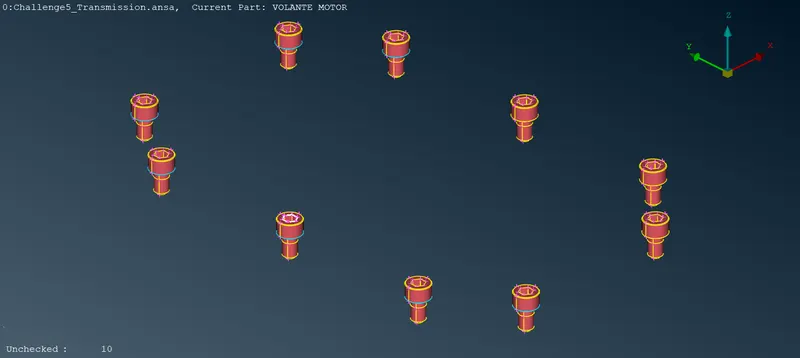
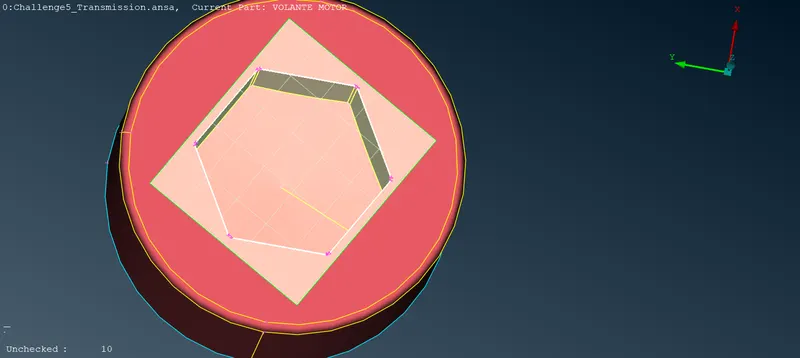
These are bolt regions present in our geometry, which need to be closed appropriately.
So here is our Transmission Model Water-Tight Geometry with us
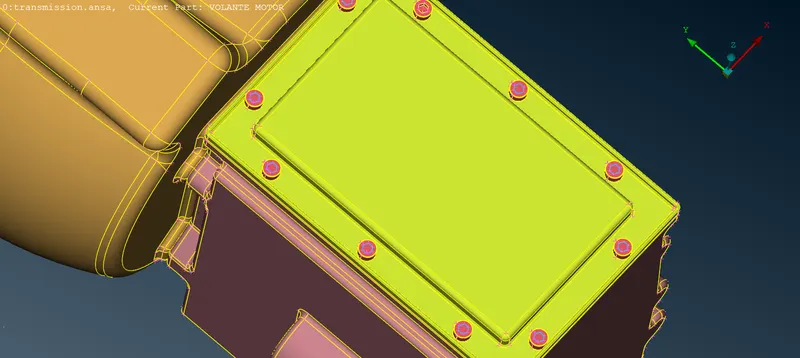
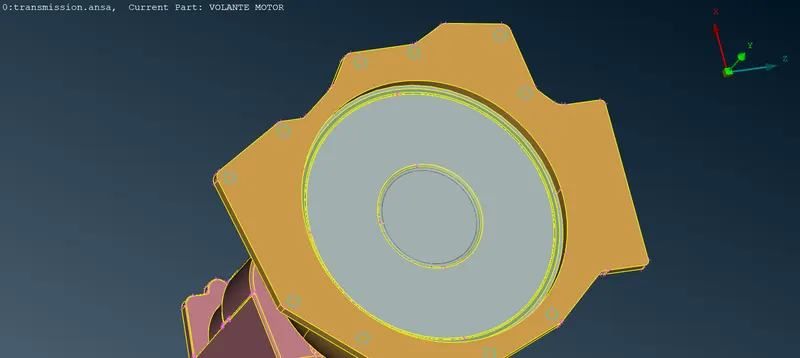
After achieving watertight geometry, we can move forward to assemble our geometry.
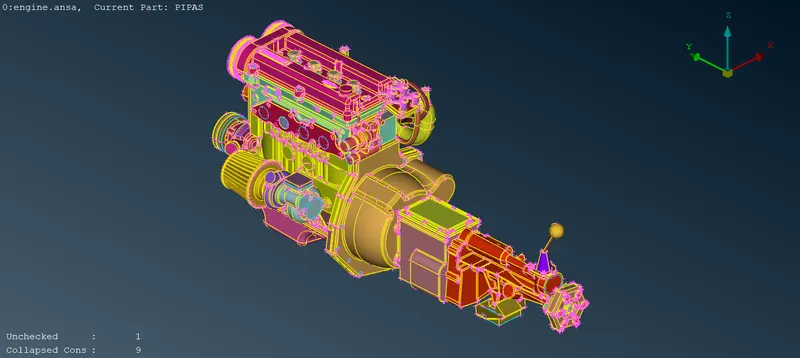
Here is our assembled geometry, which needs to be meshed further on.
Now we should delete all redundant PIDs that which doesnt have any significance in our geometry anymore.
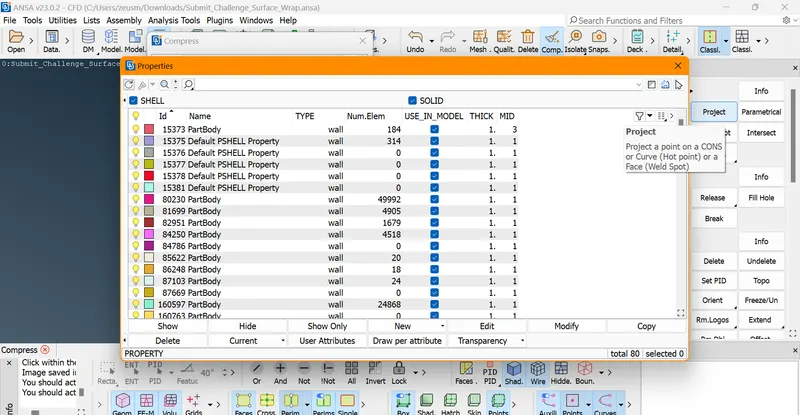
After compressing our PIDs, we can figure out that there is just this much relevant PID left.
Now we can move to our Meshing Deck
For Meshing, Our initial task is to capture the geometry properly, for this we should use STL Mesh Operation and mesh our geometry
We can observe that STL meshing has worked very well on our geometry, and only 2 unmeshed portions are there in our geometry.
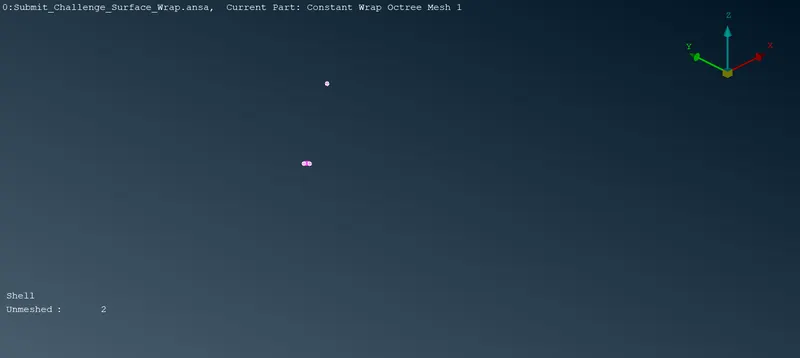
These are very small portions that did not get meshed, and we can delete them as they are of no significance to our geometry.
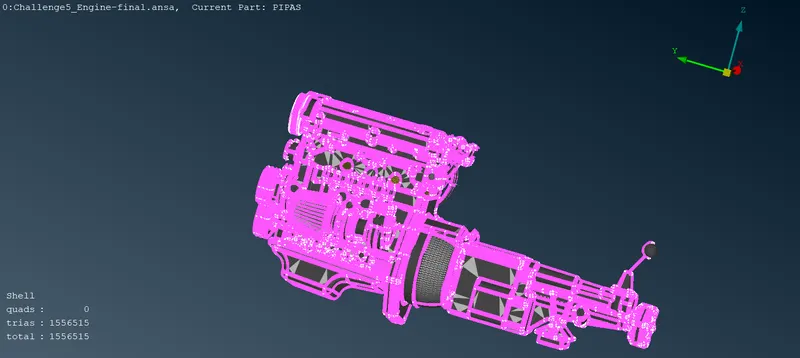
Now after STL Meshing, we can finally perform our Surface Wrap on the goemetry with target length as 3 mm as stated above
Mesh -> Octree -> Mesh and set target length as 3 mm
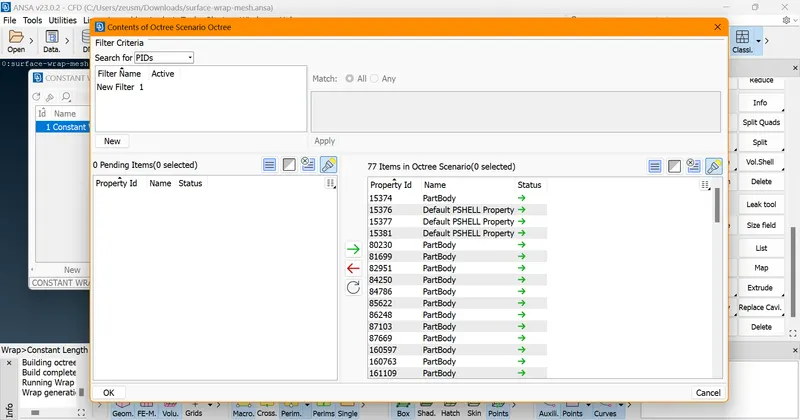
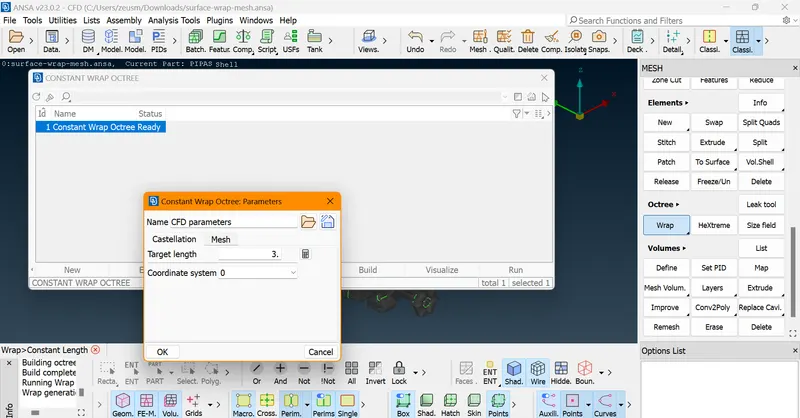
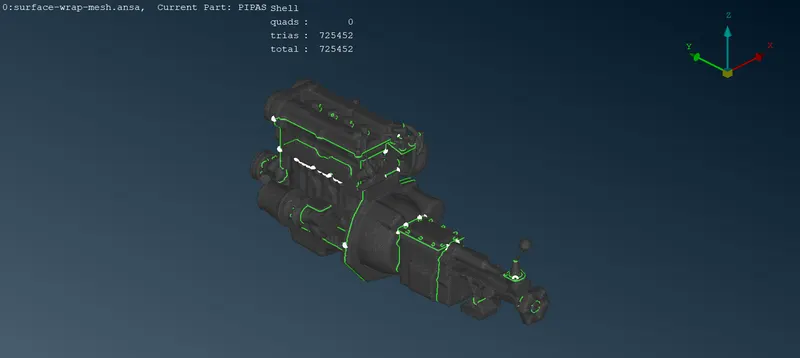
And finally, we got our Meshed Geometry, we can observe that there all of our meshed are tria elements and none of them is unmeshed.....
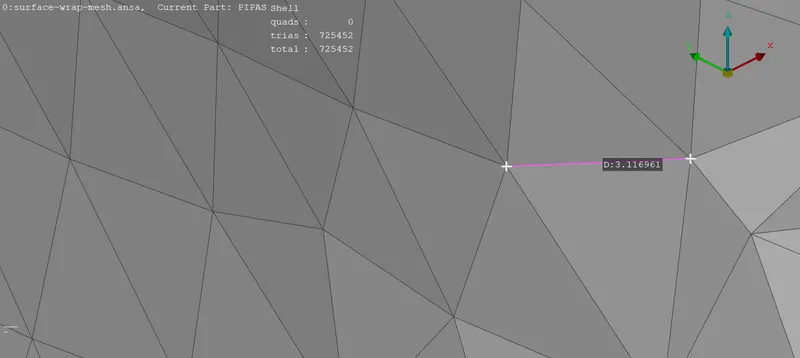
and our target length is close to 3 mm. So we can conclude that the mesh generation is of good quality.
LEARNING OUTCOMES:
- Advanced Geometrical Cleanup.
- Merging of diffferent Models.
- STL Meshing to capture geometry
- Surface Wraping
Results & Conclusions :
- Surface wrapping was successful on the above merged model.
- Effective Surface wrap is achieved for the given target length of 3mm
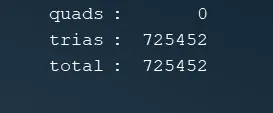
Output Geometry
https://drive.google.com/file/d/1KpArmT035pYOocZaLspgRvBaHD_eeqJe/view?usp=share_link