Week 5 Challenge : Surface wrap on Automotive Assembly
Aim: Surface wrap on the automotive assembly.
Before going for the surface wrap all of the models are made free of losse surfaces outside the required zone along with closing of unnecessary open holes.
Initial the Engine model is imported in the ANSA window and the raw model looks as the following.
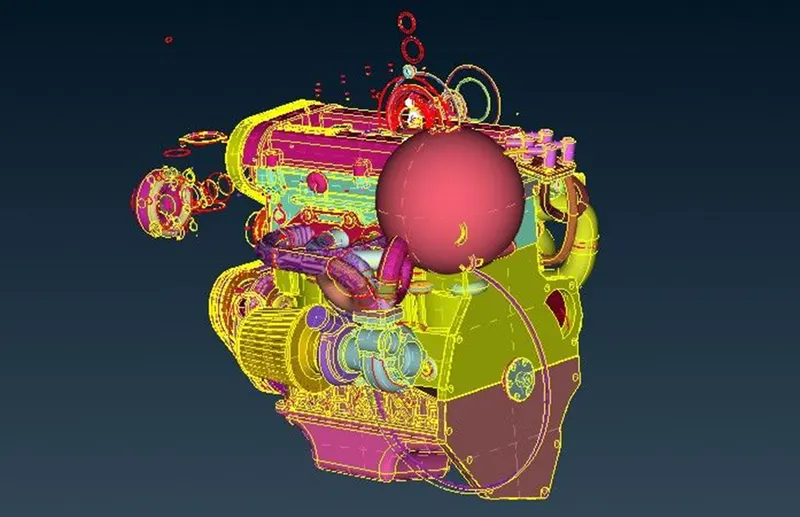
From the engine model all of the unused surfcaes are deletd which are outside the required area, also some of the internal pasrts are also cleaned for wrapping up. Number of unchecked surfcaes are deletd after isolating them.

There are some of the available rings which needs to be deleted and have no pupose to be there in the model. So all such unused identities are deleted.
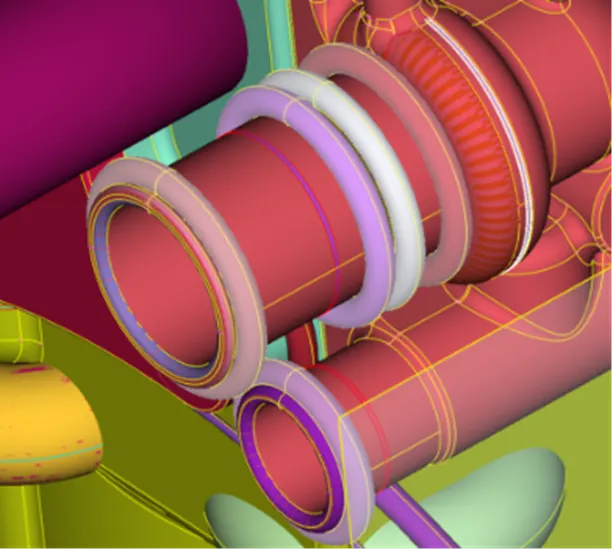
Deleting the bigger surfaces which are not required along with the rings and unwanted spheres.
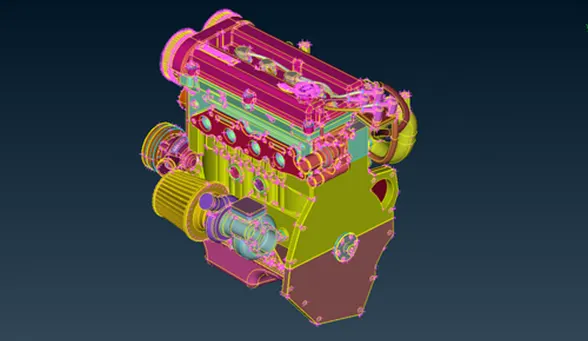
This can be acahived by hiding the main components in form of PID's and then deleting the rest of surfcaes. The final clean engine model is shown in the below image.
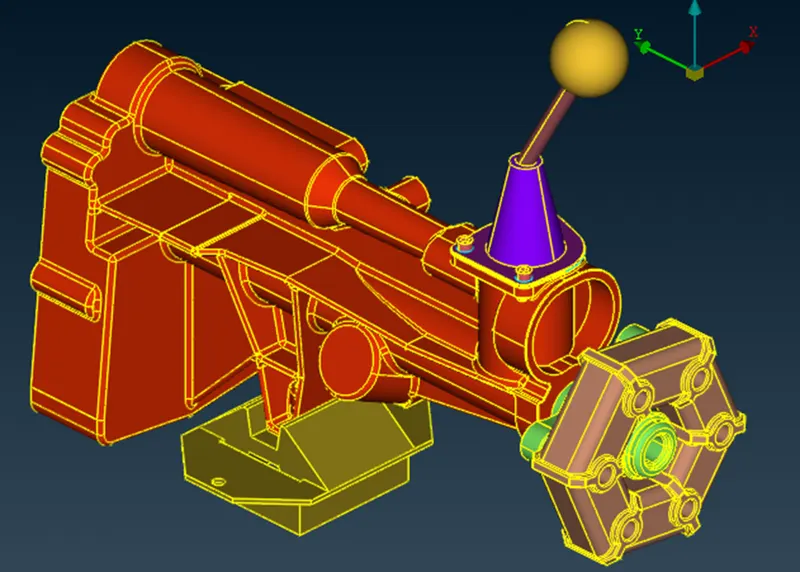
Gear Box:
The procedure used in the cleaning of engine model is also used in the gear box. And the final model is used further
Transmission system:
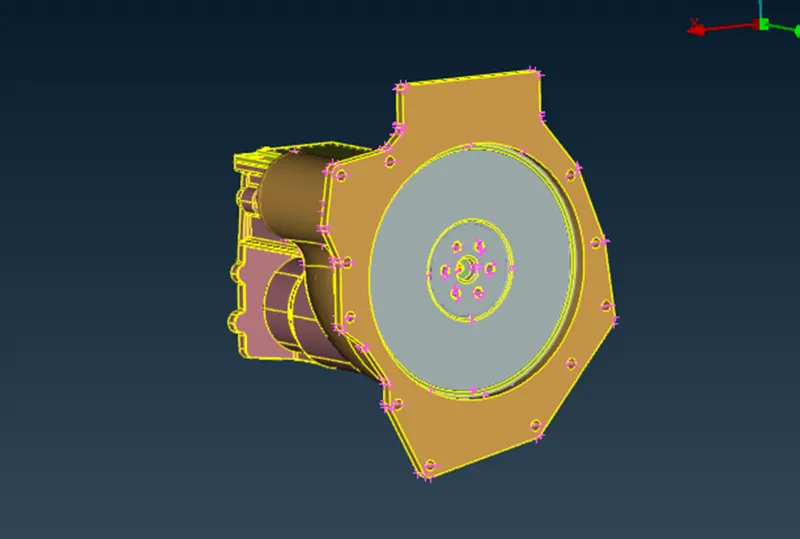
To merge all the 3 models-
File --> Merge (a dailog box opens and select the oter two models)
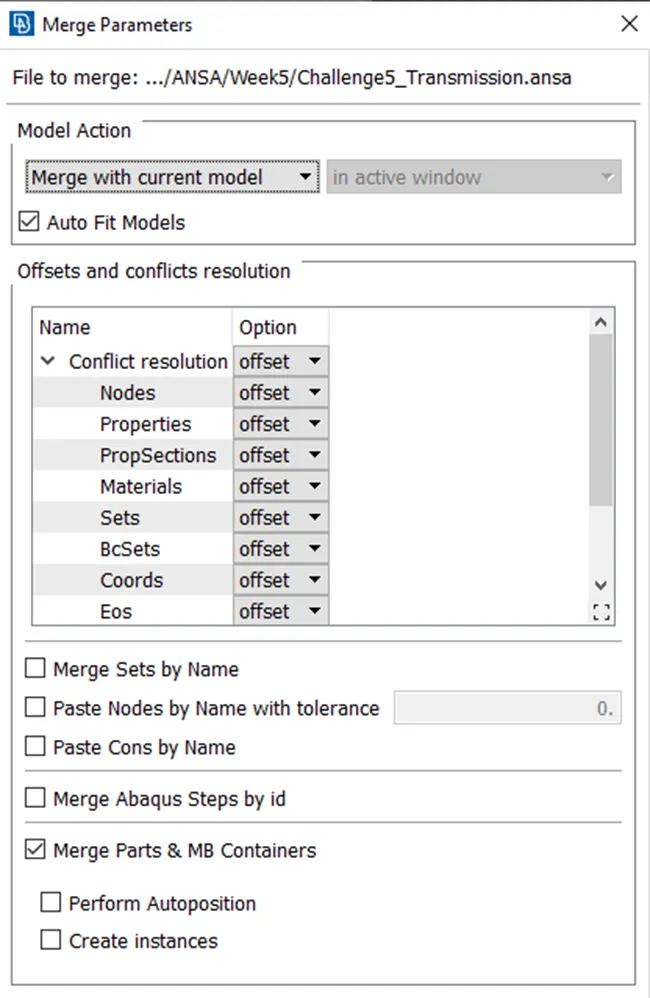
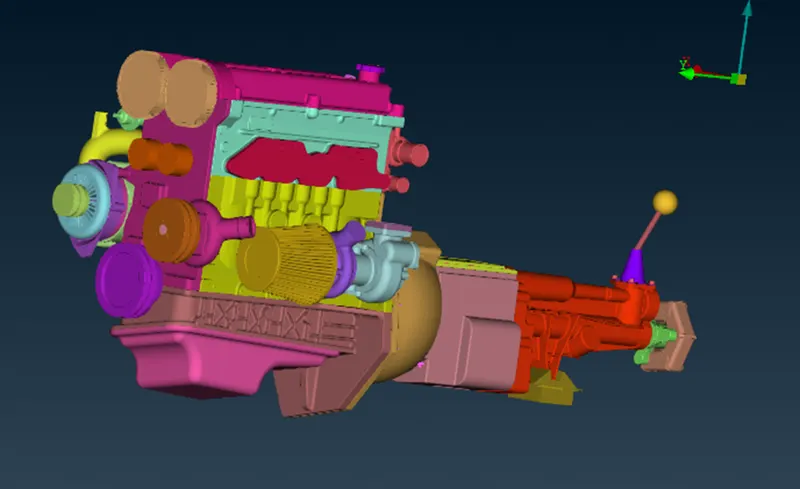
The final assembly is created by using the merge option. Finally for a last check all of the open holes are checked and fixed such that there is no roblem in the surfcae wrapping.
To make a surface wrap around the assembly:
Mesh --> Element --> Wrap à Constant Length
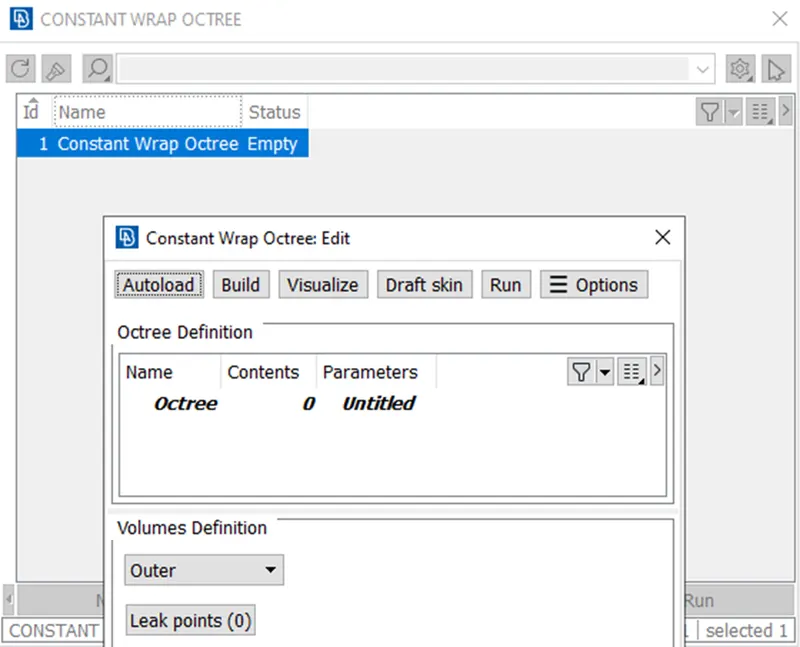
In the parameters tab, select 3mm mesh length.
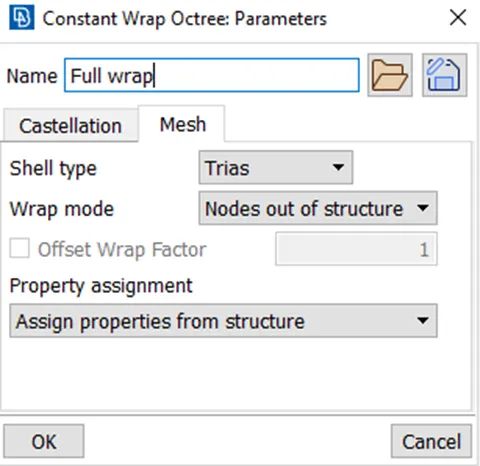
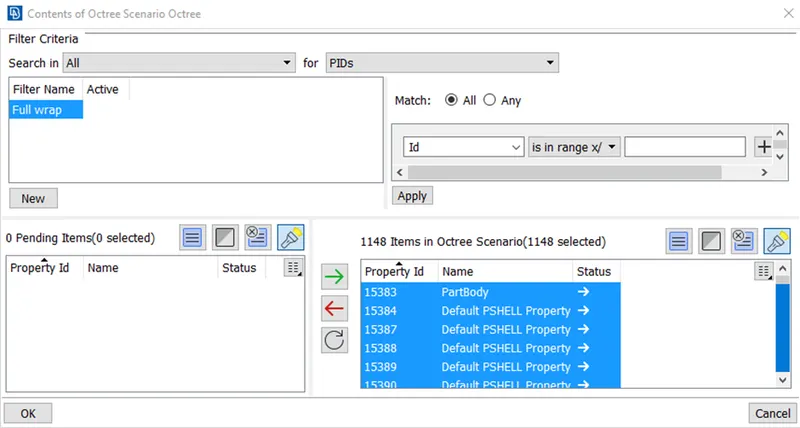
In the content tab, all of the available PID's are selected so as to select ll the visible entities to be surfcae wrapped.
Click on Run and the final surface wrap with mesh is available.
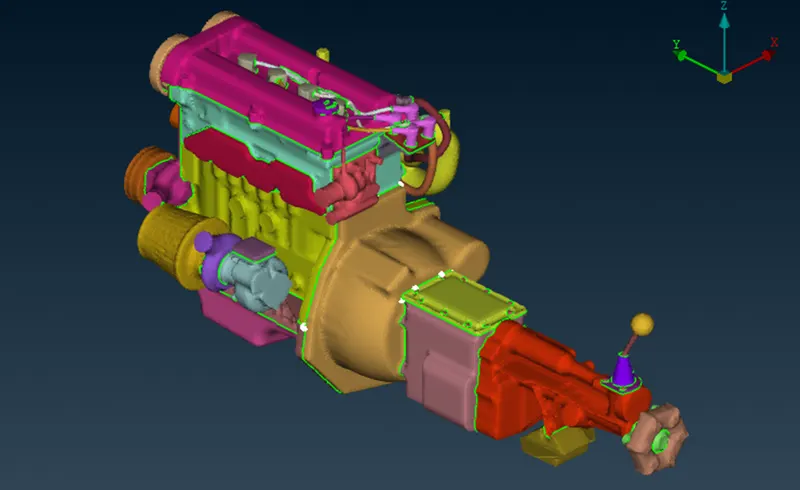
The model from the other view can also be seen as the good quality wrap.
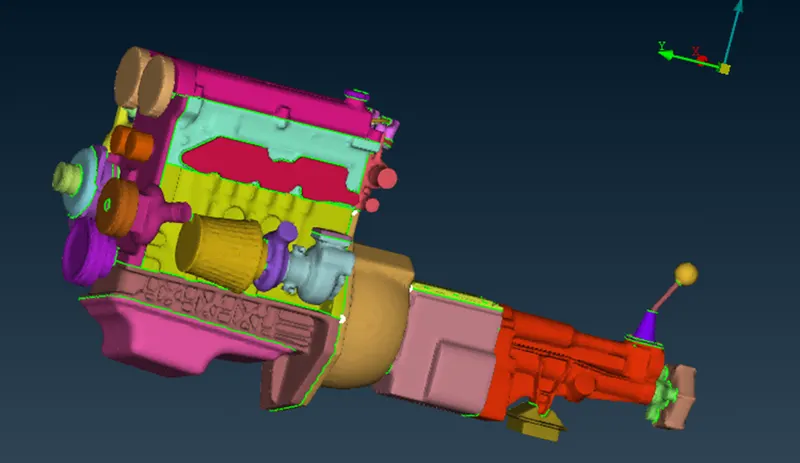
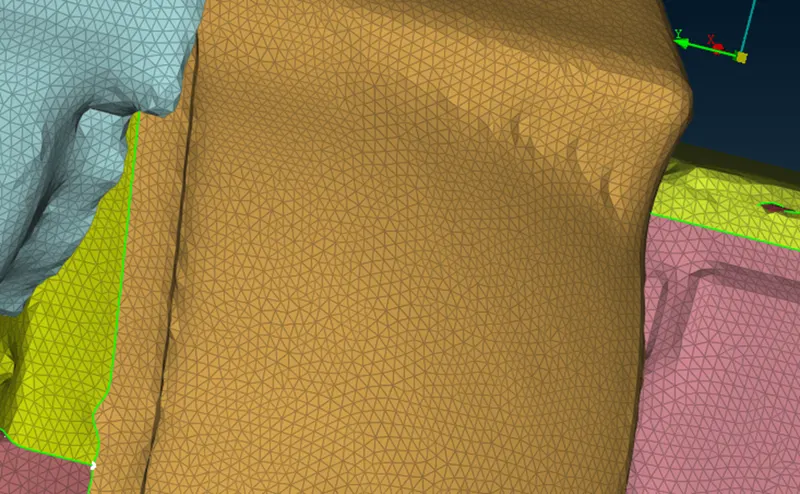
The mesh size is not visible from the far distance but upon a closer inspection the tria mesh can be seen with good quality.
Learnings:
- This gives a closer knowledge of ANSA wrap module to be used for external or internal flow simulations.
- User gets a hands on knowledge for the topo cleanup of the models.
- Get introduced to working on the assembly wrapping rather than a single part.