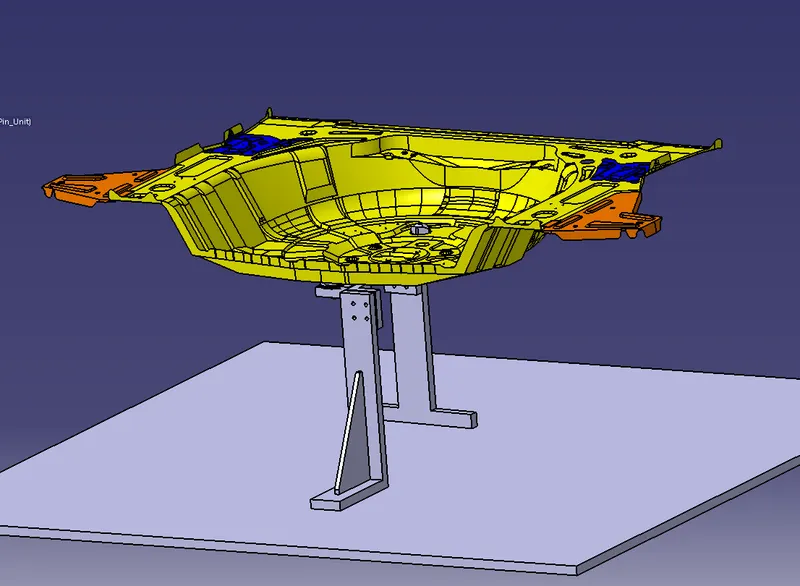
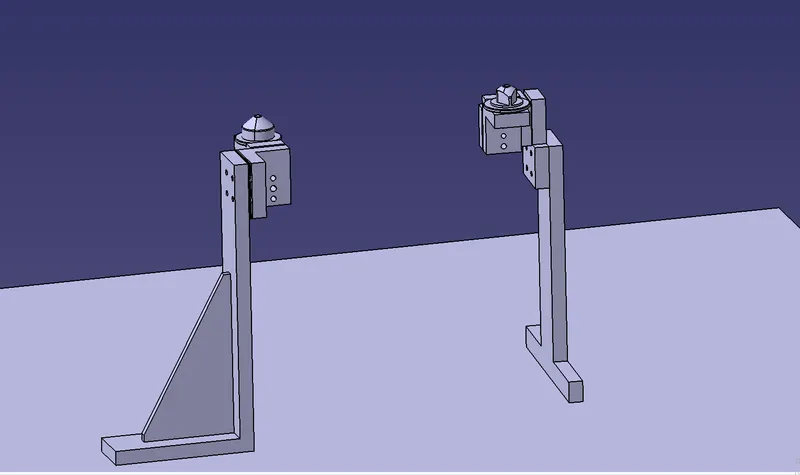
Week 4:- Pin Unit Design Challenge
AIM-
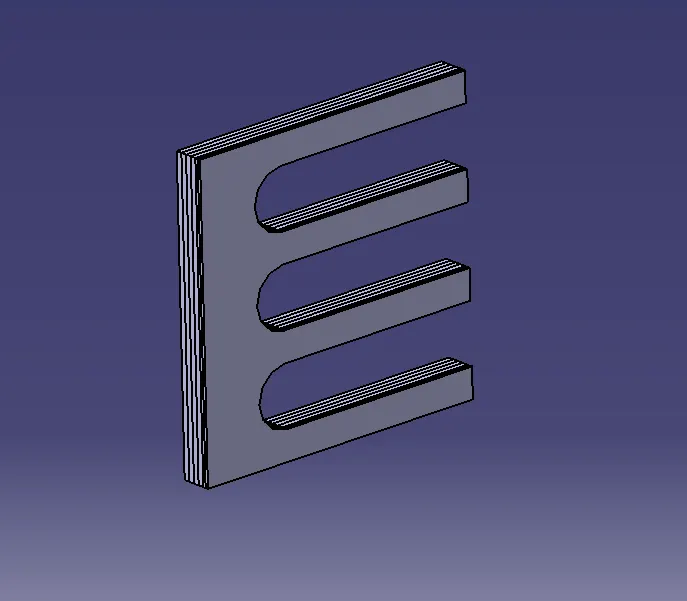
Design of the Pin Unit The pin unit is designed to use pins to locate the automobile panel. Pin, pin retainer, shims/spacers, block, blade or adaptor plate, and riser are some of the components. Before we get to these sections, we should understand what shimming is and how it works. Shims are a collection of thin plates (2 mm, 1 mm, 0.5 mm, 0.25 mm) that can be used to close gaps or improve fit.
The 3-2-1 principle?
Any three-dimensional body or part has three axes: x-axis, y-axis, and z-axis. Any of these axes can be used to move it, or any of its movement can be released to these three axes. The body can also spin around these axes at the same time. So the overall degree of freedom with which the body can move is six. It is necessary to constrain all degrees of freedom (DOF) when processing the body by arranging appropriate locating points and then clamping it in a fixed and required position. The essential technique for locating the points can be found below.
Locating a part to be machined involves mainly three steps: Supporting, Positioning, and Clamping.
Two main purposes of placing a part on a jig/fixture are:
- Accurately positioning the part at the required coordinates.
- Restricting all six degrees of movement so that the part cannot move.
An extensively used method for obtaining these objectives is the 3-2-1 principle or six degrees of freedom for part location.
The 3-2-1 method is a work-holding principle where three pins are located on the 1st principle plane, i.e., either XY, YZ, ZX. And two pins are located on the 2nd plane perpendicular to the 1st plane, and at last, one pin on the plane is mutually perpendicular to the 1st and 2nd planes. The aim is to constrain the movement of the work-piece along all three axes.
PIN:
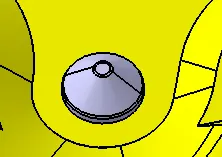
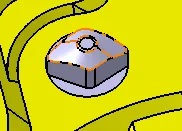
Pins are used to locking the rotational movement of the panel. Generally there two types of Pins, one is Round Pin and another one is a Diamond pin. We use two and three-directional shimming for pins as per the angle of the pin w.r.t. the car line.
PIN RETAINER-
Pin Retainer is also called Pin Block . This block holds the pin and restricts the rotational motion of the pin. Pin Block can be either manufactured one or Standard
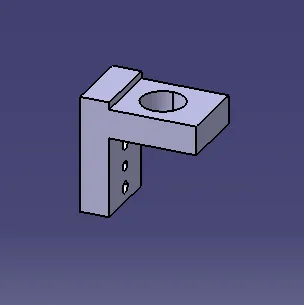
L BLOCK-
An L block is a plate shaped like Lis. This piece serves as a link between mylar and Blade. L Dlocks are typically used for shimming. L blocks do not have to be used just for shimming. It is utilised to make changes as needed, and in certain cases, it is only used to link one portion to another. Another block, in the shape of a T, is used in the same way as the L block. As a result, this block is known as a T Block.
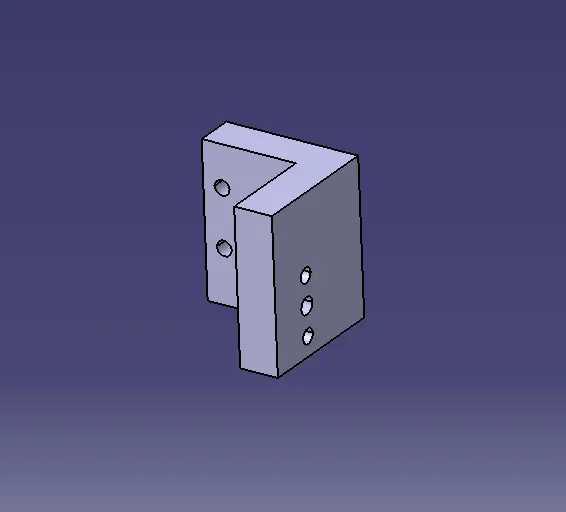
RISER-
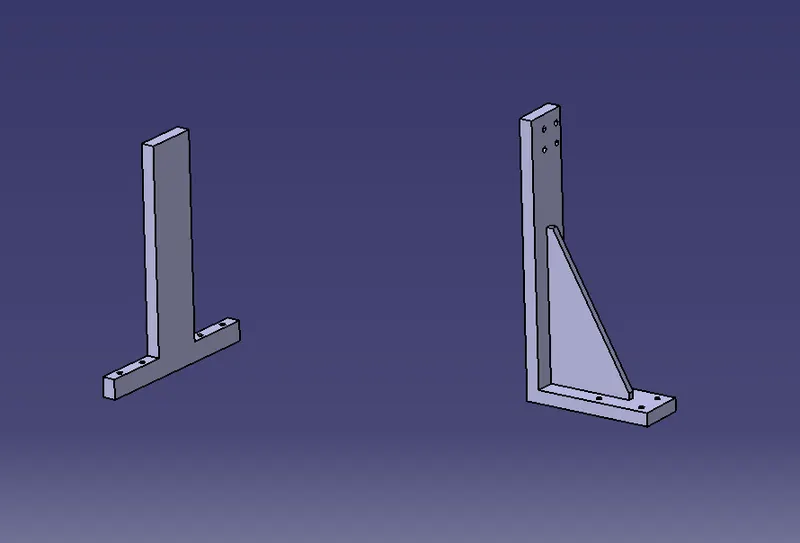
The part which is mounted on the base plate and holds a clamp or pin cylinder on it, is called Riser. Riser can be Standard Part or manufactured part, it varies from project to project.
SHIMS-
A shim is a thin and often tapered or wedged piece of material, used to fill small gaps or spaces between objects. Shims are typically used in order to support, adjust for better fit, or provide a level surface. Shims may also be used as spacers to fill gaps between parts subject to wear.
BLADE-
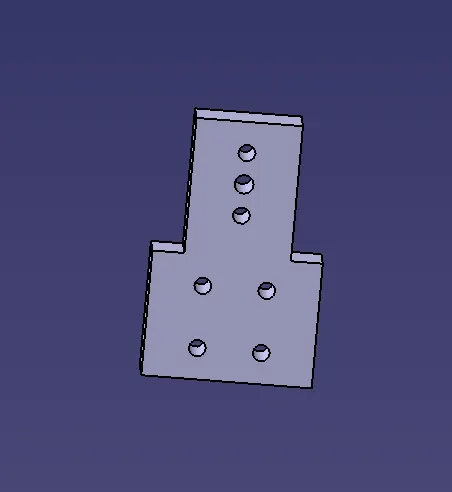
The plate which connects Riser to the Clamp cylinder is named Blade. This plate plays an important role in building the unit.
Retractable pin unit-
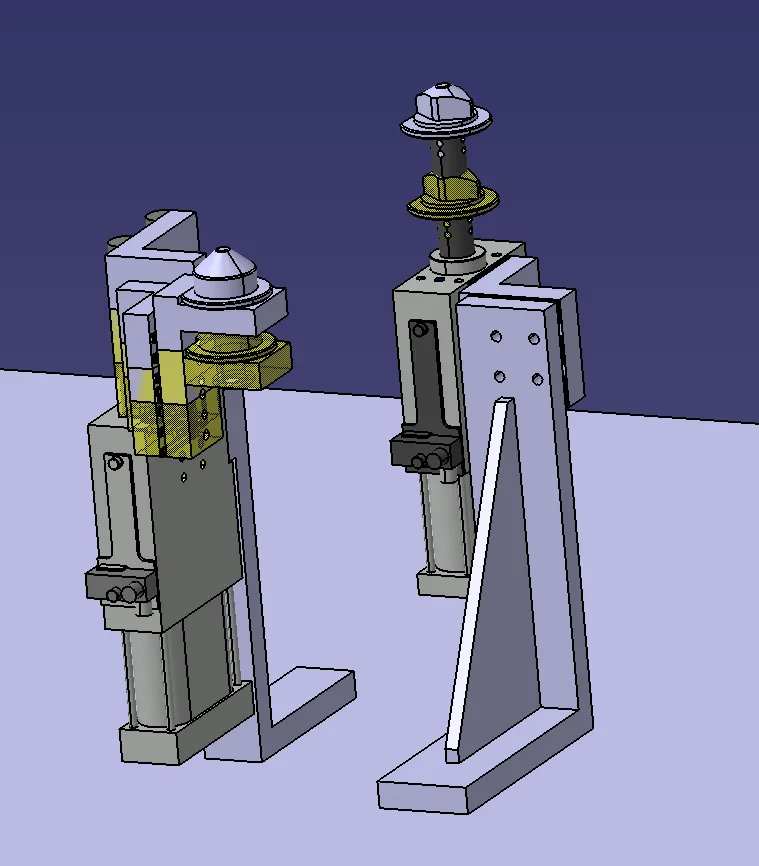
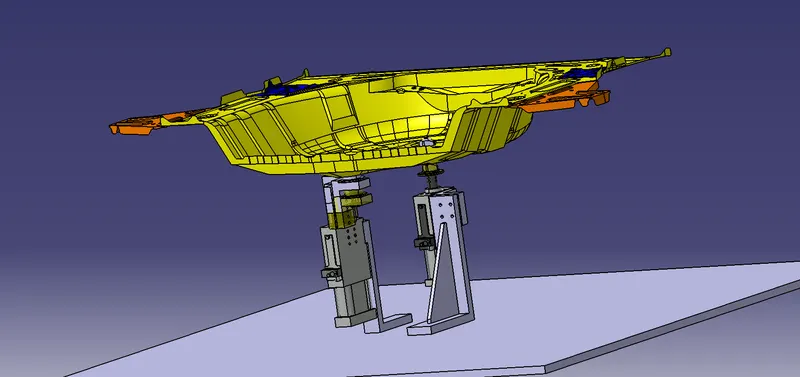
retractable pin unit is a unit designed to locate the car panel using pins, but the entire pin package parts will be mounted on the retractable pneumatic cylinder. Pin, shims, L Block, pneumatic retractable cylinder, riser are the parts of retractable pin unit
Fixed Pin Unit-