Week 4:- Pin Unit Design Challenge
1. Design 2 Different types of Fixed Pin Units with Different Pins, Risers, Blades, and blocks.
Pin Unit:- Pin unit is a unit designed to locate the car panel using Pin. The pin unit is used to lock the rotational position of the panel.
Fundamentals of pin unit design
- it is necessary to have 2 pins to locate a car panel & here one pin must arrest 4 way (4 translational) & other must arrest 2 way (i.e. 2 rotational) of a car panel.
- The axis of the car panel hole & the axis of the pin should be the same (in general)
- The pin tolerance for a geo pin will be of closer tolerance i.e. -0.15mm & for a re-spot pin is -0.28mm
- Pin should engage 3 to 5 mm from the car panel entry surface.
- All pins should be accommodated with 2-way adjustable shims irrespective of the direction of arresting.
- Round pins should be used if the hole is round in case of 4-way arresting of the car part.
- Round pins can be used for 2 way arresting of car parts only if the hole is slot.
- Diamond pins should be used in case of 2-way arresting of car part if the hole is round
- Diamond pins should be used in case of 4-way arresting of the car part if the hole is slotted.
There are mainly 2 types of pin units
- Fixed Pin Unit
- Retractable Pin Unit
Fixed Pin Unit Design
Fixed Pin Unit:- The pin’s position is fixed in a Fixed Pin Unit.
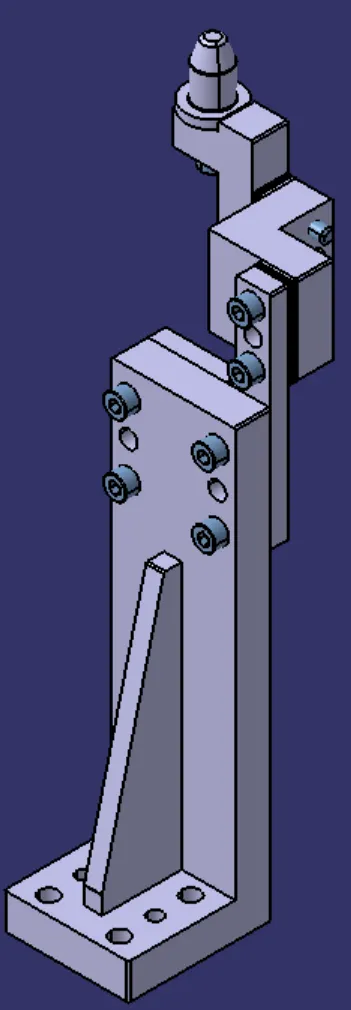
Fig 1:- Pin Unit
A typical Fixed Pin unit consists of the following parts.
- Pin
- Pin Retainer
- Block
- Shim/Spacer
- Blade/Adaptor
- Riser
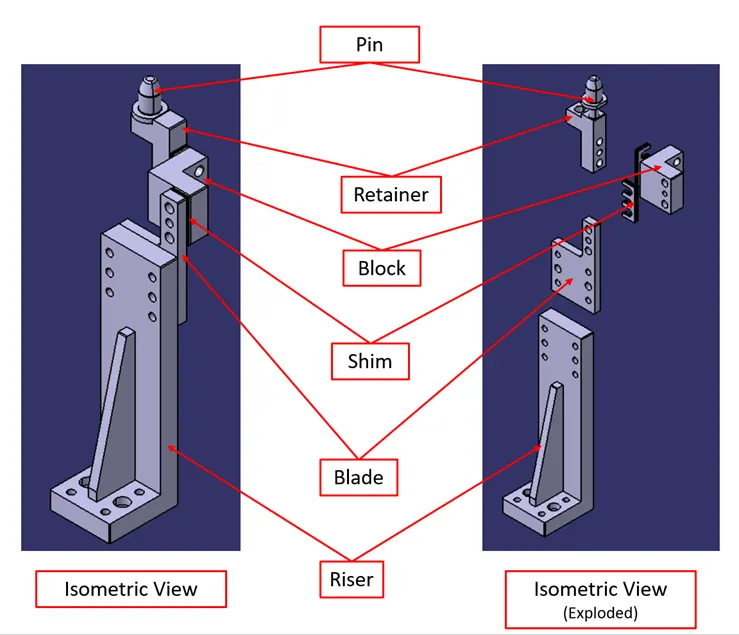
Fig 2:- Fixed Pin Unit & its parts
Pin:- Pins are used to lock the rotational movement of the panel. Generally, there are two types of Pins, one is Round Pin and one is a Diamond pin. We use two and three-directional shimming for pins as per the angle of the pin w.r.t. the carline. In some cases, we use a collared pin, when the pin is supposed to support the panel as well. For this kind of pin, we provide 3-way shimming irrespective of pin angle to the carline.
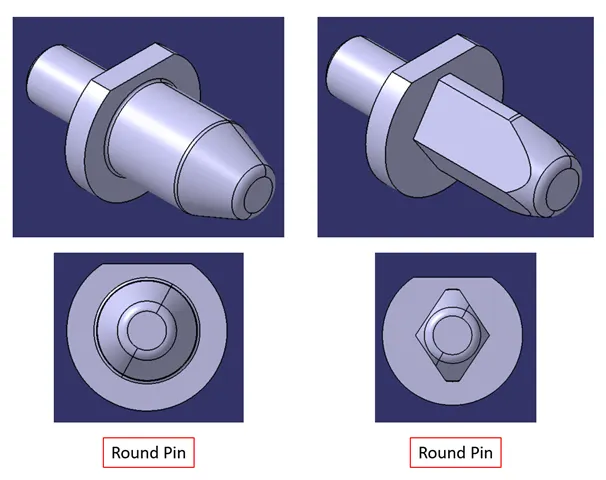
Fig 3:- Different types of pins
Fundamentals of Pin:
- The pin should engage 3 to 5mm from the car part entry
- Pin should be grinding surface on a shaft with fits on to which the pin retainer will be fitted.
- The mounting surface of the pin should be finely machined.
- The pin should have a step machine surface to lock the rotation, which matches with the pin retainer.
- All machined planes should be perpendicular to the axis of the pin shaft.
- Pin must have a provision like a tapped hole from the bottom or a v-groove from the side.
- A pin must be hardened (Heat treatment) & black oxide finished in general.
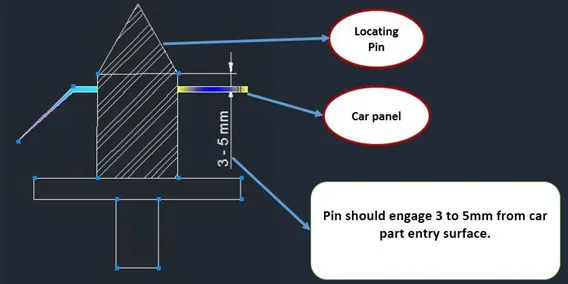
Fig 4:- Minimum distance between Pin & Car panel
Hardness:- In general, the hardness of the materials for pins, pin retainers, shims, shim blocks, blades & risers are, 55 - 60 HRC / 58 - 62 HRC to a depth of 0.5 - 0.7 mm after grinding.
Pin Tolerance:- The pin tolerance for a geo pin will be of closer tolerance i.e. -0.15mm & for the re-spot pin is -0.28mm.
Pin Retainer:- is also called Pin Block. This block holds the pin and restricts the rotational motion of the pin. Pin Block can be either manufactured or standard.
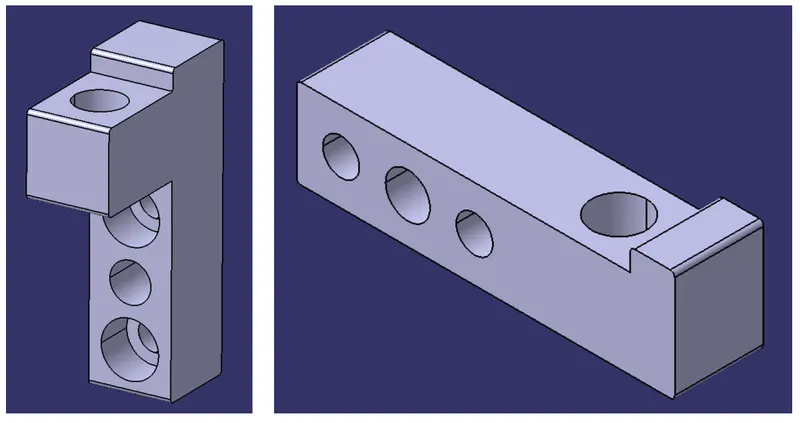
Fig 5:- Different types of Pin retainers
Fundamentals of Pin Retainer:
- Pin retainer should have a hole with a fit, on to which the pin will be fixed.
- The pin mounting surface of the pin retainer should be a machined surface.
- The pin mounting surface of the pin retainer should have a step to lock the rotation of the pin
- The pin mounting surface of the pin retainer to the blocks should be a machined surface.
- The pin retainer will be fixed to a block or a L block to the riser with 2 dowel holes (pins) & at least with one screw hole to maintain the tolerance.
Block:- A L-shaped plate is called a Block or L block. This part is used as a connection between the Pin retainer and Blade. Generally, blocks are used to provide shimming. Blocks don't need to be only used for shimming, their uses change as per the requirements, At some places, it is used just to connect one part to another.
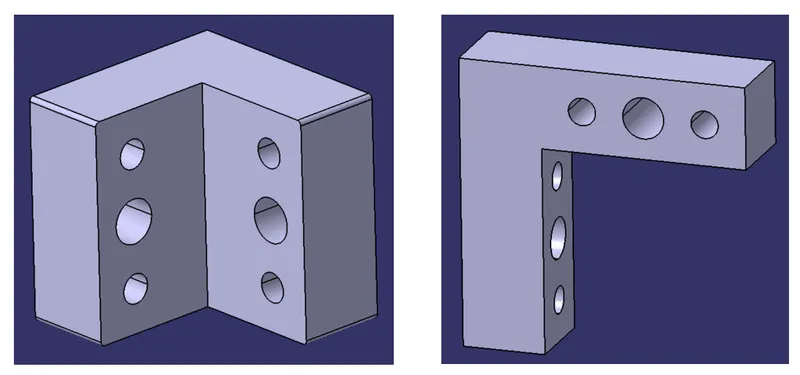
Fig 6:- Different types of Blocks
Shim:- Shims & Spacers are some standard parts in general, which are used for adjustments of locators(NC Blocks & pin retainers) for desired values for the precise working of a unit concerning car parts. In general to adjust the design to manufacturing deviation.
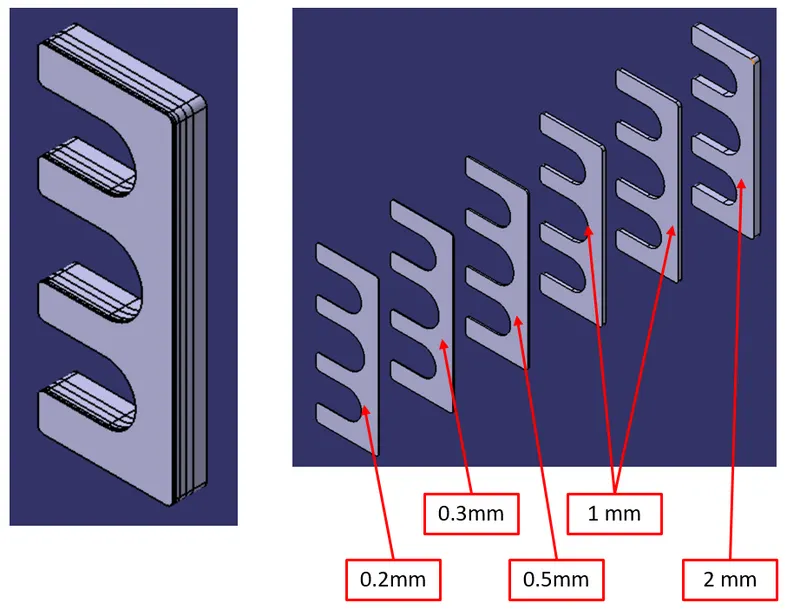
Fig 7:- Shims
Blade:- The plate which connects Riser to the Block/Clamp cylinder is named Blade. This plate plays an important role in building the unit. The plate can be of any shape. But we need to keep in mind that the plate should be as compact as possible.
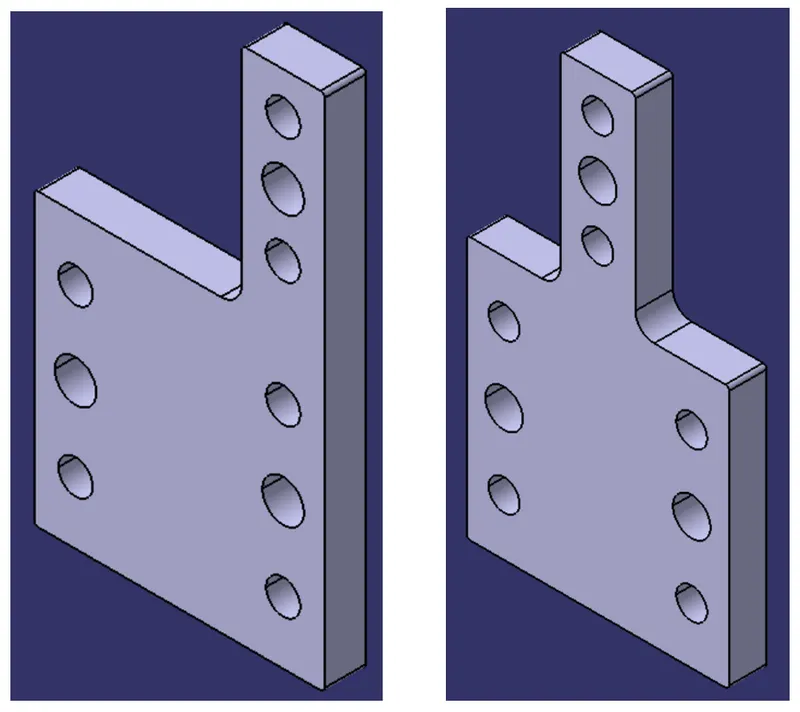
Fig 8:- Blade
Riser:- The part which is mounted on the base plate and holds a blade or pin cylinder on it, is called Riser. The riser can be a Standard Part or a manufactured part, it varies from project to project. A riser can be a Single part or welded part. Standard risers also have various shapes and sizes.
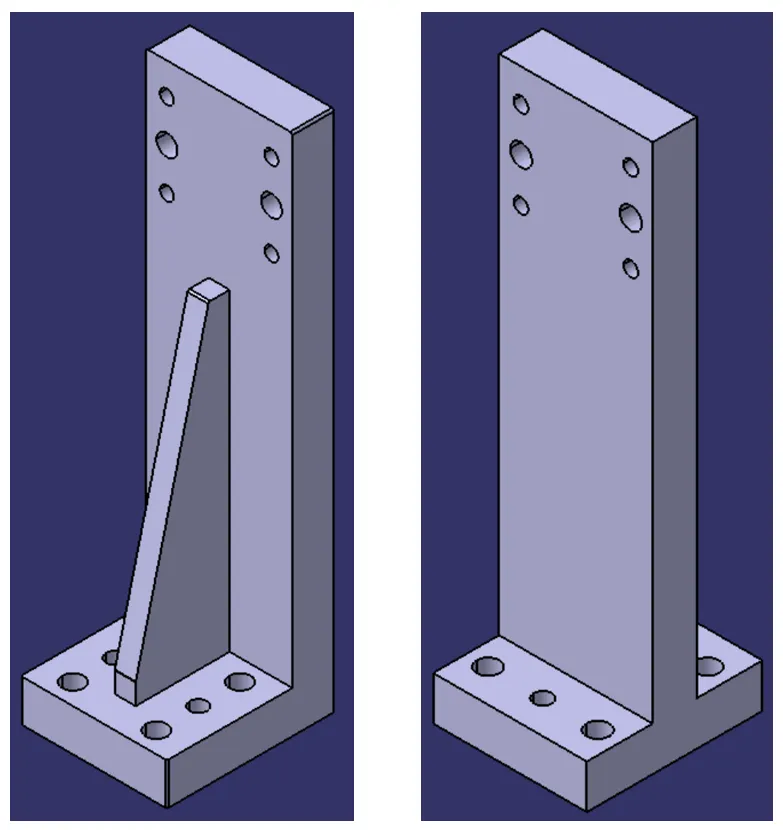
Fig 9:- Riser
Materials:- In general, the materials used for pins, pin retainers, shims, shim blocks, blades & risers are:
- Pin:- C45, EN31, SAE 8620 Steel.
- Pin retainer:- Steel / ASTM A-36, SS type 303 or 304.
- Shims/spacer:- S.A.E. 1010 CRS FULL HARD, COLD ROLLED STRIP STEEL S.A.E. 1010 FULL HARD, S.A.E. 1020 HRS, etc.
- Shim block:- STEEL ASTM A-36, NM Stainless, STEEL ASTM A-36, SS type 303 or 304.
- Blade:- STEEL ASTM A-36.
- Riser:- STEEL ASTM A-36.
Fixed Pin Unit Design-1
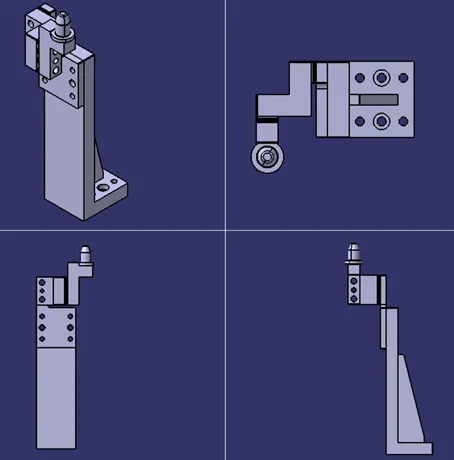
Fig 10:- Fixed Pin Unit Design-1
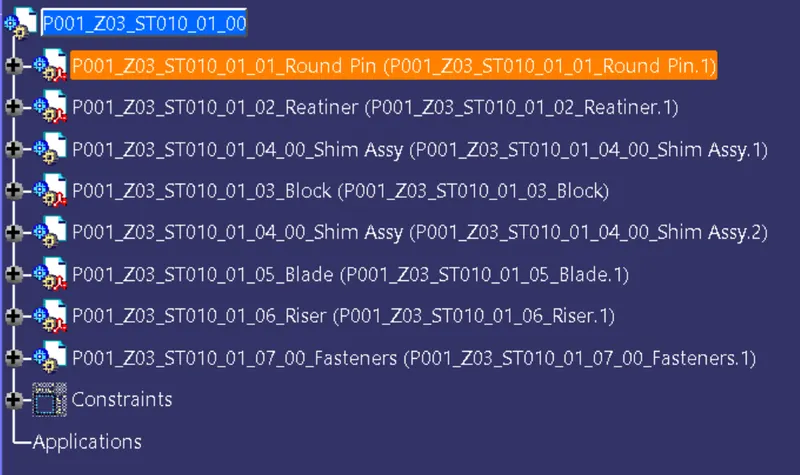
Fig 11:- Design Tree of Fixed Pin Unit Design-1
Fixed Pin Unit Design-2
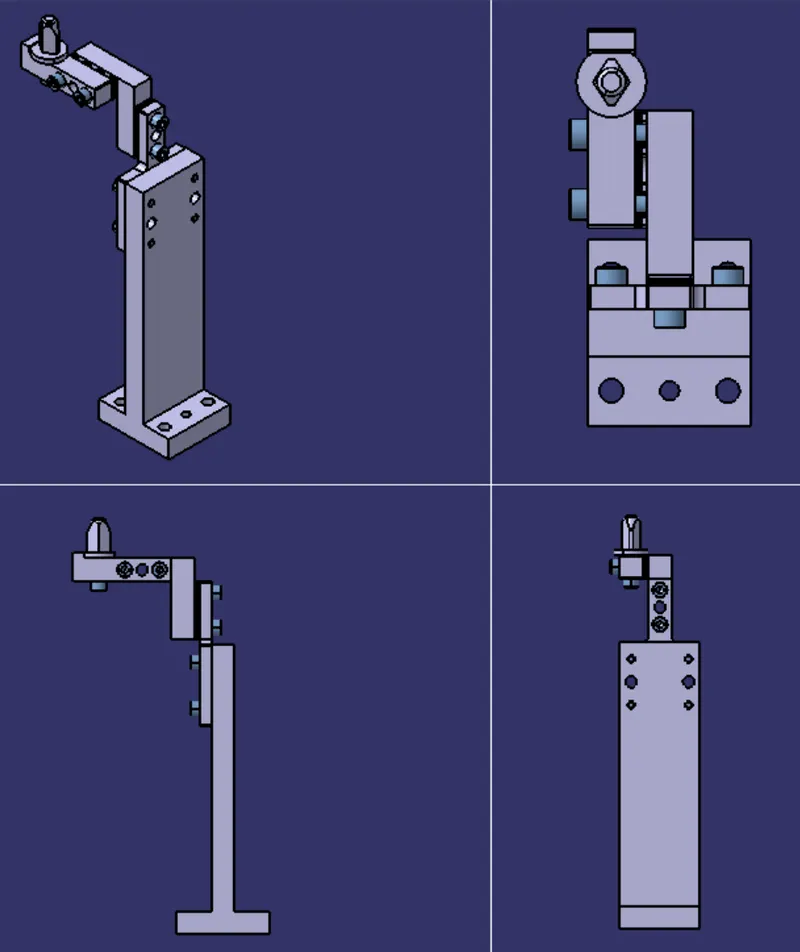
Fig 12:- Fixed Pin Unit Design-2
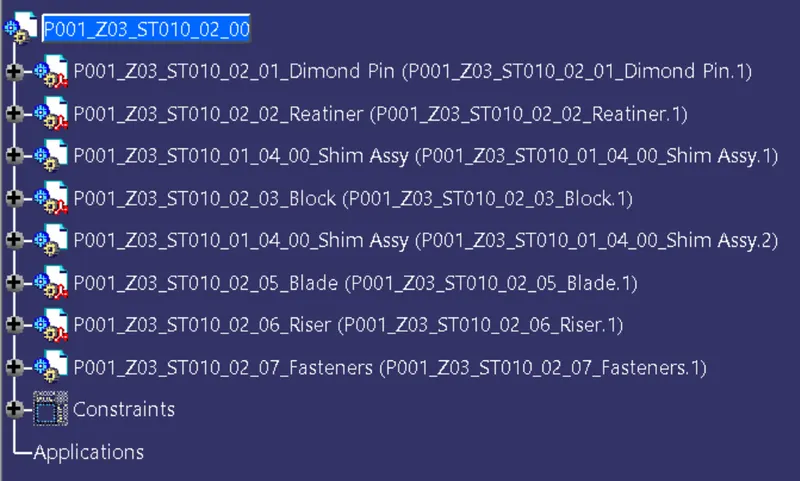
Fig 13:- Design Tree of Fixed Pin Unit Design-1
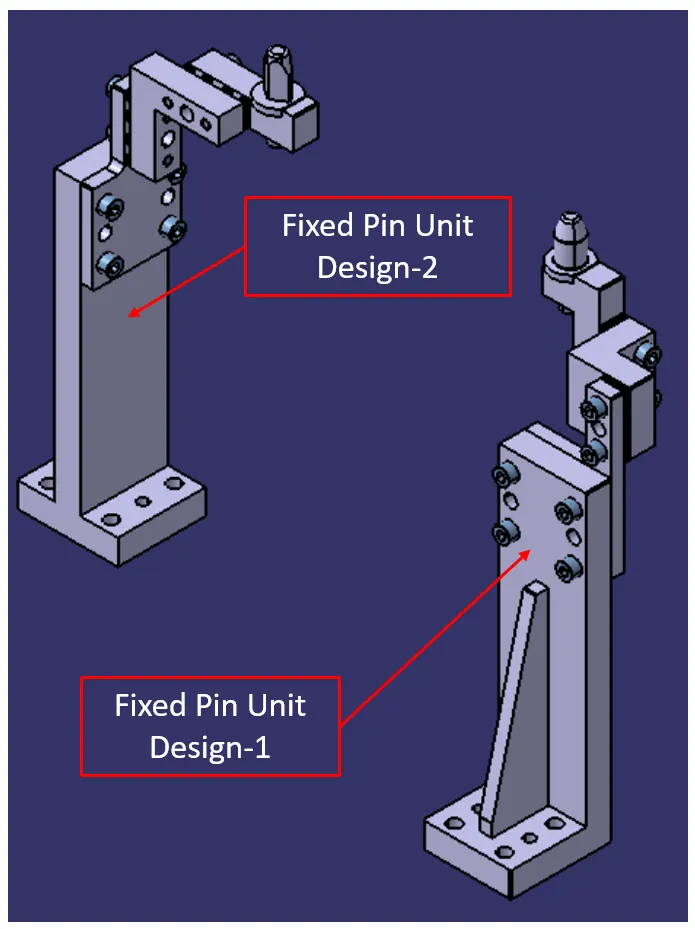
Fig 14:- Fixed Pin Unit Designs
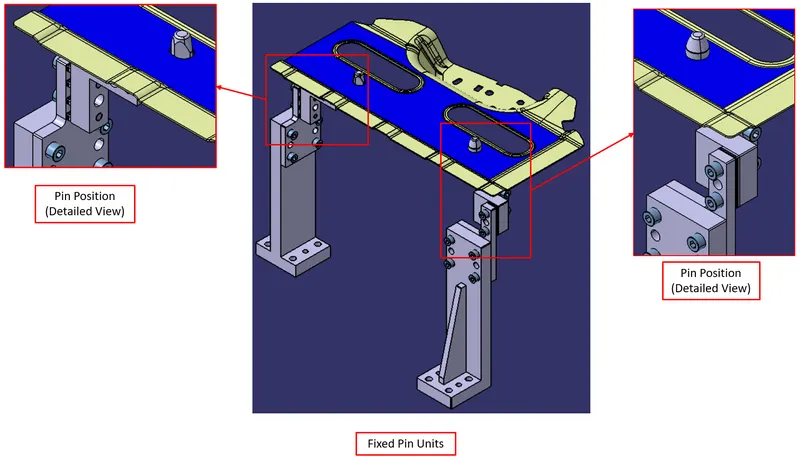
Fig 15:- Fixed Pin Units with Panel
2. Design 2 Different types of Retractable Pin Unit with Different Pins, risers, blades, Cylinders, and blocks.
Retractable Pin Unit:- Retractable pin unit is used to locate the workpiece. It mounts the pin either directly on the cylinder or on the retainer and L-block and this is mounted on the cylinder. As the pin is mounted on the cylinder directly or indirectly, it has the freedom to move down by the maximum distance of the stroke of the cylinder.
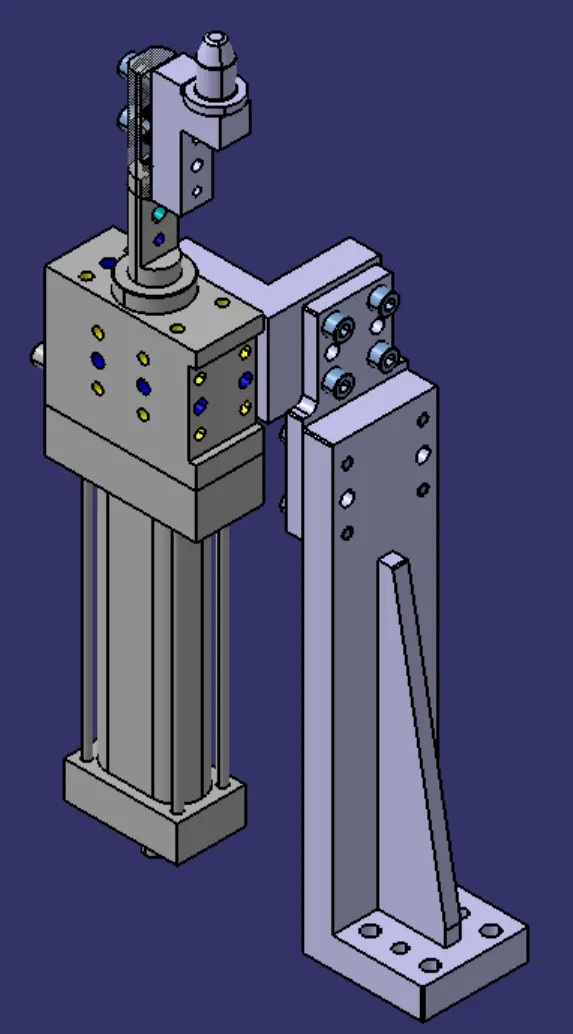
Fig 16:- Retractable Pin Unit
There are two types of Retractable pin units
- Single Cylinder/ Inline Retractable Pin Unit
- Two Cylinder/ Offset Retractable Pin Unit
Retractable Pin Unit Design-1
Single Cylinder/ Inline Retractable Pin Unit:- Inline Retractable Pin unit consists of one Pin cylinder which operates the pin in one direction. In this unit Pin is directly mounted on the cylinder and it is a must to have the pin and cylinder in line with the hole or slot of the panel. The pin cylinder is controlled in two directions with the help of shimming.
Pin cylinders have various stroke sizes like 30mm, 40mm, and 60mm. Cylinder. Uses of cylinders depend upon the area and availability while building the fixture.
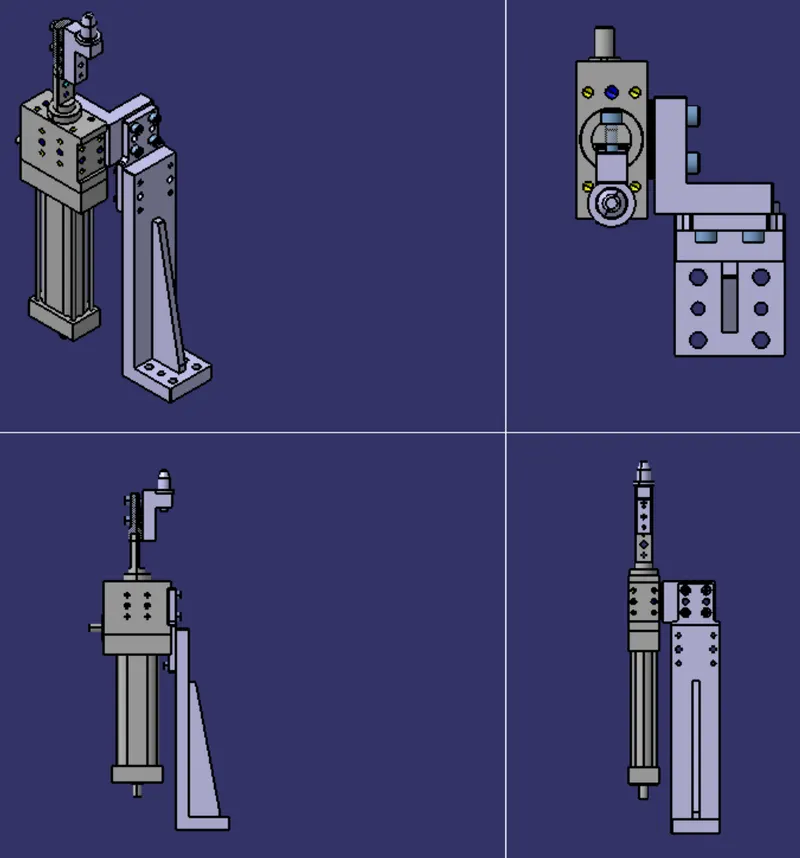
Fig 17:- Retractable Pin Unit Design-1
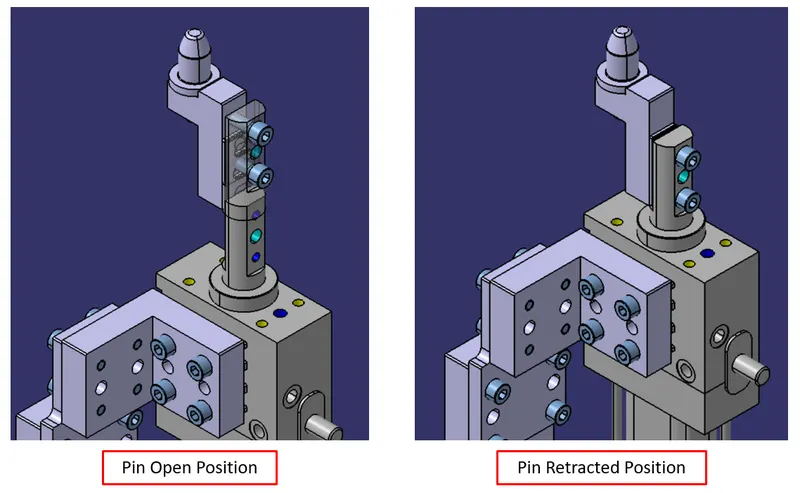
Fig 18:- Pin Positions (Design-1)
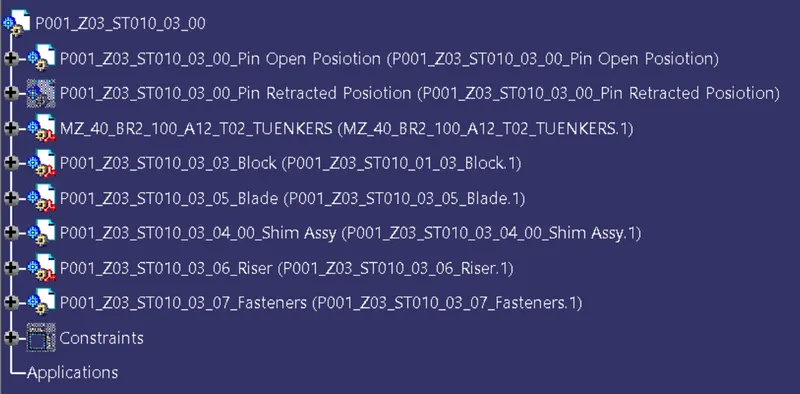
Fig 19:- Design Tree of Retractable Pin Unit Design-1
Retractable Pin Unit Design-2
Two Cylinder/ Offset Retractable Pin Unit:- Offset Retractable Pin unit consists of one Pin cylinder which operates the pin in one direction. In this unit Pin is mounted on the Pin retainer and then the pin is controlled in two directions with the help of shimming. In this unit cylinder can be mounted away from the pin.
These Pin cylinders have various stroke sizes like 30mm, 40mm, and 60mm. Cylinder. Uses of cylinders depend upon the area and availability while building the fixture.
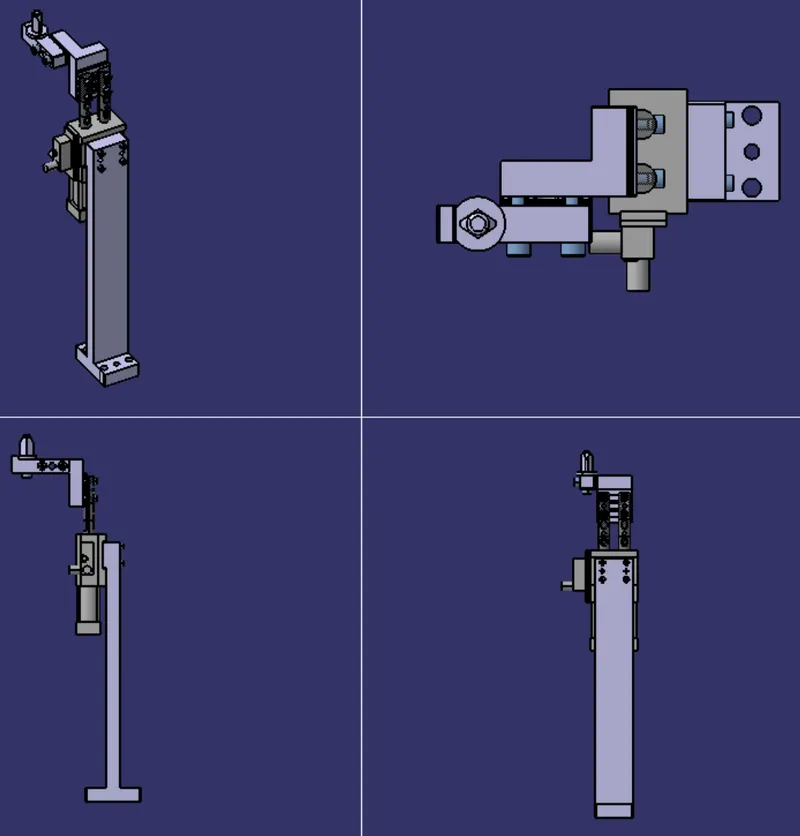
Fig 20:- Retractable Pin Unit Design-2
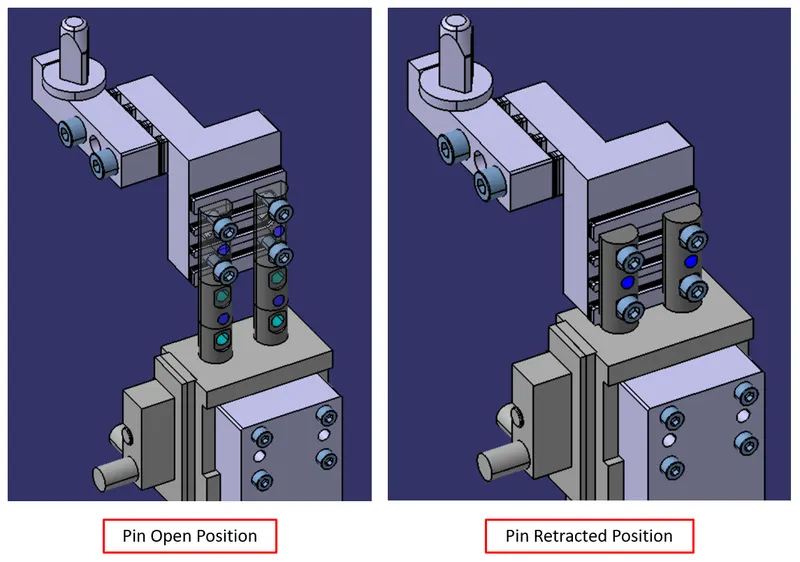
Fig 21:- Pin Positions (Design-2)
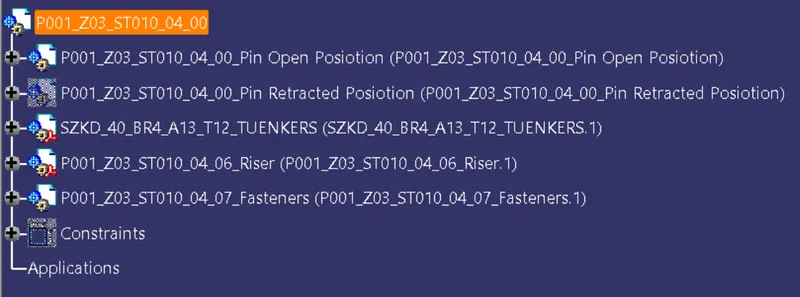
Fig 22:- Design Tree of Retractable Pin Unit Design-2
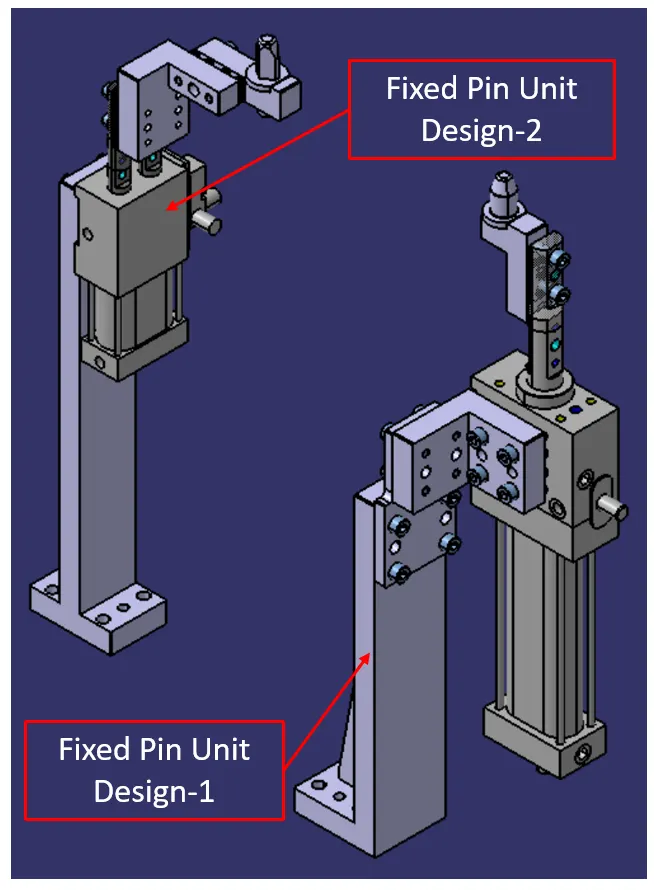
Fig 23:- Retractable Pin Unit Designs
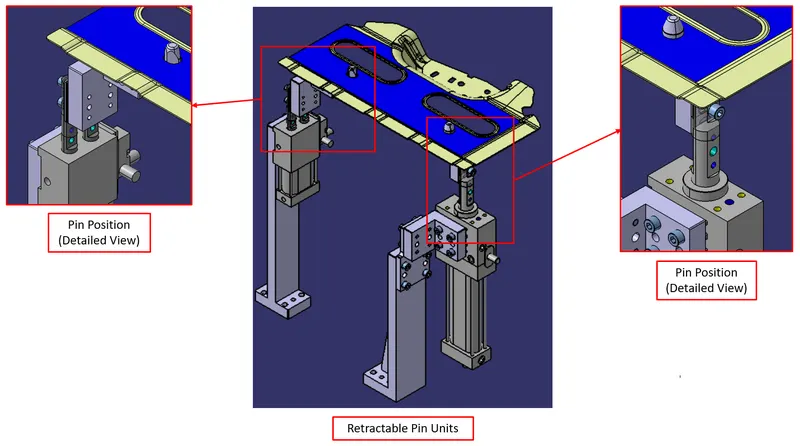
Fig 24:- Retractable Pin Unit Designs with Panel