Week-4 Challenge WOT Condition Part-2
EV Live batch 17
ANS 1:
When we open the HEV, EV application model, we can either use mapped or dynamic model of engine, generator, motor.
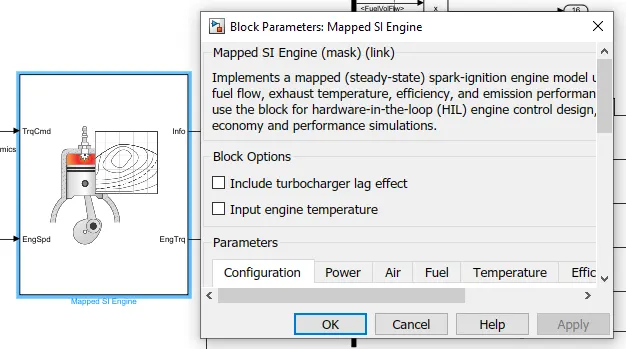
Mapped engine model -
This model uses lookup table to define the characteristics of engine. Lookup table consists of steady state values stored in model or base workspace.
Table consists of engine torque, fuel flow rate, engine emissions, efficiency,etc.
These values are taken from any engine model that is tested on dynometer or design tool. This model can use for quasi -steady state simulations.
Dynamic engine model -
This model can be used when the characteristics of component level of engine is known. The engine system is characterized using component level characteristics. All the engine outputs/functions are evaluated using different parameters of engine. It gives real time simulations for engine model and capture dynamic results of engine system
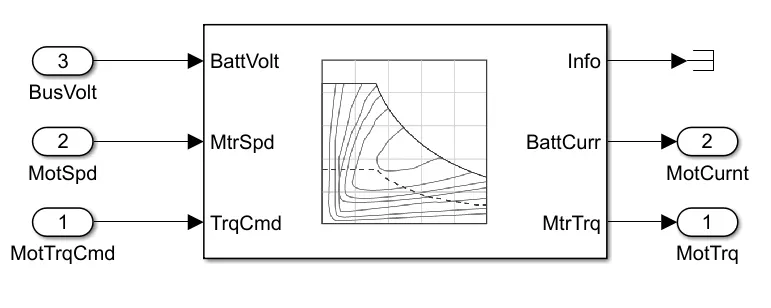
Mapped motor model-
1. This model implements mapped torque speed characteristics.
2. The torque and speed reference are given by using lookup tables
3. The motor follows the reference torque speed
4. Max torque, power is already defined in this model
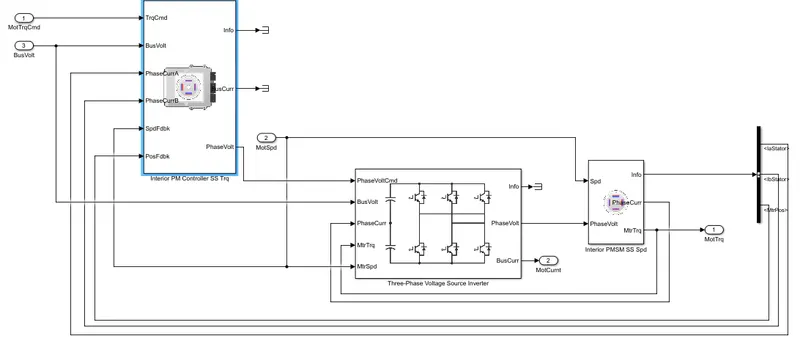
Dynamic motor model-
1. In this model no reference torque , speed values are mapped in look up table.
2. In this model motor generates the torque and speed characteristics as per demand based on the motor and controller parameters.
3. The the output feedback of the motor is given to the controller. It establishes closed loop system i.e real time parameter simulations are done.
4. This model also explains the variations in output of motor if there is any variation in parameters associated with motor and controller. This explains the dynamic behavior of the model
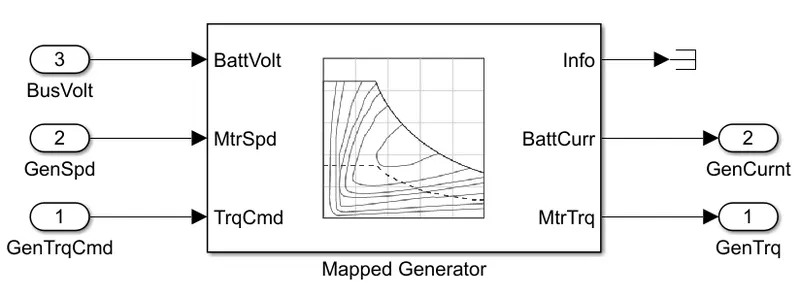
Mapped Generator model-
1. Torque and speed are mapped in looked up table to operate the generator and generates the battery current.
2. It is steady state model and doesnt care about the real time data simulation
3. The generator is only allowed to operate in specified speed torque region.
Dynamic Generator model-
1. No specified look up tables for speed torque
2. Base on real time requirement, it operates and generates the output
3. Feedback of output is given to controller to know real time data and hence to meet the requirement.
4. This model implements dynamic behavior.
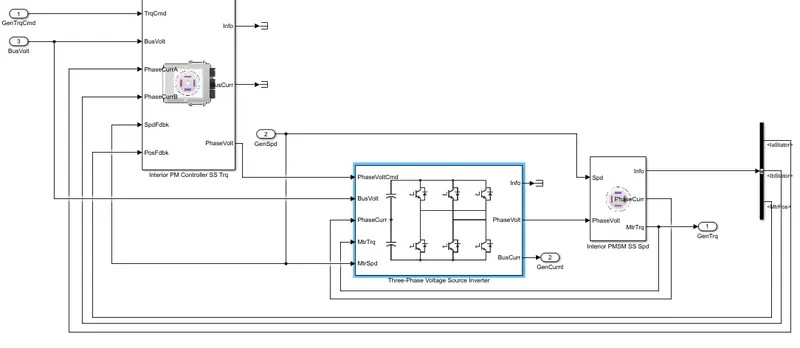
To change the model type
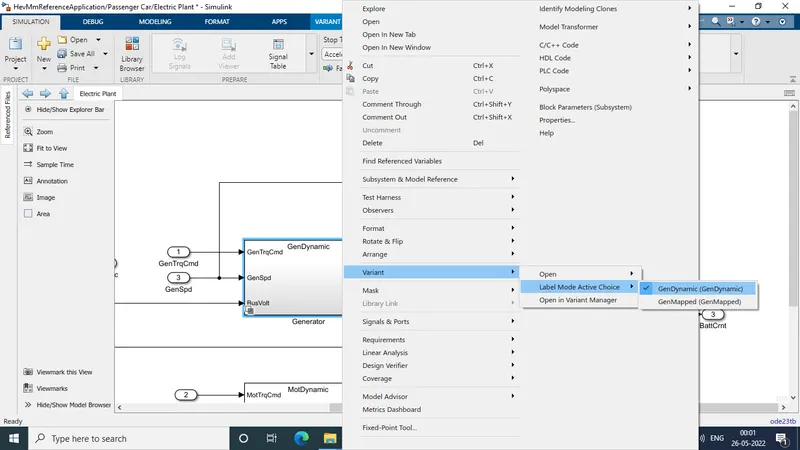
1. Right click on the model whose dynamic or mapped model has to select
2. Then select the 'Variant' option
3. Select 'Label mode active choice'
4. Select dynamic or mapped model.
ANS 2:
Miles per Gallon Gasoline equivalent is measured of average distance travelled per unit energy consumed.It is used to compare energy consumption of alternative fuel vehicles, plug in electric vehicles and other advanced technology vehicles with the energy consumption of conventional IC engines vehicles rated in miles per gallon.
33.7 KWh is equivalent to 1 MPG gasoline.
Vehicles speed and fuel flow
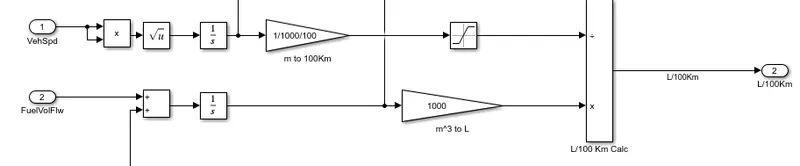
1. The speed vs time characteristics of vehicle is integrated which gives the distance travelled in m. Now it is multiplied with 0.000621371 gain block to convert it into miles.
2. The fuel flow is mass of fuel in kg/s. It is integrated over time gives the fuel in m3 and multipiled with 1000 we get fuel in Litres.
3. By comparing two results we get Litres consumed per 100 km .
Battery power

1. The battery power is given in watts , dividing by 1000 converts it in KW at respective time.
2. Now KW is assumed to multiplied with one to get energy for 1 hr. Now Kwh is divided by 33.7 to get equivalent Usgal.
3. We calculate the USgal per sec by dividing it with 3600 and to convert it to m3, it is multiplied with 0.00378541.
Calculation of miles per gallon
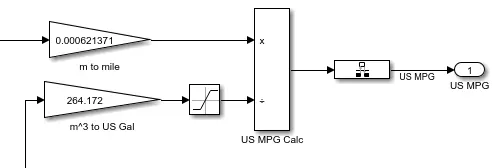
1. The fuel flow and energy equivalent are added and total flow is multiplied with 264.172 to get gallon.
2. The distance calculated in m multiplied with 0.000621371 to convert to miles.
3. The total distance in miles is then divided by total gallon to get miles per gallon.