Week 4.2: Project Transient simulation of flow over a throttle body
introduction
A throttle body is essentially a large air valve that sits between the intake manifold and the air intake pipe, an engine has one throttle body, which bolts to the intake manifolds plenum. a throttle body controls airflow into the engine, a crucial factor for controlling the engine's air/fuel ratio. throttle bodies come in several shapes, sizes, and configurations and can perform several tasks outside of their normal air metering duties.
Throttle bodies usually use butterfly valves, these valves consist of a casing with a large hole in the center, which is filled with a steel plate called a butterfly or throttle plate. the throttle shaft is a rod that passes through the housing and is connected to the throttle cable shaft is the rod that passes through the housing and is connected to throttle cable on the outside and throttle plate on the inside, when the throttle shaft turns, it rotates the throttle plate,alloe=wing air to go around it and into the engine.
Transient state
A system is said to be in a transient state when process variables or variables have been changed and the system has not yet reached a state.the time taken for the circuit to change from one steady-state to another steady state is called transient time
Geometry
g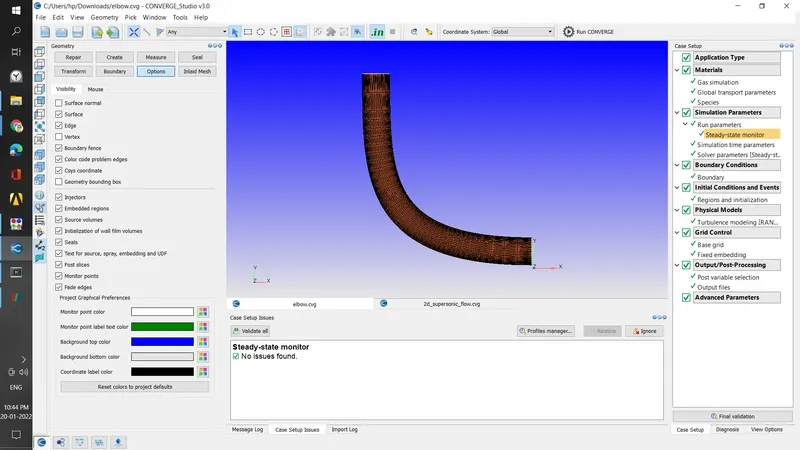
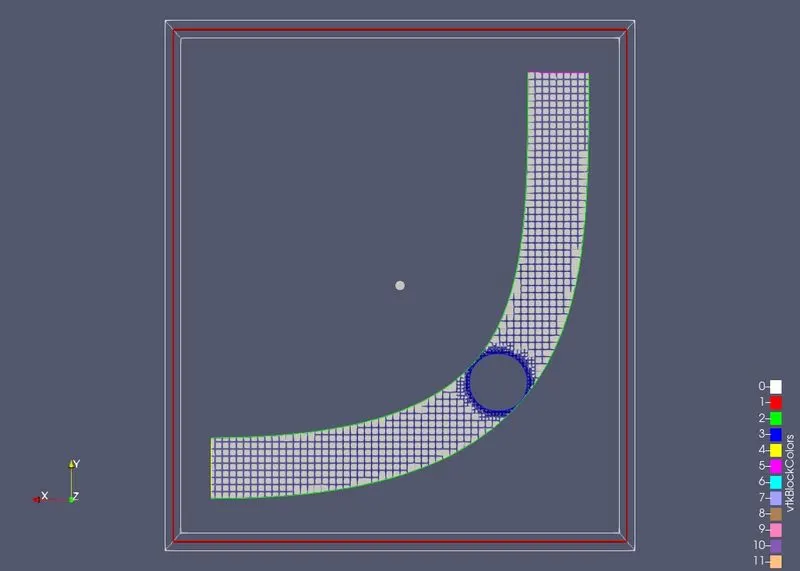
mesh
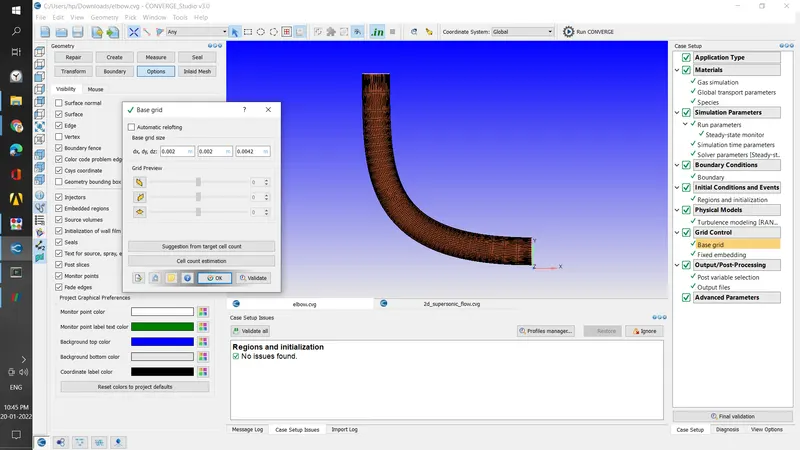
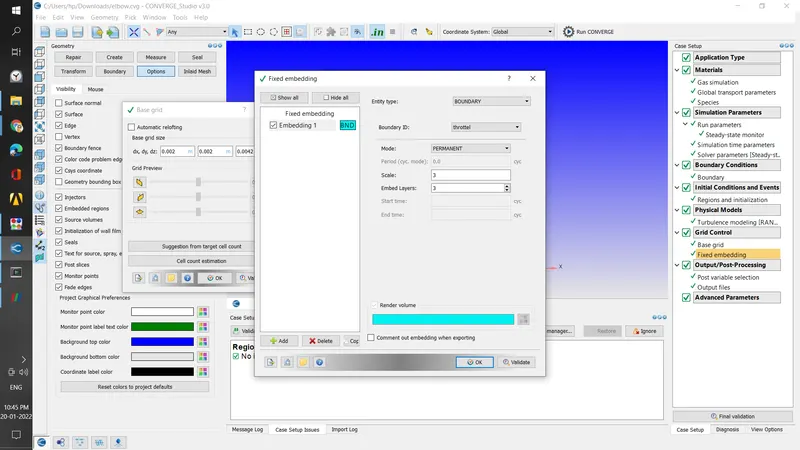
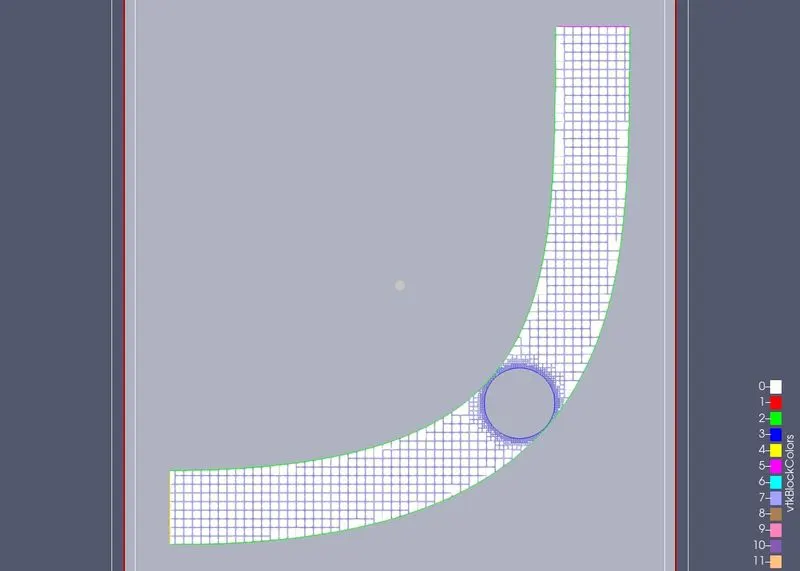
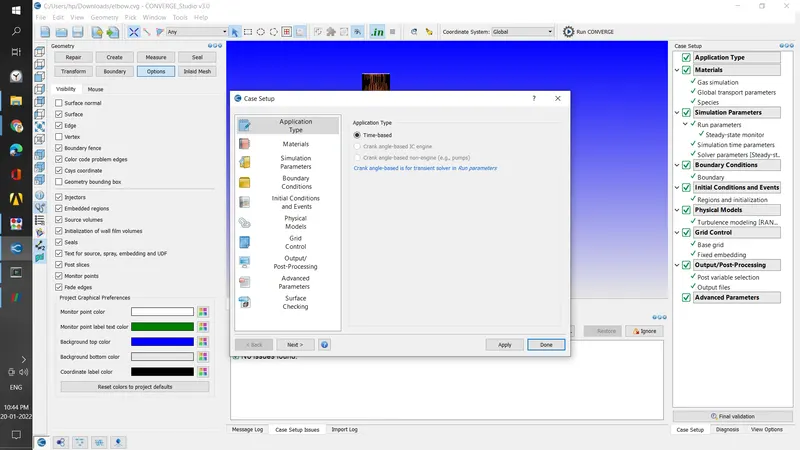
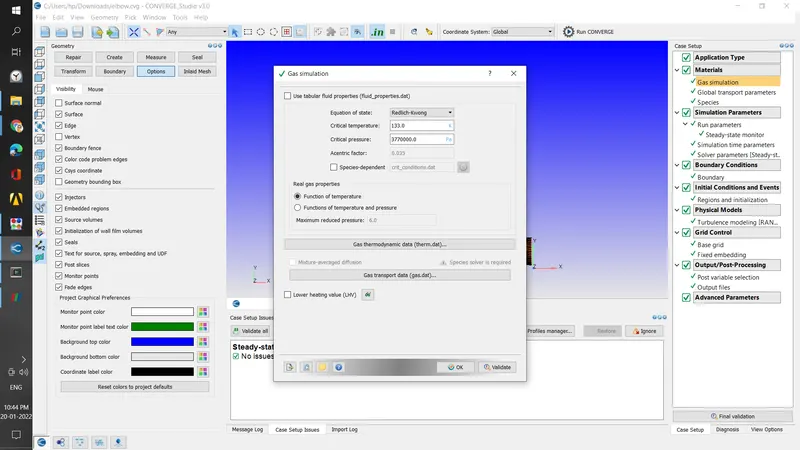
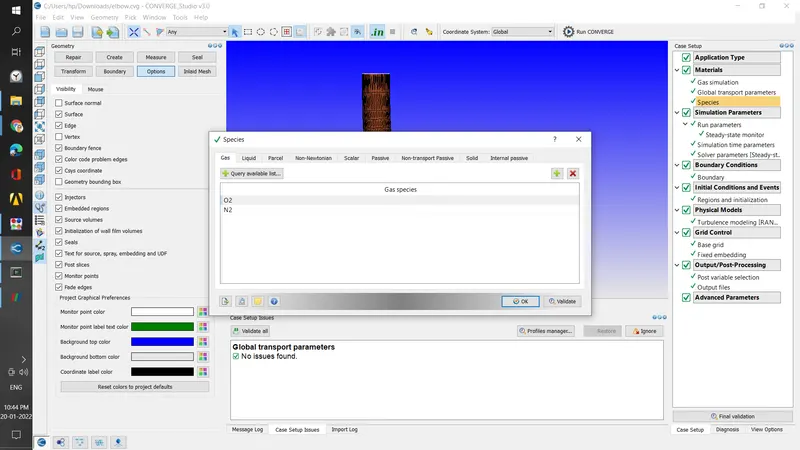
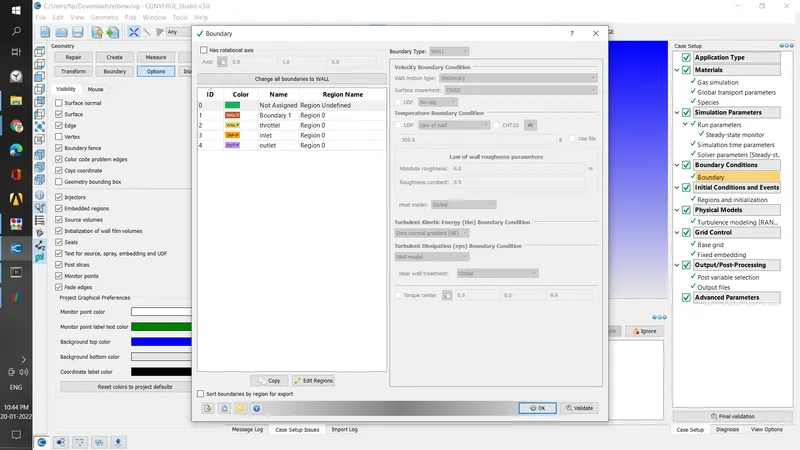
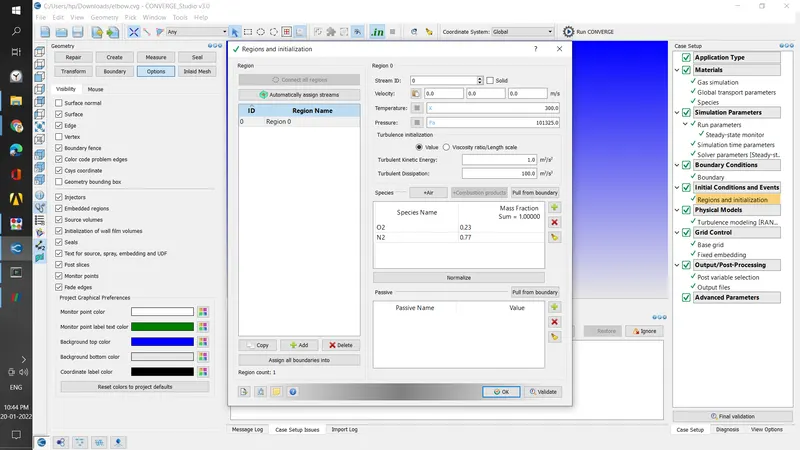
case setup
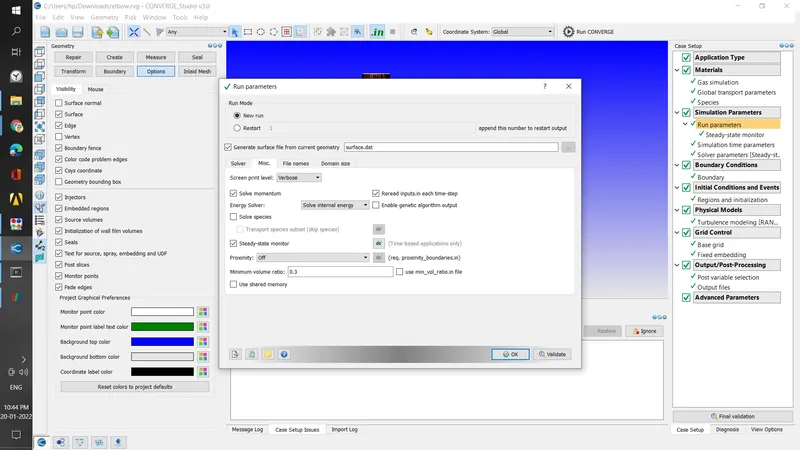
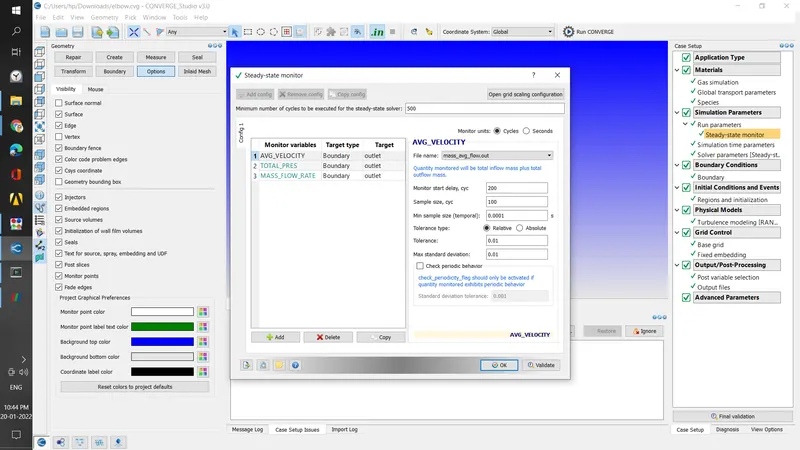
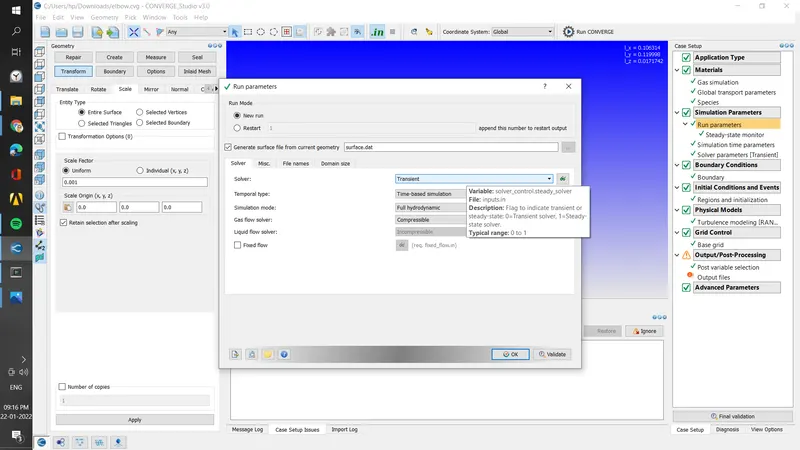
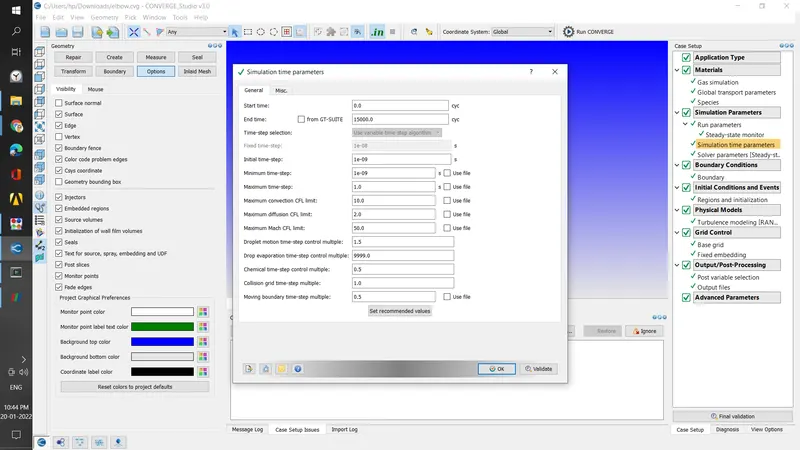
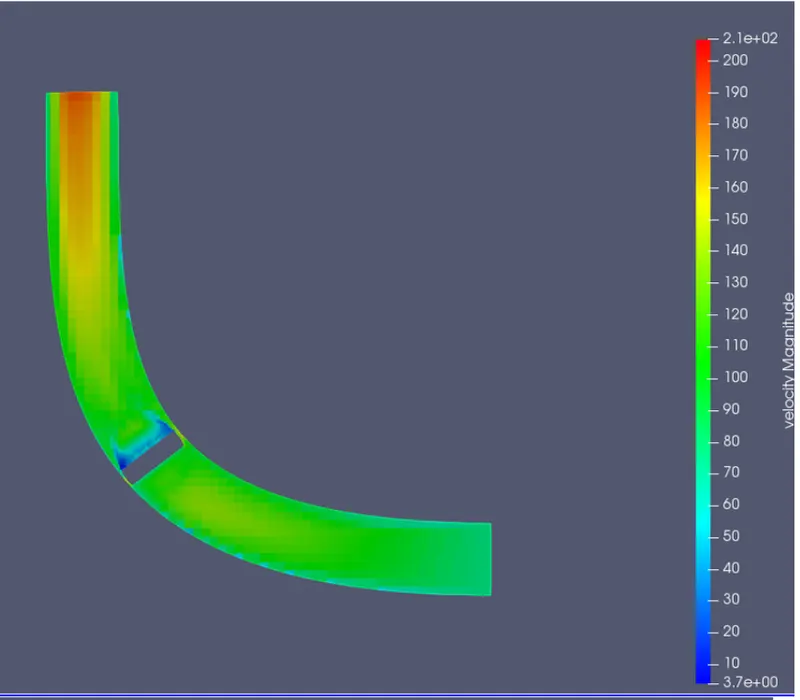
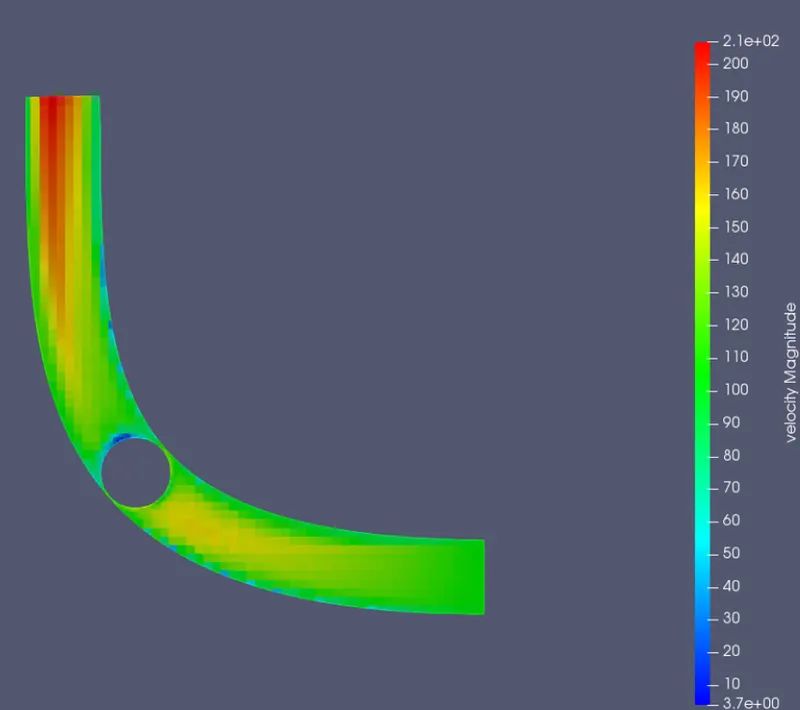
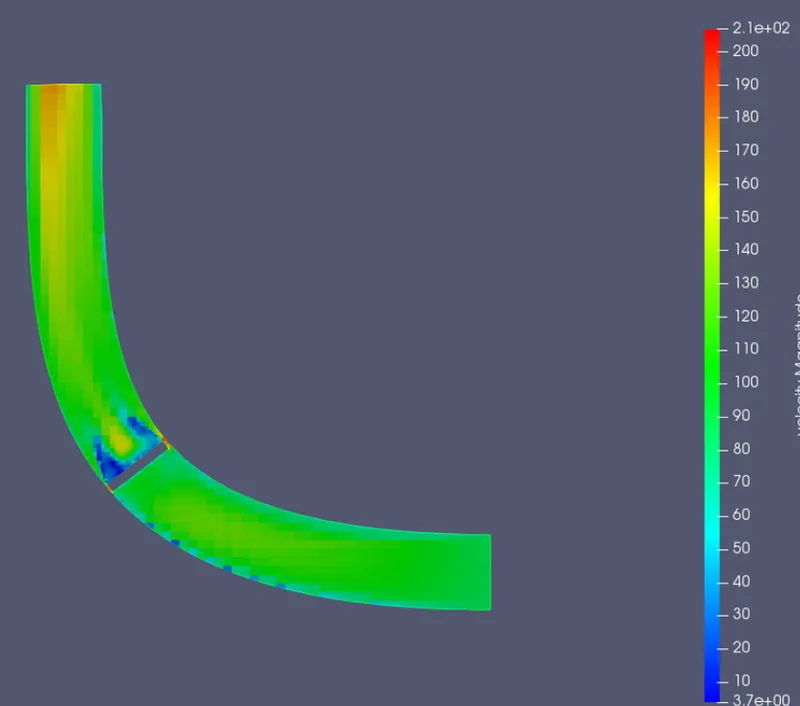
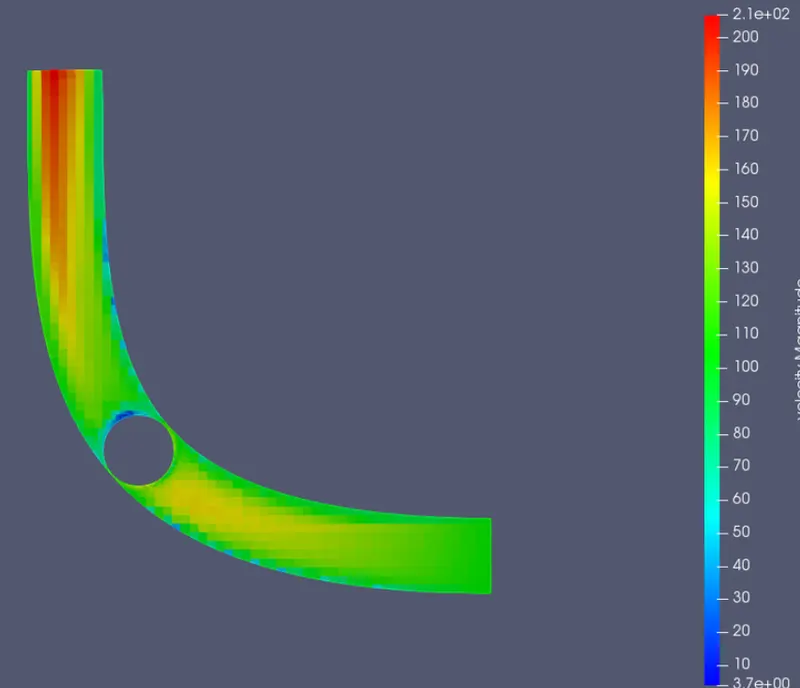
velocity plots
temperature
pressure
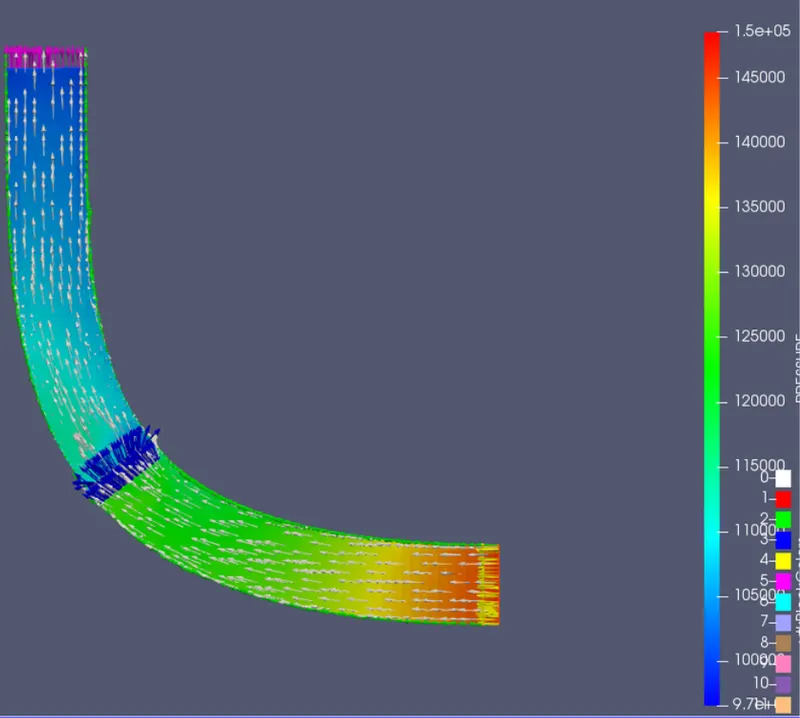
mass flow rate
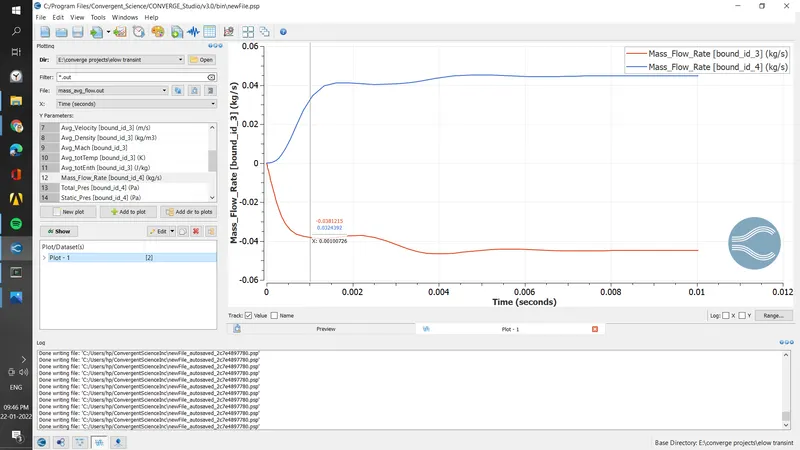
the mass flow rate is more in the outlet
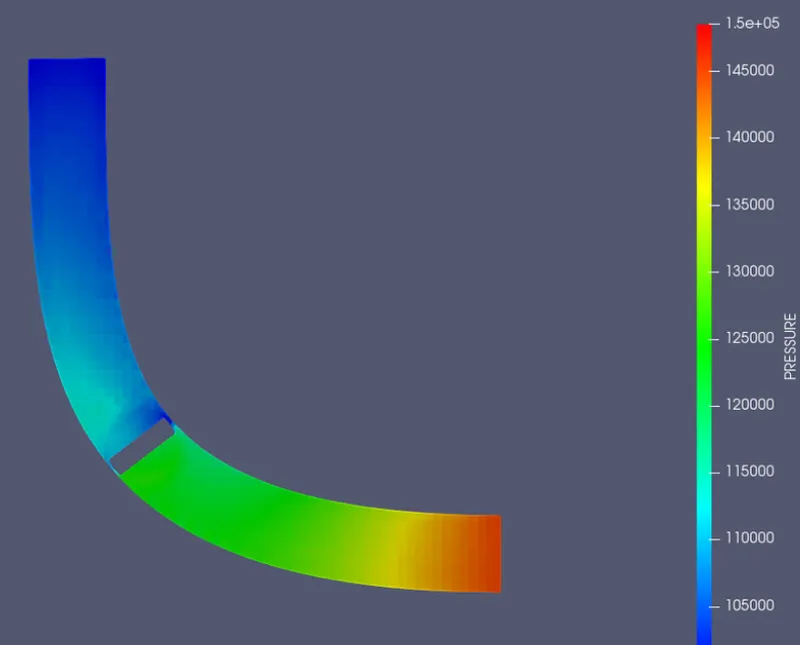
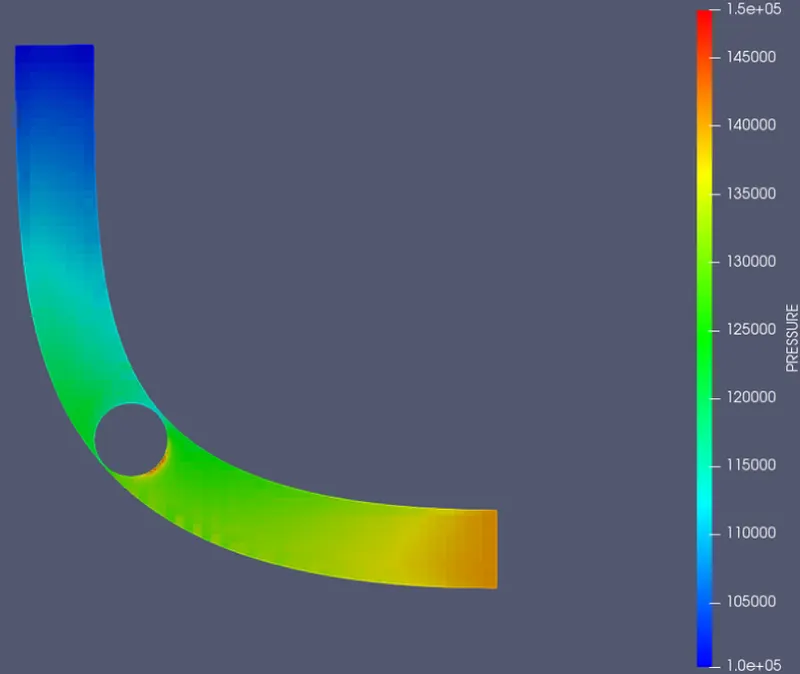
pressure
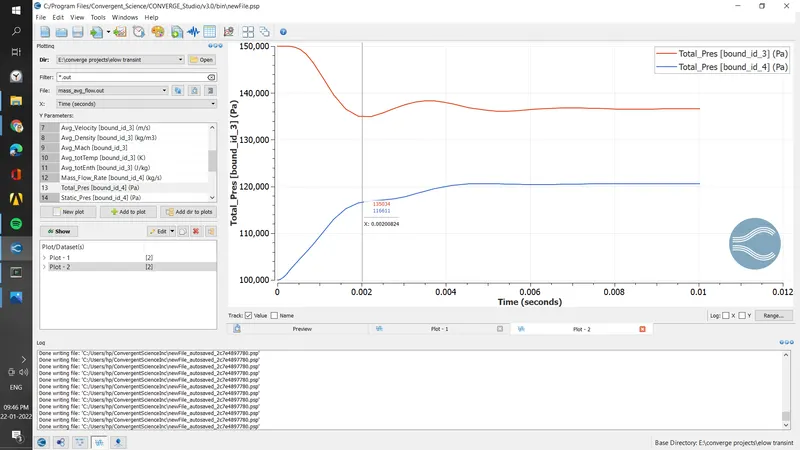
pressureless in outlet , pressure as time vary
velocity
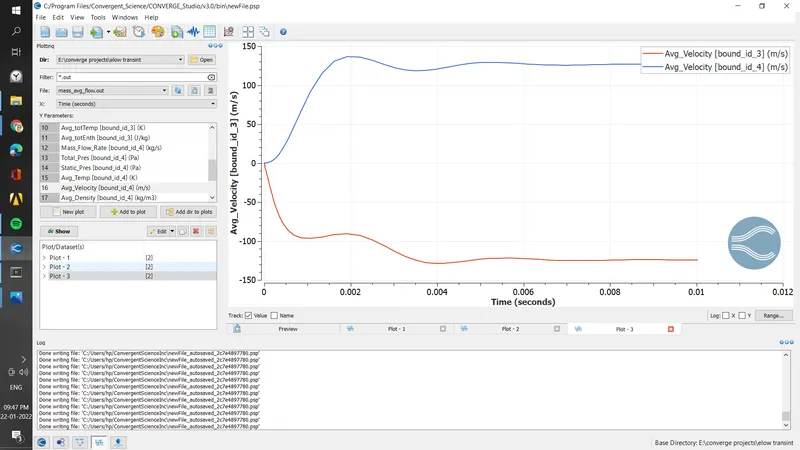
velocity is more outtake less in intake
( https://drive.google.com/drive/folders/1r3CyRO0ghcZWe1aj5IAu0J-3Ksf9xMM9?usp=sharingm)
animation link
conclusion
1)simulation time is mush more then steady-state simulation
2)the throttle plate and the throttle shaft provides restriction to the flow of intake air