Week 3 - Pitot tube
Week 3 - Pitot tube
Aim:To simulate pitot tube
Objectives:
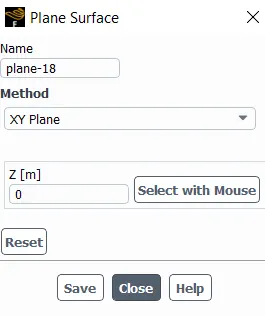
- a)To do a literature review of pitot-static tube. Also establish a relationship between Total (stagnation) pressure and static pressure.b)To create surfaces and fill it separately for total pressure port and static pressure port as shown below.
- To calculate the total and static pressures and find the error in percentage for velocity.
Pitot-static tube:
A Pitot-static tube is widely used for measuring unknown speeds in air flow, for example, it is used to measure airplane airspeed. By Bernoulli's principle, airspeed is directly related to variations in pressure. Therefore, the Pitot-static tube senses the stagnation pressure and static pressure. It is connected to a manometer or pressure transducer to obtain pressure readings, which allows airspeed prediction.
One special form of Bernoulli's equation is as follows:
Stagnation pressure/total pr = static pressure + dynamic pressure

where the stagnation pressure, Po, is the pressure if the flow speed is reduced to zero isentropically, the static pressure, Ps, is the pressure the surrounding fluid is exerting on a given point, and the dynamic pressure, Pd, also called ram pressure, is directly related to the fluid density, ρ, and flow speed, V, for a given point. This equation only applies to incompressible flow, such as liquid flow and low-speed air flow (generally less than 100 m/s).
From the above equation, we can express flow speed, V, in terms of pressure differential and fluid density as:
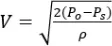
In the 18th century, French engineer Henri Pitot invented the Pitot tube [1], and in the mid-19th century, French scientist Henry Darcy modified it to its modern form [2]. In the early 20th century, German aerodynamicist Ludwig Prandtl combined the static pressure measurement and Pitot tube into the Pitot-static tube, which is widely used today.
A schematic of a Pitot-static tube is shown in Figure 1. There are 2 openings in the tubes: one opening faces the flow directly to sense the stagnation pressure, and the other opening is perpendicular to the flow to measure the static pressure.
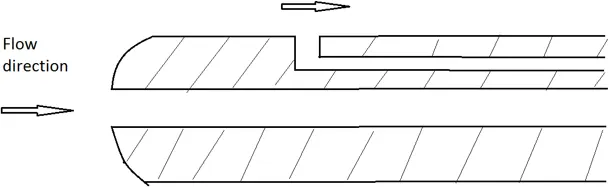
Figure 1. Schematic of a Pitot-static tube.
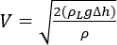
The pressure differential is required to determine the flow speed, which is typically measured by pressure transducers. In this experiment, a liquid column manometer is used to provide a good visual to measure the change in pressure. The pressure differential is determined as follows:

where Δh is the height difference of the manometer, ρL is the density of the liquid in the manometer, and g is the acceleration due to gravity. Combining equations 2 and 3, the flow speed is predicted by:
Procedure:
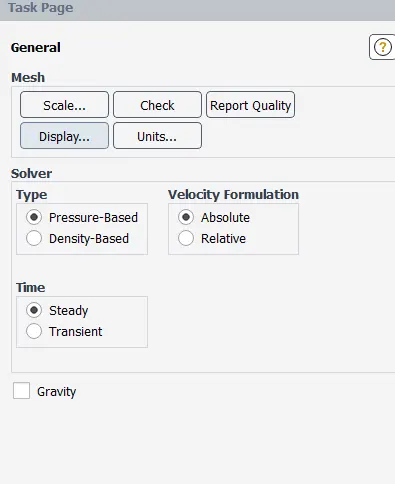
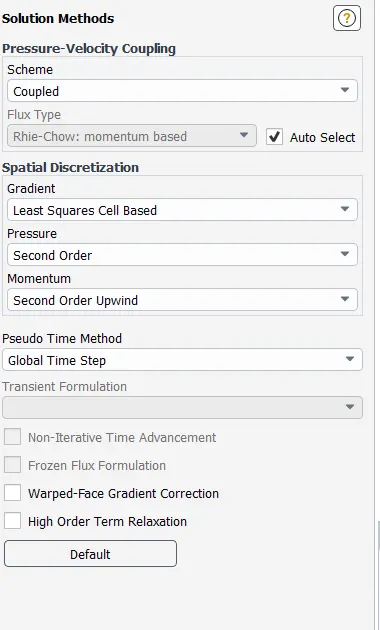
- Open the mesh file in fluent set up.

Case 1:
|
Velocity(m/s) |
Gauge Pressure (Pa) |
|
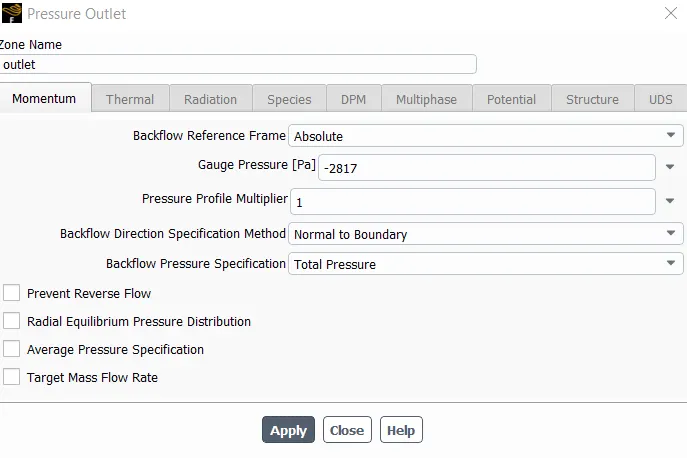
240 |
-2817 |


Solution:
Residuals:
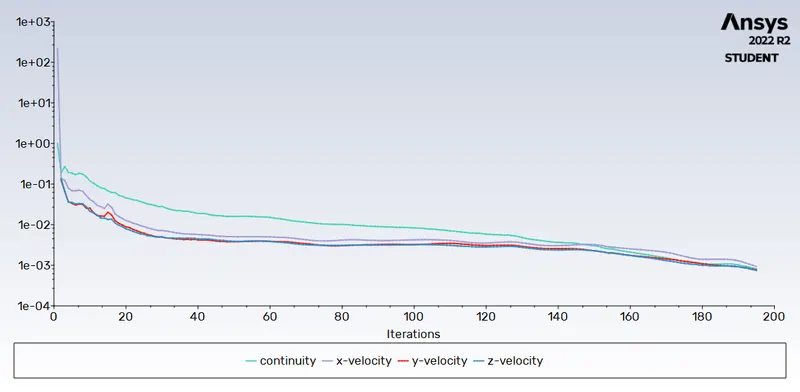
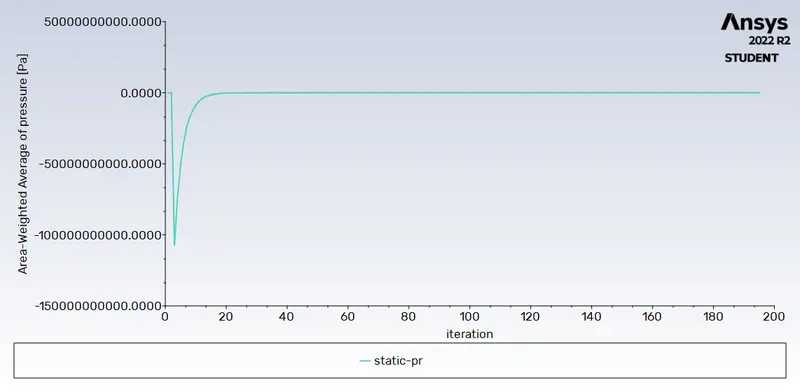
Static pr plot:
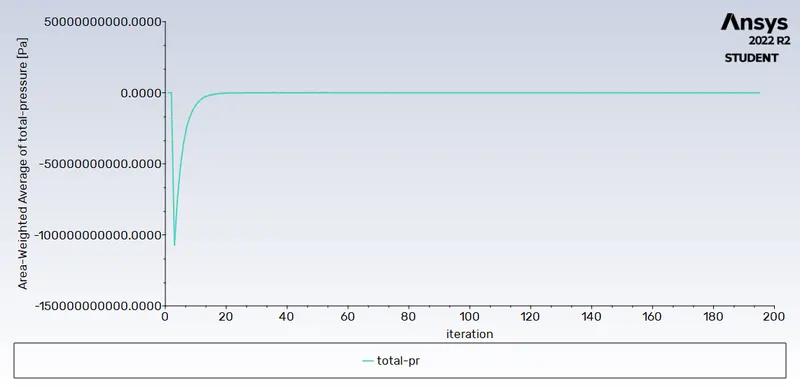
Total pr plot:
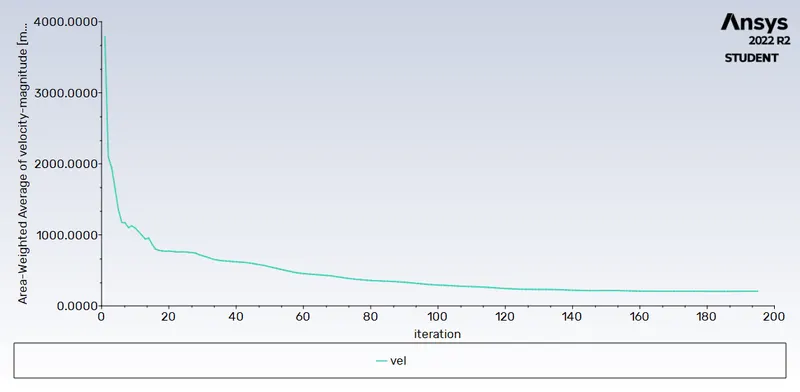
Velocity plot:
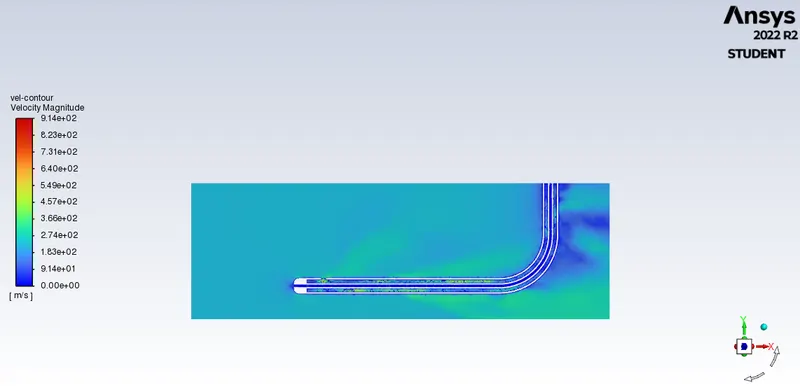
Velocity contour at plane :
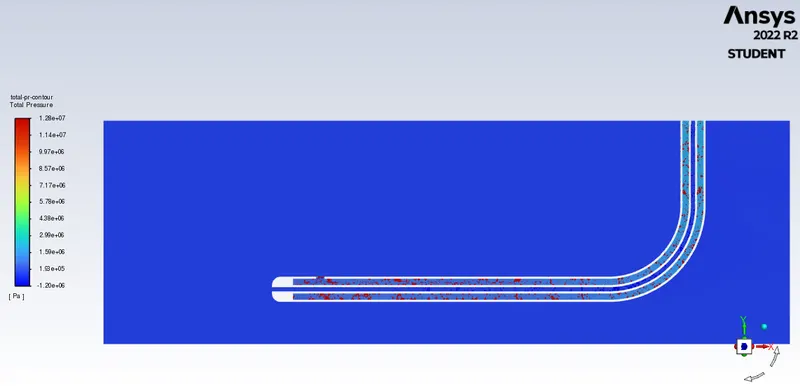
Total pr contour at plane :
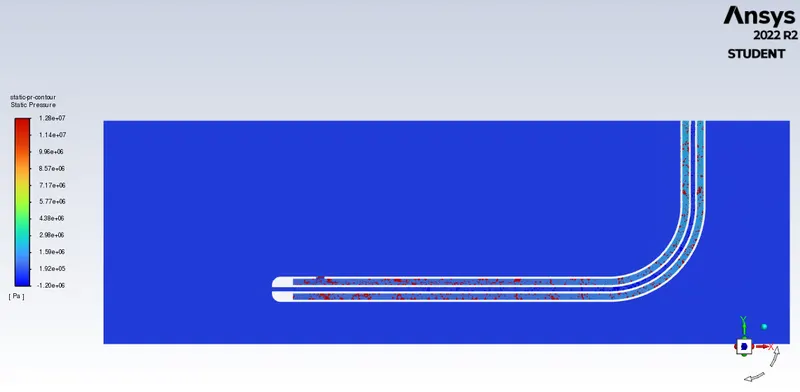
Static pr contour at plane :
total pr at plane :637099.57 pa
static pr at plane:603148.72 pa
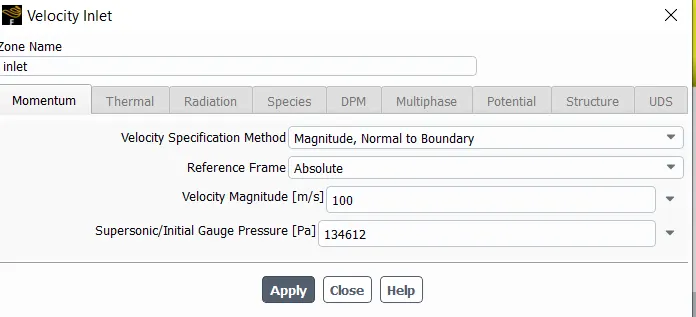
Case 2:
|
Velocity(m/s) |
Gauge Pressure (Pa) |
|
100 |
33287 |
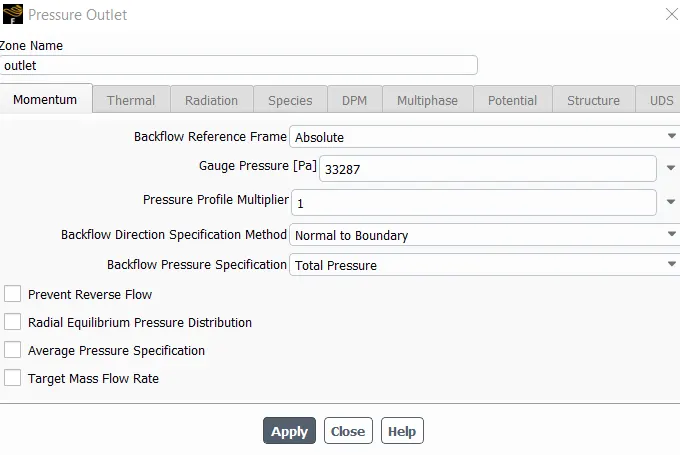
Solution:
Residuals:
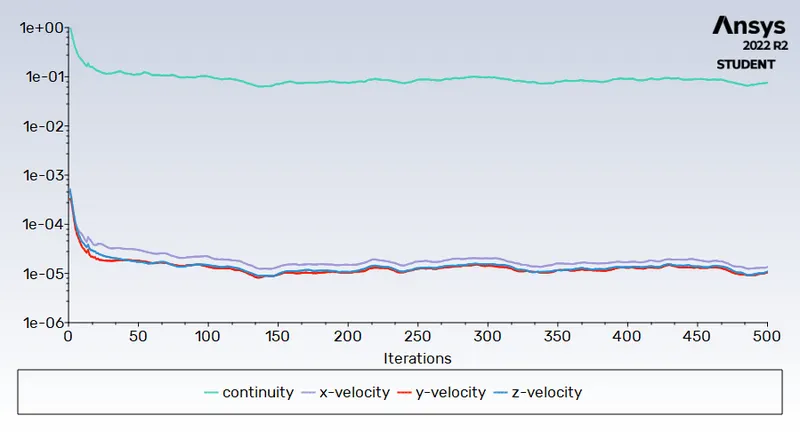
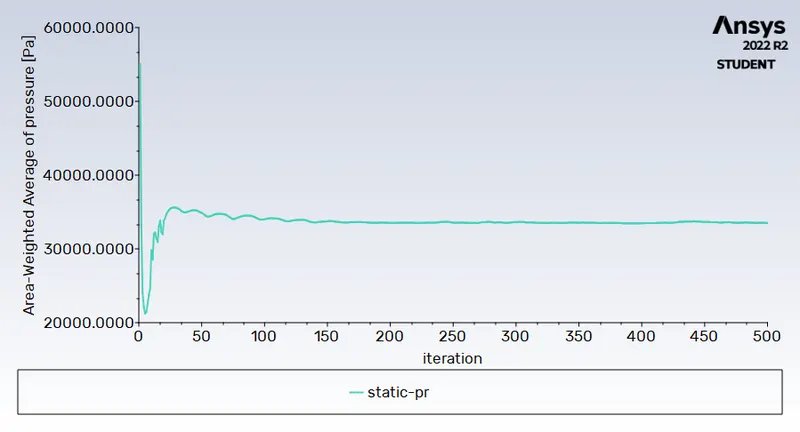
Static pr plot:
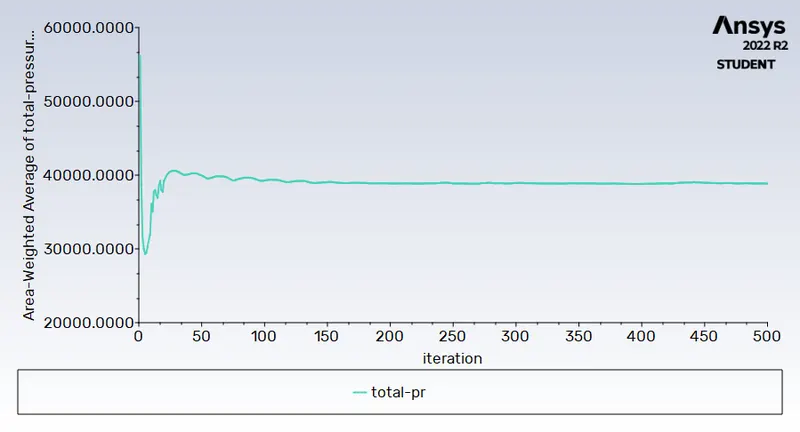
Total pr plot:
Velocity plot:
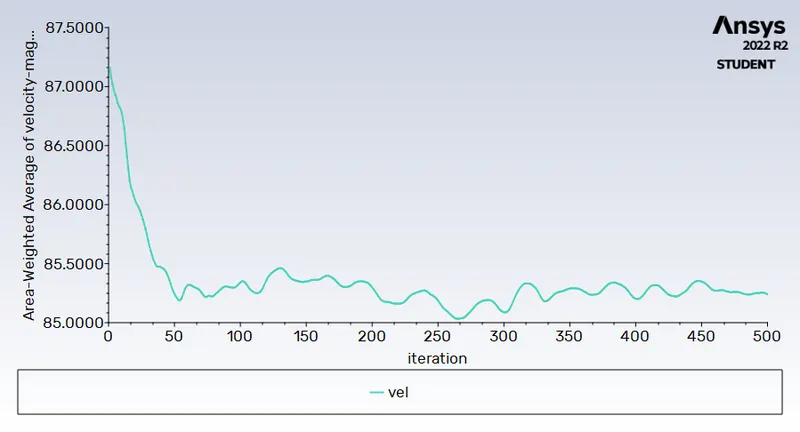
Velocity contour at plane :
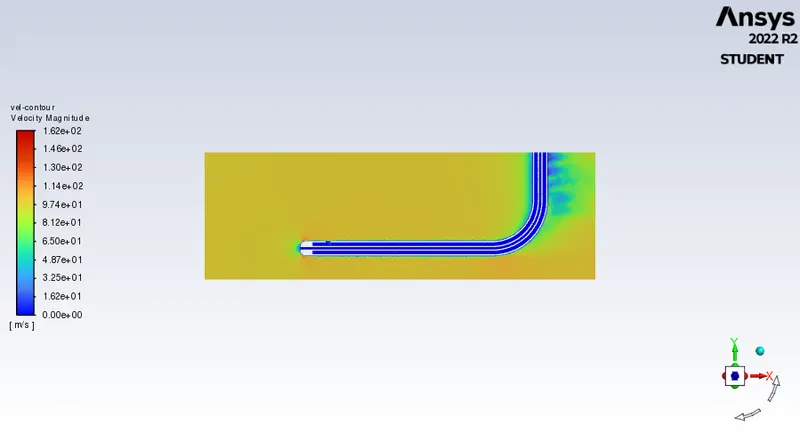
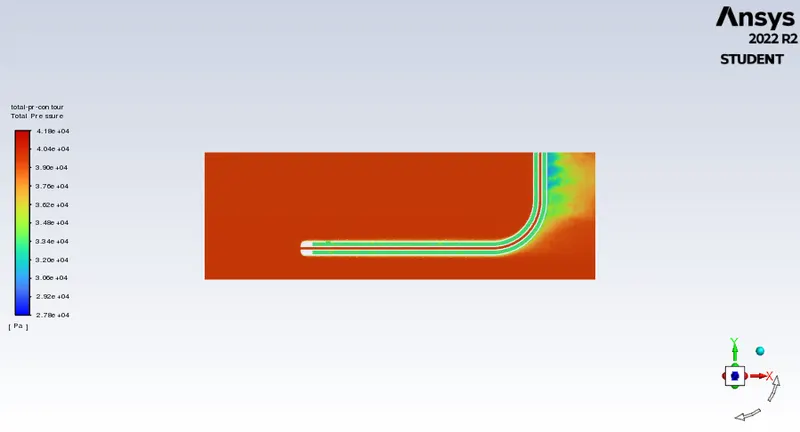
Total pr contour at plane :
Static pr contour at plane :
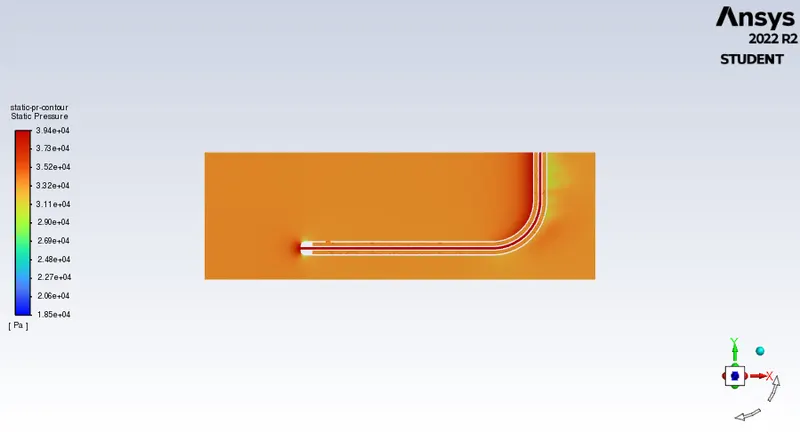
total pr at plane :38842.592pa
static pr at plane:33733.091 pa
Case 3:
|
Velocity(m/s) |
Gauge Pressure (Pa) |
|
62 |
65780 |

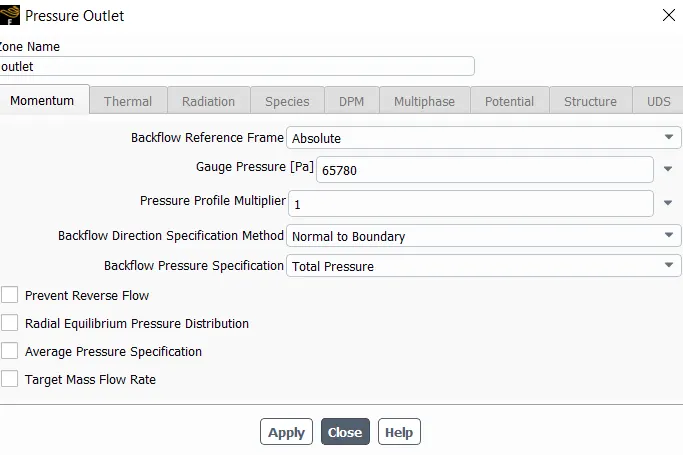
Solution:
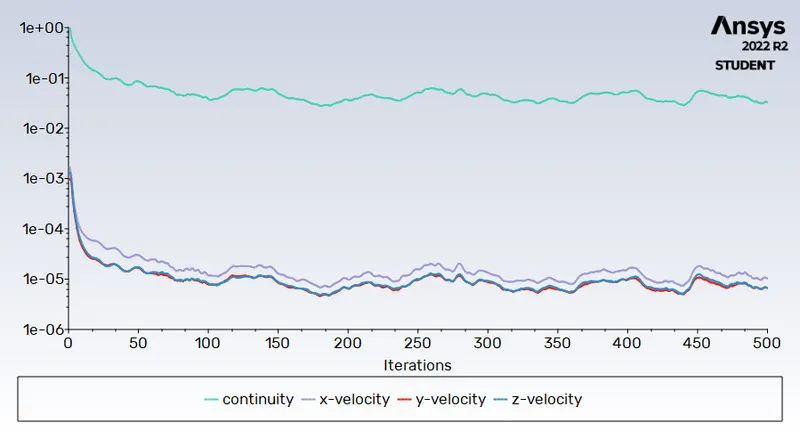
Residuals:
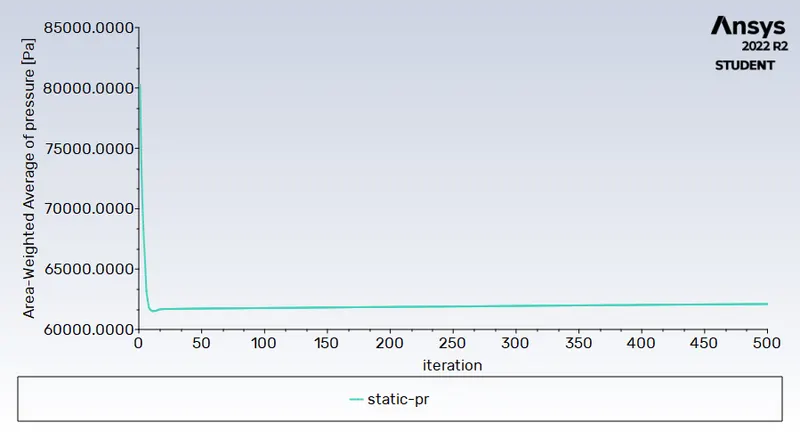
Static pr plot:
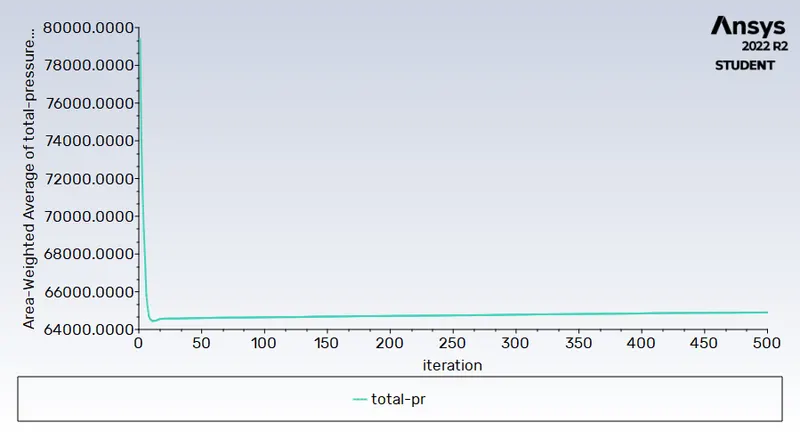
Total pr plot:
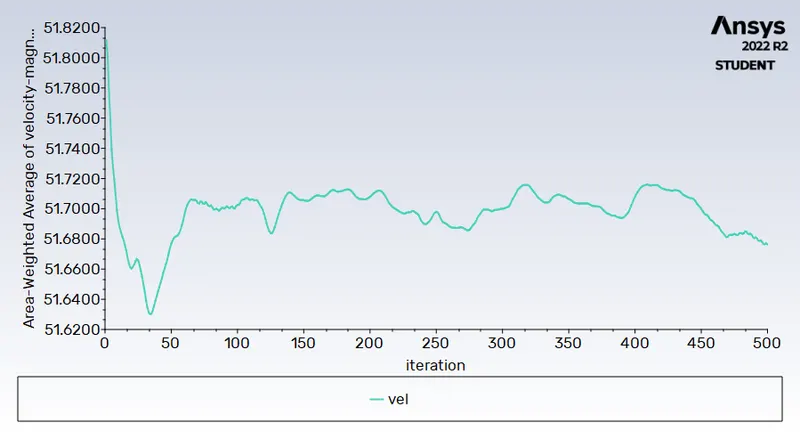
Velocity plot:
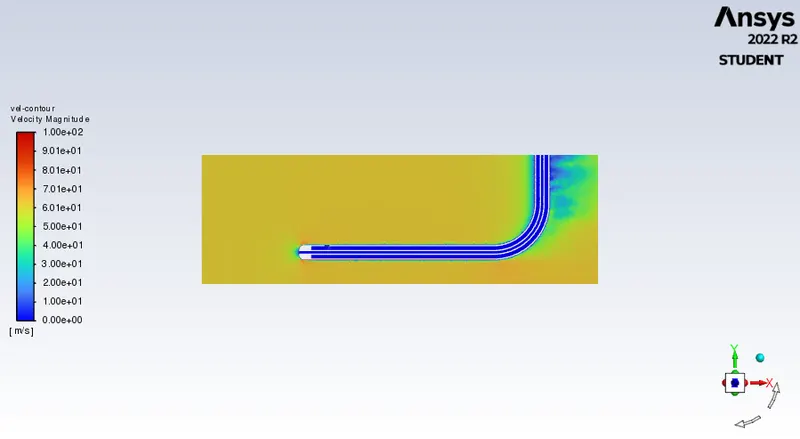
Velocity contour at plane :
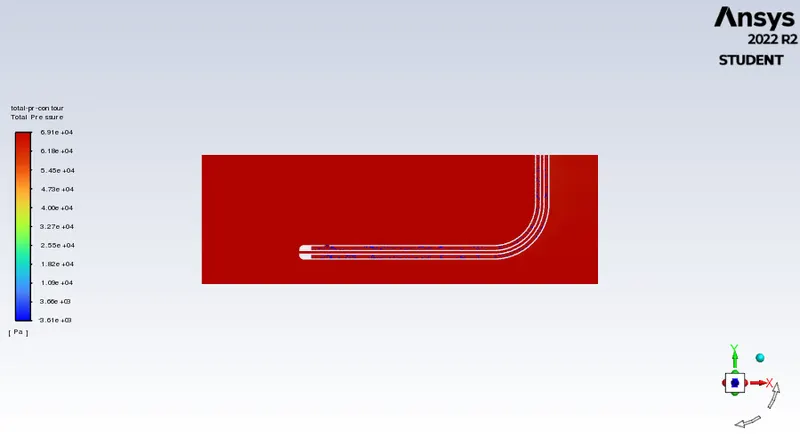
Total pr contour at plane :
Static pr contour at plane :
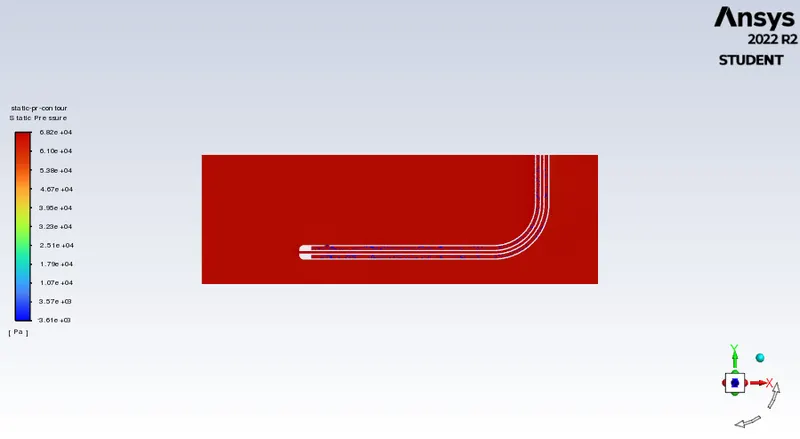
Static pr=62959.912pa
total pr=64902.988 pa
Result:
FLUENT's Terminology on left side of equal sign not to be confused with scientifically accurate terminology!
static pressure = Static Pressure [abs zero ref] - Operating Pressure
Absolute Pressure = Static Pressure [abs zero ref]
dynamic pressure = dynamic pressure (no change)
total pressure = static pressure + dynamic pressure
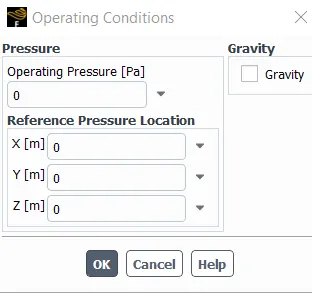
Assuming 0 gauge pressure is atmospheric pressure (101325 Pa)
Static Pressure = Atmospheric Pressure+Gauge Pressure
Numerical solution:
`P_s`=static pr
`P_0`=stagnation pr/total pr
static pr at plane:
Static pr=603148.72 pa
total pr=637099.57 pa
velocity,
v=235.44 m/s
error=`(240-235.44)/240*100`=1.9%
case 2:
Numerical solution:
Static pr=33733.091 pa
total pr=38842.592pa
velocity,
v=91.33m/s
error=`(100-91.33)/100*100=`8.67%
case 3:
Numerical solution:
Static pr=62959.912pa
total pr=64902.988 pa
velocity,
v=56.323m/s
error=`(62-56.323)/62*100`=9.16%
Conclusion:pitot tube simluation performed successfully.