Week 3: Flow over a backward facing step
Aim:
The aim is to stimulate the flow of air over backward facing flow step.
Objectives:
- The case should be run with 3different mesh sizes.
- Post processing of the flow parameters.
BACKWARD FACING STEP:
Backward facing step (BFS) flow is one repersentative seperation flow model,which is of significance in both theoritical and engineerign devliopement.Various applications for BFS flow can be found in our daily life such as the air foils at large attack angle ,the spoilers flow ,seperation flow behind the vehicles,inlet tunnel flow of engine or inside a condensor or combustor.and also the flow around a boat or a building .It is a basic model that involves the most important features of a seperated flow ,free shear flow seperation,vortex evolution and reattachement.as it is well known that the flow sperationt near the BFS will possibly leads to additional flow resistance and noise,and under critical even for stalling of an aircraft.in addition of some other application such as mixing chambers or combustors.Backward facing step flow has also been partially discused in general previous studies of flow separtion dynamics.
BACKWARD FACING STEP FLOW [CASE1]:
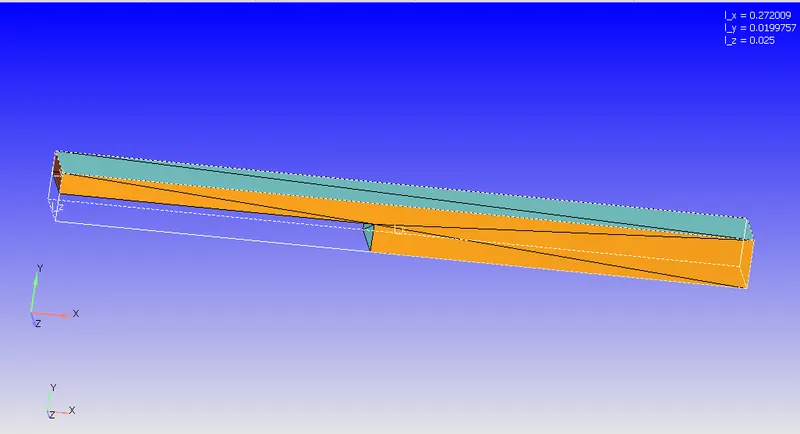
Geomentry:
Meshing
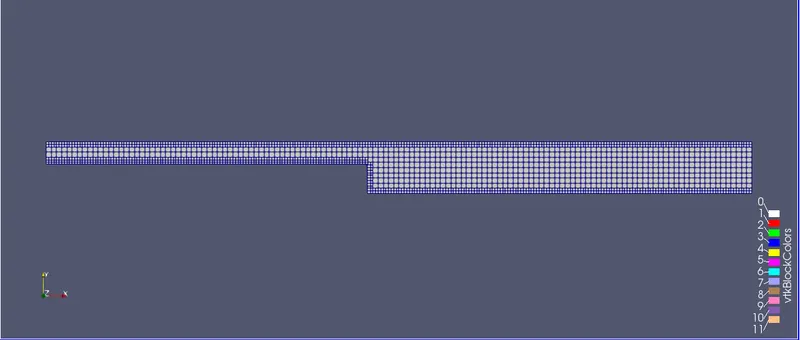
Now for the mesh we have taken the mesh size of
- dx =2e-3m
- dy =2e-3m
- dz =2e-3m
Boundary condition:
inlet boundary
- inflow boundary
- pressure =110325pa
- mixture =air
Outlet boundary
- outflow boundary
- pressure=101325pa
- mixture=air
Top and bottom walls
- wall boundary
- temperature=300k
- velocity=stationary
- temperature-law of wall
- turbulent kinetic energy-zero normal gradient
- turbulent dissipation-wall model
Results
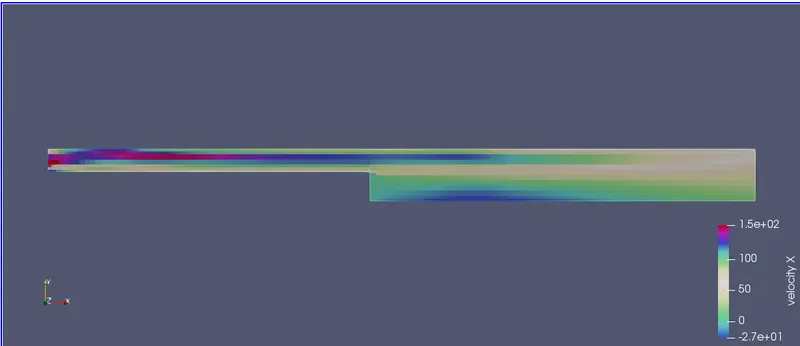
Velocity contour
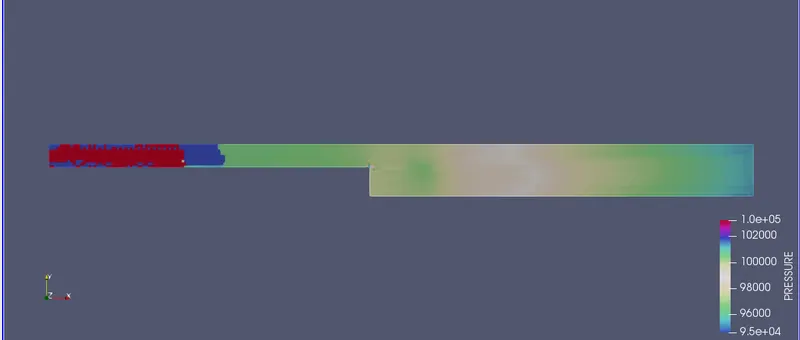
Pressure contour
Masss floe rate vs cycles
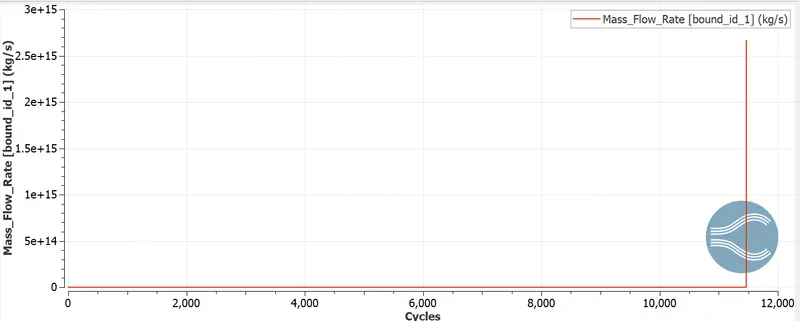
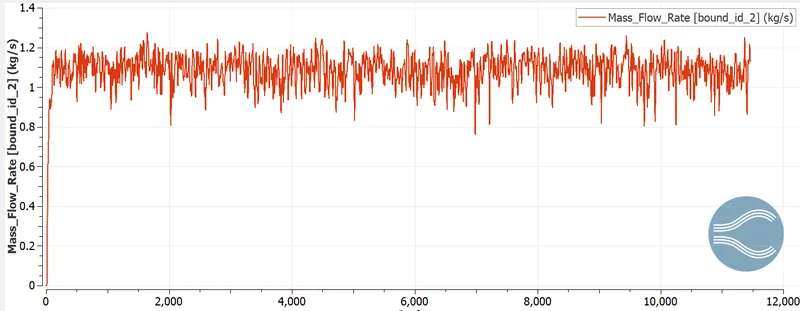
As the air enters the domain there is mass flow rate of 1.2 kg/s.When the air enters there is a negative sign,when the flow of direction is opposite to the normal.The opposite signs alomost cancel each other to say that the mass has been conserved.
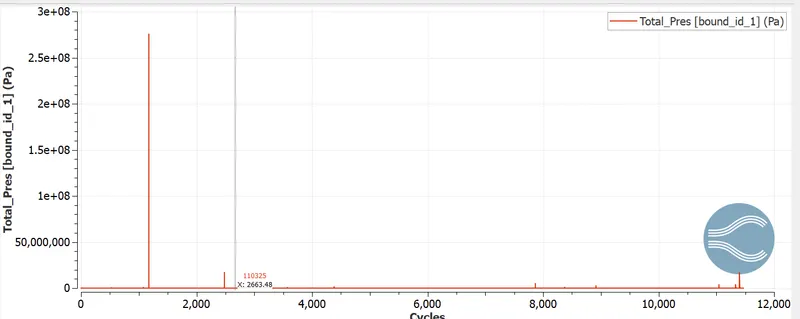
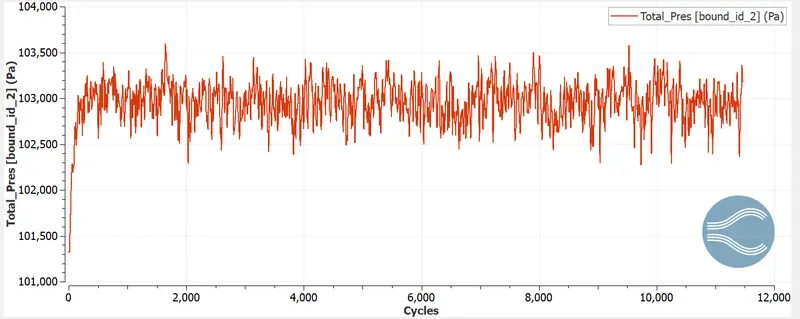
Pressure vs cycles
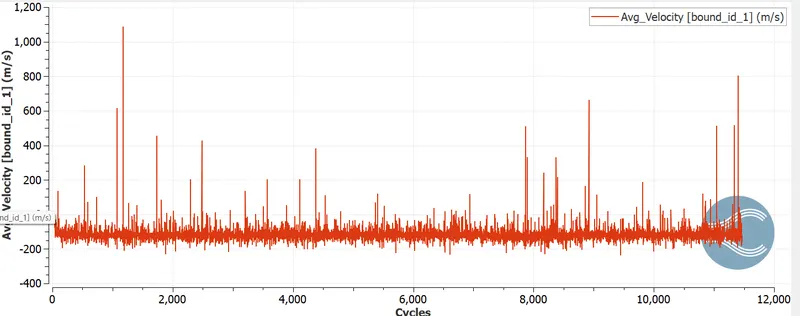
Velocity vs cycles
 +
+
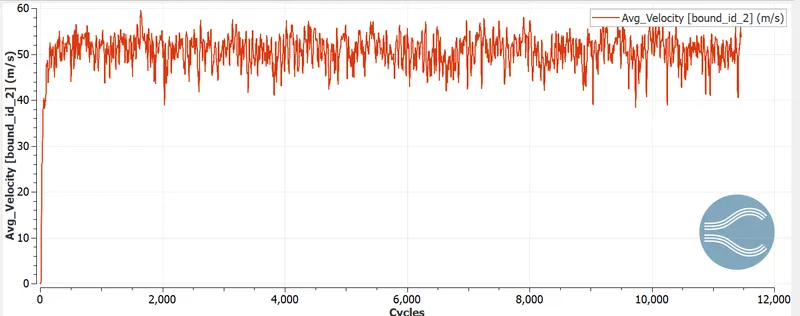
Inlet velocity approaches a value of -200 m/s,whereas outlet velocity takes a value of 60 m/s.The opposite sign gives a clear indication that the momentum has been conserved.
Cell count
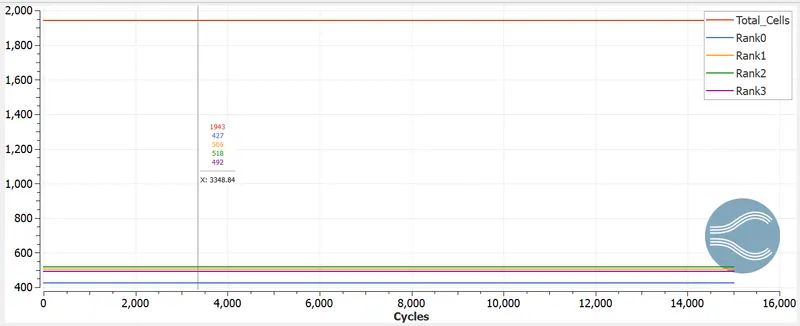
The cell count goes somewhere to 1943.
BACKWARD FACING STEP FLOW[CASE 2]
Meshing:
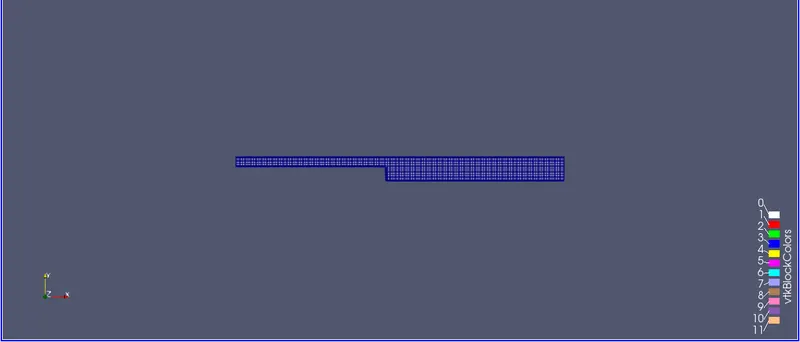
Now for the mesh we have taken the mesh size of
- dx=1.5e-3m
- dy=1.5e-3m
- dz=1.5e-3m.
Boundary conditions
Inlet boundary
- Inflow boundary
- pressure=110325pa
- mixture=air
Outlet boundary
- Outflow boundary
- pressure=101325pa
- mixture=air.
Top ande bottom walls
- Wall boundary
- teperature=300k
- velocity=stationary
- temperature=Law of wall
- turbulent kinetic energy=zero normal gradient
- turbulent dissipation=wall model.
Result
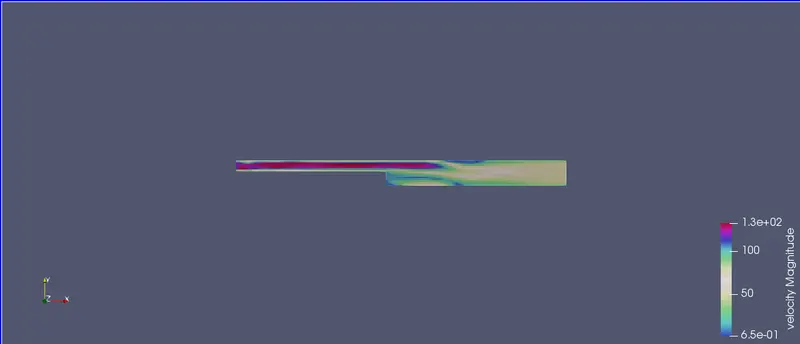
velocity contour
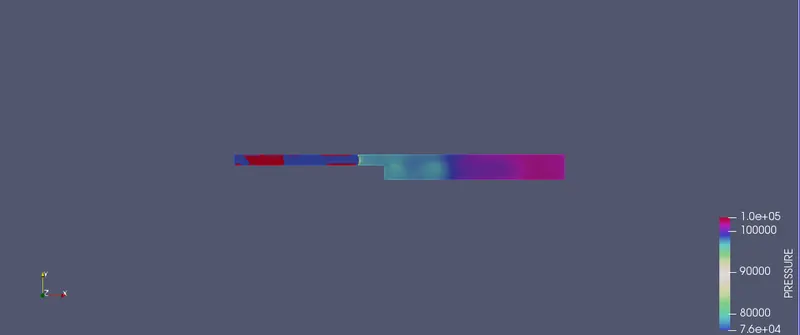
Pressure contour
Mass flow rate vs cycles
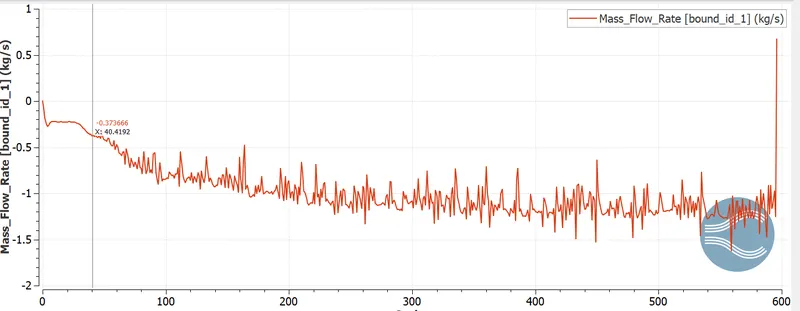
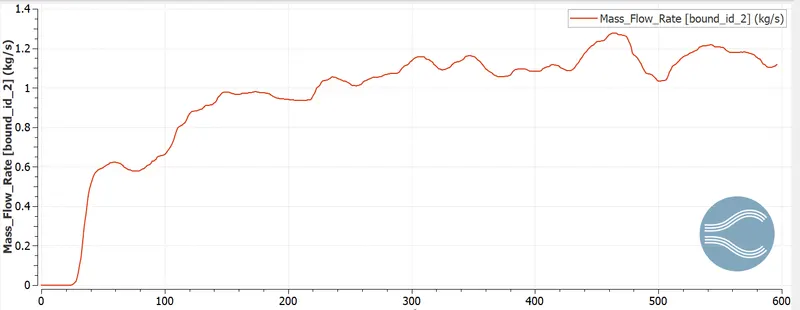
As the air enters the domain there is mass flow rate of 1.2kg/s.When the air enters there is a negative sign,when the flow od direction is opposite to normal.The opposite signs almost cancel each other to say that the mass has been conserved.
Pressure vs cycles
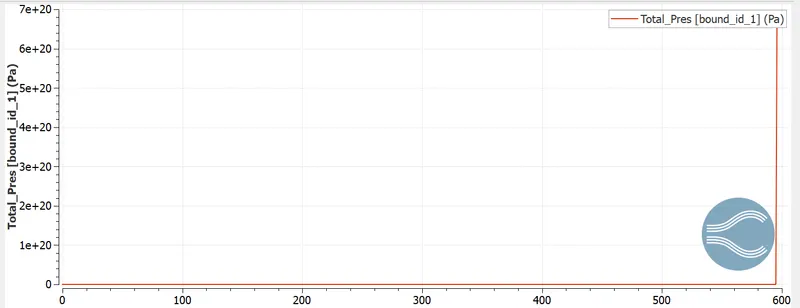
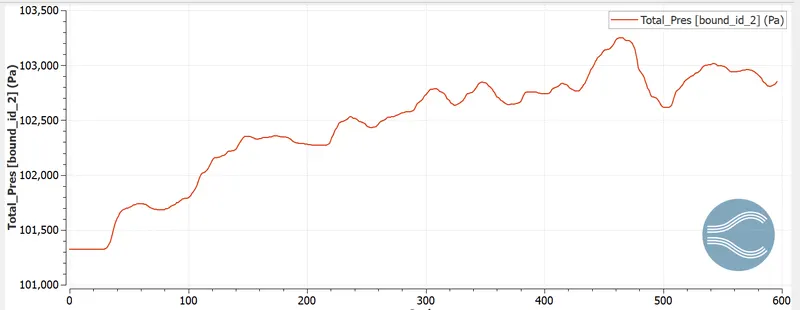
Velocity vs cycles
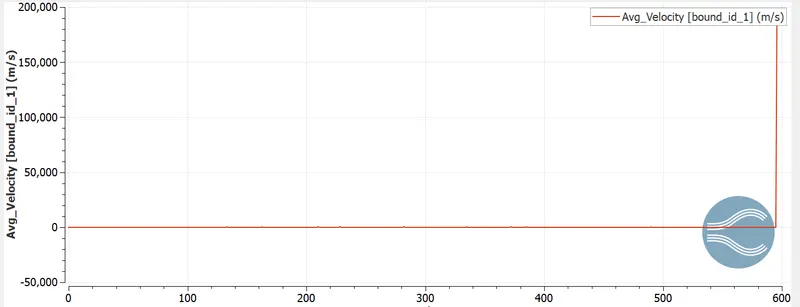
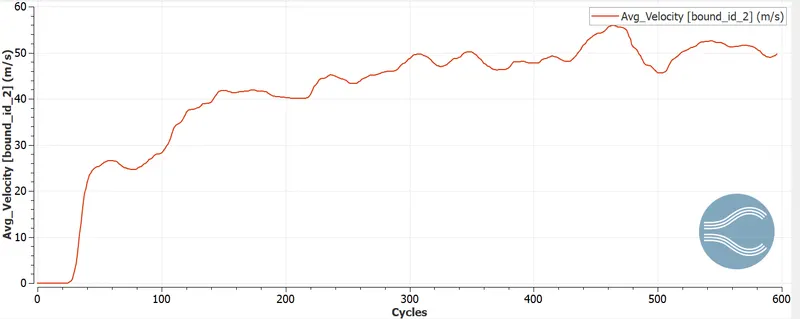
Inlet velocity approaches a value of -200 m/s,whereas outlet velocity takes a value of 60 m/s.The opposite sign gives a clear indication that the momentum has been conserved.
Cell counts
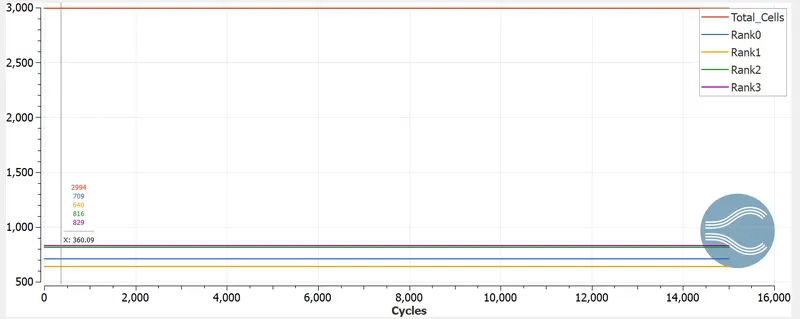
The cell count goes to somwhere around 2994 cells.
BACKWARD FACING STEP FLOW [CASE3]
Meshing
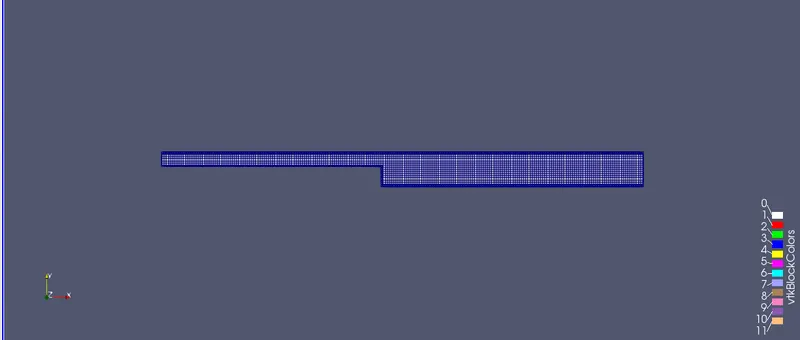
Now the mesh we have taken the mesh size of
- dx=1.2e-3m
- dy=1.2e-3m
- dz=1.2e-3m
Boundary conditions
Inlet boundary
- inflow boundary
- pressure=110325pa
- mixture=air
Oulet boundary
- outflow boundary
- pressure=101325pa
- mixture=air
Top and bottom wall boundary
- Wall boundary
- teperature=300k
- velocity=stationary
- temperature=Law of wall
- turbulent kinetic energy=zero normal gradient
- turbulent dissipation=wall model.
Results
Velocity contour
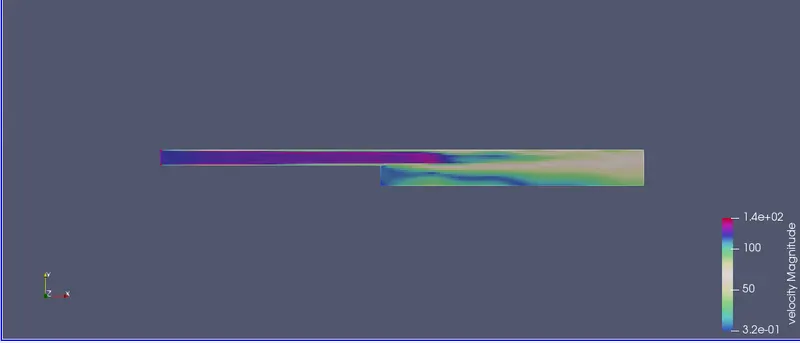
Pressure contour
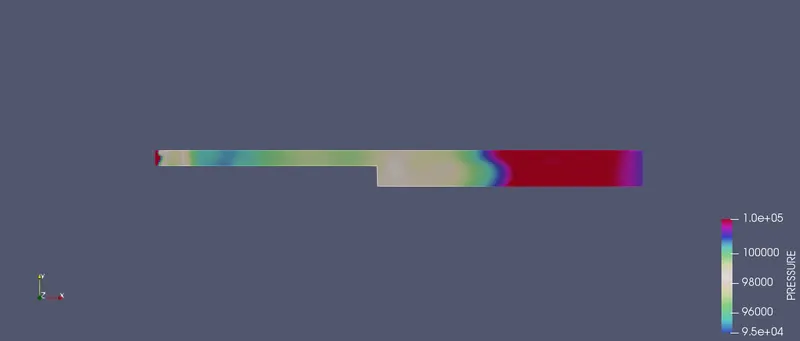
Mass flow rate vs cycles
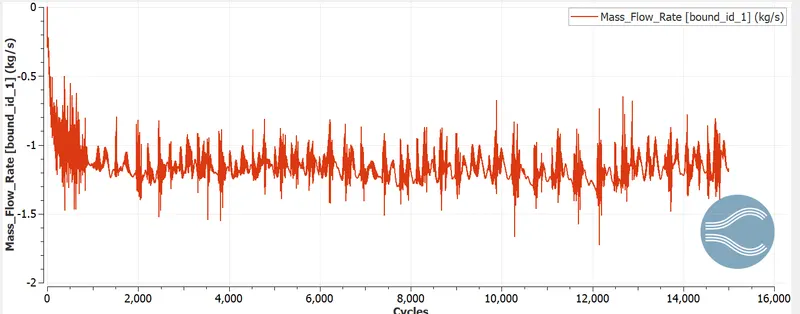
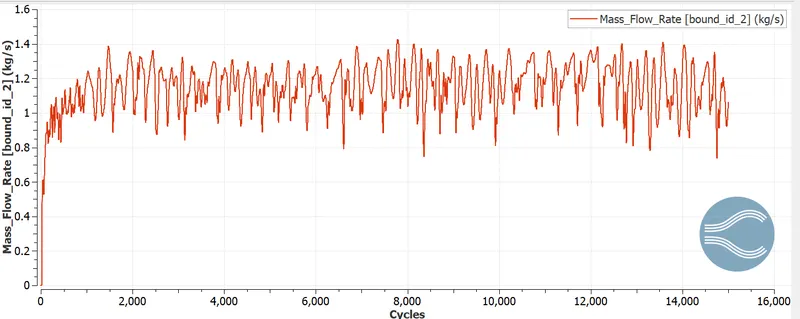
As the air enters the domain there is mass flow rate of 1.2kg/s.When the air enters there is a negative sign,when the flow od direction is opposite to normal.The opposite signs almost cancel each other to say that the mass has been conserved.
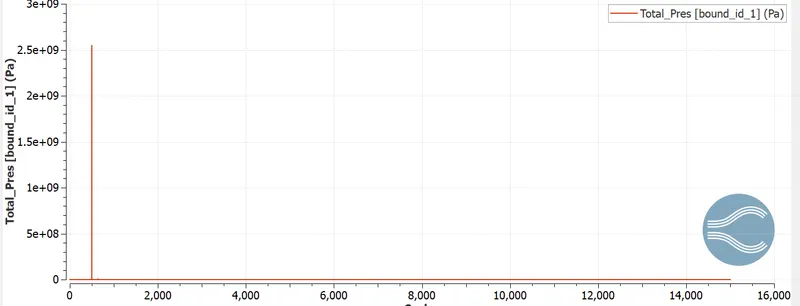
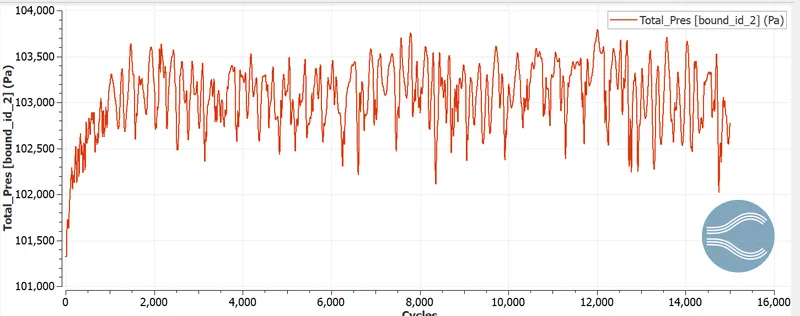
Pressure vs cycles
Velocity vs cycles
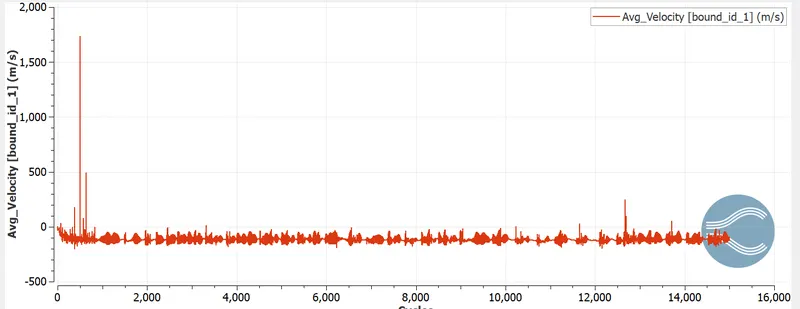
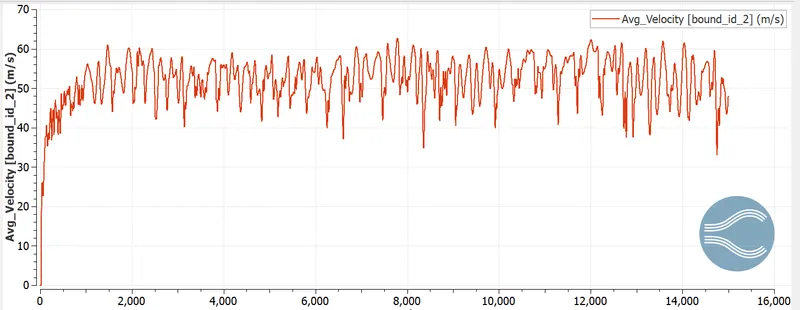
Inlet velocity approaches a value of -200 m/s,whereas outlet velocity takes a value of 60 m/s.The opposite sign gives a clear indication that the momentum has been conserved.
Cell counts
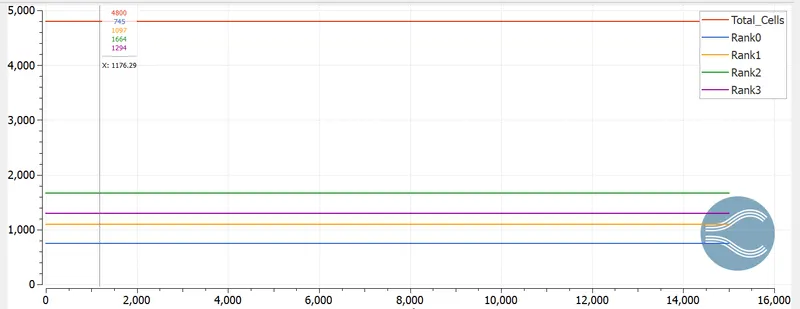
The cell count goes to somwhere around 4800 cells.
Velocity and pressure animation links
Pressure animation
Velocity animation
Conclusion
- Simulation was run with 3 different mesh sizes
- Flow variables were plotted against the number of cycles.
- Contour plots gives us the distribution of the flow variables.