Week 3 - External flow simulation over an Ahmed body.
AIM:Run the simulation for the velocity of 25 m/sec with the default air properties in fluent.
For this challenge, you will have to provide answers to the following questions:
Q1. Describe Ahmed's body and its importance.
Q2. Explain the reason for the negative pressure in the wake region.
Q3. Explain the significance of the point of separation.
Expected Results:
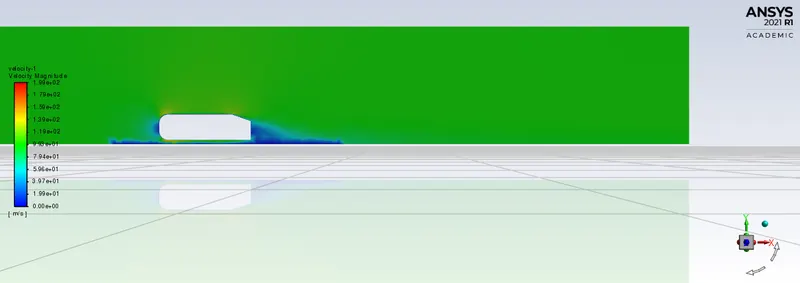
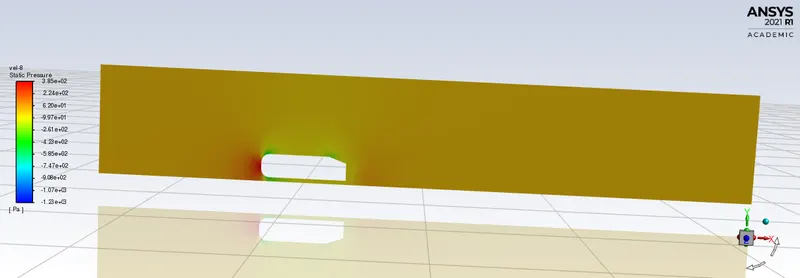
1. Velocity and pressure contours.
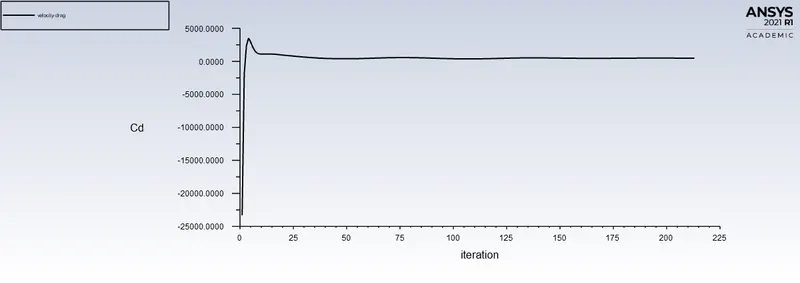
2. The drag coefficient plot for a refined case. ( For velocity of 25m/sec, the drag coefficient should be around 0.33).
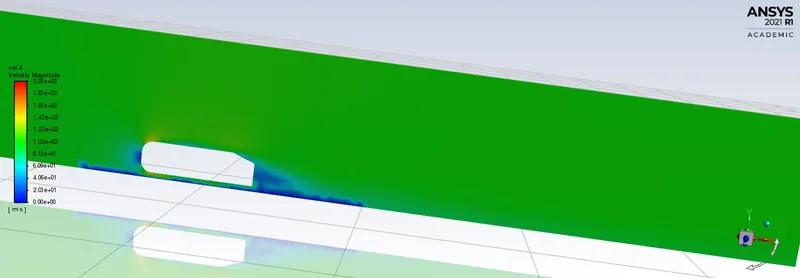
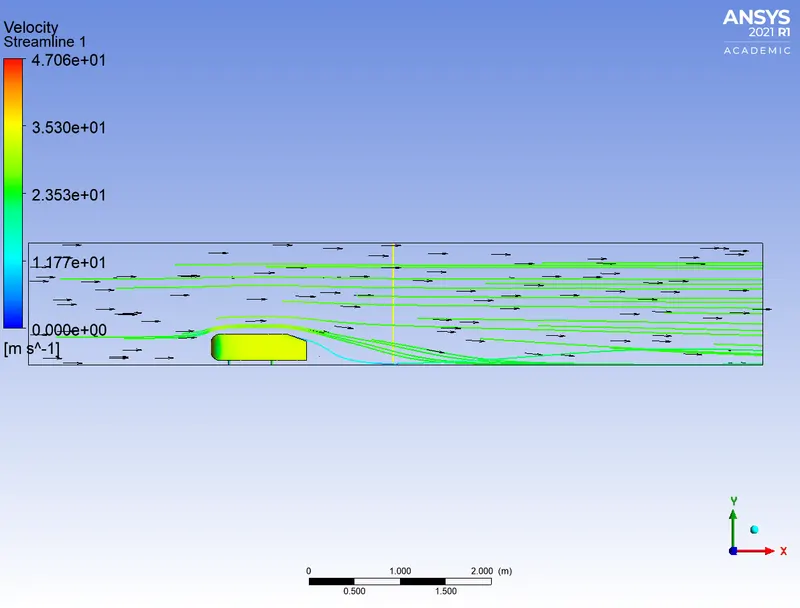
3. The vector plot clearly showing the wake region.
4. Perform the grid independency test and provide the values of drag and lift with each case.
AHEMED BODY:
The Ahmed body is a generic car body (a simplified vehicle model). The airflow around the Ahmed body captures the essential flow features around an automobile and was first defined and characterized in the experimental work of Ahmed. Although it has a very simple shape, Ahmed body allows us to capture characteristic features that are relevant to bodies in the automobile industry.
This model is also used to describe the turbulent flow field around a car-like geometry. Once the numerical model in validated, it is used to design new models of the car.
IMPORTANTANCE:
ANSYS is a general purpose FEA and CFD simulation software. It gives numerical prediction of the behavior of a system. These numerical predictions need to be validated by experimental data.
People working in vehicle aerodynamics use Ahmed body to validate their numerical model because the experimental data from wind tunnel testing is available for Ahmed body. Once the numerical model in validated, it is used to design new models of the car.
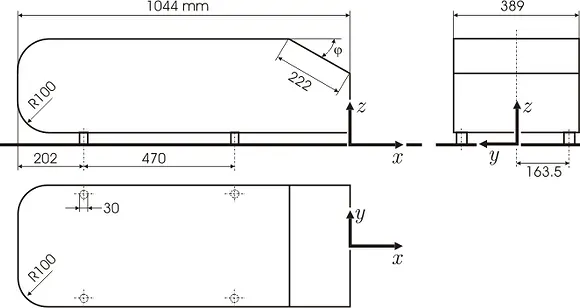
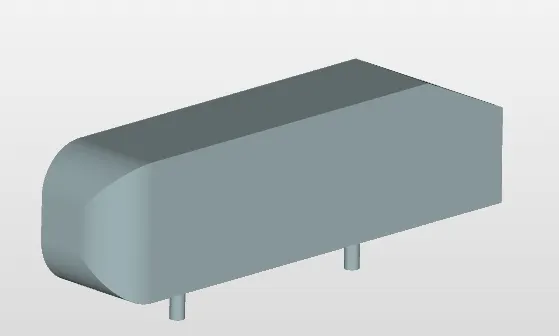
When the air moving over the vehicle is separated at the rear end, it leaves a large low pressure turbulent region behind the vehicle known as the wake. This wake contributes to the formation of pressure drag, which is eventually reduces the vehicle performance.
In general it is considered that when air is removed from a region then vacuum is generated in that region. If the particles in wake still striking(colliding) with some momentum on the rear face of vehicle then they are actually pushing the vehicle forward but why the force is considered to be opposing the motion (for example if the vehicle is moving along -ve X-axis then force in the wake is considered to be acting along +ve X-axis.
this mean that the wake region has less number of flow particles in it and momentum transferred by the particles is less than the negative pressure force.
SIGNIFICANCE OF THE POINT OF SEPERATION:
The separation point is the point where the air stops "sticking" to an object that is moving through the air. When an object is moving through the air, the air molecules push back on it and resist the object's movement - this resistance is called pressure drag. As the air flows around the object, it "sticks" to the object, forming what is known as the boundary layer. This "attached flow" is flowing very slowly. The point on the body where the boundary layer lifts off the surface is called the separation point. When the air flow separates off the surface, the pressure drag usually increases.
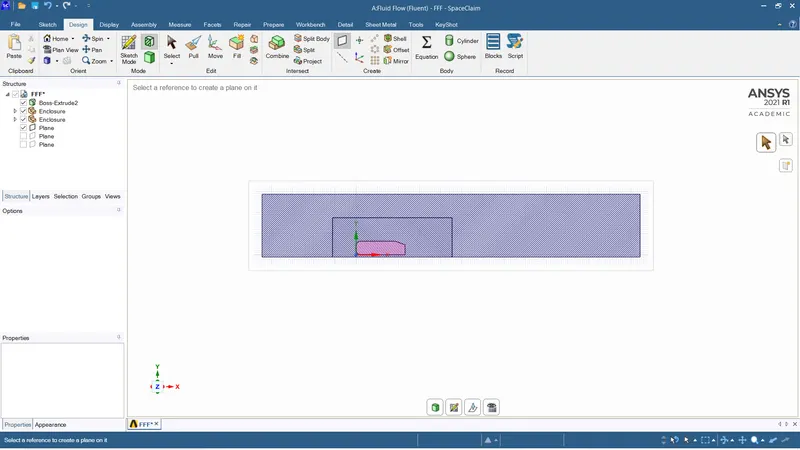
GEOMENTRY:
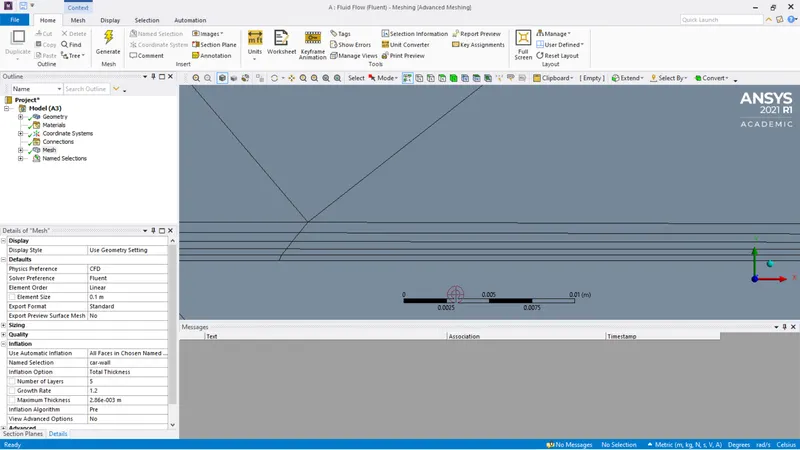
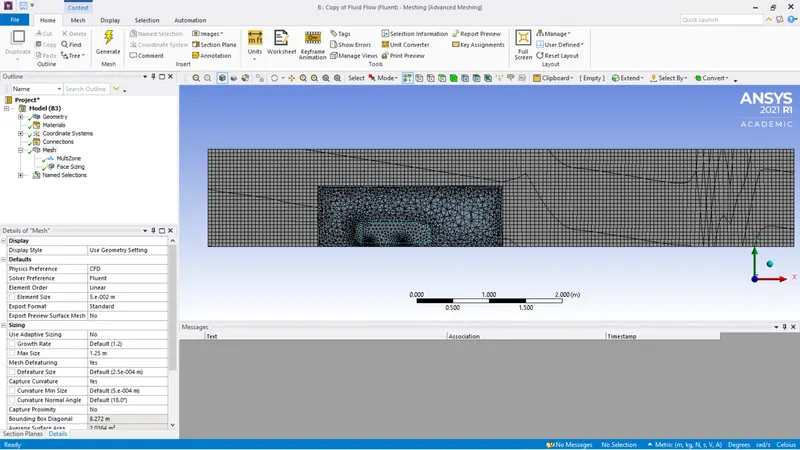
MESHING:
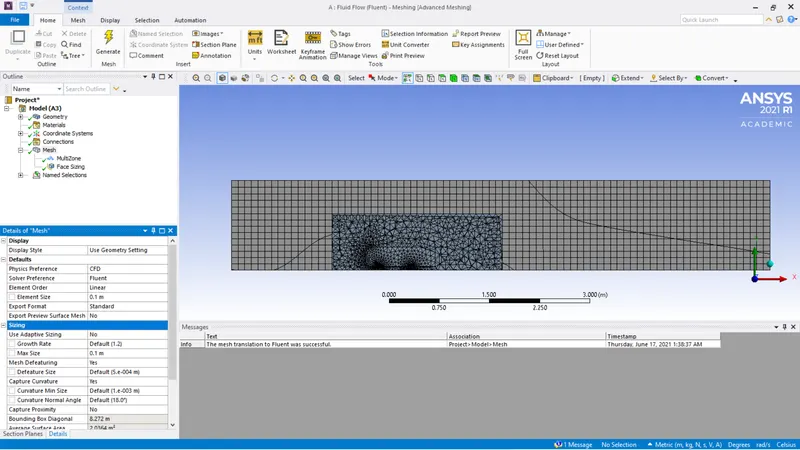
The meshing has been done wiht the element size of 0.1m .
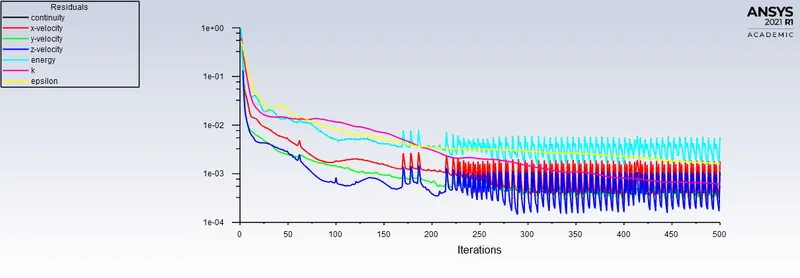
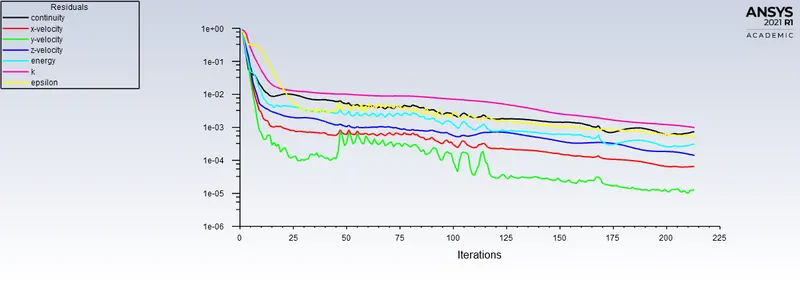
SCALE RESIDUALS:
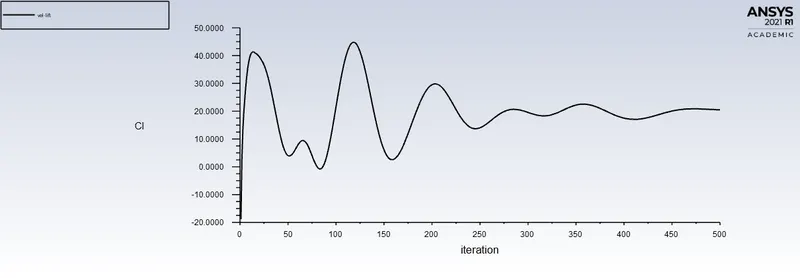
LIFT:
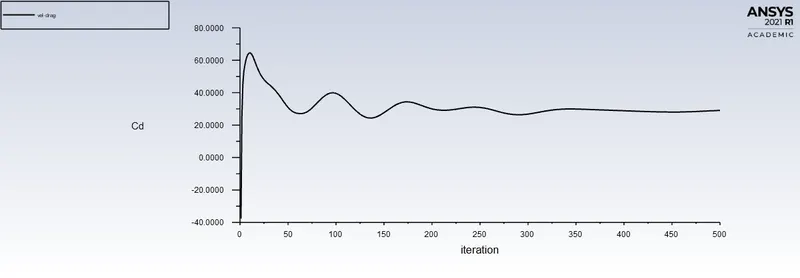
DRAG:
VELOCITY CONTOUR:
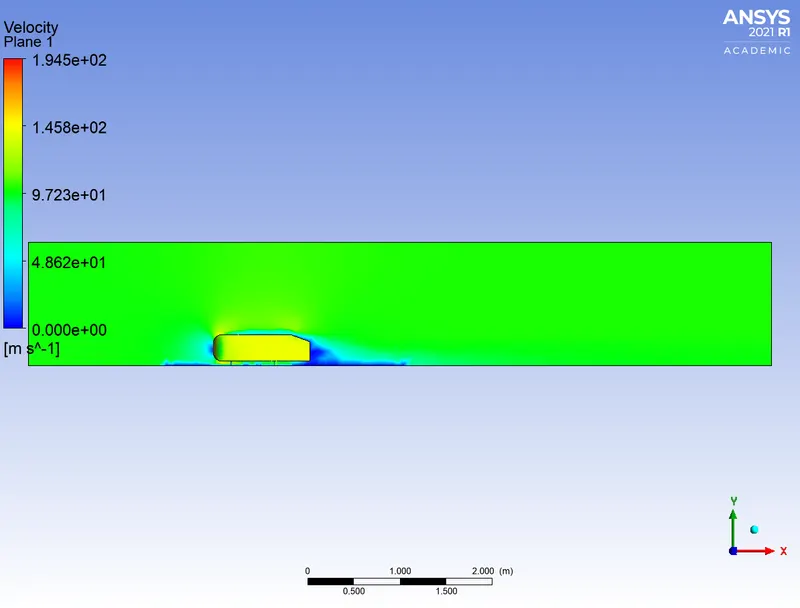
VELOCITY AND STREAM LINE:
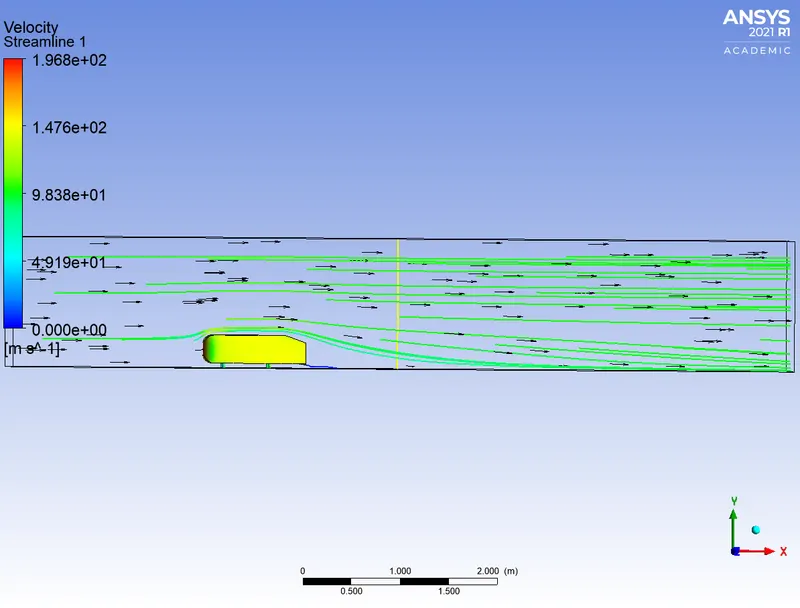
The mesh size of 0.05 .
SCALE RESIDUALS:
LIFT:
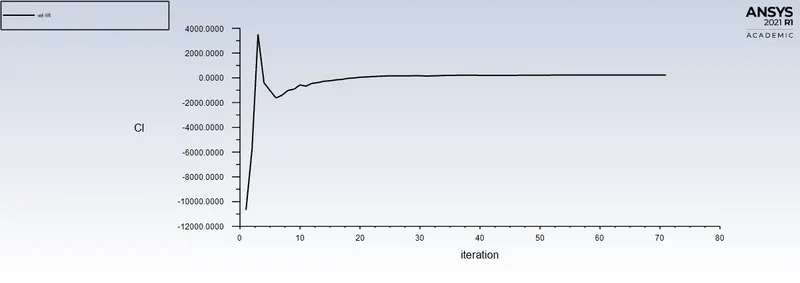
DRAG:
VELOCITY CONTOUR:
VELOCITY AND STREAM LINE:
The mesh size of 0.025 .
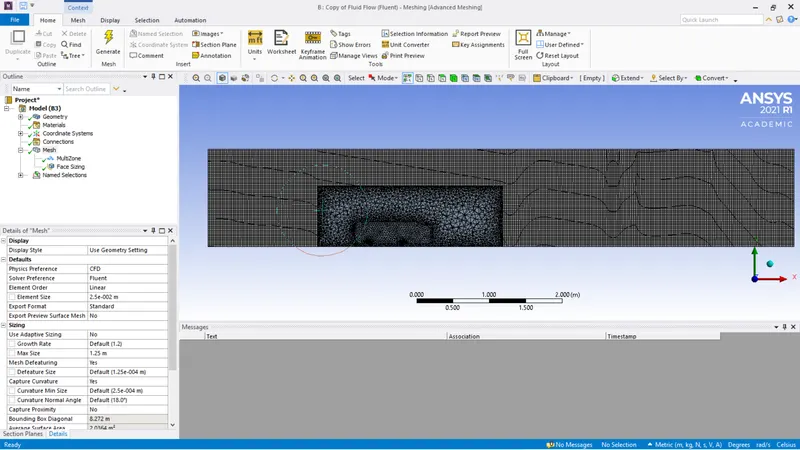
SCALE RESIDUALS:
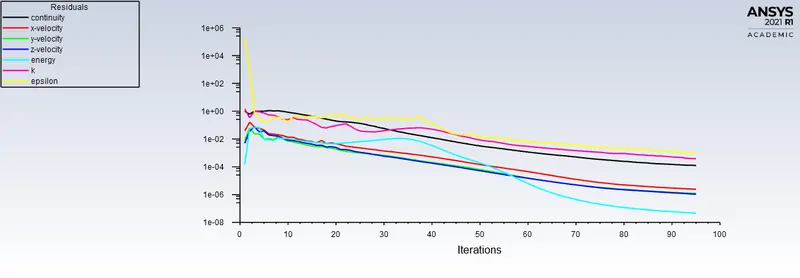
LIFT:
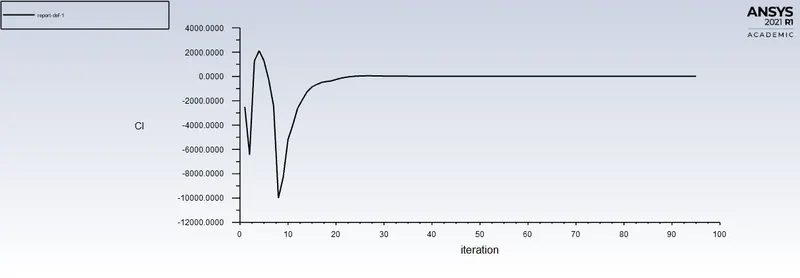
DRAG:
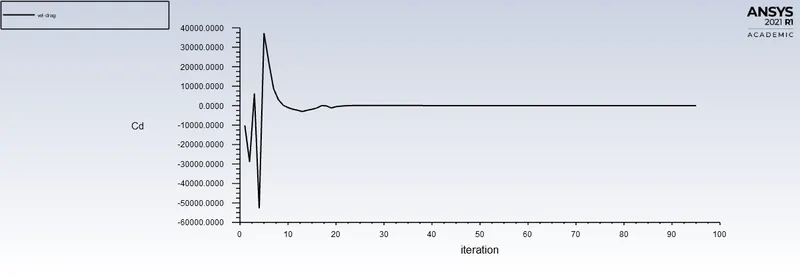
VELOCITY CONTOUR:
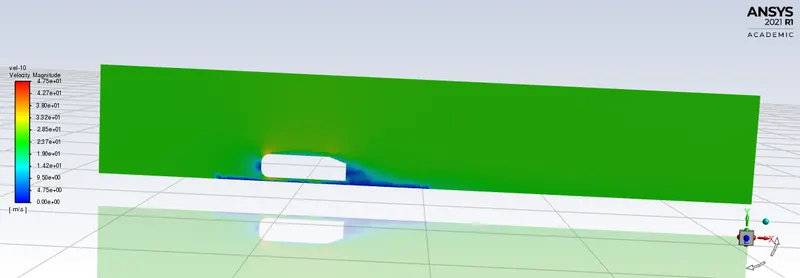
VELOCITY AND STREAM LINE:
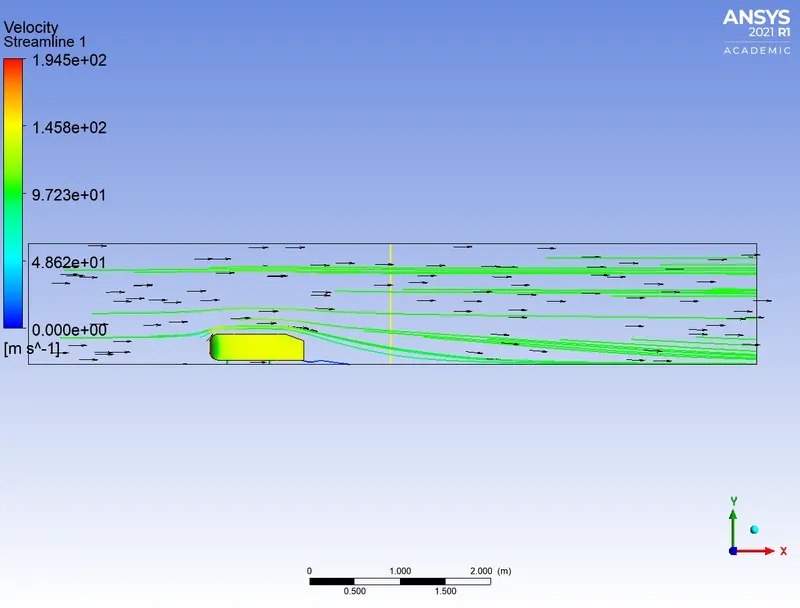
K-EPSILON CONDITION:
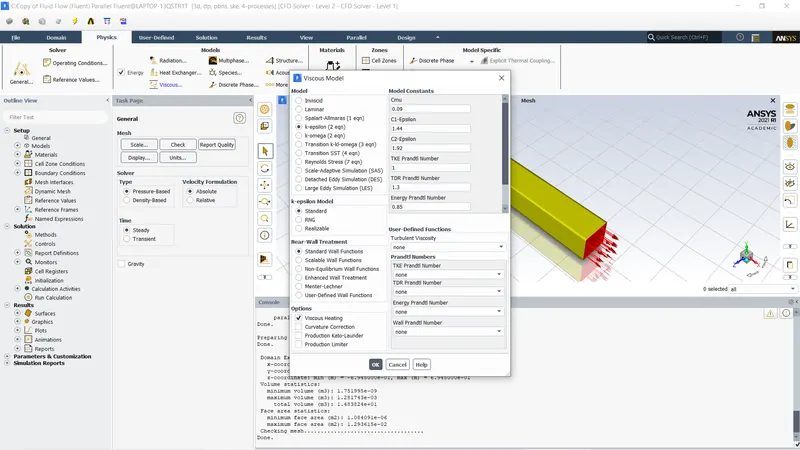
K-OMEGA CONDITION:
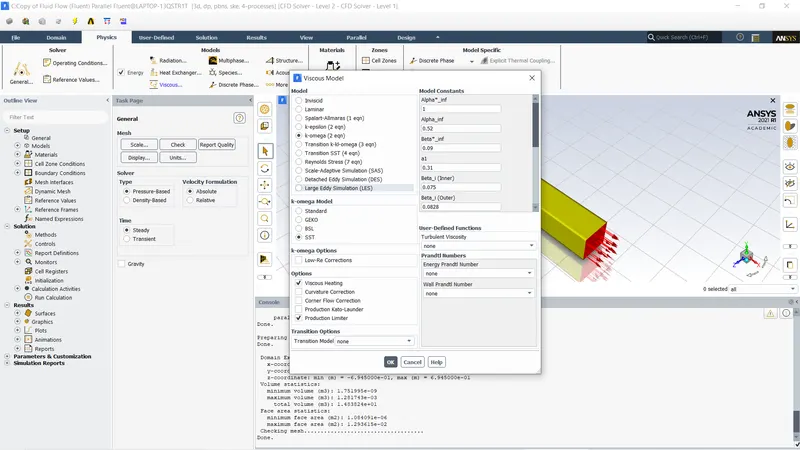
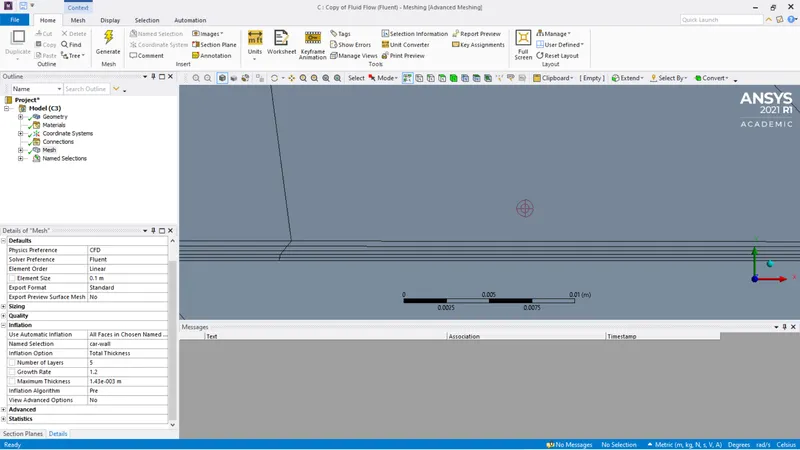
MESHING:
The meshing has been done wiht the element size of 0.1m .
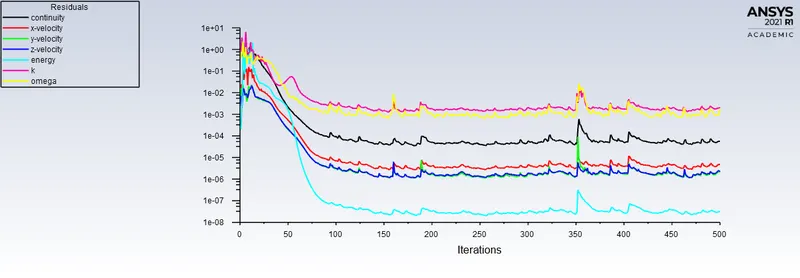
SCALE RESIDUALS:
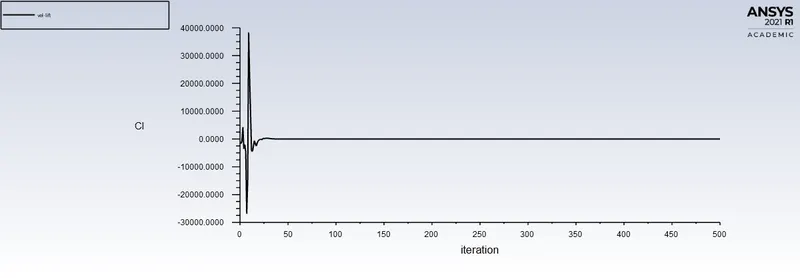
LIFT:
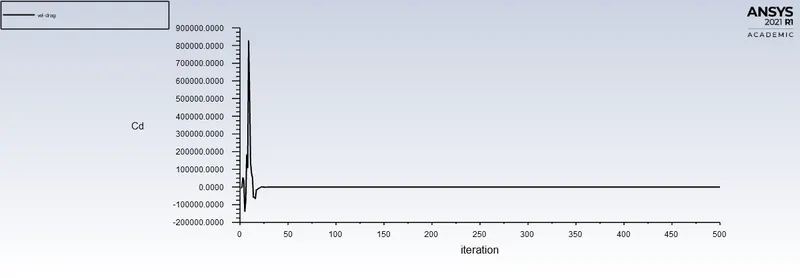
DRAG:
VELOCITY AND PRESSURE CONTOUR:
RESULT CHART:
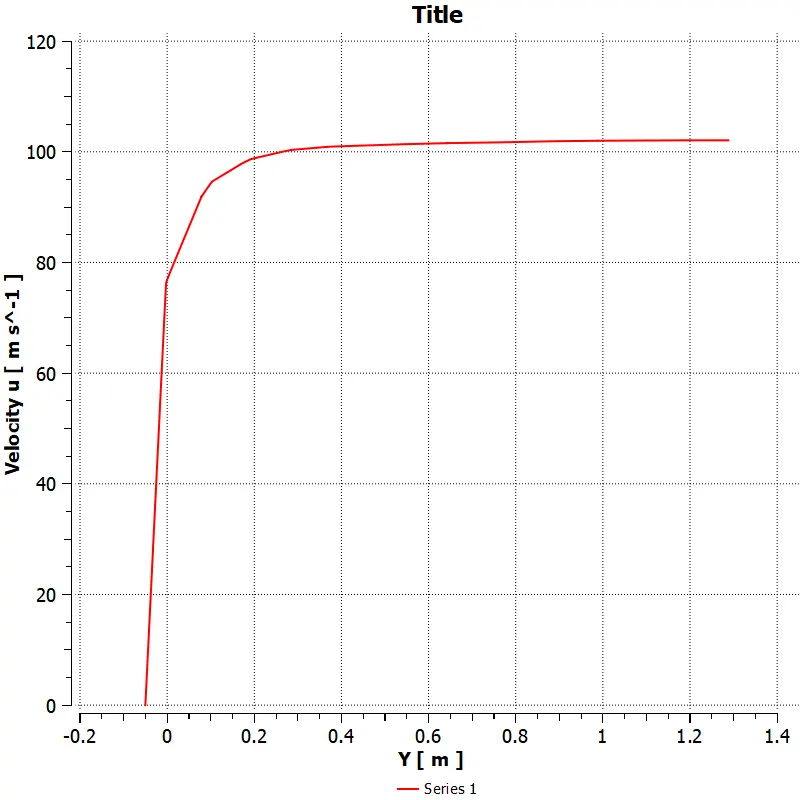
| GRID NUMBER | ELEMENT SIZE | CO.EFF of DRAG | CO.EFF of LIFT |
| 1 | 0.12 | 0.341 | 0.220 |
| 2 | 0.05 | 0.336 | 0.248 |
| 3 | 0.025 | 0.332 | 0.236 |
CONCLUSION:
By after performing numerous steady state simulation on the ahmed body with three meching conditions.
- As we refined the meshing, the results are more accurate and clearly showing the wake region behind the ahemed body.
- The negative pressure in the wake region with an increase in the velocity because the ahemed body is bluff body.
- The boundary seperation and recircling of the flow and also the effect of shear stress.
- The point of seperation is due to the turbulence in the region.