Week 3 - External flow simulation over an Ahmed body.
AIM: To simulate the geometry of Ahmed body using the 'split body' command in SpaceClaim to perform the operation and then you can use the symmetry boundary condition in fluent to perform the simulation.
OBJECTIVES:
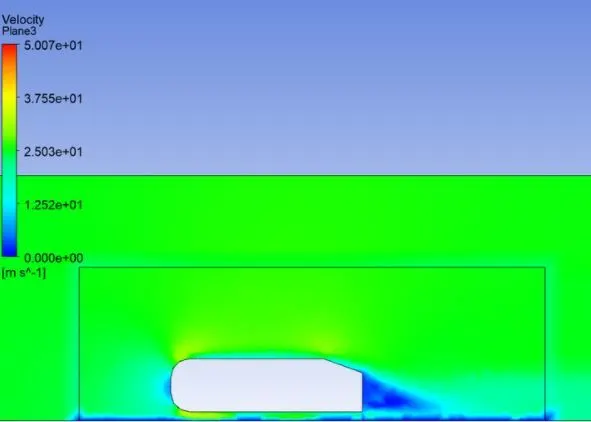
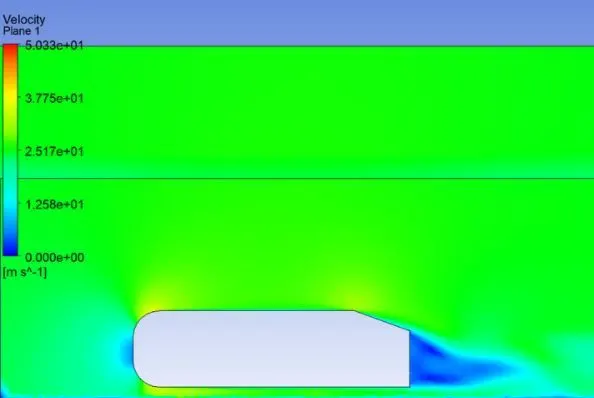
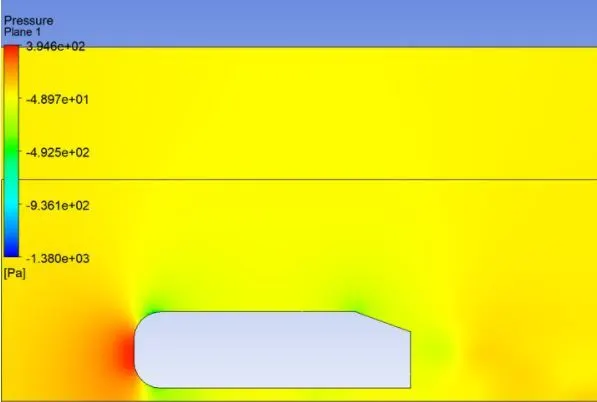
1. Velocity and pressure contours.
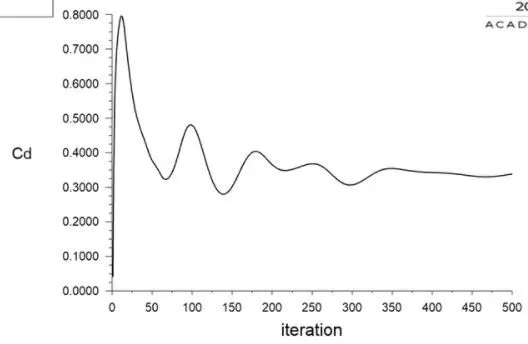
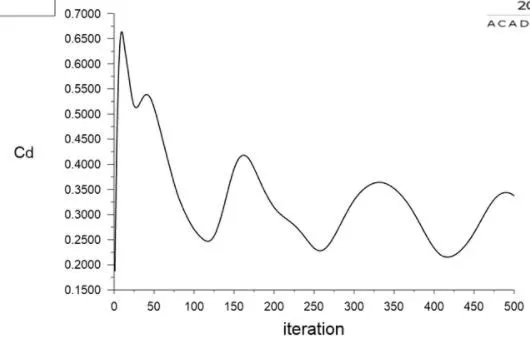
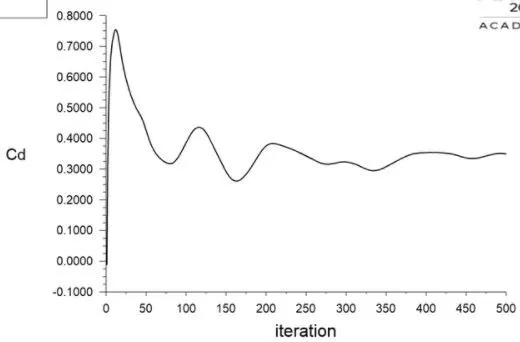
2. The drag coefficient plot for a refined case. ( For velocity of 25m/sec, the drag coefficient should be around 0.33).
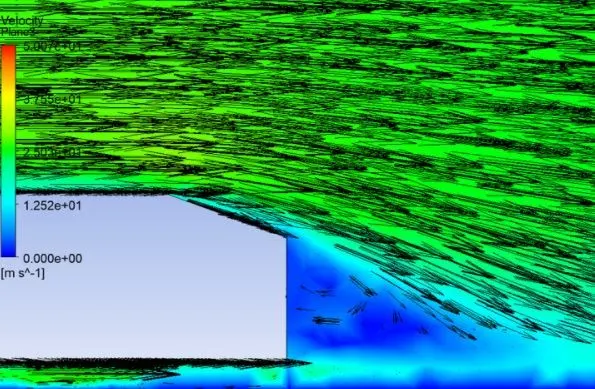
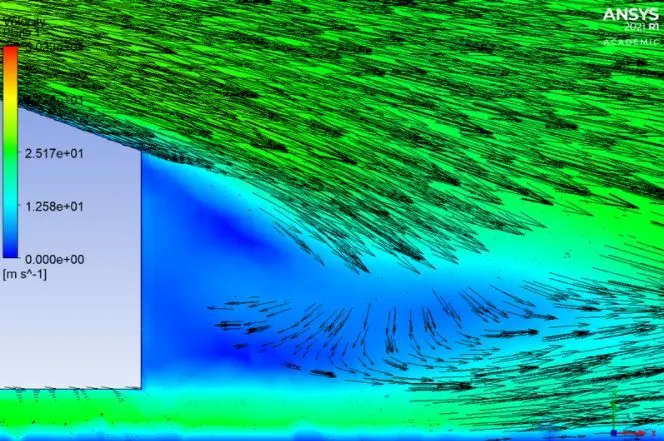
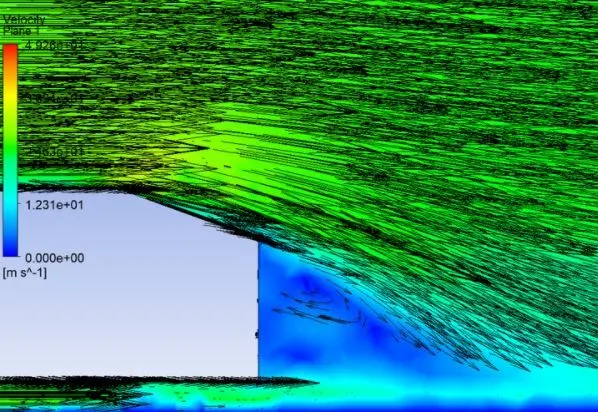
3. The vector plot clearly showing the wake region.
4. Perform the grid independency test and provide the values of drag and lift with each case.
5. Describe Ahmed's body and its importance.
6. Explain the reason for the negative pressure in the wake region.
7. Explain the significance of the point of separation.
THEORY AND EXPLANTION:
AHMED BODY: The Ahmed body is a geometric shape first proposed by S. R. Ahmed and Ramm in 1984. The shape provides a model to study geometric effects on the wakes of ground vehicles (like cars). It is used to validate the CFD solvers. The results of airflow over this body were captured using the wind tunnel experiments and the CFD solver results are compared with these experimental results to find out the accuracy of the solver.
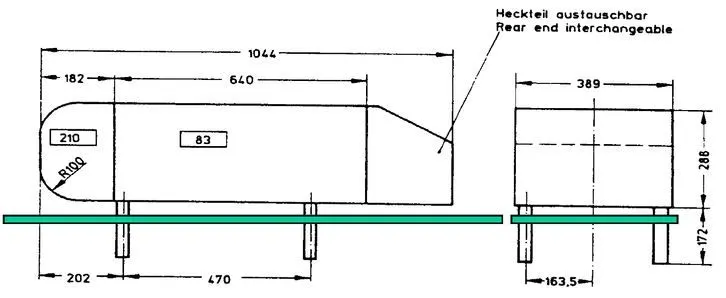
GEOMETRY MODEL:
This can be done by using an enclosure. After creating the enclosure, it is required to remove the body on which external flow simulation has to be carried out if we are not interested in the flow inside the body. The inlet will be from 2m ahead of the body and the outlet will be 5m from the body. The side distances from the body are 0.5m and bottom is zero. After completing the first enclosure it is important to have another enclosure to have better mesh resolution near the body.
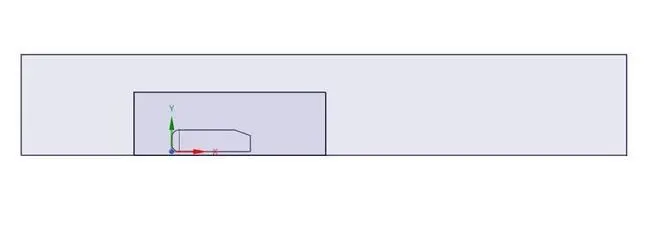
1. Naming the geometry as to inlet, outlet, car_wall, wall, and symmetry.
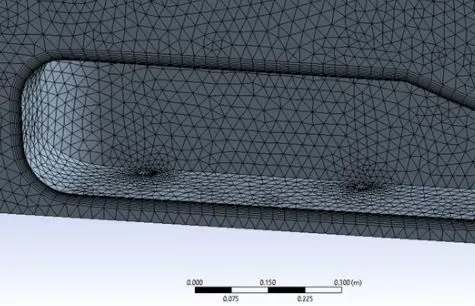
2. Then using the multi-zone method for the outer encloser.
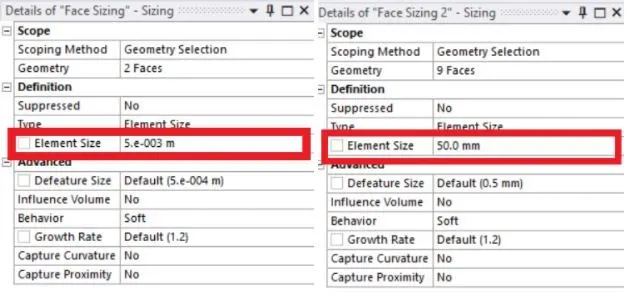
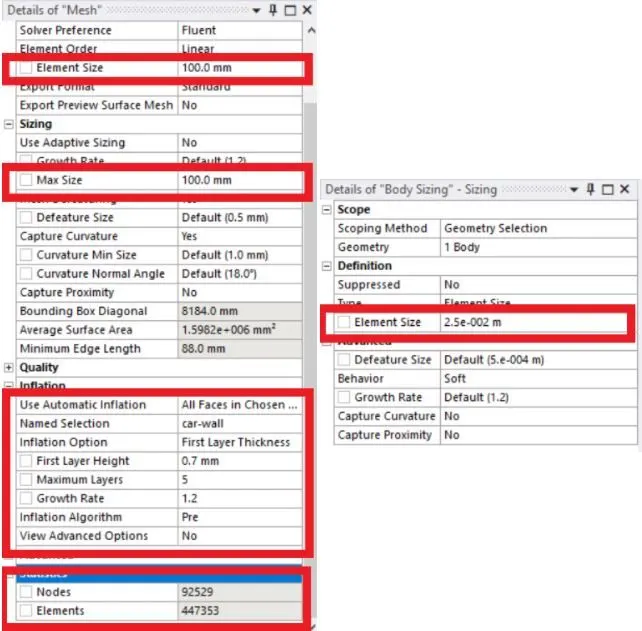
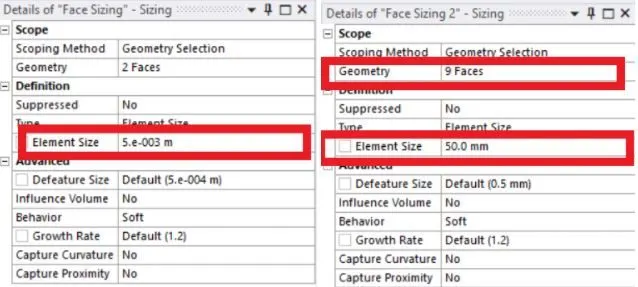
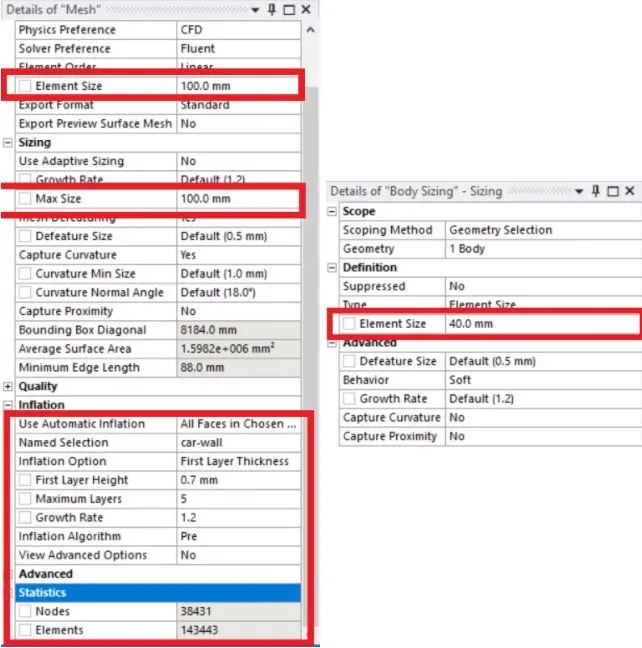
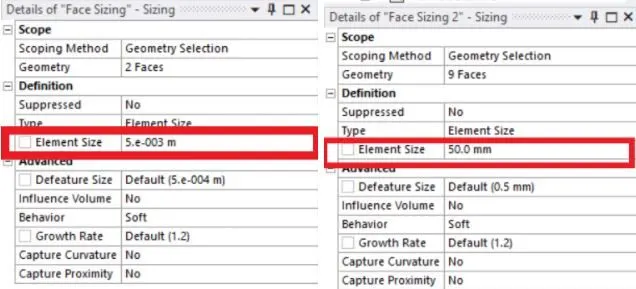
3. For the inner encloser use the body sizing of an element size of 0.05m.
4. Face sizing is used for the bottom circles in the car_wall with an element size of 0.025m.
5. The total element size of 0.1m and max size 0.1m.
6. Then the inflation for the car_wall using the total thickness with 5 layers and 1.2 growth rate and thickness being 0.012m.
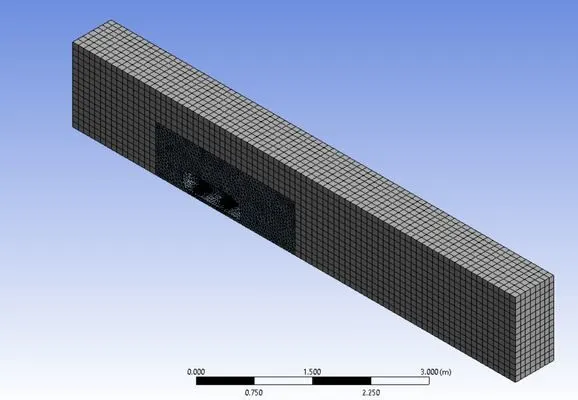
7. mesh grain is make using inflation method.
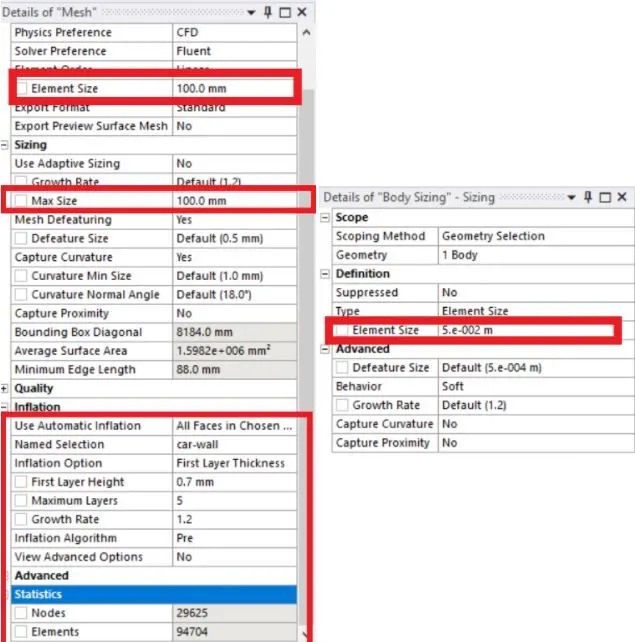
8. Models Used for each type of meshing:
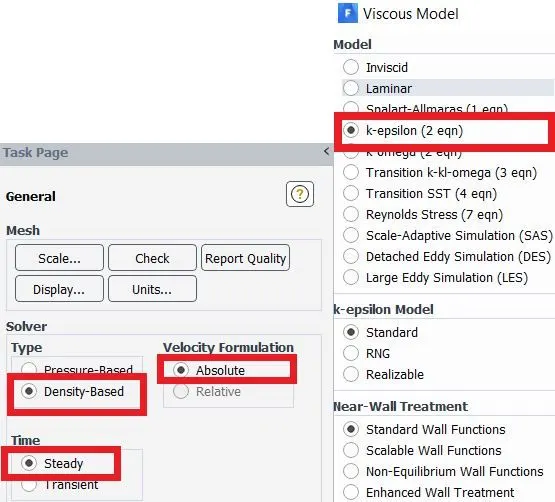
1. K-epsilon model with Non-Equilibrium Wall Function.
2. K-Omega SST Model.
RESULTS:
CASE1:
VELOCITY CONTOUR:
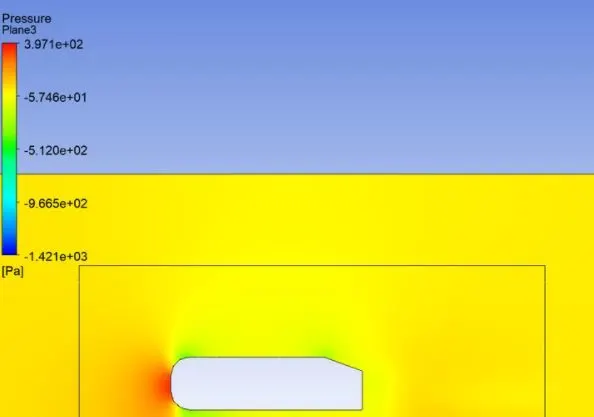
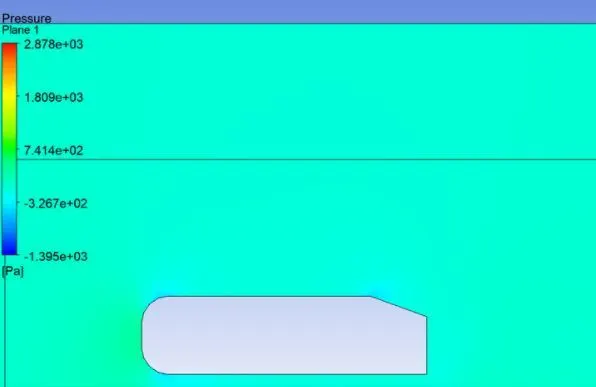
PRESSURE CONTOUR:
VECTOR PLOT FOR VELOCITY:
DRAG COEFFICIENT PLOT:
CASE2:
VELOCITY CONTOUR:
PRESSURE CONTOUR:
VECTOR PLOT FOR VELOCITY:
DRAG COEFFICIENT PLOT:
CASE3:
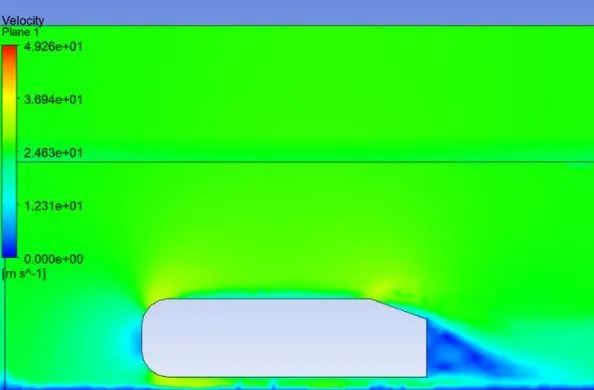
VELOCITY CONTOUR:
PRESSURE CONTOUR:
VECTOR FOR VELOCITY PLOT:
DRAG COEFFICIENT PLOT:
CONCLUSION:
Grid independence test:
|
Sl. No. |
Element size (Body Mesh) in m |
Total Elements |
Co-effient of lift |
Co-efficent of Drag Numerical |
Co-efficient of Drag Reference Value |
|
CASE 1 |
.05 |
94704 |
.225 |
.338 |
.33 |
|
CASE 2 |
.025 |
447353 |
.402 |
.340 |
.33 |
|
CASE 3 |
0.4 |
143443 |
.182 |
.348 |
.33 |
The numerical values obtained for Cd has <5% error.
- From the pressure contours , we can see that the maximum pressure is formed at the front of the Ahmed body , this is due tothe loss in kinetic energy brought about by rapid change in direction of the fluid . An adverse pressure gradient is created near the wake region due to flow seperation .This causes formation of vortices ,which creates a vaccum like effect. This difference in pressure is reason for Drag .
- Drag can be reduced by reducing the size of the wake region by increasing the slant angle , or using aerofoils . The main ideabehind this is to delay the point of flow seperation.
- The flow over Ahmed body generates 2 recirculation areas in the rear area:
- One due to flow seperation from top side.
- one due to flow seperation from bottom side.