Week 3 - External flow simulation over an Ahmed body.
The Ahmed body is a generic car model first proposed by Ahmed et al., (1984). All vehicles that moves close to the road surface can be termed as bluff bodies. The ahmed body able to capture the essential features of the flow which characterize modern cars. Its shape is simple enough to allow for accurate flow simualtion but still holds some important practical features of bluff vehicle bodies.
Geometry:
Since This body is Symmetric about XY plane, it can be splitted into two halves and simulation can be done for one half portion to robust the process. To achieve this Select Design ---> Plane and select the origin. By doing so, Three mutually perpendicular planes will be created passing through the origin.
A wind Tunnel has been created using enclosure tool in Spaceclaim. Two enclosures has been created with the dimensions of outer enclosure being 2m from the front of the ahmed body, the outlet is 5m from the back of the body. The height and width of the enclosure are 1m and 0.5m.
The two enclosures are checked for interference to avoid crossing of mesh over each other and Share topology has been selected to share nodes across the enclosures.
Suppress Physics has been selected for the ahmed body.
Then Select Preapre ---> Split by bodies and select entire body and then click cut option and select a plane that has normal in the z direction.
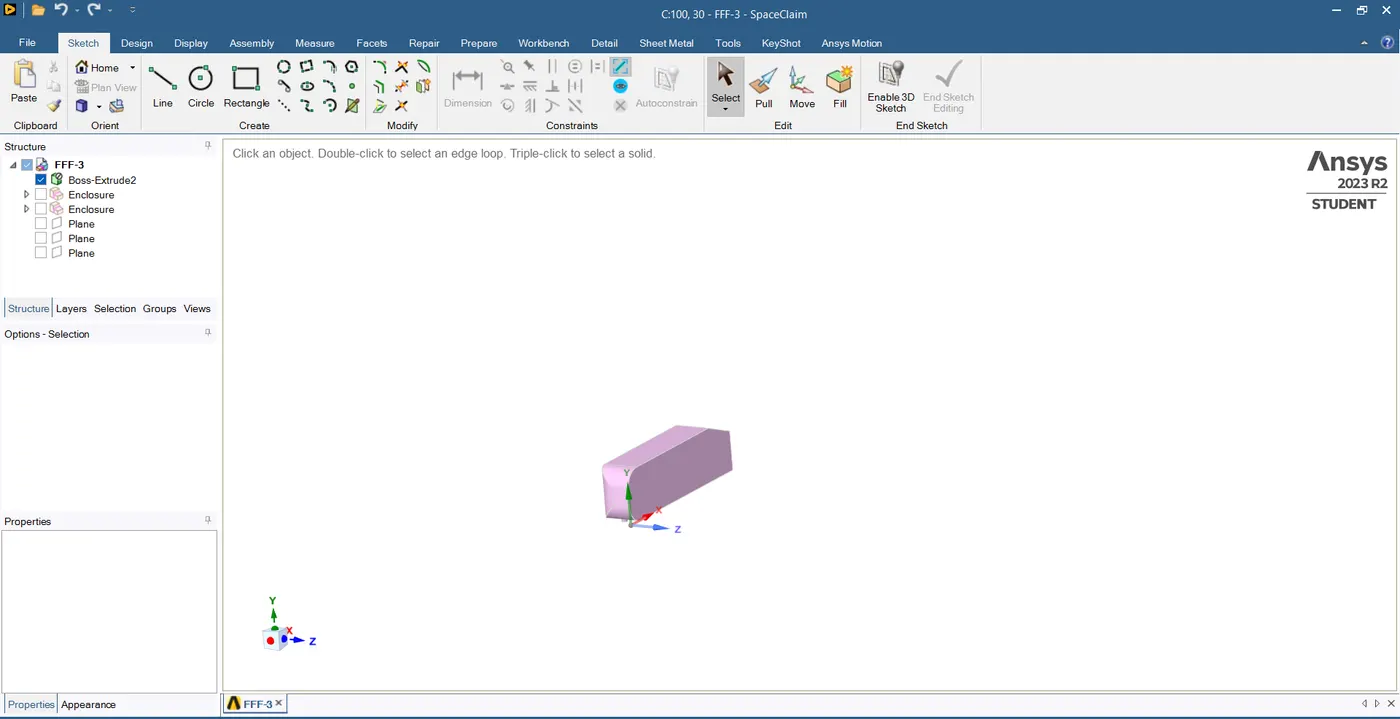
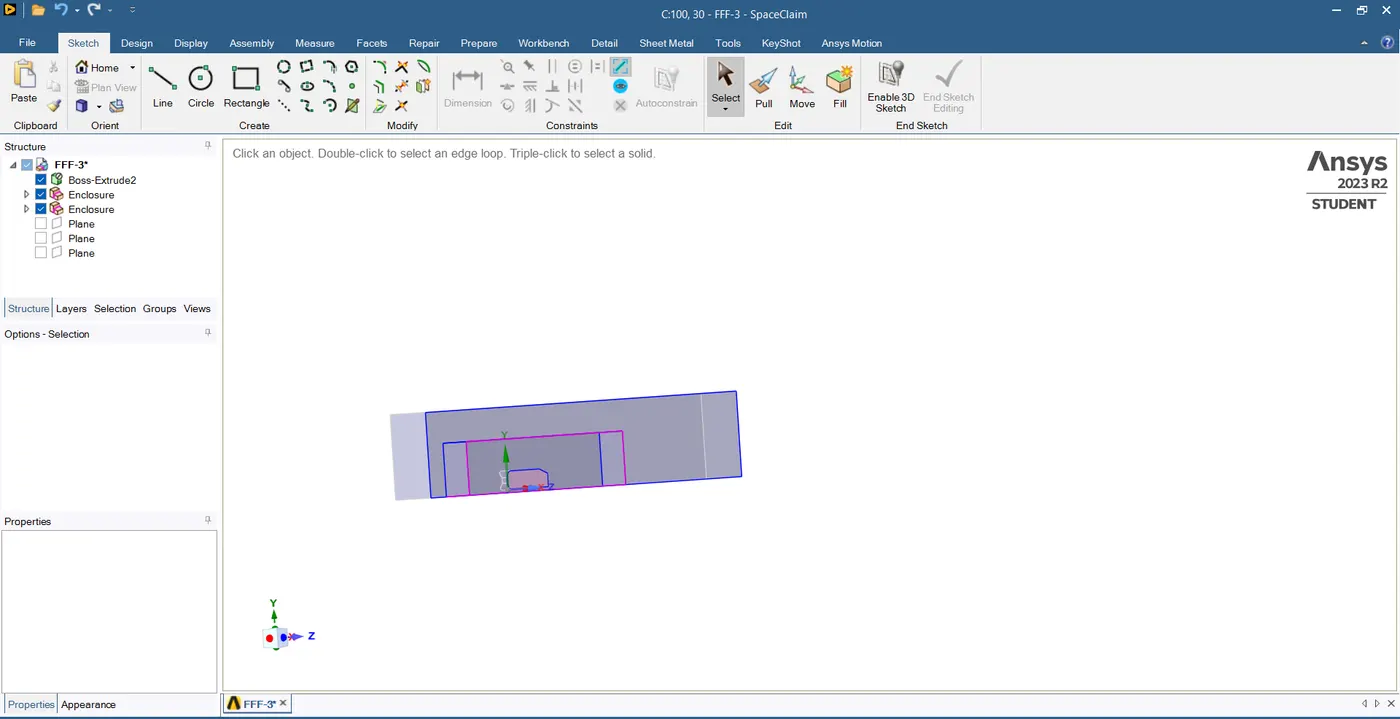
Meshing:
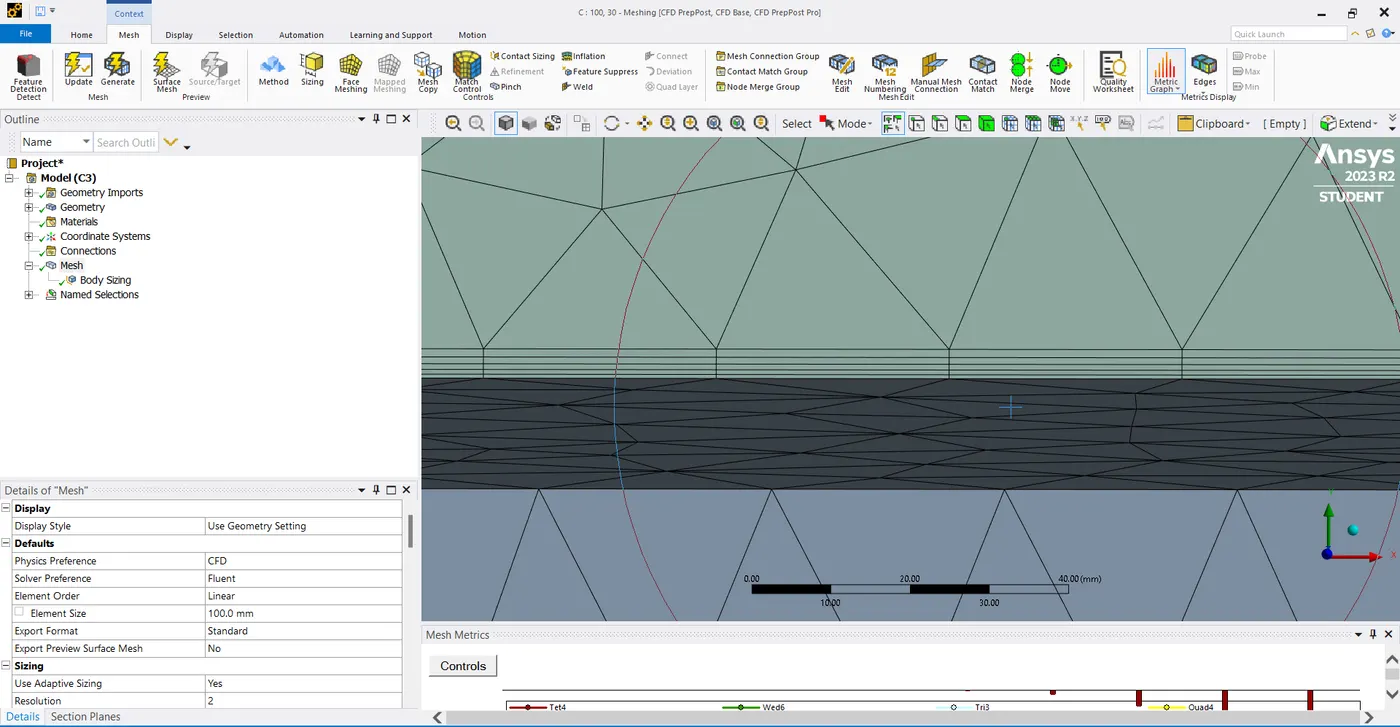
The mesh has been generated using ANSYS Meshing Software. Go to Mesh ---> Method ---> Body Sizing and click geometry and select the inner enclosure and give the element size as 30mm and click generate mesh.
Then select mesh ---> select outer enclosure in geometry ---> enable Adaptive meshing ---> and give element size as 100mm and click generate mesh.
The first layer thickness has been calculated using a online Y+ calculator.
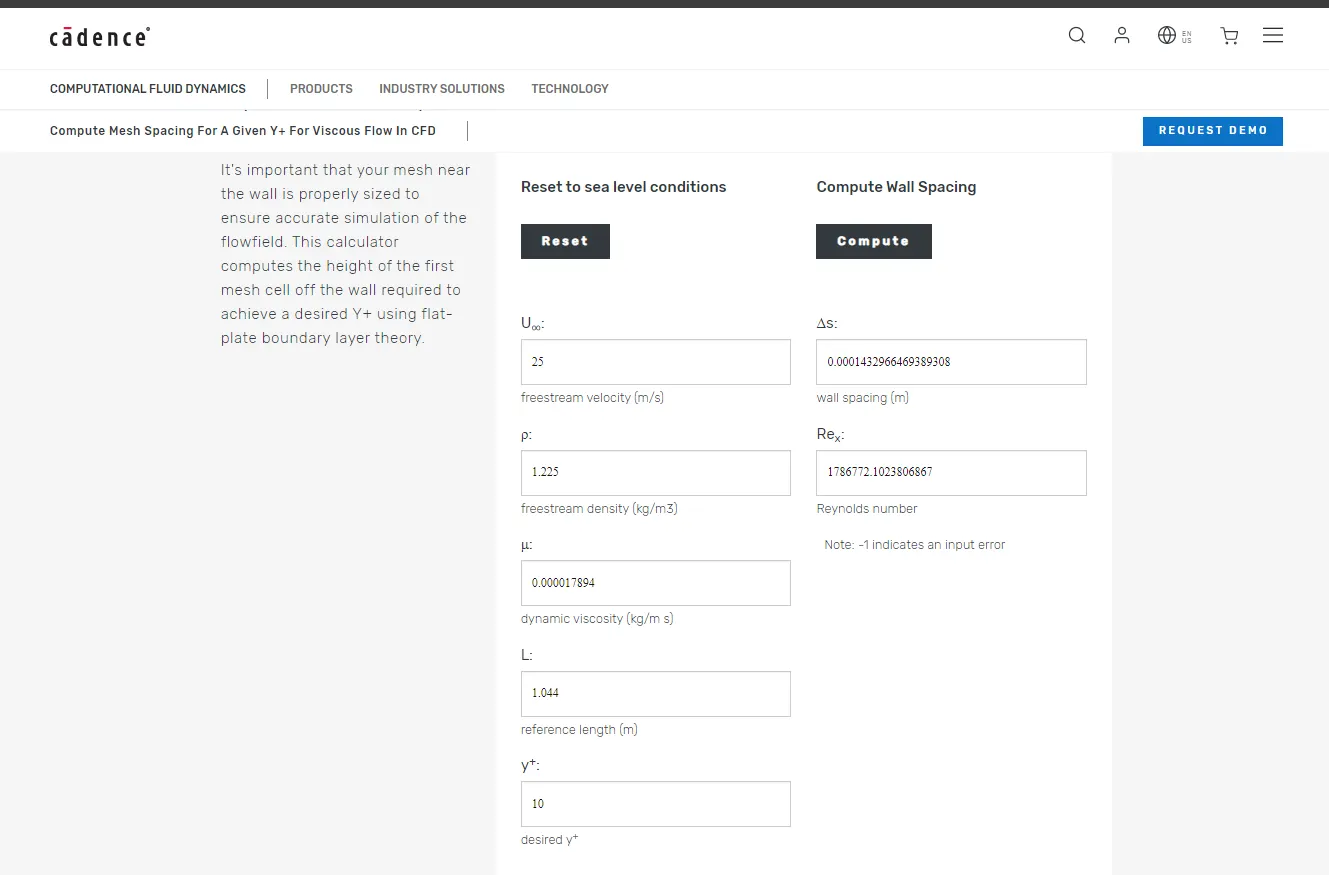
After following all the above process, The resulting meshing is give below:
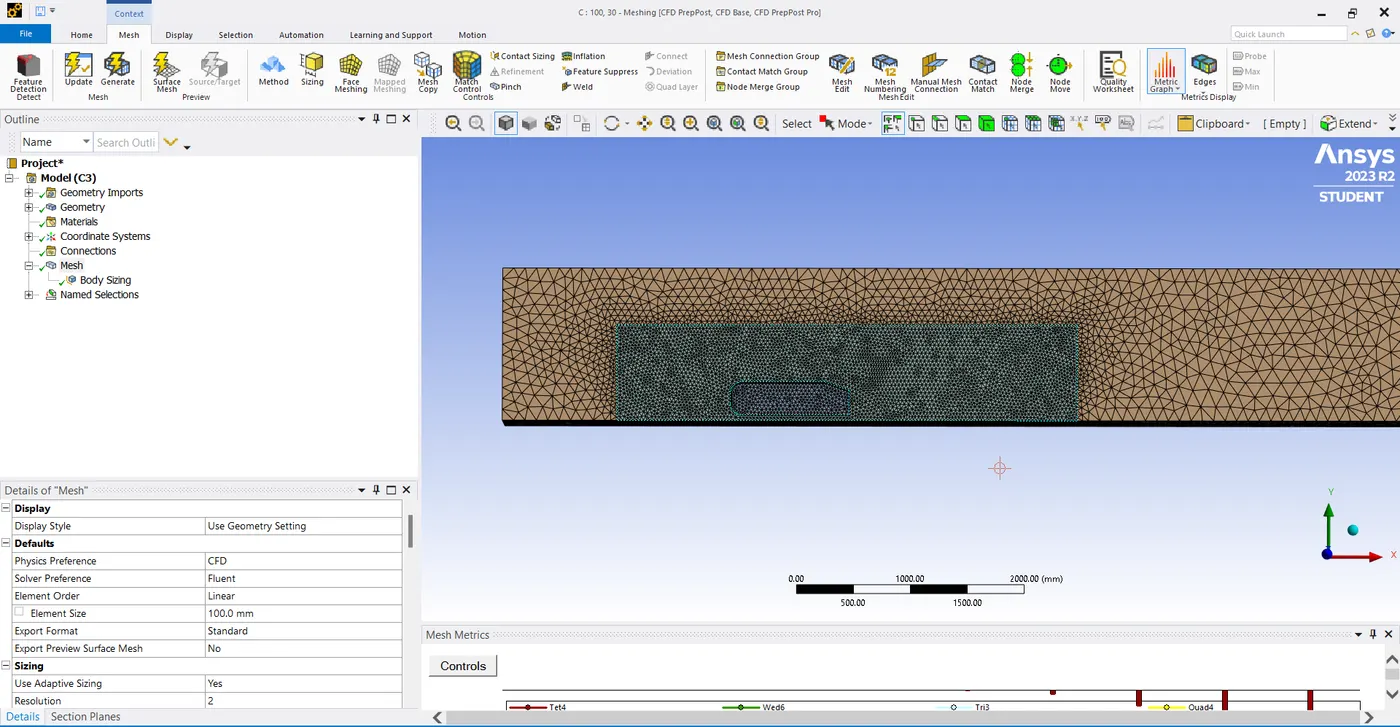
These are the mesh metrices:
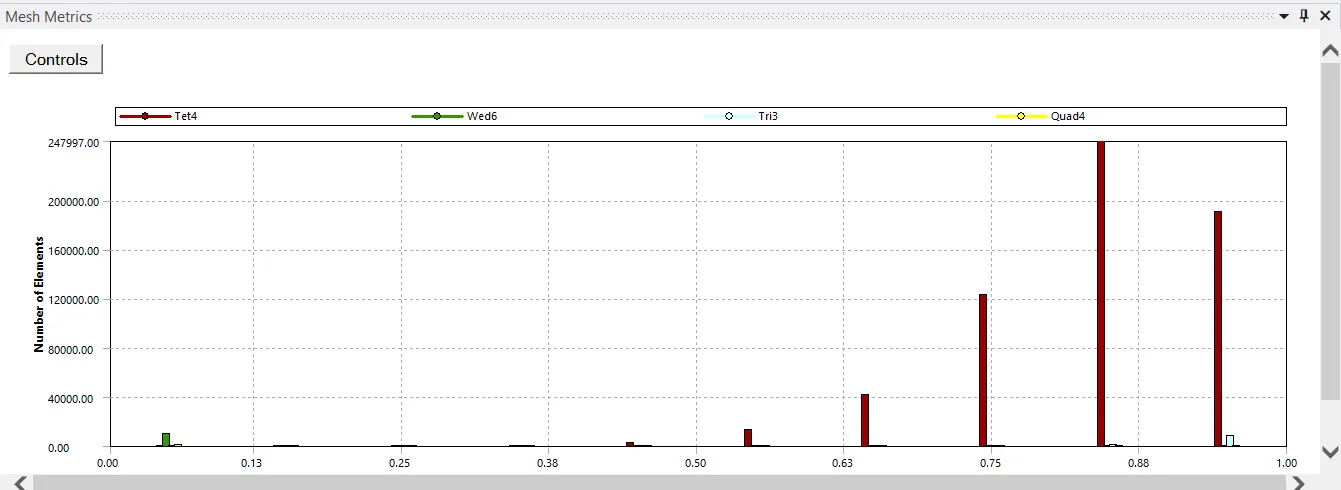
As maximum number of elements has mesh quality greater than 0.8, The mesh quality is satisfactory.
Setup:
Boundaries
inlet - Velocity inlet
outlet - Pressure outlet
car_wall - wall (no slip)
Top, Sides, bottom - symmetry
Reference values
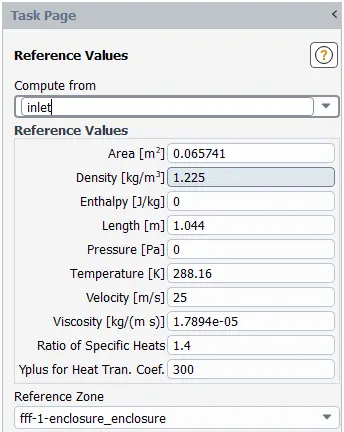
Models
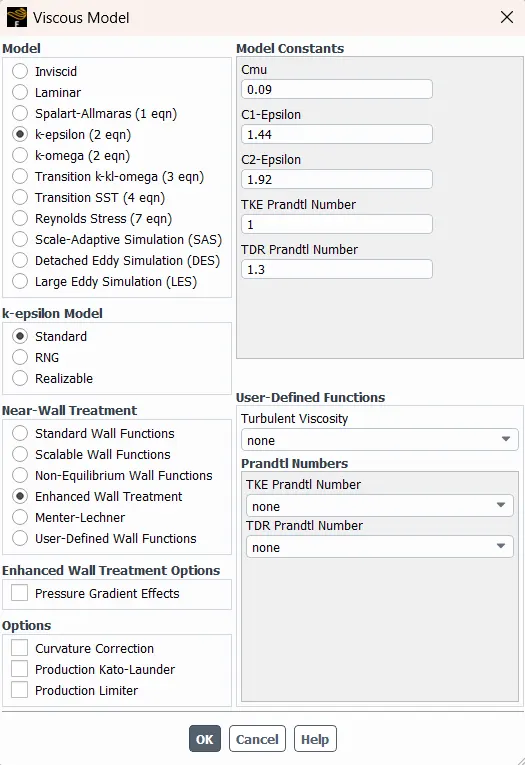
Solution-Methods
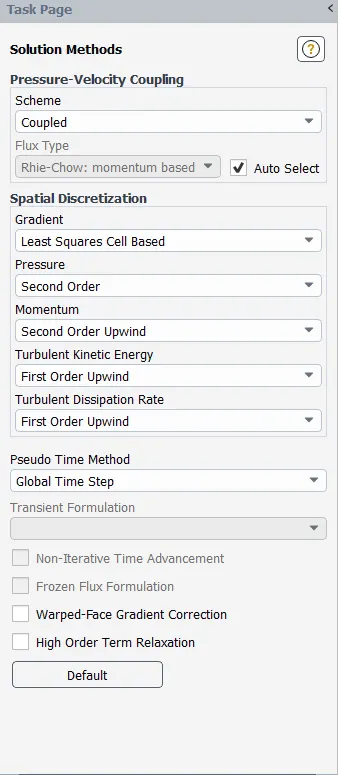
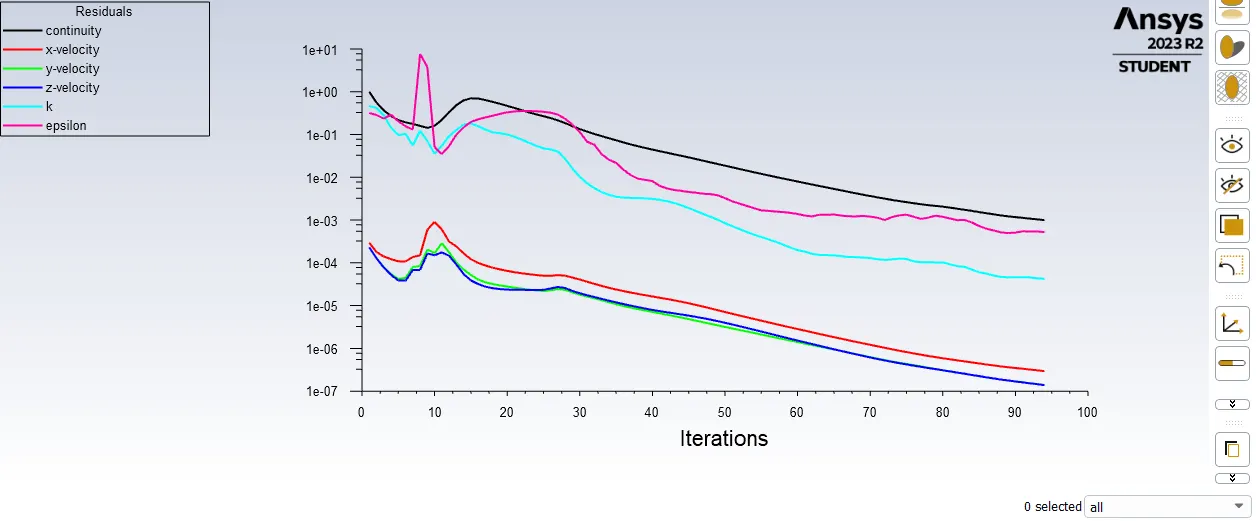
The simulation ran for 94 iterations and the results are shown below:
Residuals
Drag Coefficient
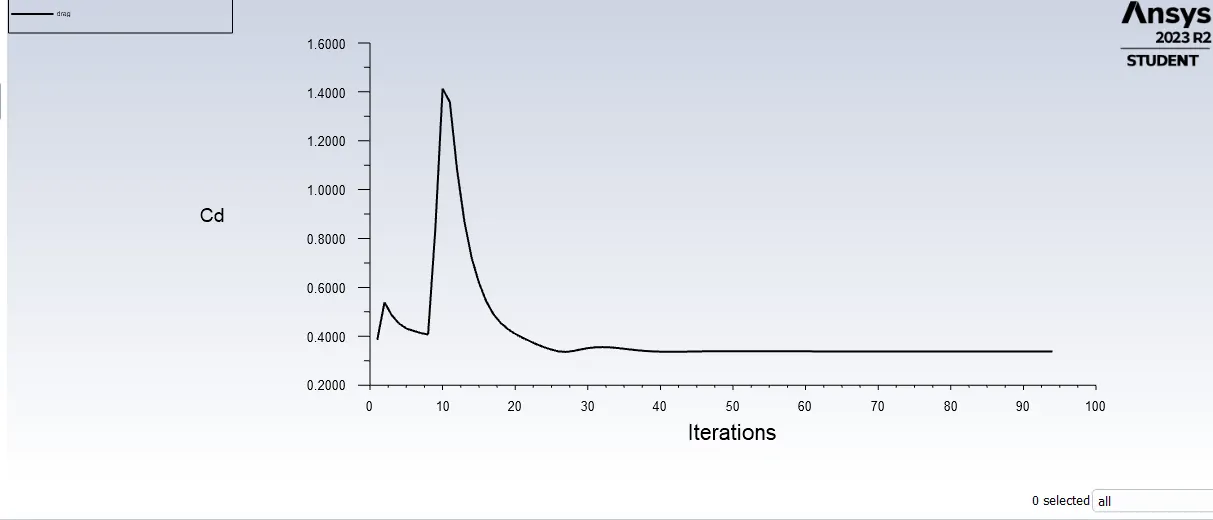
The Drag Coefficient is around 0.33
Lift Coefficient
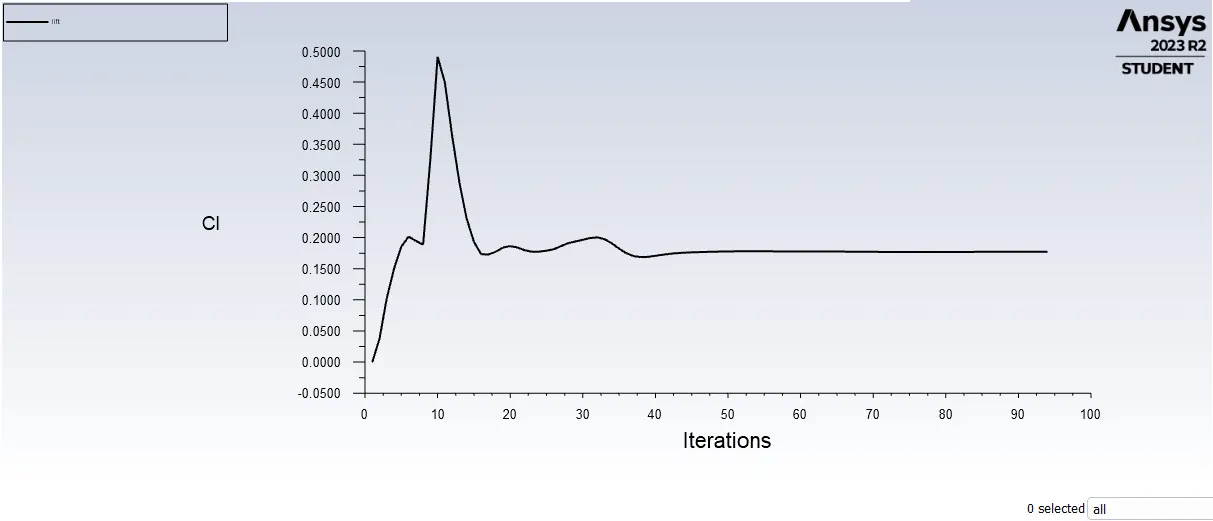
Contours
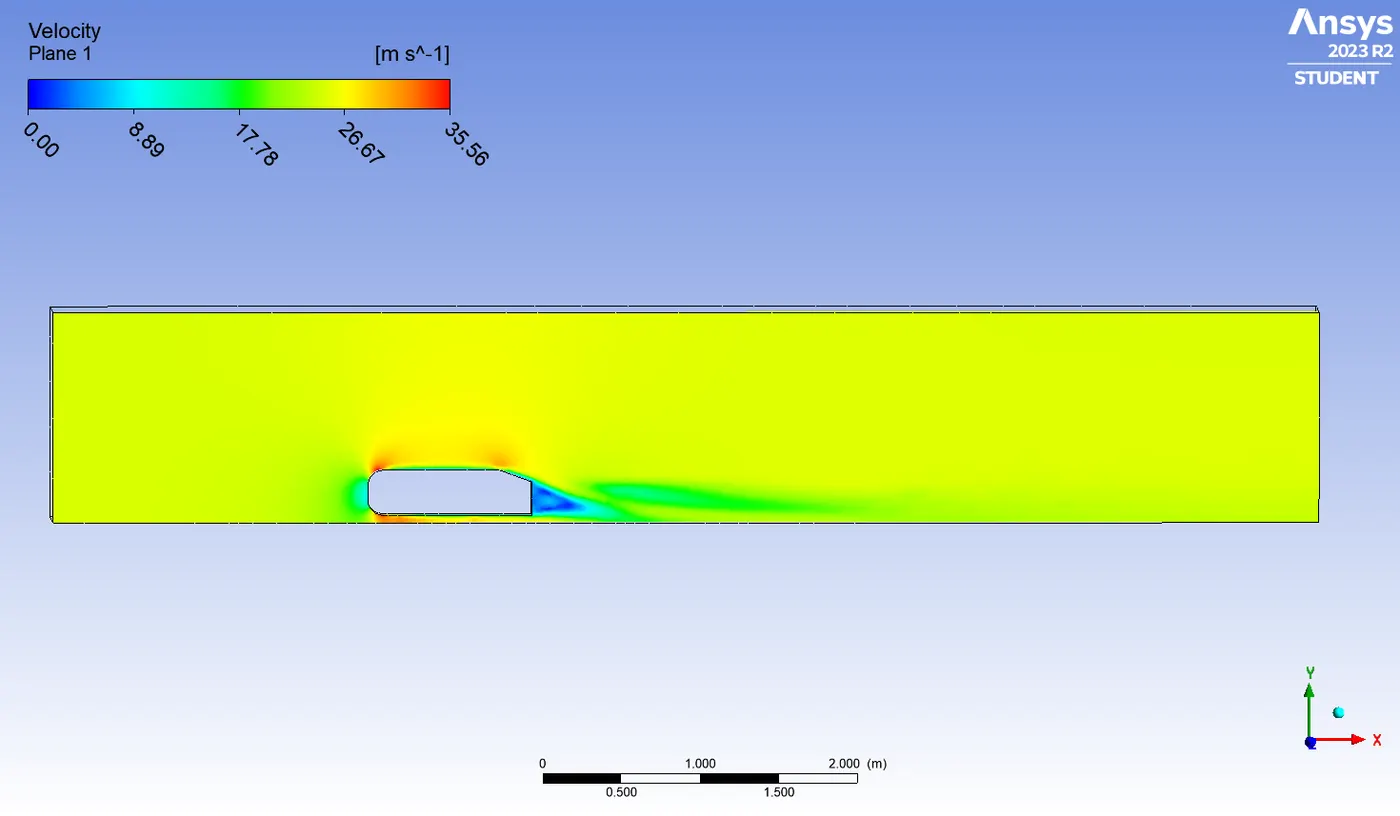
Velocity contour
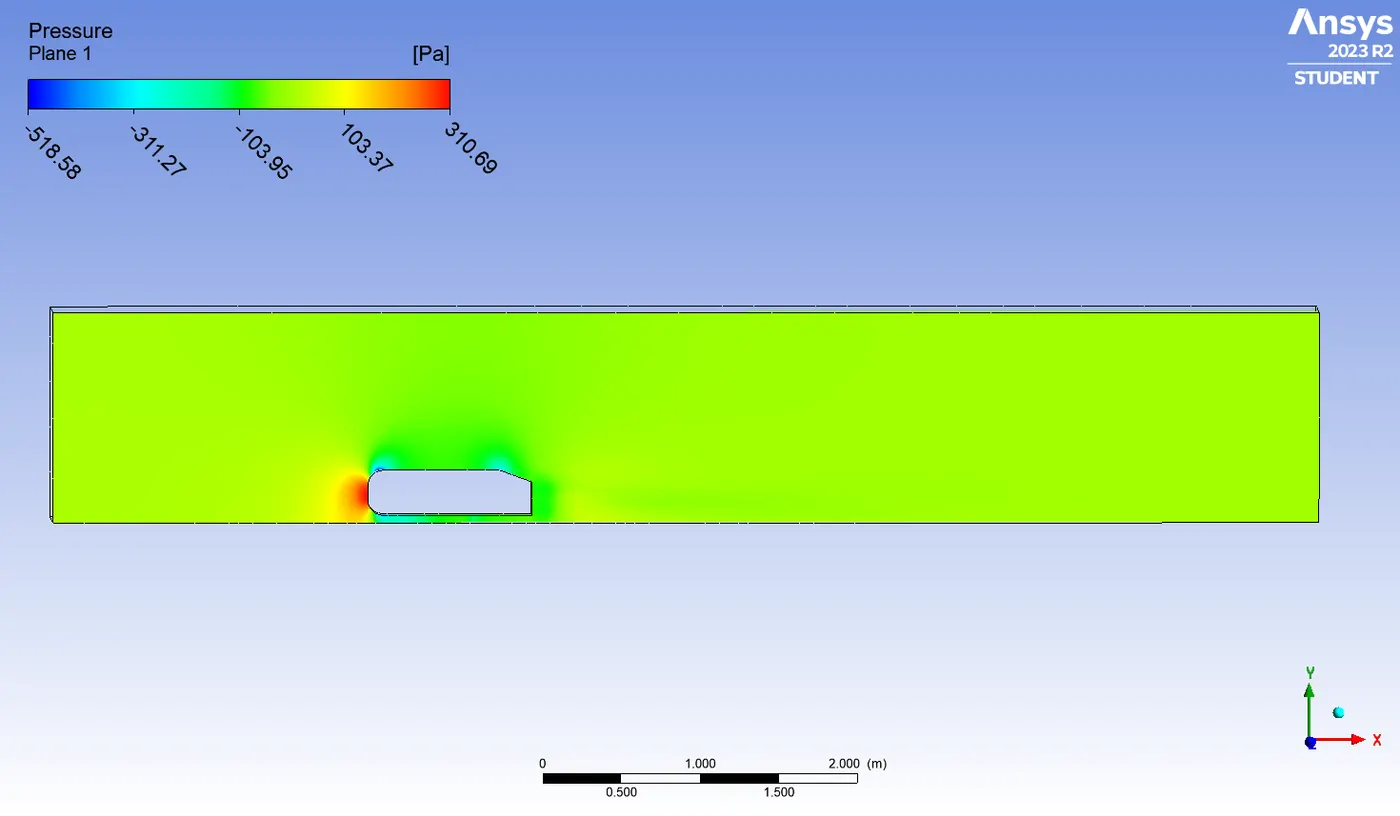
Pressure Contour
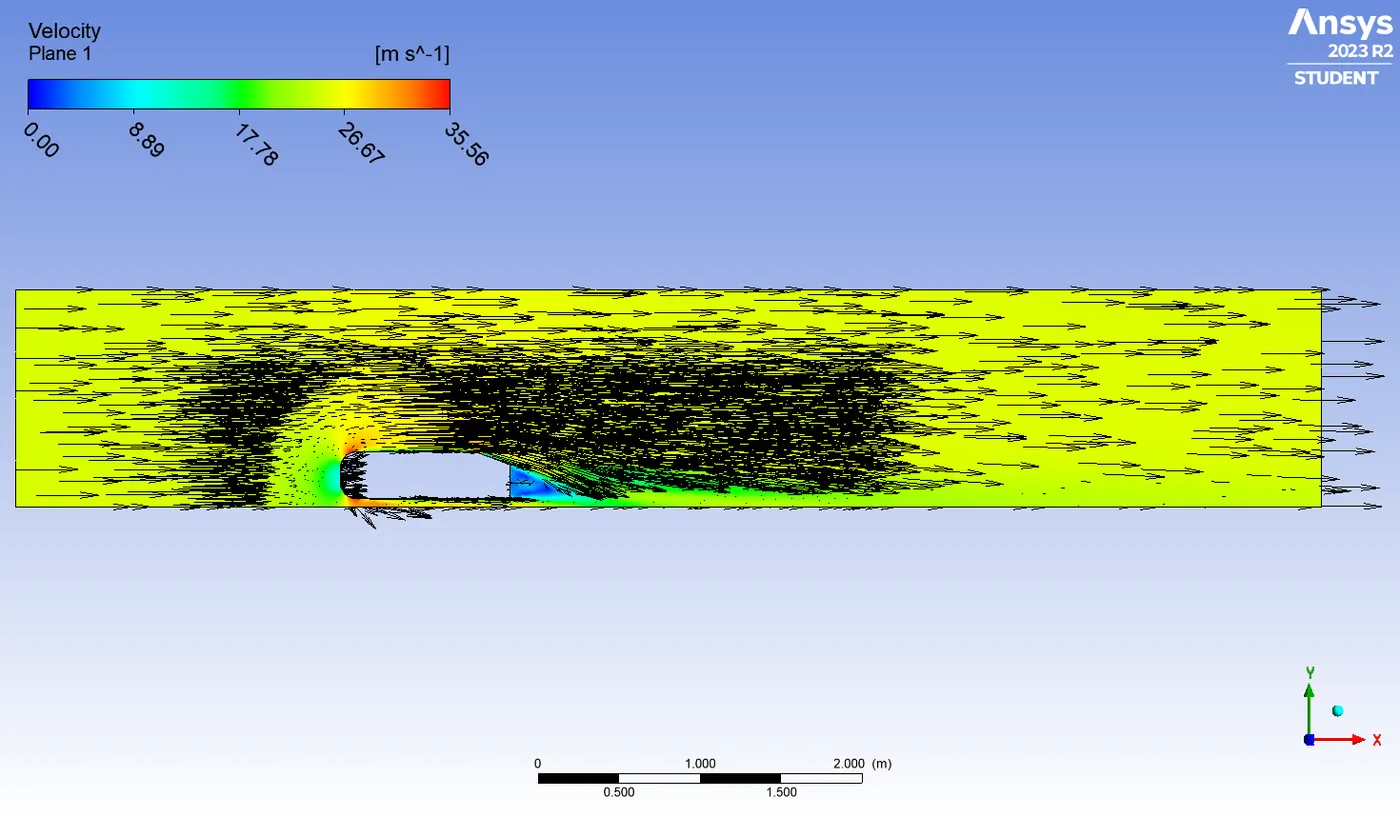
Vector plot
Grid Independence test

Result:
There is flow seperation behind the Ahmed body which leaves no air molecules behind the ahmed body. This leaves a large low pressure turbulent region behind the body known as wake. That is why there is a negative pressure in the wake region.
The seperation point is a point where air stop sticking on the object. When an object moves through air, the molecules push back on it and resist the object's movement-this resistance is called pressure drag.
https://drive.google.com/file/d/1HcbWkDV9HeFaFU1ybEdFgKOaZd8sHd5o/view?usp=sharing