Week 3 - External flow simulation over an Ahmed body.
External flow over Ahmed body
Aim: To make mesh indipendent study on given ahmed body and explain the wake region , vorties for 25m/s flow velocity
Ahmed body :
- It is a vehicle like geometry created by Ahmed actually to measure the effect of slant angle on drag/Lift-coefficient. Ahmed body is used to measure the flow features of a vehicle.
- It has simple shape with vehicle aerodynamic properties. Now it is used to test various turbulence models and validate numerical model.
- The rear part of ahmed body called as 'slant angle' which influences drag and lift with its critical slant angle which is around 0-30.
Importance of Ahmed Body:
- Ahmed Body plays a vital role in testing the aerodynamic properties of vehicle.
- It is also used to describe the turbulent flow field around a car-like geometry and later to design new car models with validated results.
Negative pressure in wake region and flow seperation :
- The wake is the region of disturbed flow (often turbulent) downstream of a solid body moving through a fluid, caused by the flow of the fluid around the body.
- Negative pressure is caused by seperation of flow and net pressure force is produced.
- The point on the body at which the boundary layer is on the verge of separation from the surface is called point of separation.
- Separation occurs in flow that is slowing down, with pressure increasing, after passing the thickest part of a streamline body or passing through a widening passage, for example. Flowing against an increasing pressure is known as flowing in an adverse pressure gradient.
- The boundary layer separates when it has travelled far enough in an adverse pressure gradient that the speed of the boundary layer relative to the surface has stopped and reversed direction.
Flow Seperation
- Flow separation is the detachment of a boundary layer from a surface into a wake. In aerodynamics, flow separation results in reduced lift and increased pressure drag, caused by the pressure differential between the front and rear surfaces of the object.
Methodology
Geometry clean up
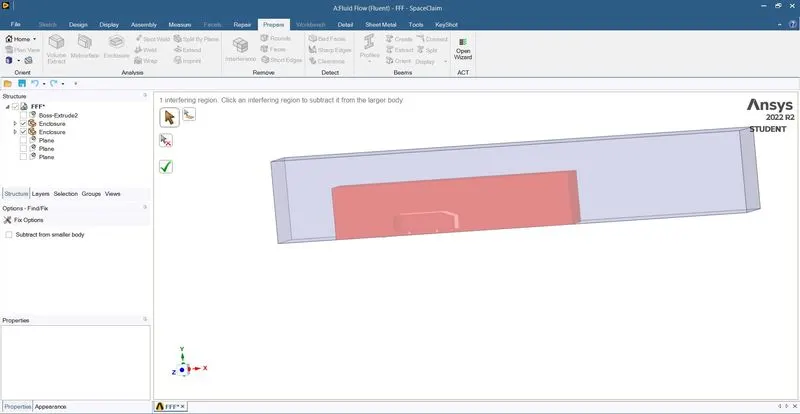
After importing the geometry in to spaice claim where we will prepare the geometry for meshing
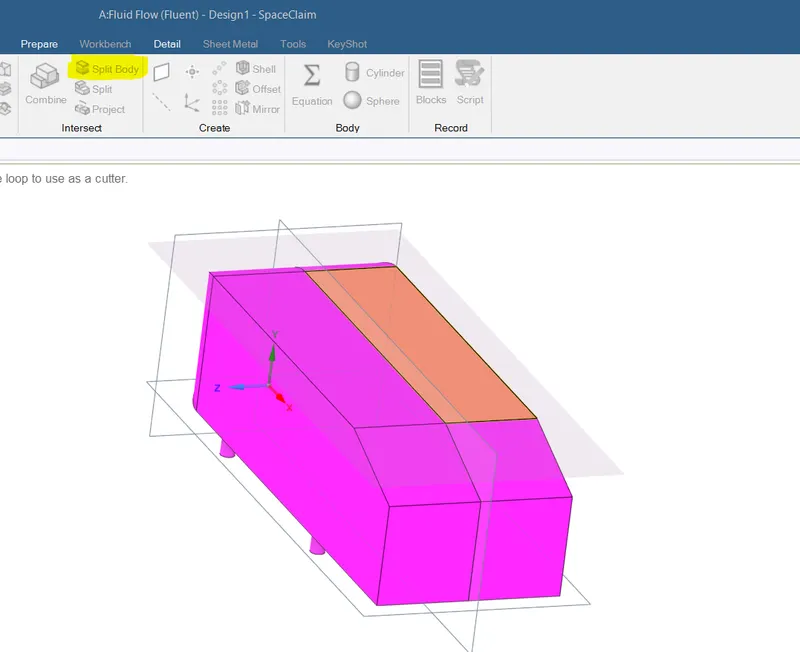
observing the ahmed body car module we can say it is symetric
To reduce cell counts and excuetion time we can run the simulation on half symetric part
Split comand
Meshing
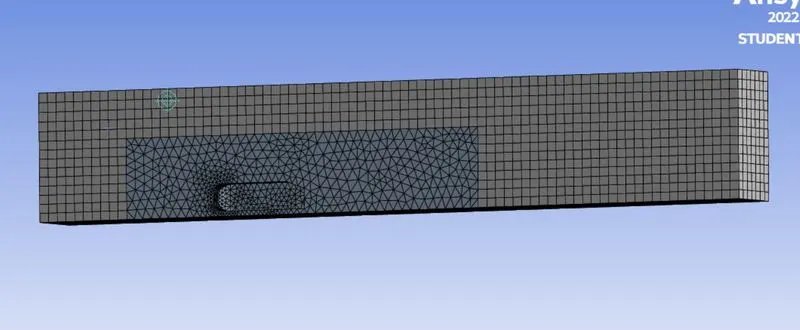
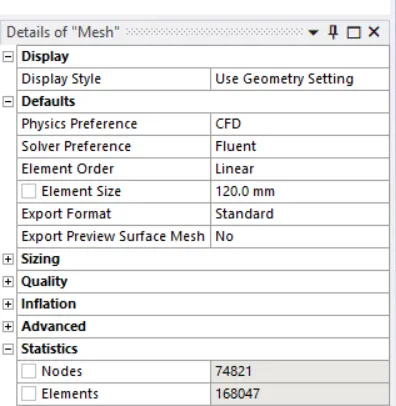
Meshing here we will create mesh around the Ahmed body.
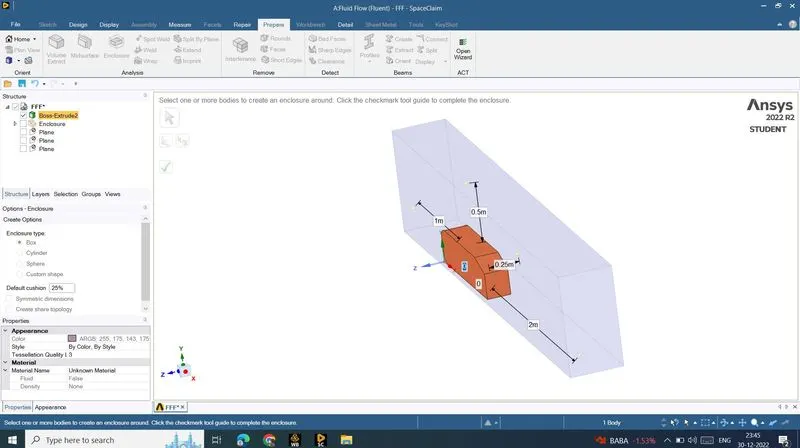
we create enclosure to create mesh.
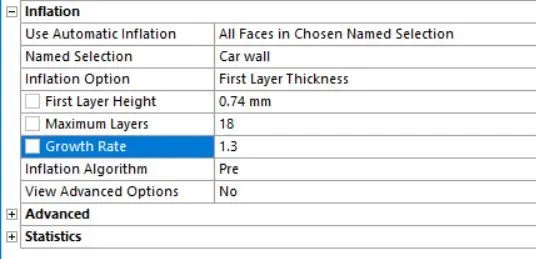
To capture the boundry layer properties variation we create Inflation layers.
Even we are going to use topology transistion to transfer data in between multizone mesh.
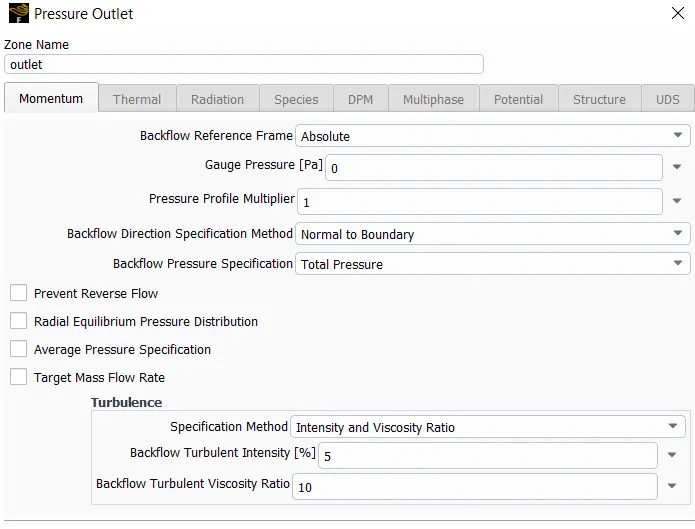
Naming the boundriees inlet ,outlet ,and symetry wall
Below image shows assing enclouse for creating external fluid flow
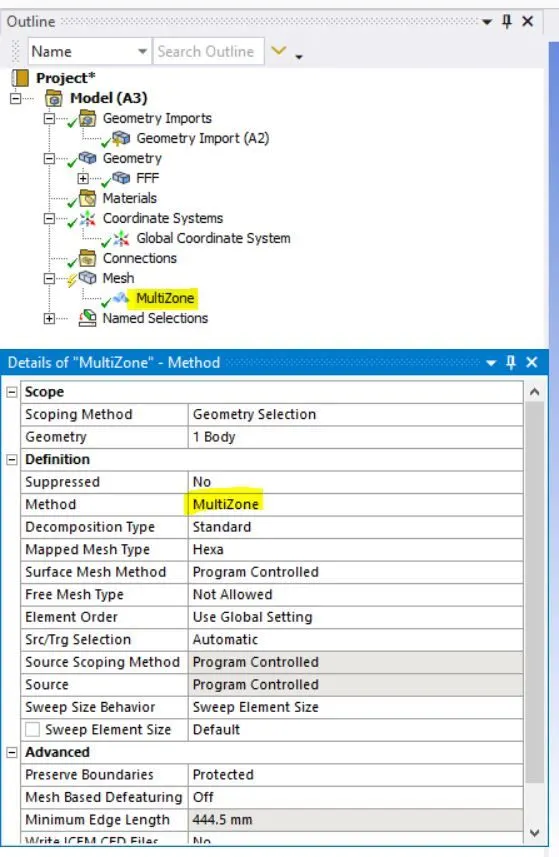
SETUP
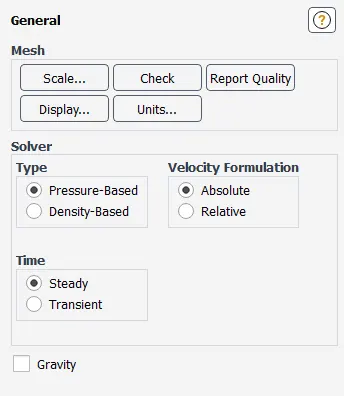
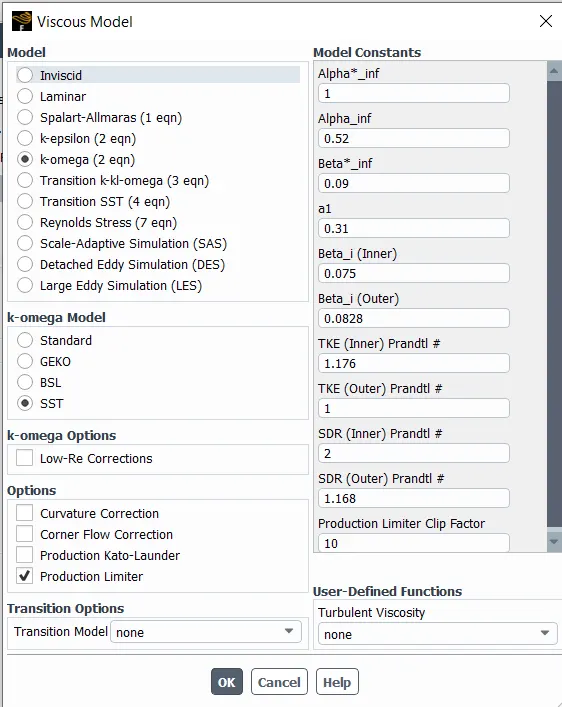
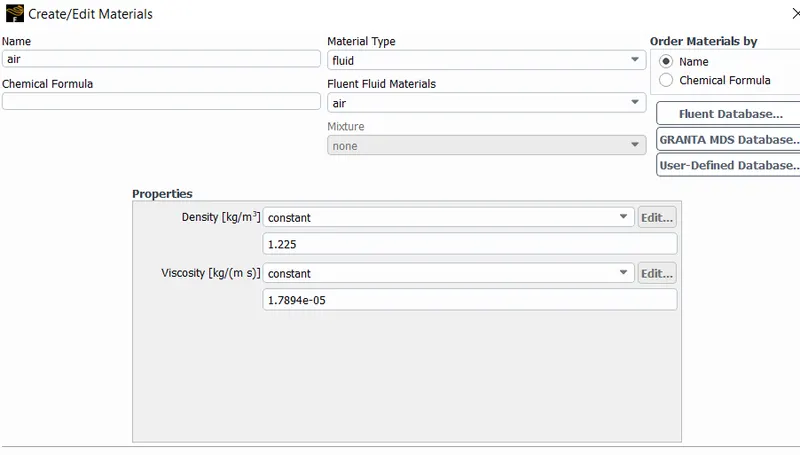
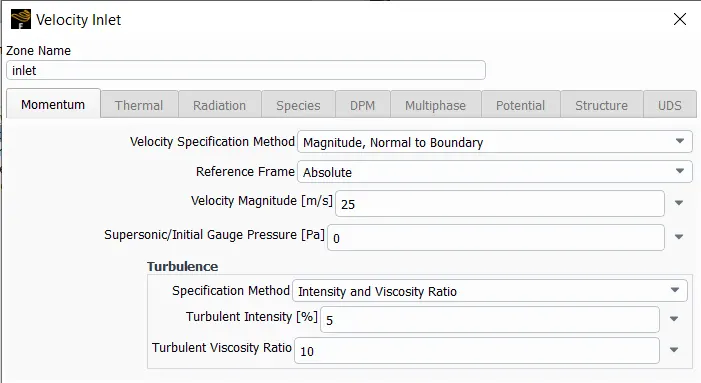
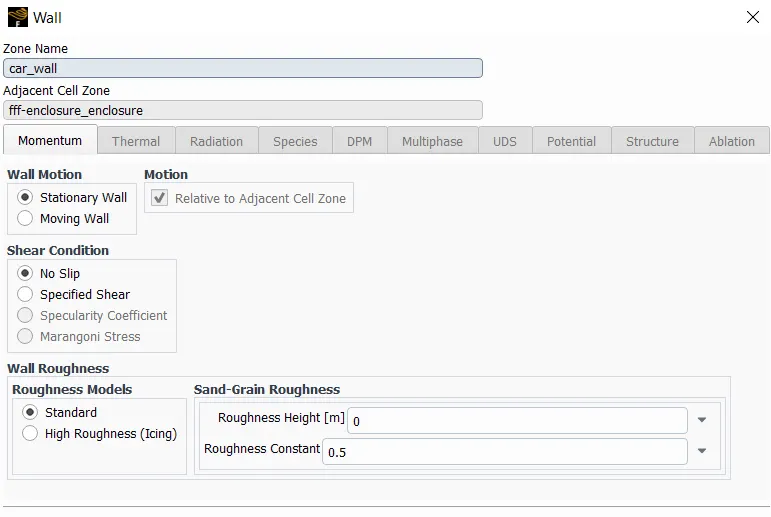
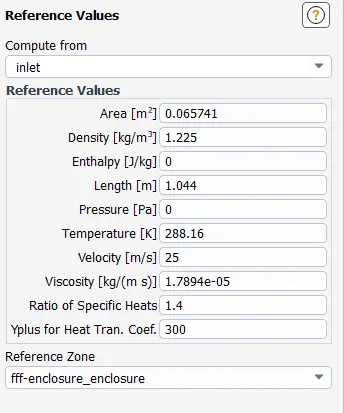
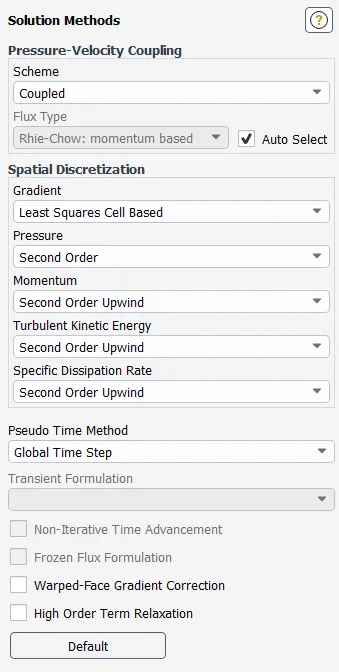
In setup window we are going to chose diffrent type solver options
for the given problem
setuoing Physics
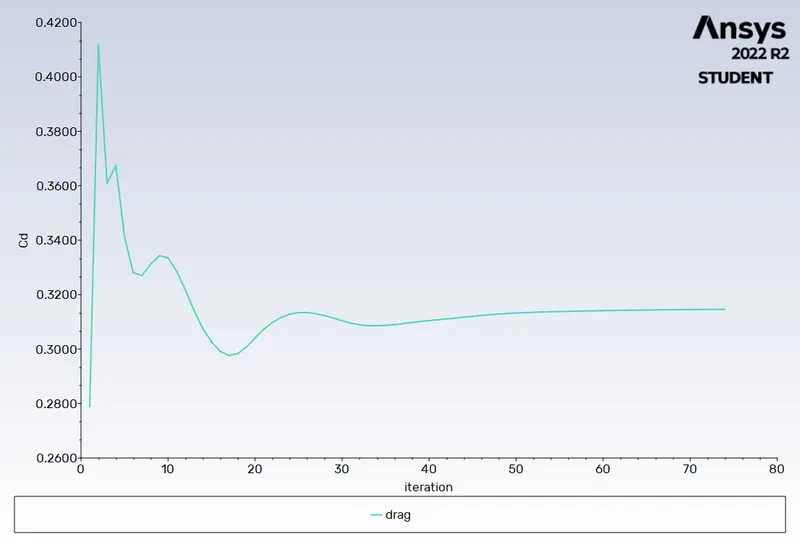
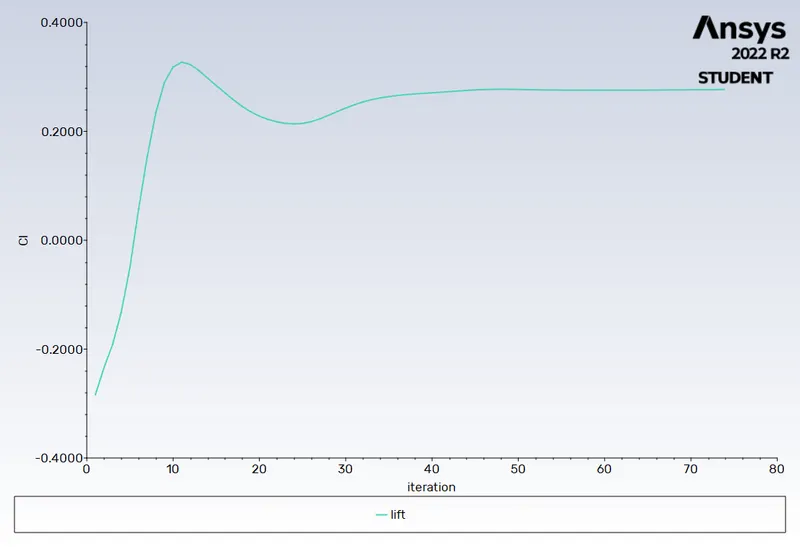
Course mesh
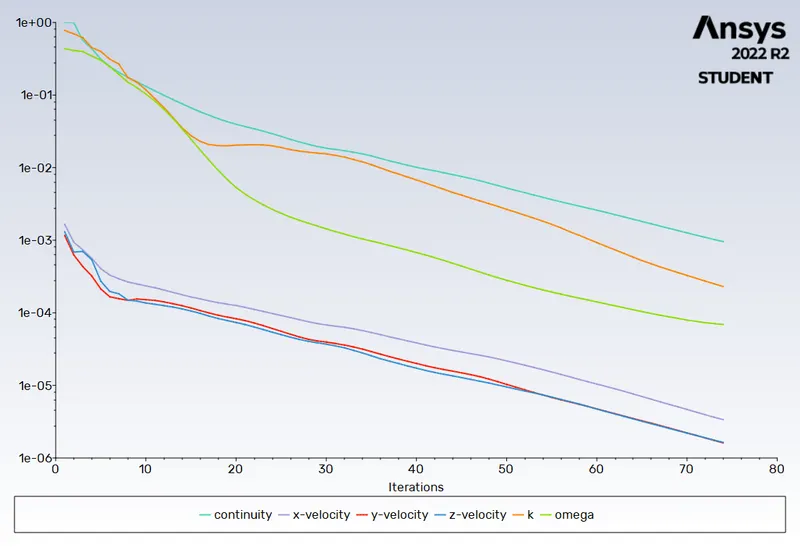
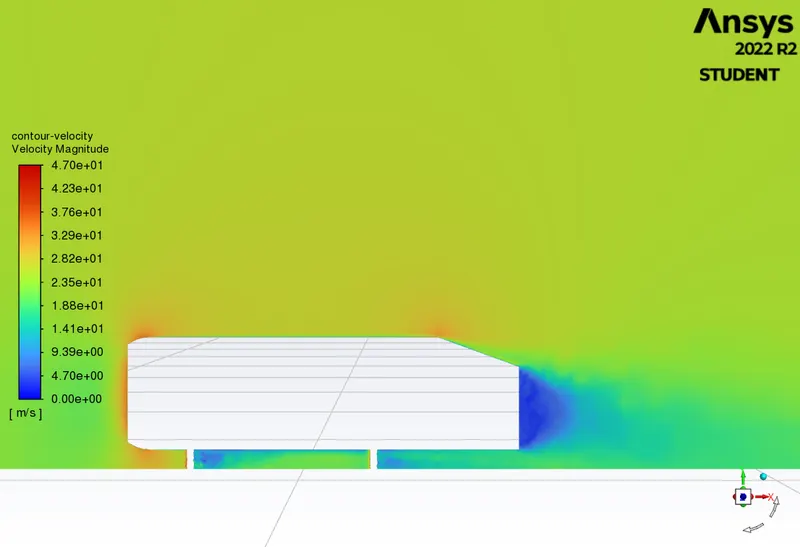
- The wake is the region of disturbed flow (often turbulent) downstream of a solid body moving through a fluid, caused by the flow of the fluid around the body.
- Negative pressure is caused by seperation of flow and net pressure force is produced.
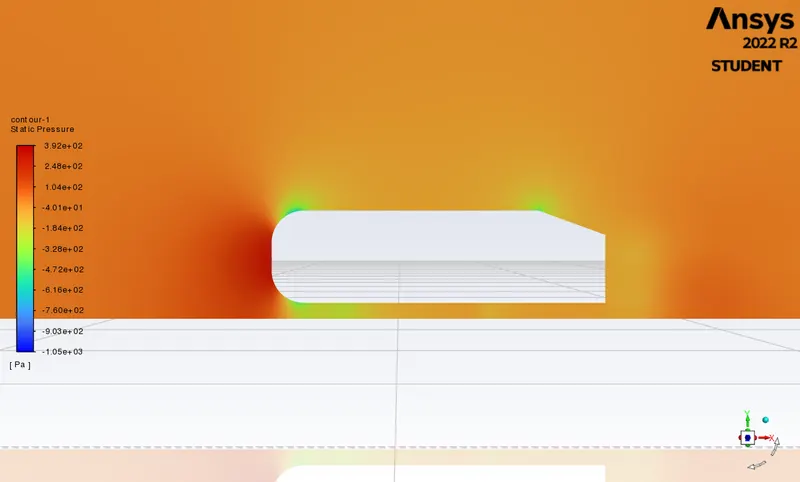
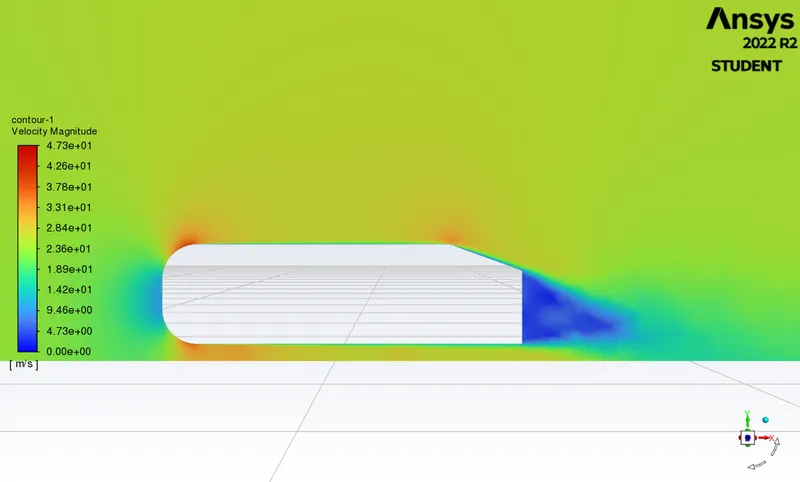
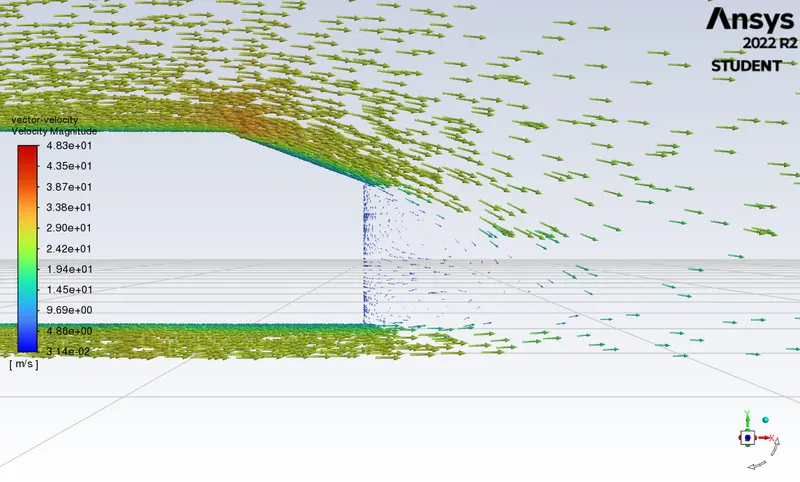
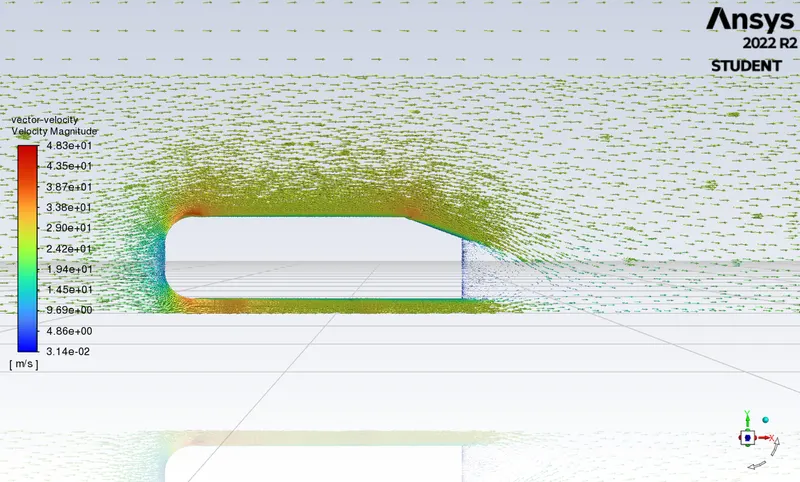
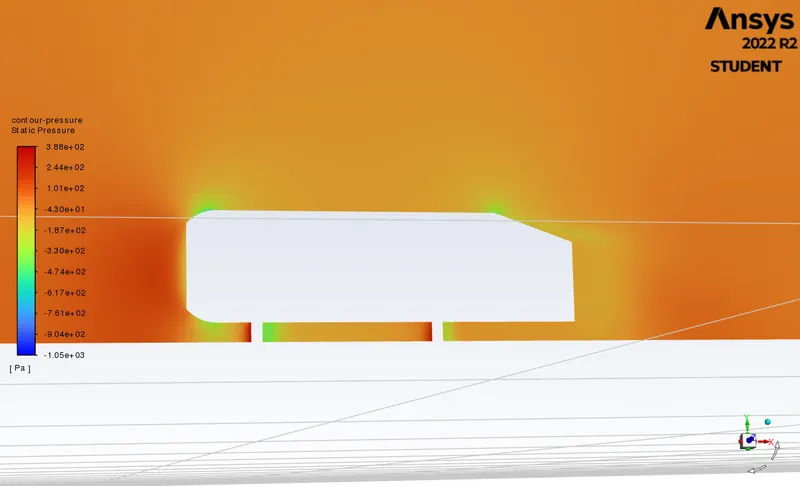
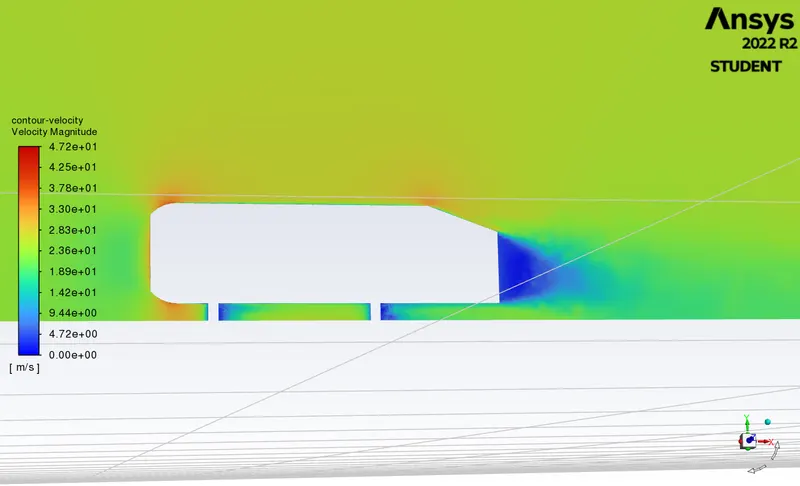
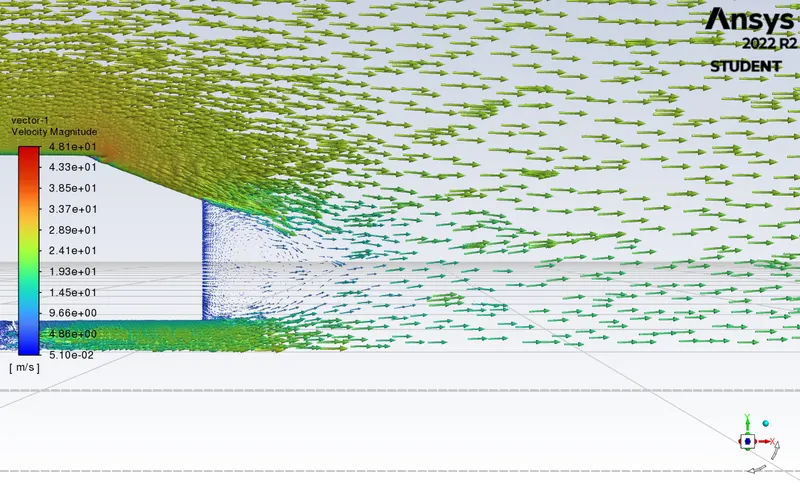
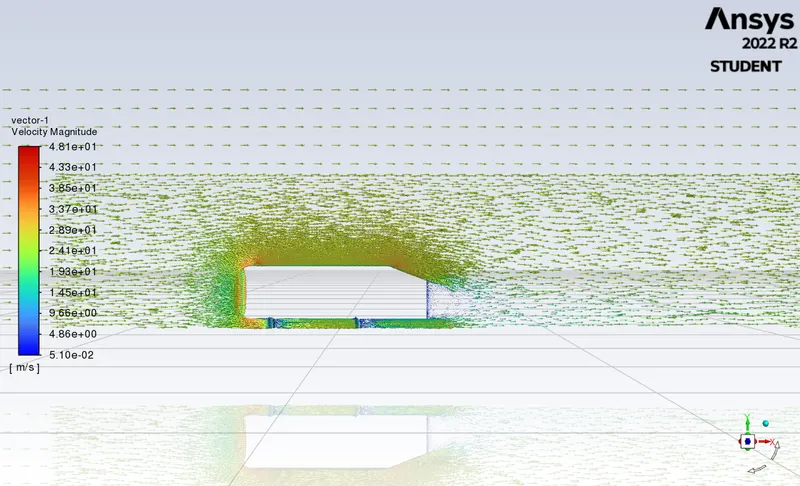
We can observe wake Region behind the car is becase of Flow seperation
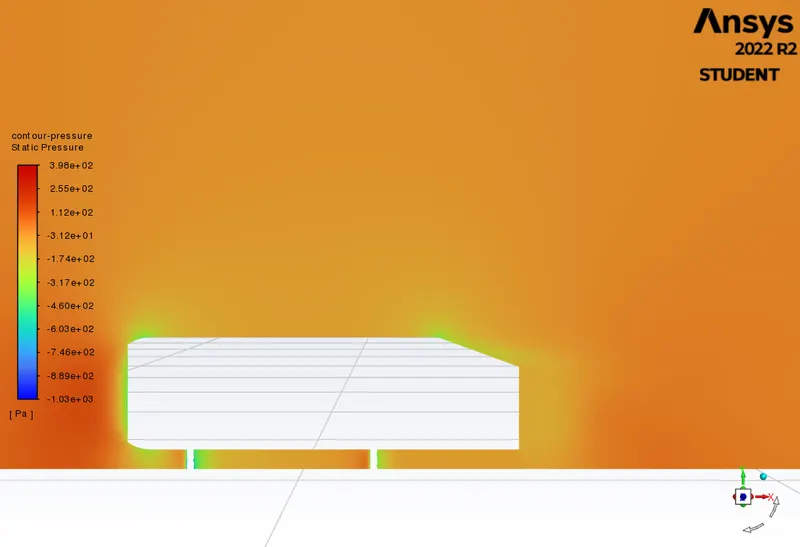
at the front of the car we can obser max pressure 0 minimum velocity
at the wall of car due friction btween fluid with wall and cause fluid near the boudry is at the very low velocity which increses towards normal to boundry becomes equal to free stream velocity is because viscous property of the fluid.
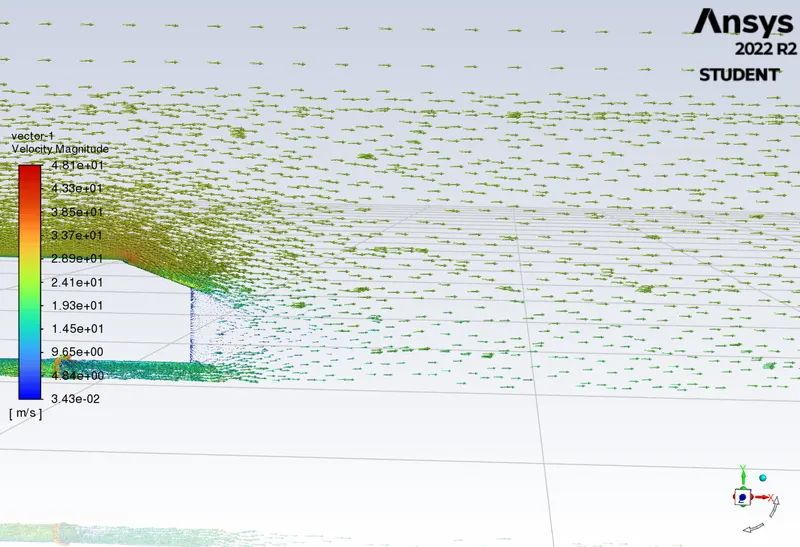
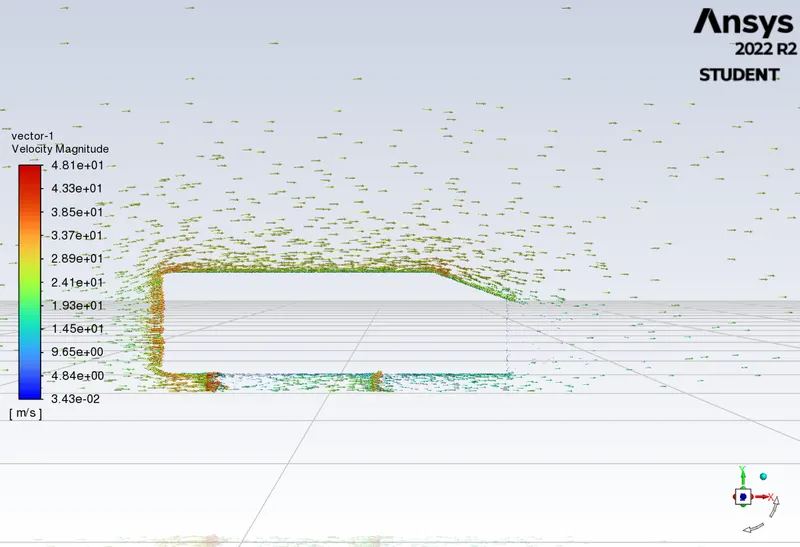
drag
-------------------
Cd
-------------------------------- -------------------
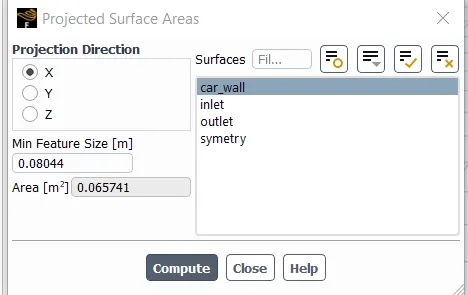
car_wall 0.31458648
Cl
-------------------------------- -------------------
car_wall 0.27680732
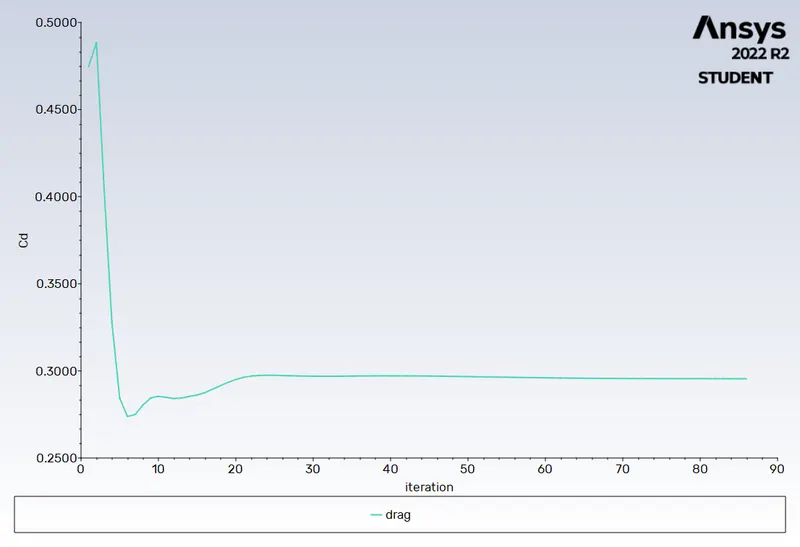
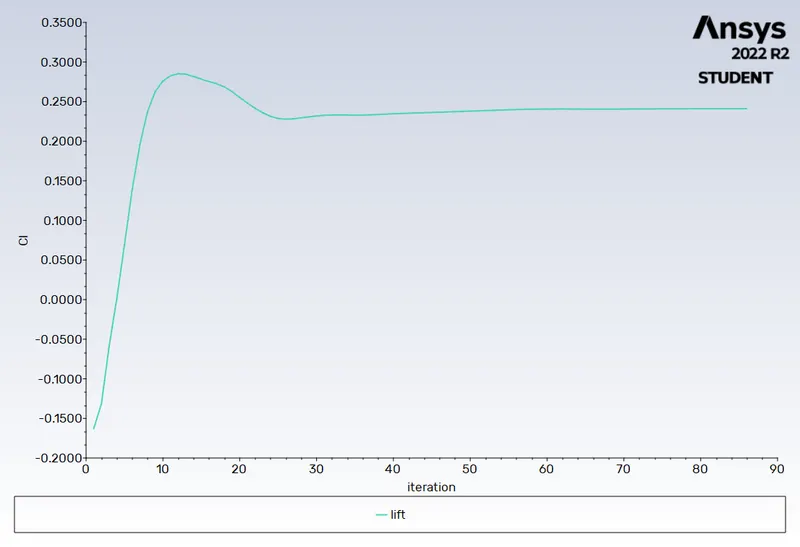
Modrate mesh
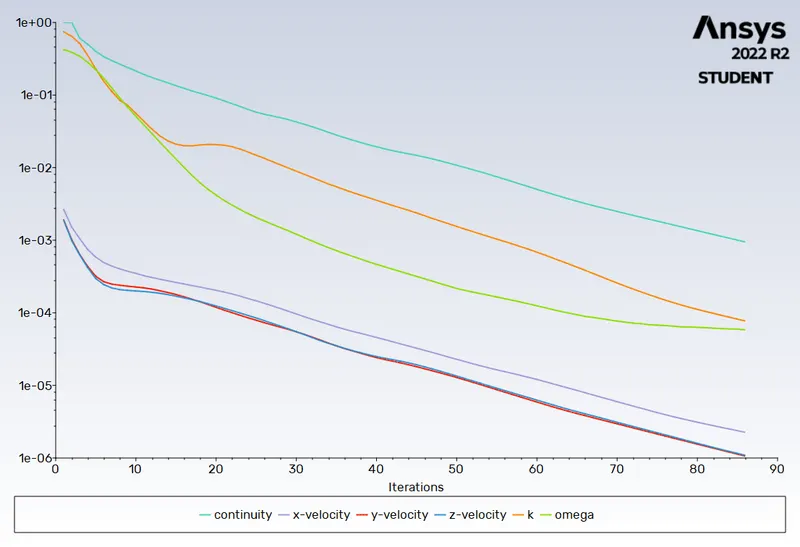
lift
-------------------
Cl
-------------------------------- -------------------
car_wall 0.24116381
drag
-------------------
Cd
-------------------------------- -------------------
car_wall 0.29548318
Fine mesh
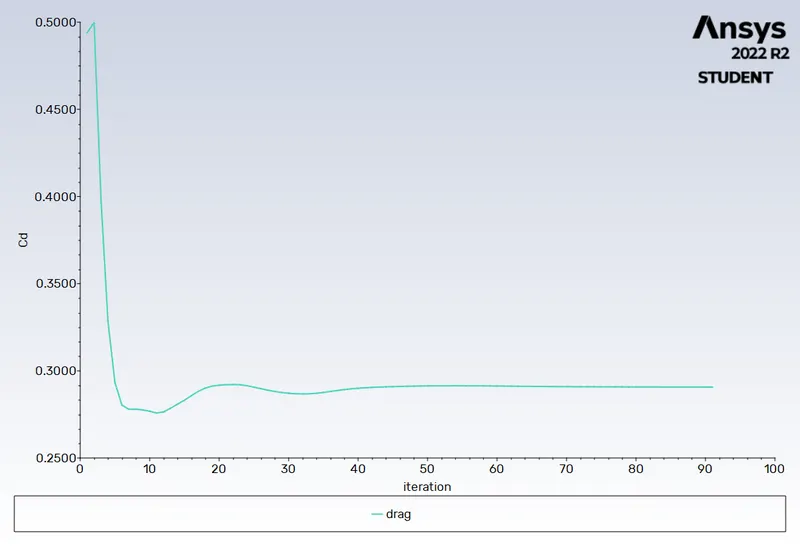
drag
-------------------
Cd
-------------------------------- -------------------
car_wall 0.2906821
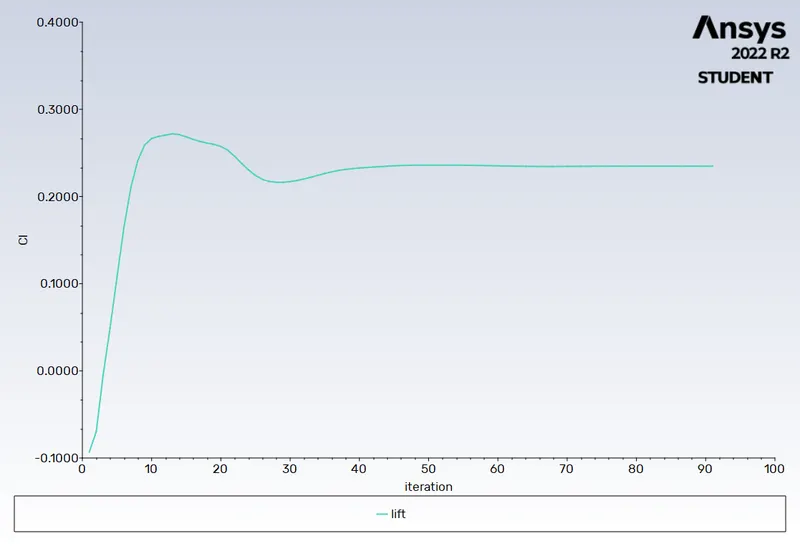
lift
-------------------
Cl
-------------------------------- -------------------
car_wall 0.23477709
Result
| Mesh | Drag cof (K E) | Lift cofint |
| 2Lak cells (course Mesh) | 0.314 | 0.276 |
| 3to 4lack cels | 0.295 | 0.241 |
| 4Lack and above fine mesh | 0.290 | 0.234 |
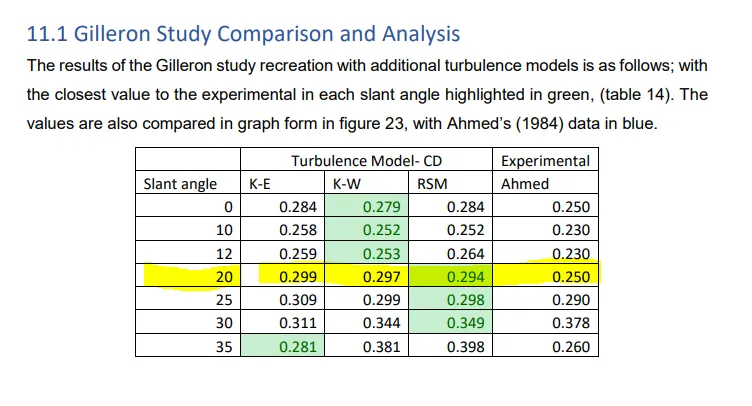
From the above table we can observe drag coof is same after 3lack cell and results are indipendent of mesh onwaords 2nd case
And we can validate results for our given model slant angle is 20degrees is from the above refer paper is drag cof 0.299
and ours is 0.290 same with small error which conducted with K-epsilon turbulance module
Conclusion
From from countor plots we can see that there is negitive pressure behind ahmed body car , which is recirculation of flow and creating vortices
As we go on refining the mesh we get drag cof and lift are decreasing
To capture the correct values it is necessary to create inflation layers near car body
We conclude that due flow seperation and direction of flow changes creat flow circulation behinde the ahmed body which is due to samuation of all forces and its direction behinde the ahemd body creats vortices