Week 3 - External flow simulation over an Ahmed body.
Aim and its objective:
Simulation of external flow over an Ahmed body. This project's goals are to estimate the drag and lift coefficients and perform a grid independence test to ascertain the aerodynamic forces acting on the Ahmed body. The following outcomes are predicted:
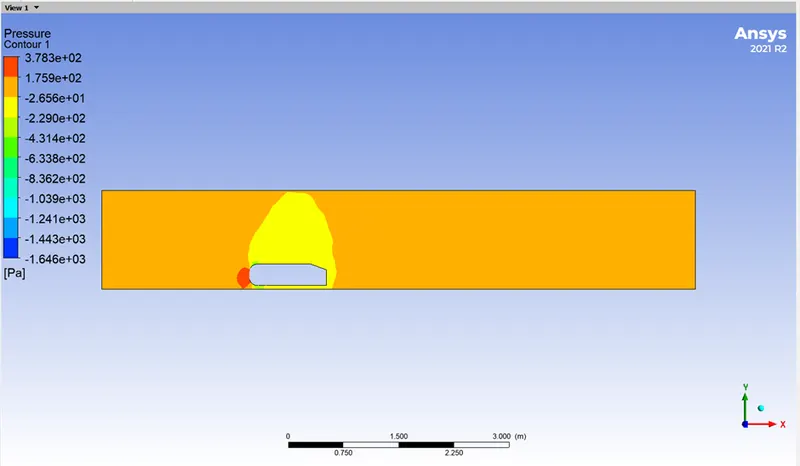
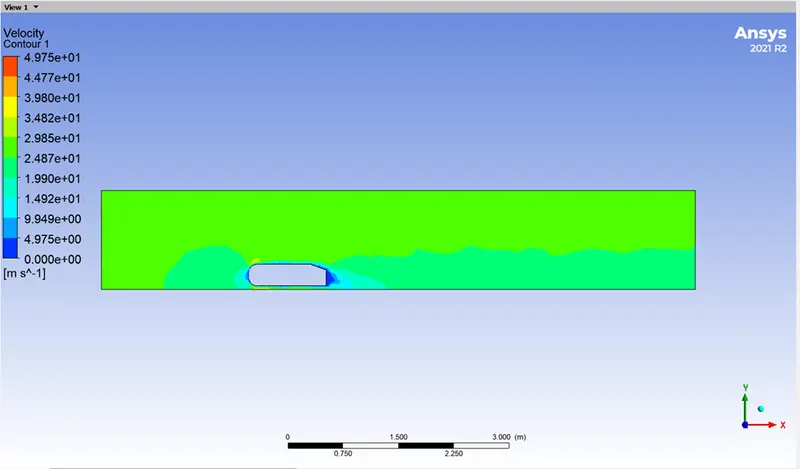
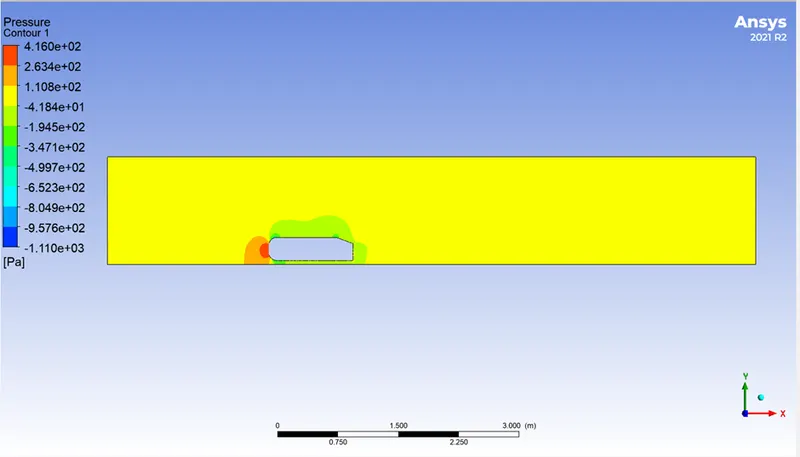
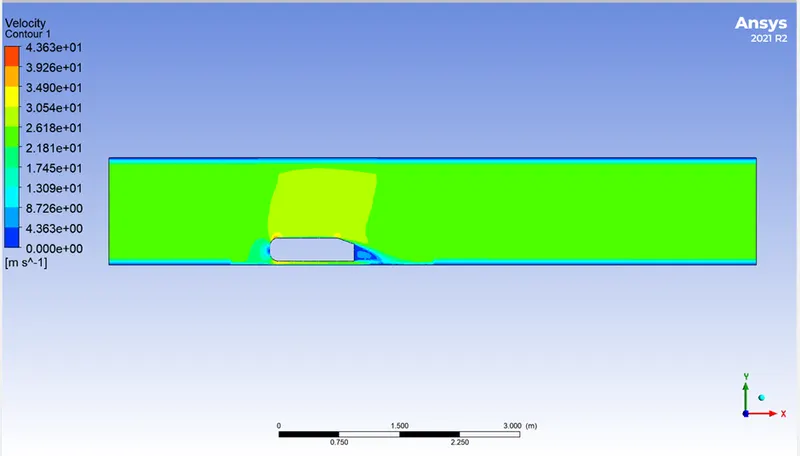
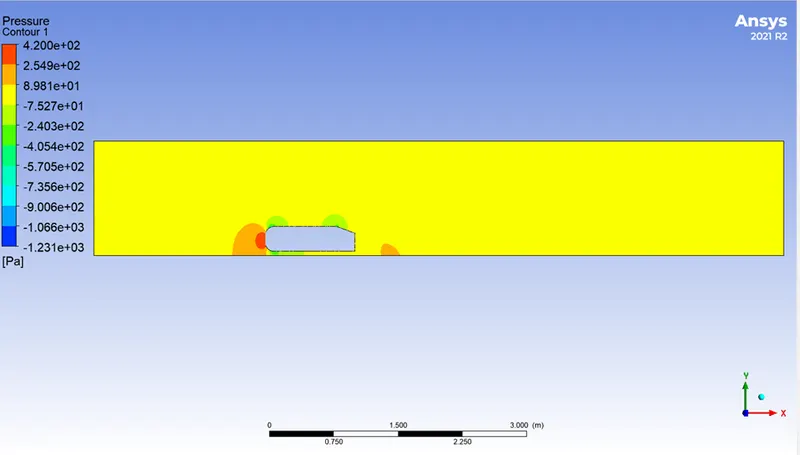
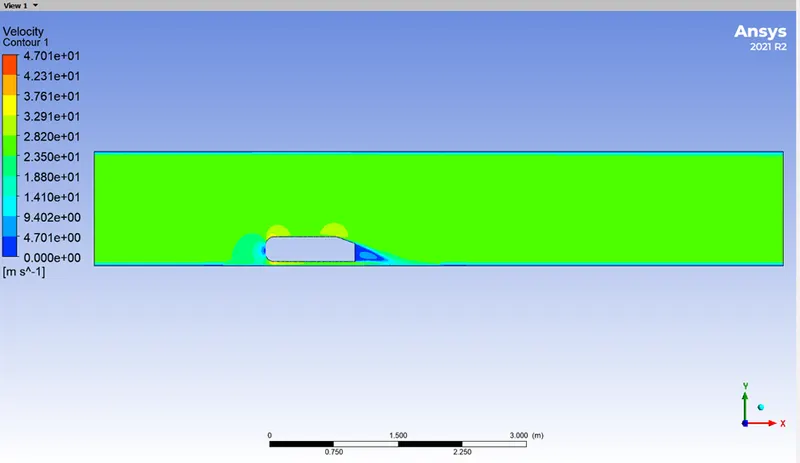
1. Velocity and pressure contours.
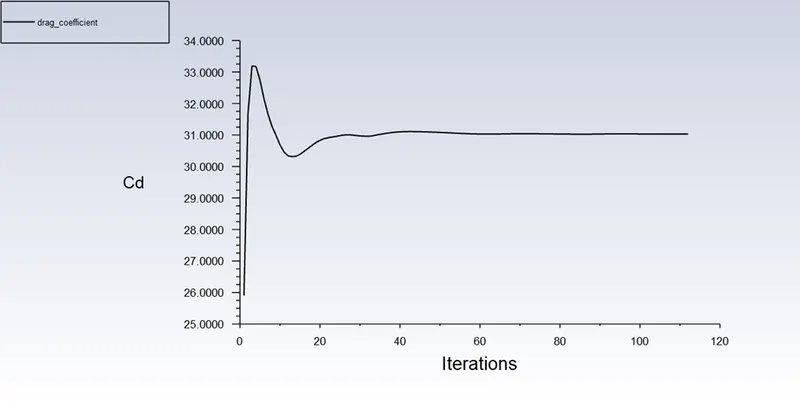
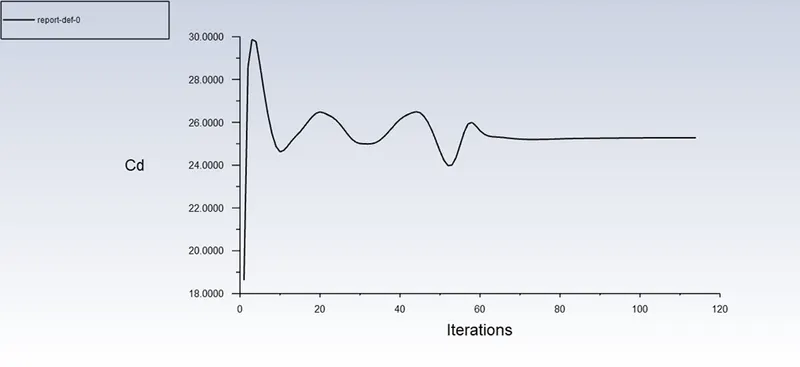
2. A more precise case's drag coefficient plot (The drag coefficient should be around 0.33 for a velocity of 25 m/s).
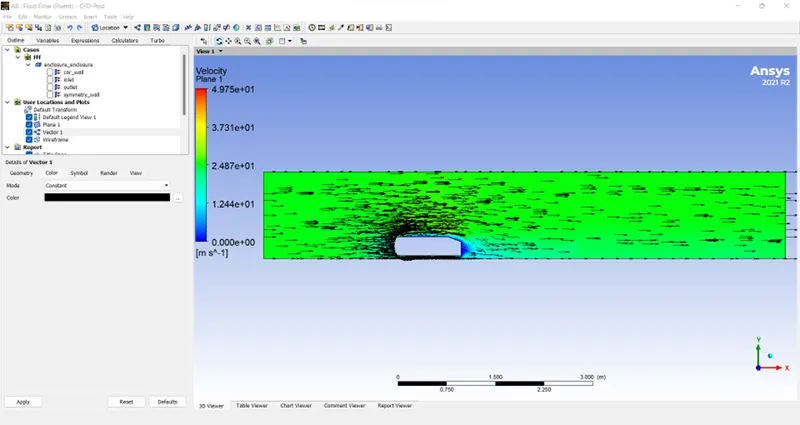
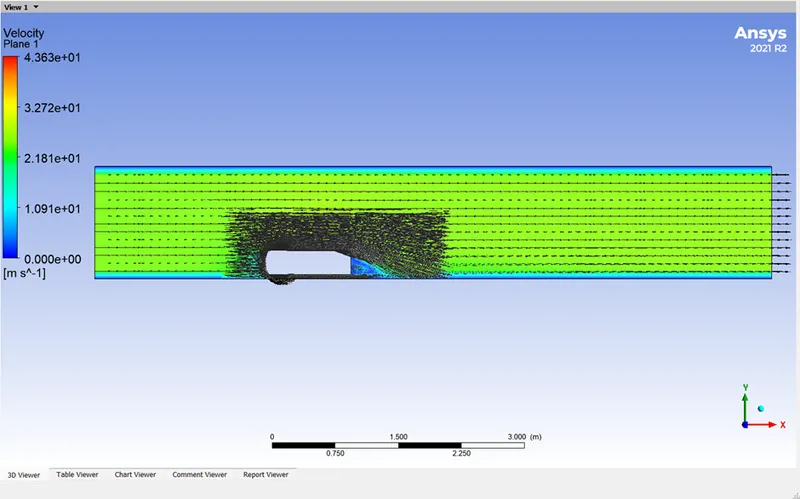
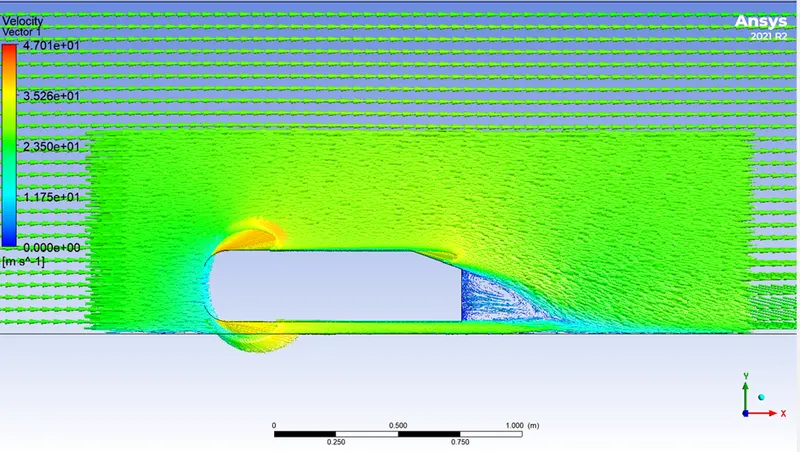
3. The vector plot, which makes the wake region very clear.
4. Carry out the grid independence test while including each case's lift and drag values.
Ahmed's body definition:
The Ahmed body is a generic car body (a simplified vehicle model). The airflow around the Ahmed body captures the essential flow features around an automobile and was first defined and characterized in the experimental work of Ahmed. Flow around the Ahmed body is a well-known CFD benchmark for external aerodynamics. The Ahmed body is a generic car model first proposed. All ground vehicles can be termed as bluff bodies moving close to the road surface. The analyzed body can capture the essential features of the flow which characterize modern cars. Most importantly, high-quality test data are available. It has a length of 1.044 meters, a height of 0.288 meters, and a width of 0.389 meters. It also has 50-millimeter cylindrical legs attached to the bottom of the body and the rear surface which has a slant that falls off at 35 degrees. The model's flow is turbulent based on velocity and body length. For the default mesh size in ANSYS-FLUENT, we will use the
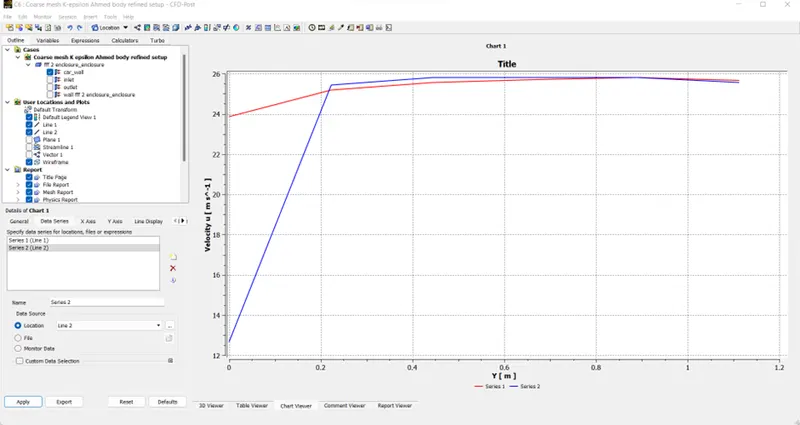
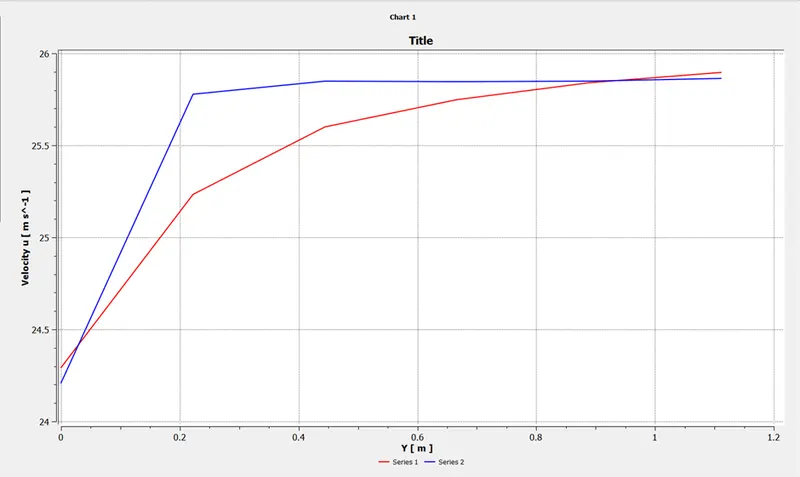
Based on the test data, we will validate our simulation model by comparing:
-
drag coefficient
-
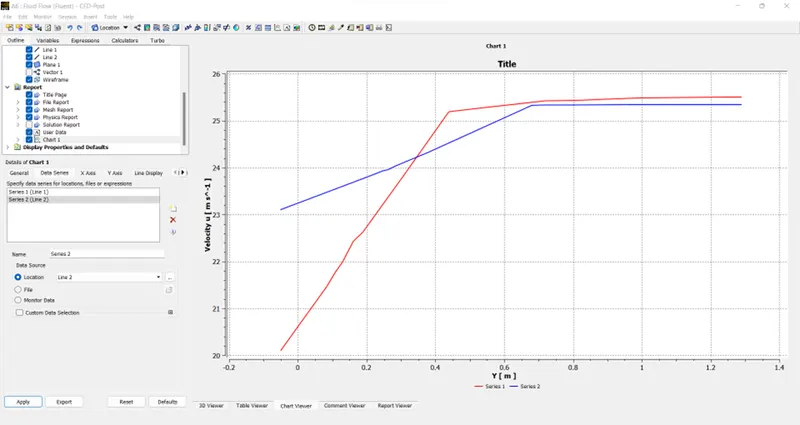
velocity profiles along Ahmed's body
-
flow structures behind the body
Procedure:
Case 1- Ahmed's body baseline setup:
Geometry (Space claim):
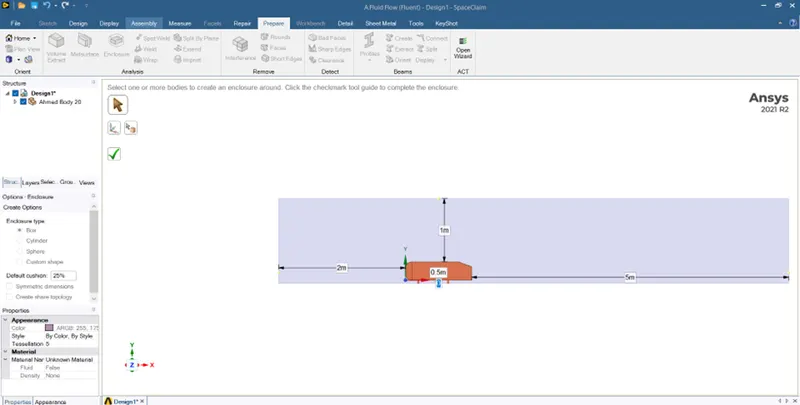
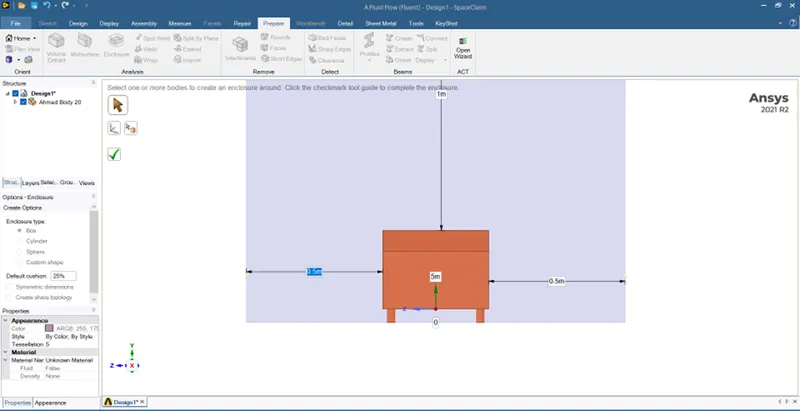
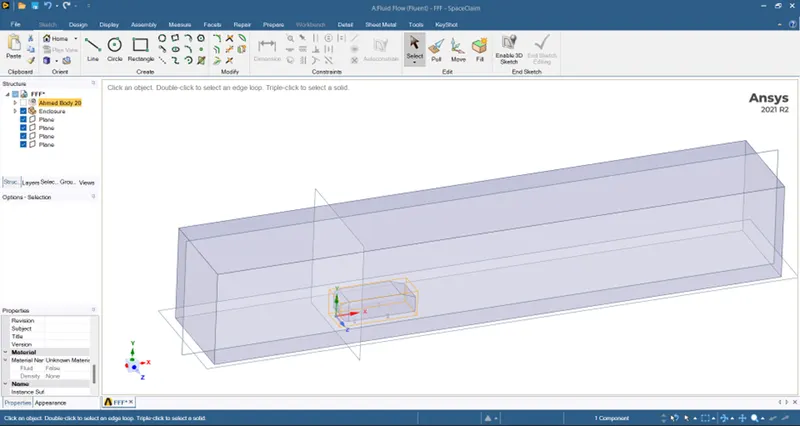
Sectional plane view:
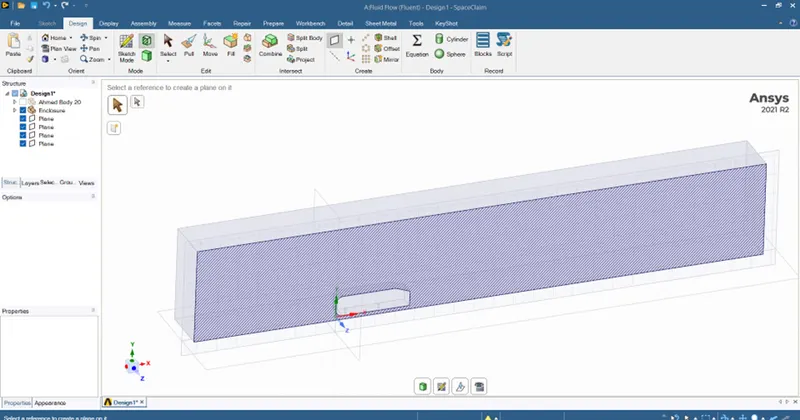
Named selection (Initial condition):
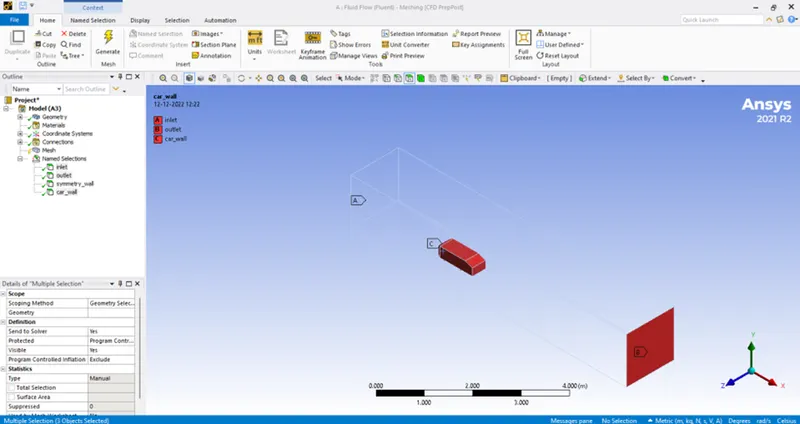
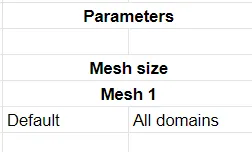
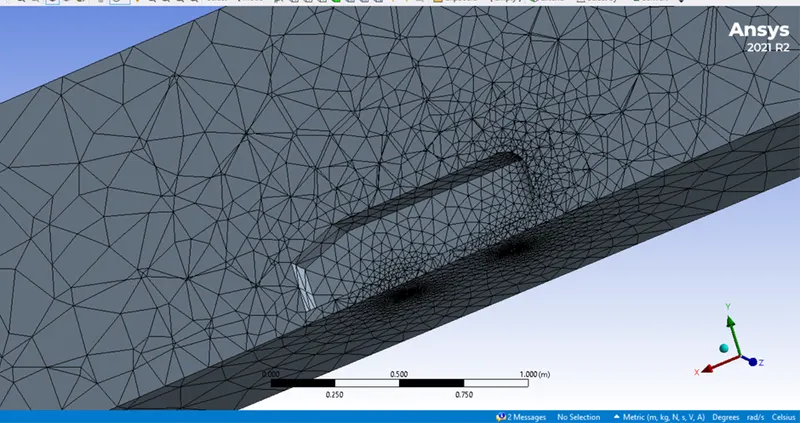
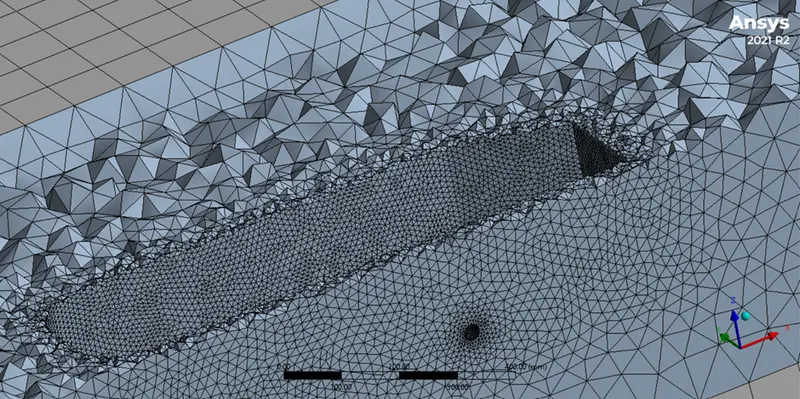
Mesh 1:
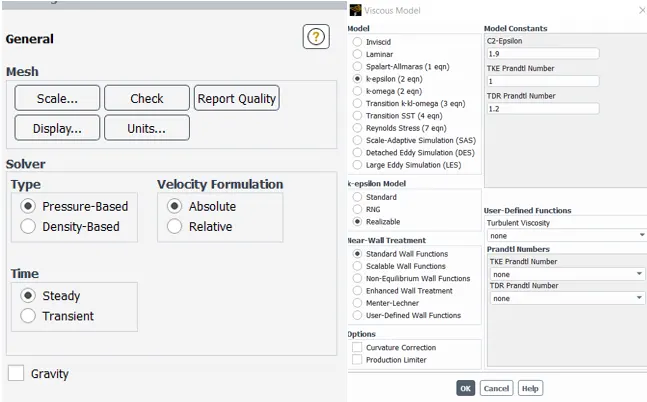
Pressure-based solver and Turbulence (K-epsilon) model type:
Scaled residual plots:
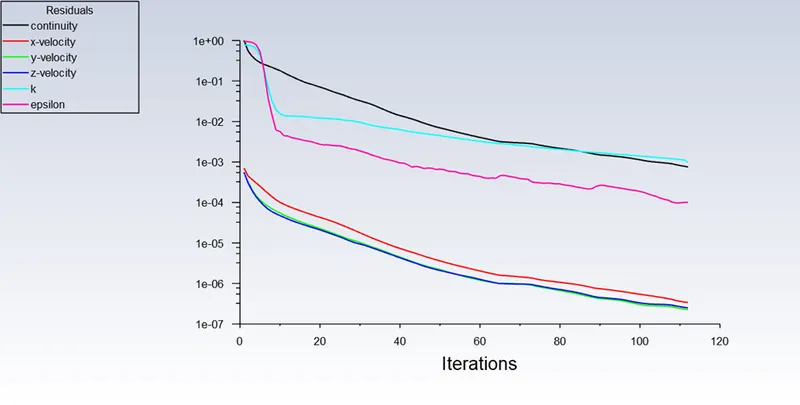
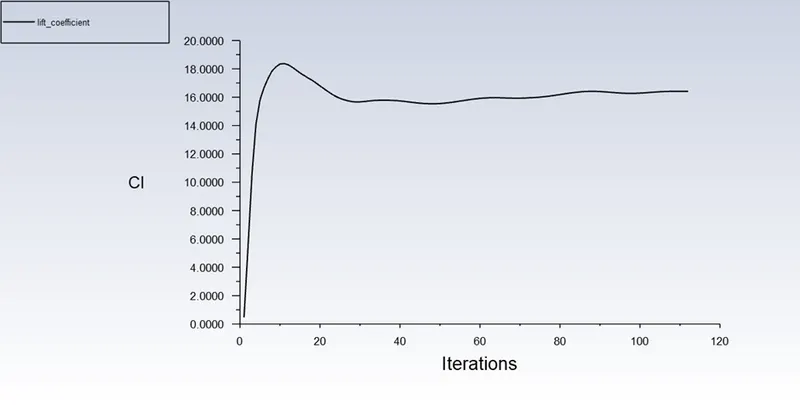
Coefficient of lift:
Coefficient of drag:
Plane creation:
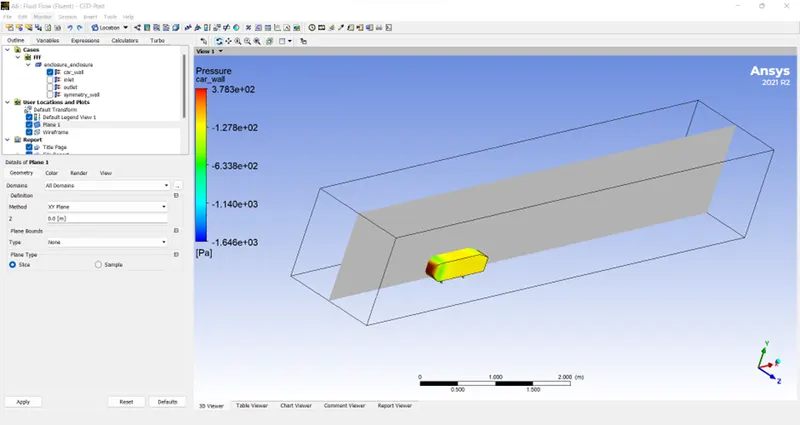
Pressure contour 1:
Velocity contour 1:
Vector plot 1 in the wake region:
Case 2- Ahmed's body refined setup:
Geometry setup in space claim:
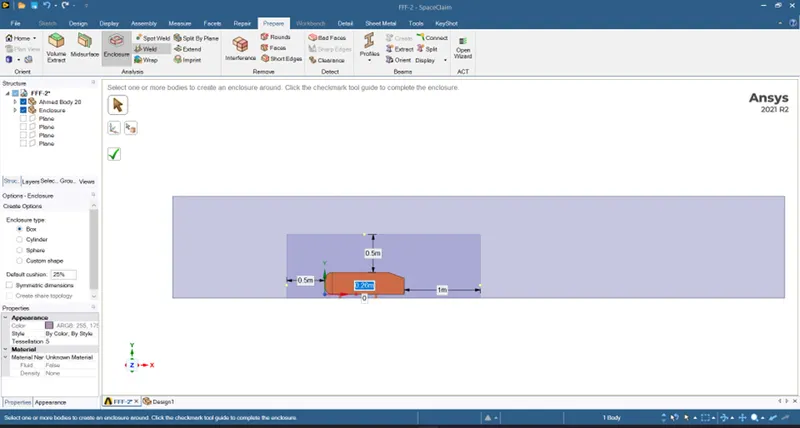
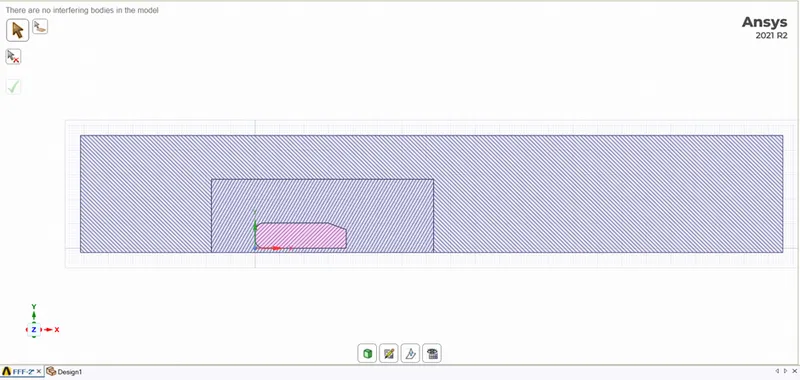
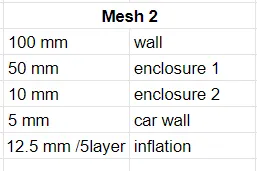
Mesh 2:
Parameters:
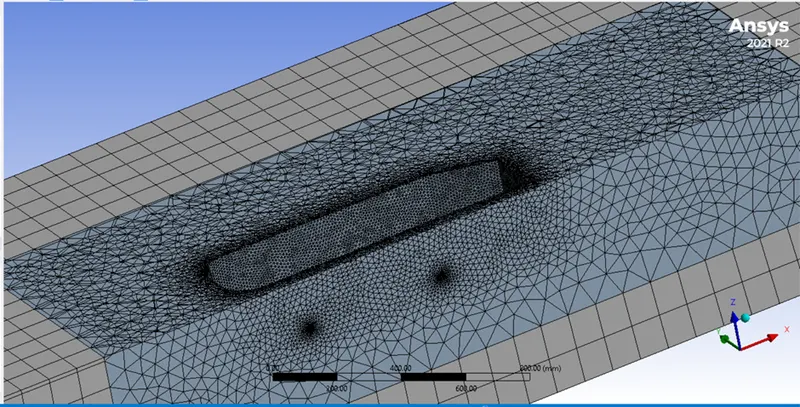
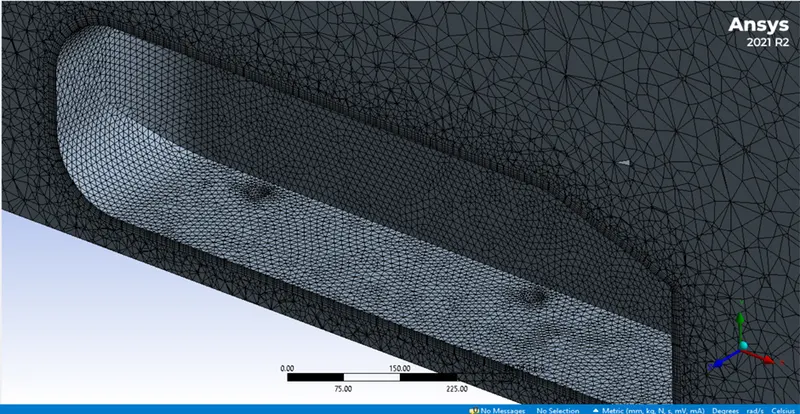
Inflation layer:
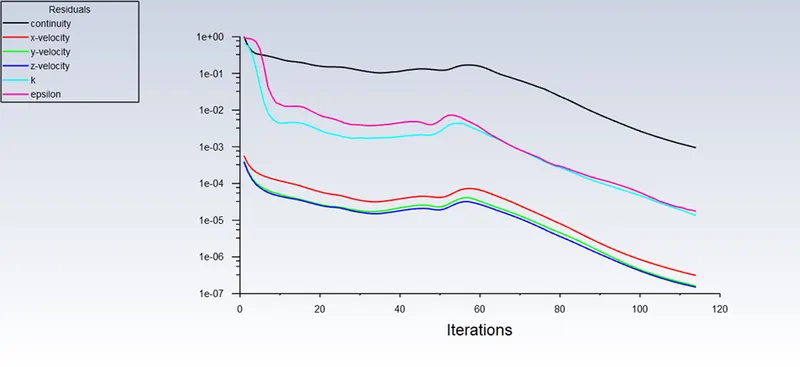
Scaled residual plots
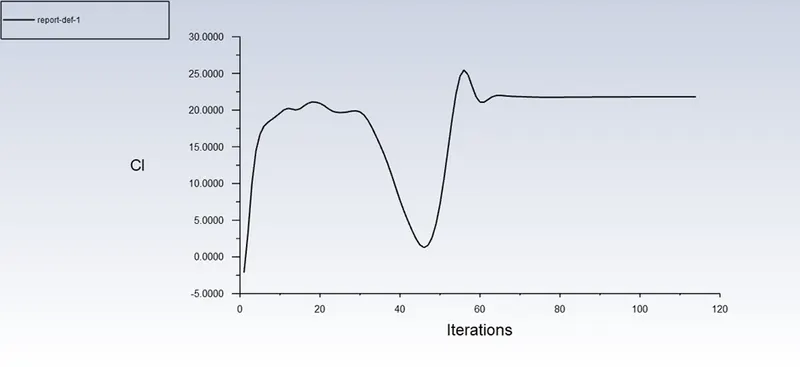
Coefficient of lift:
Coefficient of drag:
Pressure contour 2:
Velocity contour 2:
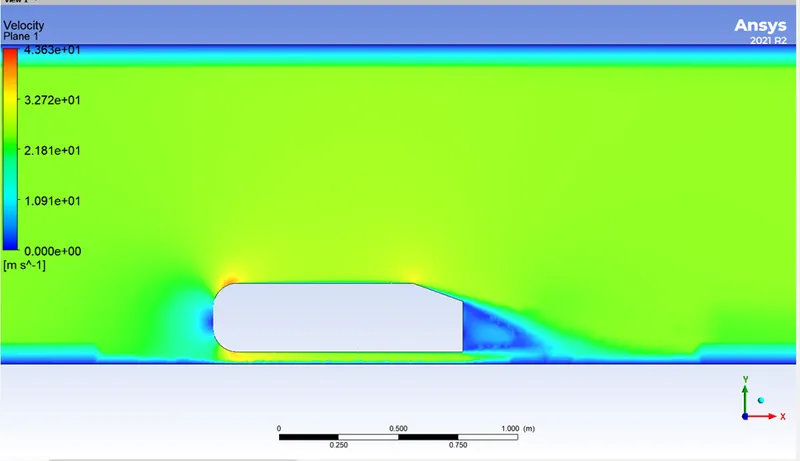
Vector plot 2 in the wake region:
Case 3 - Fined model setup
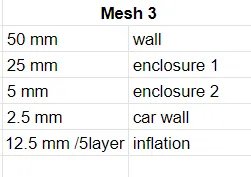
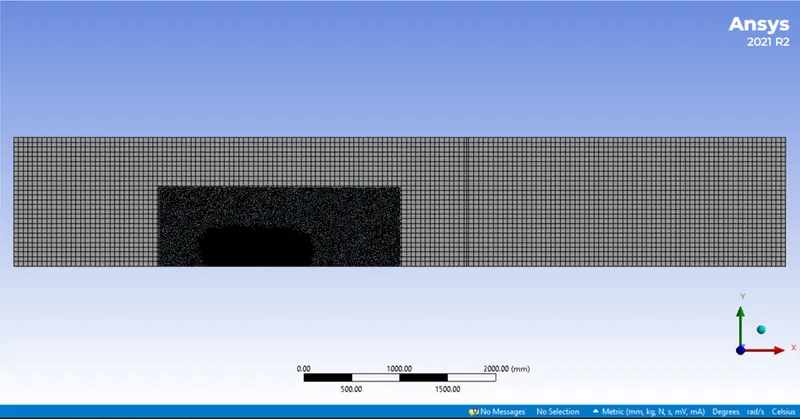
Mesh 3:
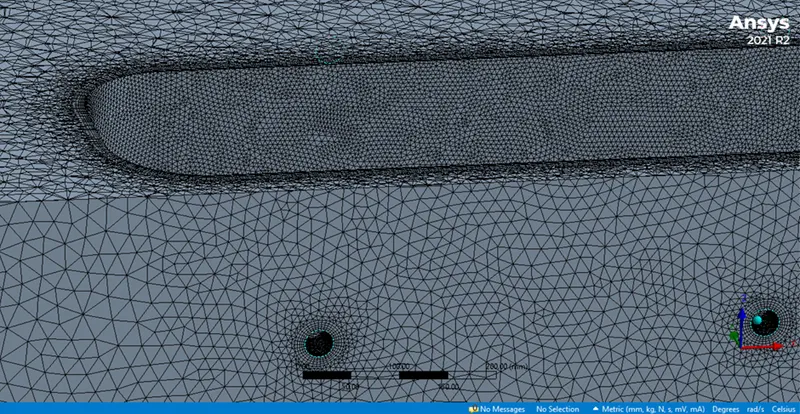
Mesh parameters
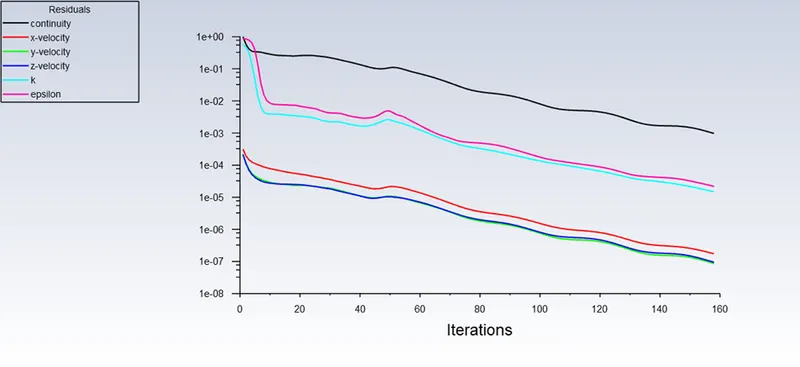
Scaled residual plots:
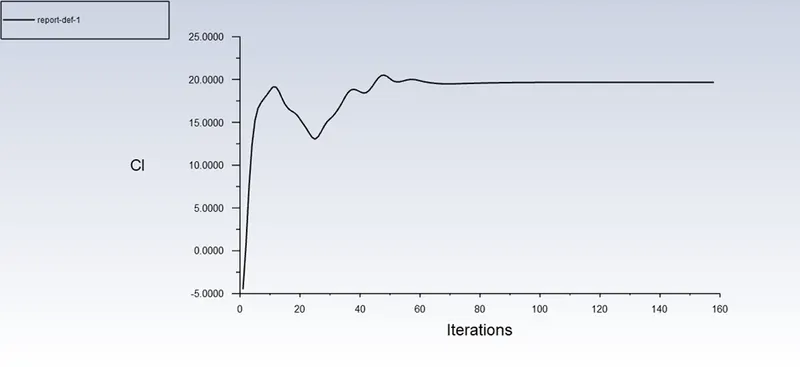
Coefficient of lift:
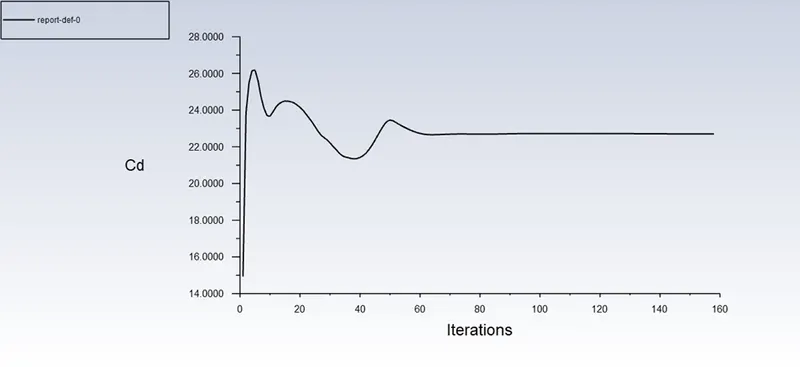
Coefficient of drag:
Pressure contour 3:
Velocity contour 3:
Vector plot 3 in the wake region:
Results:
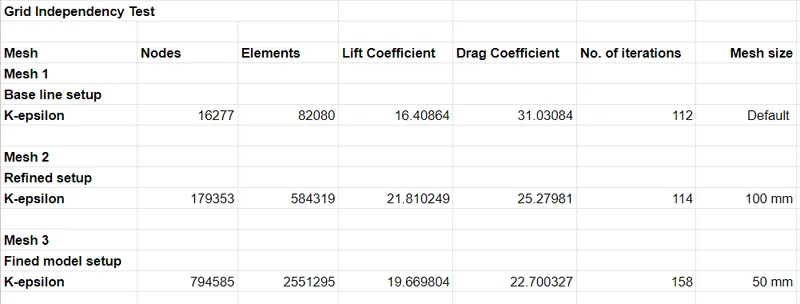
Grid independency test for the values of drag and lift:
A Grid Dependence Test is used to ascertain whether the solution's final values depend on the mesh. This is an important test to ensure the simulation results are correct.
This test, the test will involve 2 different simulations - one where the mesh becomes finer and the other where the mesh becomes coarser.
Conclusion:
- Ahmed's Body simulation works well and matches the body's experimental and empirical data.
There are areas behind the body where wakes are created, circling low-speed areas that significantly increase the body's drag due to velocity. - The difference in the lift coefficient values between different sources is caused by the coarser mesh that surrounds the Ahmed body's bottom area.
- After performing a grid dependence test, which was successful, it was discovered that the drag coefficient reduces as the number of pieces increases. This drop is so modest that it might not even be noticed.