Week 3 - External flow simulation over an Ahmed body.
External flow simulation over an Ahmed body
Describe Ahmed's body and its importance:
Ahmed body allows us to capture characteristic features that are relevant to bodies in the automobile industry. This model is also used to describe the turbulent flow field around a car-like geometry. Once the numerical model in validated, it is used to design new models of the car.
Geometry setup:
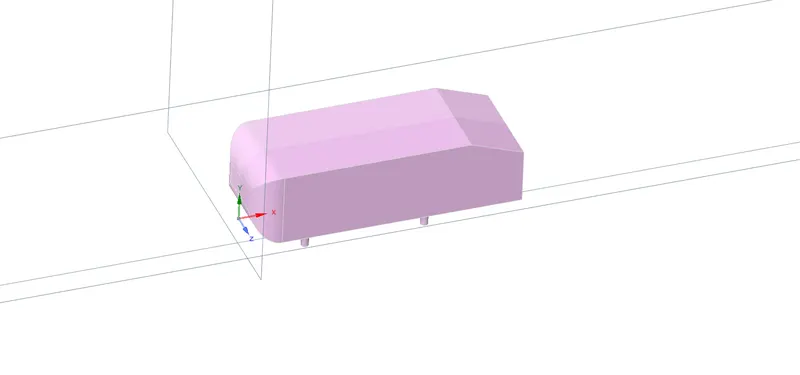
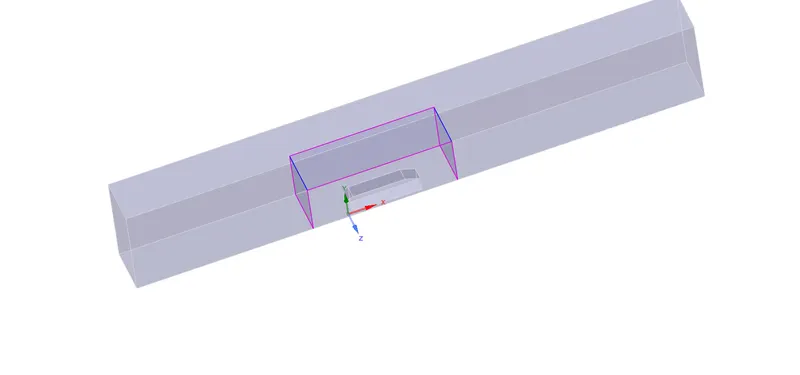
Import the geometry in spaceclaim and create the enclosure for computational domain as shown below
Meshing :
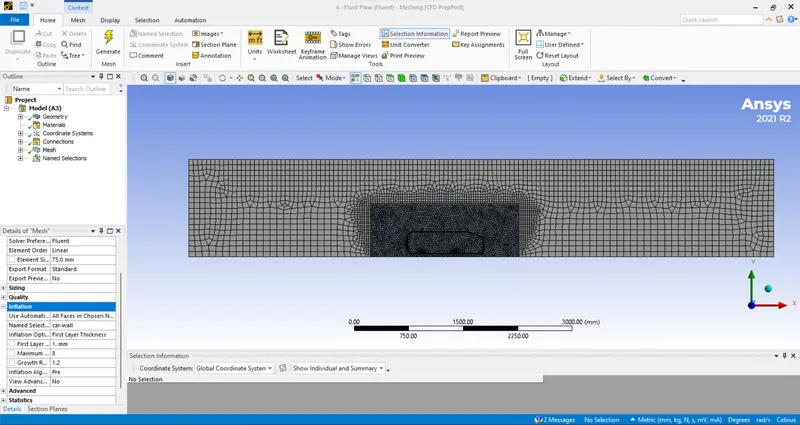
mesh the object with required element size
element size is 25mm
Fluent setup
open the setup and apply the all required fields
solver type : Desity based
Material : Air
Physical model : Turbulence model K-epsilon with standared model
Boundary conditions :
inlet: inlet velocity as 25m/s;
outlet : outlet pressure;
solution method : Implicit and all are second order formulation;
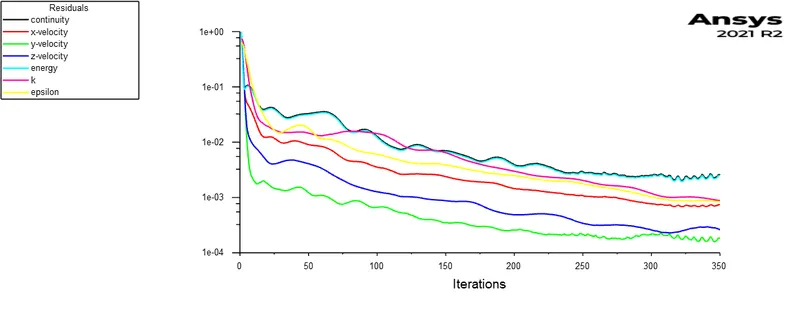
Run the simulation untill solution is converged
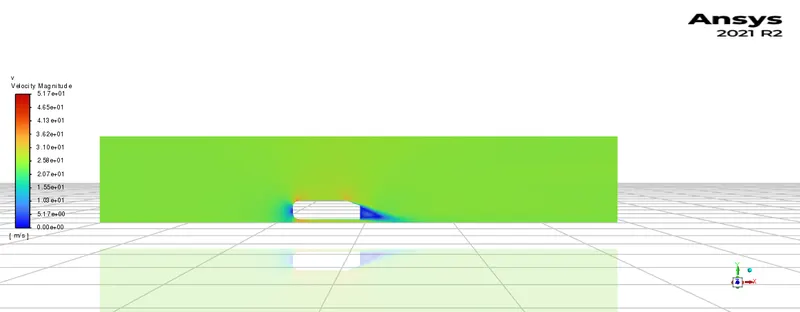
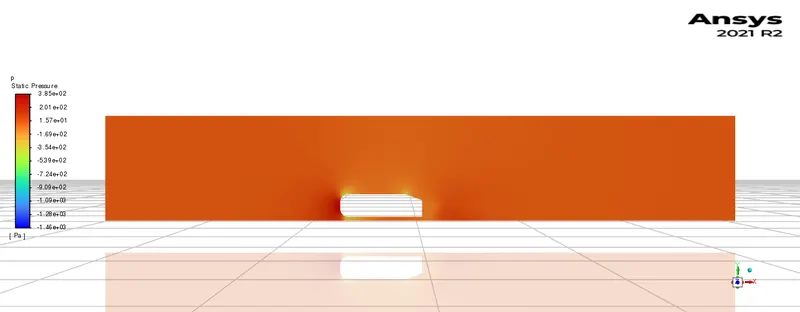
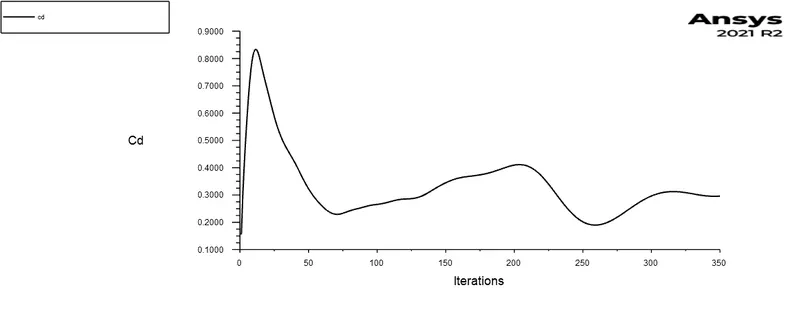
Cd
-------------------------------- -------------------
car-wall 0.29596471
Vector plot
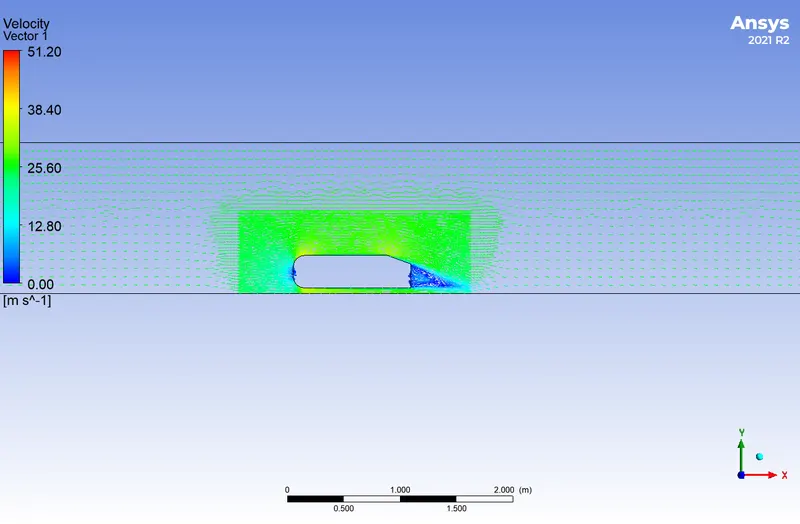
Explain the reason for the negative pressure in the wake region.
The pressure inside the wake region remains low as the flow separates and a net pressure force (pressure drag) is produced. In other words, due to the production of pressure drag being produced from flow separation, the pressure in the wake region is low. This is what is causing the vacuum
Explain the significance of the point of separation.
The separation point is the point where the air stops "sticking" to an object that is moving through the air. When an object is moving through the air, the air molecules push back on it and resist the object's movement - this resistance is called pressure drag
Grid test:
With element size of 20mm
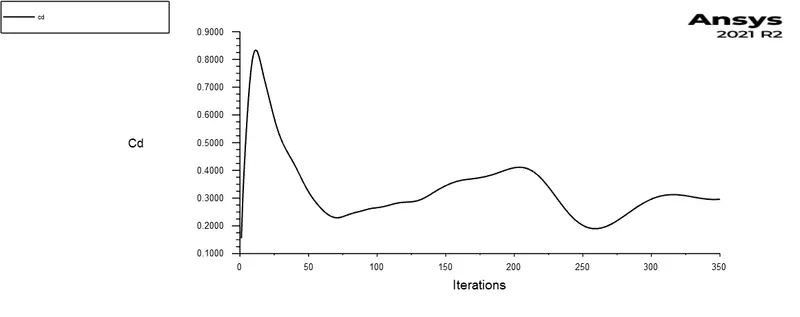
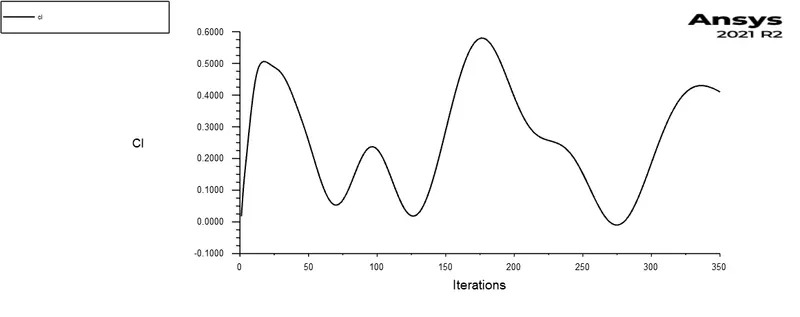
Cd
-------------------------------- -------------------
car-wall 0.29596471
Cl
-------------------------------- -------------------
car-wall 0.41005969
Impressions:
As the mesh size is getting finer the drag coefficient comes to the required values