Week 2 - Flow over a Cylinder.
Simulate the flow over a cylinder and explain the phenomenon of Karman vortex street
Theory:
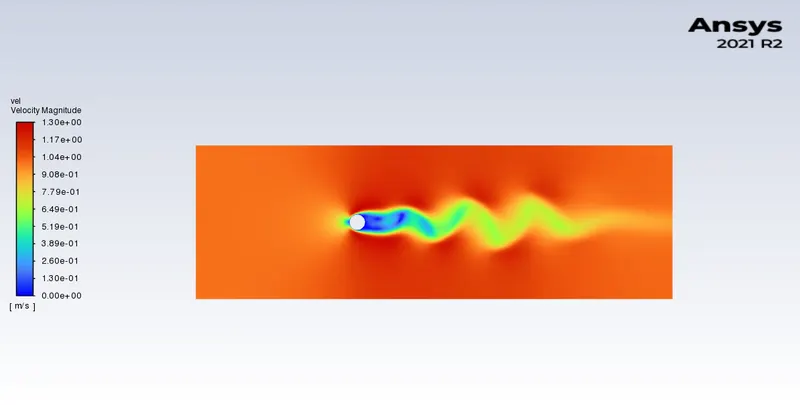
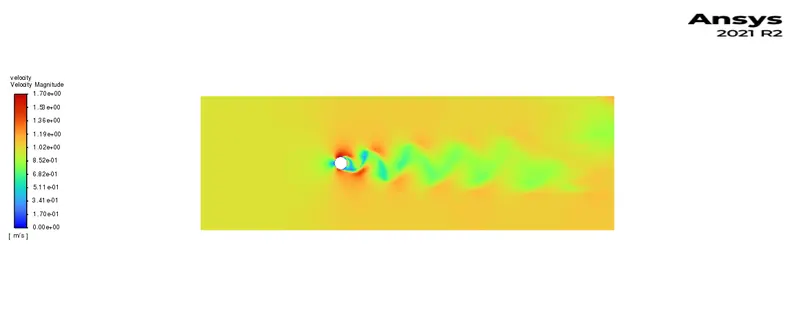
Karman vortex: In fluid dynamics, a Karman vortex street (or a von Kármán vortex street) is a repeating pattern of swirling vortices, caused by a process known as vortex shedding, which is responsible for the unsteady separation of the flow of a fluid around blunt bodies.
Strouhal Number:
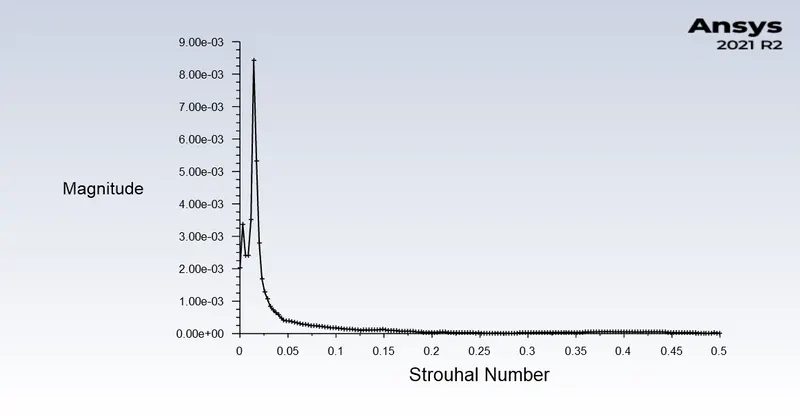
In dimensional analysis, the Strouhal number is a dimensionless number describing oscillating flow mechanisms
The Strouhal number represents the ratio of inertial forces due to the local acceleration of the flow to the inertial forces due to the convective acceleration
This phenomenon is of major importance in engineering design because the alternate formation and shedding of vortices also creates alternating forces, which occur more frequently as the velocity of the flow increases.
PART-I
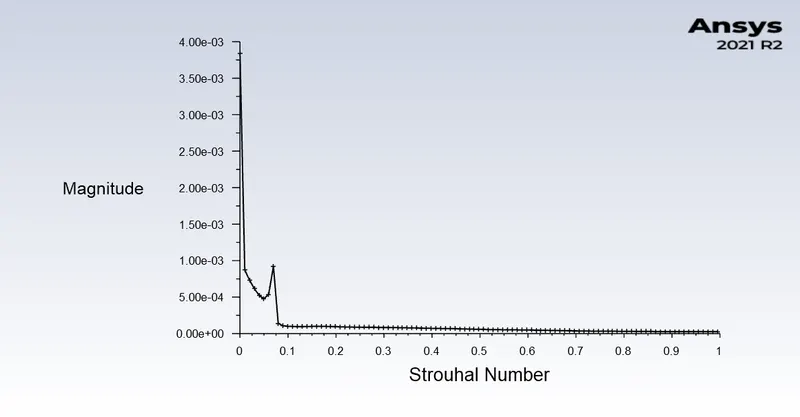
- Simulate the flow with the steady and unsteady case and calculate the Strouhal Number for Re= 100.
Steady case::
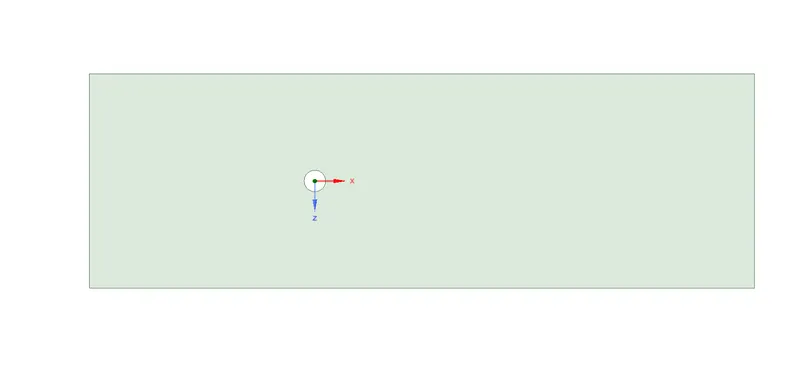
Geometry setup:
Draw the required geometry with appropriate diomensions as shown below in Ansys spaceclaim
Meshing
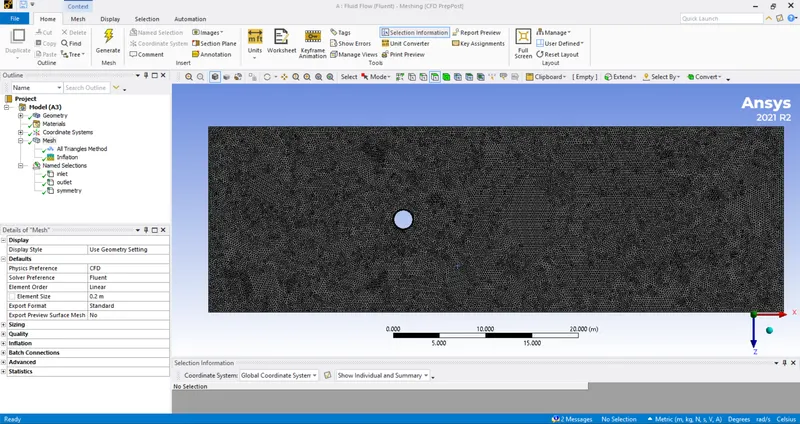
Mesh the file with required element size and nameing them for apply boundary conditions in fluent setup
Fluent Setup:
Open the fluent setup and apply all respective fields according to problem statment
solver type : pressure based,
Time : steady state
Physical Model : viscous Laminar
Material : User material like density is 1 and viscosity 0.02 for Reynolds number 100
cell zone : Fluid with user material
Boudary conditions: Inlet velocity is given to 1M/s
out let : pressure at outlet with gauge pressure 0
wall is given by wall boundary with noslip conditions
solution methos : Simple and all are second order
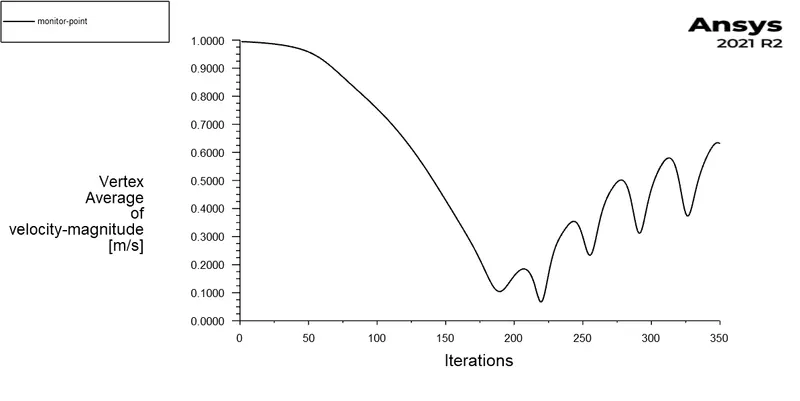
and finally run the sumulations
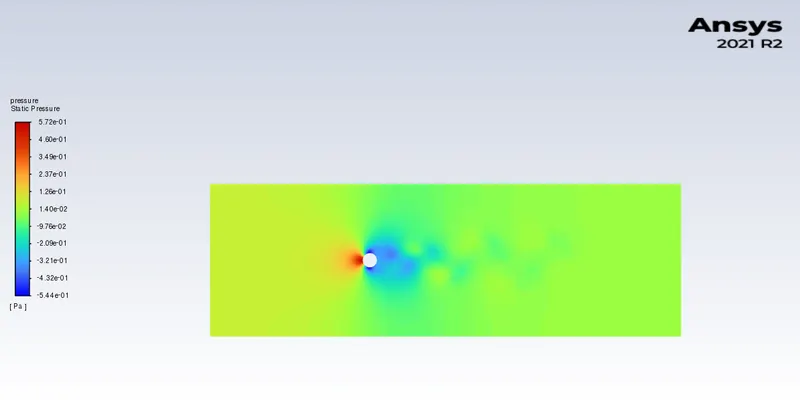
\
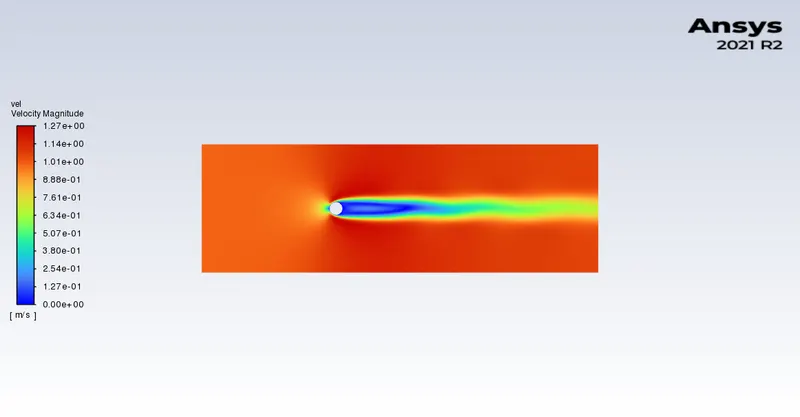
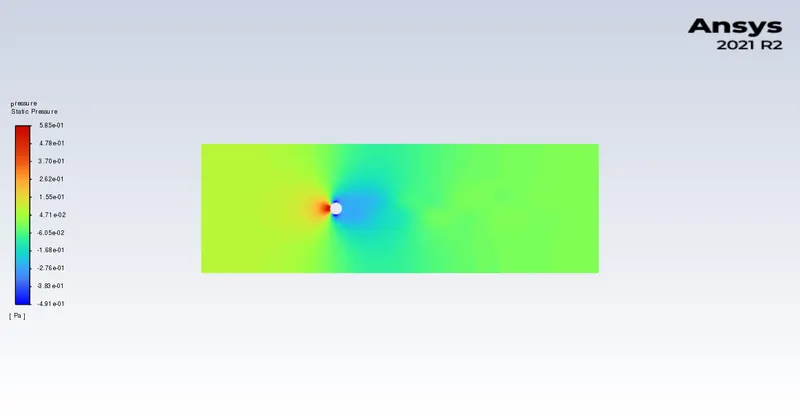
Strouhal Number for Re= 100.
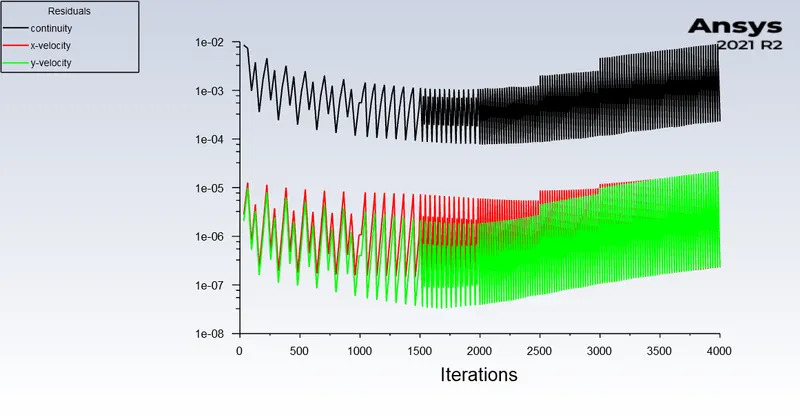
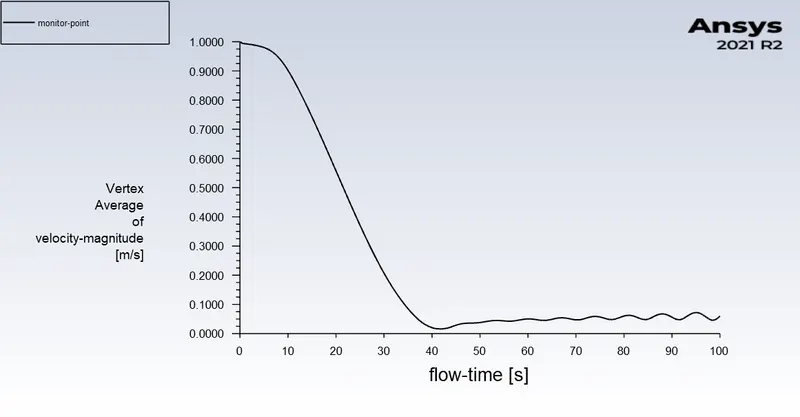
unsteady case
PART-II
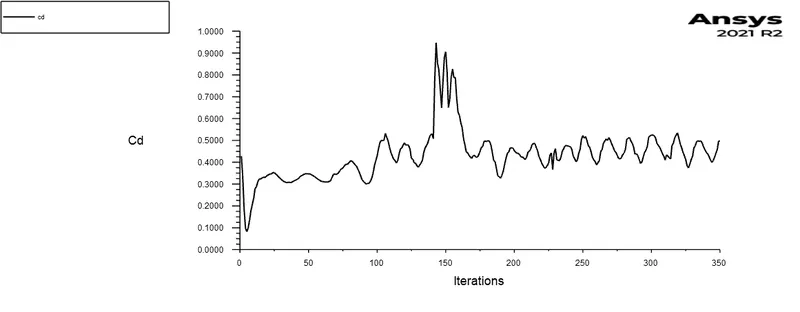
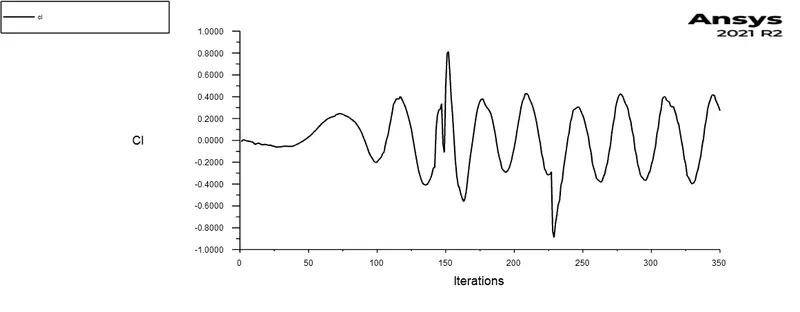
- Calculate the coefficient of drag and lift over a cylinder by setting the Reynolds number to 10,100,1000,10000 & 100000. (Run with steady solver)
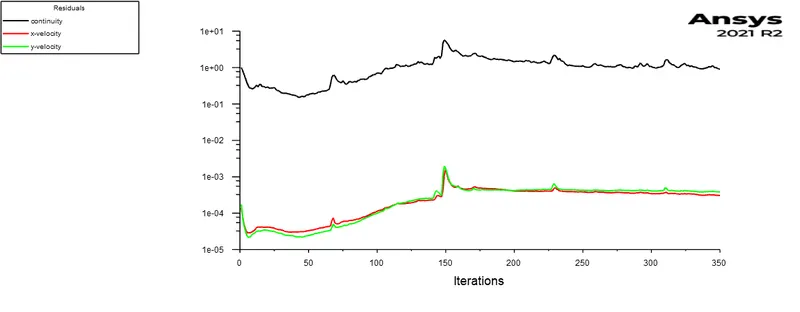
for Reynolds 10
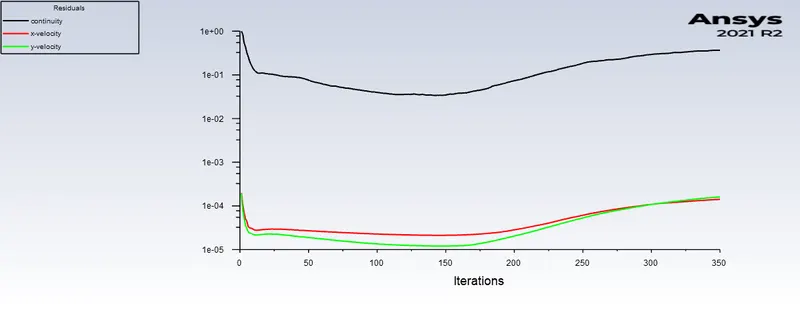
simulations would be
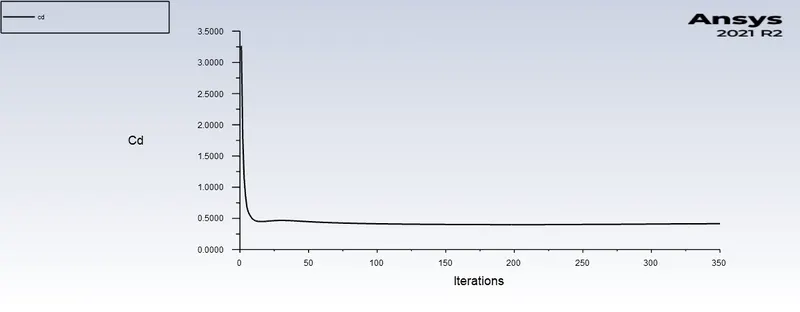
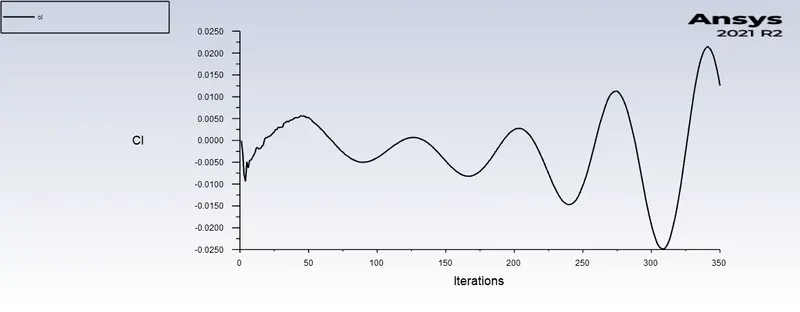
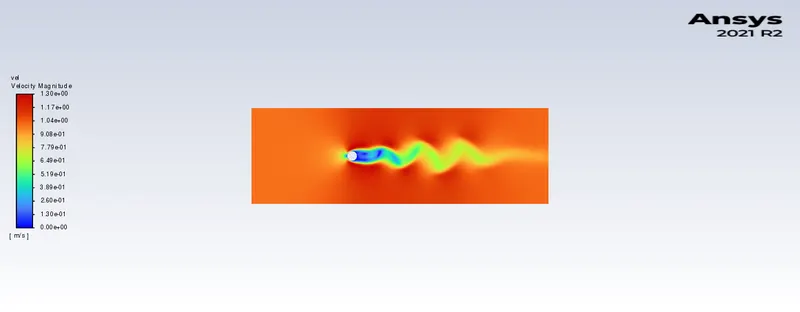
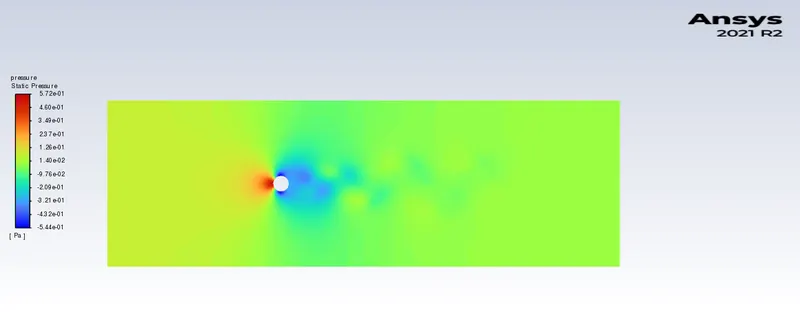
For Rey number 100
For Rey num 1000
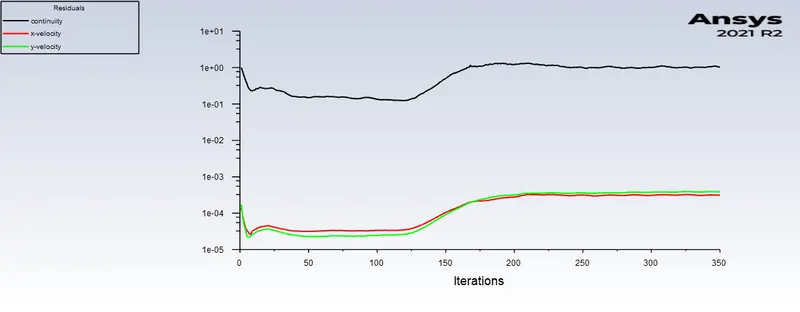
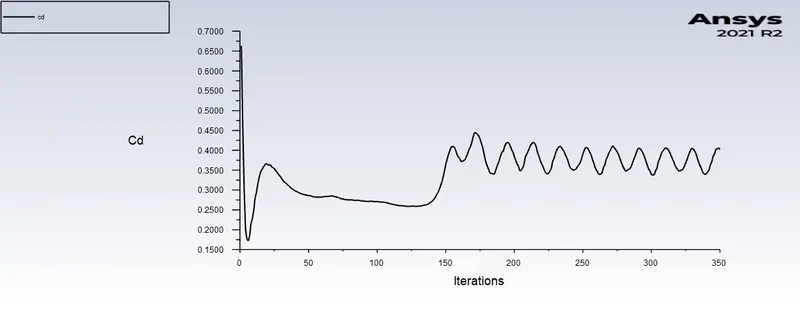
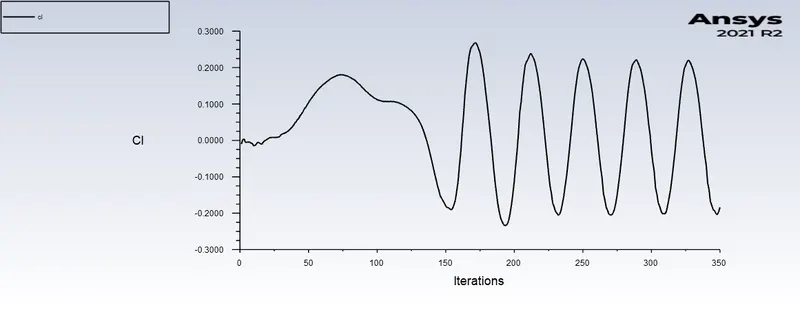
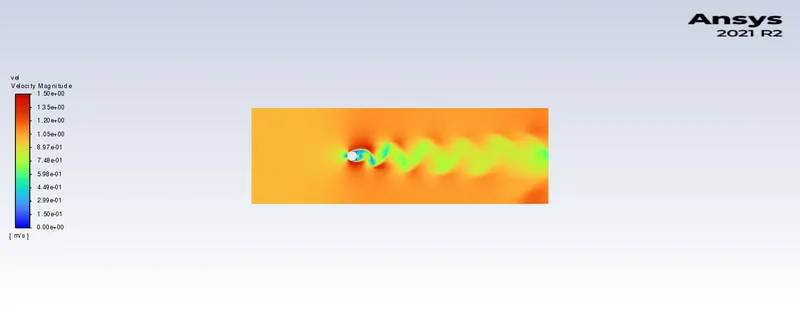
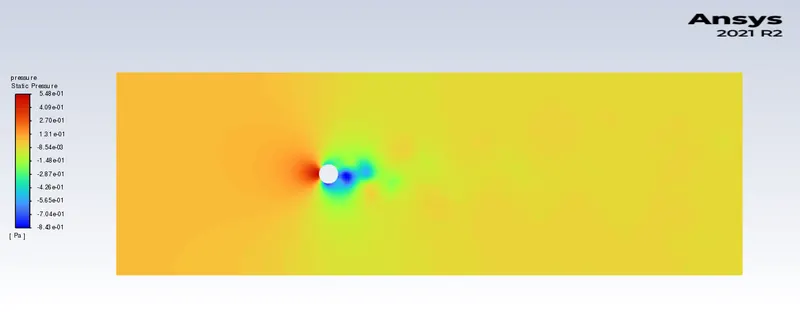
For Rey num 10000
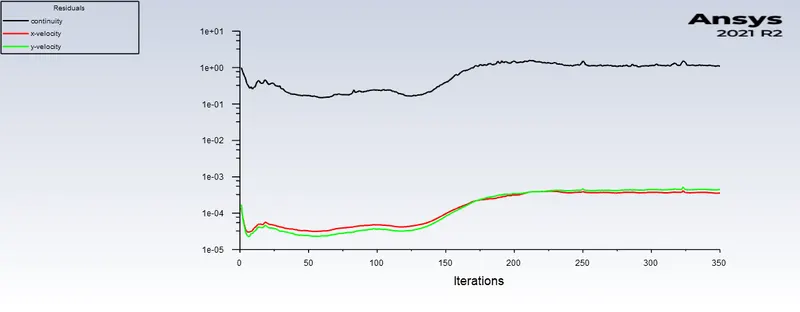
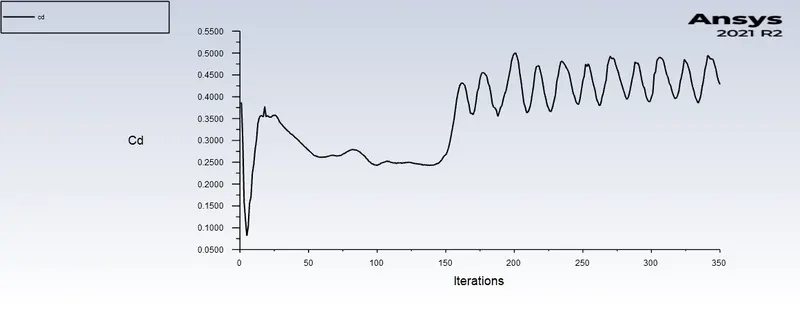
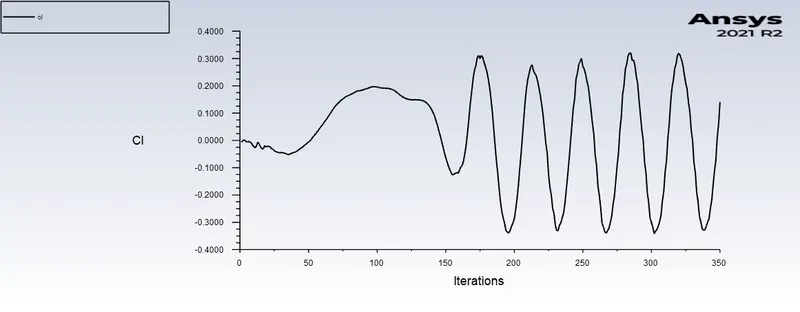
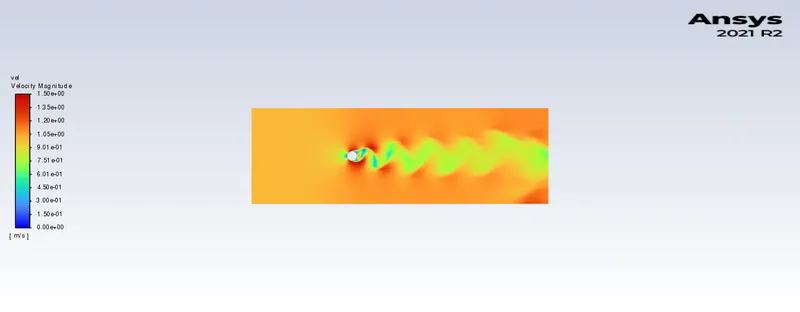
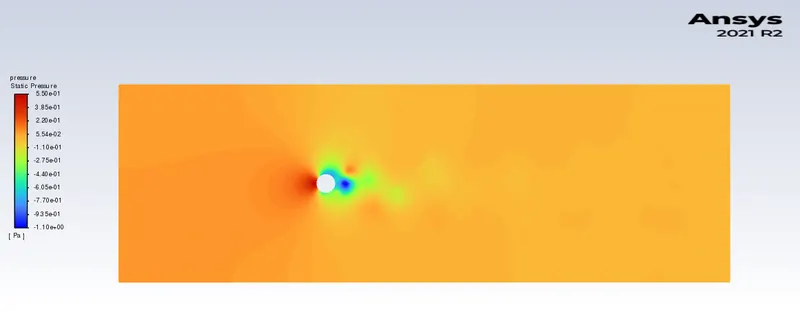
For Rey num 100000
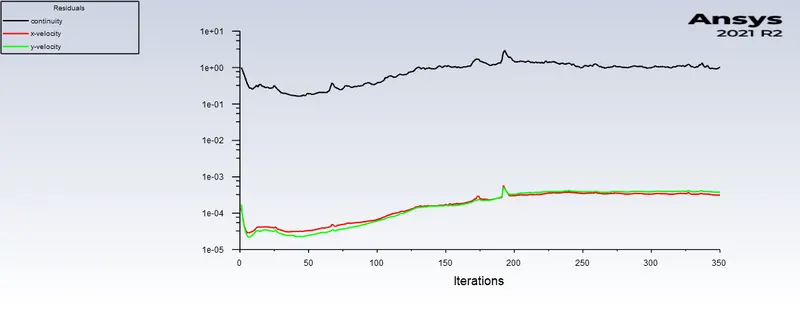
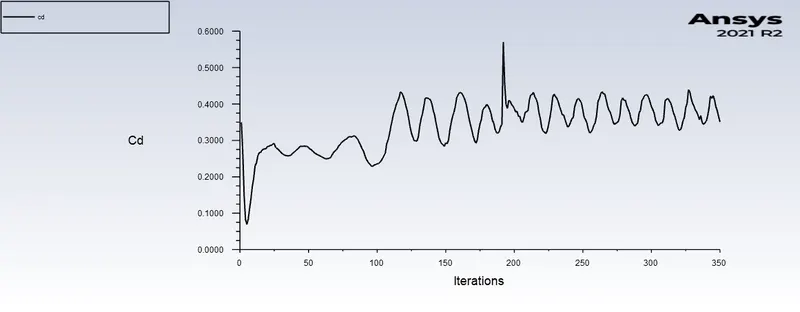
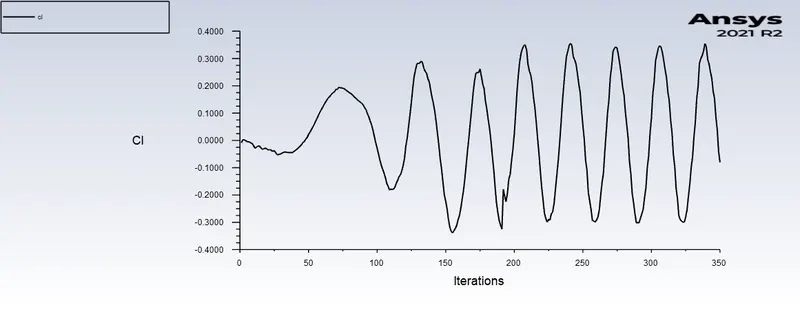
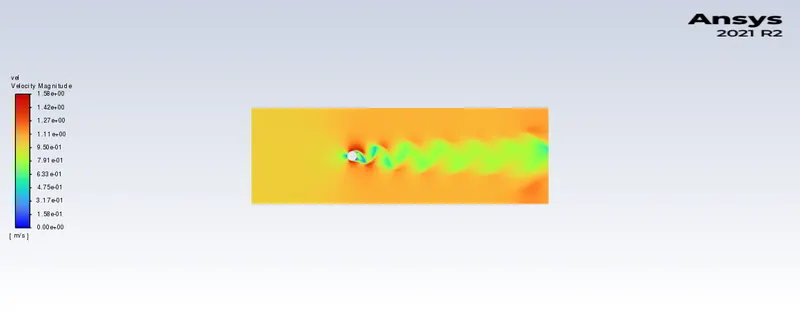
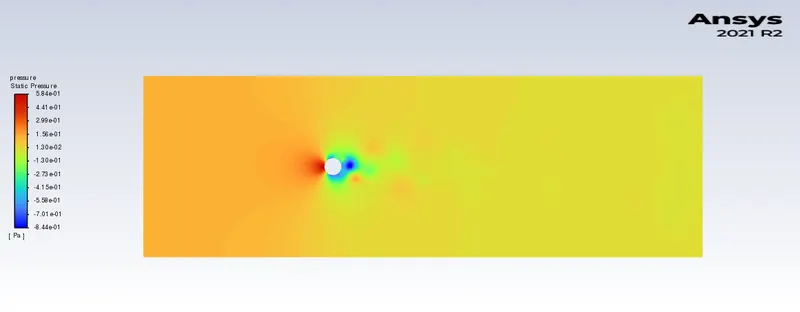
| rho | mu | Rey num | Cd | Cl |
| 1 | 0.2 | 10 | 0.49614 | 0.27289974 |
| 1 | 0.02 | 100 | 0.41468 | 0.012531445 |
| 1 | 0.002 | 1000 | 0.40218 | -0.1838073 |
| 1 | 0.0002 | 10000 | 0.42823 | 0.14048563 |
| 1 | 0.00002 | 100000 | 0.35075 | -0.08043311 |
Observations:
When Reynolds number gets increased the drag coefficient gets decreased as shown in above figure and vortex shedding is comming to clear picture with the same velocity and only change in reynolds number.
References