Week-3 Challenge: ADVISOR Tool
PART 1
Aim: To check whether the “EV_defaults_in” in ADVISOR can travel for 45kms with FTP drive cycle with a cargo mass of 500 kg.
Tool used:
ADVISOR (Advanced vehicle simulator)
1.Created by National laboratory for renewable energy(NREL) & department of energy, USA.
2.Development phase 1994-2004
3.Rapid analysis of the performance and fuel economy of conventional electric & hybrid vehicles.
4.It uses a backward flow (driving cycle to energy storage).
5.Vehicle models are mostly experimental, relying on drivetrain component input/output relationships measured in the laboratory.
Tool source: https://sourceforge.net/projects/adv-vehicle-sim/
Body:
The drive cycle used here to test the EV is FTP.
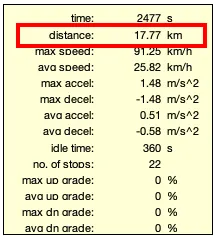
This is the specification of one cycle of FTP.
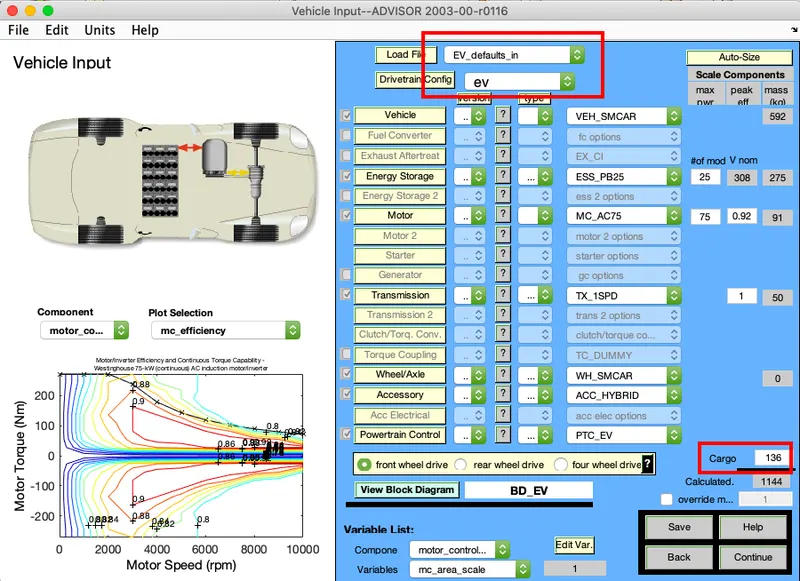
1. After starting advisor tool by typing “advisor” in the command window making sure to select the correct path. The vehicle is EV_defaults_in is chosen from the drop down menu.
2. In this window FTP is chosen with no. of cycles to be 1.
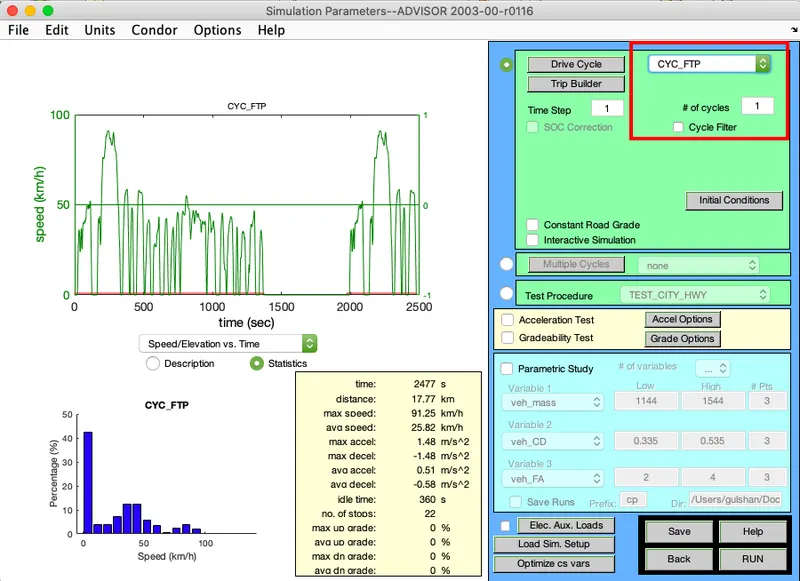
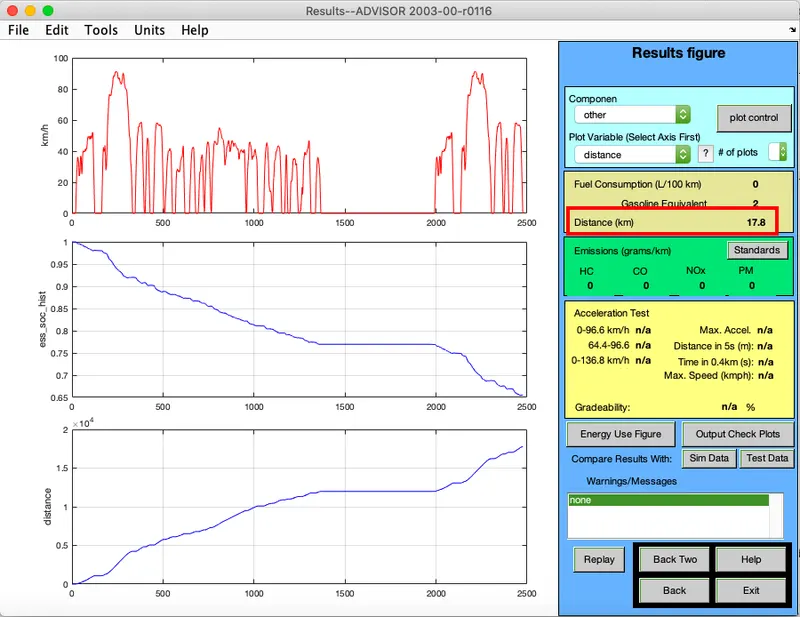
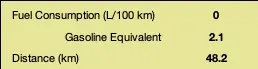
3. The result can be seen here, the ev complete the simulation and travelled the distance of 17.8 kms
This is repeated for more no. of cycles.
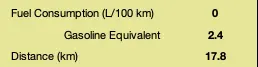
At cycle 1

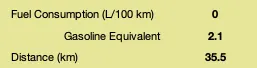
At cycle 2

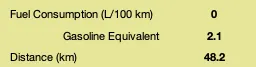
At cycle 3

At cycle 4

After increasing the cargo weight to 500kg as per the given condition
The above process is repeated for 4 times.
At cycle 1
At cycle 2
At cycle 3
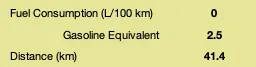
At cycle 4
Result:
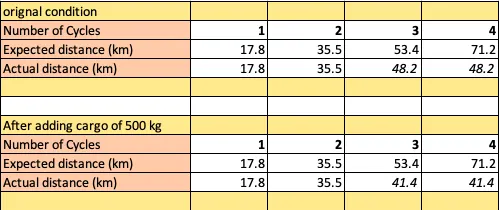
Since for the cycle no. 3 and cyce no. 4 the distance covered is same. we can say,
With original conditions the range is 48.2 kms.
With cargo weight of 500 kg the range is 41.2 kms.
Conclusion:
As it is evident form the result the maximum range with the cargo of 500kg in EV_defaults_in is 41.4 km, hence the car cannot cover the distance of 45kms.
PART 2
AIM: To increase the range of EV_defaults_in so as to cover the distance of 45kms.
Body:
The range of the car can be increased by -
1. By increasing the power(kW) of the battery pack used.
2 By increasing the number of battery module used in the car.
In this we will increasethe number of battery module used in the car, the original car uses 25 modules with 308 volts.
We will increase it to 30 modules with 370 volts.
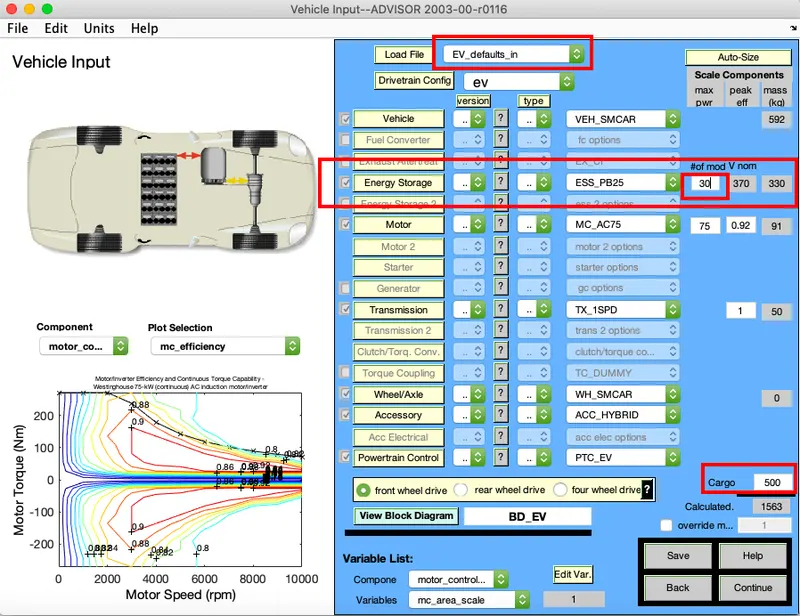
FTP drive cycle is choosen with number of cycle to be 3.
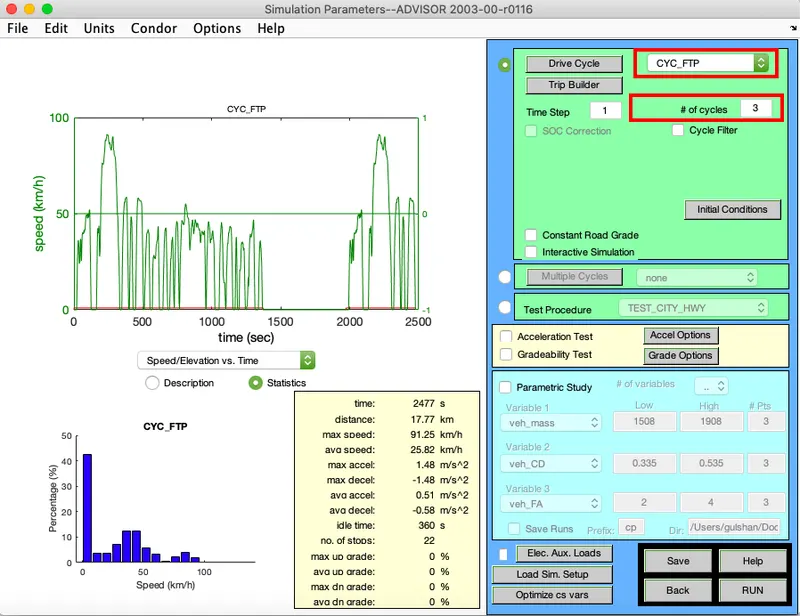
Result:
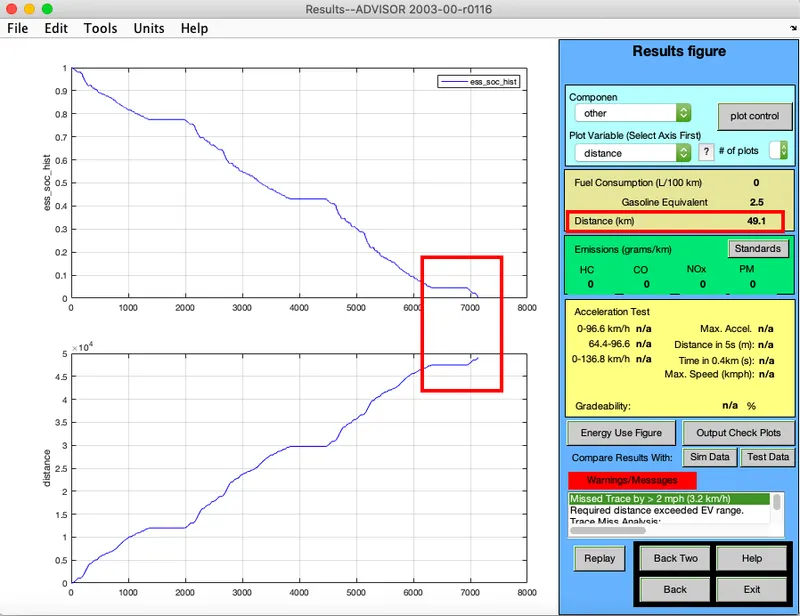
The car can now cover a distance of 49.1 kms.
Conclusion:
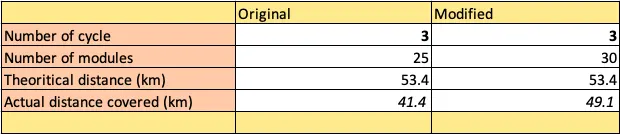
Hence by increasing the number of modules from 25 to 30, the car can cover the distance of 49.1 kms which is 4.1 km more then the required distance (45 km) to be covered.
PART 3
AIM:To perform gradeability test with “PRIUS_Jpn_defaults_in” in ADVISOR.
BODY:
The model under consideration is Toyota Prius parallel hybrid vehicle. It uses battery and and an IC engine to power the wheels. The differential is connected to to motor and it is also connected to an IC engine via a device called as a power split device. Power Split splits the power according to the throttle demands keeping the engine in maximum efficiency zone, providing additional power via battery and engine during aggressive conditions, charging the battery via a generator during conditions such as regenerative braking and preserving the energy efficiently.
Vehicle Specifications :
Power produced by IC engine : 43kW with fuel convertor efficiency of 0.39
Battery Capacity : NMH(Nickel Metal Hydride) batteries have been used with 40 modules producing a nominal voltage of 308 V
Generator(Regenerative) : 15kW
Motor :Induction motor producing power of 15kW with 0.84 efficiency.
Transmission : CVT
Drive : Front wheel drive
TEST:
1.The test vehicle is choosen from the drop down menu after starting the ADVISOR.
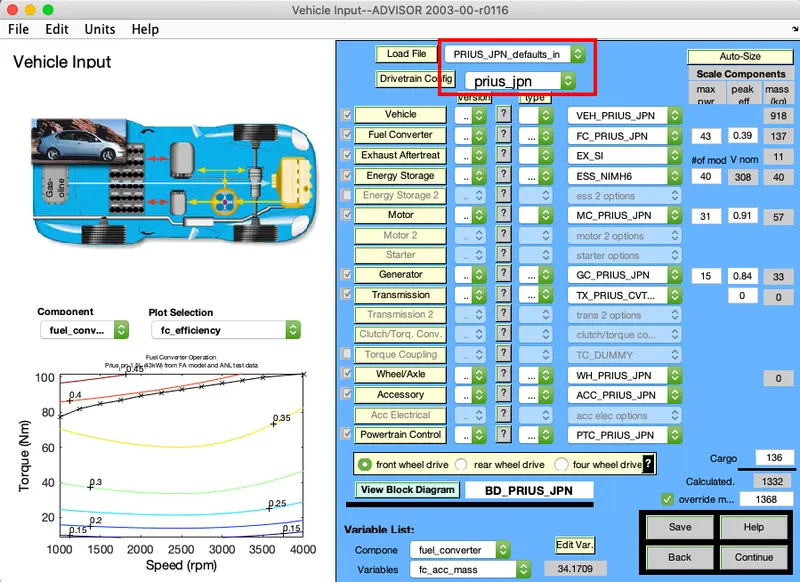
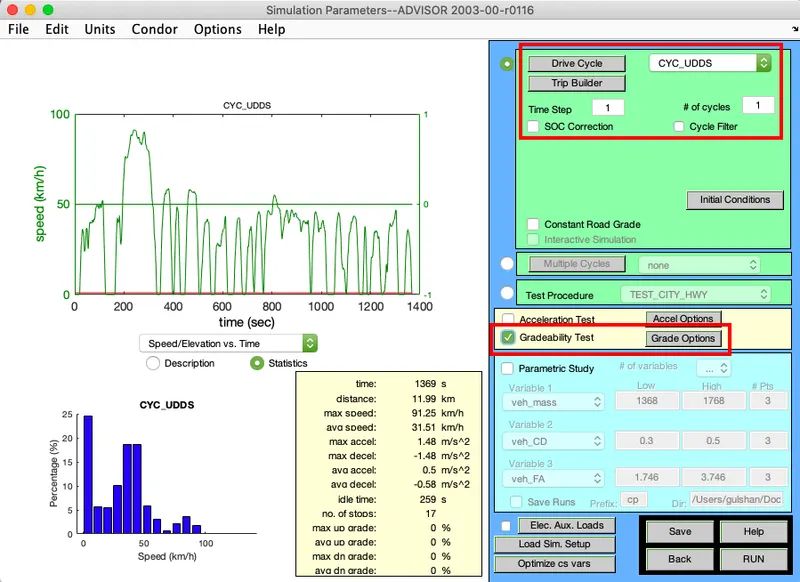
2. UDDS is choosen as the drive cycle with number of cycles to be 1, Grade options is configured and "Gradeability Test" is ticked.
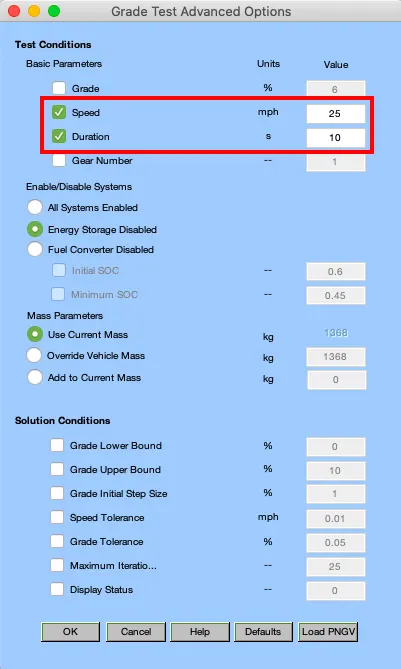
3.Here the default conditions are kept expect speed.
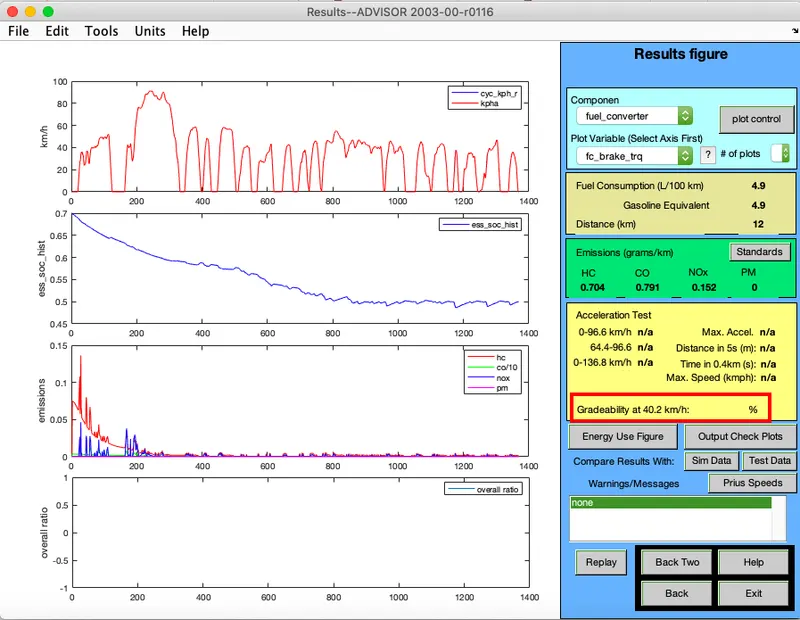
4. After running the simulation the gradeability is noted from the result window.
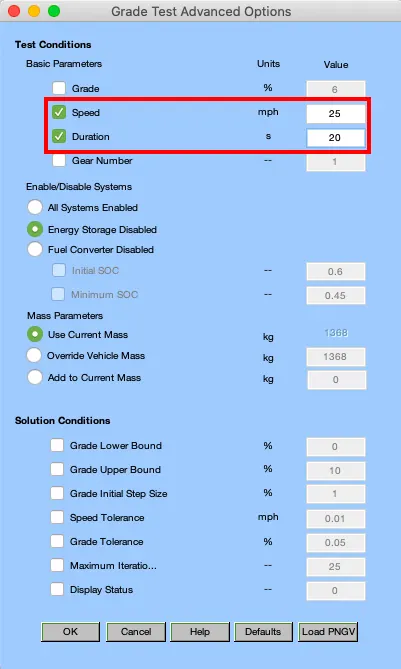
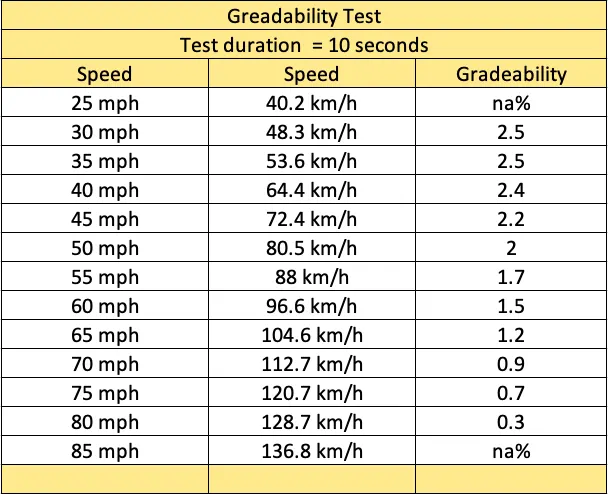
The test is repeated for speed 30mph, 35mph,.....85mph for both test duration i.e. 10 seconds and 20 seconds.
RESULT:
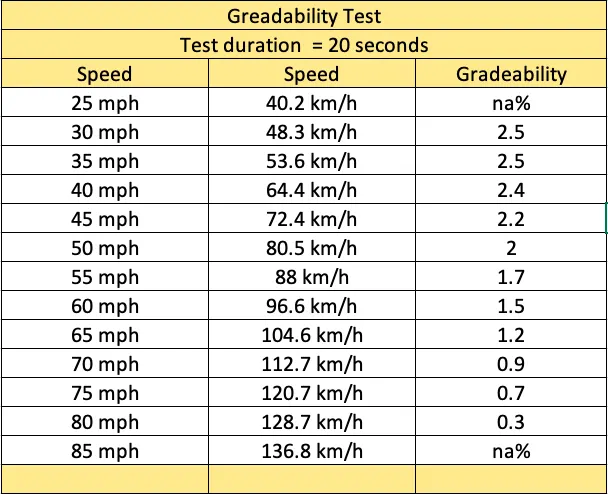
The result is noted and made into a tabular form.
1. For the duration of 10 seconds we can see the Gradeability decreases with increase in speed.
2. For the duration of 20 seconds we can see the Gradeability decreases with increase in speed, aslo it is same as for 10 seconds
CONCLUSION:
As we can see from the results the gradeability of the vehicle decreases with increase in vehicle speed and also gradeablity does not depend on time duration.