Week 2 - Flow over a Cylinder.
Aim :
Theory : Vortex shedding is a phenomenon that takes place when a fluid flows pass a bluff body, because of which the flow separates at the back of it, forming vortices. When this happens periodically at either side of the bluff body, the resulting phenomenon is the Von Karman Vortices. The fluid flow past the object creates alternating low pressure vortices downstream of the object.
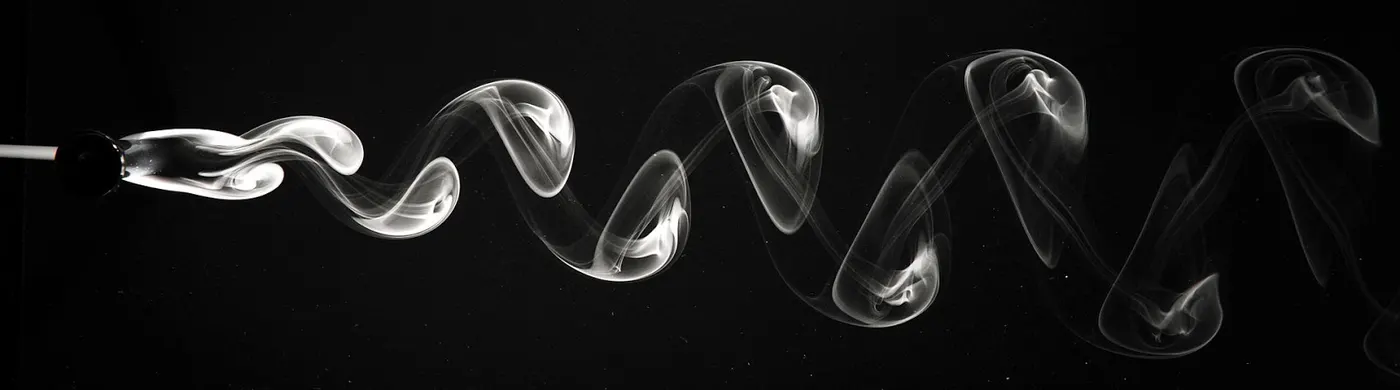
The vortex shedding is governed by a non dimensionless number called Strouhal number. It is used to determine the pattern of Vortex shedding.
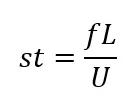
Where St is the Strouhal number , f is the frequency of vortex shedding , L is the characteristic length , U is the flow velocity
GEOMETRY AND MESH :
The figure below shows the geometry and the mesh. The overall flow domain is also shown with the boundary conditions
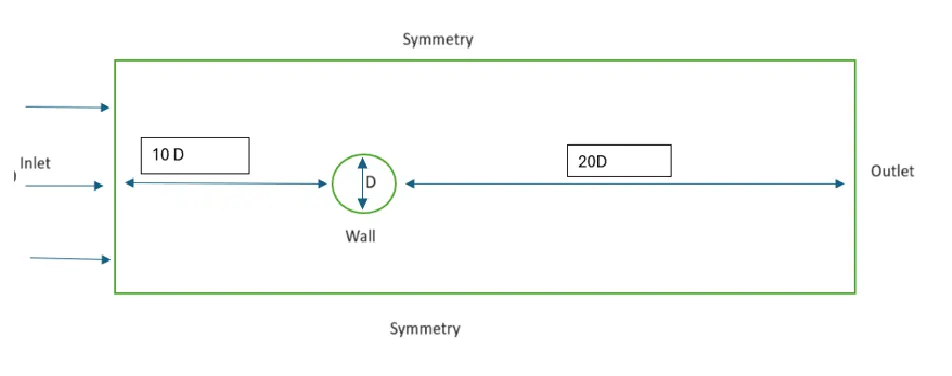
Fig 1 : The flow domain with boundary conditions
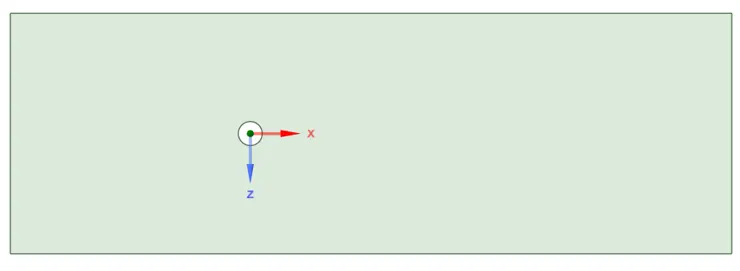
Fig 2 : The model of the flow domain
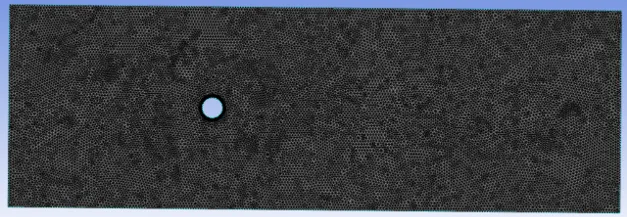
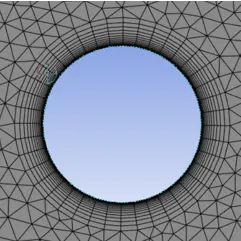
Fig 3: The mesh
PART 1: Simulate the flow with the steady and unsteady case and calculate the Strouhal Number for Re= 100.
In this particular case, we use a Reynolds of 100 to simulate the flow over a cylinder. The diameter of the cylinder is 2 m , with 2 m as the value of D, we calculate the dynamic viscosity.
| diameter of the cylinder | 2 m |
|---|---|
| Reynolds numbers | 100 |
| Cases to run | Steady and transient |
| Kinematic viscosity | 0.05 |
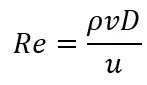
This is the formula for Reynolds number
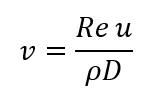
so velocity is 100*0.05/(1.225*2)= 2.04 m/s
RESULTS AND DISCUSSION
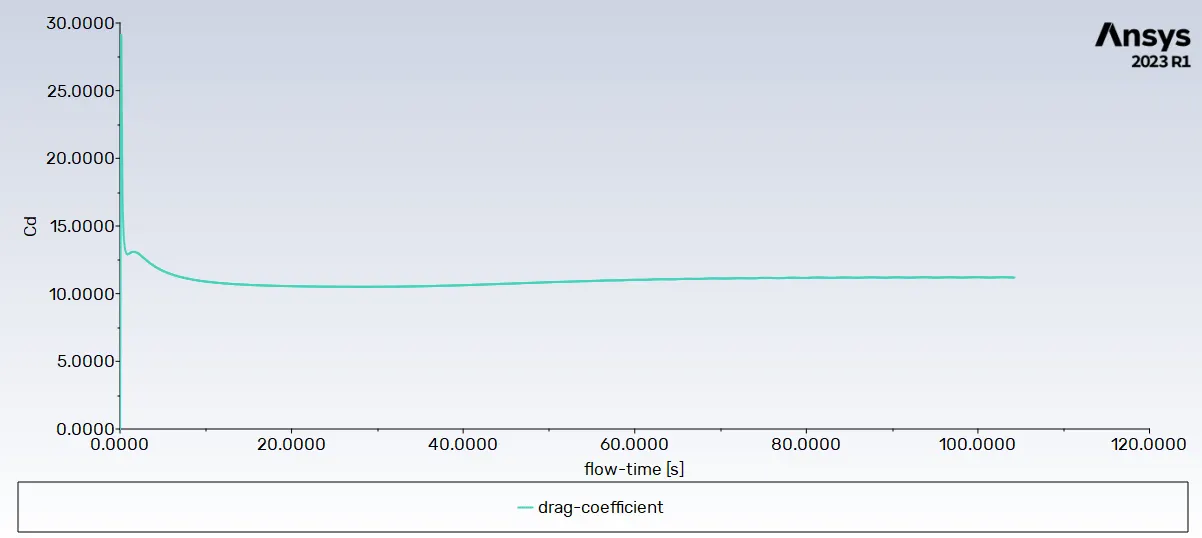
Case 1 : Steady Simulation
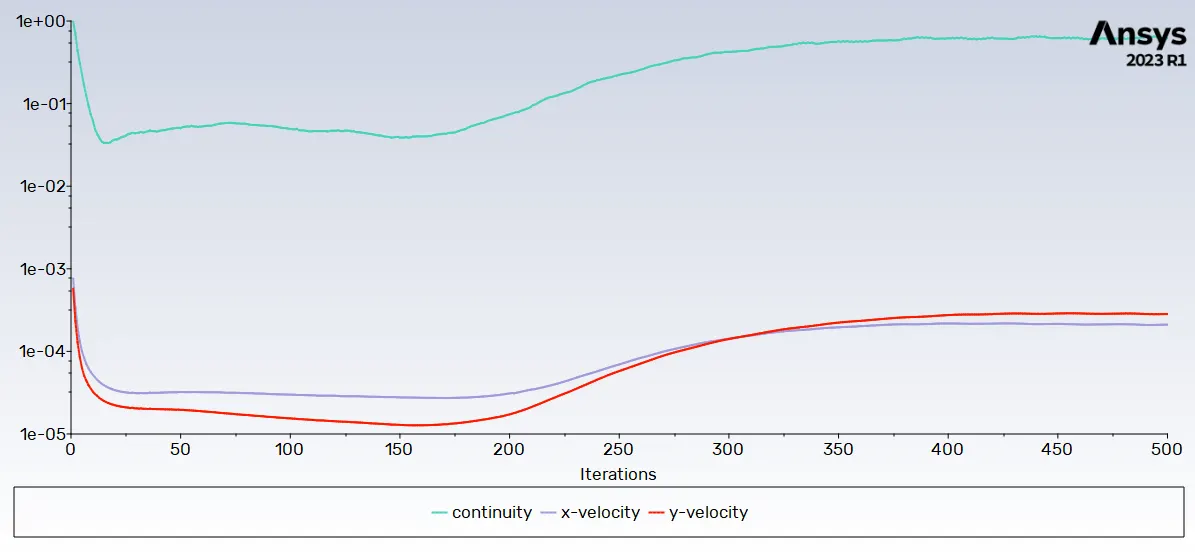
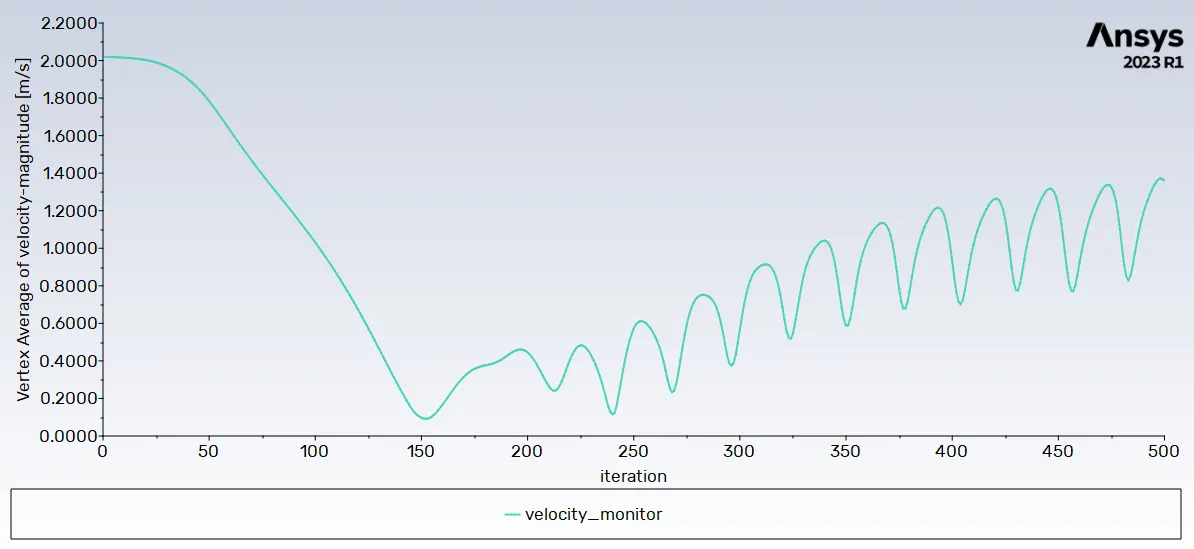
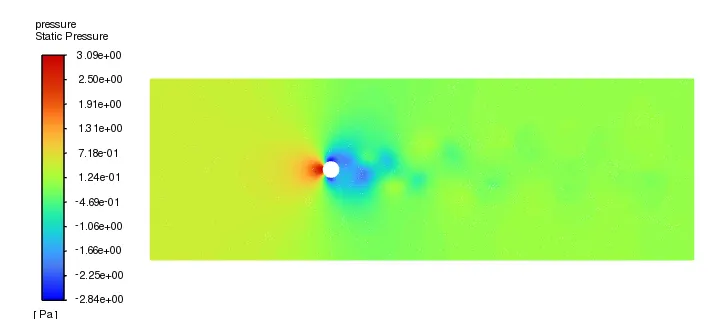
For this case , the maximum value of frequency was seen to be 0.5.
So St =FL/U = 0.5*2 /2.04 = 0.5 .
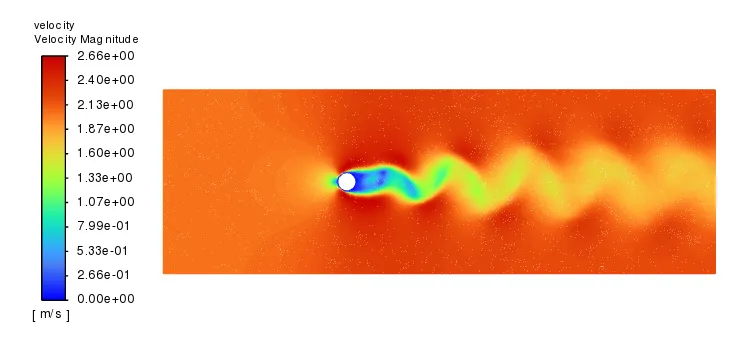
Case 2 : Transient Simulation
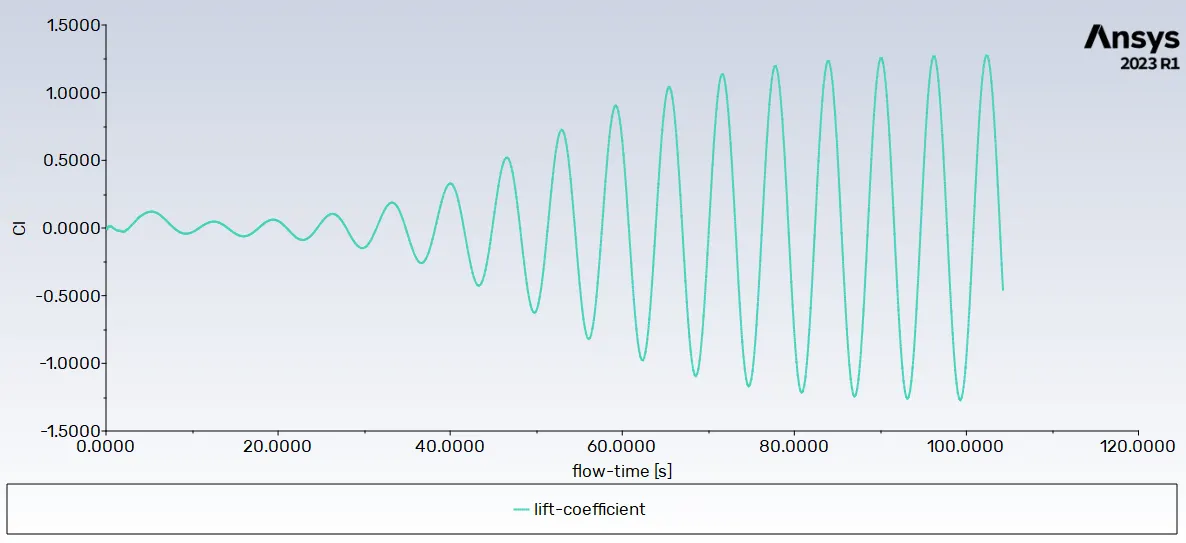
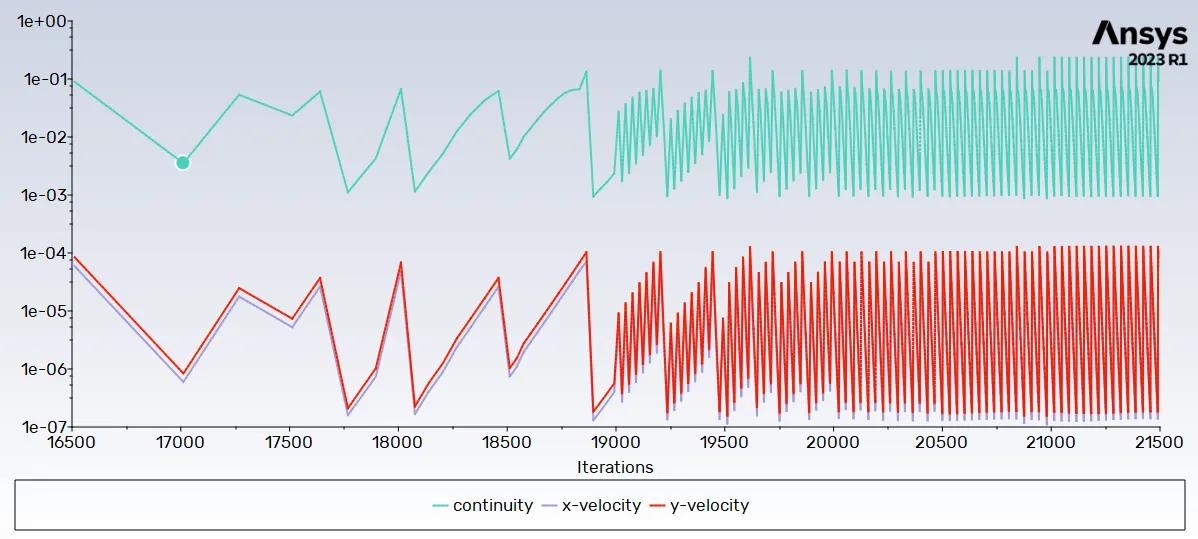
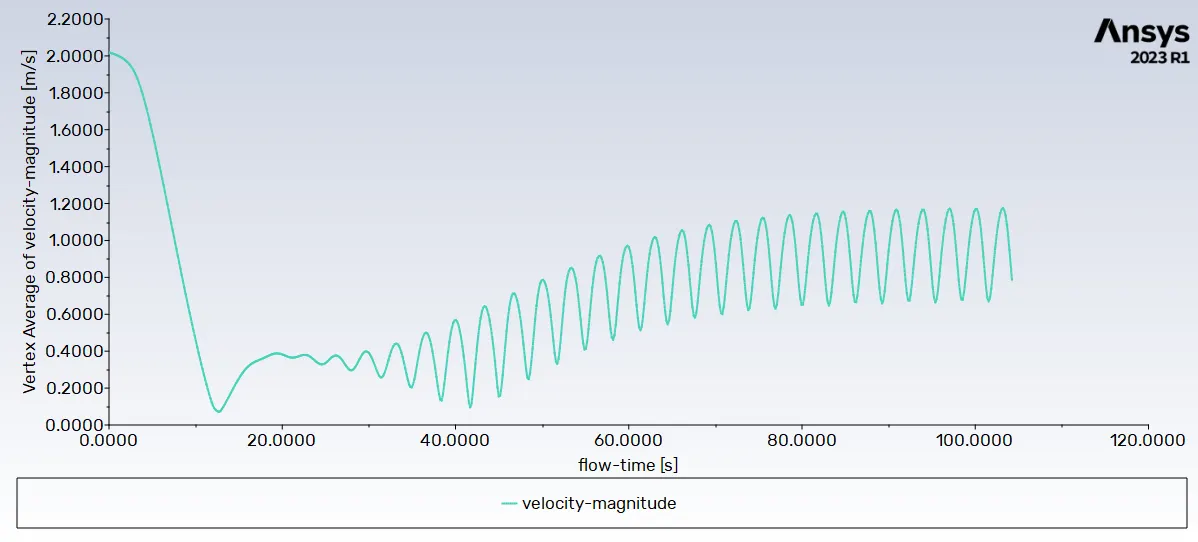
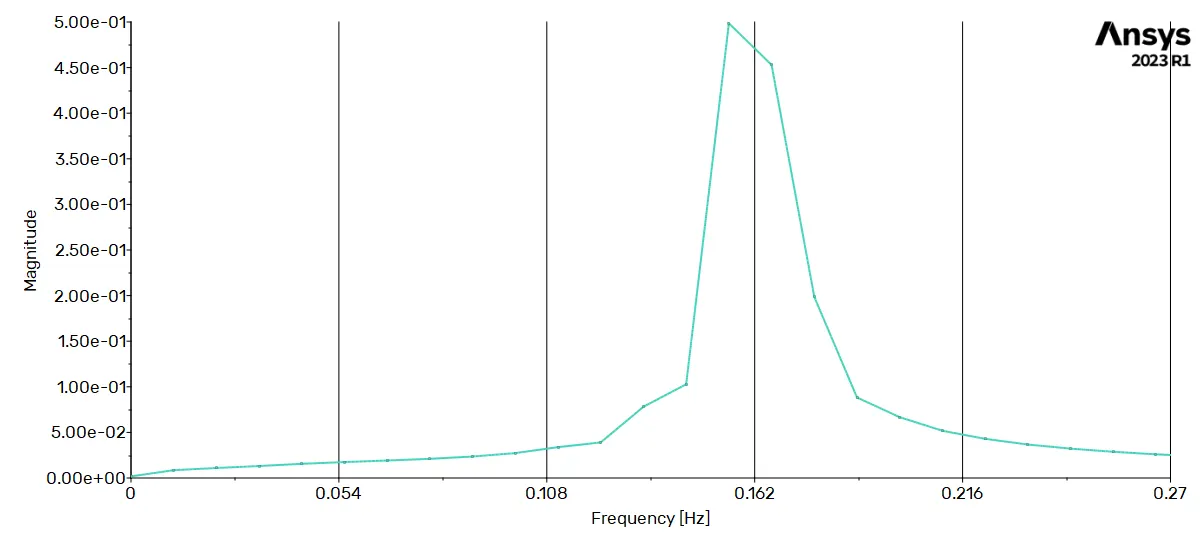
Here the value of frequency is around 0.155 , calculating the Strouhal number , we get
St= fl/U= 0.155 * 2/2.04 = 0.151.
This can be validated using the graph below :
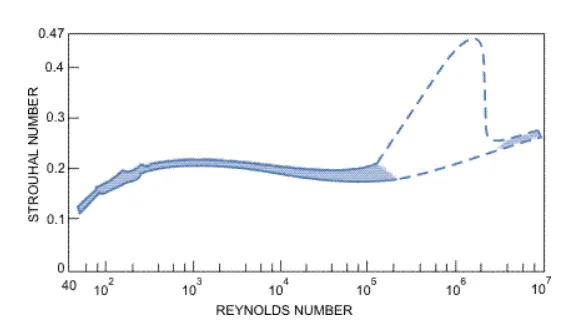
As you can see when Re is 100, the value is around 0.15 , so our calculation is valid.
So from both the simulations , we see that the transient analysis gives a more accurate result.
Part 2 : Calculate the coefficient of drag and lift over a cylinder by setting the Reynolds number to 10,100,1000,10000 & 100000. (Run with steady solver)
Discuss the effect of Reynolds number on the coefficient of drag. [ Results should be validated with any standard literature and error should be within 5 %]
For the following Reynolds numbers, the values of velocity are as give below :
| 10 | .204 |
|---|---|
| 100 | 2.04 |
| 1000 | 20.4 |
| 10000 | 204.0 |
| 100000 | 2040.0 |
for Re= 10
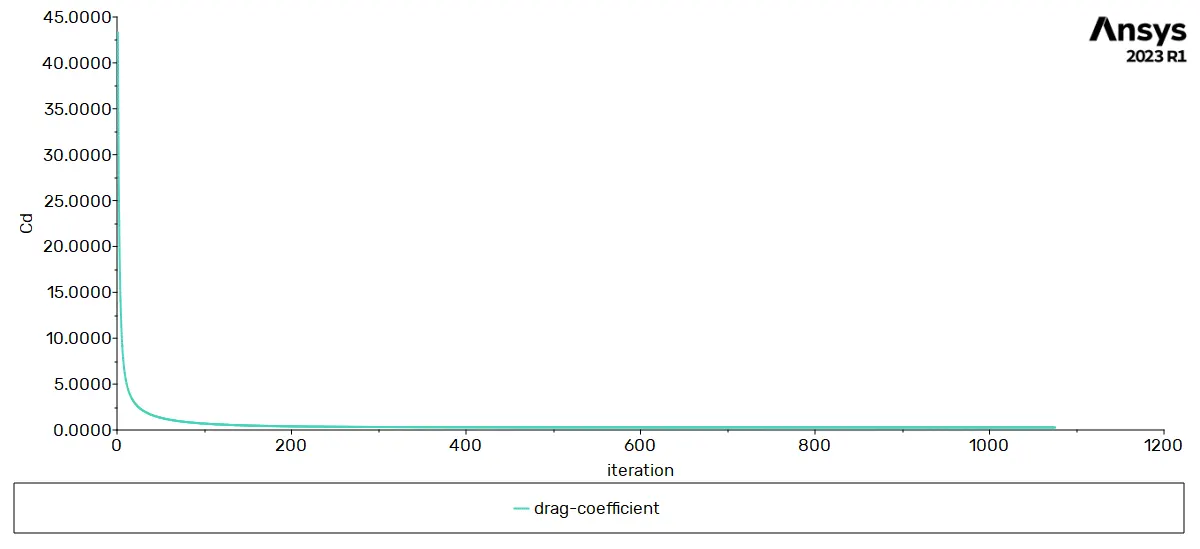
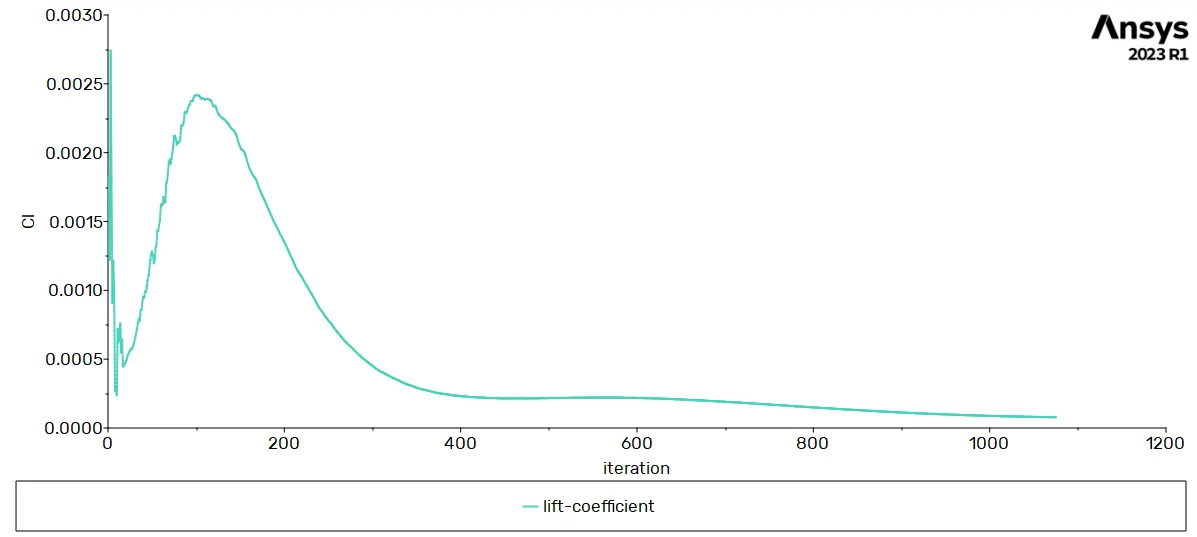
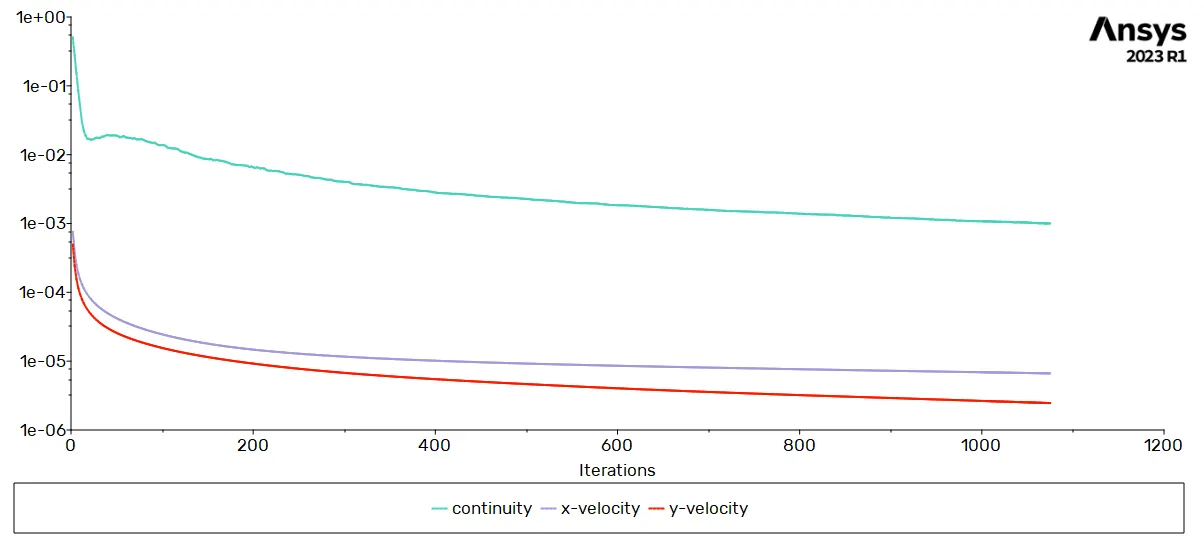
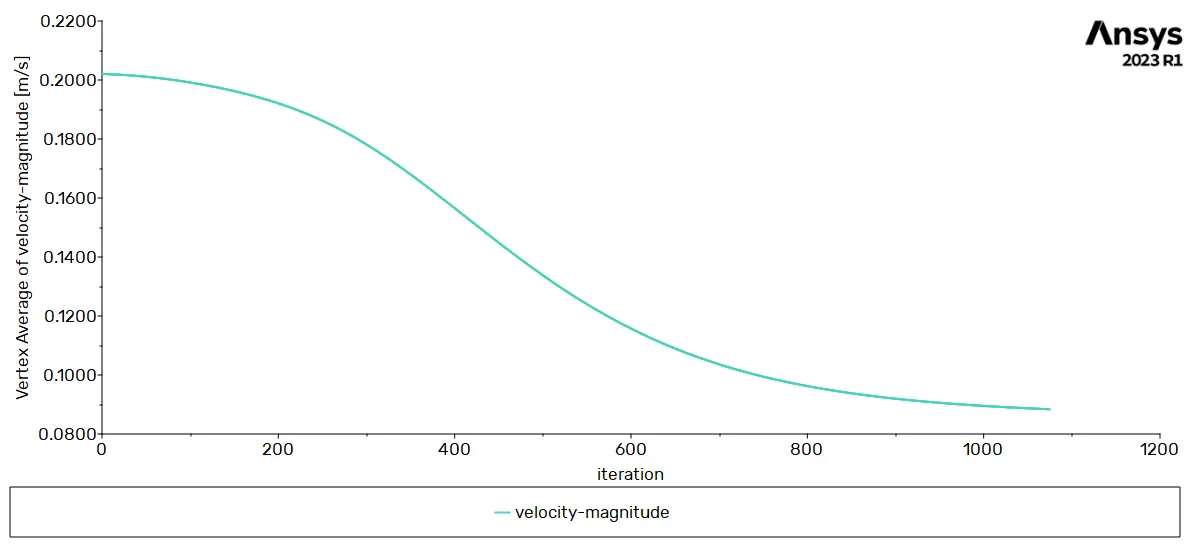
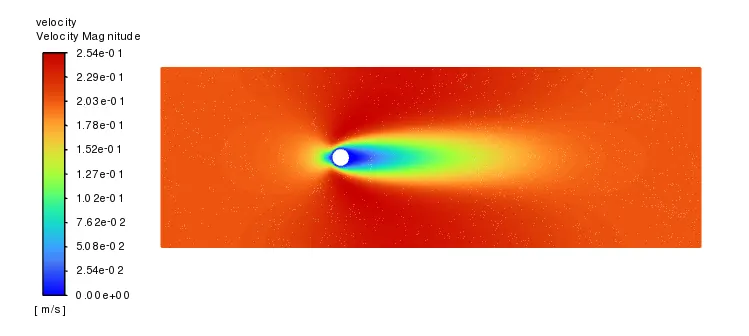
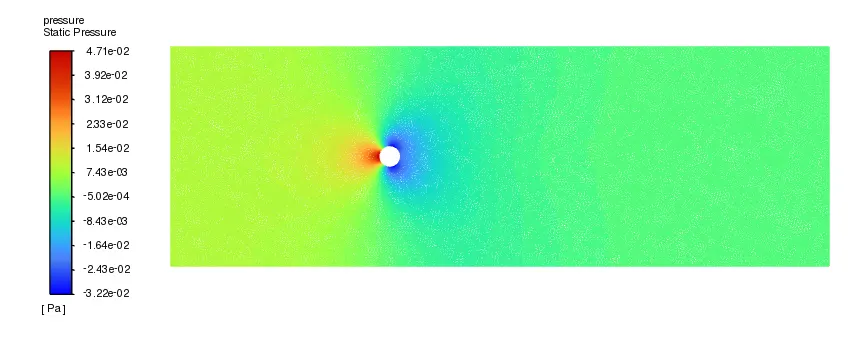
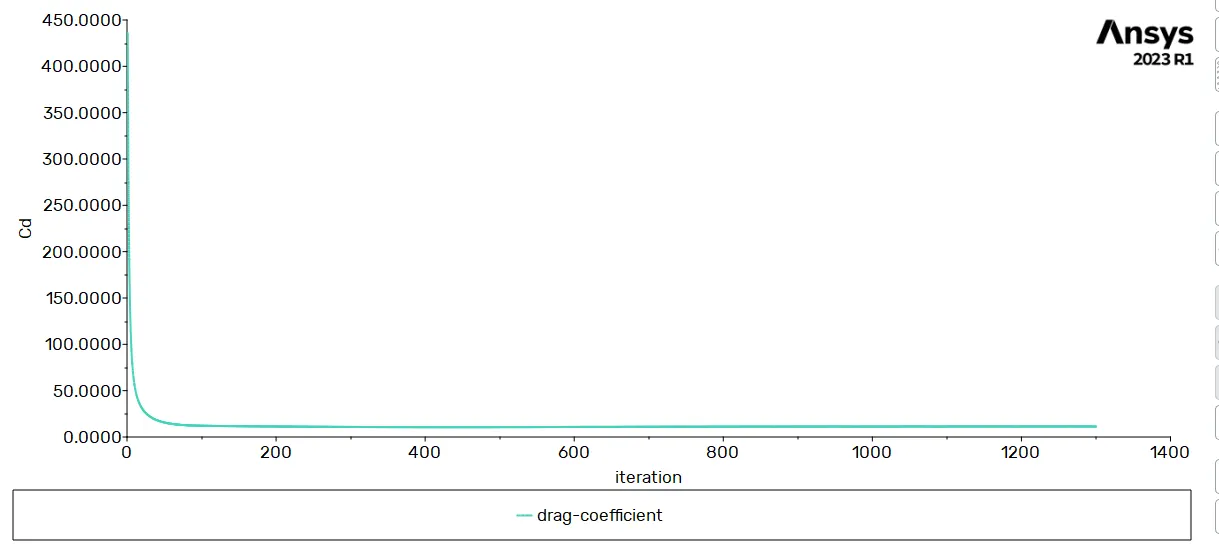
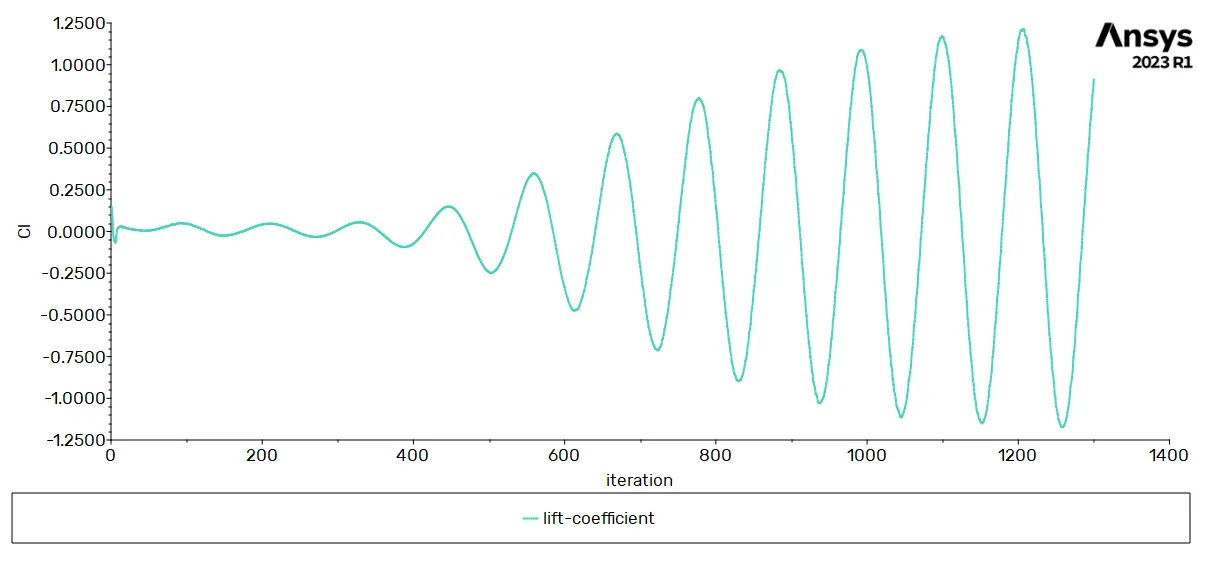
Re = 100
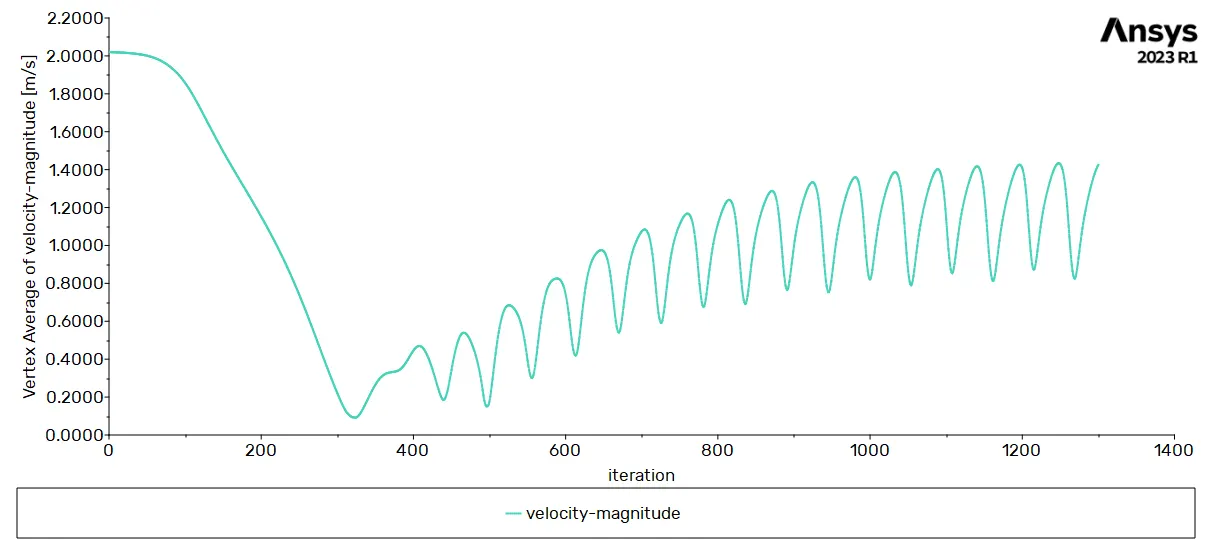
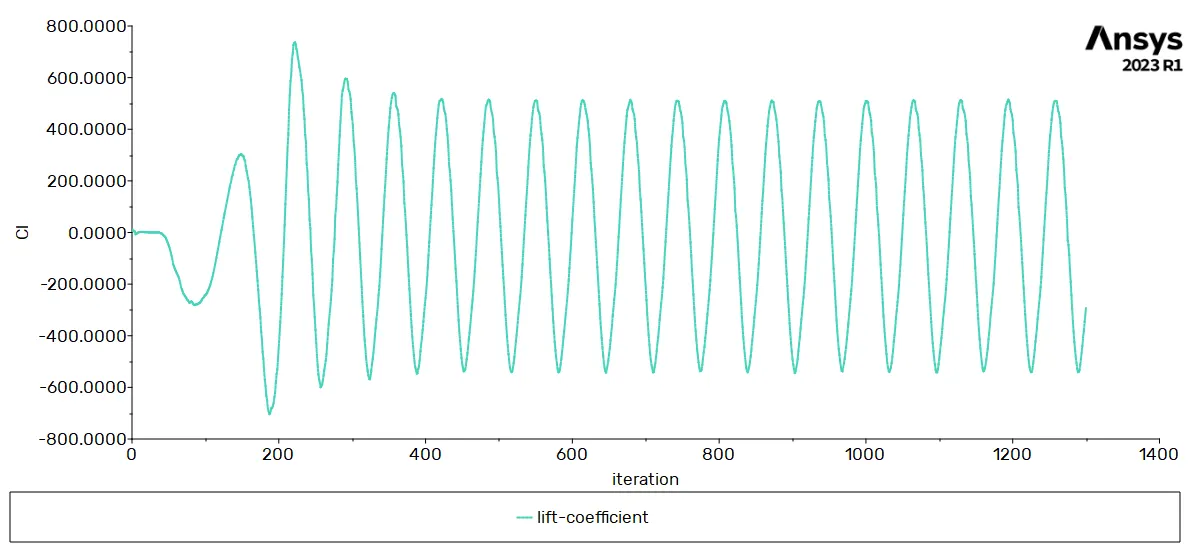
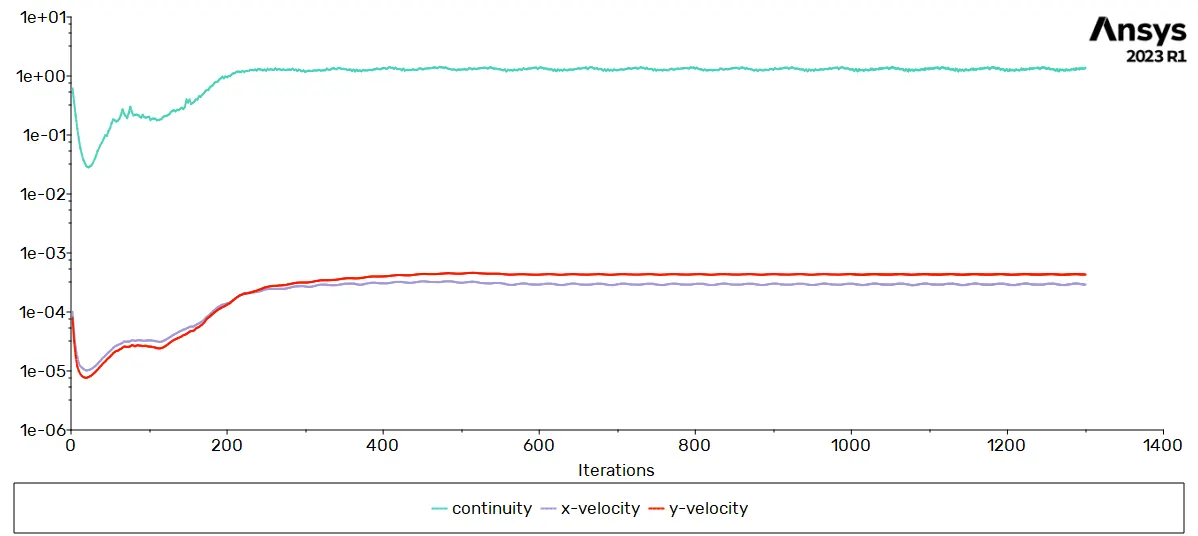
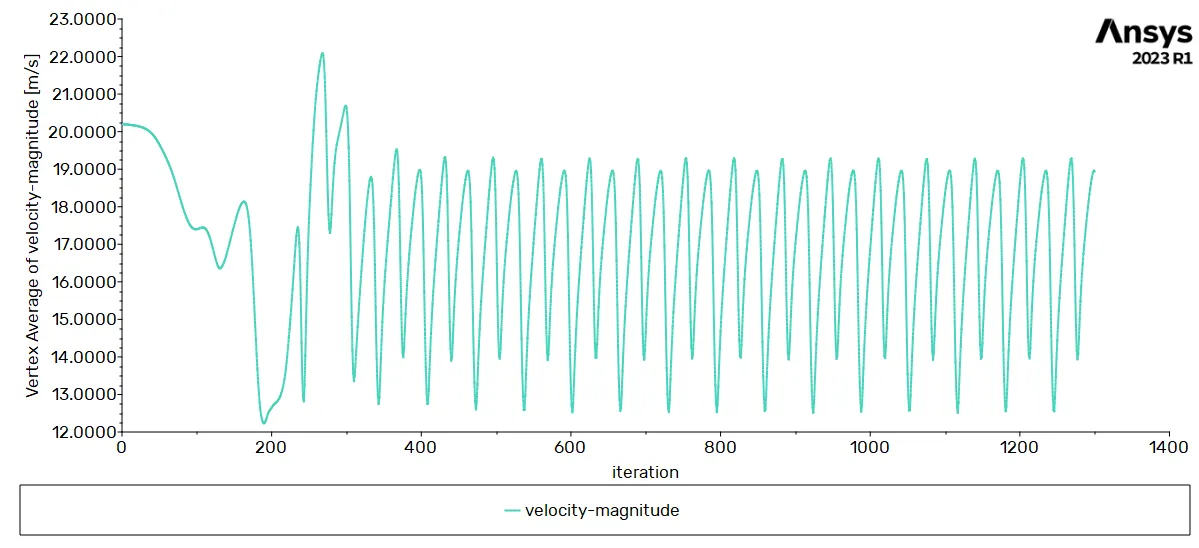
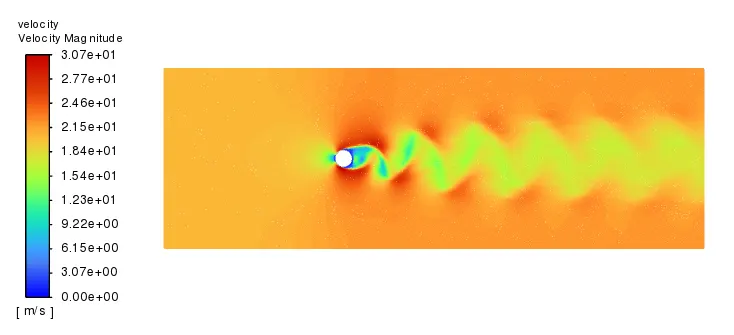
Re= 1000
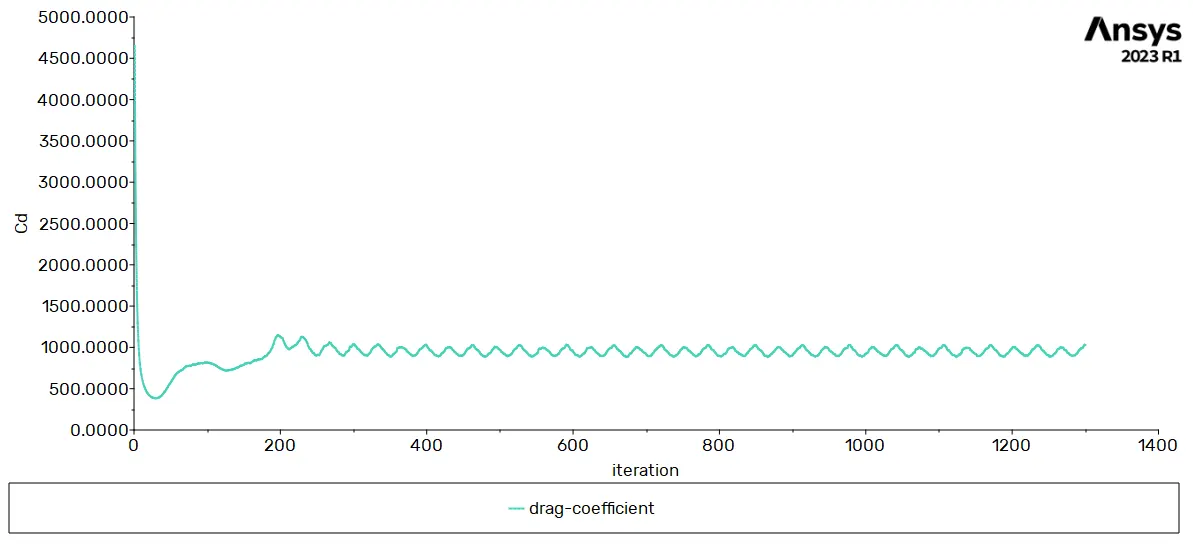
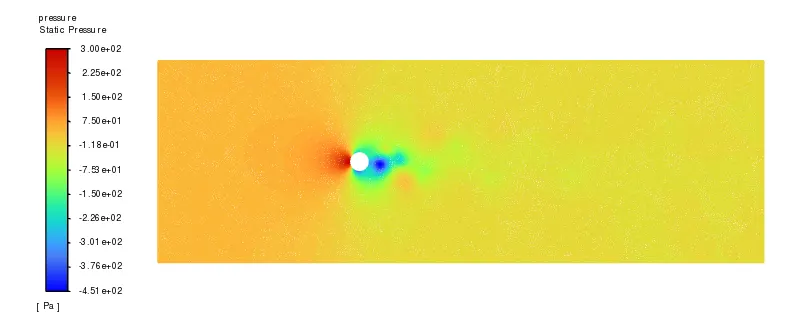
When Reynold number is 10000
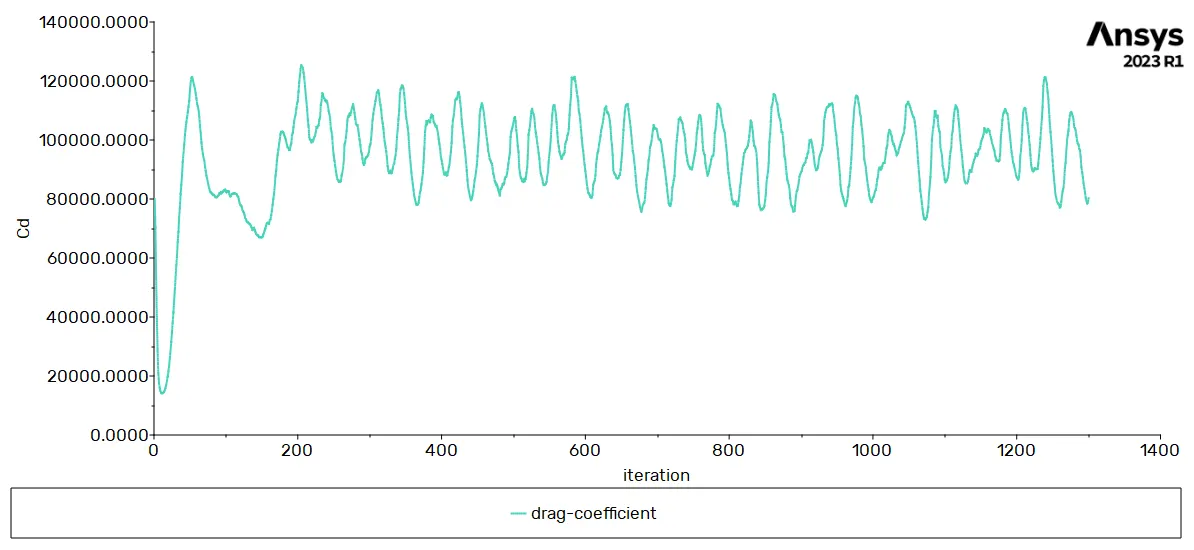
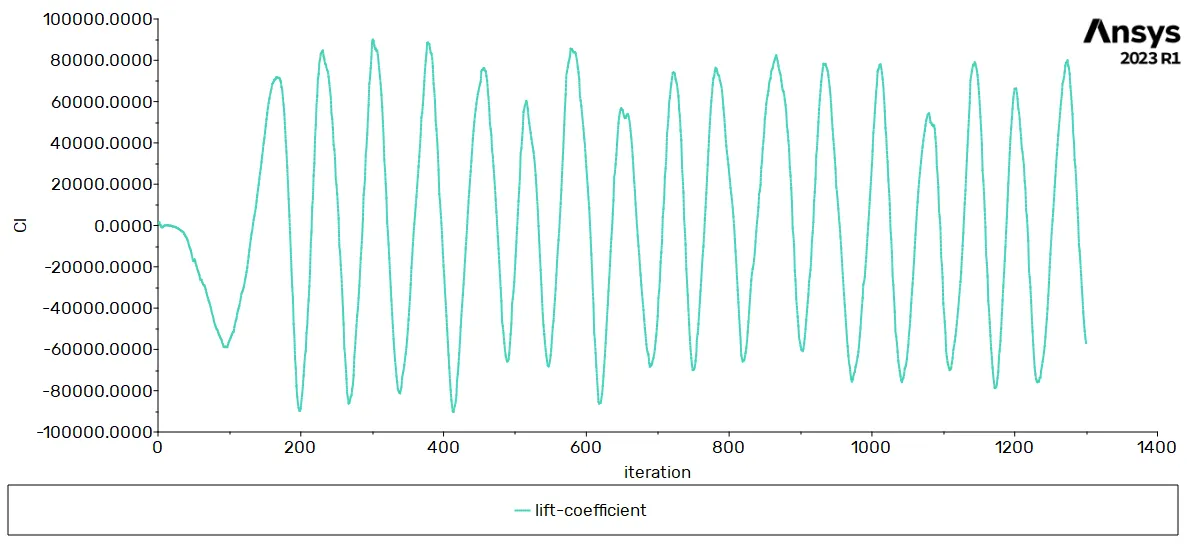
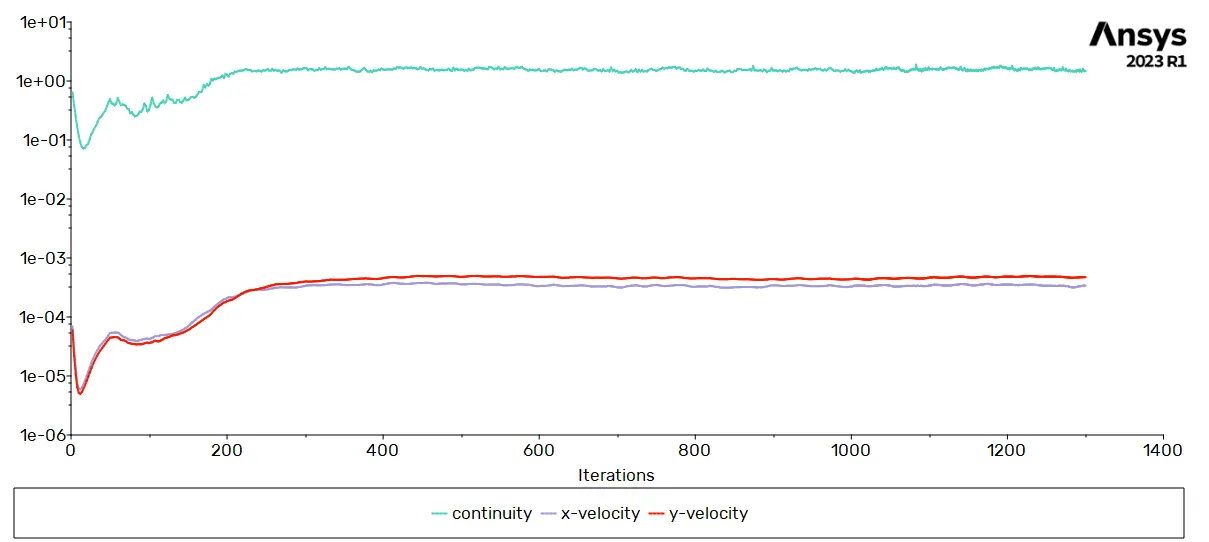
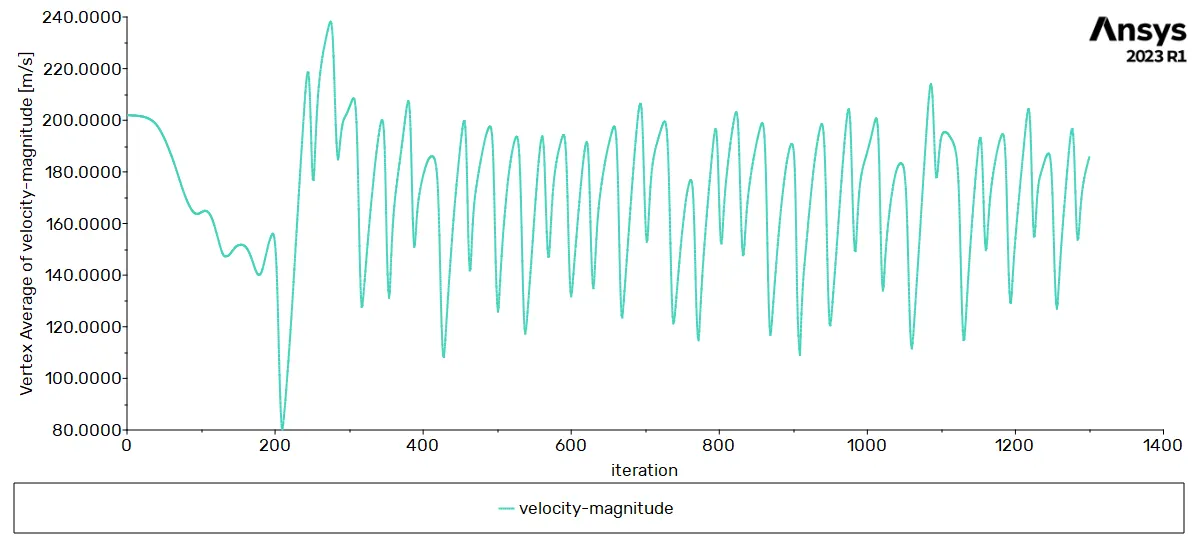
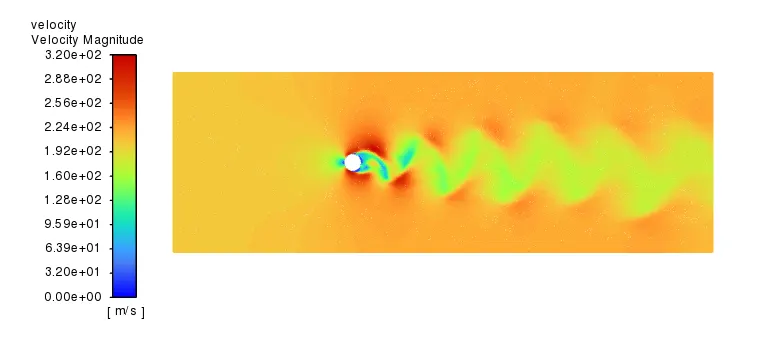
When Reynold number is 100000
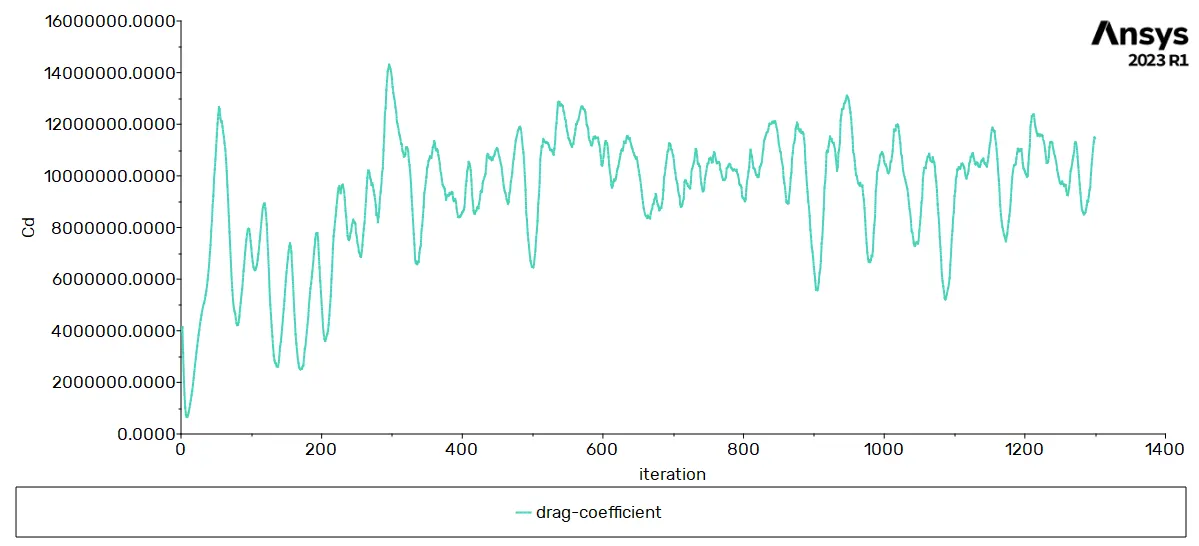
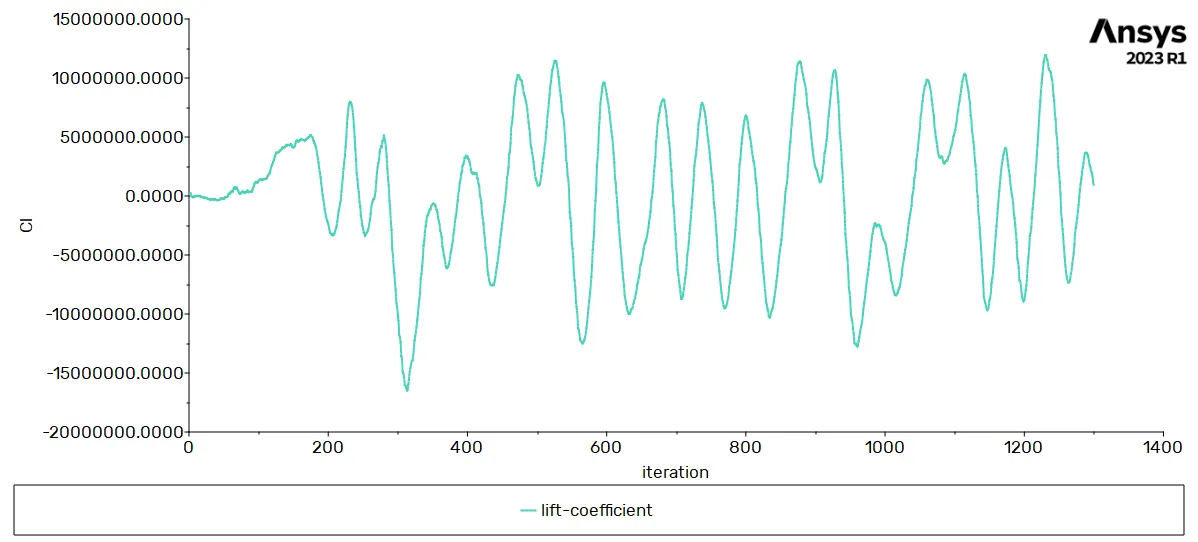
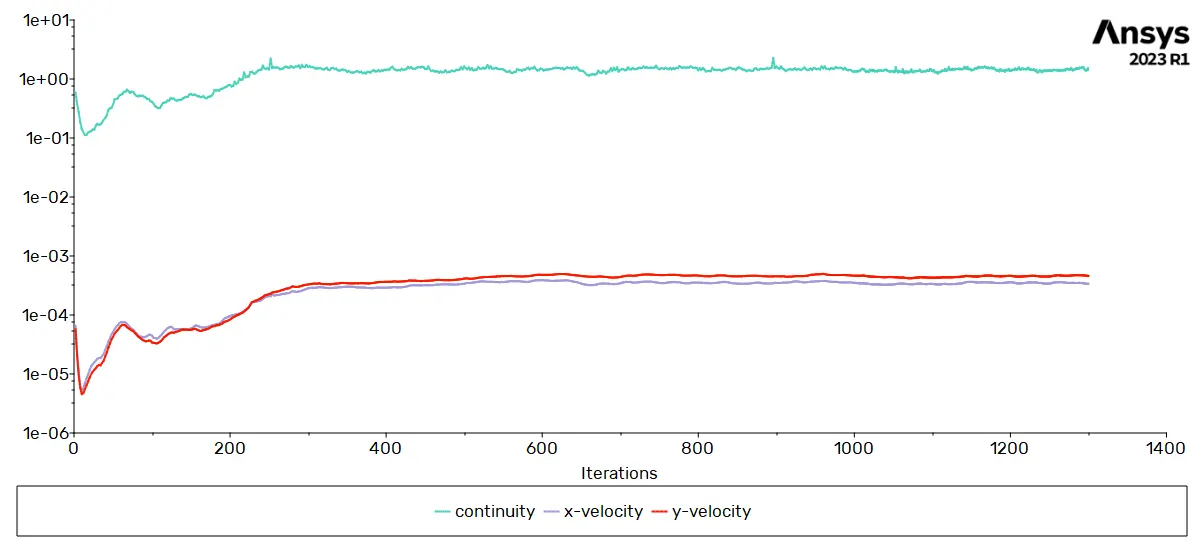
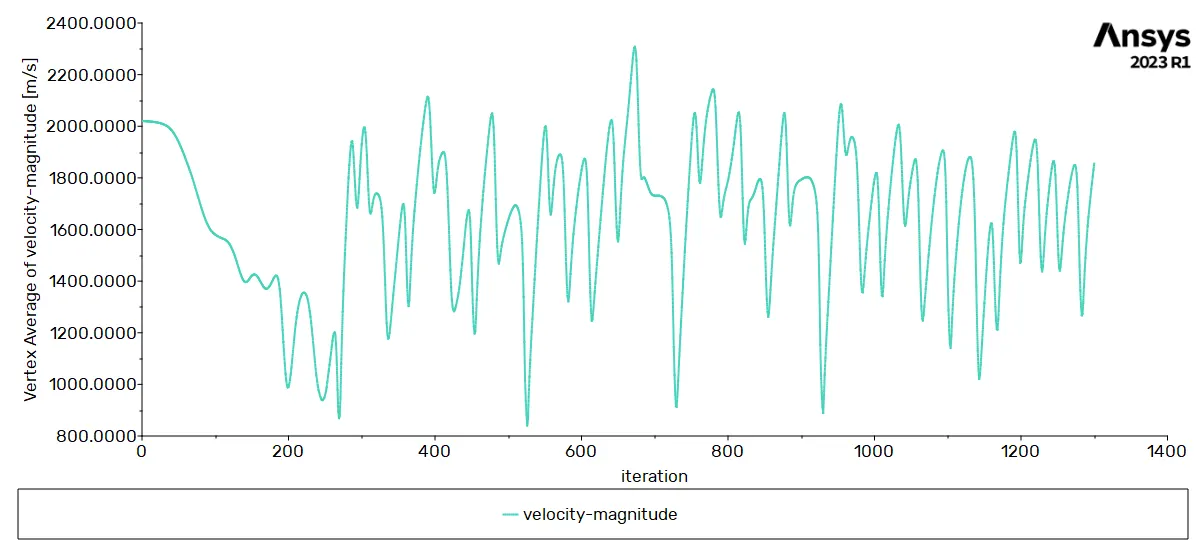
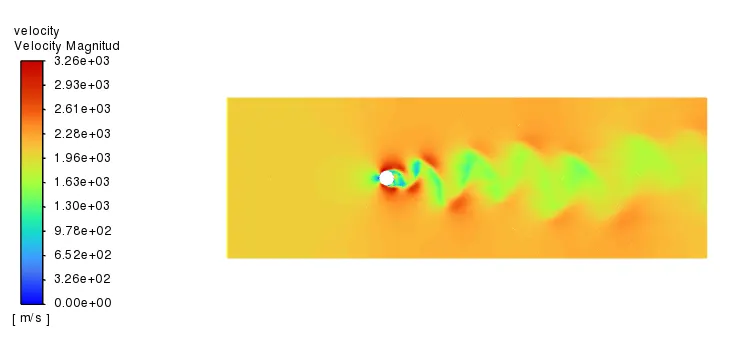
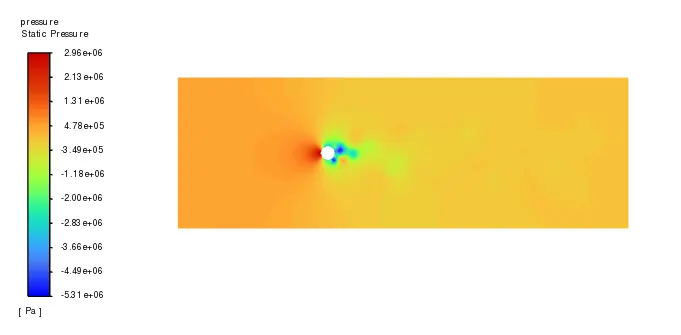
Tabulating the final values of Cd and cl
| Reynolds number | Flow type | Velocity | Drag Coefficient | Lift Coefficient |
|---|---|---|---|---|
| 10 | Steady | 0.204 | 0.2789 | 0.0001069 |
| 100 | steady | 2.04 | 11.3008 | 0.92 |
| 1000 | Steady | 20.4 | 1025.0598 | |
| 10000 | Steady | 204.0 | ||
| 100000 | Steady | 2040.0 |