Week 2 - Flow over a Cylinder.
AIM:
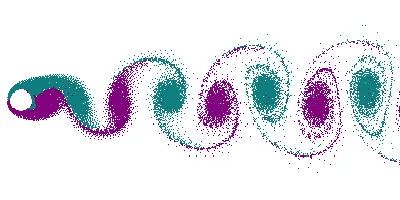
Simulate the flow over a cylinder and explain the phenomenon of Karman vortex street.
OBJECTIVE:
PART-I
- Simulate the flow with the steady and unsteady case and calculate the Strouhal Number for Re= 100.
PART-II
- Calculate the coefficient of drag and lift over a cylinder by setting the Reynolds number to 10,100,1000,10000 & 100000. (Run with steady solver)
- Discuss the effect of Reynolds number on the coefficient of drag. [ Results should be validated with any standard literature and error should be within 5 %]
Expected results:-
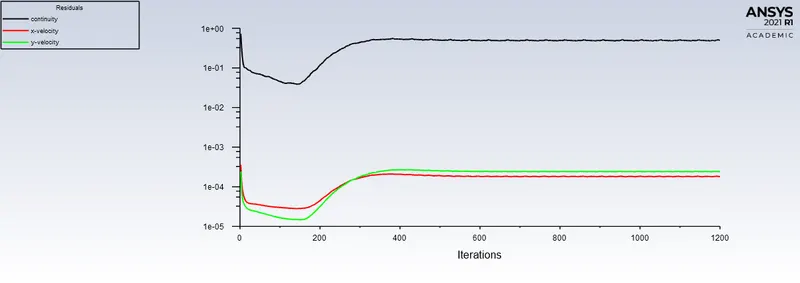
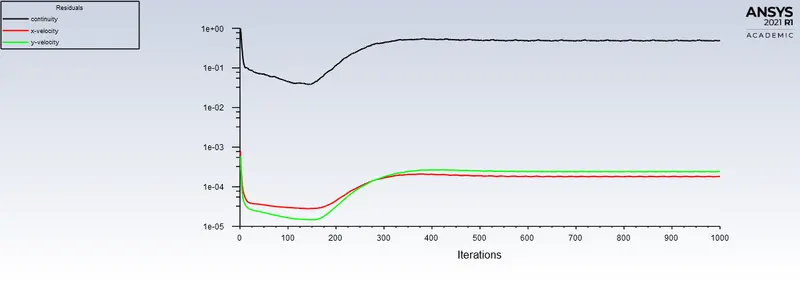
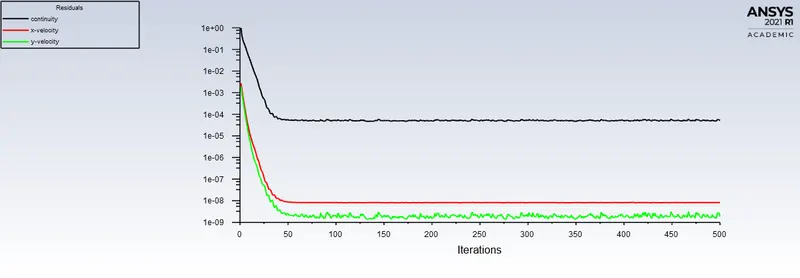
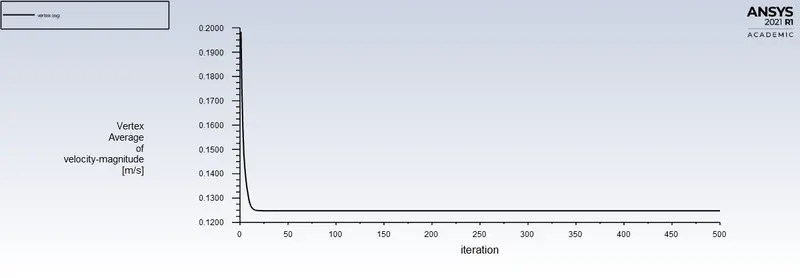
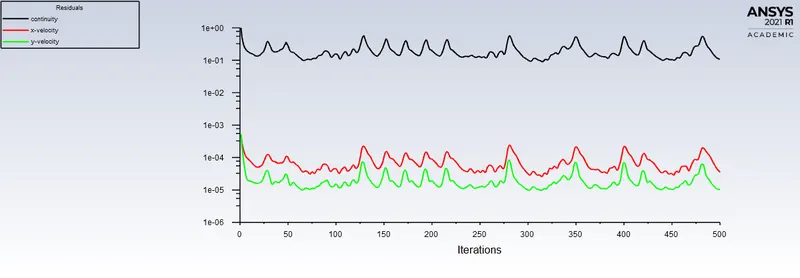
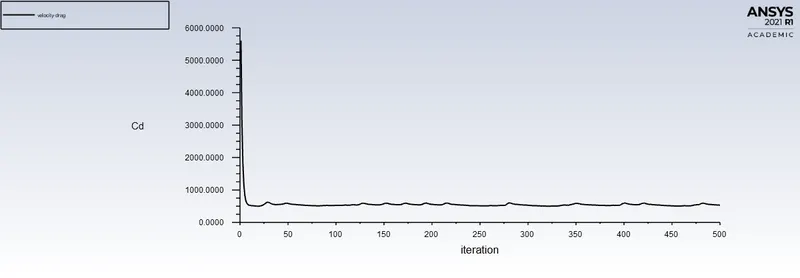
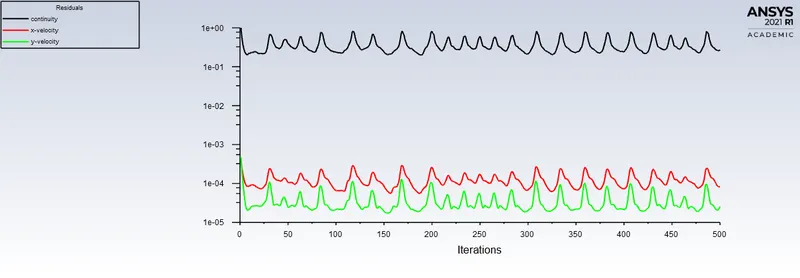
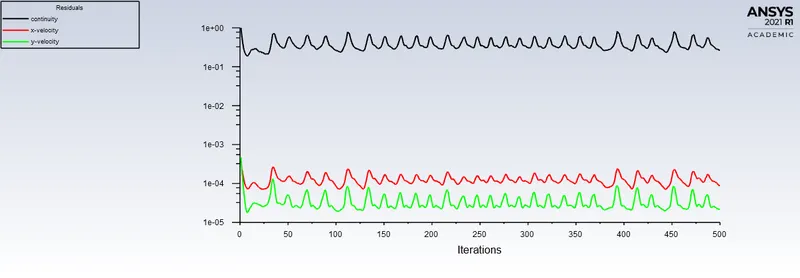
- In both approaches, show that the flow has converged. That is, what quantities or plots need to be looked at to determine that the flow has converged?
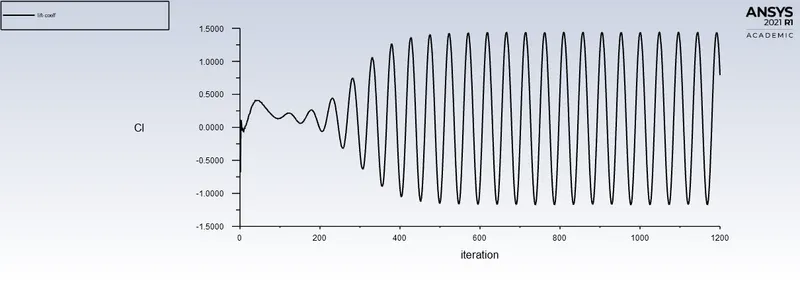
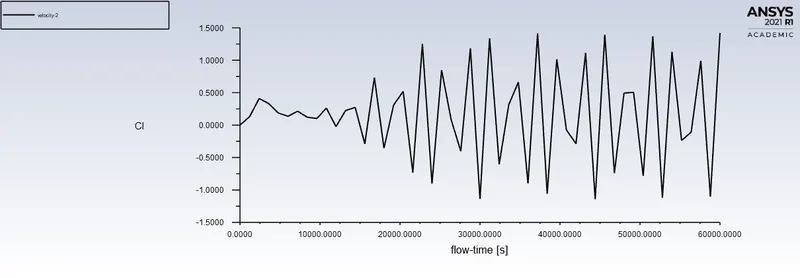
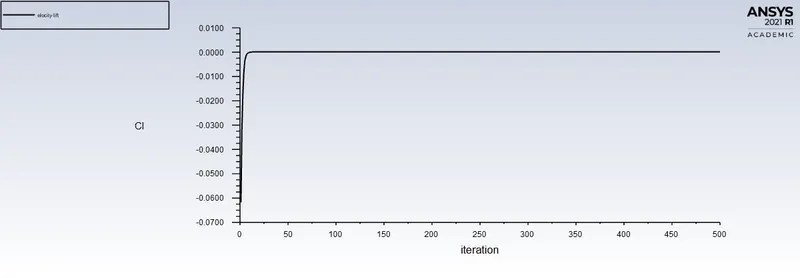
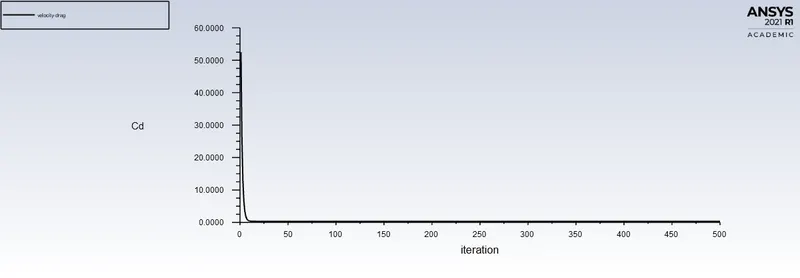
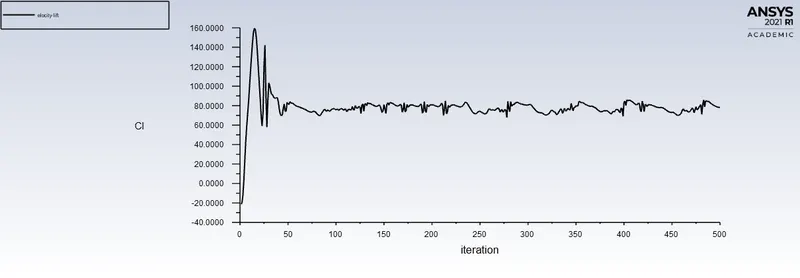
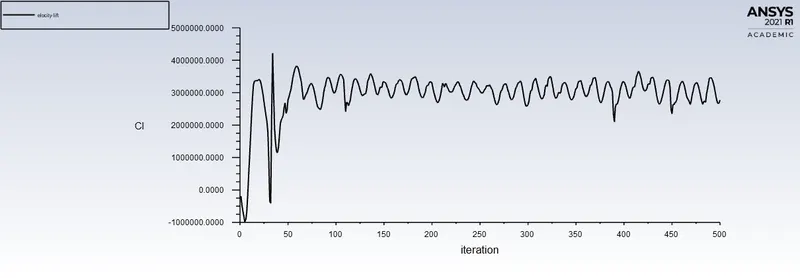
- Plots of the coefficient of drag and lift.
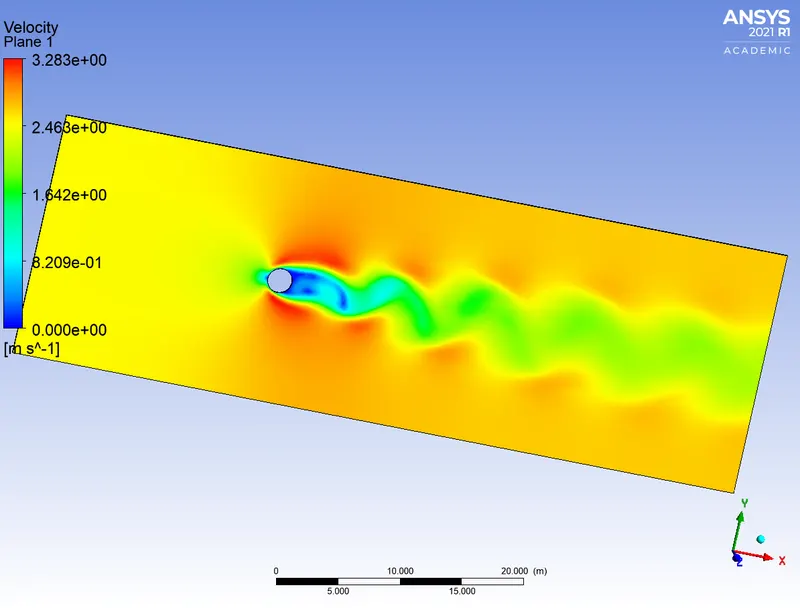
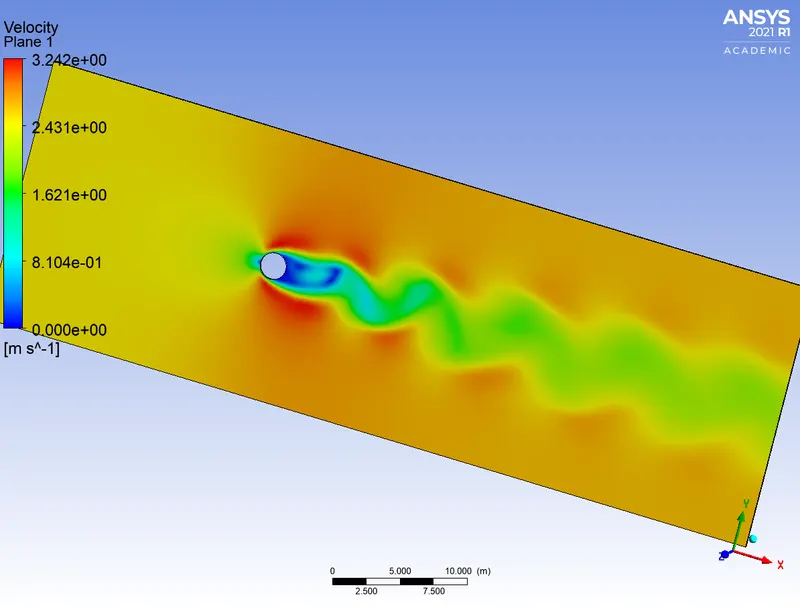
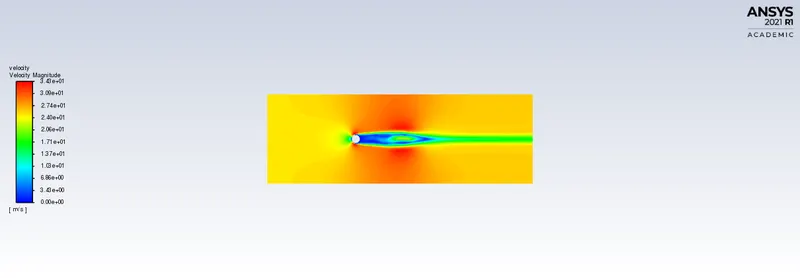
- Plots to show vortex shedding behind the cylinder.
- Mention the referred material at the end of the challenge submission page.
THEORY:
KARMAN VORTEX STREET:
It is a repeating pattern of swirling vortices, caused by a process known as vortex shredding, which is responsible for the unsteady seperation of the flow of a fluid around blunt bodies. Immersed in the fluid, any body with the finite thickness will force the surrounding fluid to flow in curved stream lines around it.
STROUHAL NUMBER:
The Strouhal number represents the ratio of inertial forces due to the local acceleration of the flow to the inertial forces due to the convective acceleration. Depending on the time scale of the problem, this ratio may be of order unity, and therefore its importance is not obvious.

REYNOLD'S NUMBER:
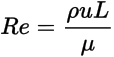
The Reynolds number (Re) helps predict flow patterns in different fluid flow situations.The Reynolds number helps predict flow patterns in different fluid flow situations. At low Reynolds numbers, flows tend to be dominated by laminar flow, while at high Reynolds numbers flows tend to be turbulent.
Where,
 |
= | density of the fluid |
 |
= | velocity |
 |
= | diameter(char. mean length) |
 |
= | dynamic viscosity of the fluid |
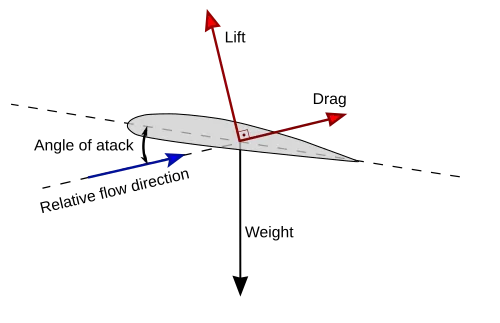
DRAG AND LIFT:
WORK FLOW:
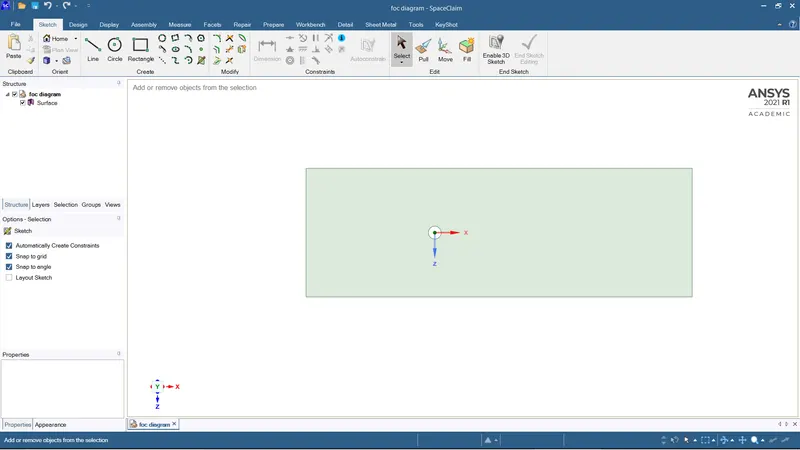
GEOMENTRY CREATION:
MESHING:
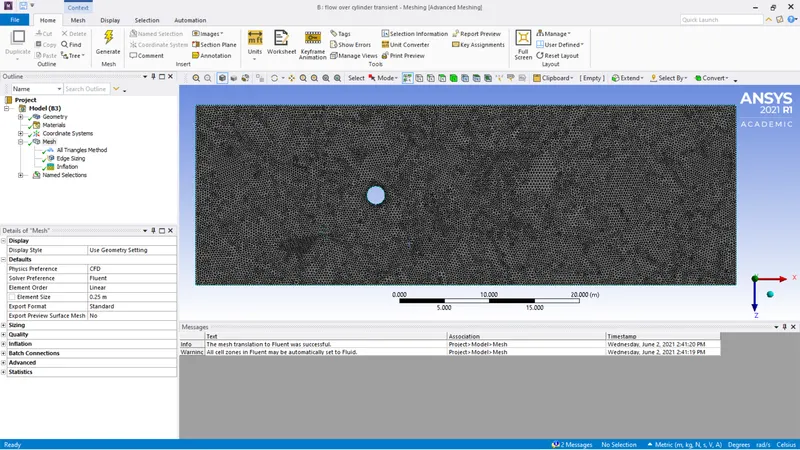
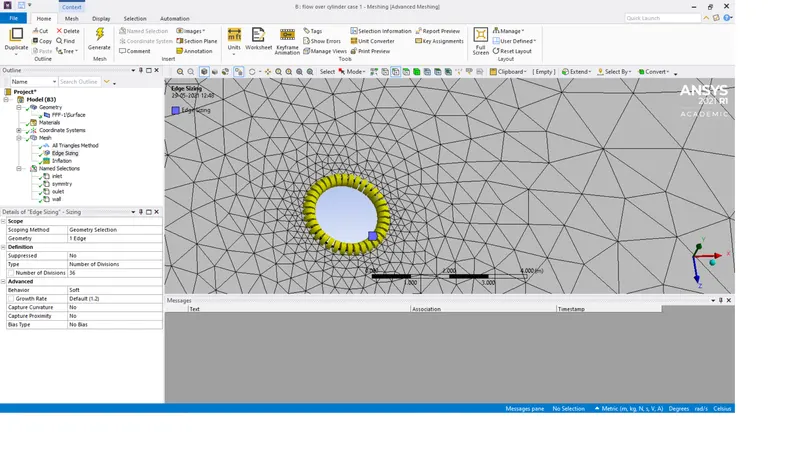
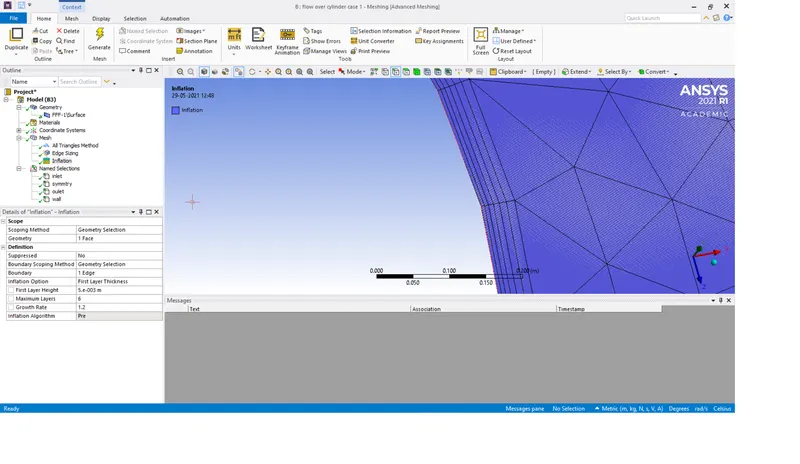
PROBLEM SETUP:
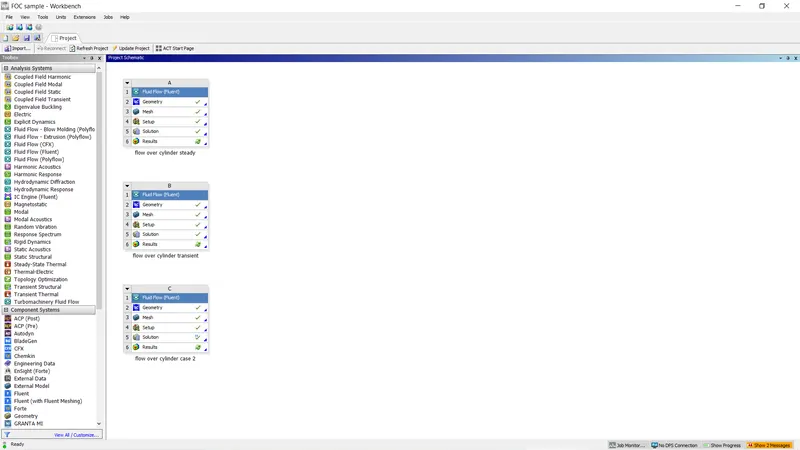
CASE 1:
Where the reynold's number is set to 100. Air as the working fluid medium with the flow density of 1 Kg/m^3 and the viscosity is considered to be 0.05 mPa.
The diameter is 2m, Then the velocity is calculated to 2.5 m/s.
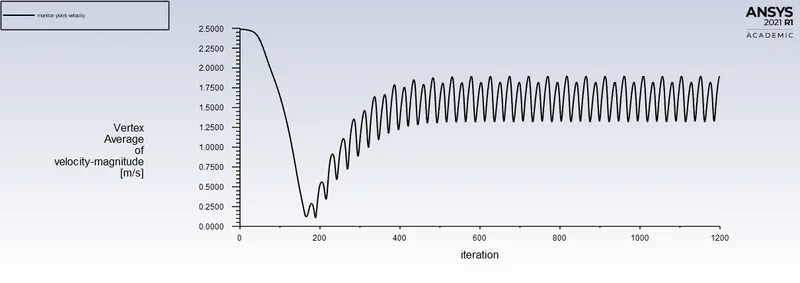
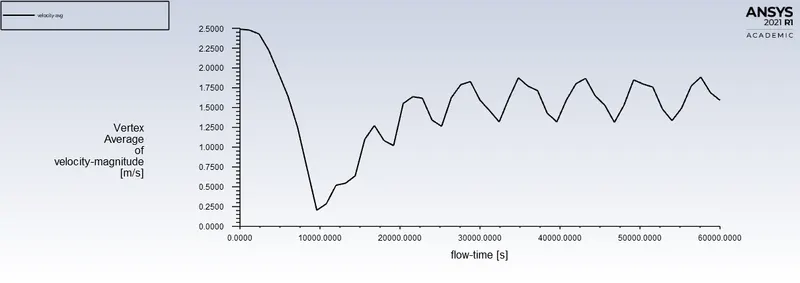
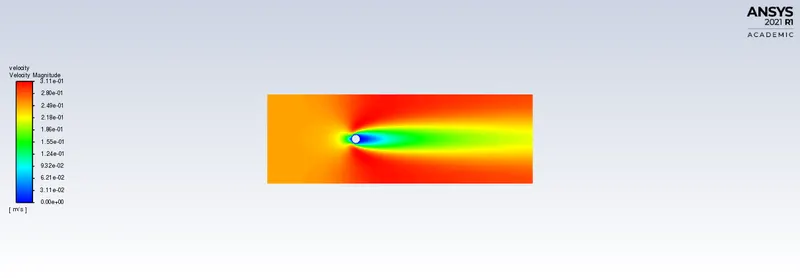
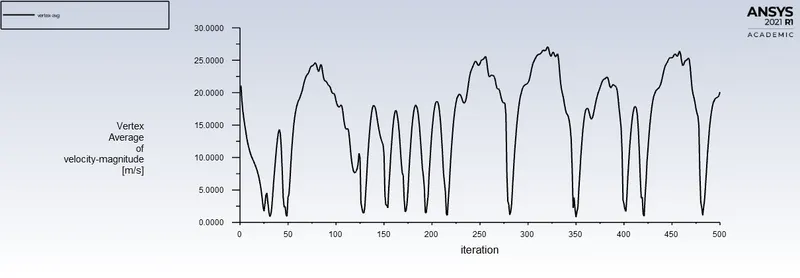
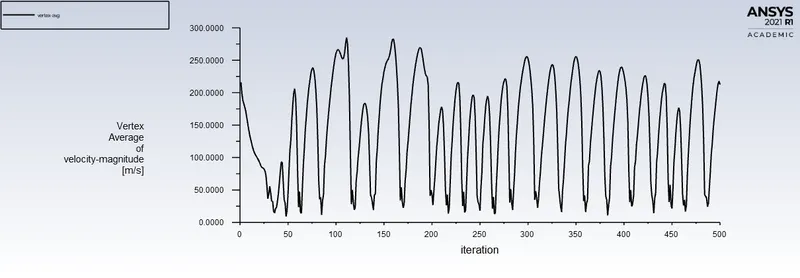
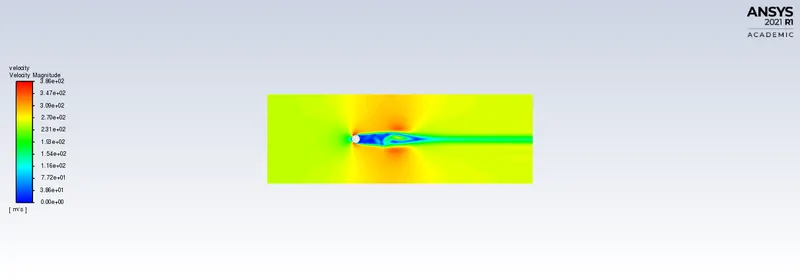
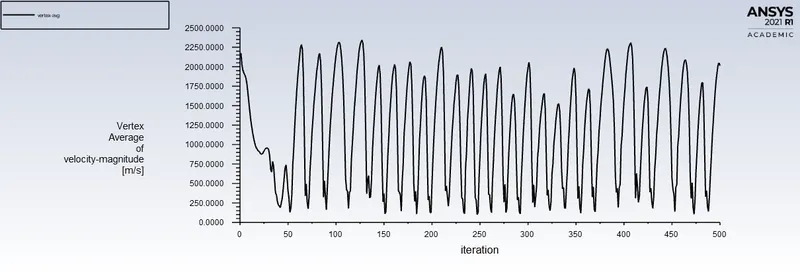
VERTEX AVG OF VELOCITY (steady):
| REYNOLD's NUMBER | COEFFICIENT OF DRAG | COEFFICIENT OF LIFT |
| RE OF 10 | 3.318 | 0.0017 |
| RE OF 100(STEADY) | 1.3321 | 0.0284 |
| RE OF 100(UNSTEADY) | 1.3485 | 0.0356 |
| RE OF 1000 | 0.7209 | 0.1645 |
| RE OF 10000 | 0.6857 | 0.5716 |
| RE OF 100000 | 0.5184 | 0.2786 |
- It is very conclusive from the table that as the reynold's number increases the drag co.efficient gets decreased.
- From this it is also noted that even when the velocity increases the coefficient of drag decreases.
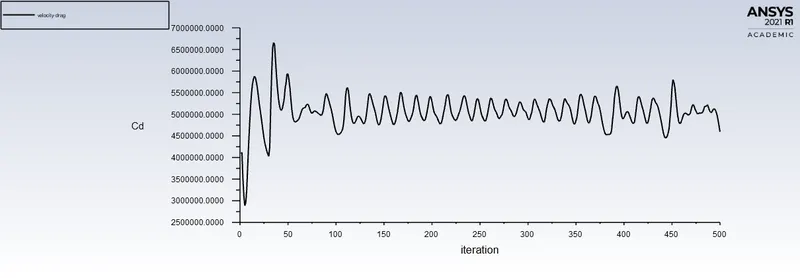
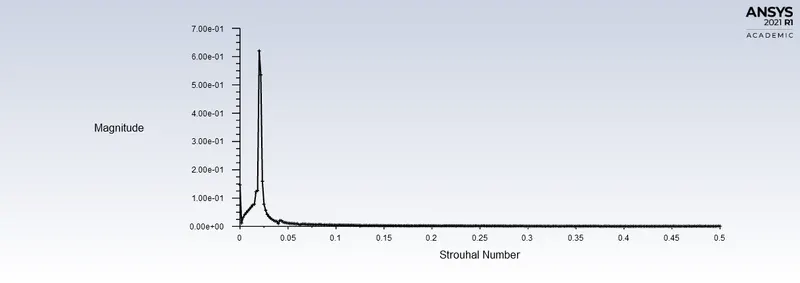
- CASE 1 the solution is converging in both steady and transient state simulation, but to calculate the strouhal number effectively the trasient simulation has done better compared to that of the steady state because the transient converge after every time step.
- For the low reyonld's number of 10. Vortex doesn't get generated because the viscosity is much higher.
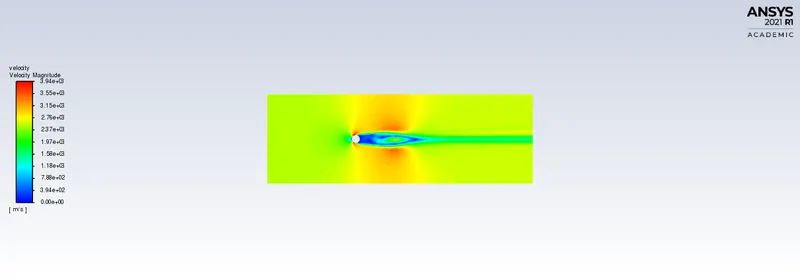
- From the contour of the velocity we can conclude that the flow remains after the cylinder.