Week 2 - Flow over a Cylinder.
Aim: To simulate a flow over a cylinder to observe the phenomenon of vortex shedding for particular Reynolds number.
Procedure : First I created the geometry in Ansys Spaceclaim.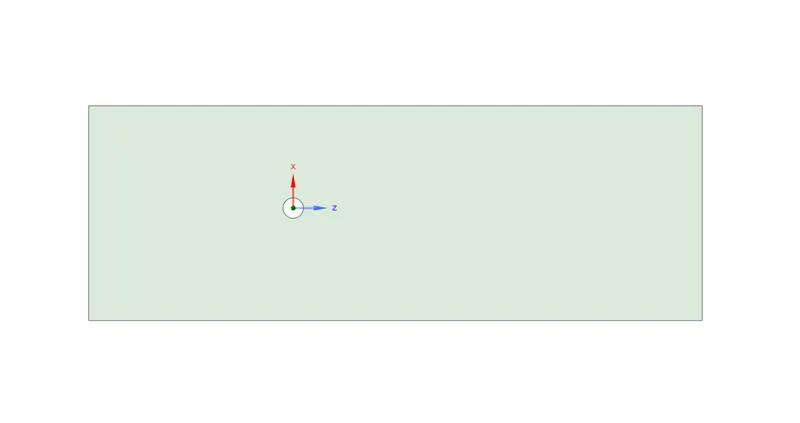
Then I meshed the geometry with a mesh size of 2.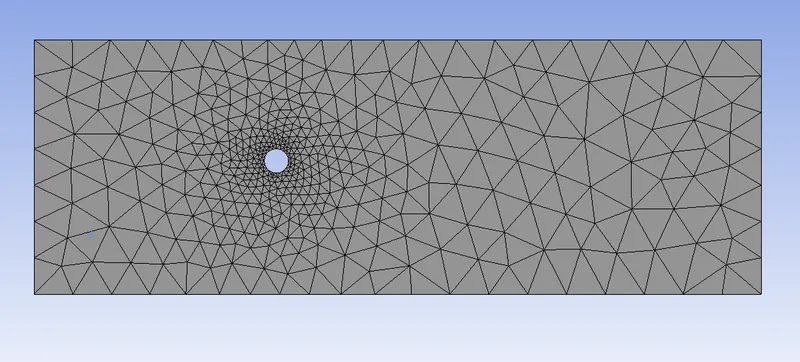
I also a number of inlation layers to create a body fitted mesh. This helps to capture the flow more accurately during simulation. 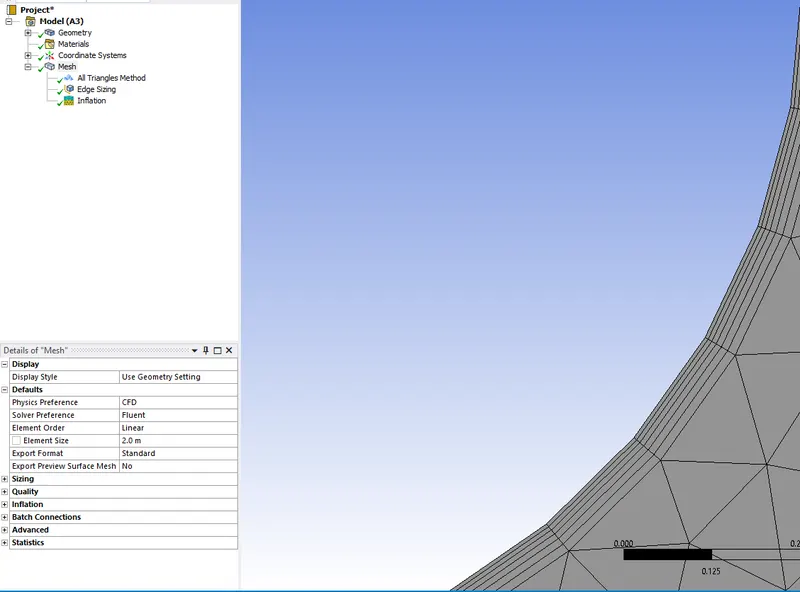
The next step was to set up the conditions for creating the simulations.
I selected the solver as pressure based and selected the time as steady. The Viscous model is Laminar 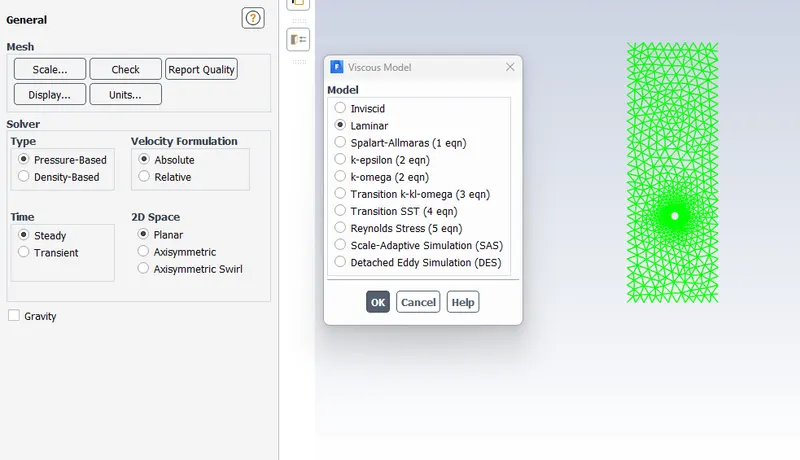
For the fluid material I created a user-defined material with density as 1jg/m3 and viscocity as 0.05kg/m-s
Part 1:
1) I set the inlet velocity as 2.5m/s which was calculated using the Reynolds number formula for Re=100. The Time is steady state
I set the number of iterations to 500 and got the following results.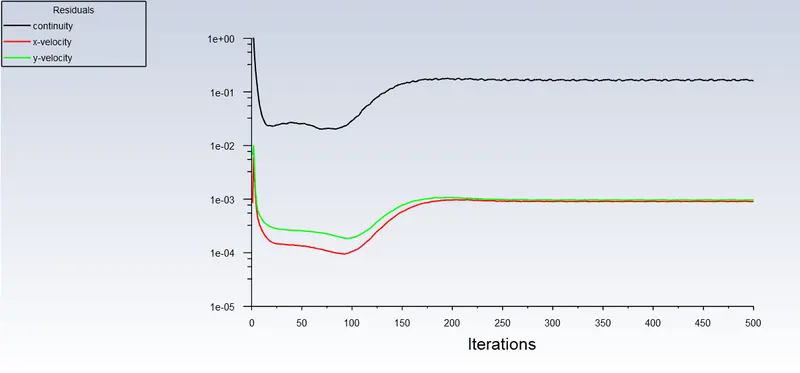
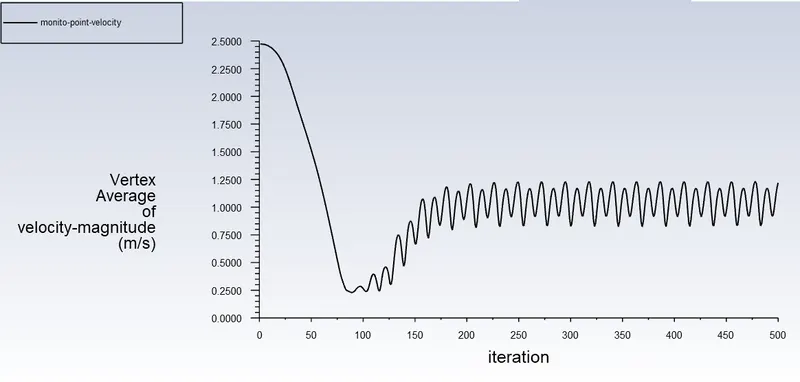
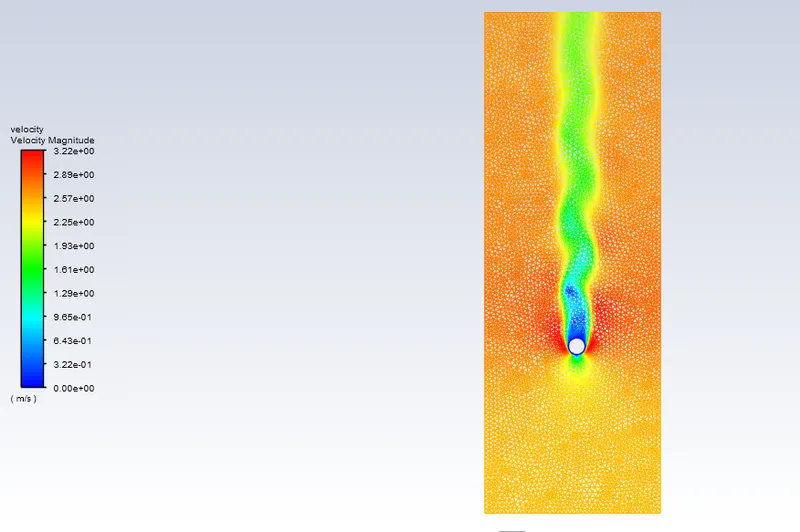
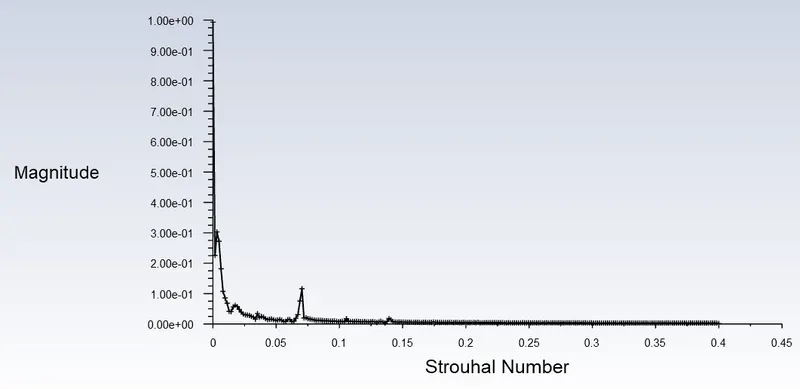
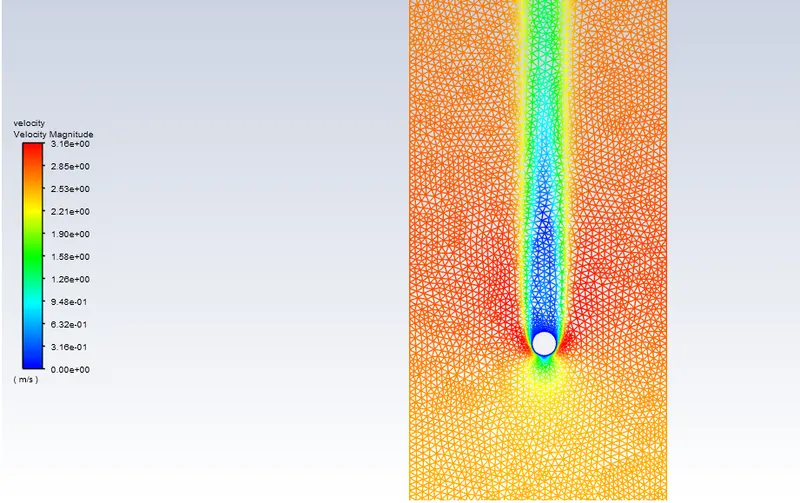
From the velocity magnitude plot, it can be seen that vortes shedding occurs after 150 iterations.
2) Now I solved it with time as Transient with same input velocity 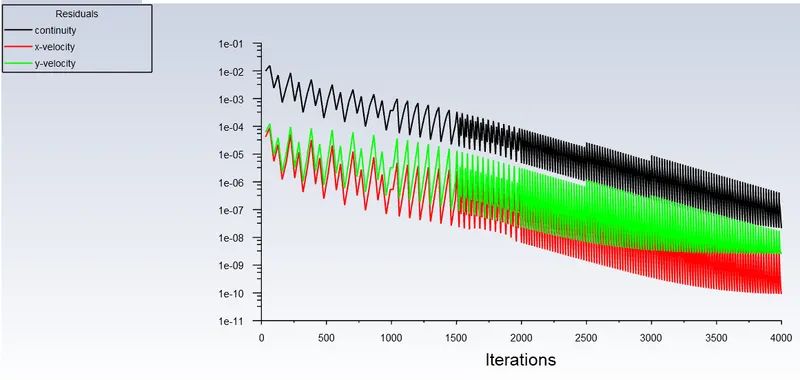
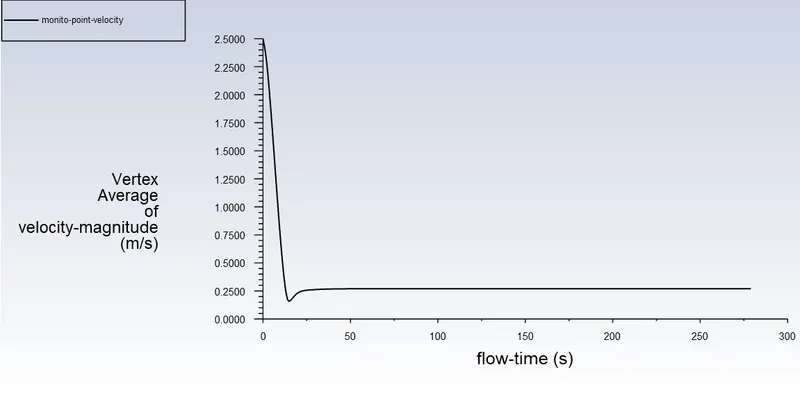
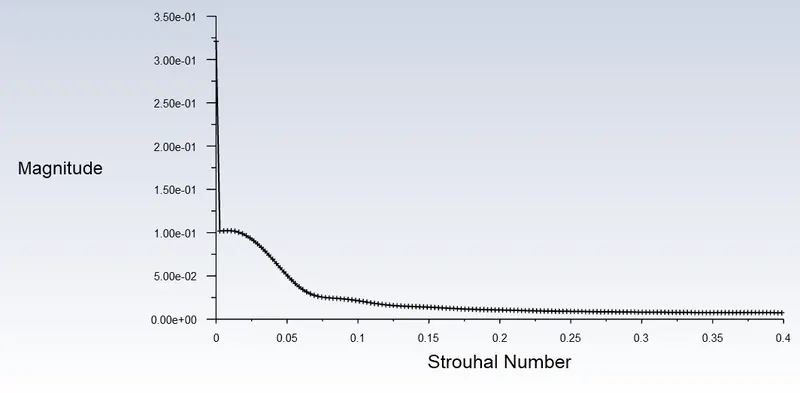
From both the residual plots of steady and transient state, it can be seen that both have converged and reached a steady state solution. The amplitude and the residuals remain constant after certain iterations.
Part 2:
For the second part, I changed the mesh elememt size to 1 and I set up the Lift and Drag Plots. Then I simulated for Reynolds number 10 to 100000 with steady state solver.
For Re=10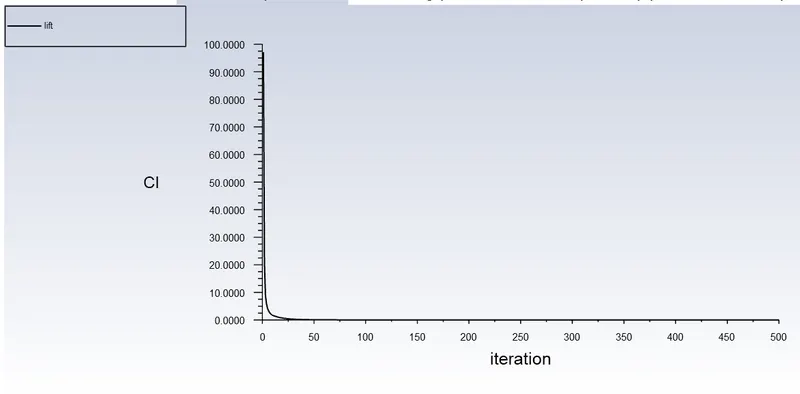
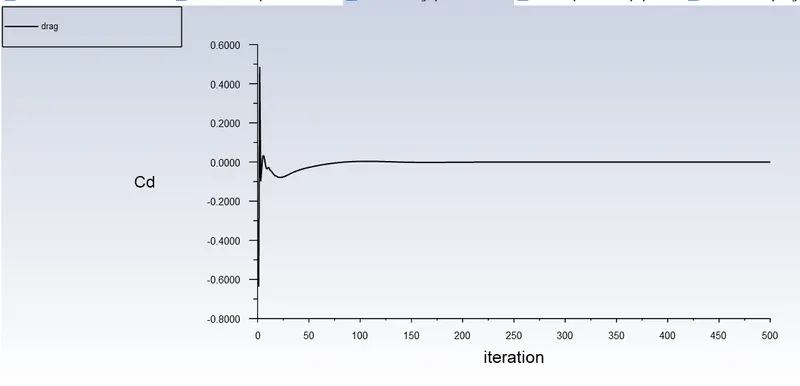
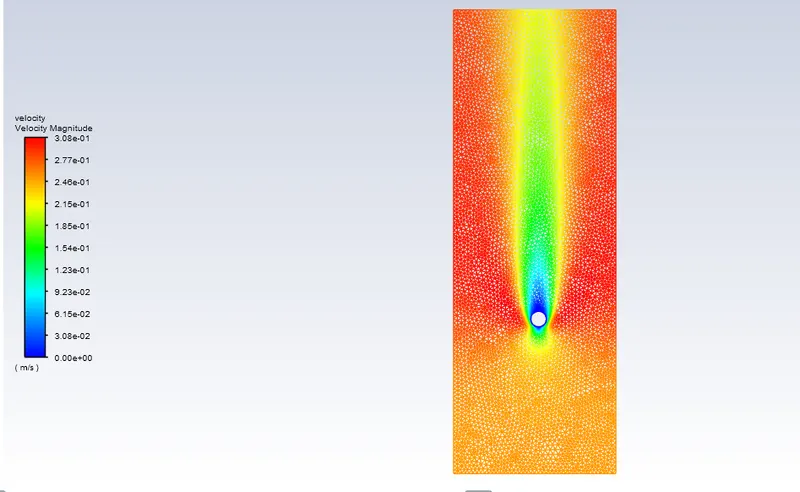
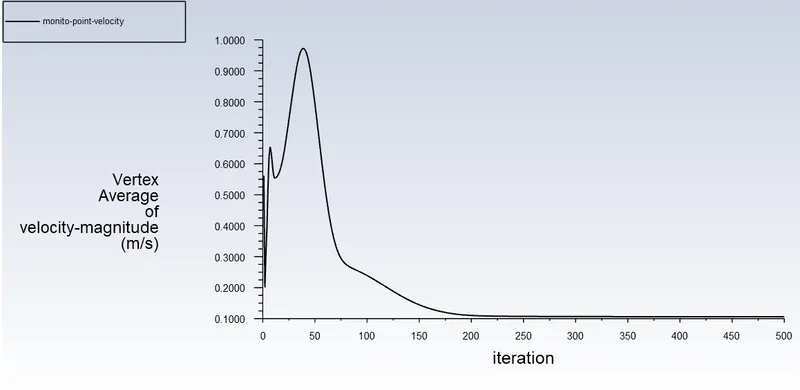
For Re=10, the inlet velocity was 0.25m/s. At this velocity, vortex shedding cannot be seen. The solution reaches a steady state after 250 iterations.
For Re=100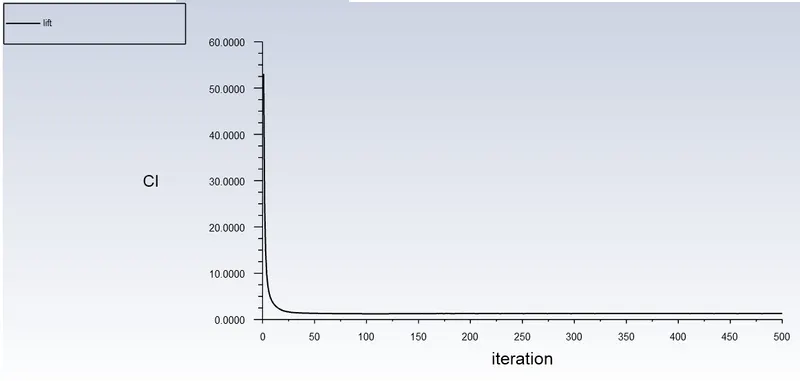
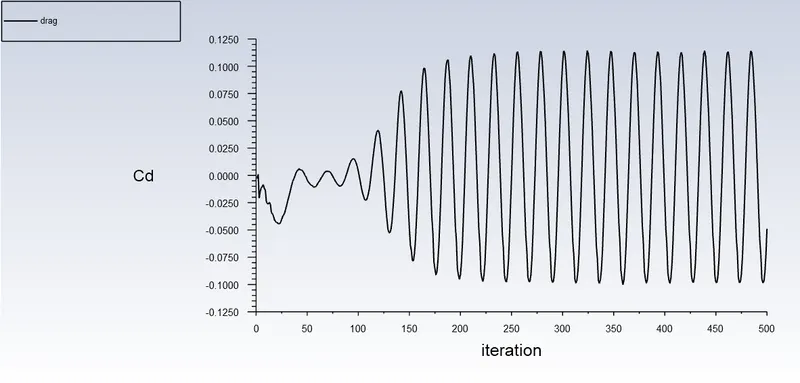
For Re=100, the inlet velocity was 2.5m/s. At this velocity, vortex shedding can be seen. The solution reaches a steady state after 250 iterations.
For Re=1000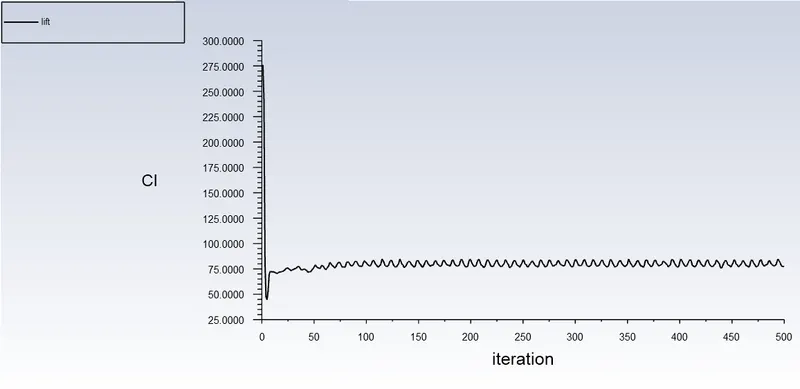
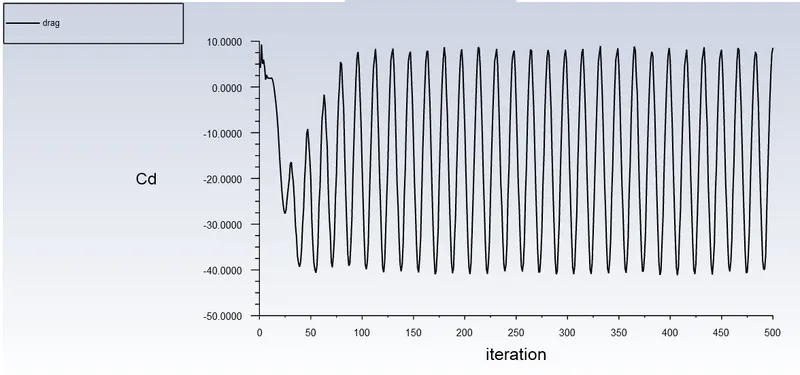
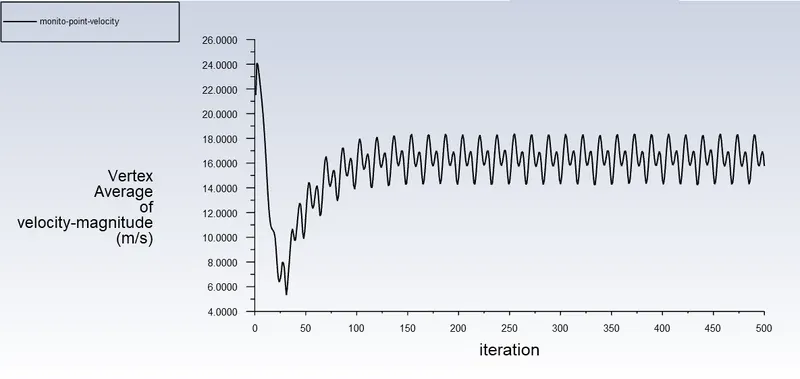
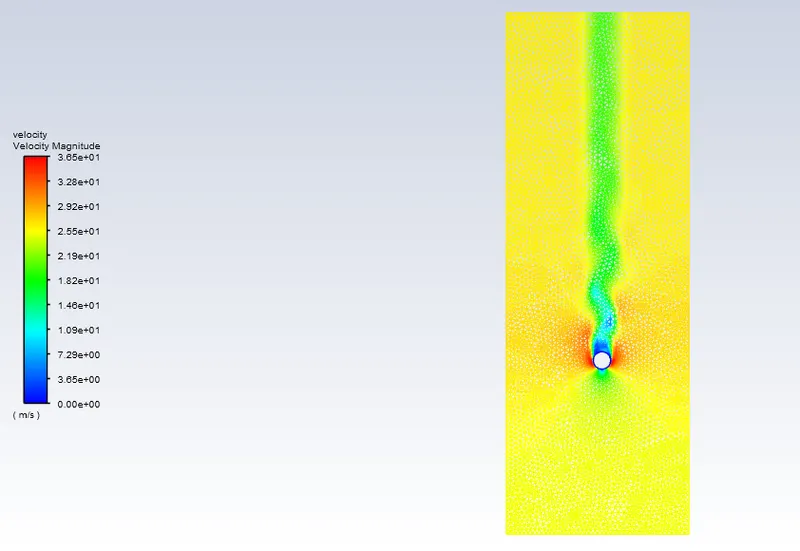
For Re=1000, the inlet velocity was 25m/s. At this velocity, vortex shedding can be seen. The solution reaches a steady state after about 100 iterations.
For Re=10000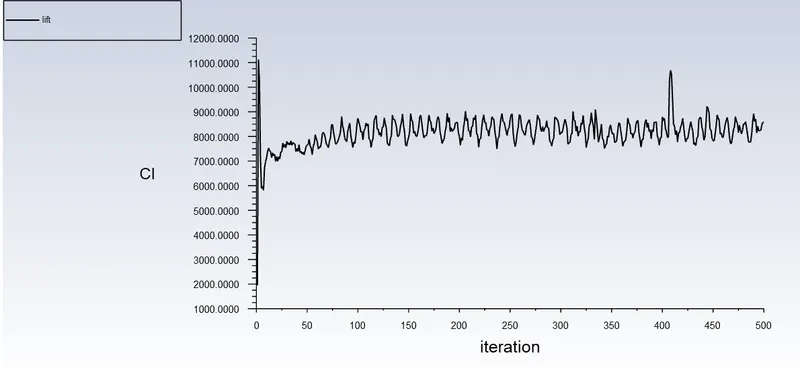
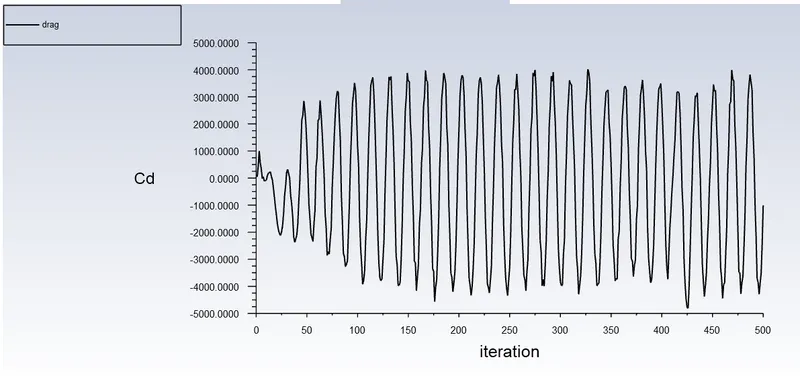
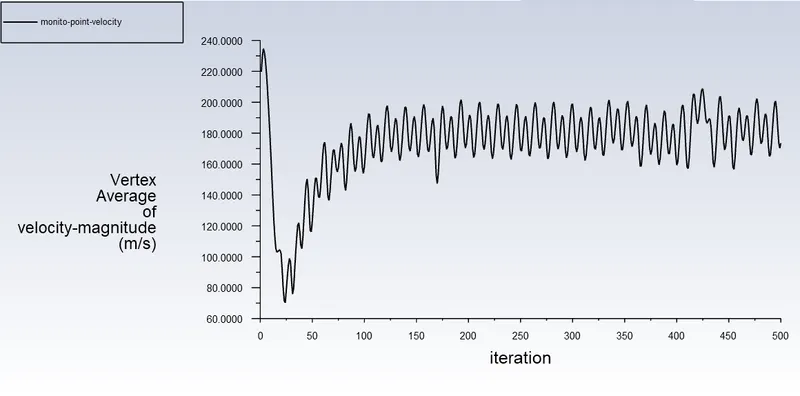
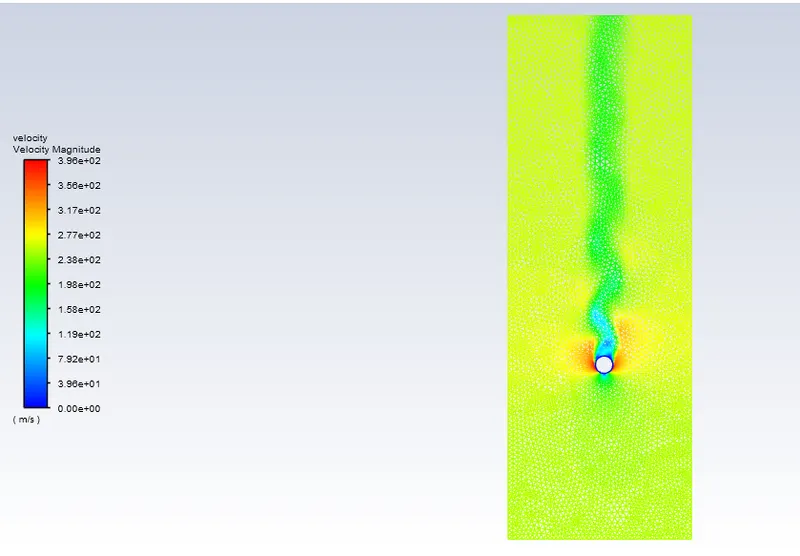
For Re=10000, the inlet velocity was 250m/s. At this velocity, vortex shedding can be seen. The solution reaches a steady state after about 180 iterations.
For Re=100000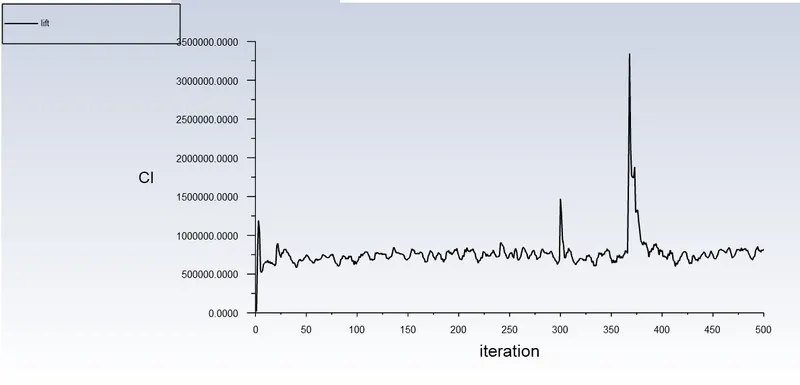
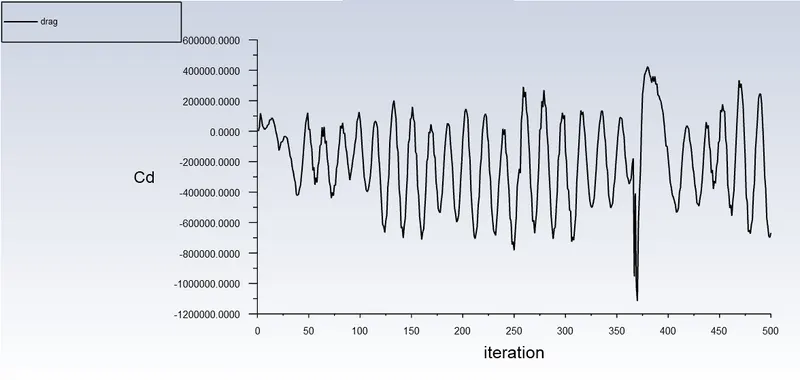
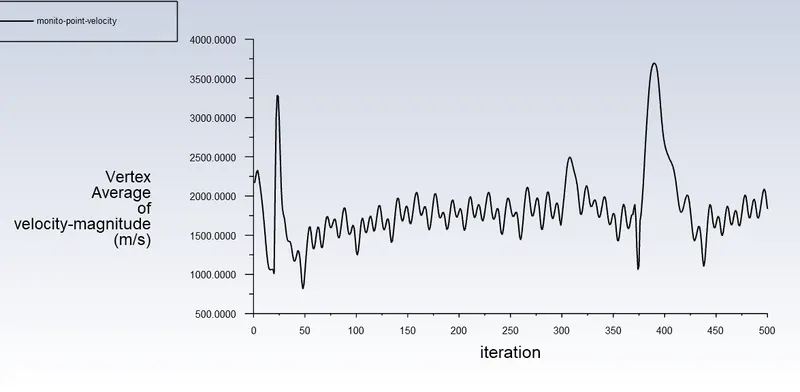
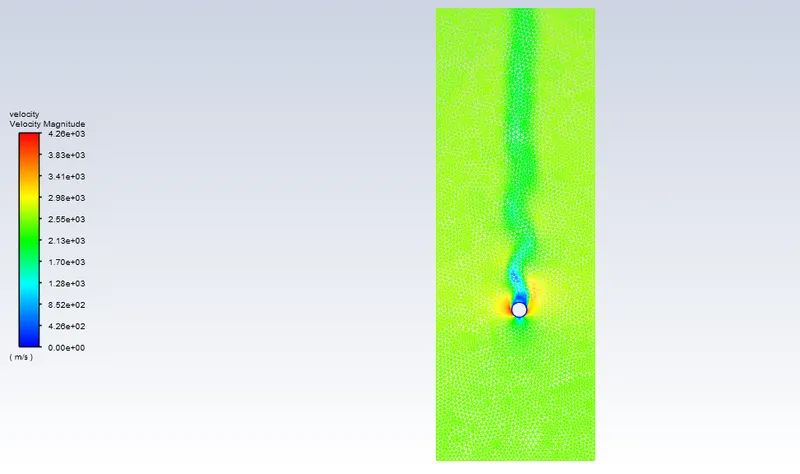
For Re=100000, the inlet velocity was 2500m/s. At this velocity, vortex shedding can be seen. The solution reaches a steady state after about 150 iterations but cannot seem to sustain in tht state after about 370 iterations.
From Reference material:
As the flow Reynolds number (Re=UD/ν) based on the free stream velocity (U), cylinder diameter (D) and kinematic viscosity ν of the fluid, changes from a creeping laminar flow value of the order of 0.1 to a turbulent flow of the Re of a million or even higher, variety of physical complexities start taking place. Steady laminar flow exists at Reynolds number between 5 and 40 with a pair of symmetric counter-rotating vortices formed behind the cylinder. Beyond a critical value of Re, depending on the other flow disturbances, a transverse oscillation sets in with loss of flow symmetry and vortices are shed from the cylinder surface. Between Re=190 and 260, wakes of two dimensional cylinders are observed to become susceptible to a primary instability mechanism which leads to the amplification of three dimensional disturbances and eventually to the development of strong streamwise oriented vortical structures. These three-dimensional disturbances alter the structure and evolution of the wake vortices and as a result, even at low Reynolds number, two-dimensional simulations often fail to accurately predict even gross flow quantities like mean drag coefficient and root mean square (RMS) of the lift fluctuation.