Week 2 - Flow over a Cylinder.
TITLE
Flow over a Cylinder simulation using Transient and steady state solvers in Ansys Fluent.
OBJECTIVES
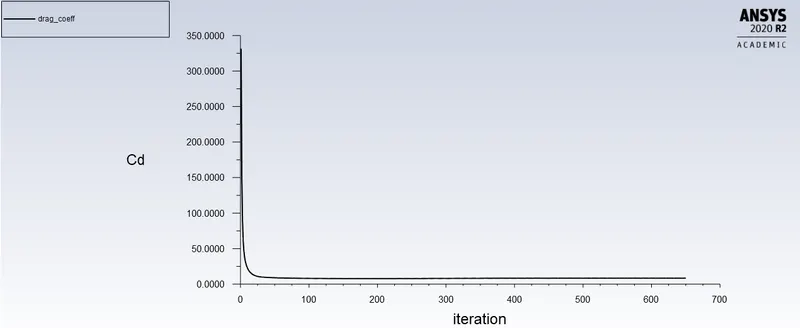
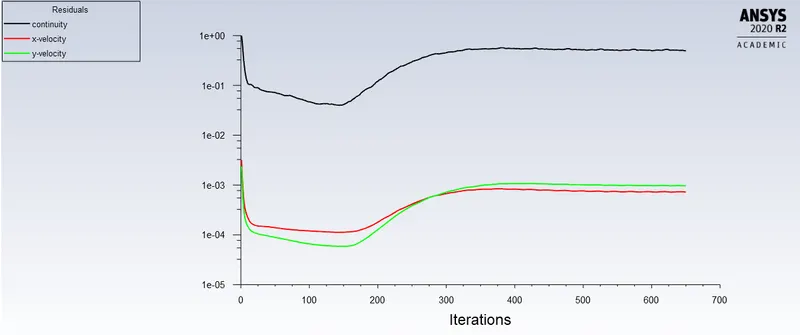
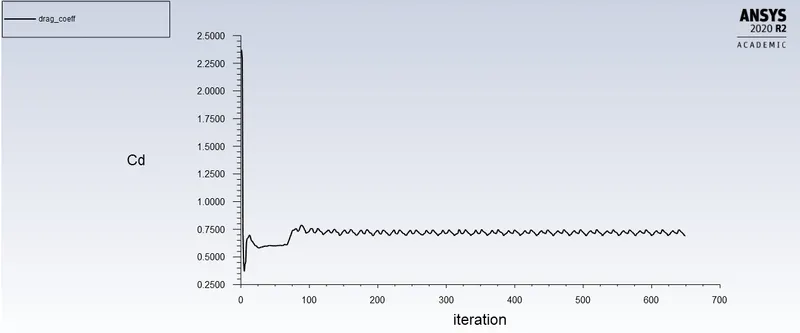
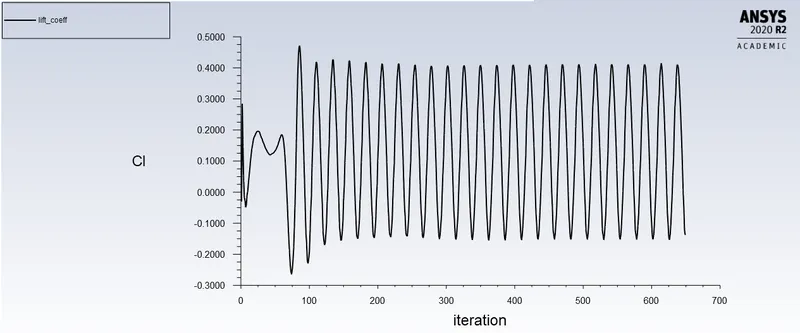
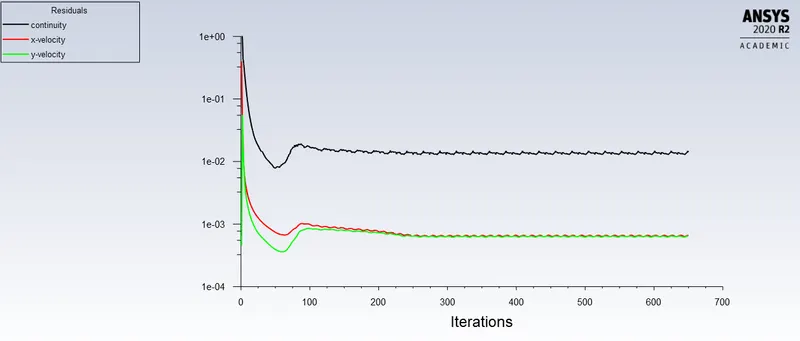
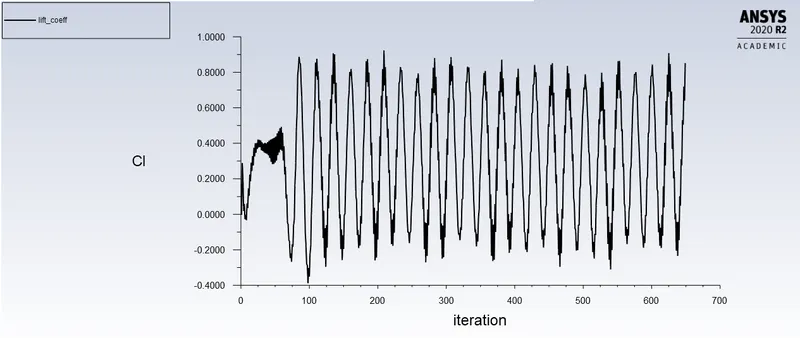
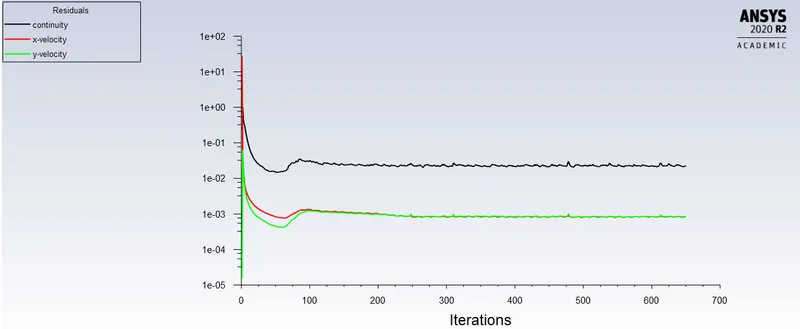
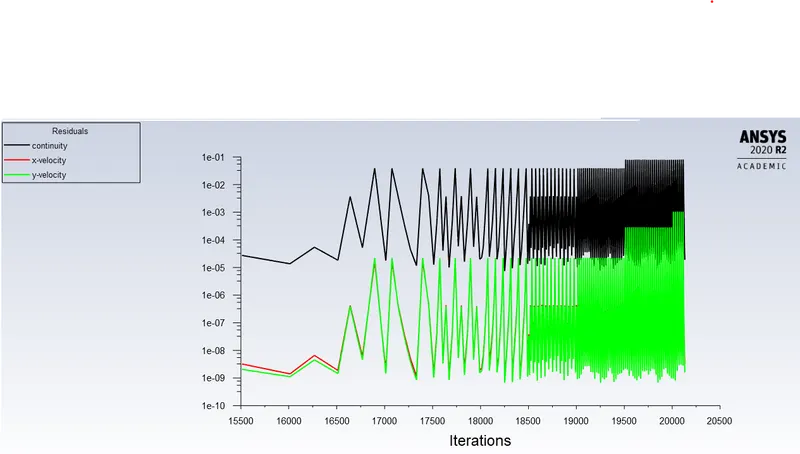
In both approaches, show that the flow has converged. That is, what quantities or plots need to be looked at to determine that the flow has converged?
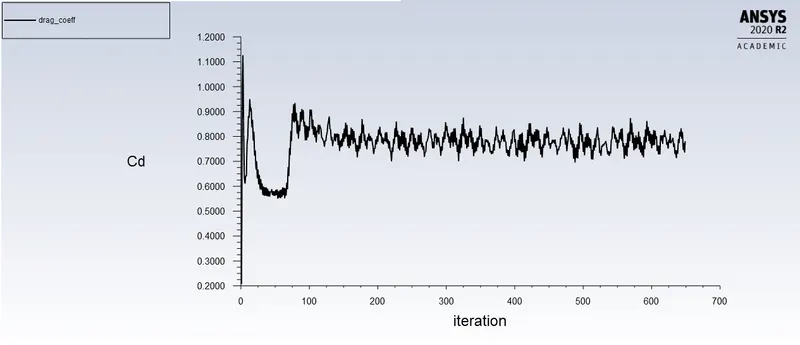
- Plots of the coefficient of drag and lift.
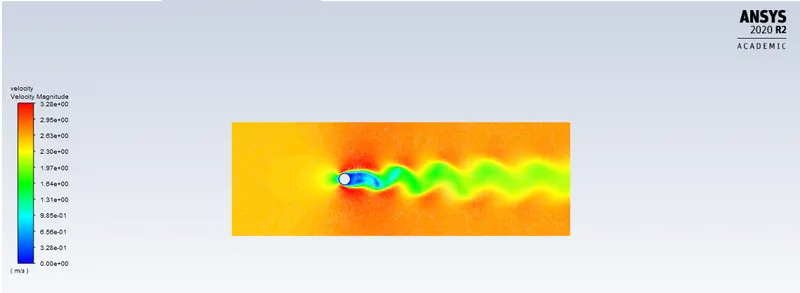
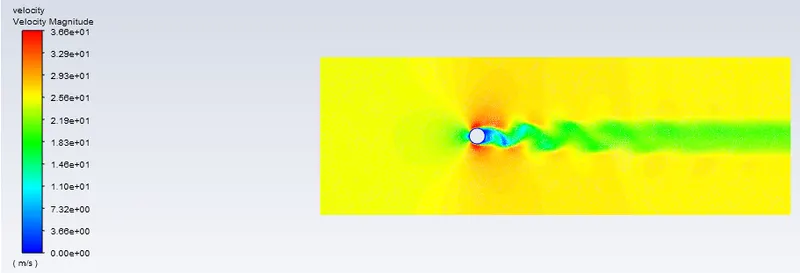
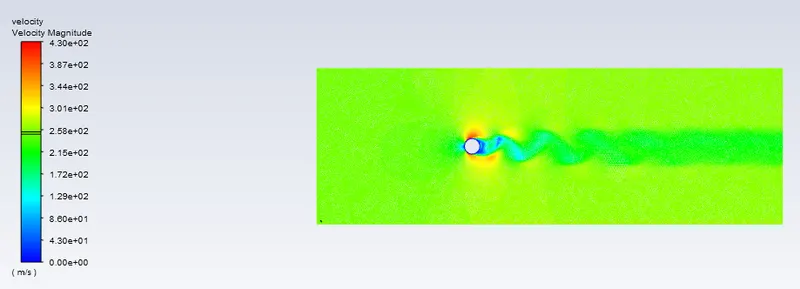
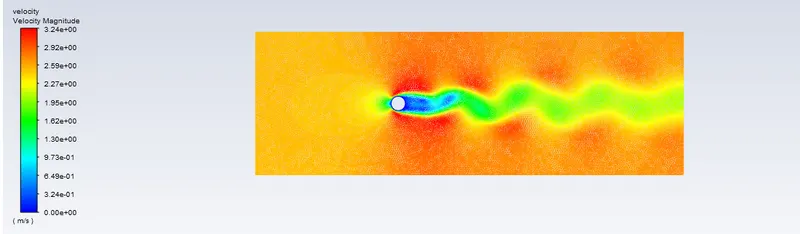
- Plots to show vortex shedding behind the cylinder.
- Mention the referred material at the end of the challenge submission page.
THEORY
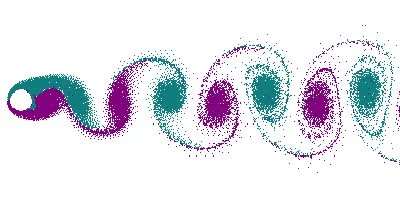
In fluid dynamics, vortex shedding is an oscillating flow that takes place when a fluid such as air or water flows past a bluff (as opposed to streamlined) body at certain velocities, depending on the size and shape of the body. In this flow,vortices are created at the back of the body and detach periodically from either side of the body forming a Von Karman vortex street. The fluid flow past the object creates alternating low-pressure vortices on the downstream side of the object. The object will tend to move toward the low-pressure zone.
If the bluff structure is not mounted rigidly and the frequency of vortex shedding matches the resonance frequency of the structure, then the structure can begin to resonate, vibrating with harmonic oscillations driven by the energy of the flow.
Further going into Stouhal number, In dimensional analysis, the Strouhal number (St, or sometimes Sr to avoid the conflict with the stanton number) is a dimensionless number describing oscillating flow mechanisms. The parameter is named after Vincenc Strouhal, a Czech physicist who experimented in 1878 with wires experiencing vortex shedding and singing in the wind
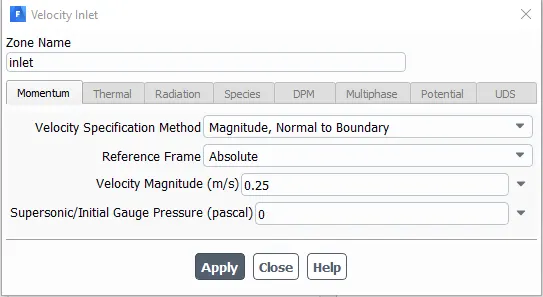
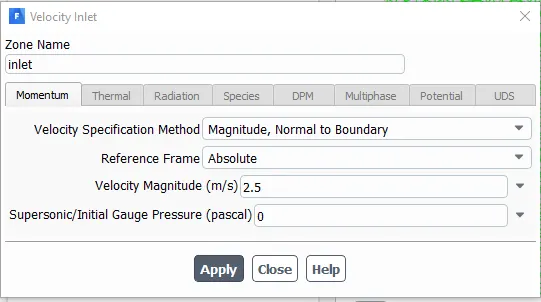
I have divided the results into 5 cases, each case with Re = 10,100,1000,10000,100000. respectively. Coming into case 1, reynolds number being 10. The velocity is calculated by the equation `Re = (rho*V*l)/mu`. which we input to fluent.
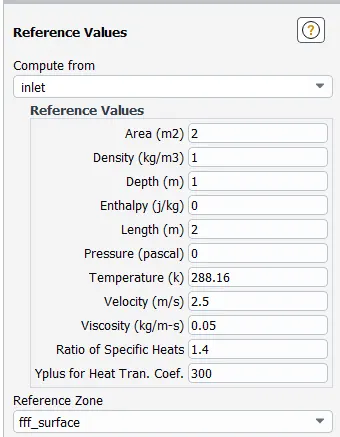
Note: after you determine the boundary zones, before running the calculations ,make sure that you go to the reference values tab and select compute with " inlet " or whatever name you have given to the inlet. I suggest that the name be 'inlet' as Ansys understands and assigns boundary conditions by default as the inlet.
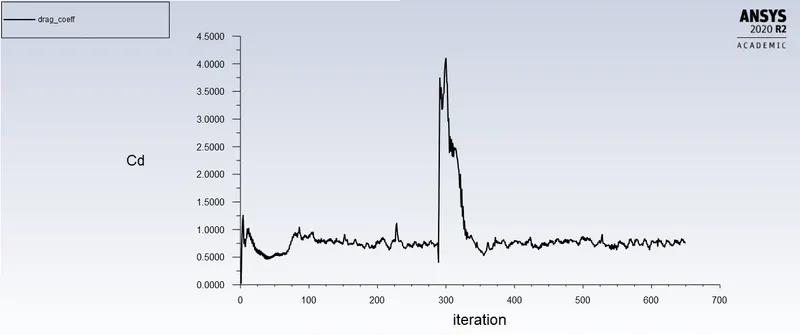
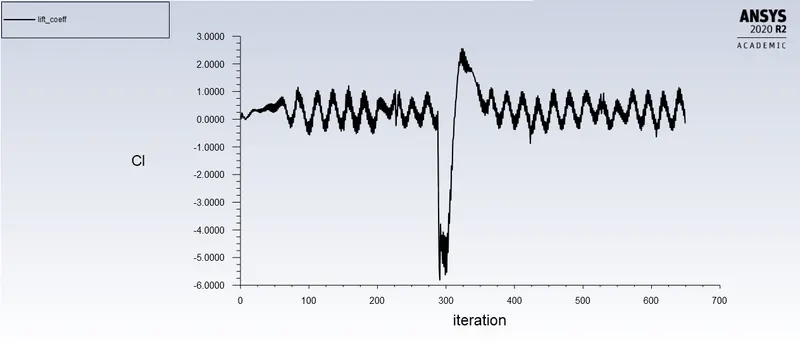
We are simulating this flow over a cylinder to understand how fluids react and to see how coefficient of drag and lift get affected with the increase in reynolds number. Technically and theoritically proved analysis proves that we get a lower cd(coefficient of drag) as the reynold's number increases.
This phenomenon is of major importance in engineering design because the alternate formation and shedding of vortices also creates alternating forces, which occur more frequently as the velocity of the flow increases.
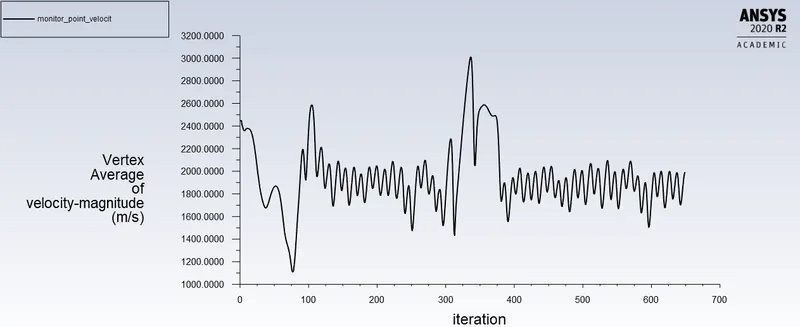
When the frequency is in the audible range, a sound can be heard and the body appears to sing. Resonance may occur if the vortex shedding frequency is near the structural-vibration frequency of the body.
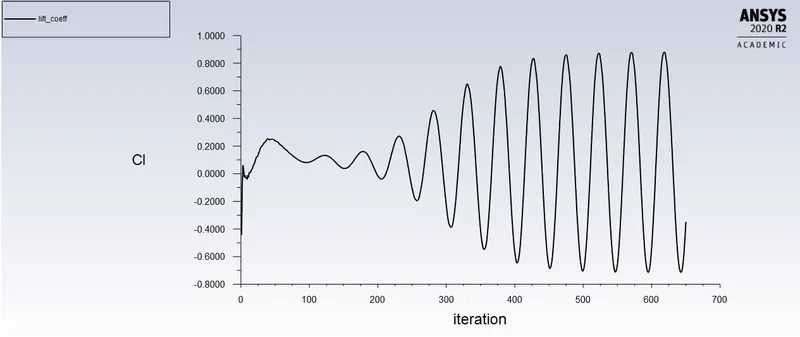
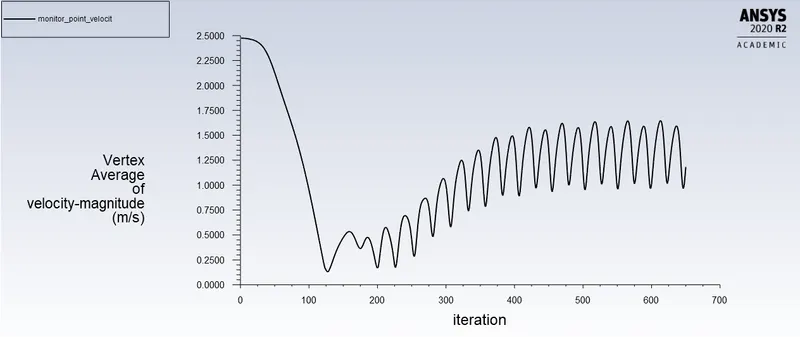
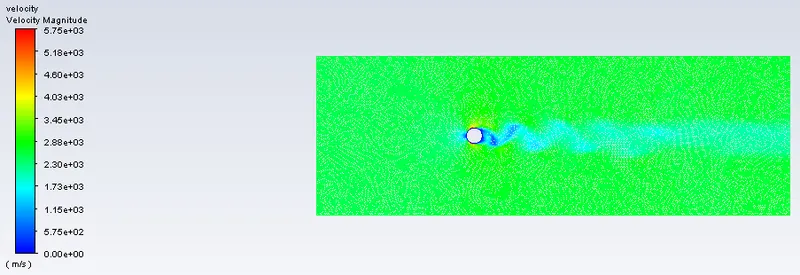
Here in Case 2 you can see vortex shedding as case 2 has a reynolds number of 100.
DATA
- Triangle mesh
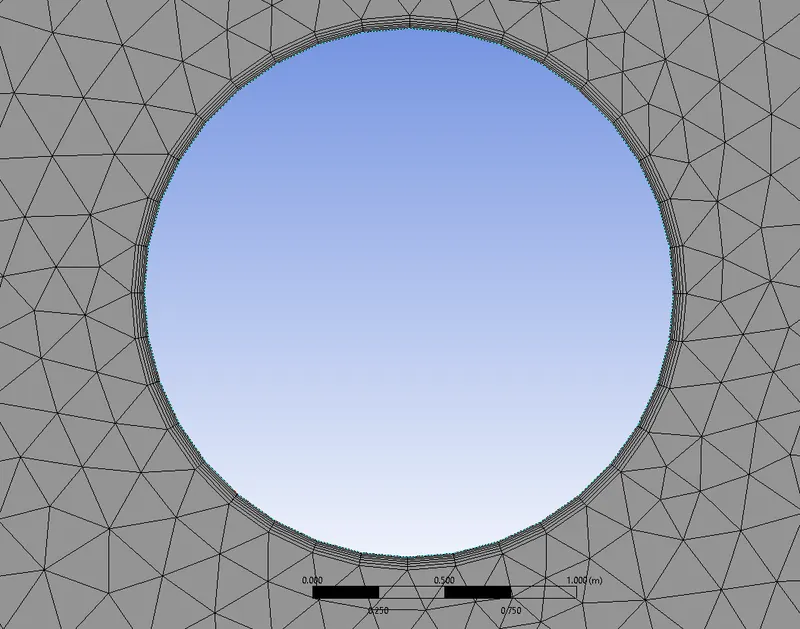
- 6 inflation layers
- Element size = 0.25m
- user defined material with properties
a. Viscosity = 0.05 kg/m-s
b. Density = 1 kg/cubic metres
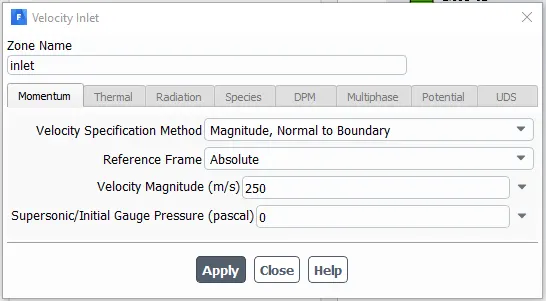
- Inlet velocity 1m/s(only for steady and transient solver caomparison)
- Other case velocities are mentioned in respective case descriptions.
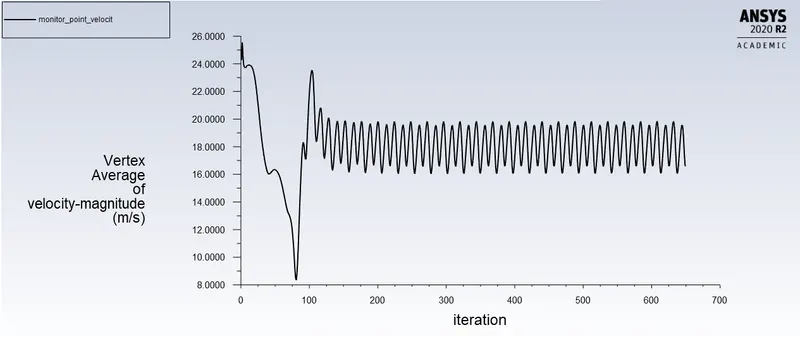
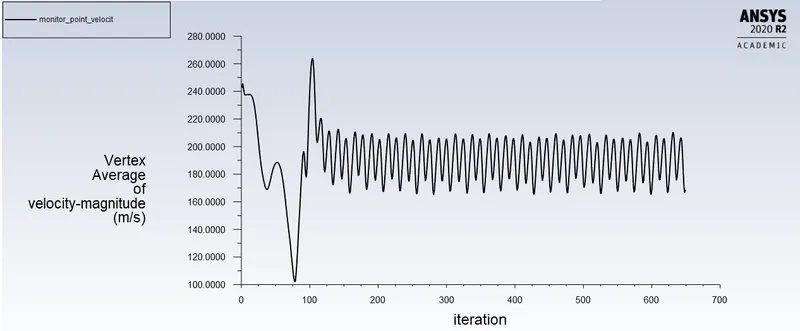
- Monitior point for created at 8m from the left. Since we have only one monitor point (vertex avg) its going to be equal to the velocity value
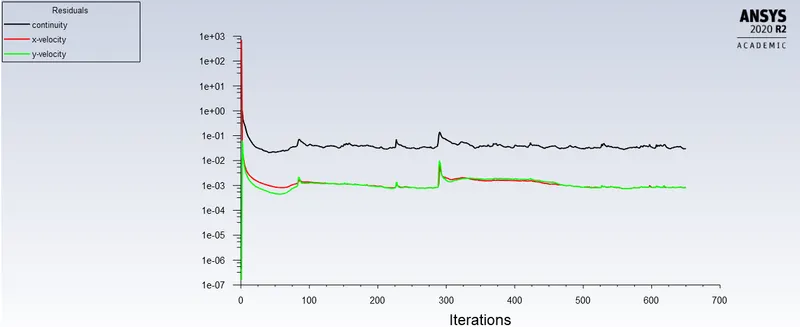
- 650 iterations( steady)
- 500+250+250 iterations carried out for transient case.
- Solution method scheme = SIMPLE
- Unchecked tolerences for residuals.
- Animation created
| case | reynolds number | velocity(m/s) |
| 1 | 10 | 0.25 |
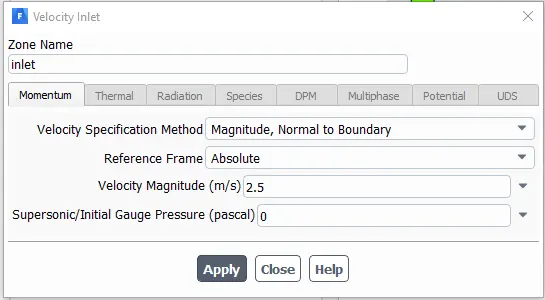
| 2 | 100 | 2.5 |
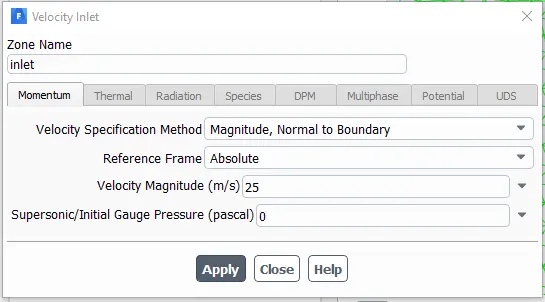
| 3 | 1000 | 25 |
| 4 | 10000 | 250 |
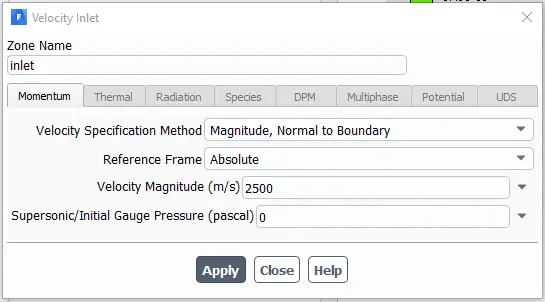
| 5 | 100000 | 2500 |
Equation used
Re = `(rho * V * l)/mu`
V = velocity
l = characteristic length
rho = density of fluid
IMAGES AND SETTINGS
Below is the Geometry of the Domain and the cylinder upon which the fluid flows
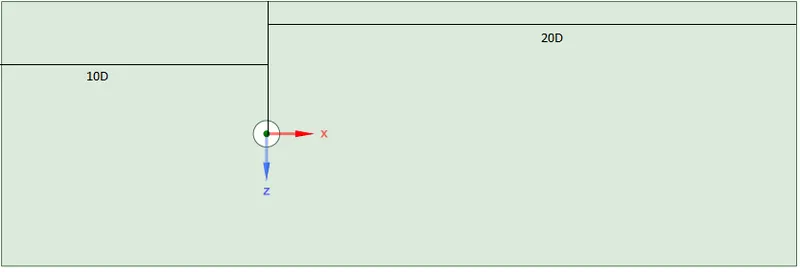 20 m (height)
Diametre D = 2m.
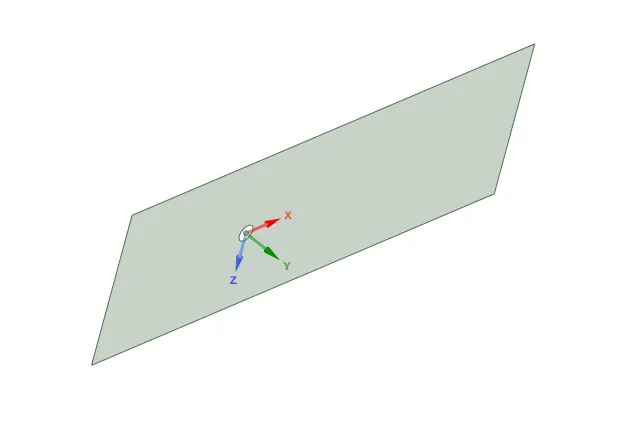
The following images are the COMMON settings for the 5 cases.
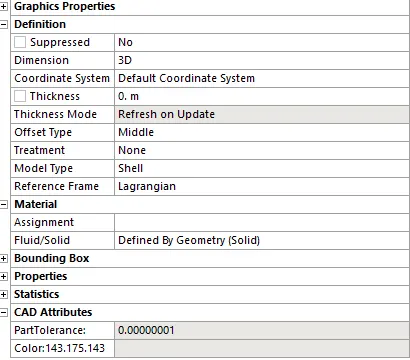
Mesh settings
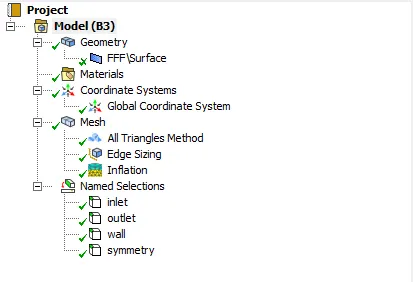
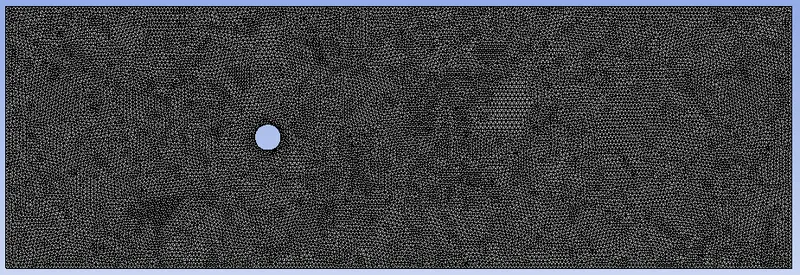
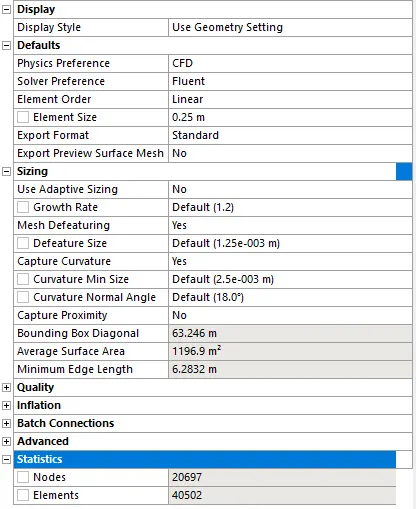
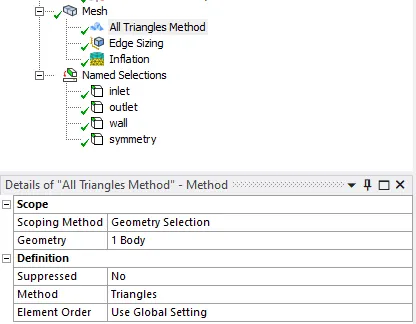
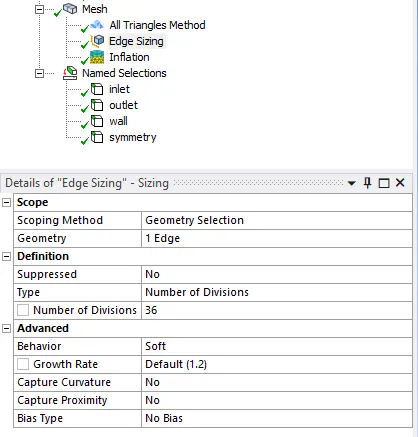
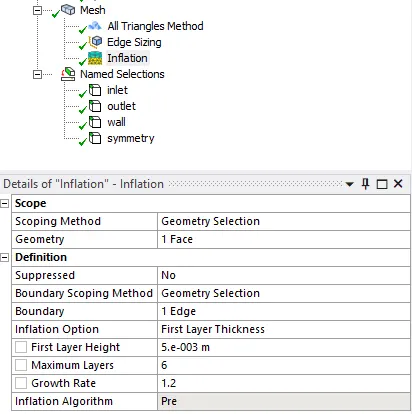
Inflation layers created to get better results at the cylinder.
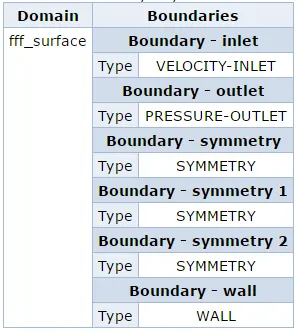
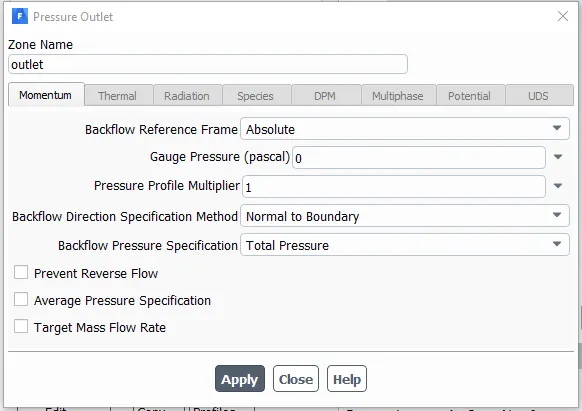
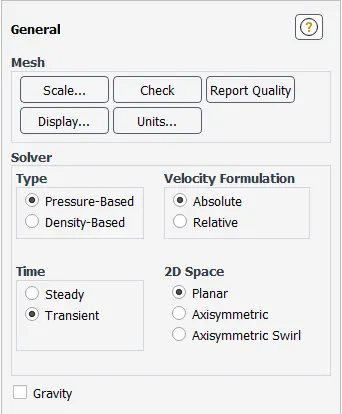
-----------------------------------------------------------------------------------------------------------------------------------------------------------
-----------------------------------------------------------------------------------------------------------------------------------------------------------
CASE 1
In the first case the velocity is 0.25 m/s.
Velocity
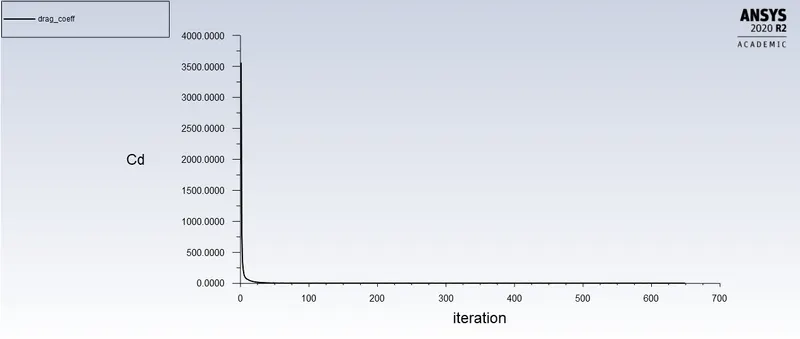
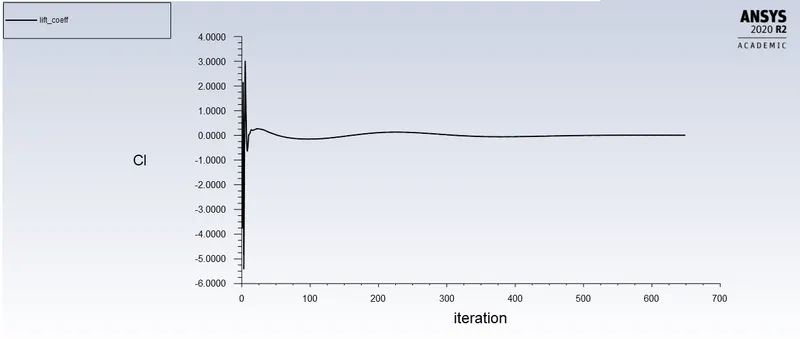
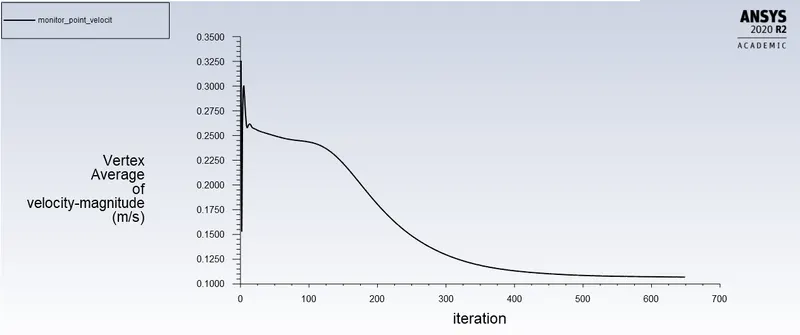
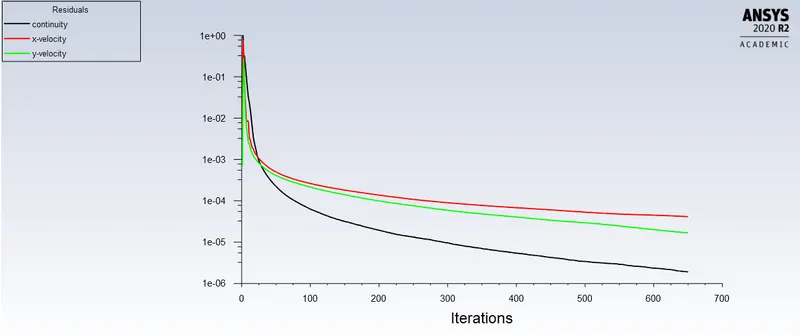
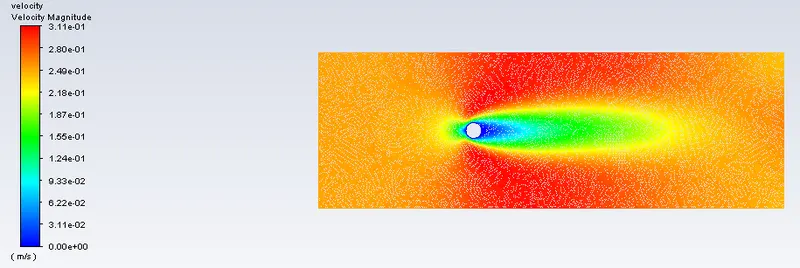
As you can see from the images above vortex shedding isnt seen. And the solution has'nt converged. The solution hasnt shown any oscillating frequency.
-----------------------------------------------------------------------------------------------------------------------------------------------------------
-----------------------------------------------------------------------------------------------------------------------------------------------------------
CASE 2
-----------------------------------------------------------------------------------------------------------------------------------------------------------
-----------------------------------------------------------------------------------------------------------------------------------------------------------
CASE 3
-----------------------------------------------------------------------------------------------------------------------------------------------------------
-----------------------------------------------------------------------------------------------------------------------------------------------------------
CASE 4
-----------------------------------------------------------------------------------------------------------------------------------------------------------
-----------------------------------------------------------------------------------------------------------------------------------------------------------
CASE 5
-----------------------------------------------------------------------------------------------------------------------------------------------------------
-----------------------------------------------------------------------------------------------------------------------------------------------------------
Transient case
The steady state simulations always give an end result. So when we use a transient solver, we can solve with respect to time which gives us a better solution. And this is the reason that Sarang did not get the vortex shedding
at reynolds number 40.
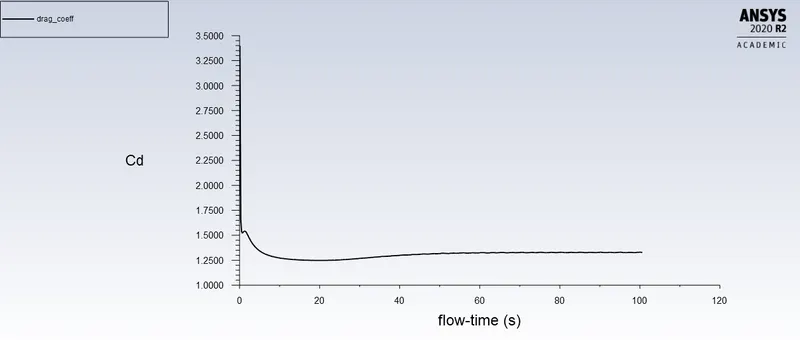
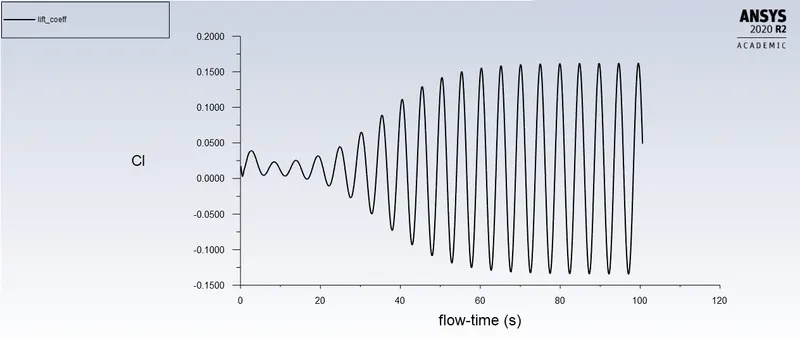
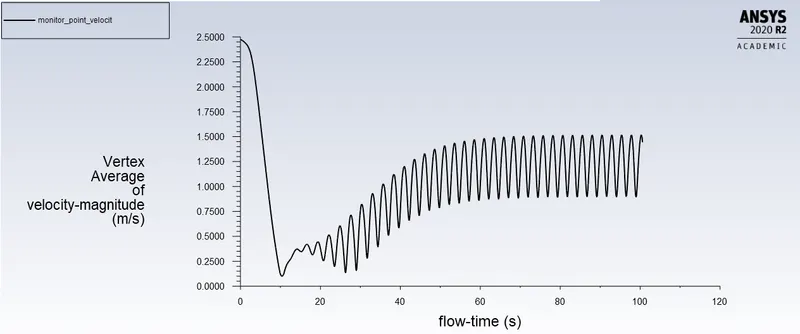
The below case is for Re = 100, velocity = 2.5m/s.
The Strouhal number is calculated in fluent using the FFT tool. I got the maximum frequncy = 0.0819, using the equation, str = 0.159.
-----------------------------------------------------------------------------------------------------------------------------------------------------------
-----------------------------------------------------------------------------------------------------------------------------------------------------------
RESULTS
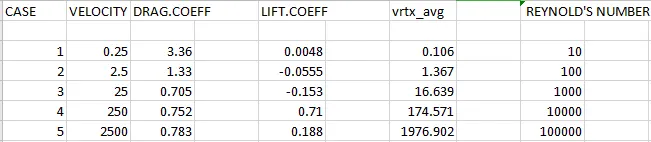
In Each case the velocity is different. The values of velocity of each of the cases are given in the table below in m/s. Also the reynolds number is also different. Our goal was to find at what reynolds number, the fluid would start showing vortex shedding.
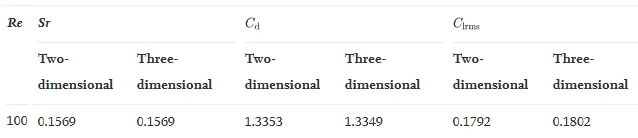
The table T1 is the results i got from Ansys. T2 shows value of the flow over a cylinder (from given research paper). You can see that for reynolds number of 100, under 2D the value for coefficient of drag is 1.3353, compared to 1.33 that i got with the silulation.
The error margin is very less.
T1
T2
For most aerodynamic objects, the drag coefficient has a nearly constant value across a large range of Reynolds numbers. But for a simple sphere(cylinder in 2d), the value of the drag coefficient varies widely with Reynolds number . The two dimensional flow past a cylinder is very similar to the three dimensional flow past a sphere, but is a little easier to compute and understand because of the reduced dimensionality. Flow past a cylinder and a sphere goes through a number of transitions with velocity as shown in this figure.
And with that we can see with the results in table T1 that as the reynolds number increases the coefficient of drag is reducing which is a desirable change.
reffered literature : https://www.sciencedirect.com/science/article/pii/S0307904X08000243