Week 2 - Flow over a Cylinder.
Aim: Creating flow over cylinder 2D model in ansys workbench and performing vortex, drag, lift, simulation on the model for different reynolds number and also reynolds number 100 for steady and unsteady condition plotting strouhal number graph
Theory:
- In this project we have learning how the cylinder wall behaves for drag and lift for different reynolds number
- drag is the opposite force for the body which pulls body
- lift is the force which lifts the body
- And also when fluid moves laminar and when it hits the wall, The wall region is high viscous region due to this for greater number of reynolds number the vortex shedding formation takes place
- vortex means fluid flows like curve path
procedure to simulate:
- First In workbench we drag the flow fluent from toolbox to project schematic
- In the list of option using geometry option in that new space claim option we open the sketch window
- Then we creating the model and updating, The created model is shown in the image1
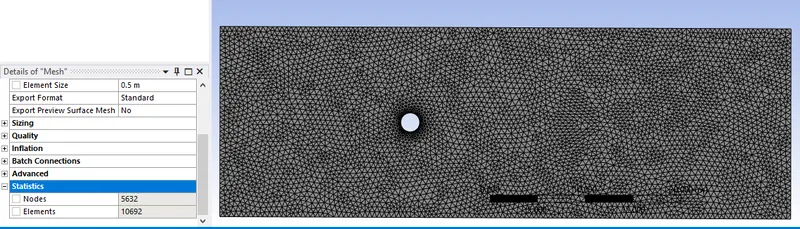
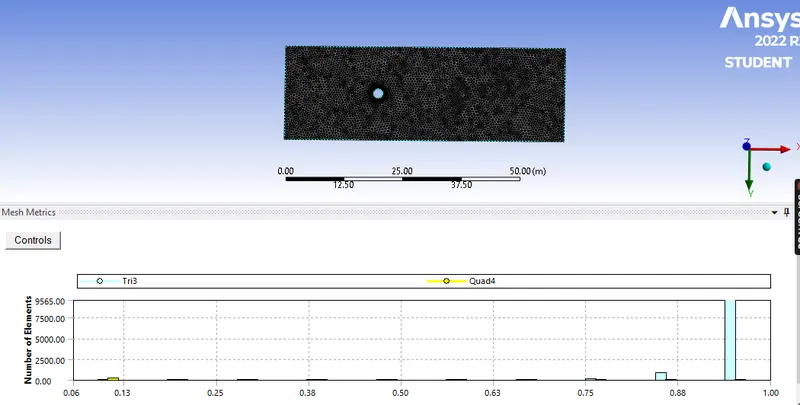
- After creating the model Second using mesh option from the list we creating the mesh, inflation of required size and name selection, Then we updating once again, This mesh and mesh quality of reports is shown in image2
- Next after the mesh we going for solving using setup and solution option There we enable the physics like in viscous laminar we enabling because the flowing fluid is laminar, Then under the material option we select the fluid material and giving the properties value of the fluid and in the cellzone option we giving the select material as fluid
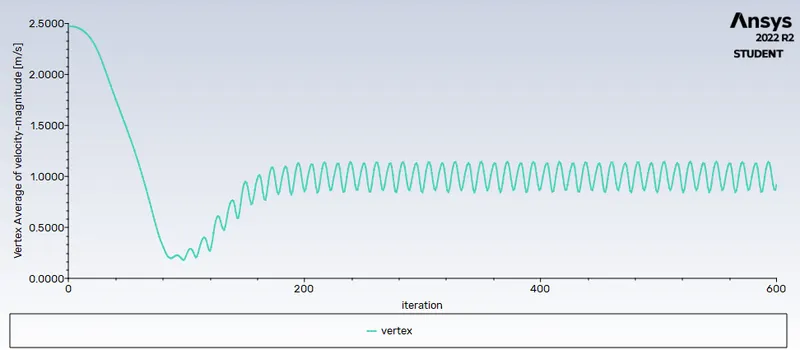
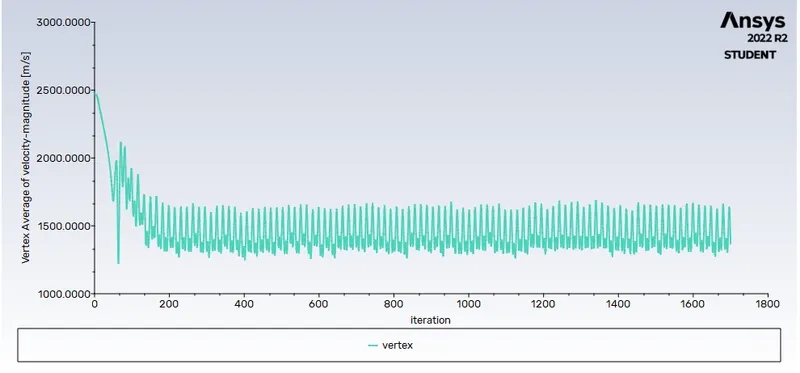
- On the back of the cylinder we creating the monitor point at the distance of 8m from cylinder, To create monitor point Under the results deck create points option there using that option we creating the monitor point
- Then we giving the boundary condition, selecting method as simple method, Then under the report option in that defination option we taking out the graph sheet of drag, vortex, lift sheets
- Lastly in left section using reference value option we giving the frontal area value and length of frontal area, Frontal area mean example fluid is flowing in x-direction and hitting the cylinder wall in flowing direction view the cylinder wall looks like rectangle shape then that area consider as frontal area and cylinder distance considering the length
- Then initializing using intializing option and run the calculation for particular iteration before runing we saving the every iteration using auto save option because to create the animation
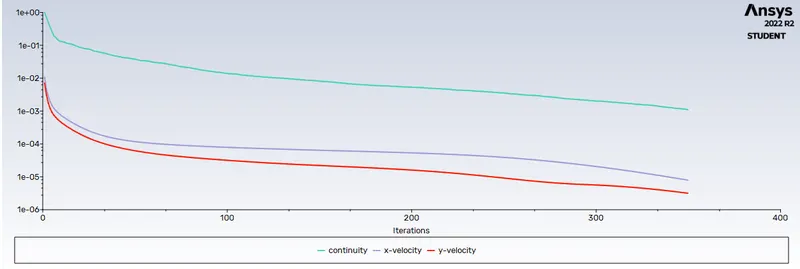
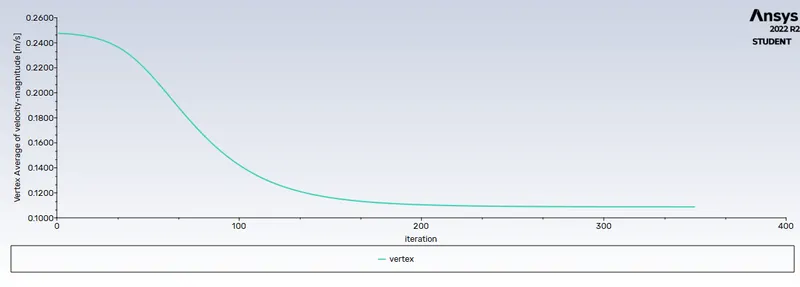
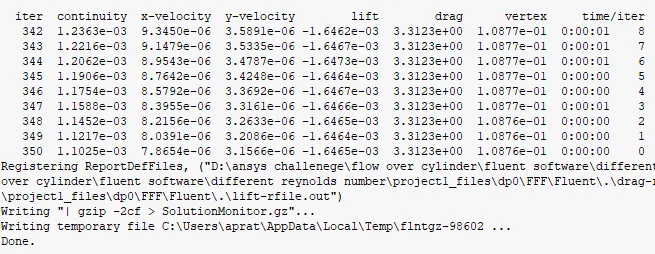
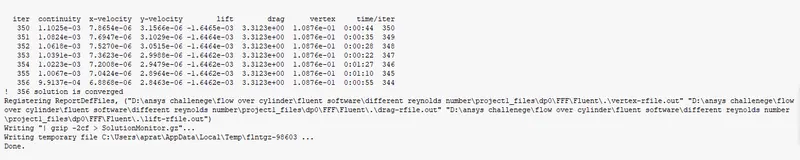
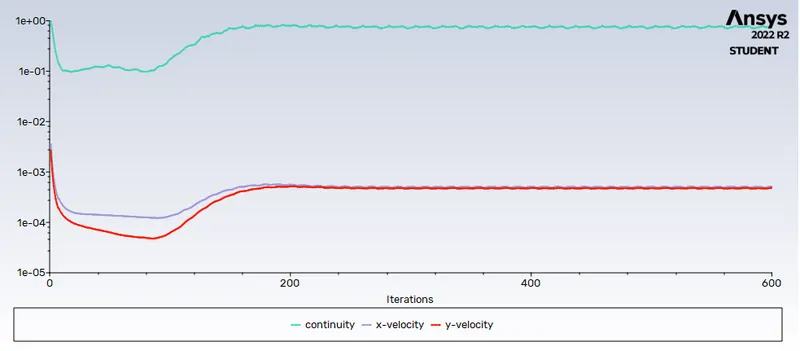
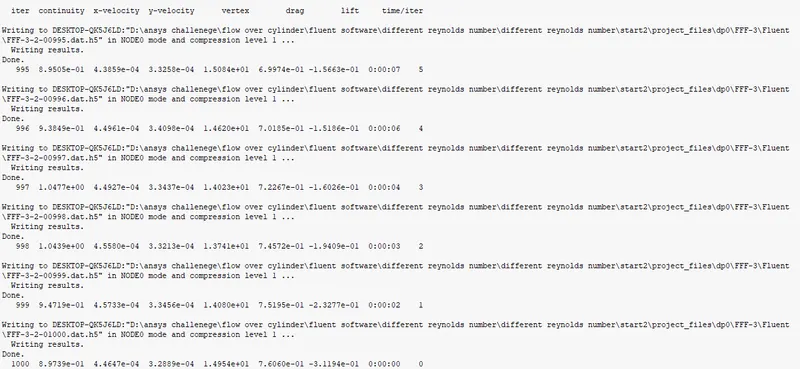
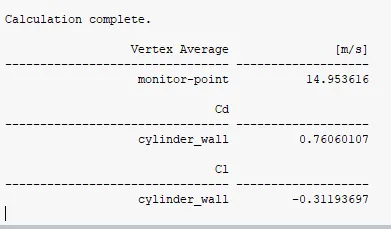
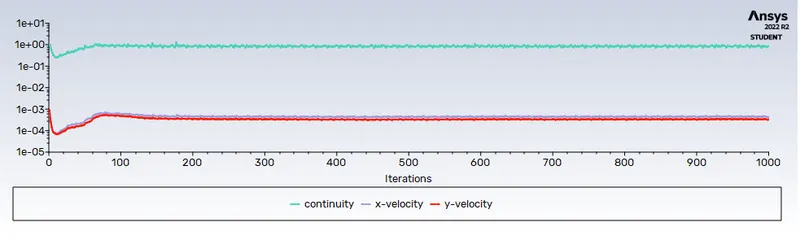
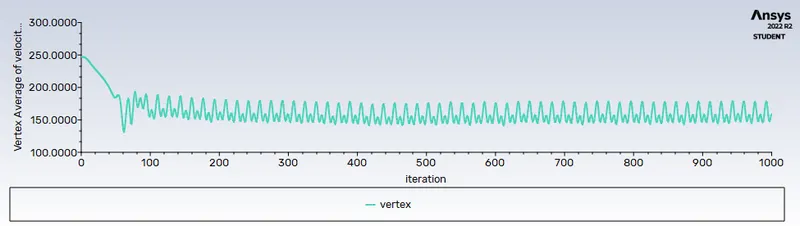
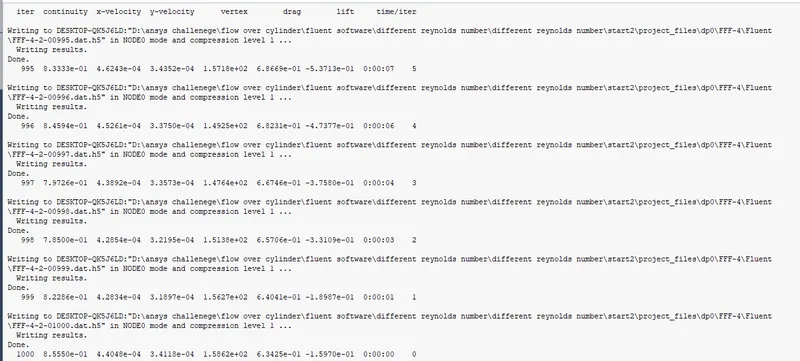
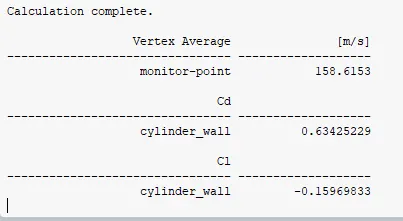
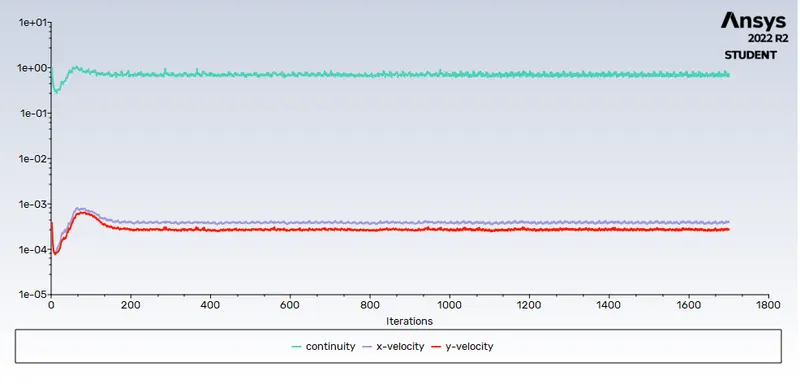
- Then we take out the results of residual plot, value of drag, lift, velocity vortex value at monitor point this results is shown in image3, image4, image5
- Finally at post processing we taking out the animations, velocity and pressure contour plot the animation link is attached below
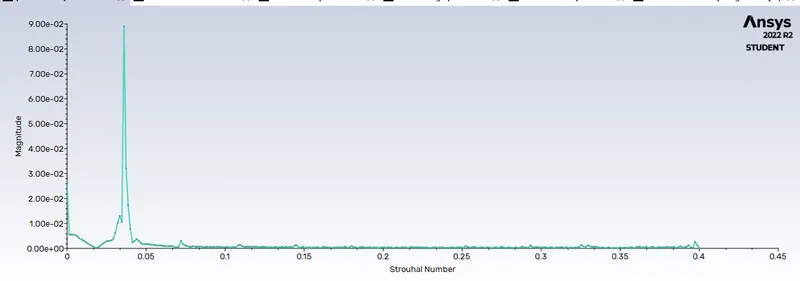
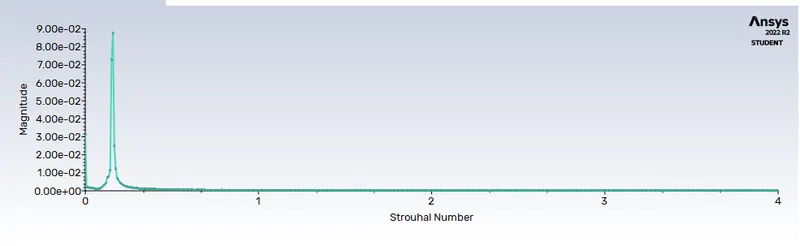
- Note: To take out the strouhal number for the steady and unsteady of reynolds number 100 In right section under plots fft option there there in x direction strouhal number selecting and y-direction magnitude selecting and then we import the lift file then we ploting the graph of strouhal number to take out strouhal numbers data in same tool box write to file option there by this we taking out the strouhal number data This strouhal number graph is shown in image6 and data is attached below
- So to perform simulation for different reynolds number we calculating the velocity value by using reynolds formula which is calculated below So this calculated velocity is assign for the inlet boundary condition
Formula to calculate velocity for different reynolds number:
- reynold number = rho*v*D/mhu
where,
rho=density; v=velocity; D=cylinder wall diameter; mhu=dynamic viscosity
Results of image:
Image1: creating the model using spaceclaim option from geometery
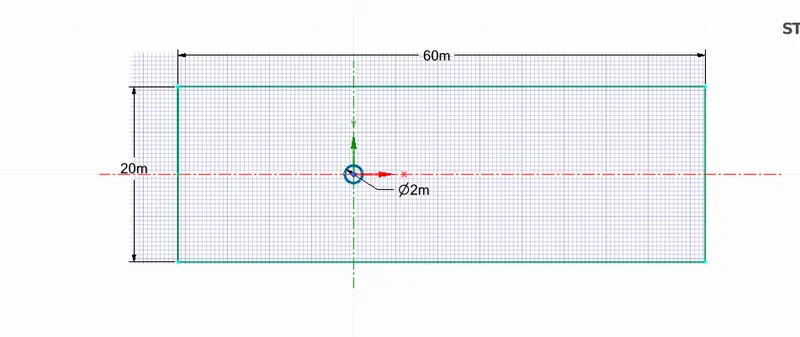
image2: meshed model and element quality
images for the results for different reynolds number
reynolds number10
image3: velocity and pressure contour plot
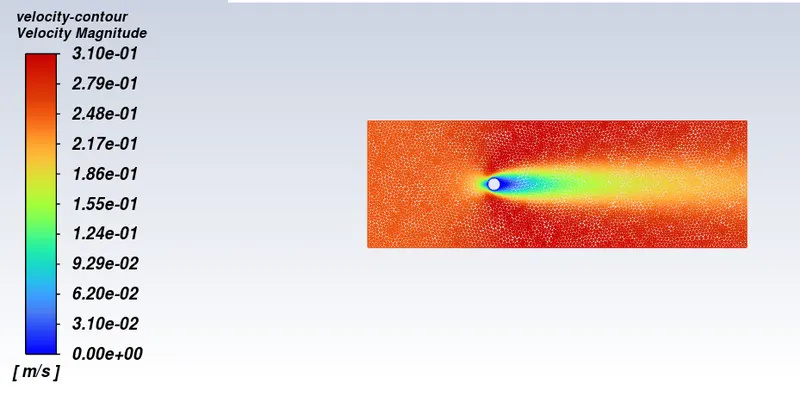
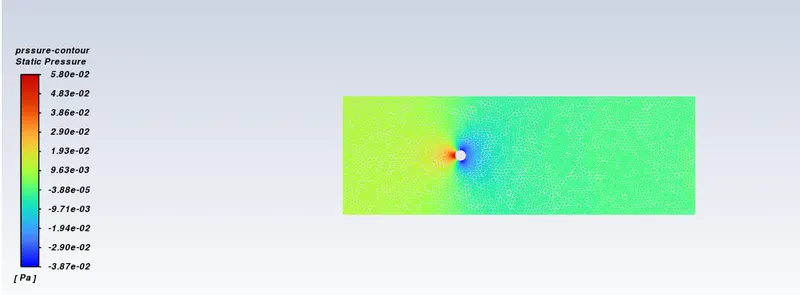
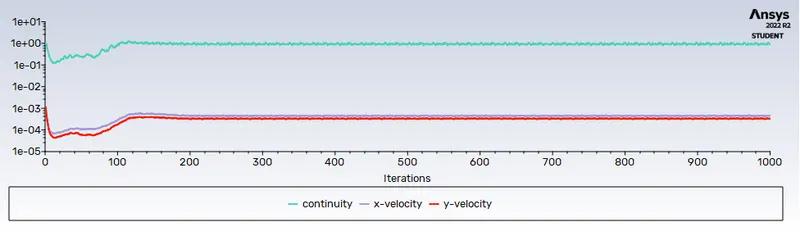
image4: scaled residual, votex, drag, lift, graph
Scaled residual vortex graph
drag co-efficient graph lift co-efficient graph
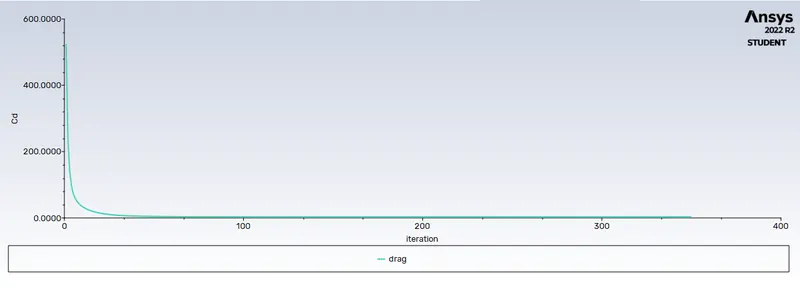
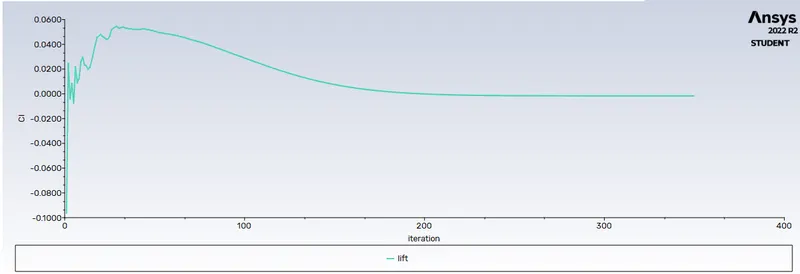
image5- results on the console
Part1- Results for steady and unsteady state conditions for the reynolds number 100 results includes strouhal number and animation for both steady and unsteady
steady state with reynolds number100
image3: velocity and pressure contour plot
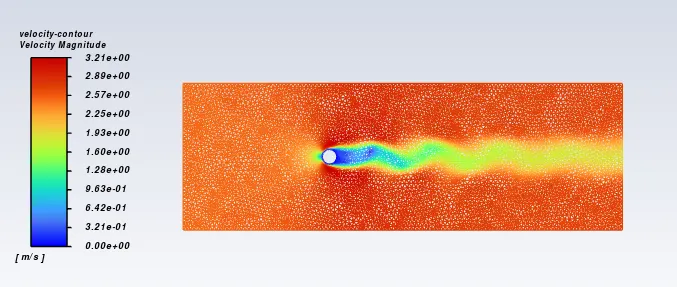
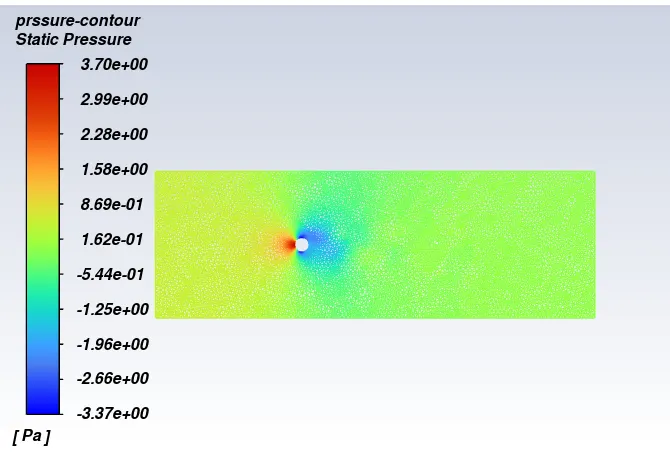
image4: scaled residual, votex, drag, lift, graph
Scaled residual vortex graph
drag co-efficient graph lift co-efficient graph
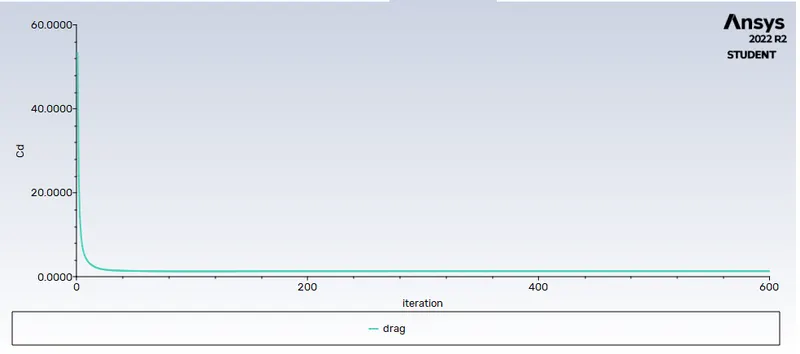
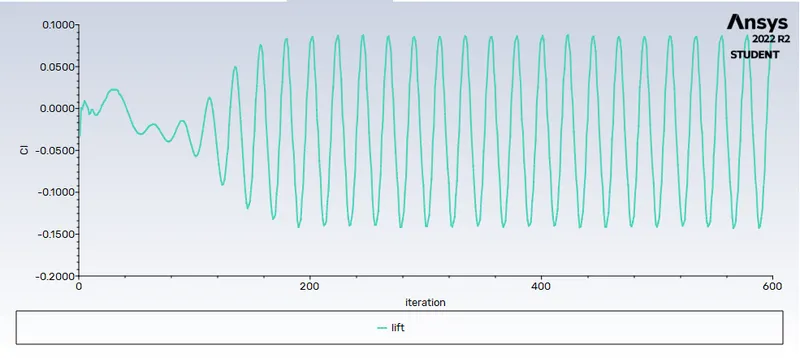
image5- results on the console
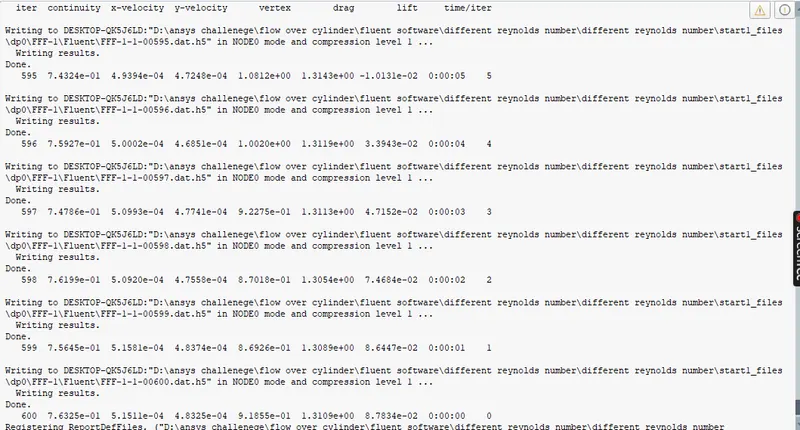
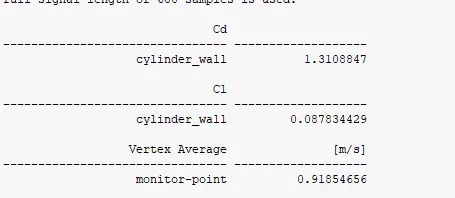
image6- strouhal number graph and data:
Link of strouhal numbers data:
https://drive.google.com/drive/folders/1R87_2r6JHcjaeMlJKMF0KxFZqJMzEJ4r?usp=sharing
Animation link:
https://drive.google.com/drive/folders/1ETVl5QIfdTo23Qwlmmk5ZRhZKpRLbTyf?usp=sharing
unsteady state with reynolds number100
image3: velocity and pressure contour plot
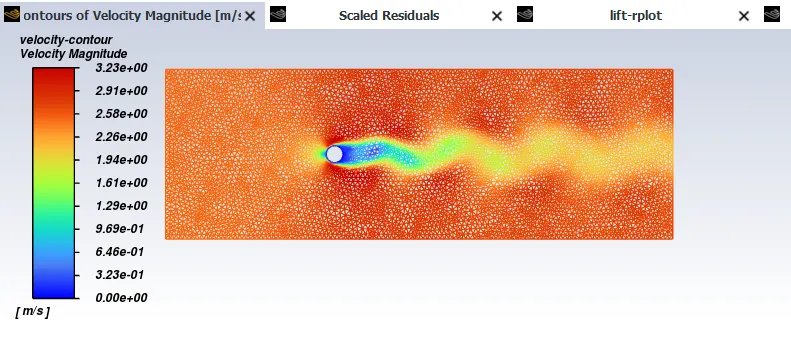
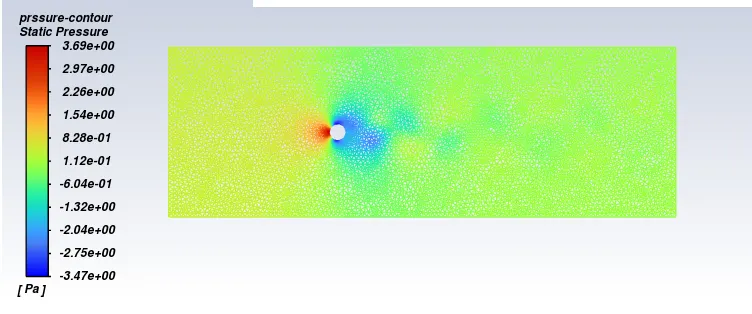
image4: scaled residual, votex, drag, lift, graph
Scaled residual vortex graph
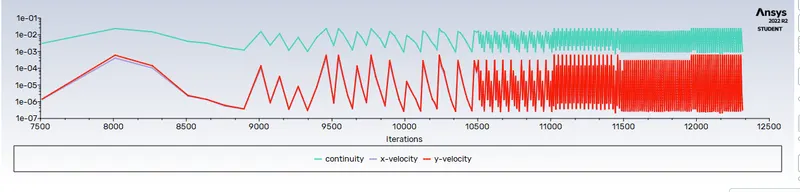
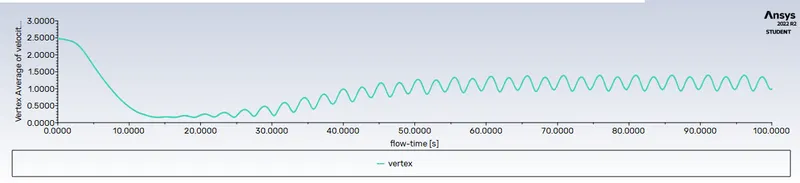
drag co-efficient graph lift co-efficient graph
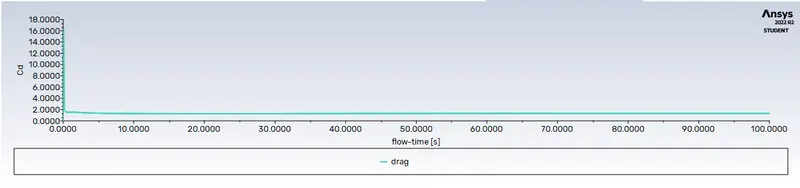
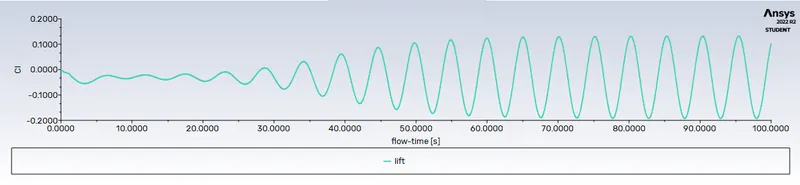
image5- results on the console
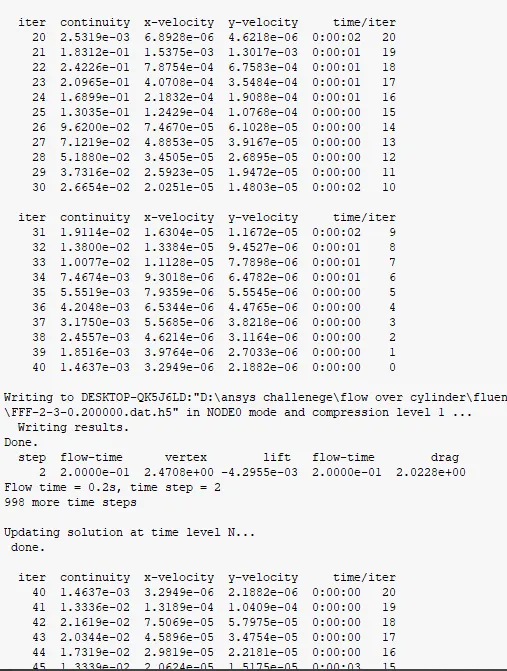
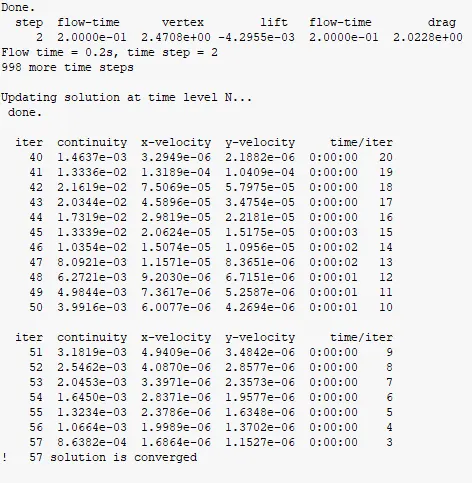
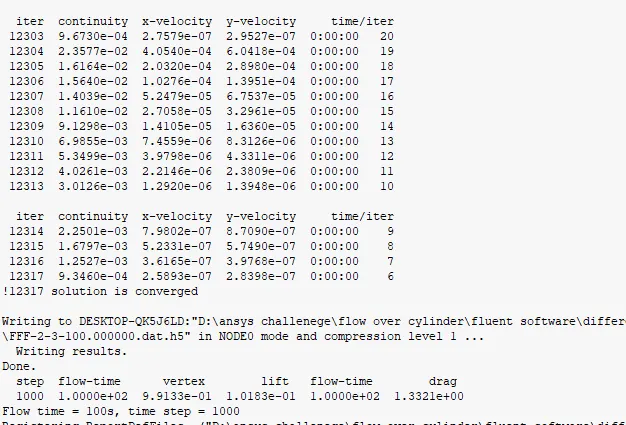
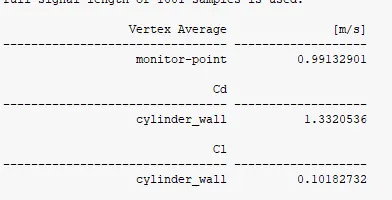
image6- strouhal number graph and data:
Link of strouhal numbers data:
https://drive.google.com/drive/folders/1s3sijGmn2NXJ4bOiMq9OliOaL91u9xJ6?usp=sharing
Animation link:
https://drive.google.com/drive/folders/1bgTjaiB7vkTu_YdXTkEq_SbRafD-Serk?usp=sharing
Part2- Result for reynold number 1000, 10000, 100000
reynolds number1000
image3: velocity and pressure contour plot
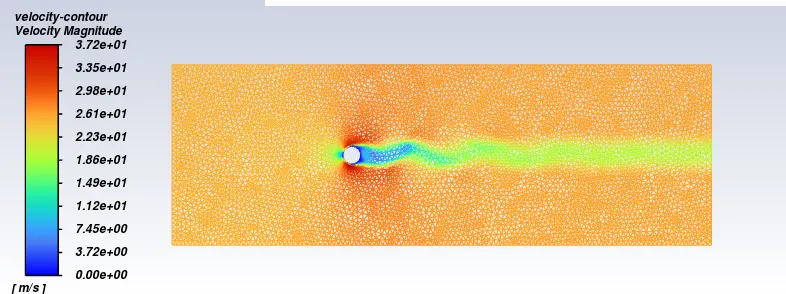
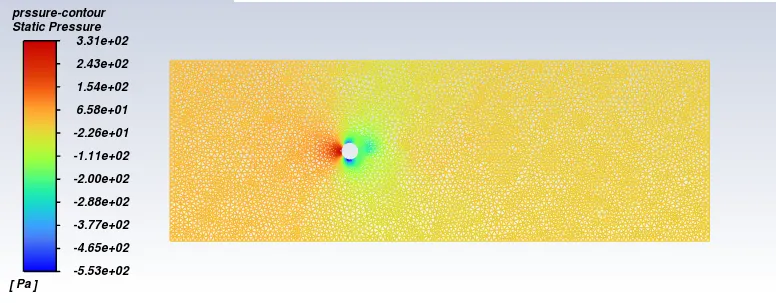
image4: scaled residual, votex, drag, lift, graph
Scaled residual vortex graph
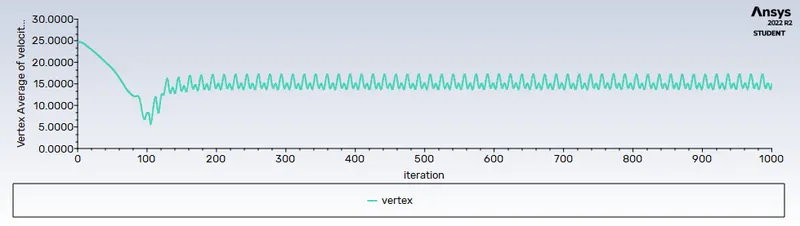
drag co-efficient graph lift co-efficient graph
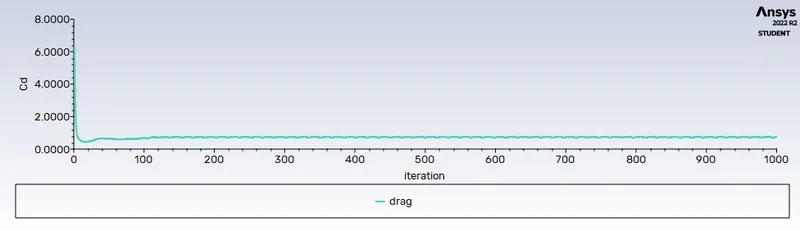
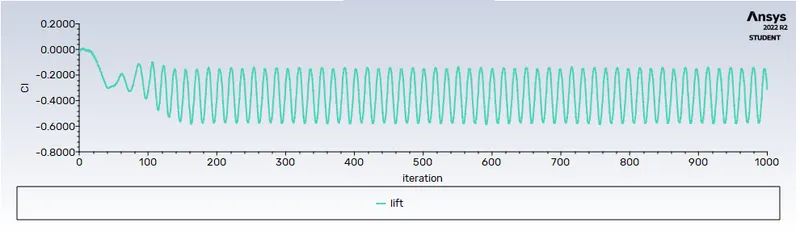
image5- results on the console
reynolds number10000
image3: velocity and pressure contour plot
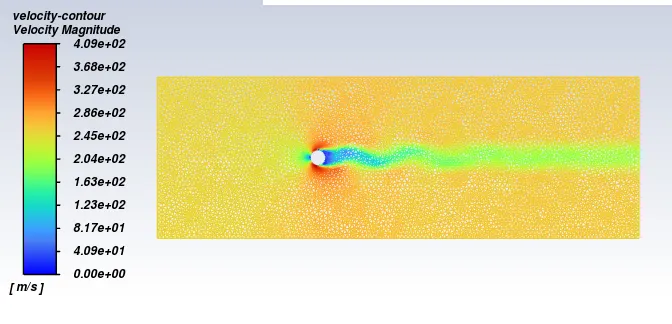
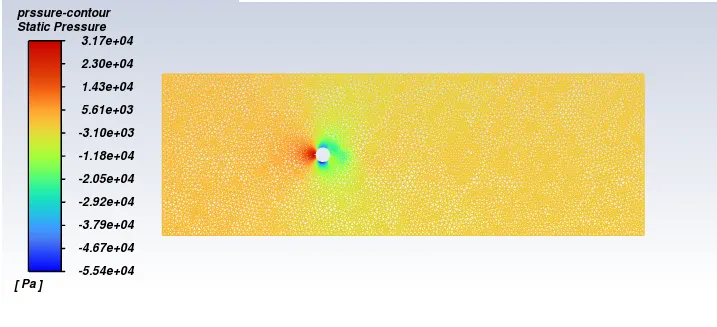
image4: scaled residual, votex, drag, lift, graph
Scaled residual vortex graph
drag co-efficient graph lift co-efficient graph
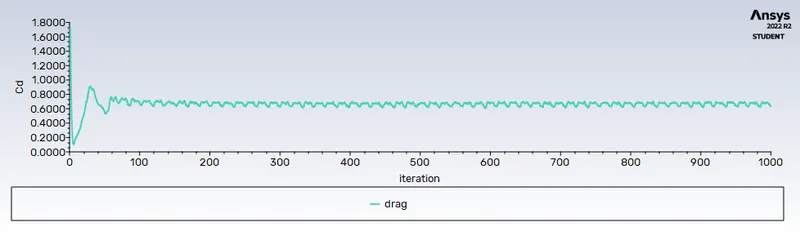
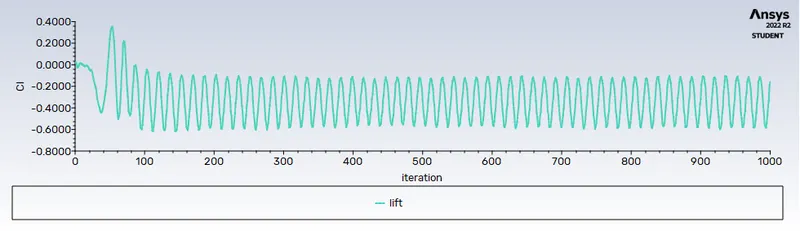
image5- results on the console
reynolds number100000
image3: velocity and pressure contour plot
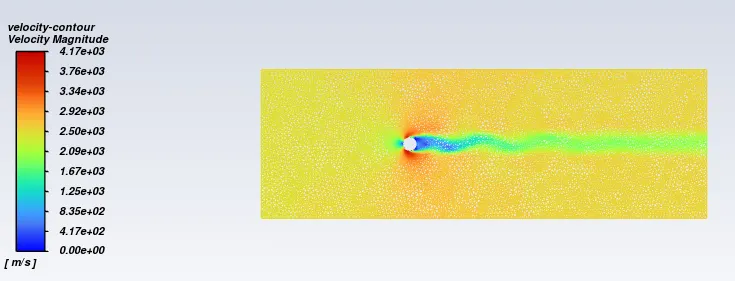
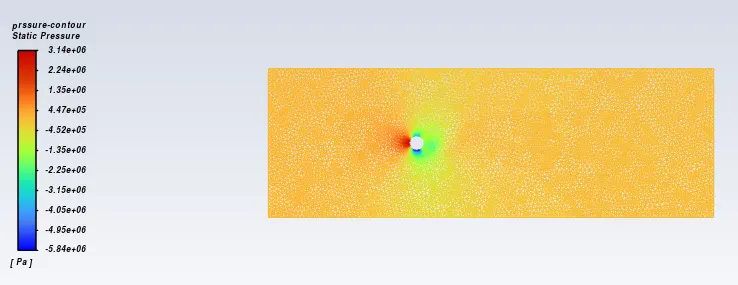
image4: scaled residual, votex, drag, lift, graph
Scaled residual vortex graph
drag co-efficient graph lift co-efficient graph
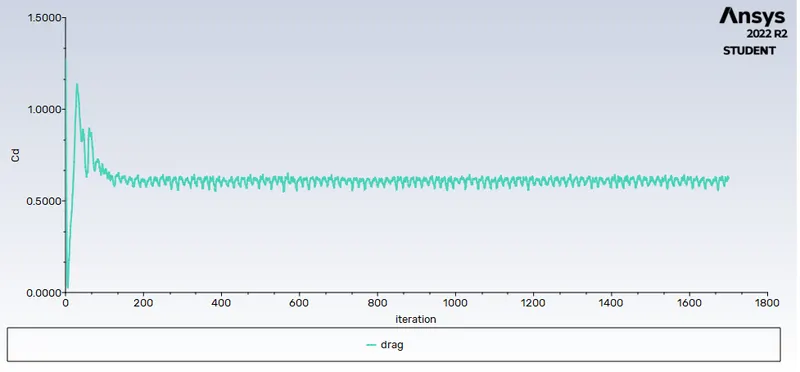
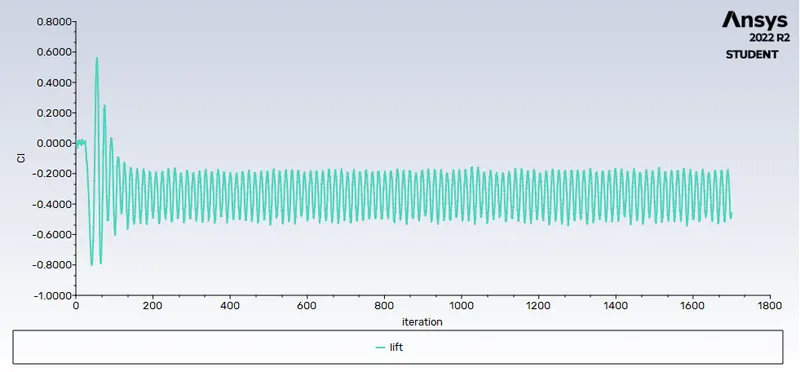
image5- results on the console
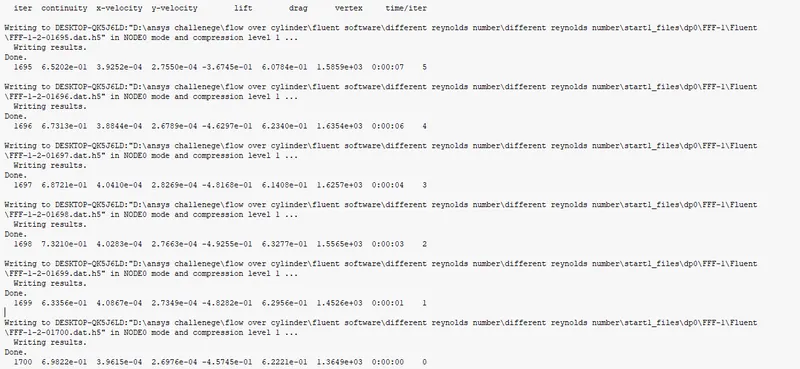
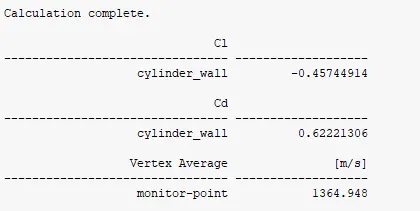
Animation link for simulation of flow over cylinder for the reynolds number 1 lakh:
https://drive.google.com/drive/folders/1-s1U3UfLYBx5sBp92g9LJ9D1O_FCDgFj?usp=sharing
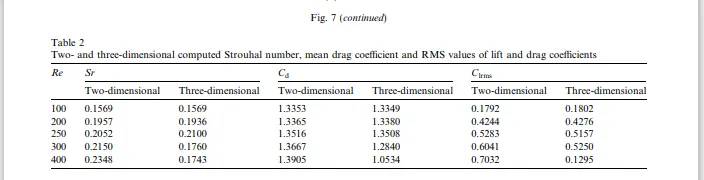
Validation result : By comparing above result to the literature survey we validating
We get the result for reynolds number 100 drag co-efficient is 1.31
we get the result for unsteady state for the reynolds number 100 drag drag co-efficient is 1.33
similarly for reynolds number 10 is 3.31
Below image is results from literature survey
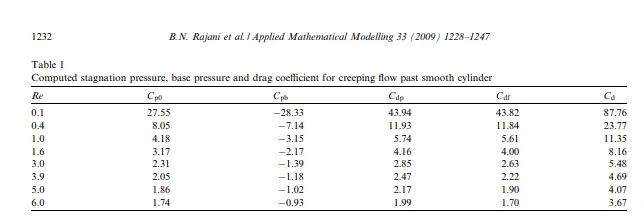
literature journal link: https://drive.google.com/drive/folders/1DBp176ooAcHxy7Tlk5WYjOhE2fROkOfy?usp=sharing
Conclusion : By this for Reynolds number 10, 100, 1000, 10000, 100000 flow over cylinder simulation completed successfully