Week 2 - Flow over a Cylinder.
Objective of this exercise is to simulate flow over a cylinder for steady and unsteady cases whilst calculating the strouhal number for a particular Reynolds number. Also, it is required to calculate the drag coefficient, and lift over the cylinder for varying Reynold's number while trying to understand the effect of Reynold's number on the drag coefficient.
First, we have to use the fluid flow fluent in ansys workbench and enter the geometry option where we create a new geometry. We use the tools provided to create a circle in a rectangle using appropriate dimensions and locations. Then we use the pull tool to create a section and delete the circle section. After that, inside mesh section, we specify the geometry, and the element order. Then, under sizing, we specify the mesh size and then insert a method for changing the default mesh to triangles. Then, we add edge sizing and number of divisions for the cylinder and add inflation where we specify the first layer height, and the maximum number of layers. Finally, we create named selections for all the edges and walls and generate the mesh.
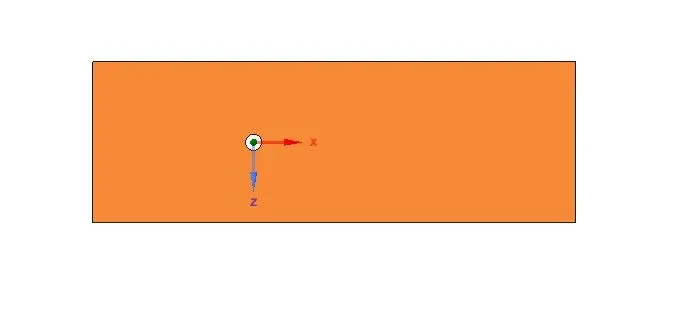
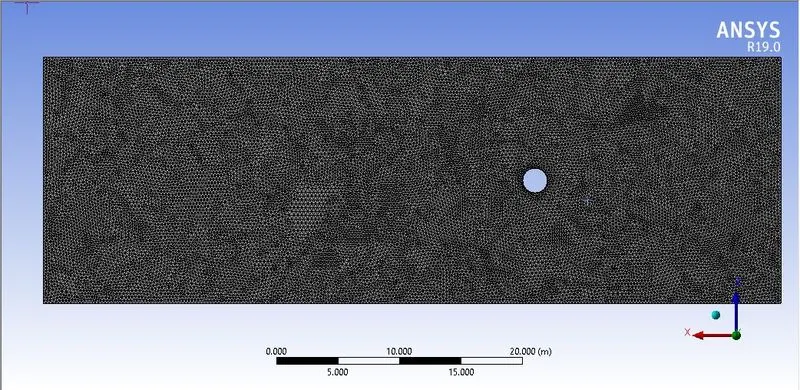
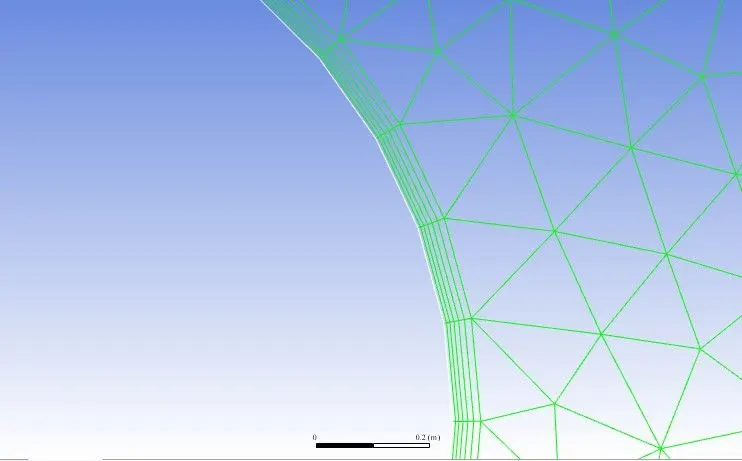
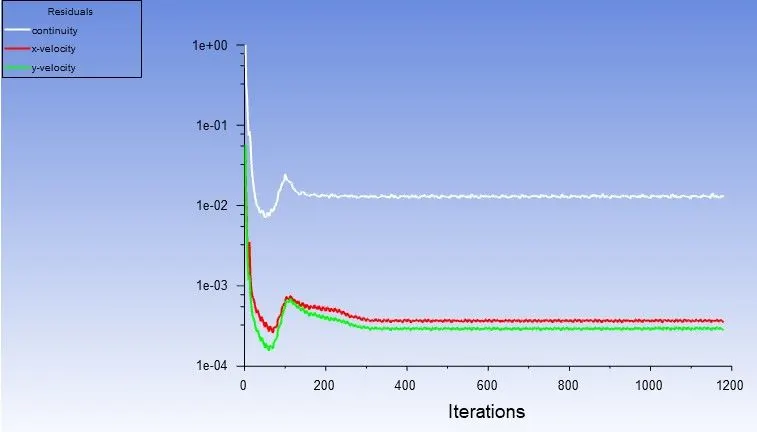
Now, in setup, we set the geometry and its boundary conditions and simulation parameters. We check the mesh for any defects and then under setting up physics, we choose Steady state condition for steady state simulation and transcient for transcient simulation, then pressure based, absolute solver and laminar viscous model. Now, we specify a new user definedmaterial and set the values for density and viscosity. Now, after the parameters for the boundaries are set, and choose the simple scheme for the solution method. Now, under definitions, we create a new surface report and choose vertex average to capture the velocity for the monitor point after specifying the monitor point. Under residuals, we uncheck all the convergence parameters, and then finally initialize the simulation. We specify the number of iterations for the steady state conditions, and time step size and number of time steps for transient condition. After calculation, we start our post processing by reviewing the animation we created and the plots that we obtain after the simulation.
A phenomenon called vortex shredding can be observed for lower values of viscosity and reynolds number. A phenomenon called Karman vortex street is used to study the swirling patterns of the vortex shredding. Around irregular shaped bodies, the fluid flow experiences unsteady separation due to vortex shredding which is explained by karman vortex street.
For Transcient condition and Reynold's number = 100 :
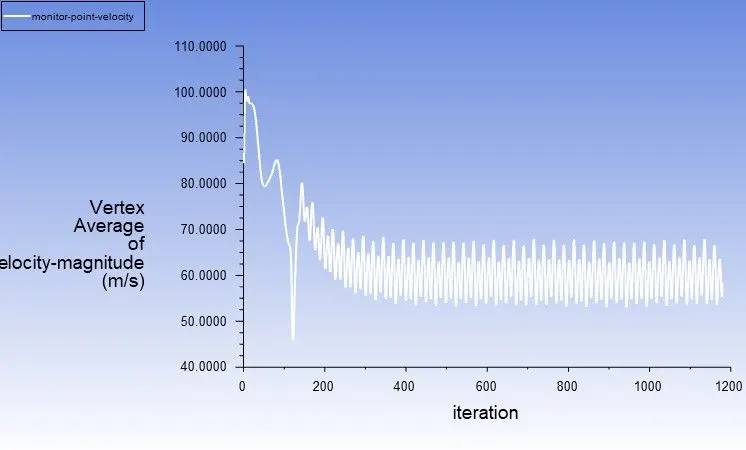
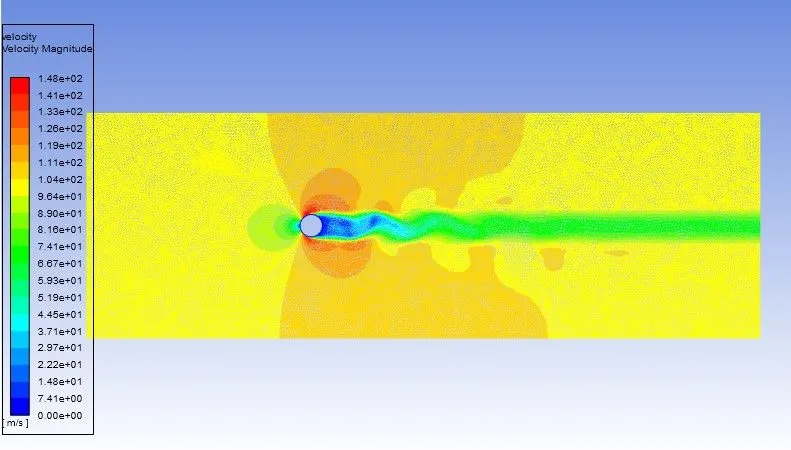
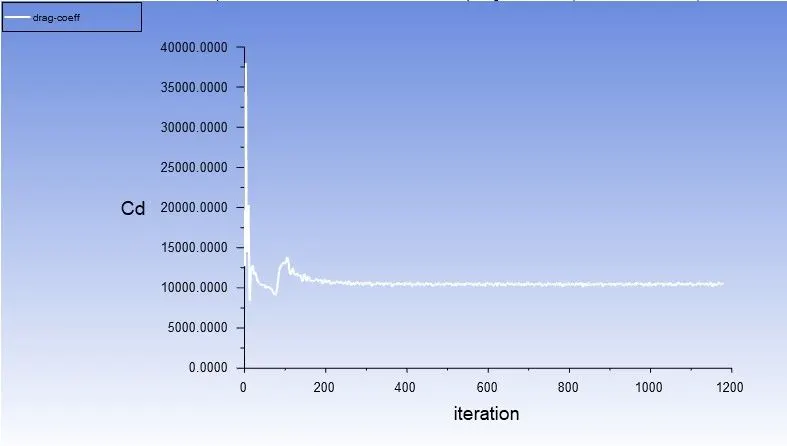
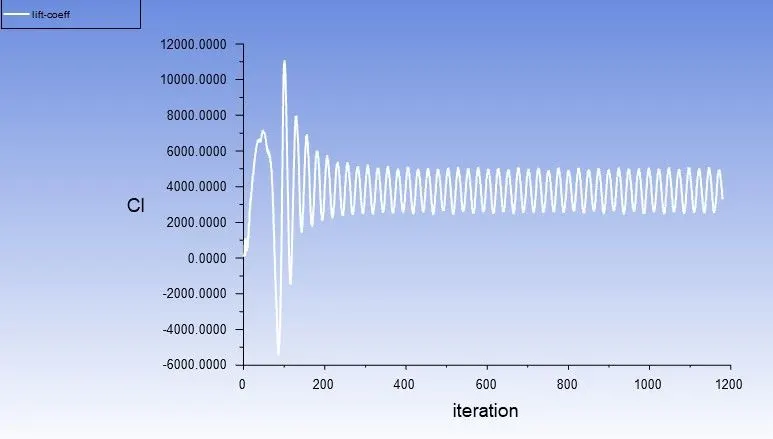
For Steady state condition and Reynold's number = 10 :
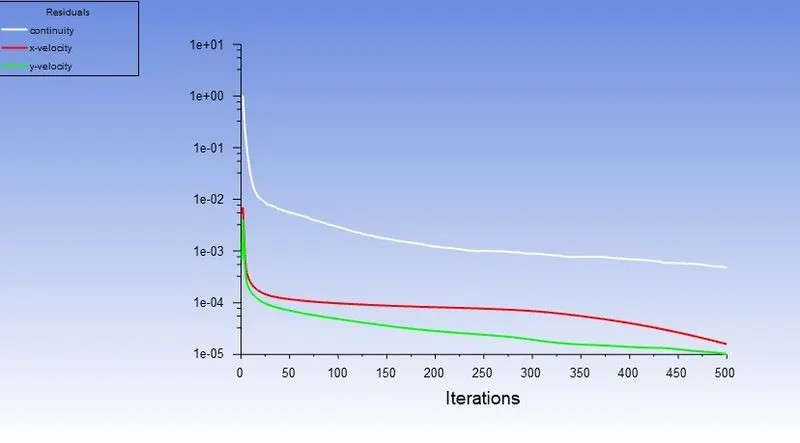
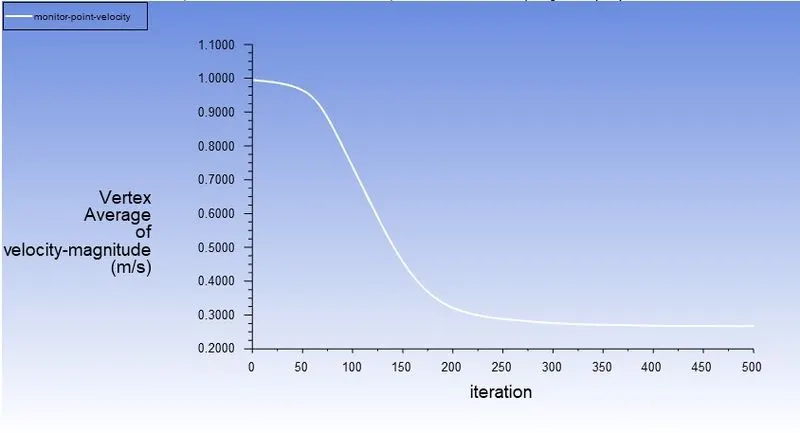
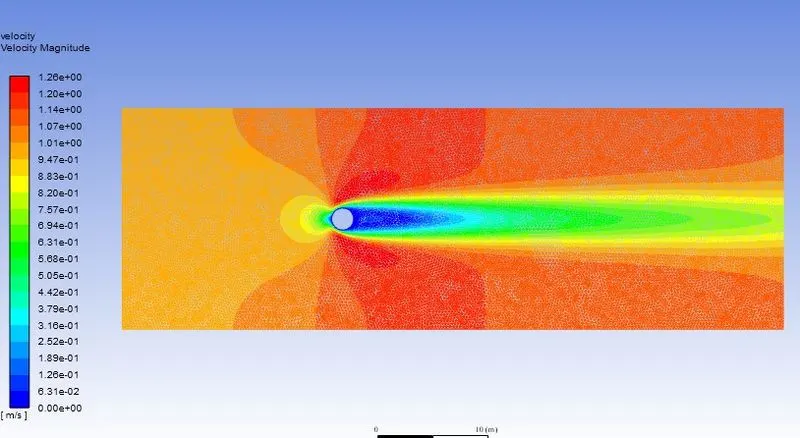
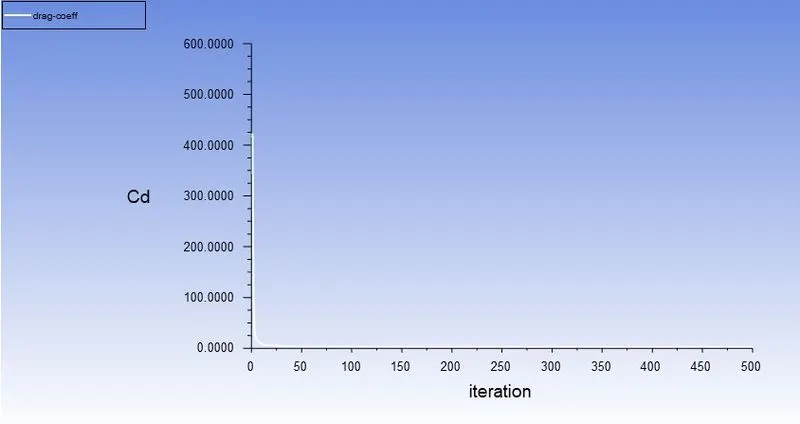
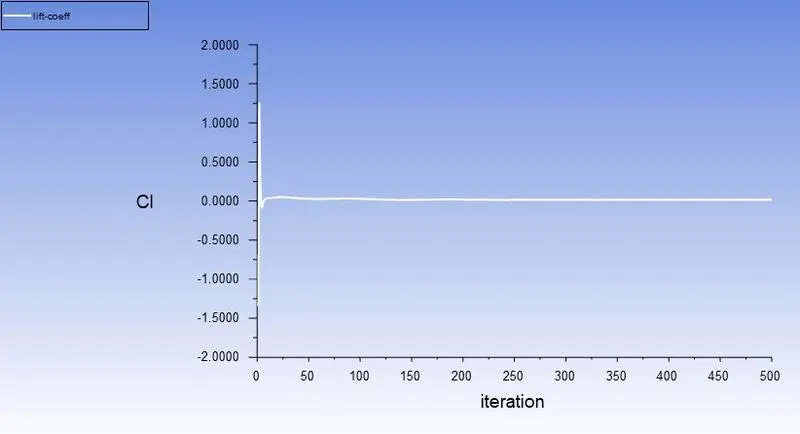
For Steady state condition and Reynold's number = 100 :
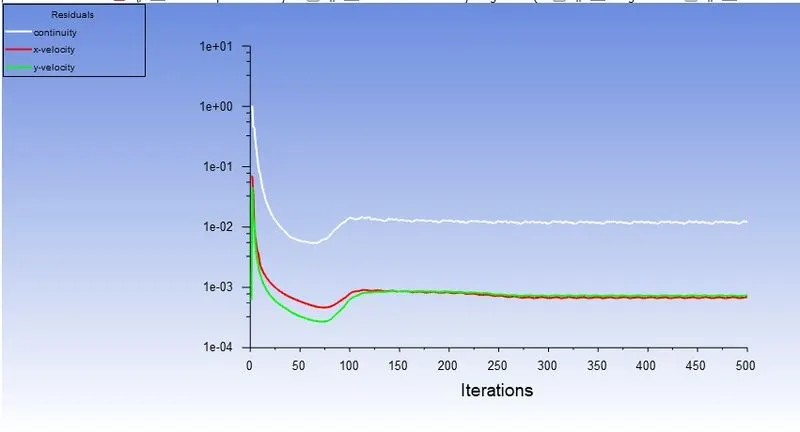
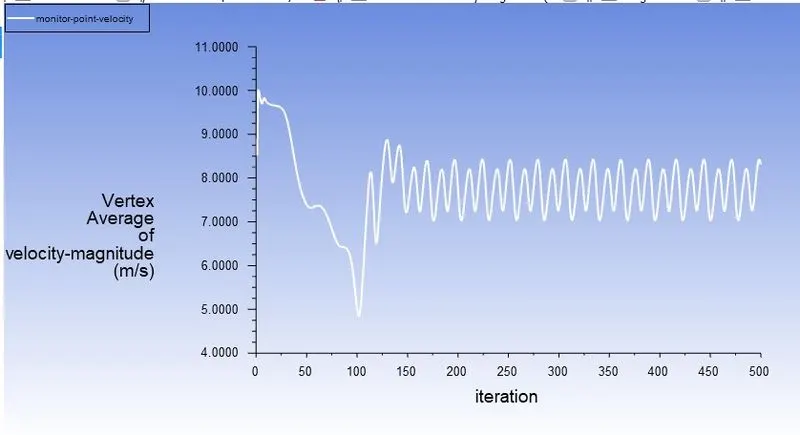
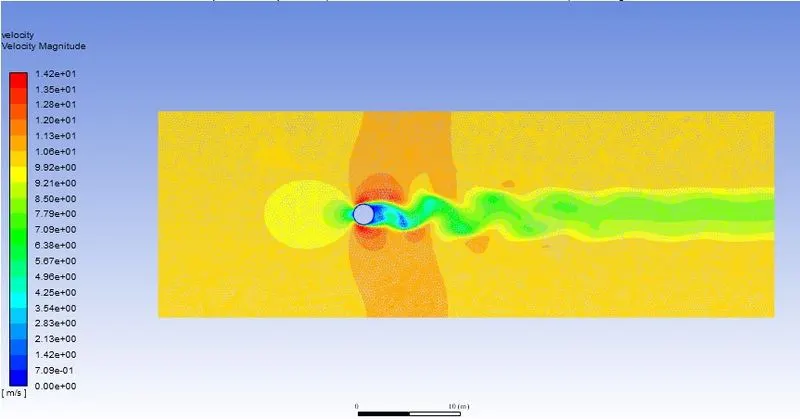
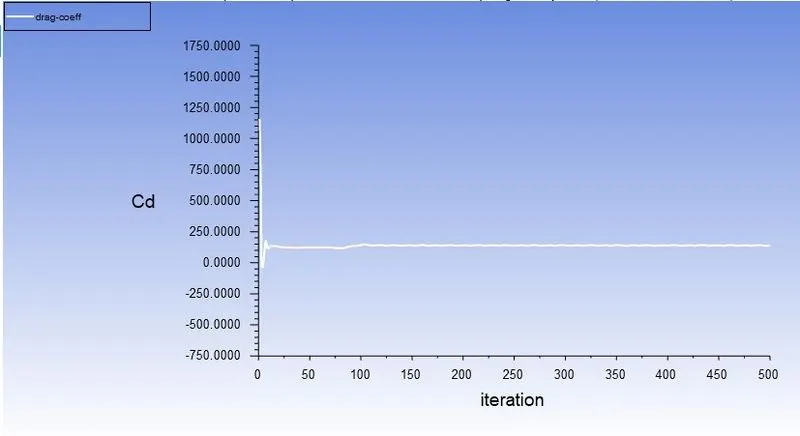
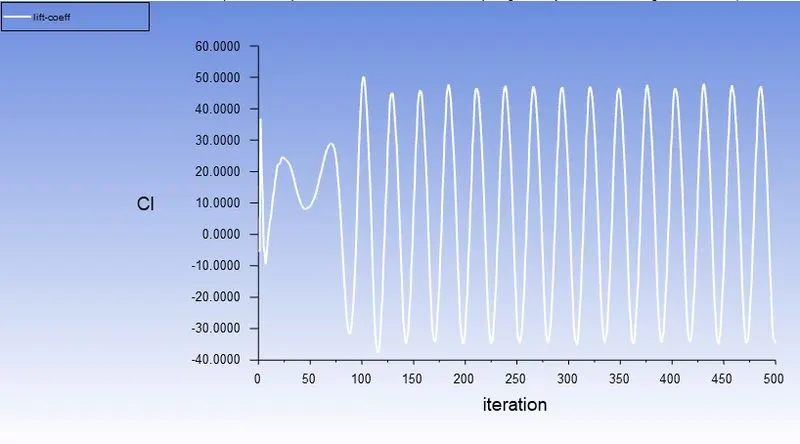
For Steady state condition and Reynold's number = 1000 :
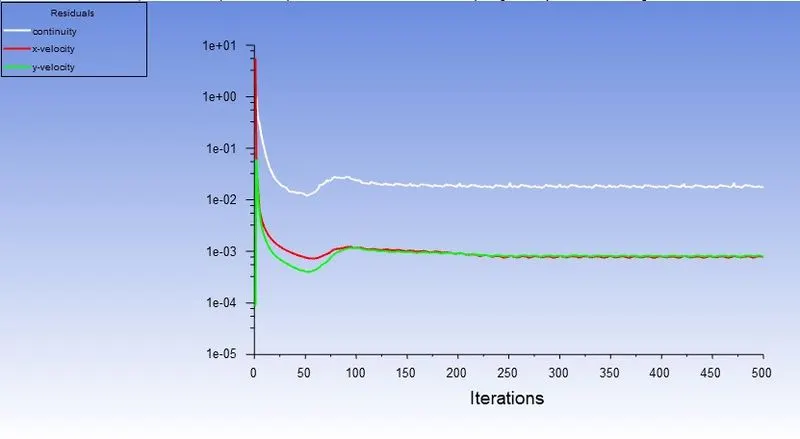
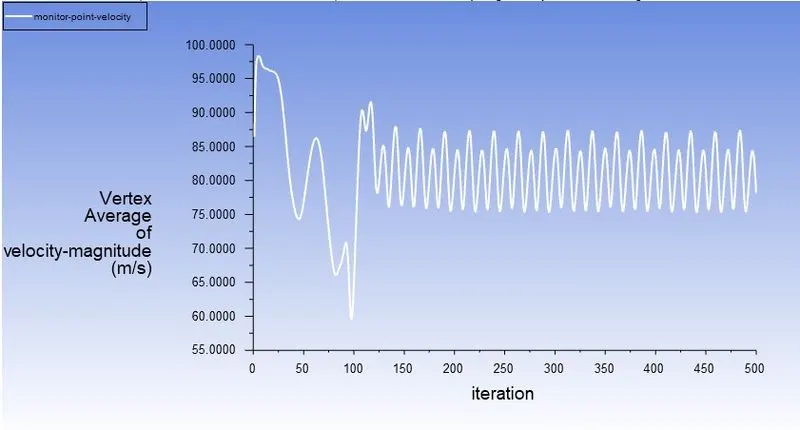
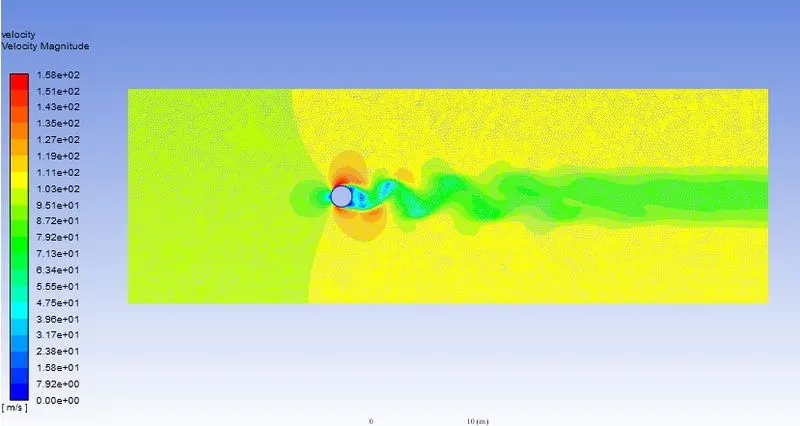
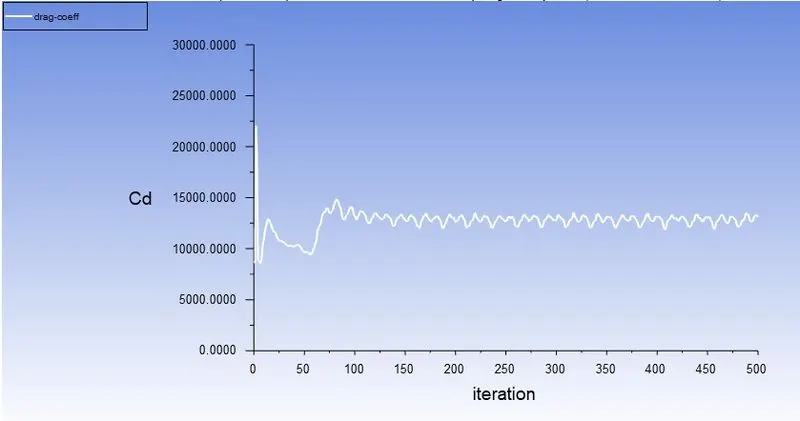
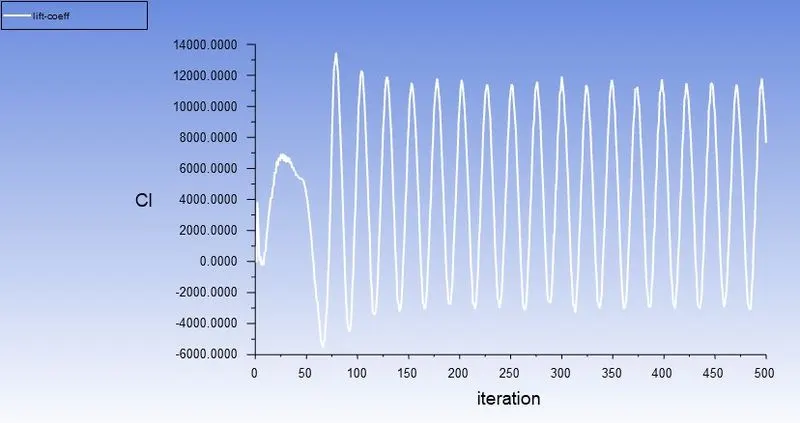
For Steady state condition and Reynold's number = 10000 :
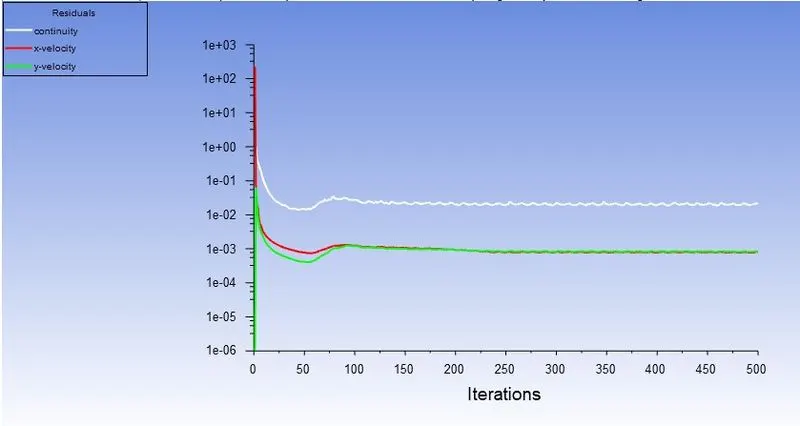
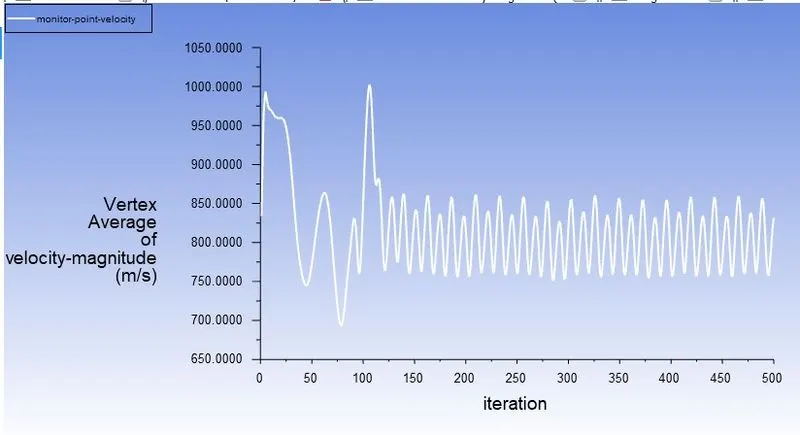
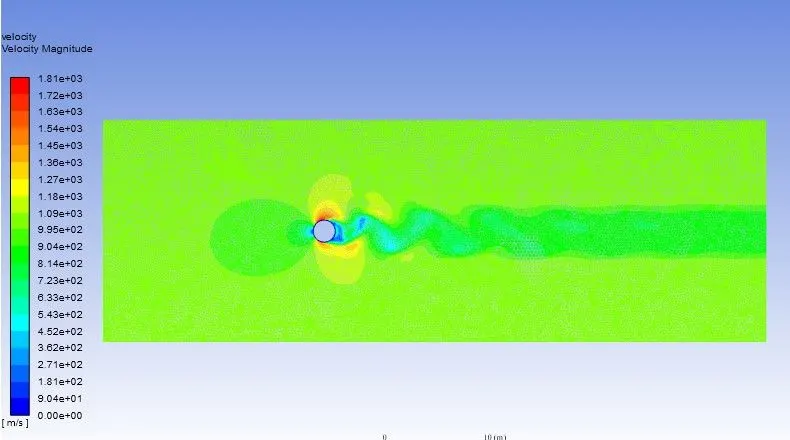
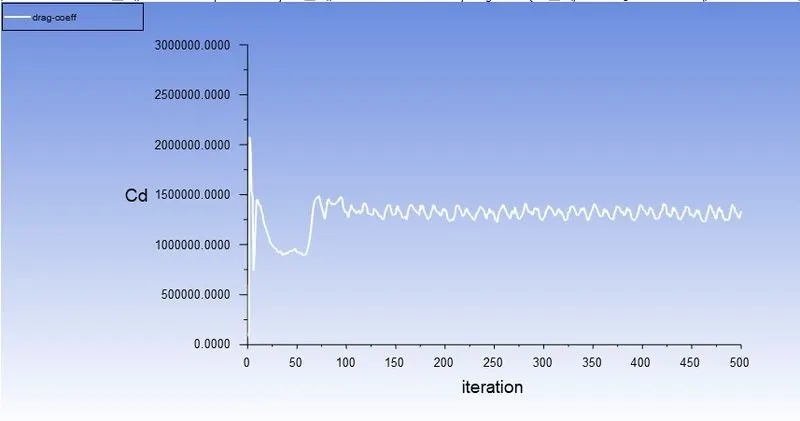
For Steady state condition and Reynold's number = 100000 :
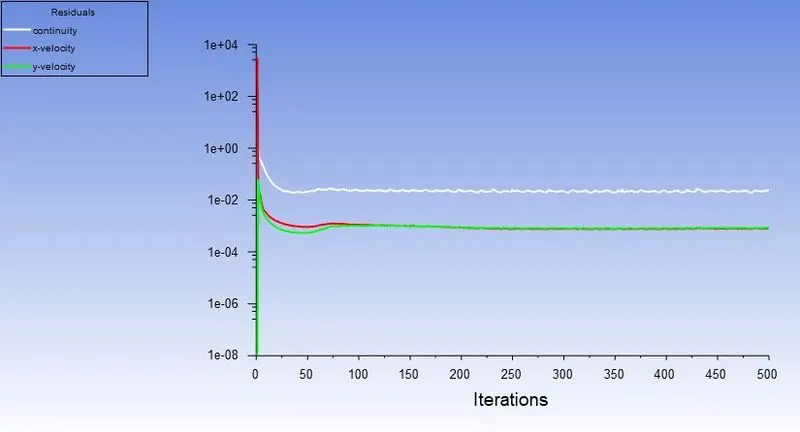
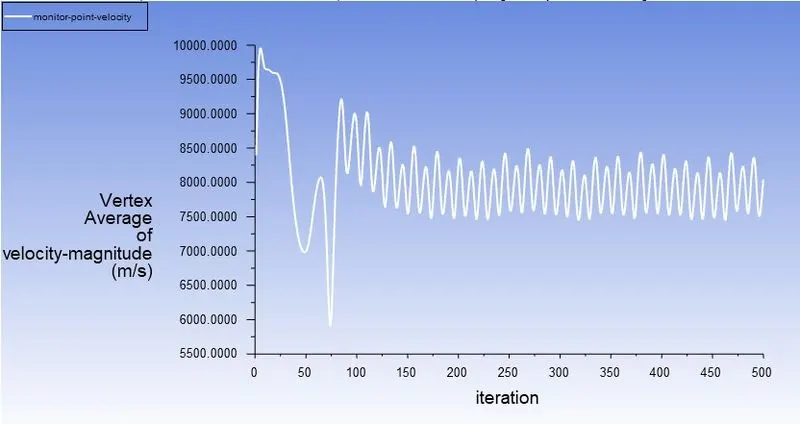
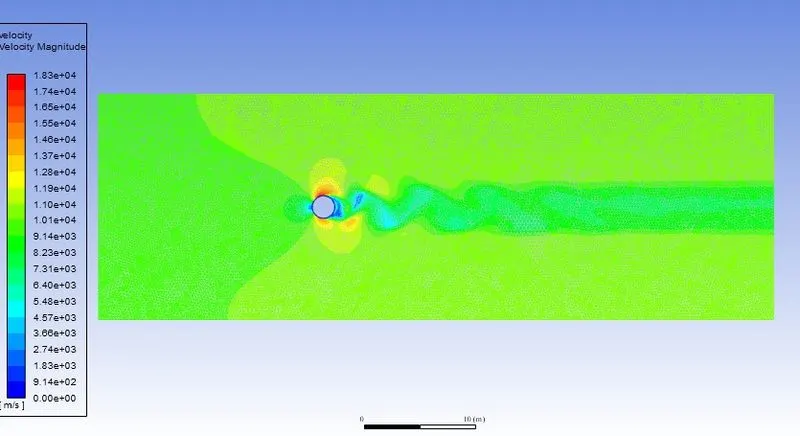
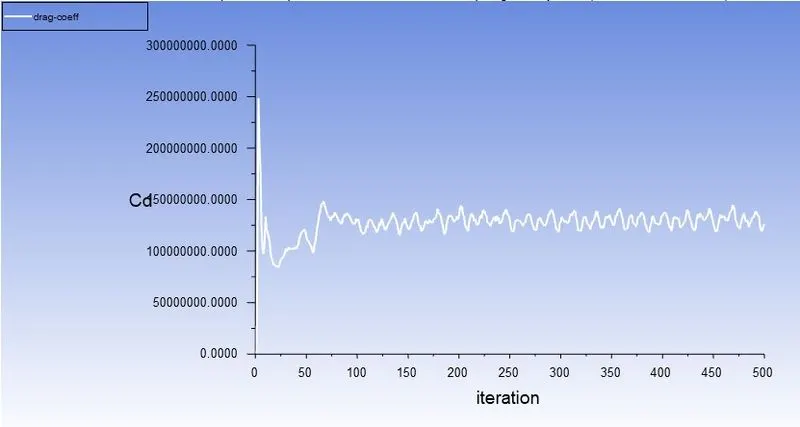
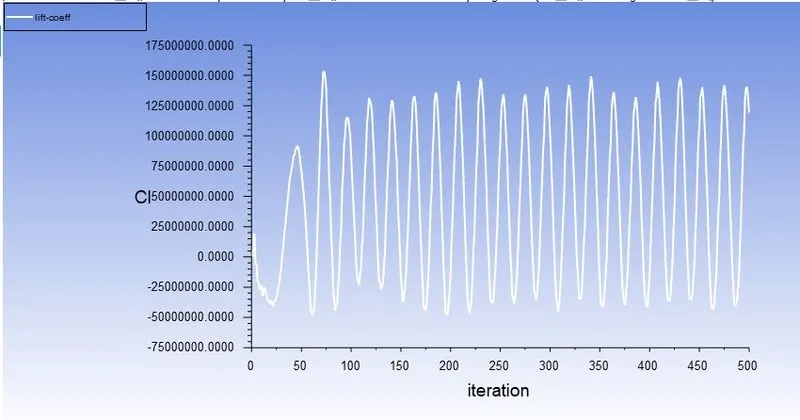
Strouhal number is calculated for the given conditions below. Strouhal number is a number which is used to study the oscillating flow mechanisms. It is a dimensionless number and is given by the frequency of the vortex shredding times the diameter of the pipe, divided by the ambient flow velocity.
Strouhal number for Steady state condition and Reynold's number = 100 :
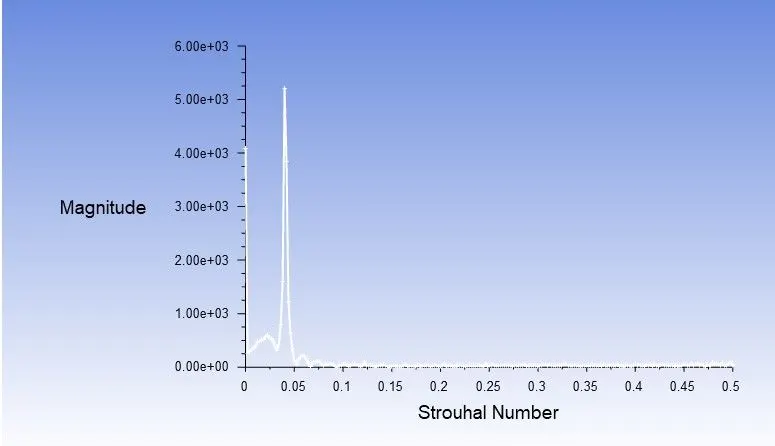
Strouhal number for Transcient condition and Reynold's number = 100 :
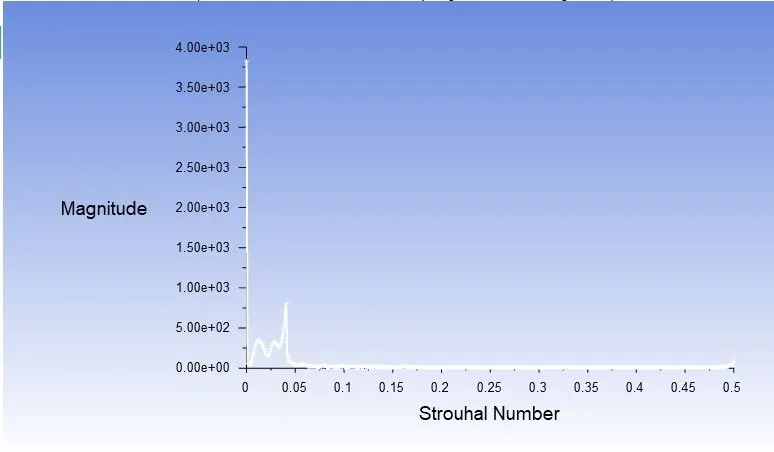
It can be observed that for higher viscosity values and reynolds number values, the vortex shredding does not occur and takes time to converge. When the value for viscosity is decreased, or when we increase the reynold's number, vortex shredding can be observed clearly within small number of iterations in steady state condition. This vortex shredding is due to the low pressure areas generated near the cylinder and this causes fluid flow separation.
As the value for reynold's number is increased further, it takes large number of iterations to converge which can be studied from the residuals plot as the velocity does not settle down to particular values, but rather fluctuation is observed. But in transcient conditions, no vortex shredding is observed at lower values for reynold's number.
Another key observation is made in the form of drag coefficient, where it is observed that drag coefficient decreases with increase in the reynol's number value. Beyond the threshold value for laminar flow (or) a particular reynolds number, the flow is turbulent where the drag coefficient is low since drag coefficient affects laminar flow mainly.