Simulation of a Flow over a Cylinder and effect of the Reynolds number on it
AIM:
Simulate the flow over a cylinder and explain the phenomenon of Karman vortex street.
OBJECTIVE:
PART-I
- Simulate the flow with the steady and unsteady case and calculate the Strouhal Number for Re= 100.
PART-II
- Calculate the coefficient of drag and lift over a cylinder by setting the Reynolds number to 10,100,1000,10000 & 100000. (Run with steady solver)
- Discuss the effect of Reynolds number on the coefficient of drag. [ Results should be validated with any standard literature and error should be within 5 %].
Introduction:
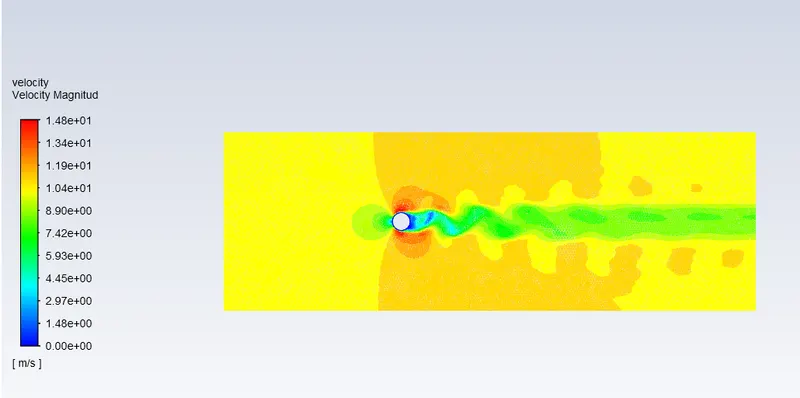
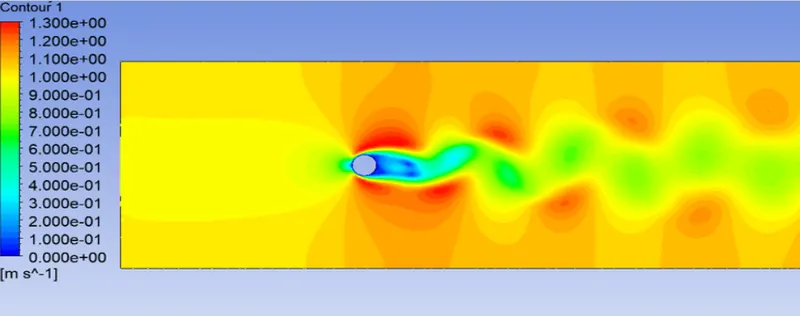
Vortex shedding is an oscillating flow that takes place when a fluid such as air or water flows past a bluff (as opposed to streamlined) body at certain velocities, depending on the size and shape of the body. In this flow, Vortices are created at the back of the body and detach periodically from either side of the body, forming a von Karman vortex street. The fluid flow past the object creates alternating low-pressure vortices on the downstream side of the object. The object will tend to move toward the low-pressure zone. Moreover, von Kármán vortex street is a repeating pattern of swirling vortices, caused by a process known as vortex shedding, which is responsible for the unsteady separation of flow of a fluid around blunt bodies.
Expected results:-
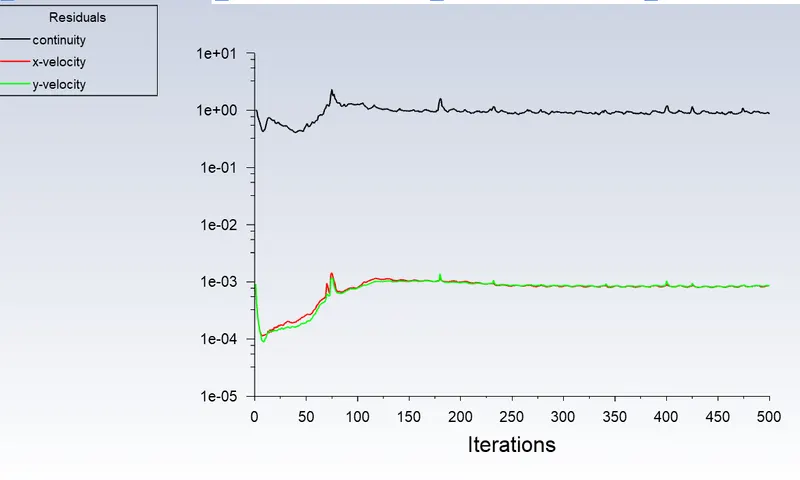
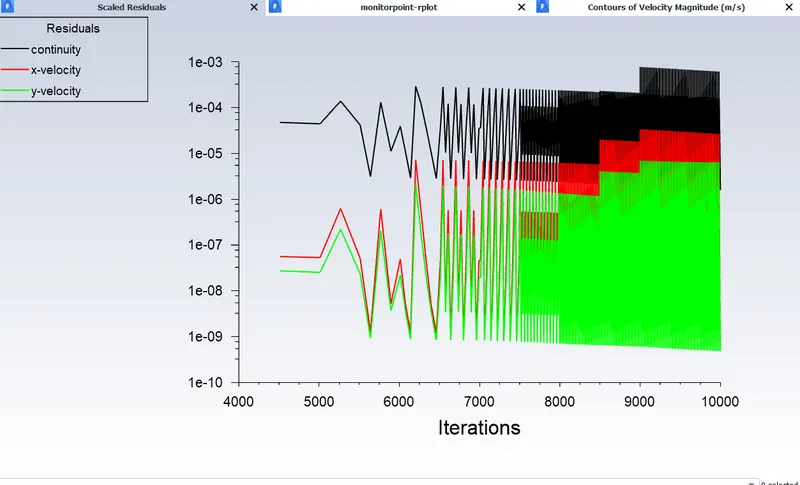
- In both approaches, show that the flow has converged. That is, what quantities or plots need to be looked at to determine that the flow has converged?
- Plots of the coefficient of drag and lift.
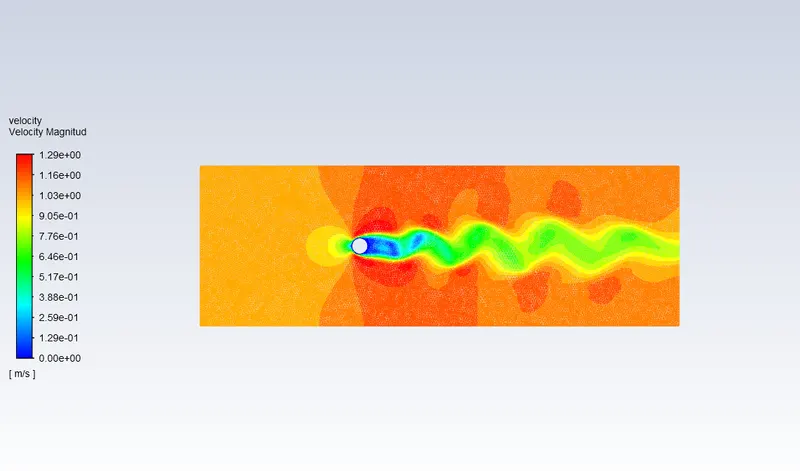
- Plots to show vortex shedding behind the cylinder.
- Mention the referred material (Reference Paper or Fluid Mechanics Textbook) at the end of the challenge submission page.
SETUP:
First, spaceclaim is opened and then a 2d drawing is drawn using the given dimensions.
Cylinder diameter - 2m
Length of the surface towards the left side of cylinder - 20m
Length of the surface towards the right side of cylinder- 40m
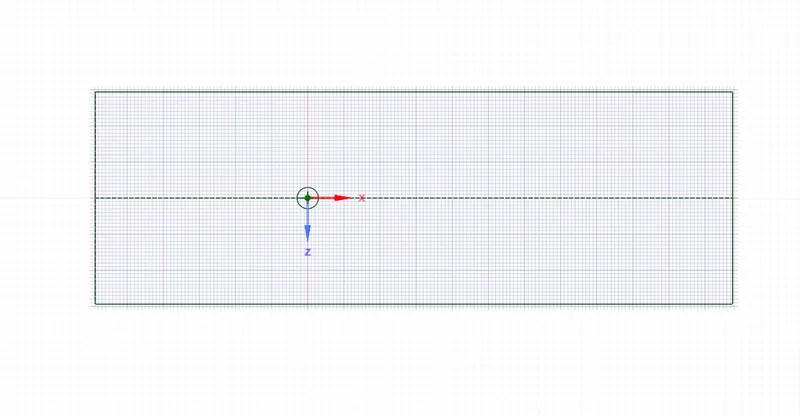
Now using the slect tool in the space claim the cylinder is slected and deledted further the construction lines are deleted.
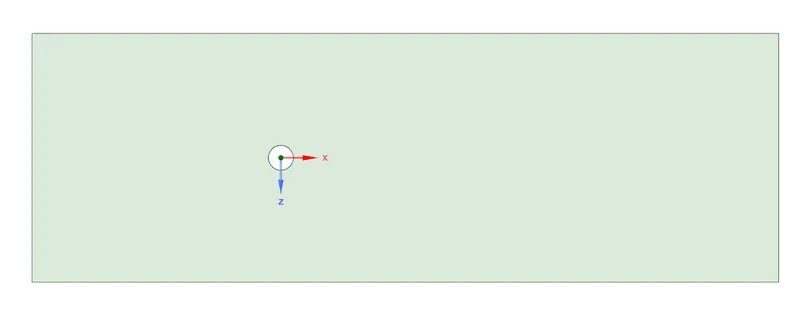
MESH:
MESH>INSERT>METHOD
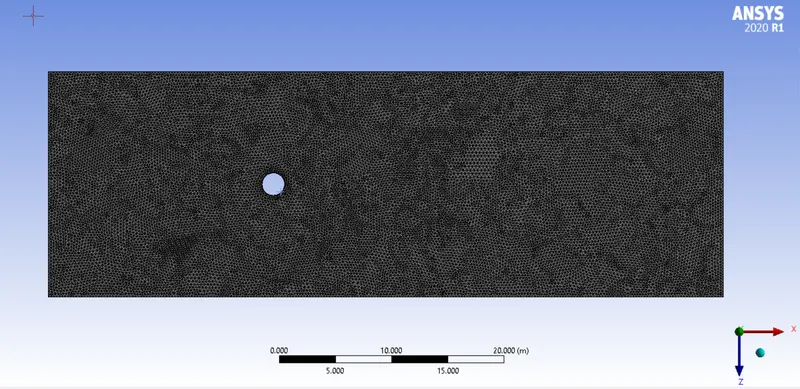
Now using the mesh tool the above 2d model is meshed
- First the edges are named accordingly on both sides and the cylinder part is named as walls. and the top and bottom edges are given symmetry as they are symmetry boundary conditions.
- Now the mesh is genrated with an element size of 0.25.
EDGE SIZING:
MESH>INSERT>SIZING
As the mesh genrated at the cylindrical area it is absorbed that the mesh is not smooth at that particular region so then the edge sizing is inserted for that.
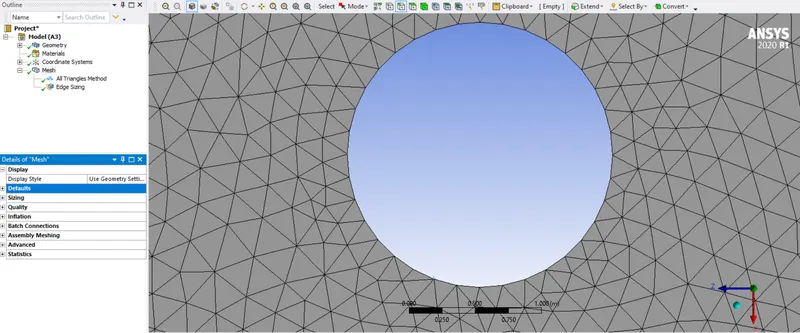
Now the mesh at the cylinder region is still not perfect and not perfectly fit to the body for that in the mesh.
BODY FITTED MESH:
MESH>INSERT>INFLATION
- Now the mesh at the cylinder region is still not perfect and not perfectly fit to the body for that in the mesh.
- using the inflation The boundary layer thickness method is used to fit the edge in to the body perfectly with 6 inflation layers.
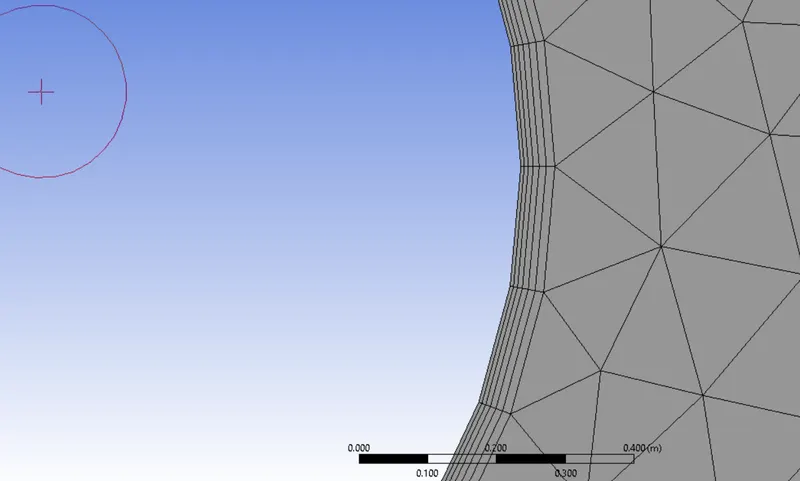
After the final mesh is genrated the setup is opened and then the next procedure is followed such as
Setting up the physics
STEADY STATE:
MODEL:
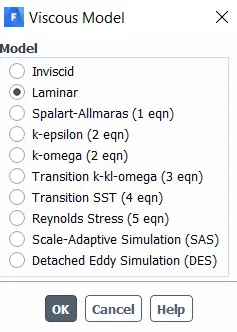
The laminar viscous model is selectd as we are going to use the reynolds number with different values.
now create a material which is air and name it as user defined material and insert the values for density and cviscosity as 1 an 0.02 respectively.
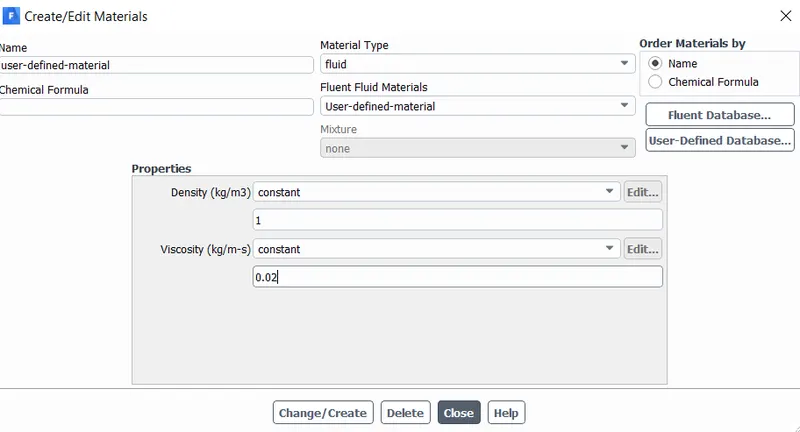
This viscosity is picked up because there is a vortex shedding which is goping to be captured.
For steady state simulations:
1) Reynolds number - 10
Velocity- 1m/s
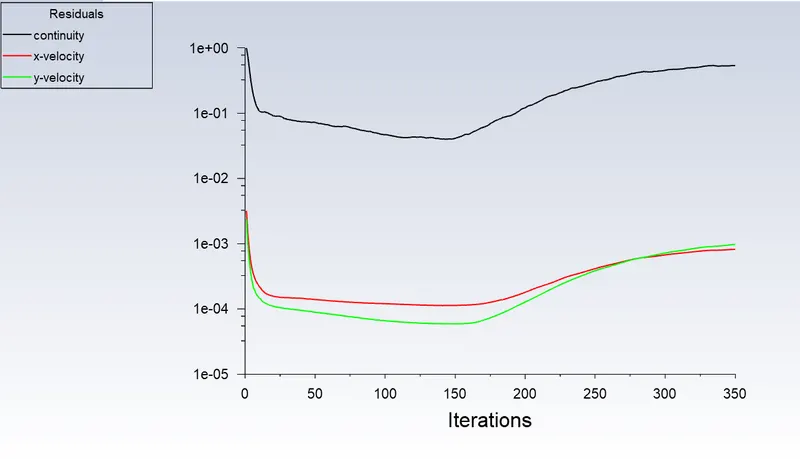
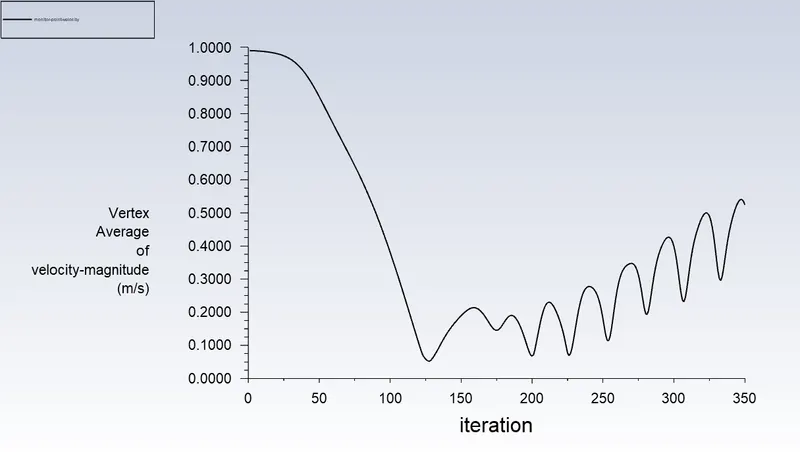
A monitor point is created from the cnter of the cylinder with 8m dimension.
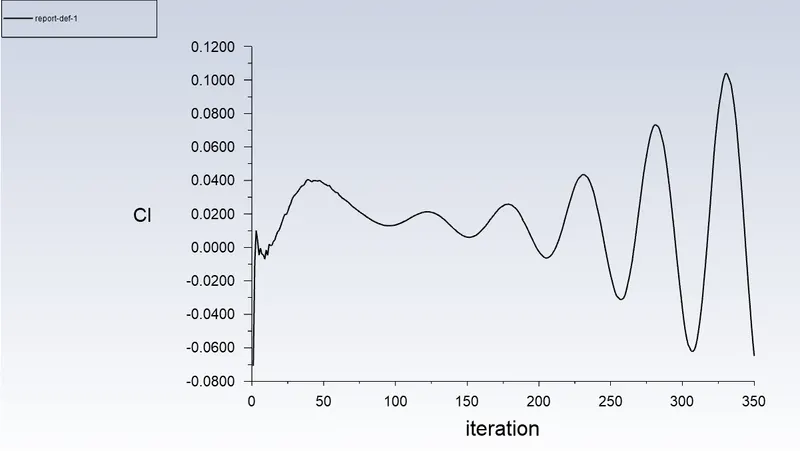
Lift Coefficient:
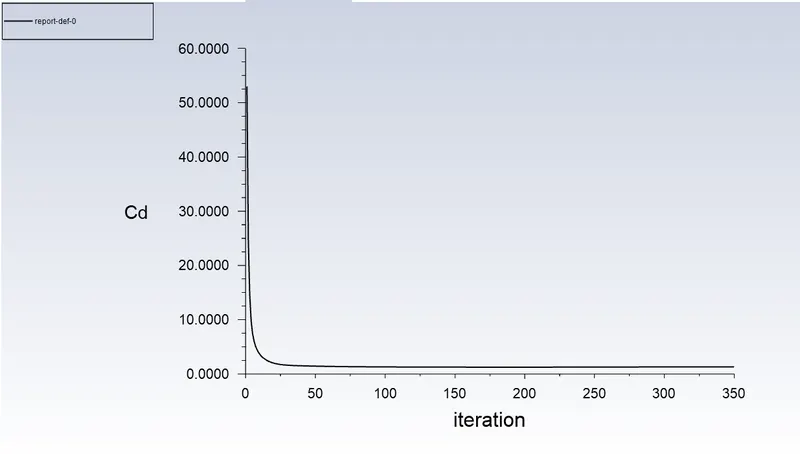
Drag Coefficeint:
Contours of velocity:
Contours of Pressure:
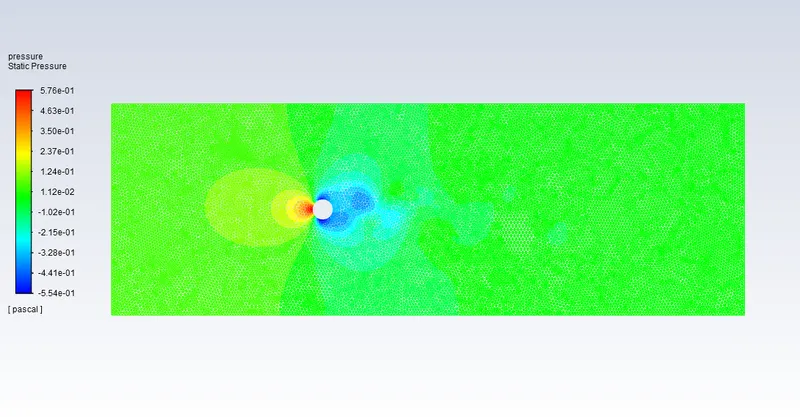
Play back velocity Animation:
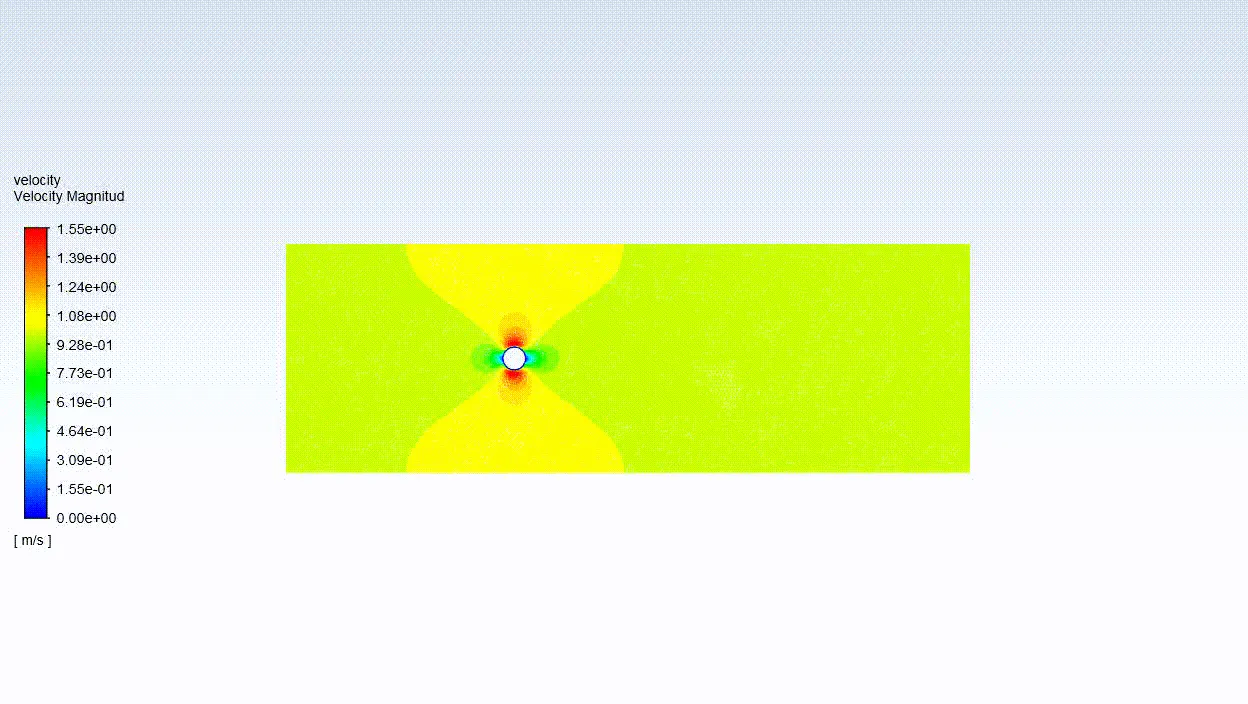
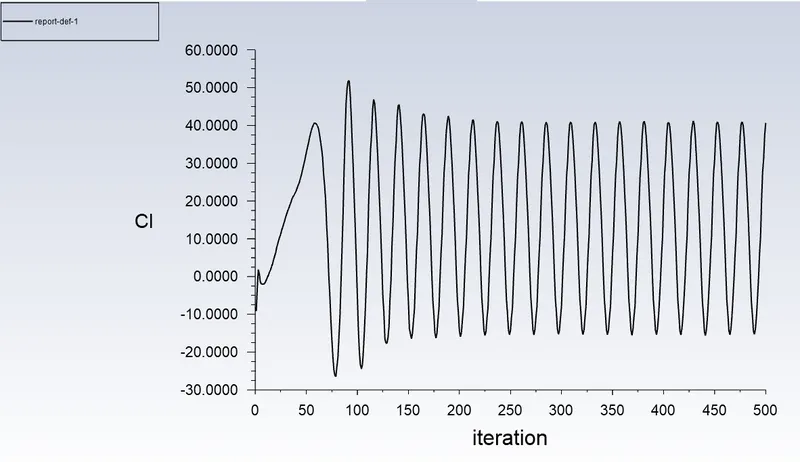
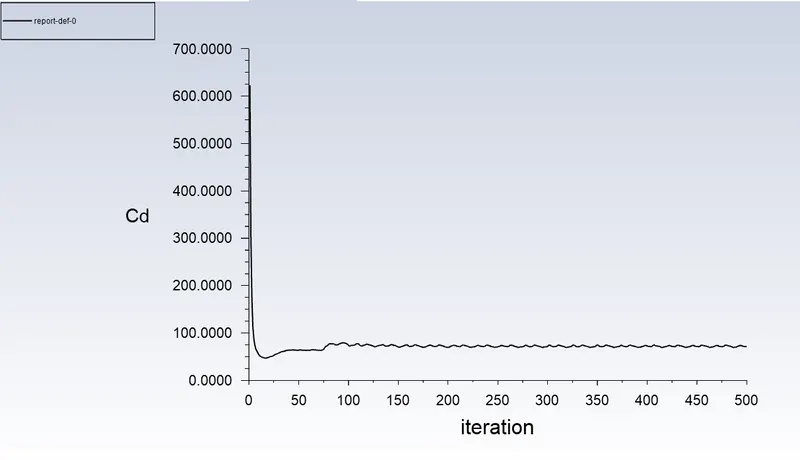
2) reynolds number - 100
velocity 10m/s
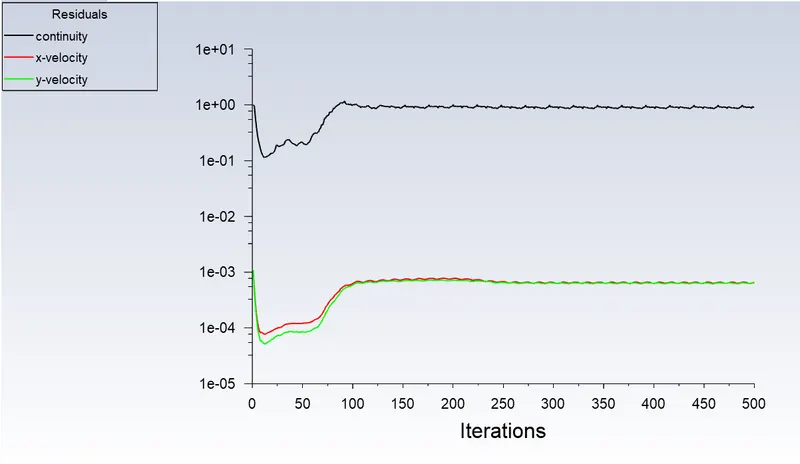
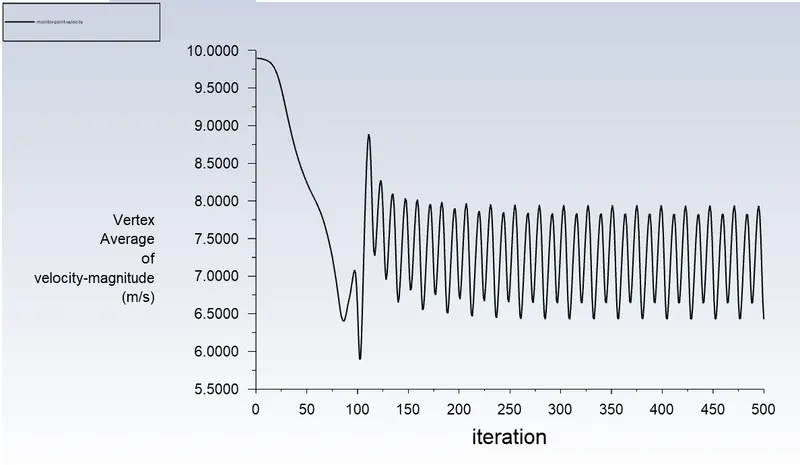
lift coefficient
drag coeff
velocity contour
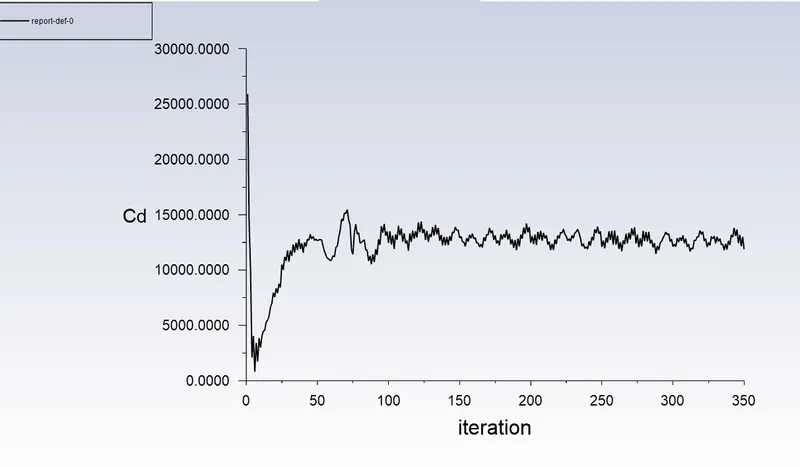
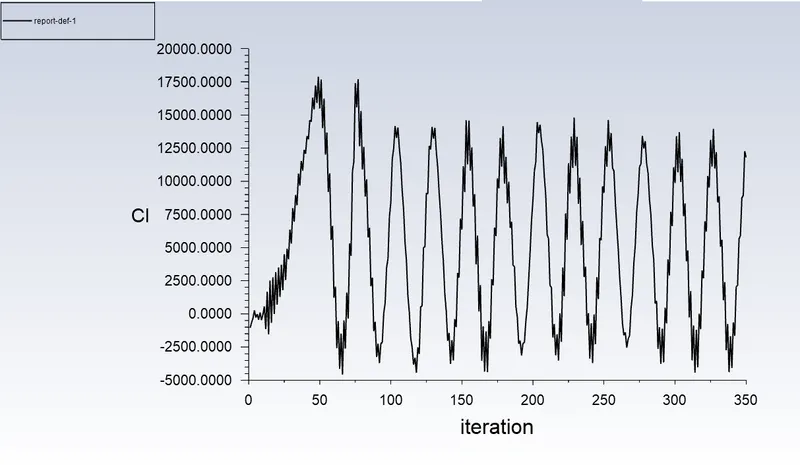
3)Reynolds number - 1000
velocity -100m/s
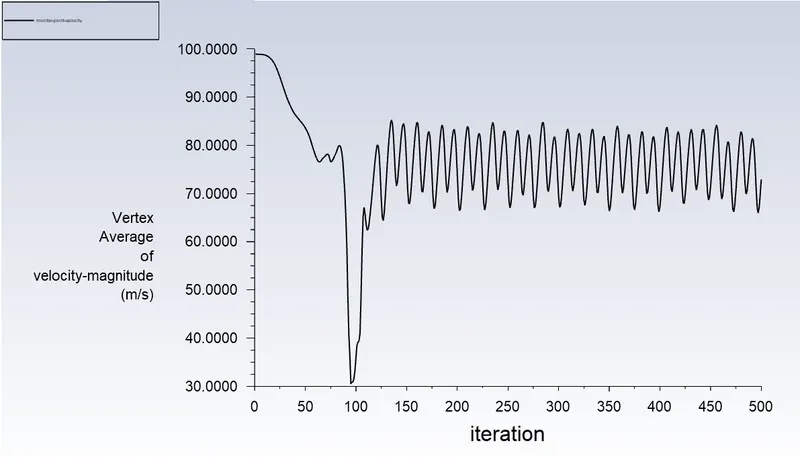
drag coeff
lift coeff
velocity contour
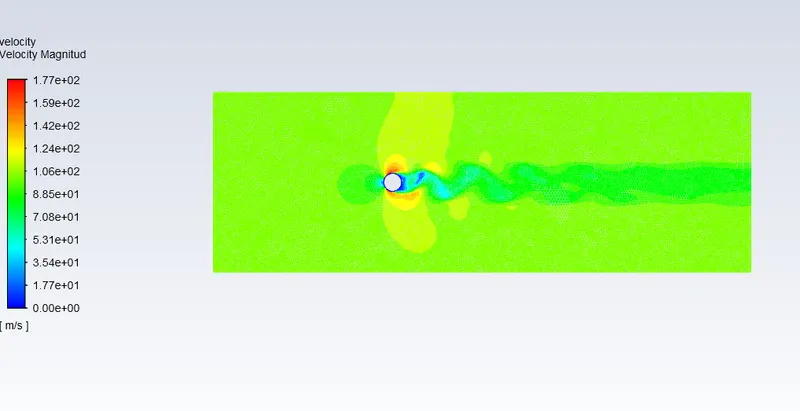
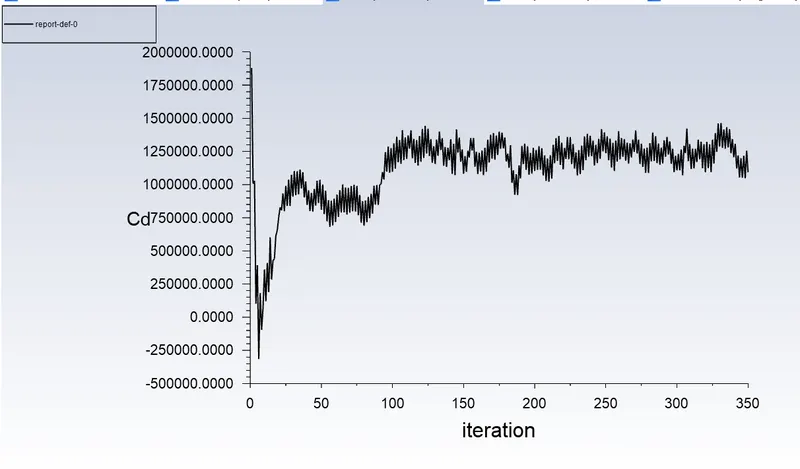
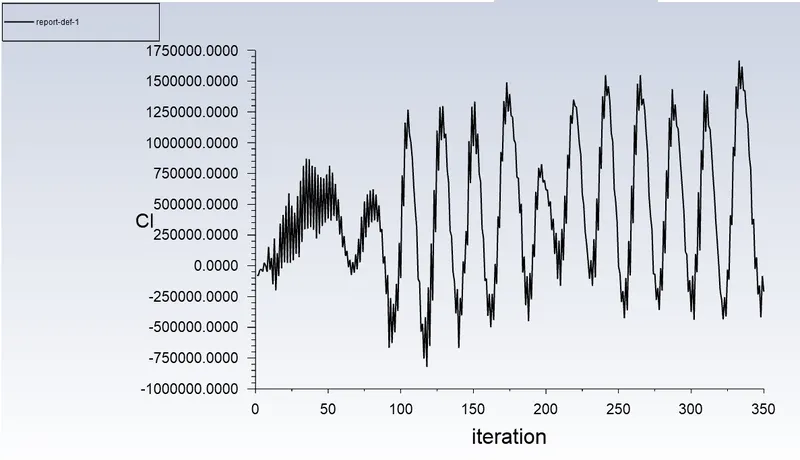
4)Reynolds number - 10000
velocity -1000m/s
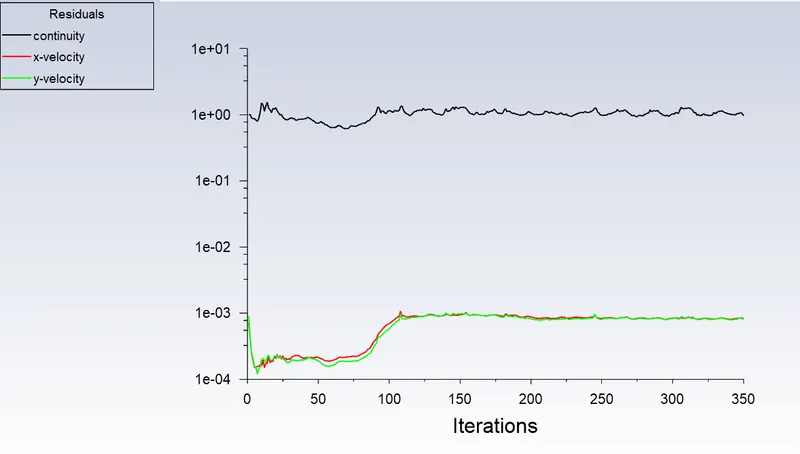
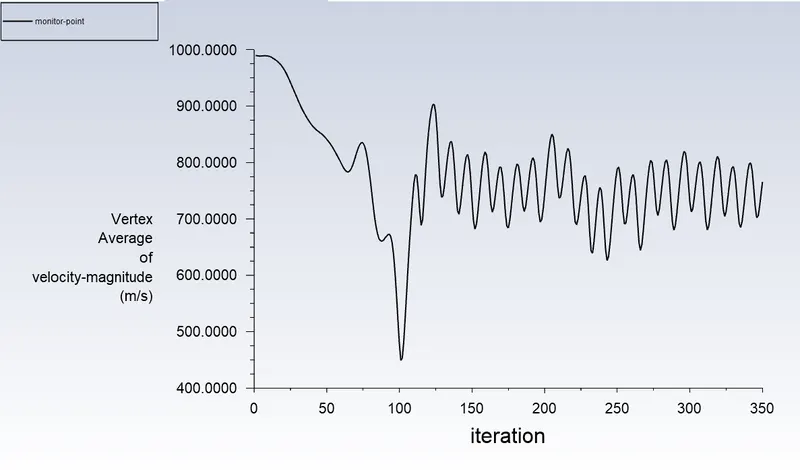
drag coeff
lift coeff
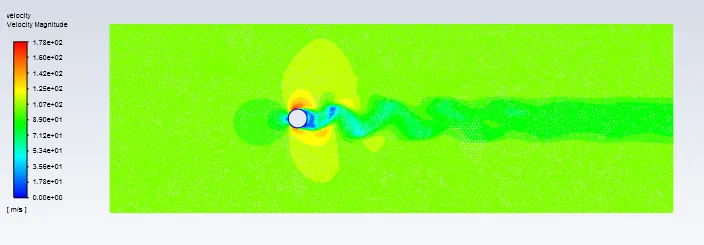
5) Reynolds number 100000
Velocity - 10000
drag coeff
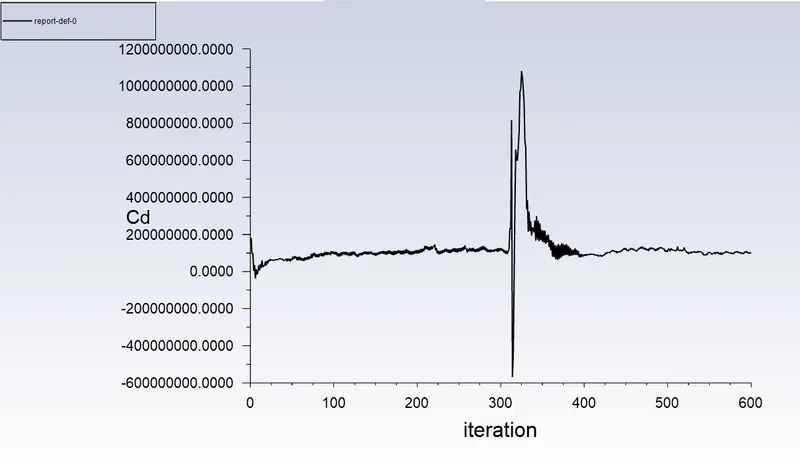
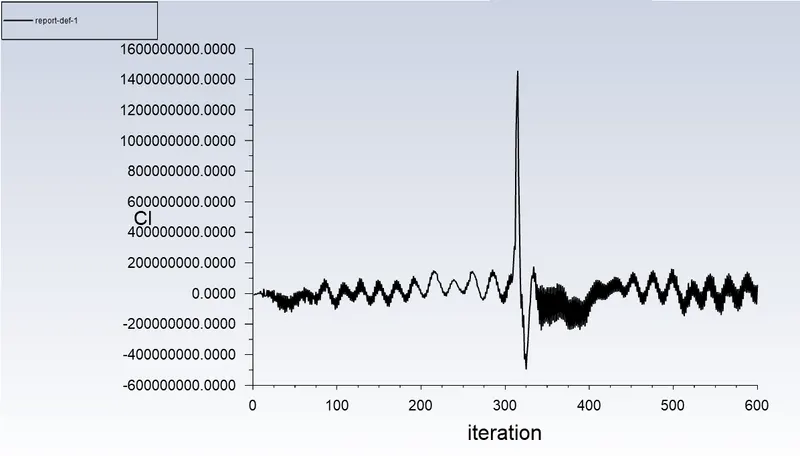
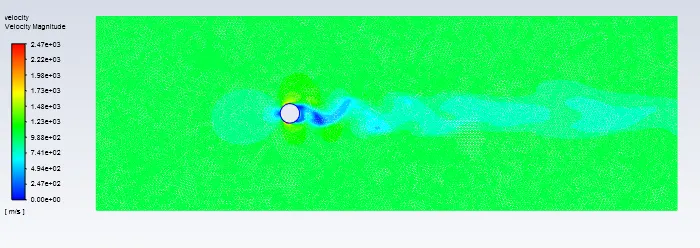
Unsteady condition:
In the unsteady ciondition the viscosity remains same which is th eoriginal value
Result:
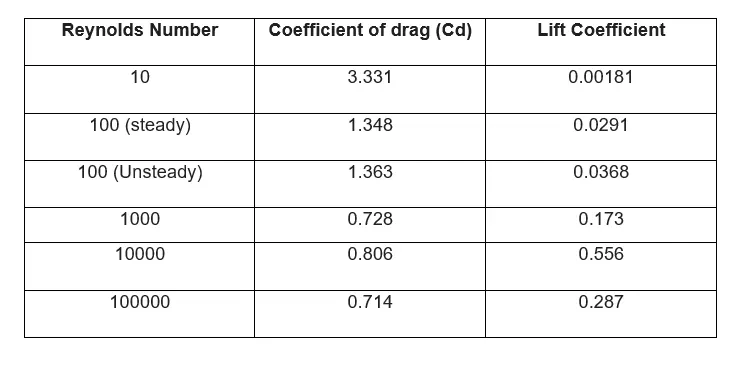
Values of coefficient of drag and lift coefficient for respective reynolds number is tabulated as follows:
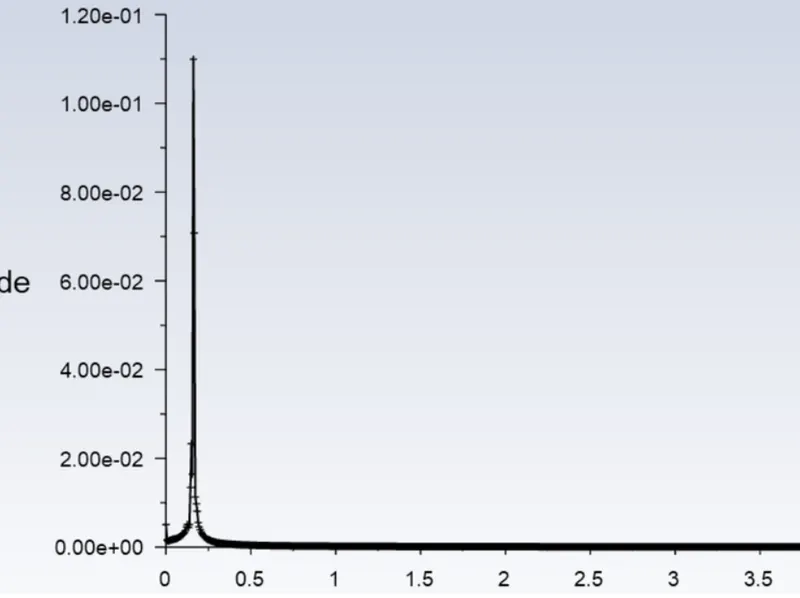
Strauhal number:
In dimensional analysis, the Strouhal number is a dimensionless number describing oscillating flow mechanisms.
For large Strouhal numbers (order of 1), viscosity dominates fluid flow, resulting in a collective oscillating movement of the fluid "plug". For low Strouhal numbers (order of 10−4 and below), the high-speed, quasi-steady-state portion of the movement dominates the oscillation. Oscillation at intermediate Strouhal numbers is characterized by the buildup and rapidly subsequent shedding of vortices.
The Strouhal number is often given as
St=fDU′">St=fDU′St=fDU′
Where,
f= frequency of vortex shedding
D= characteristic diameter of the cylinder
U'= fluid flow velocity
Conclusion:
As the reynolds number is increased the vortices are shed alternately from the upper and lower surface of the cylinder at a definite frequency which is a function of reynolds number. When the reynolds number becomes greater than 1000 the oscillations were found to be increasing i.e, as the reynolds number becomes increases, interial forces dominate over the viscous forces. The co-efficient of drag (Cd) is found to be decreasing and the oscillatory nature of the co-efficient of lift is observed. The mean of vertex avergae of velocity and co-efficient of lift is found to be increasing with reynolds number.
From the table, we can notice that as we increase the Reynolds number our drag co-efficient is decreasing where as the lift co-efficient increasing. When we compre these results with the Rajani et al.[2], We found that our results agreed reasonably well.
But Contrastingly the drag co-efficient for Re=10000case should be less than of Re=1000 case and the values of the lift coefficient should be less than the values obtained from the Re=1000000 simulation.
It can be observed that along with an increase in the reynolds number, the flow becomes more and more unsymmetrical. Increasing velocity eventually brings the turbulent drag up to and even higher than the laminar drag value.
REFERENCES:
https://www.sciencedirect.com/science/article/pii/S0307904X08000243