Week 2 - Flow over a Cylinder.
Aim:
To simulate the flow over a cylinder for a laminar flow with different Reynolds number and visualize Karman vortex street
Introduction:
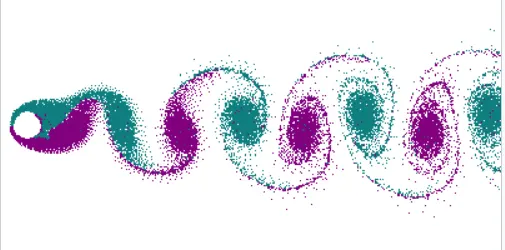
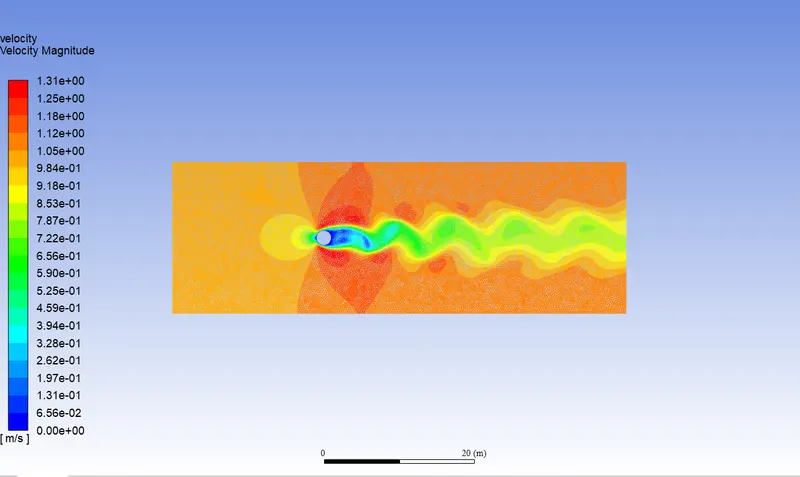
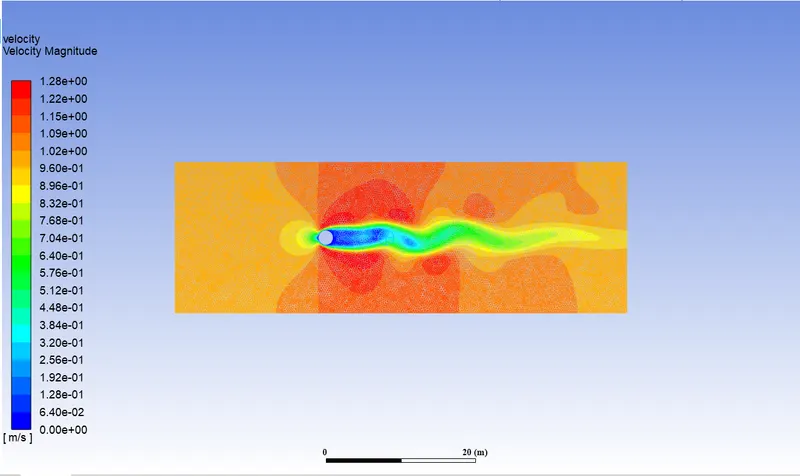
When a fluid flows over a cylinder at the top most layer the fluid tends to seperate , this causes some vortex in the wake region and this is called vortex shedding.This causes a repeated pattern of swirling vortices which is called as Karman vortex street.This tend happen above a certain reynold's number
So the importance to analyse these vortices are tall building and structures can also produce Karman vortex street at low turbulence which can increase the vibration and cause failure, so the shape of these structures are modified to avoid these problems
So in this project we will analyze the Karman votex street for an flow past a cylinder and calculate the Strouhal Number and compare the drag and lift coefficients for different Reynold's number
Theory:
Reynolds number:
It is a dimensionless quantity which helps us in predicting the flow pattern(Laminar or turbulent).It is given by the ratio of interial force to the viscous force.
`Re= (rhoVL)/mu`
Where
`rho` is the density of the fluid
V is flow velocity
L is the characteristic length
`mu` is dynamic viscosity
Strouhal Number:
It is also a dimensionless quantity which describes oscillating flows. It is given by the ratio of inertail force due to acceleration by the inertial force due to convective acceleration.
`St=(fL)/V`
Where
f is the frequency of vortex shedding
L is the characteristic length
V is the flow velocity
Pre-processing:
Geometry
The computational domain was created in spaceclaim according to the following specifications
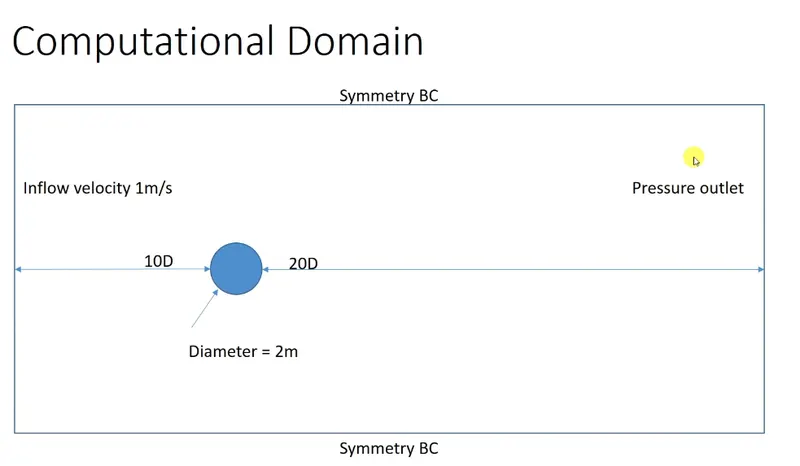
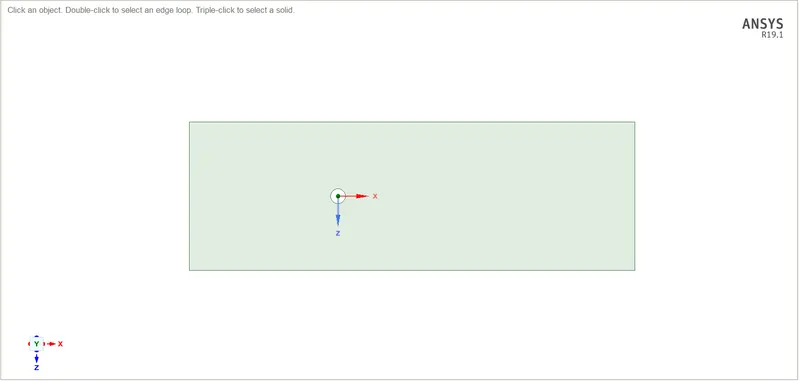
Spaceclaim Geometry:
Using the pull tool the sketch is converted into a surface
Mesh:
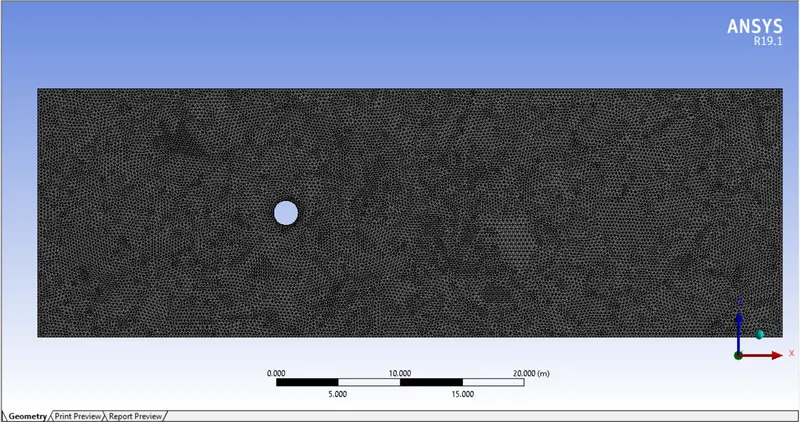
The mesh was created with triangle elements
Sizing was added at the cylinder to have a smooth cylinder which is our region of interest
Inflation layers was also added to get a body fitted mesh
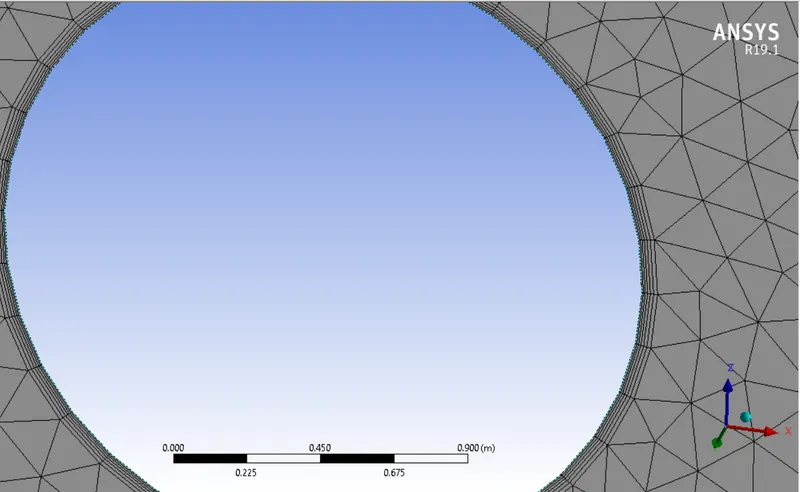
Mesh size : 0.25 m
Setup:
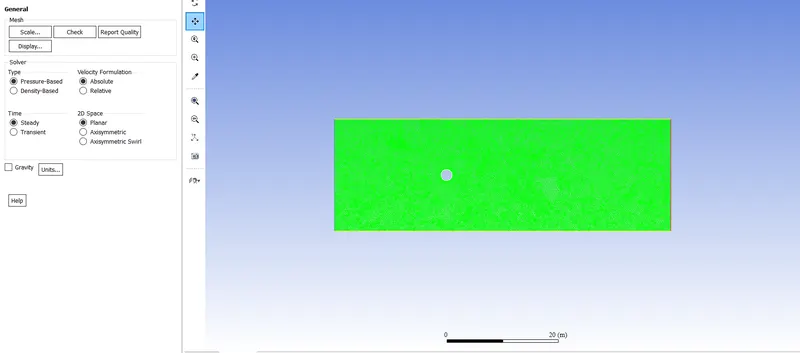
Pressure-based solver is chosen and the laminar model is chosen
Then for the cell zone conditions an user defined material is chosen with density= 1 kg/`m^3` and viscosity = 0.02
Boundary conditions are also given for Inlet velocity - 1 m/s, Outlet pressure - 0, Cylinder_wall = no slip
Results:
Part -1
Steady state
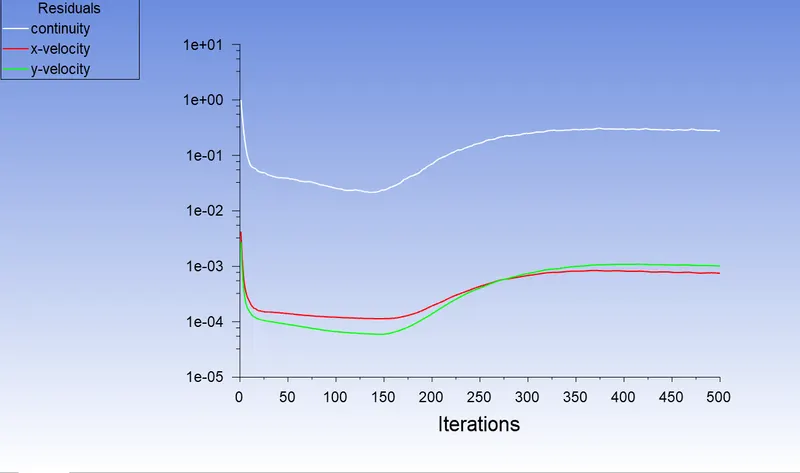
Residual Plot:
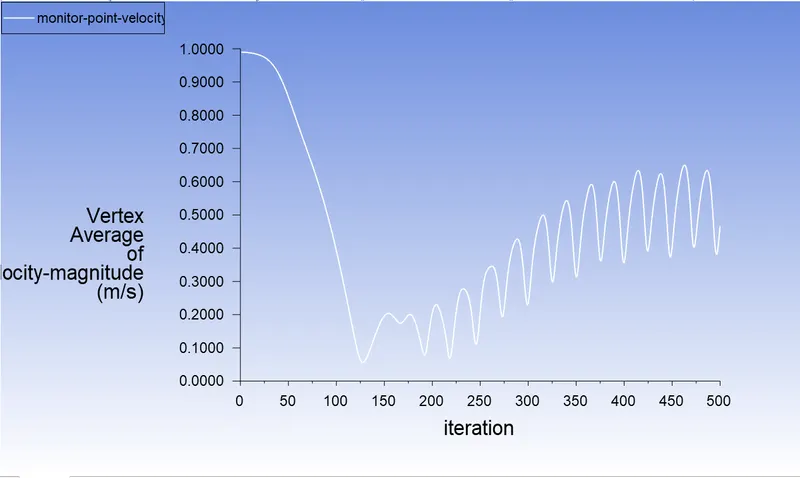
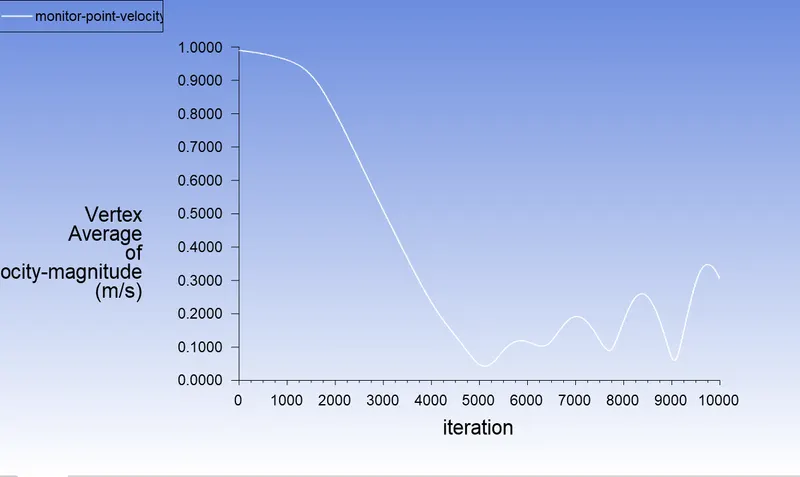
Monitor point velocity:
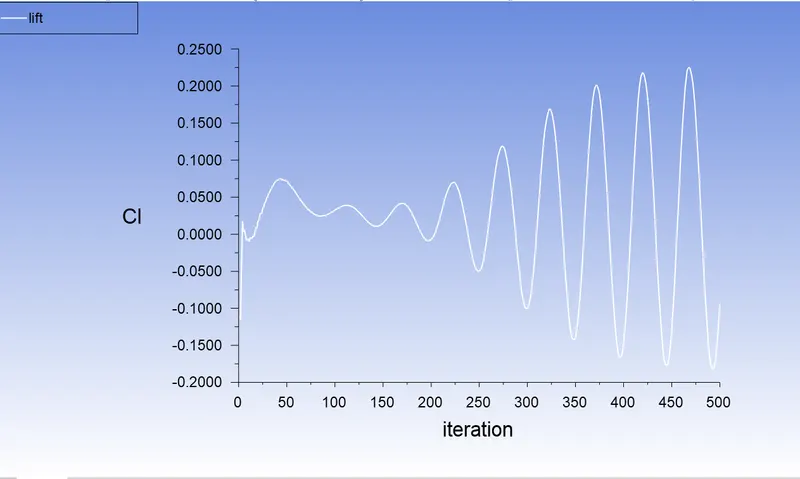
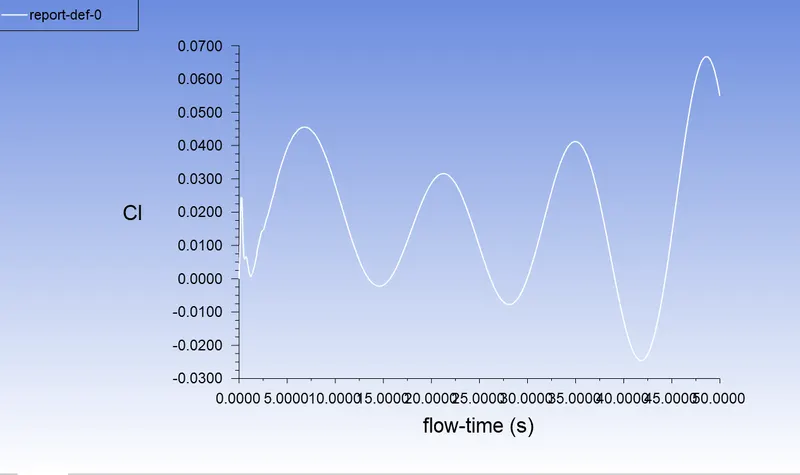
Coefficient of lift:
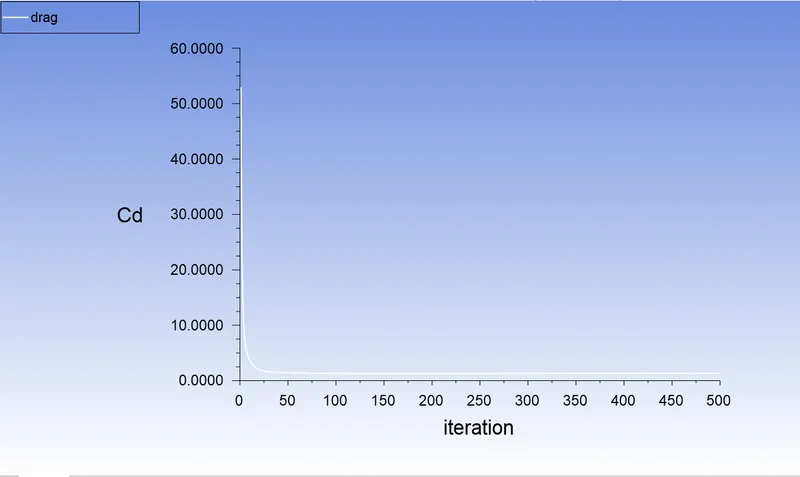
Coefficient of drag:
Velocity contour:
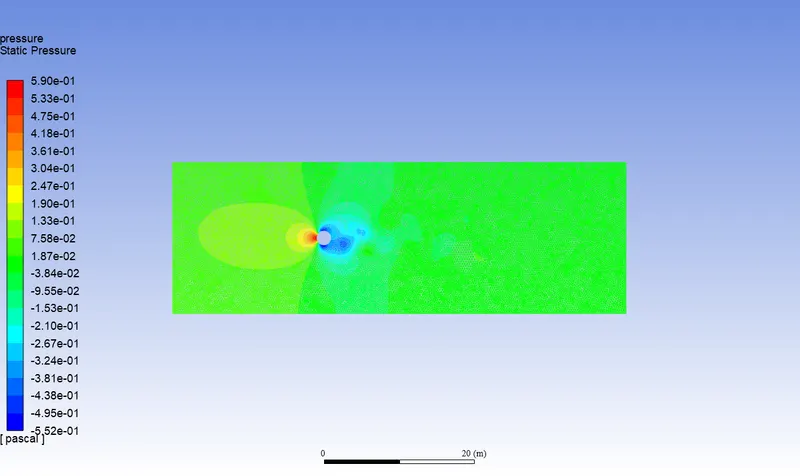
Pressure contour:
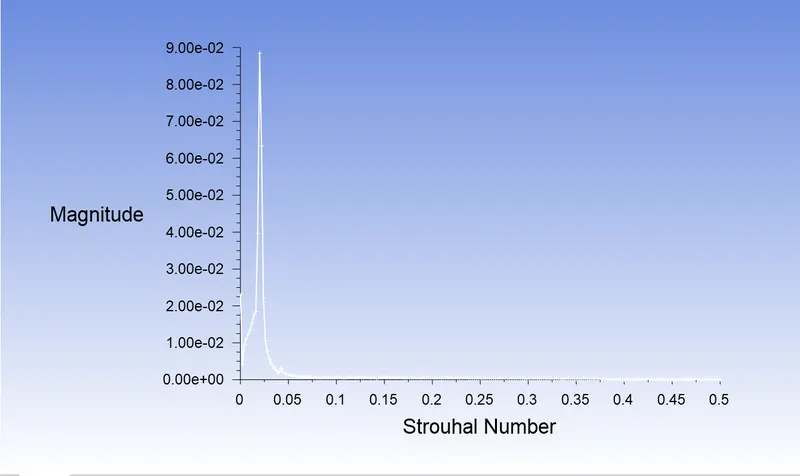
Strouhal Number:
Transient state
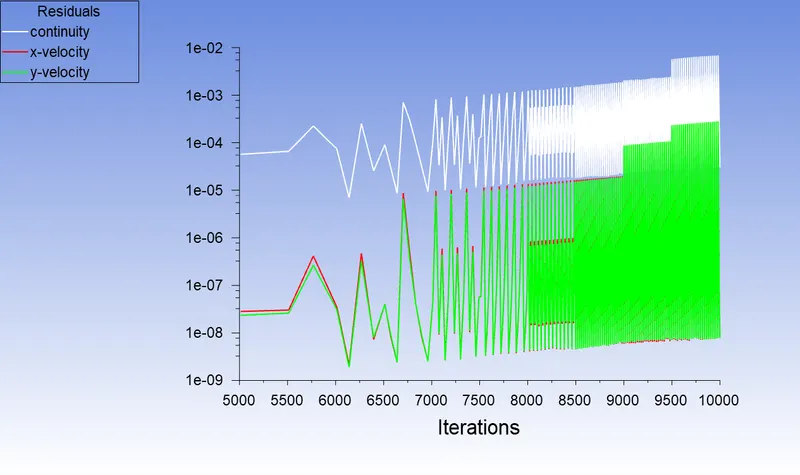
Residual Plot:
Monitor point velocity:
Coefficient of lift:
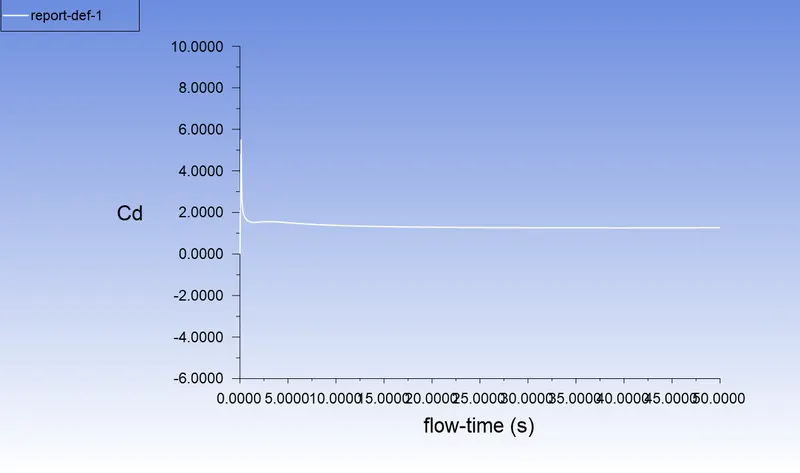
Coefficient of drag:
Velocity contour:
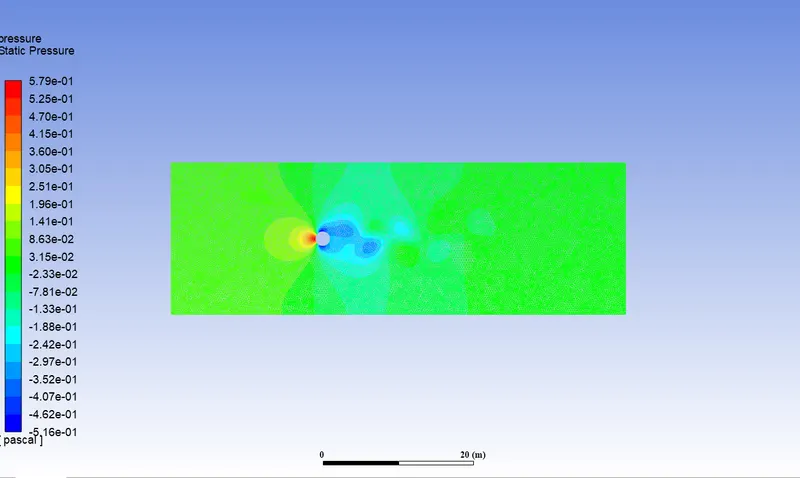
Pressure contour:
Strouhal Number:
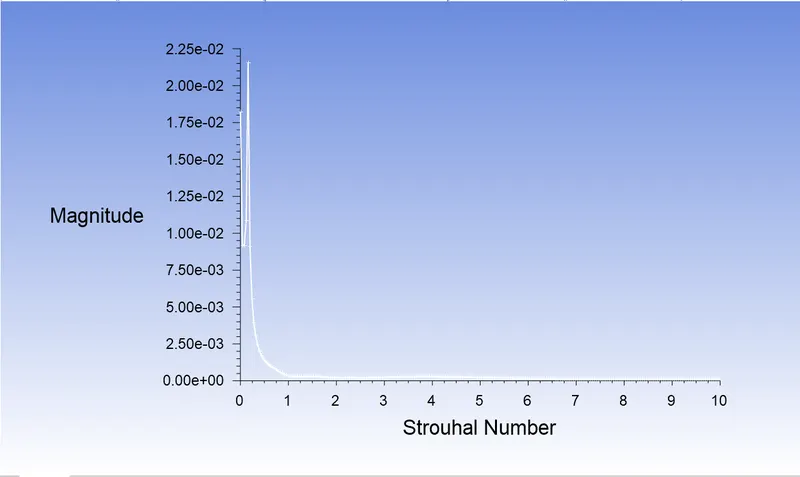
| Type of simulation | Strouhal Number |
| Steady state | 0.04 |
| Unsteady state (Transient) | 0.16 |
Part - II
Re- 10
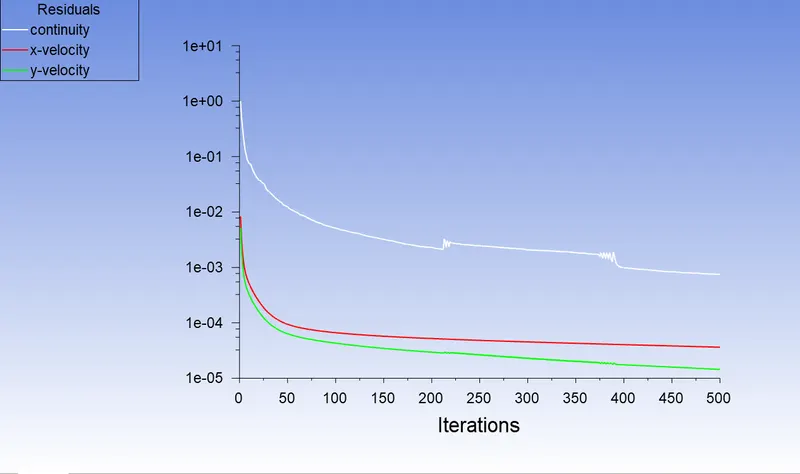
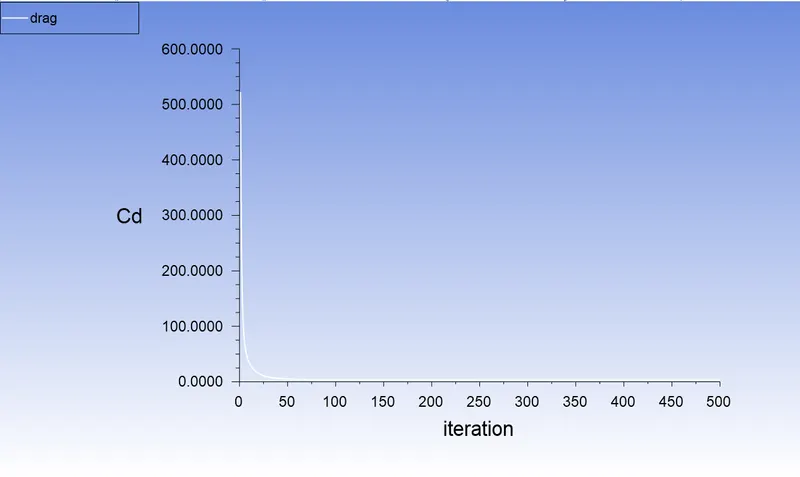
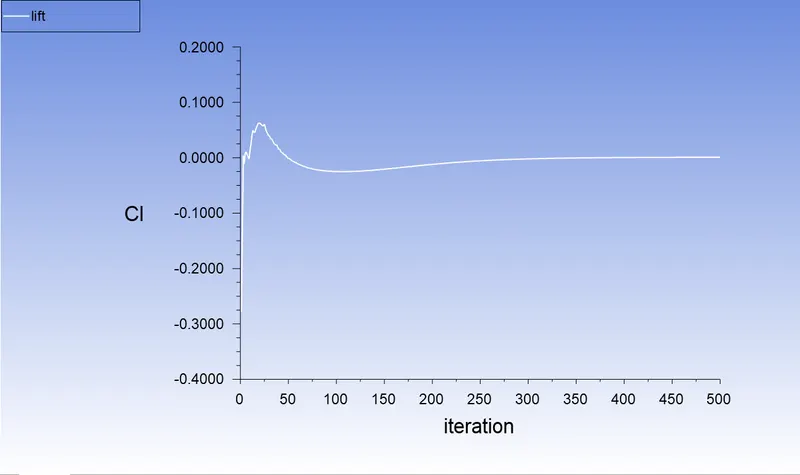
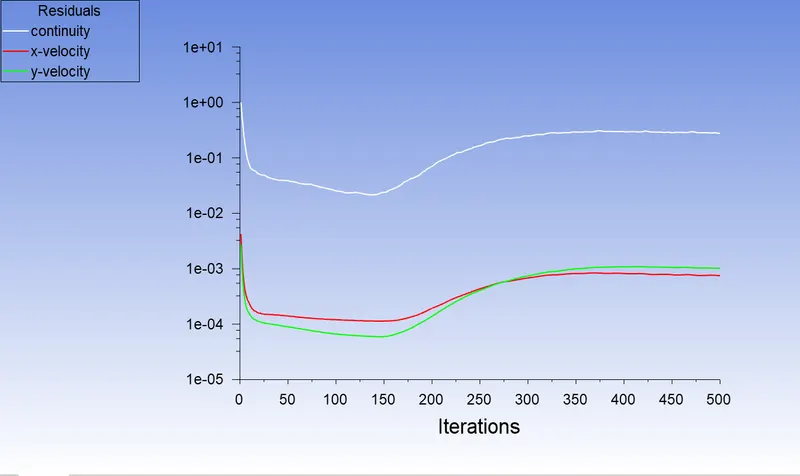
Re- 100
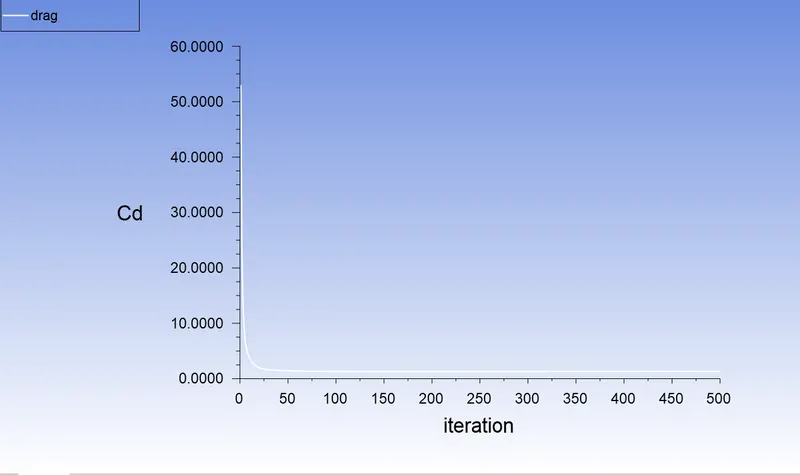
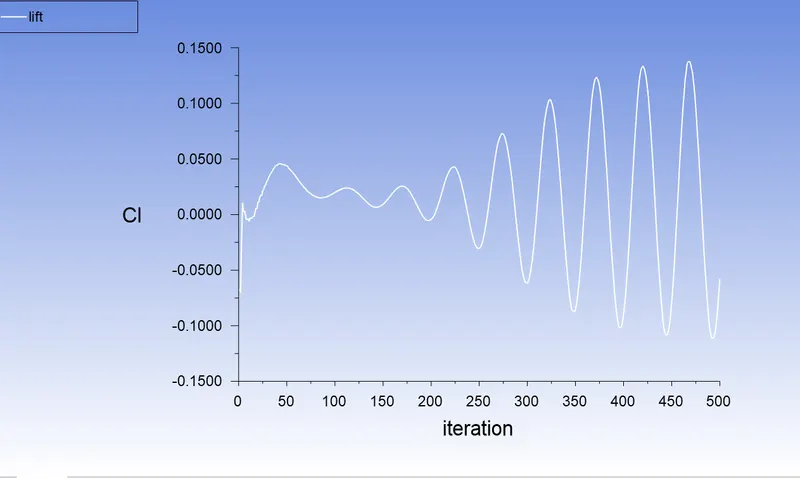
Re - 1000
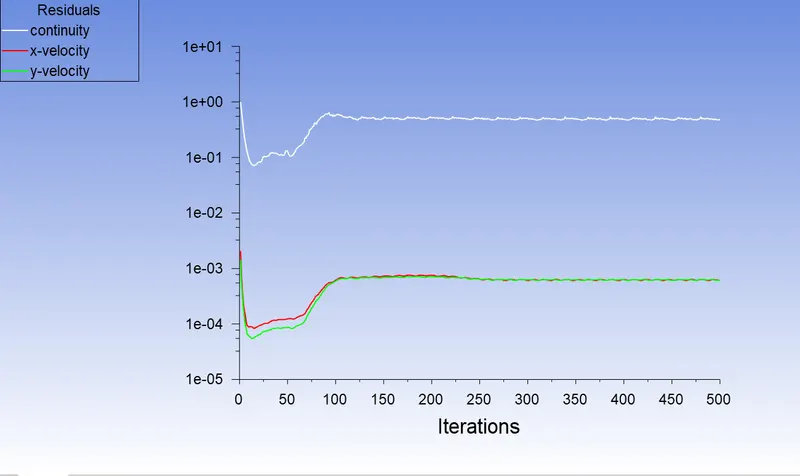
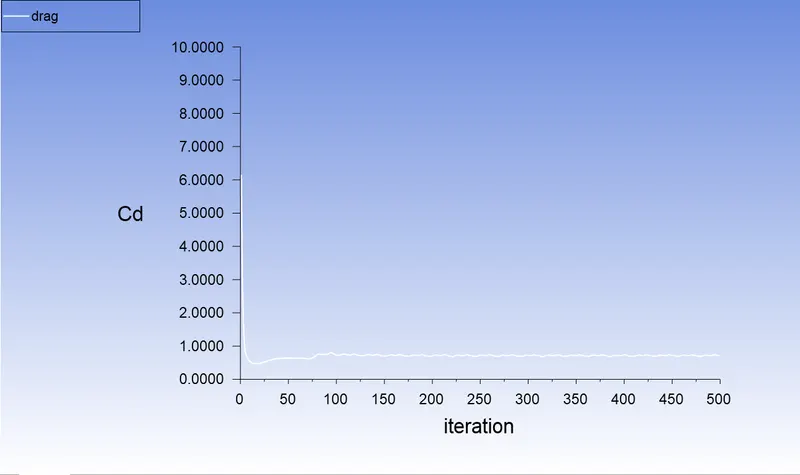
Re - 10000
Re - 100000
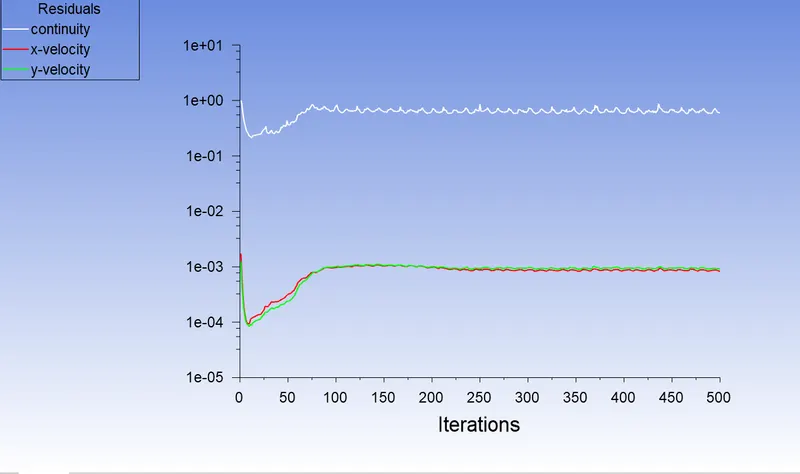
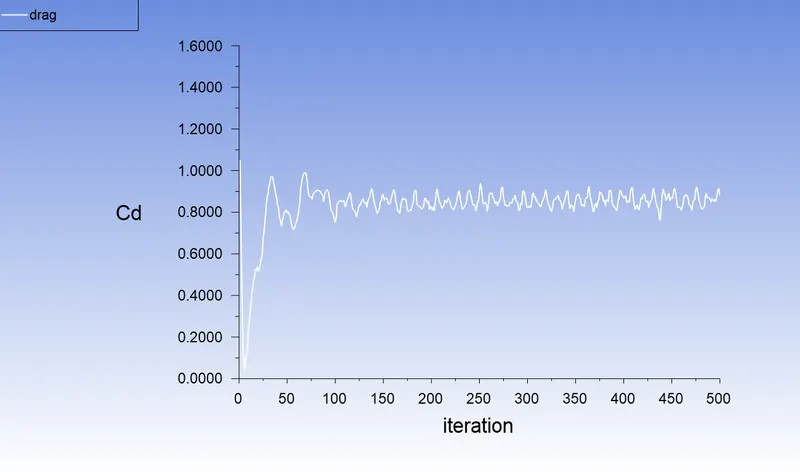
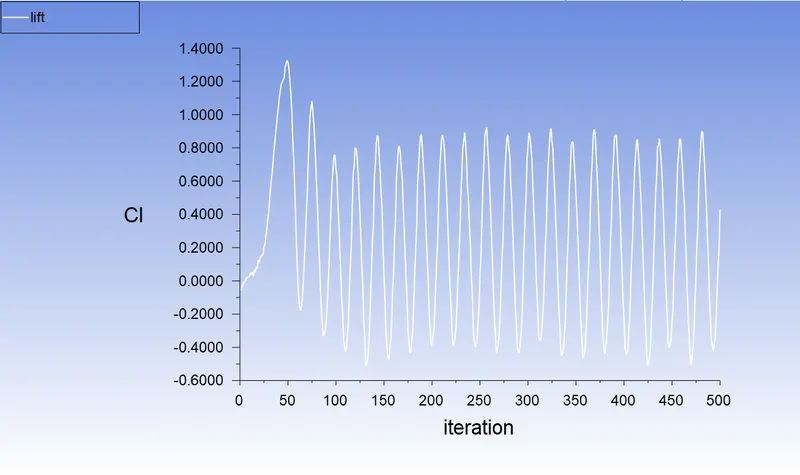
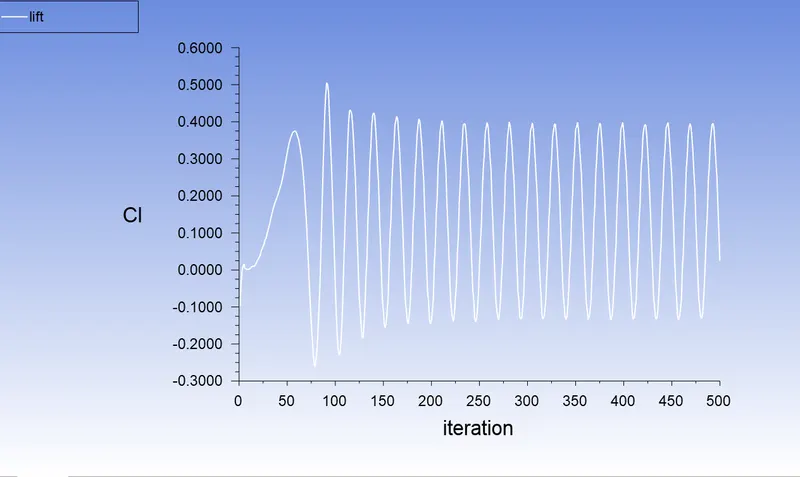
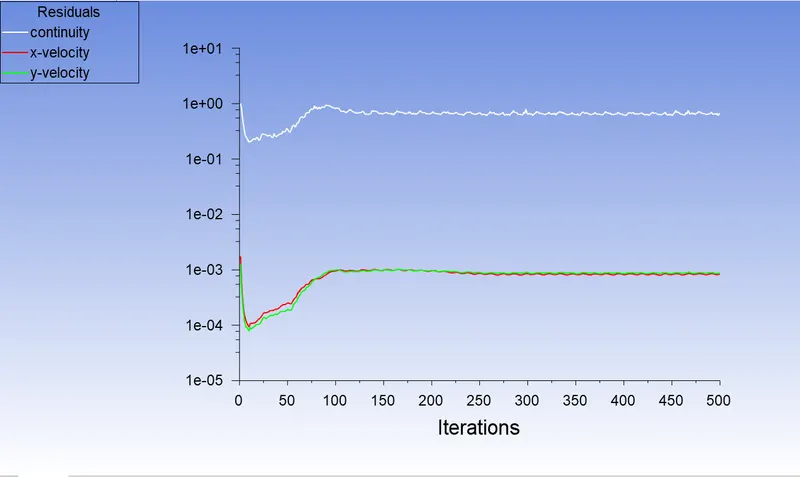
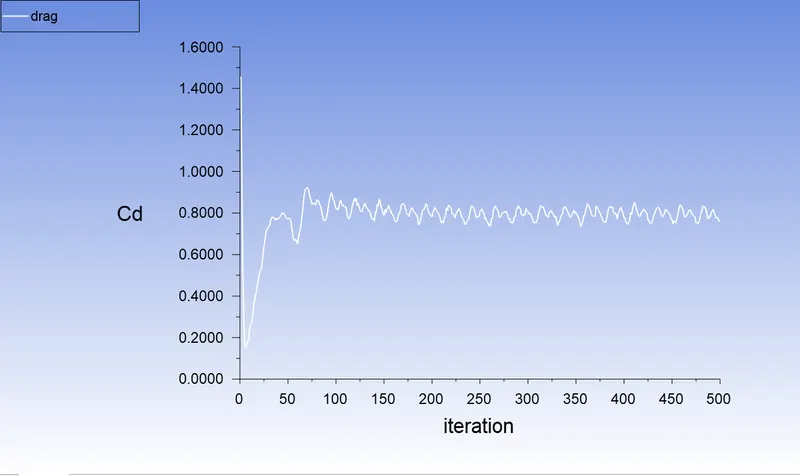
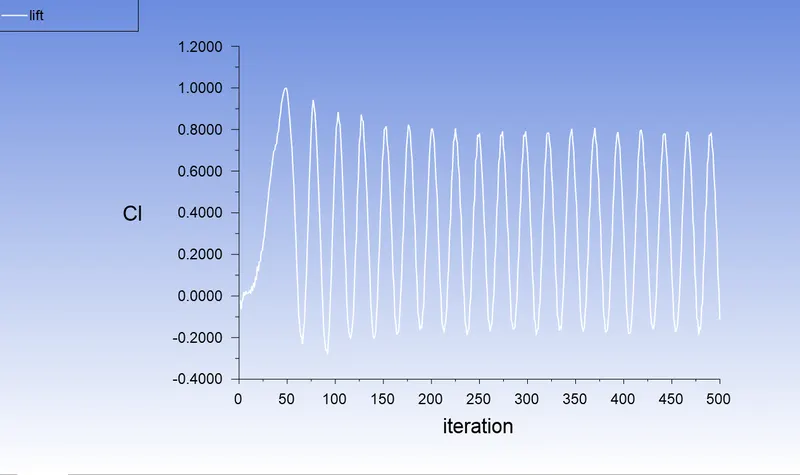
| Reynold's Number | Coefficeint of drag (Cd) | Coefficient of lift (Cl) |
| 10 | 3.33 | 0.0018 |
| 100 | 1.33 | 0.058 |
| 1000 | 0.70 | 0.024 |
| 10000 | 0.76 | 0.11 |
| 100000 | 0.88 | 0.43 |
Comparison of theoretical and simulated value of coefficient of drag
| Reynold's Number | Theoretical value of Cd | Simulation value of Cd | Error(%) |
| 10 | 3.5 | 3.33 | 4.85 |
| 100 | 1.35 | 1.33 | 1.48 |
Conclusion:
- For Reynolds number (Re) = 100 both steady and unsteady state was simulated and the coressponding strouhal number was found to be 0.04 and 0.16 respectively
- Comparing both these value we can say that transient simulation gave more accurate results
- The coefficient of drag was also observed for different reynold's number and found out for laminar flow(Re < 4000) the coefficient of drag decreases with increase in reynold's number
- Whereas for turbulent flow(Re > 4000) the drag increases with increase in the reynolds number
Refrences:
"https://www.sciencedirect.com/science/article/pii/S0307904X08000243"