Week - 2 - Explicit and Implicit Analysis
Aim: To understanding about the Implicit and Explicit approach to solve the dynamic problem and static problem or event and solve the equation `F(u) = u^3+〖9u〗^2+4u` by using both implicit and explicit method with residual problem of 0.01
Implicit and Explicit Scheme: These schemes or methods is used to solve the dynamic problem or events.
Governing Equation of Motion

The external force is time dependent or it may be constant
We can solve this equation by both Implicit and Explicit method
Where [M] is Mass matrix and [C] is damping matrix
If both Mass matrix and Null matrix become null then our equation become
F = [K]{x} (Equation for Static problem)
Again, we can solve this equation with Implicit and Explicit method. By using static problem with implicit and explicit become expensive then using direct static scheme.
In static case load is applied very slowly and we don’t take into account the inertia effect whereas in Dynamic case load is applied very fast and it have significant effect on inertia
For Dynamic Case:
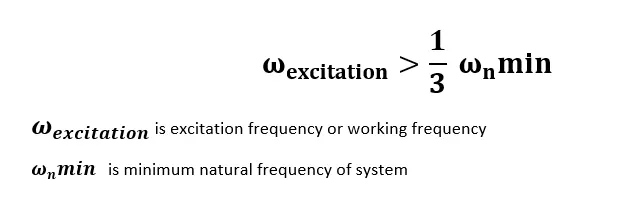
For Quasistatic case where force is near to constant with respect to time
For static case we don’t have time dependent force K{x} is quite sufficient to solve the problem
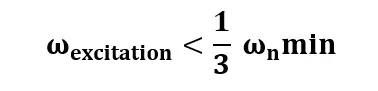
Implicit means which can’t discriminate
Example: `x^y = e^xy+x` (Here in this case we can’t discriminate x and y parameter separately)
Explicit means which can discriminate
Example: `x = e^xy`
`lnx=xy , y = lnx/x` (Here in this case x and y parameter can be discriminate means x is on one side and y is on other side or we can say that x can be define as function of y and y can be defined as function of x)
Now question arises that what to do in CAE
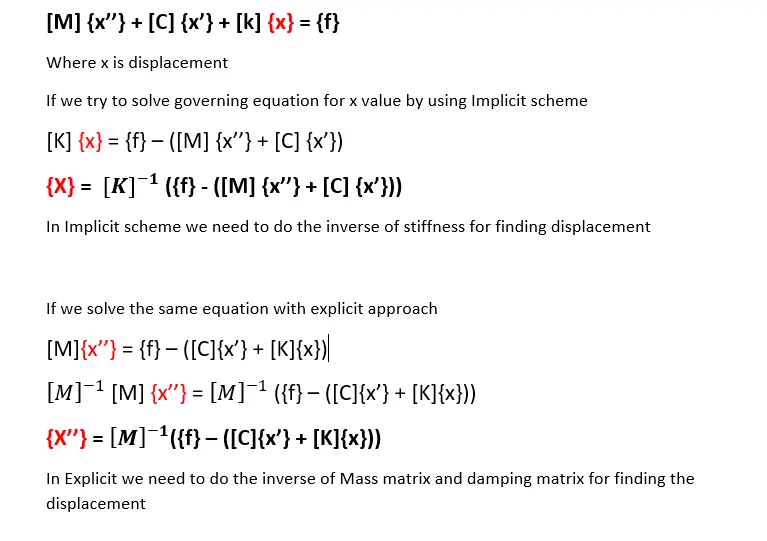
But in CAE this equation will look very differently and difficult
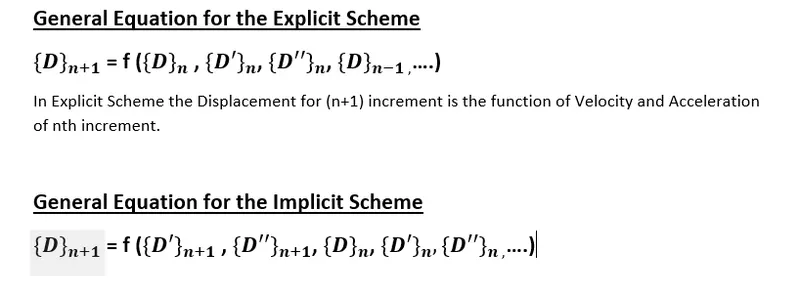
Here in Implicit Scheme the displacement for (n+1) increment is the function of Velocity and Acceleration for n+1 increment, we can’t discriminate x parameter as function of y and y parameter as function of x, here n+1 displacement will depend upon n+1 parameter.
Why Implicit scheme required iteration where as Explicit doesn’t
Implicit scheme as we know we can’t discriminate the equation, so we can’t directly solve it, we have to go to some iterative method, we have to go to some initial approximation of x and by iterative method we are converging the solution, whereas explicit scheme can solve directly so they don’t require any iteration.
Implicit vs Explicit `[M] {x’’} + [C] {x’} + [k] {x} = {f}`
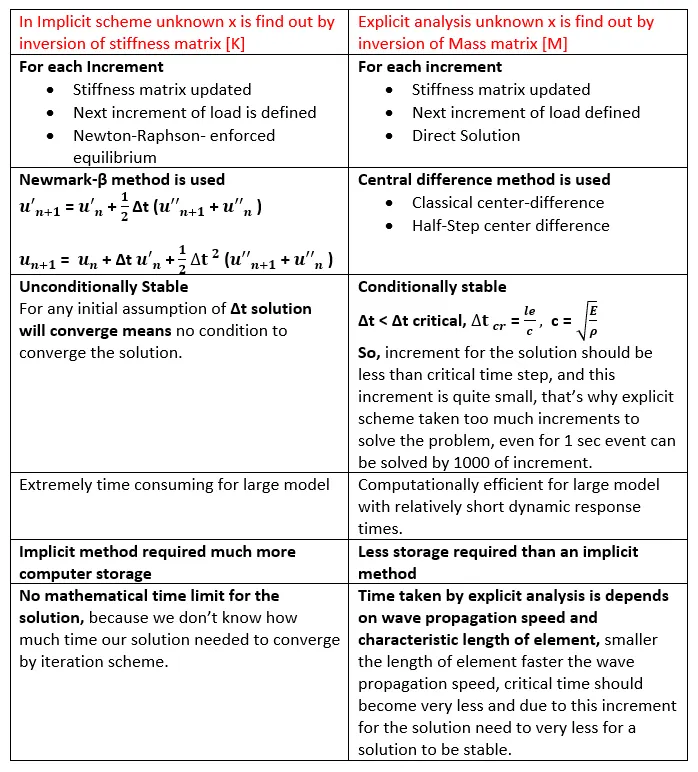
Why we use those method?
To Solving the Governing Equation in Implicit Scheme the Newton-Raphson method is used, where as in Explicit scheme the direct solution is possible.
After solving governing equation, we will get value of displacement or may be acceleration, once we know the displacement we can calculate the velocity and acceleration as well, similarly if we calculated acceleration by governing equation we need to calculate the displacement and velocity, for that we use the numerical integration method like Newmark-β method or Euler method is used in implicit scheme, Euler method is first order numerical integration method and Central Difference method is used for Explicit scheme to solve the unknown
When to use Implicit and Explicit?
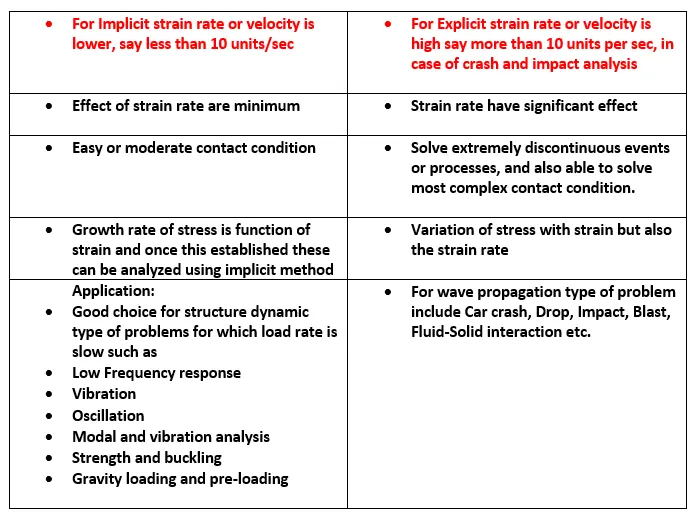
Why Implicit are more Expensive?

In implicit screen we need to make the inversion of stiffness matrices and stiffness matrix is the largest matrix which need to handle by the software and make inversion of matrix become quite lengthier as compare to inversion of mass matrix, every time stiffness matrix needed to updated for each increment and again at each increment we need to go for inversion of updated matrix, that is why the implicit scheme is more expensive. In case of Explicit scheme mass matrix need to be inverted, and the mass matrix is the diagonal matrix and inversion of such matrix is quite easy as compare to the inversion as stiffness matrix, that’s why implicit scheme more expensive than explicit scheme.
Why Implicit Scheme are more accurate?
In Implicit we are using the iterative method (Newton-Raphson) to solve the governing equation, whatever the initial assumption we have, solution converged toward the exact one, where as explicit have direct solution and increment of present period will depend upon the previous result which may leads to deviate the result. The major drawback of implicit scheme, for a large model implicit can’t converge the solution, but such scheme is unconditionally stable and we don’t need to take care about the critical time step. Whereas for explicit scheme we can solve for large model but problem is that explicit scheme is conditionally stable, we need to consider very large time-step to make sure the accuracy of the solution.
Now we Know there are two method of time integration.
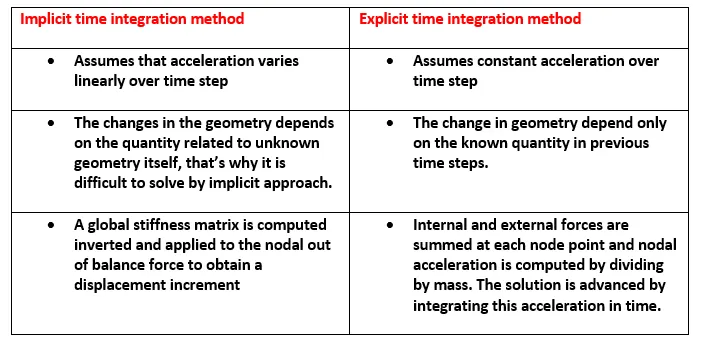
Note: For best implicit performance, it is important to provide enough memory to allow the stiffness matrix factorization to run in core, so in LS-Dyna it is recommended that always use double precision, MPP version of LS-Dyna while using the implicit solver.
Interesting thing to note that In an Implicit static analysis a termination time and time step are specified by the user, for implicit static case time doesn’t have actual meaning as the analysis is trying to achieve the static-equilibrium at each time step.
Now one question arises in your mind is that what is Time integration and what it means?
Introduction to Time of Integration
As we all know that space is 3 dimensional, we also hear that there is also a 4th dimension which is called as time, anything happens around us with time, no matter how static it looks to you, but it may not. For science and engineering time play an important role as dimension in mathematical formulation of physical law and theories.
In our starting mechanics word when we say we are solving a static analysis we actually intentionally ignoring the existence of time because we want to simplify the problem.
For Static Analysis:
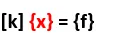
When deformation of structure is slow enough or load is applied very slowly so that dynamic effect can be ignored (i.e., inertia effect is ignored). But we should always remember the full version of equation of motion where the inertia and damping effect are included.
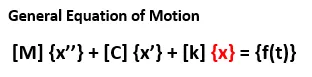
The unknown for our problem are deformation velocity and acceleration with respect to time.
We know that Dynamic problem can be solved as
- Frequency Domain
- Time Domain
Frequency Domain: Low frequency problem response, low frequency vibration and oscillation, so for this kind of problem the unknown deformation, velocity and acceleration are all pre-assumed to be sinusoidal format, which means that every material point over the time domain is going to be harmonic motion.
Assumptions:
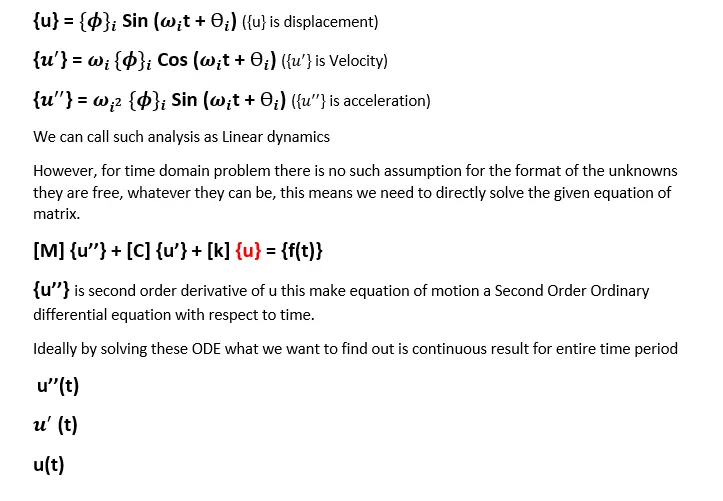
Find continuous function?
To find out continuous result from ODE, this is actually not something we can found easily. In fact, for most of realistic mechanical problem it is not even possible to find-out the analytical expression of result.

Here in this case as you see there is large deformation in the baseball during the impact, do you think there is mathematical expression that can fully describe such deformation over time, the truth is there is not.
So, to solve such dynamic problem or we can say that solving the ODE what we do is to divide time to finite number of time steps and solve problem at this time point we can call this time integration method or time stamping.

To understand this, you may be thinking of how a GIF image uses a series of static image to present a moving object to you. The smoothness and level of continuity of animation depends upon how many images from the GIF is made of and that is the frame rate.
Similarly, is the thing with time integration, Ideally the smaller the time step the more accurate the result will be
Accuracy

But of course, we always need to consider the computationally cost in our analysis.
So how does the Time integration work, the main idea of time integration is to use known solution form the previous time step to find next unknown time step solution, so the very first sate of problem is need to defined, like for this base ball problem the initial condition could be the bat is at rest and base ball is hit the bat with velocity of 10m/s.
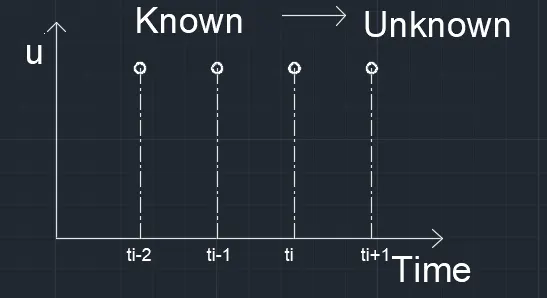
So how to use the previous known time step solution, there are many different way and this leads to different time integration method, some method use one previous solution to calculate the next time step, some method uses several previous time steps to find the next time step, the way to progress from previous time step to next time step varies from method to method, for solving problem governed by ordinary differential equation engineer or scientist choose time integration method based on their accuracy stability and computational characteristic for the specific problem.
We can’t say certain method is superior to other for all the cases, sometime using wrong time step method may even lead to you bad result or unrealistic result.
For first order ODE the one step numerical integration method is used called as Euler method, for second order ODE `(ay’’ + by’ + c(y) = f(t)),`just like we have equation of motion which is also the second order ODE `[M] {u’’} + [C] {u’} + [k] {u} = {f(t)},`
for that we are using the Newmark-β method and Generalized-α-method etc. are widely used, No matter for first order ODE or 2nd order ODE, Time integration method can be divided into two categories.
- Implicit time integration
- Explicit time integration
Engineer choose between these two types of method based on the
- Computational characteristics
- Stability and Accuracy
For different application there are many varieties of time integration method based on concept of Implicit and Explicit
Given Equation
F(u) = u^3 + 〖9u〗^2 + 4u - - - - - (1)
We need to solve this equation by both Explicit and implicit methods with tolerance of`10^(-2)
Stiffness of the bar `K(u) = df/du = 〖3u〗^2 + 18u + 4_ _ _ _ _ (2)
Explicit Analysis: if the non-linear force vs displacement relationship is not known, but stiffness is known it is possible to construct the graph of force vs displacement numericallyIt can be done using an incremental load scheme, in this case the variable u is used for displacement, f for the internal force, F for external force applied, incremental forces and displacement are represented as `∆F, ∆u`
Step 1:
`Take u = 0.0`
K(u) = 3(0^2) + 18(0) + 4 = 4
Now ∆u = ∆F / K (u_0)
∆u = 1 / 4 = 0.25
u_1 = u_0 + ∆u1 = 0.25
F_external = ∆F = 1
F_internal = u^3 + 〖9u〗^2 + 4u = 1.5781
Step 2:
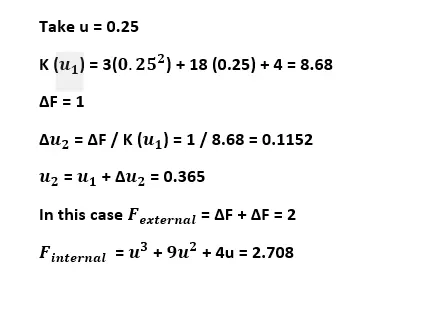
Step 3:
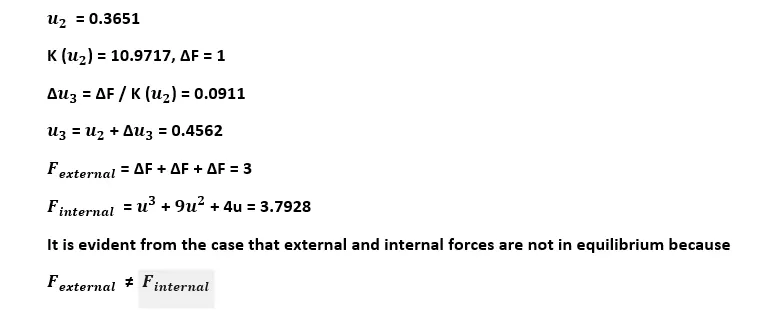
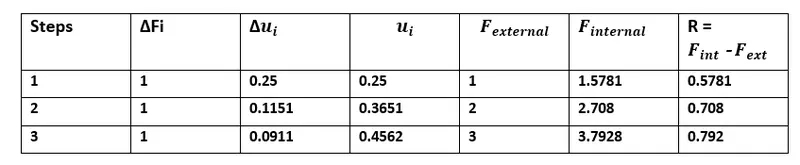
The Following table summarizes the result for explicit analysis method
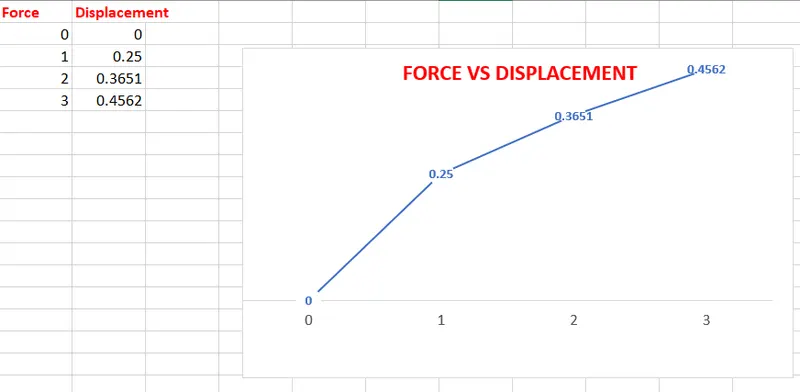
Force vs Displacement (Explicit Scheme)
The implicit analysis Proceeds as follow
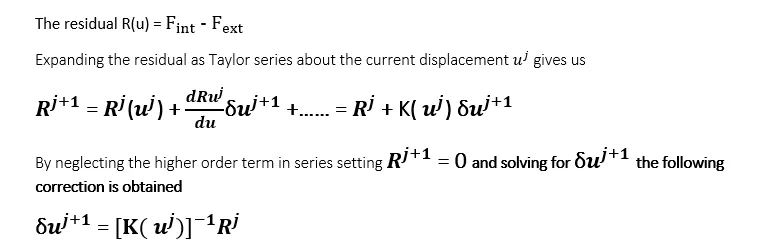
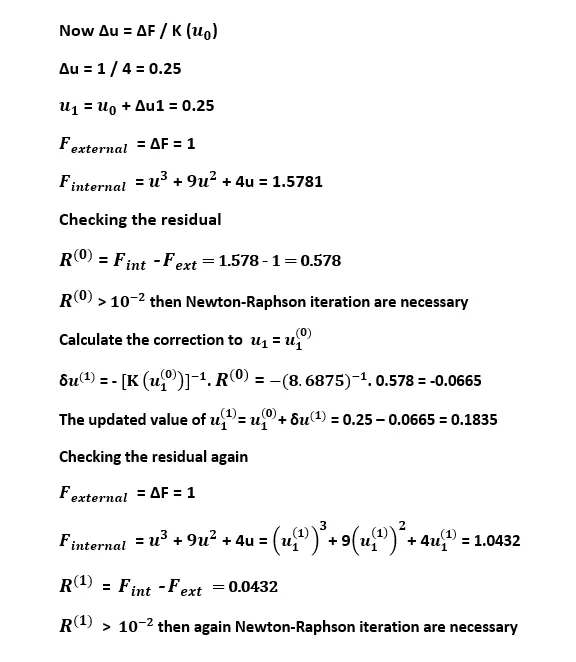
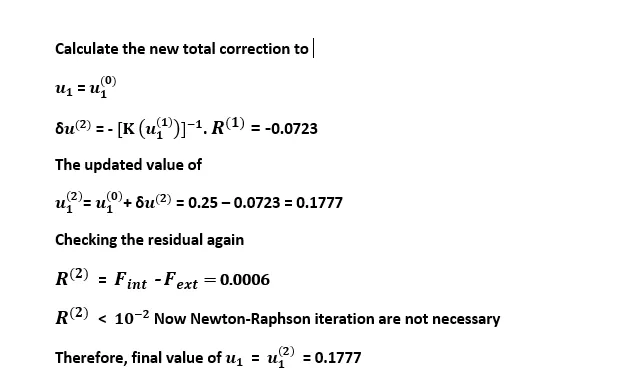
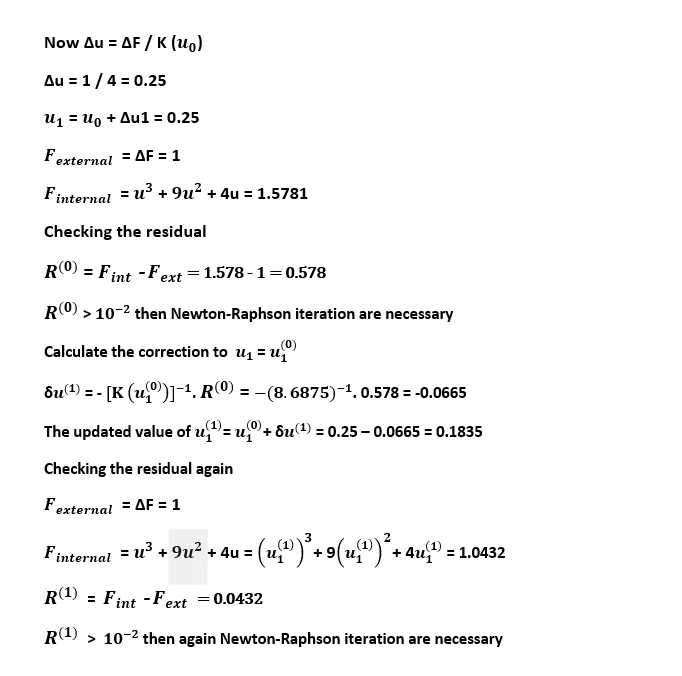
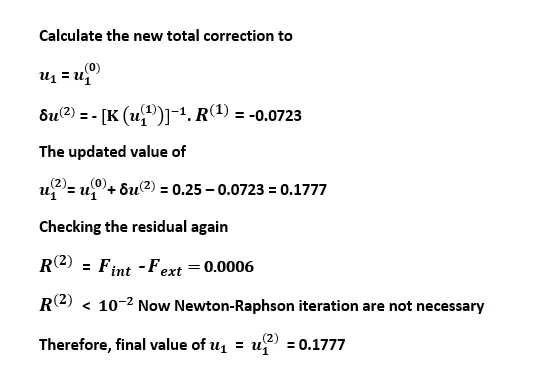
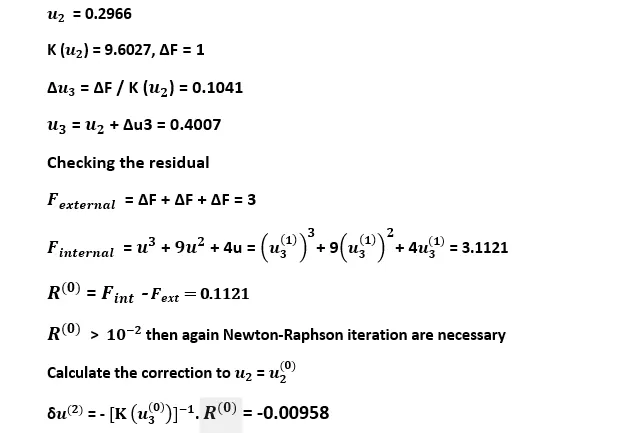
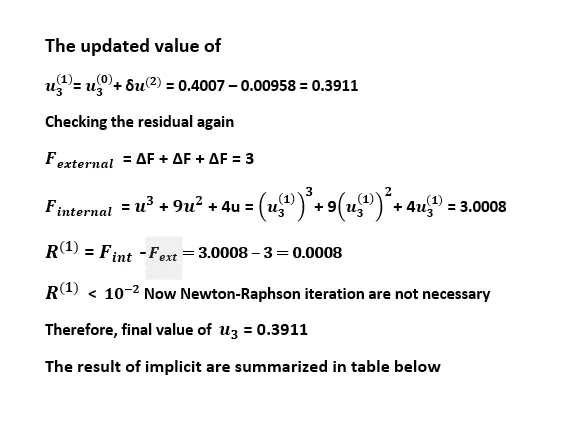
An implicit analysis is same as the explicit one, except that at the end of each step Newton-Raphson iteration are used to enforce equilibrium before moving to the next step, Basically an incremental force is applied to advance the solution forward at the beginning of the step, However internal forces and external forces are not in equilibrium until the stiffness is linear for the given step, Hence in order to achieve equilibrium correction must be made to the displacement, This accomplished by Newton-Raphson iteration to minimize the residual
Step 1:
`Take u = 0.0
K(u) = 3(0^2) + 18(0) + 4 = 4`
Step 2:
u_1 = 0.1777, K (u_1) = 7.2933`
∆F = 1
∆u_2 = ∆F / K (u_1) = 0.1371`
Step 3:
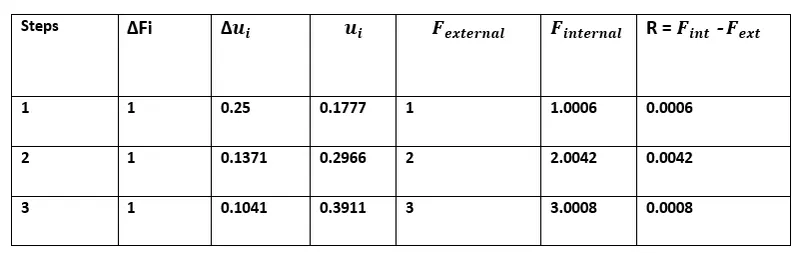
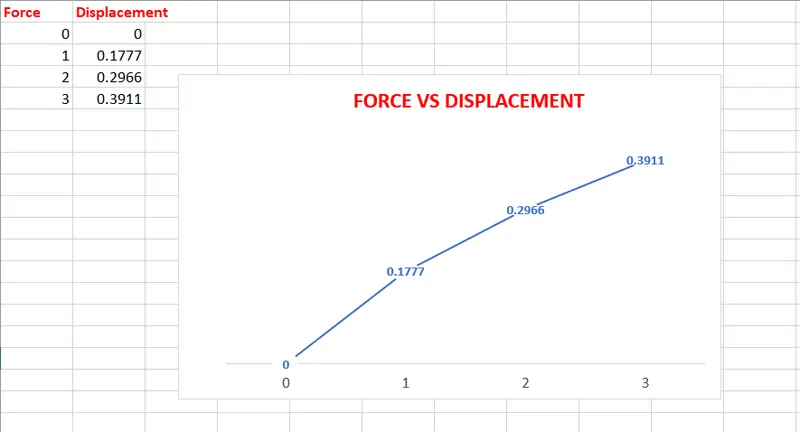
Force vs Displacement (Implicit Scheme)
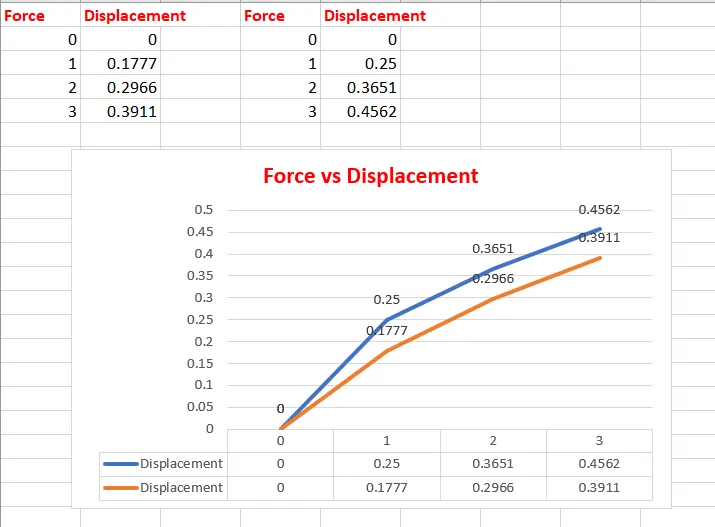
Implicit Scheme vs Explicit Scheme
Exact Value Calculation: F(u) = u^3+〖9u〗^2+4u`
u^3+〖9u〗^2+4u = 1
After solving this the u = 0.1776
Now u^3+〖9u〗^2+4u = 2
u = 0.2962
u^3+〖9u〗^2+4u = 3
u = 0.391`
Implicit vs Explicit vs Exact calculation
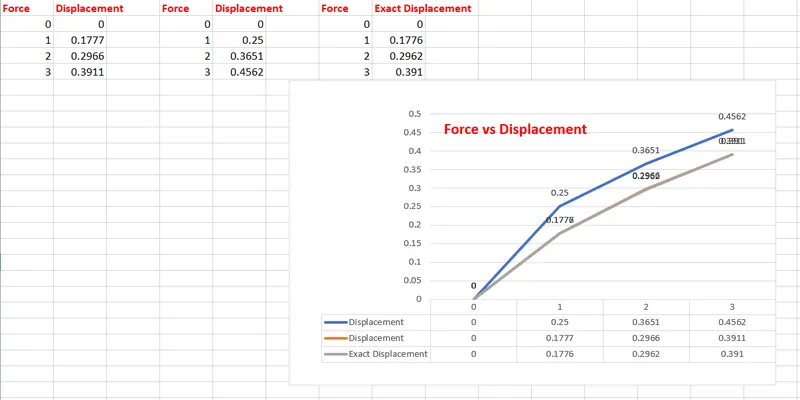
Implicit results will match with the Exact Displacement
Conclusion: It is the evident form the plot that the explicit analysis is drift form the solution, The drift from the solution illustrates the lack of equilibrium between the internal forces and external forces. In Implicit analysis Newton-Raphson iteration correct the incremental steps so that they come with exact solution according to specified tolerance, excellent tolerance can be achieved with 3 increments and in each step only two Newton-Raphson iteration is required, once satisfactory equilibrium is achieved a new load increment is applied to advance the solution and the process is repeated, one thing is to note that an exact expression for force vs Displacement is not always Known. To extract good result form the Explicit analysis, then more numbers of increments are required in explicit analysis to more closely follow the exact solution.