Week 2 - Converging diverging nozzle
Description
Consider a given convergent-divergent nozzle, the flow at the inlet is fed from a large gas reservoir where the gas is essentially stationary. The reservoir pressure and temperature are Po and To, respectively. The subsonic Mach number at the inlet is very small. Thus, the pressure and temperature at the inlet are essentially Po and To, respectively. The area distribution of the nozzle, A = A(x), is specified, so that area ratio is known at every station along the nozzle. The area of the throat is denoted by At, and the exit area is denoted by Ae. The Mach number and static pressure at the exit are denoted by Me and Pe, respectively. Assume that we have an isentropic expansion of the gas through this nozzle to a supersonic Mach number . Imagine that you take a convergent-divergent nozzle, and simply place it on a table in front of you. What is going to happen? Is the air going to suddenly start flowing through the nozzle of its own accord? The answer is, of course not! Rather, by this stage in your study of aerodynamics, your intuition should tell you that we have to impose a force on the gas in order to produce any acceleration.
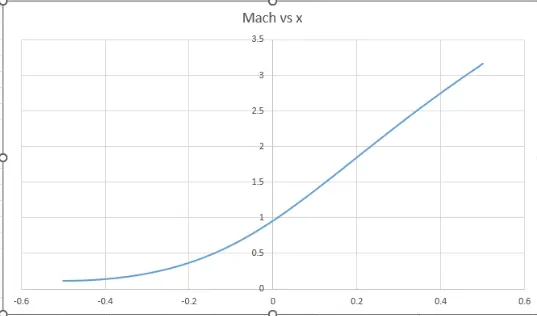
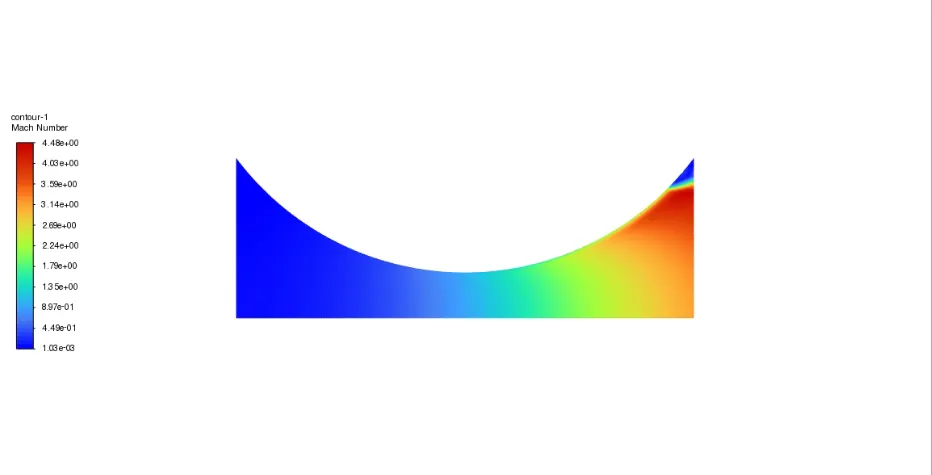
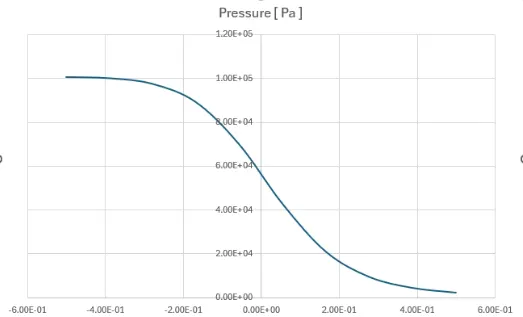
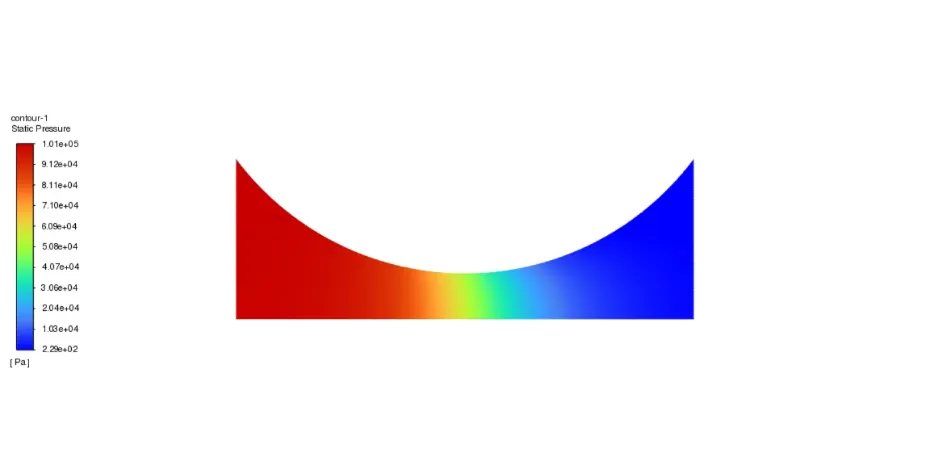
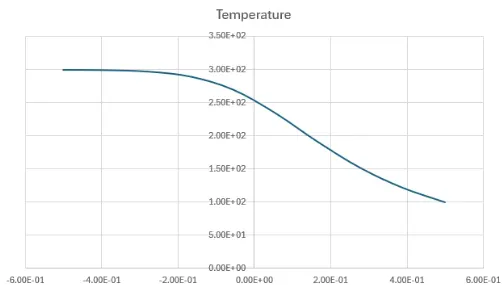
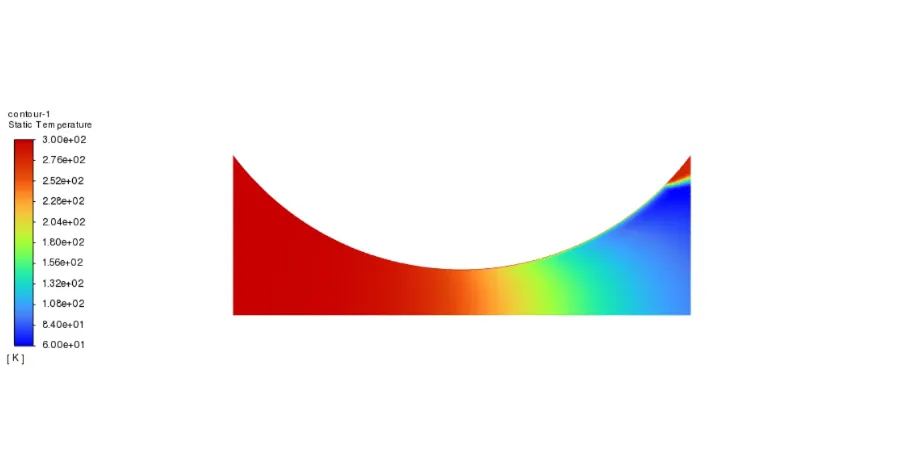
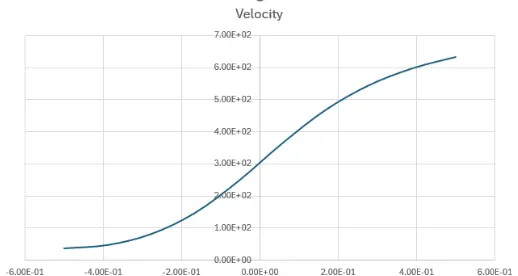
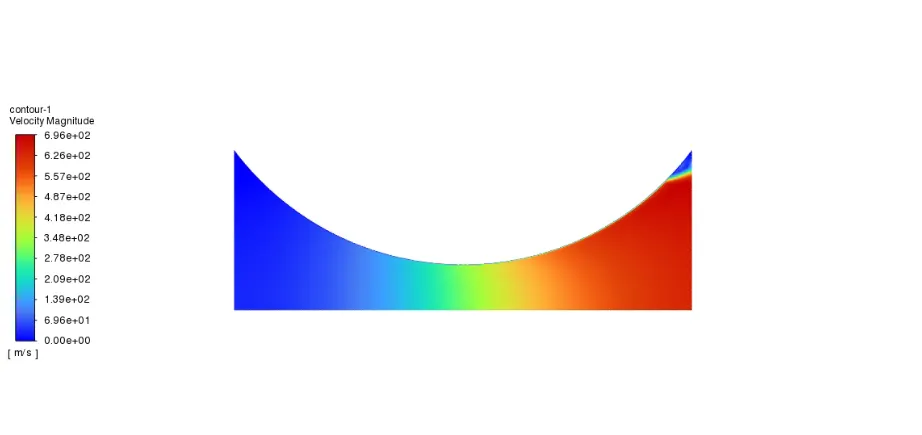
As the flow starts to accelerate, the pressure drops and reaches a critical value at the throat, further which the pressure further drops to exit pressure, the same can be said for temperature. The flow accelerates and reaches sonic conditions at the throat(M=1), after which the flow further expands to supersonic conditions. The variation of the parameters like pressure,temperature and velocity follow isentropic trends.