Week 2 - Converging diverging nozzle
Aim- To study and simulate the aero thermal simulation of converging diverging nozzle on ansys fluent.
Theory-
The purpose of this applet is to simulate the operation of a converging-diverging nozzle, perhaps the most important and basic piece of engineering hardware associated with propulsion and the high speed flow of gases. This device was invented by Carl de Laval toward the end of the l9th century and is thus often referred to as the 'de Laval' nozzle. This applet is intended to help students of compressible aerodynamics visualize the flow through this type of nozzle at a range of conditions.
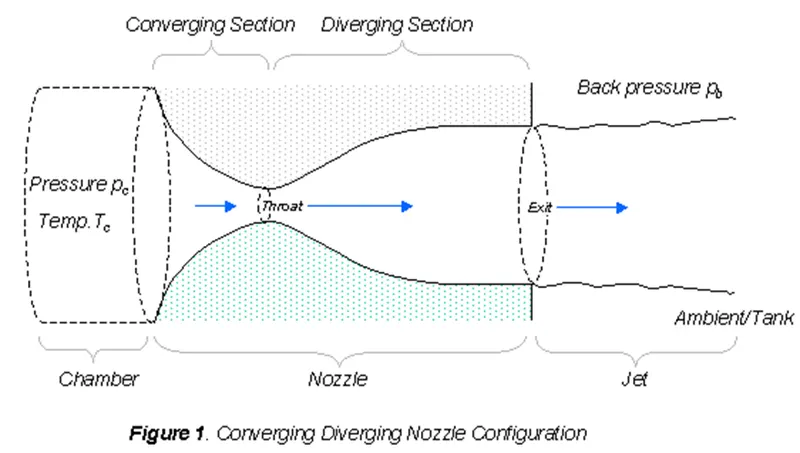
The usual configuration for a converging diverging nozzle is shown in the figure. Gas flows through the nozzle from a region of high pressure (usually referred to as the chamber) to one of low pressure (referred to as the ambient or tank). The chamber is usually big enough so that any flow velocities here are negligible. The pressure here is denoted by the symbol pc. Gas flows from the chamber into the converging portion of the nozzle, past the throat, through the diverging portion and then exhausts into the ambient as a jet. The pressure of the ambient is referred to as the 'back pressure' and given the symbol pb.
Objective-
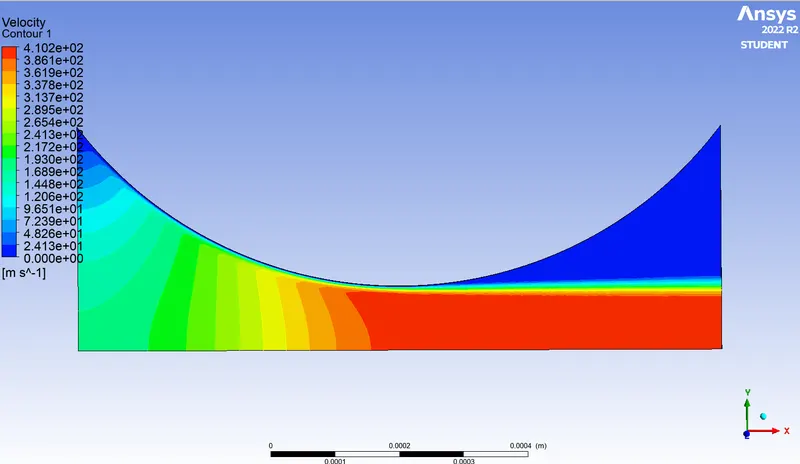
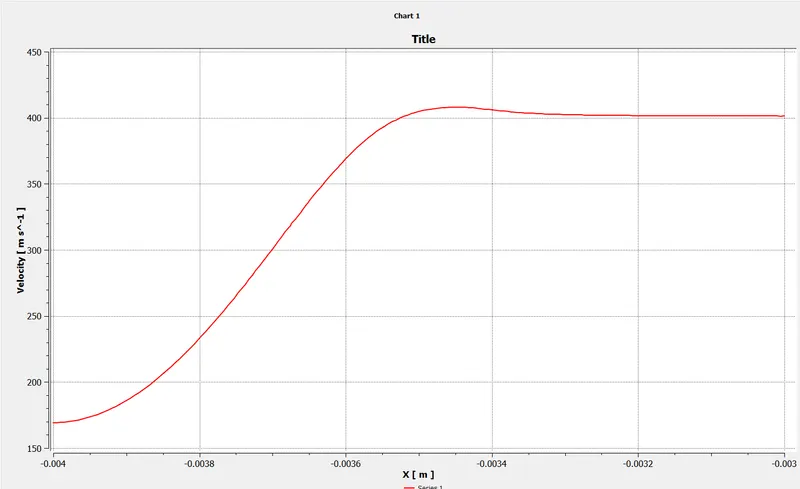
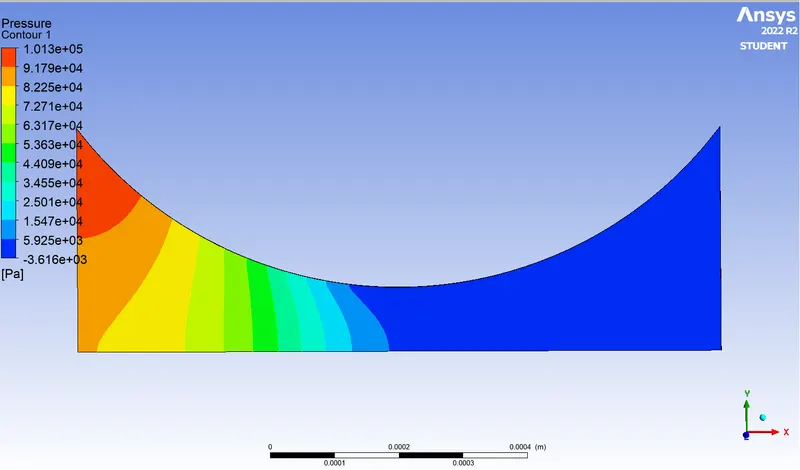
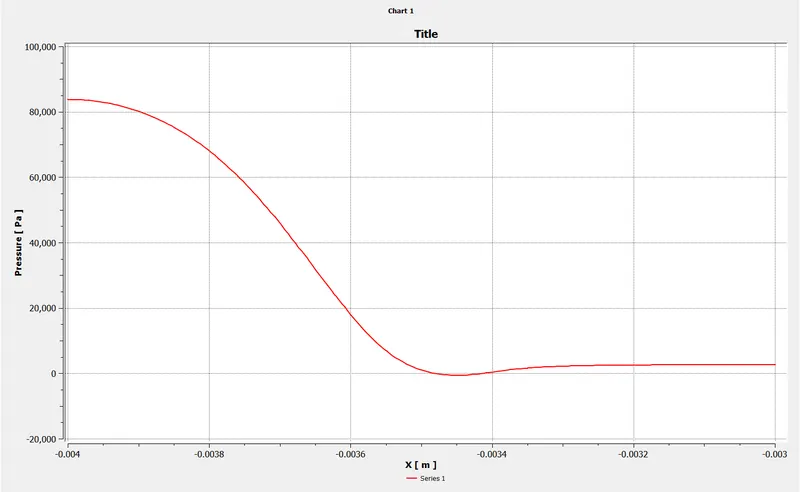
- The pressure, velocity and temperature variations across the domain
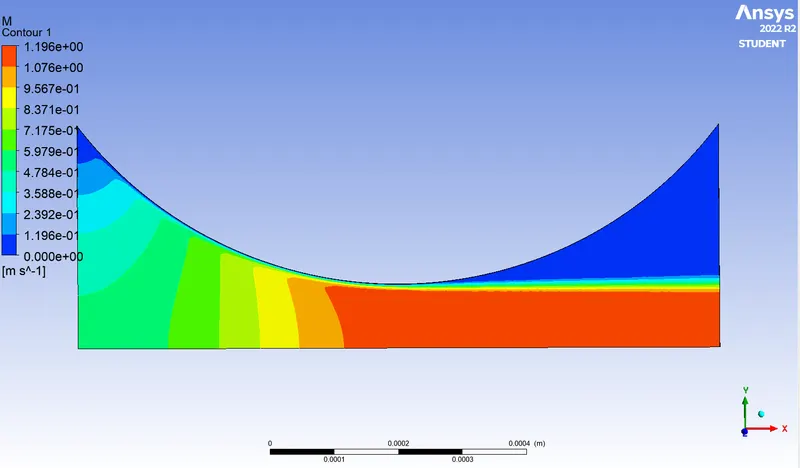
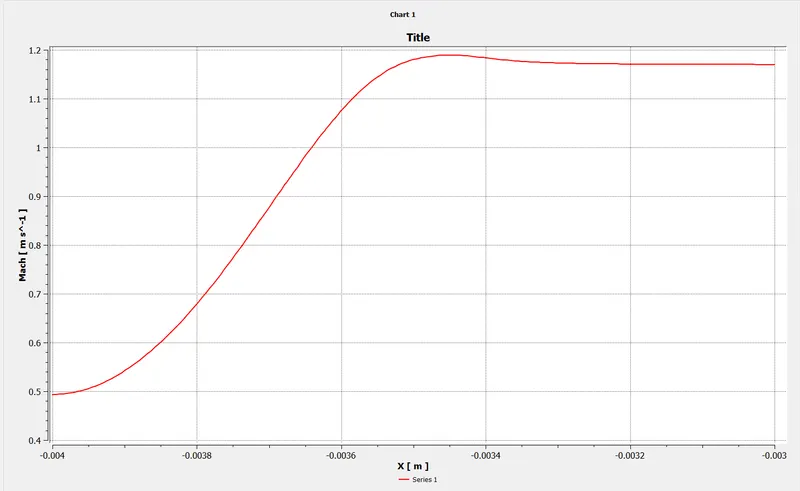
- The variation of Mach number across the domain and at what distance from the inlet does the flow become supersonic.
Geometry-
- Draw a 2d Sketch on the space claim of converging-diverging nozzle with the given dimensions.
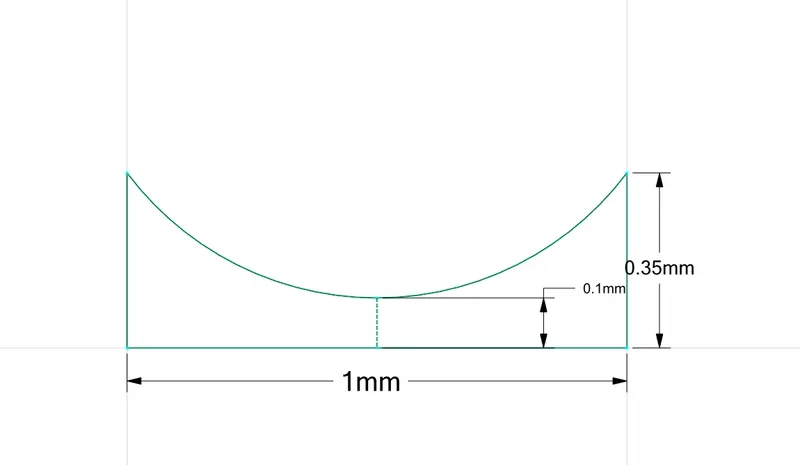
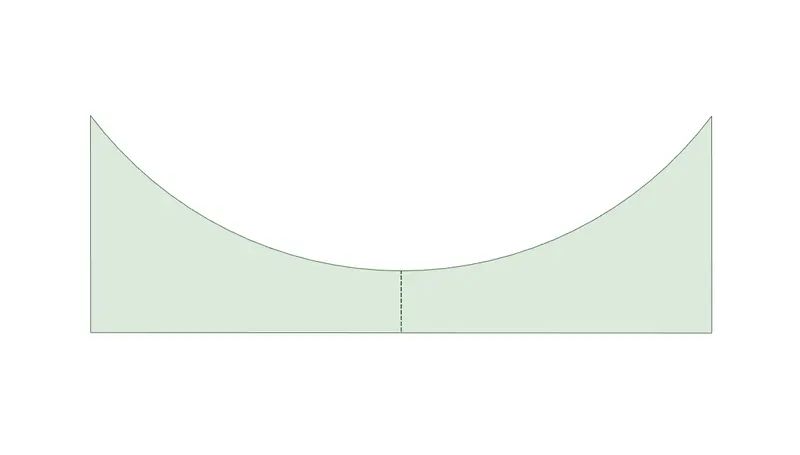
- Then use the “Pull” tool to extract surface of the 2d geometry.
Mesh-
- Name the edges by selecting the using “Named Selection”.
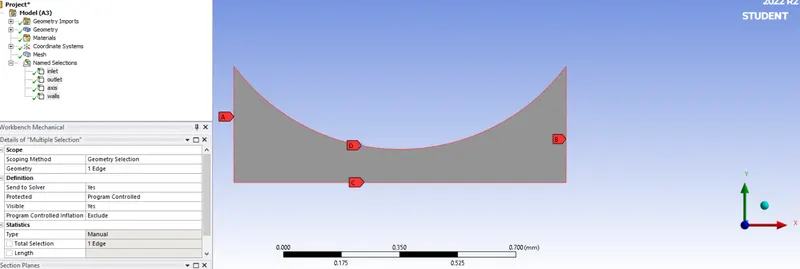
- And mesh the geometry using the element size=0.002
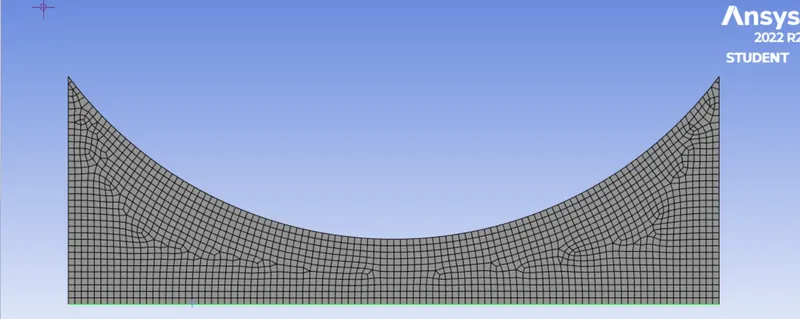
Setup-
- For fluent Analysis-
Steady-state analysis
Solver - Pressure based
Velocity Formulation- Absolute
- Viscous Model – Laminar
- Boundary conditions =
Inlet – Pressure Inlet = Gauge pressure – 1atm(101325Pa)
Temperature -300K
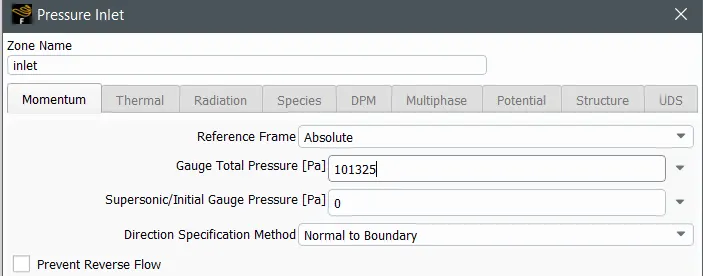
Outlet - Pressure Outlet = Gauge pressure – 0.027atm(2735.775Pa)
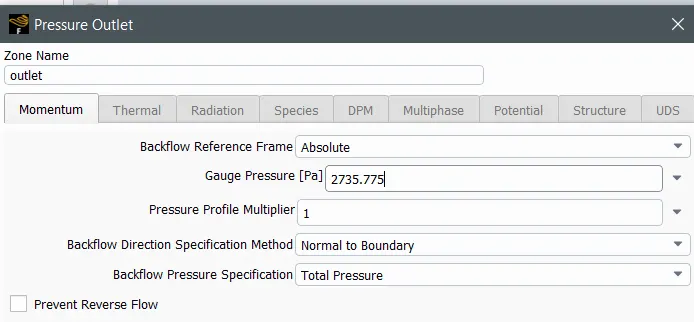
- No of iterations = 250
Result-
The solution got converged near the 110th iteration.
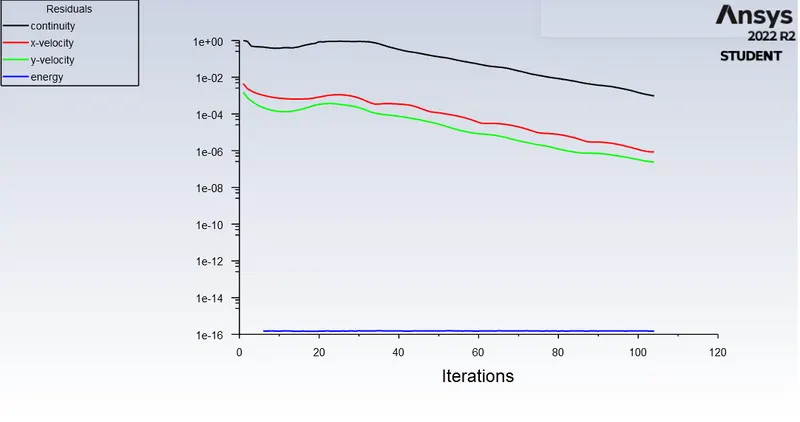
For the Result, we go to the CFD post and construct a line between the geometry to take the readings around it.
Velocity contour
Pressure Contour
Mach NUmber Contour
Conclusion-
- With this simulation, we came to know how pressure, velocity and Mach number behave around the geometry of the converging Diverging Nozzle.
- We have also seen the changing mach number with changing the area of the nozzle. and also noted that at what point the mach number changes.