Week 2 - Converging diverging nozzle
Aim: To perform flow simulation through converging diverging nozzle .
Objectives :
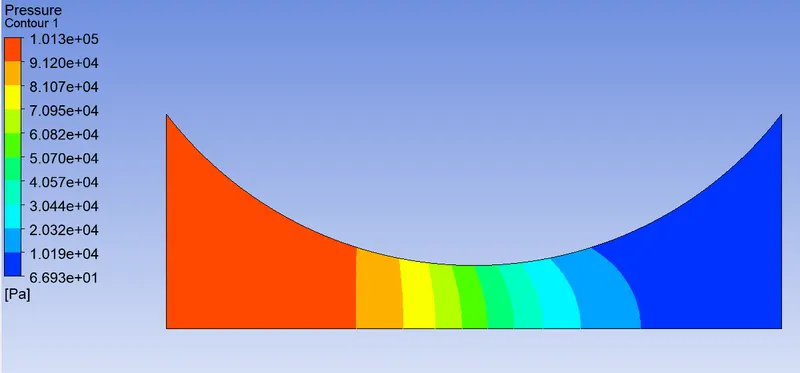
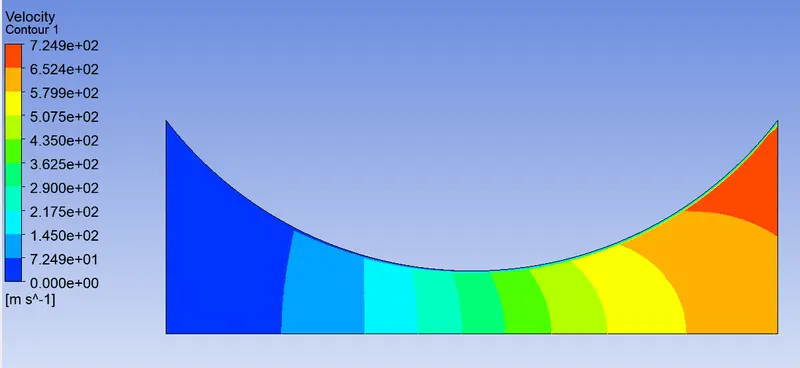
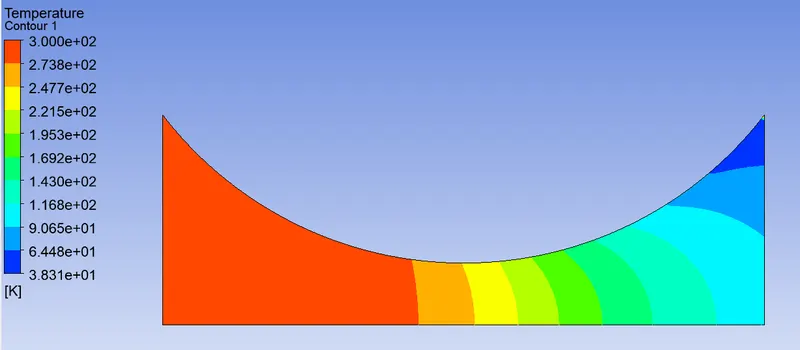
- To plot the pressure, velocity and temperature variations across the domain
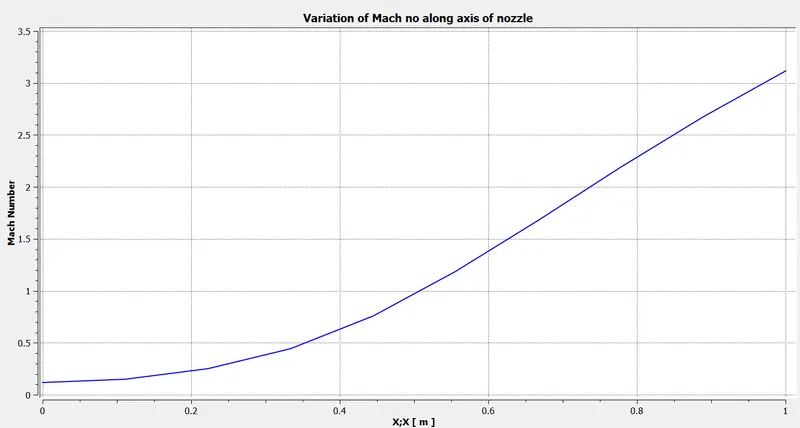
- To plot variation of Mach number across the domain and at what distance from the inlet does the flow become supersonic.
Theory :
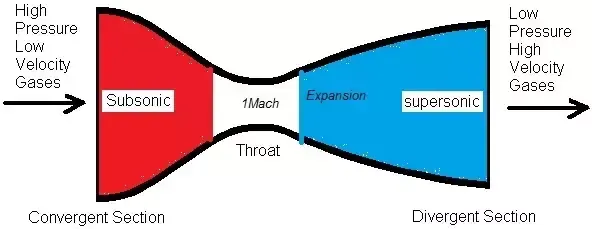
A convergent divergent nozzle is a used to accelerate a compressible fluid to supersonic speeds in the axial direction,by converting the thermal energy of fluid into kinetic energy .It is widely used in some types of steam turbine .It also used in supersonic jet engines.
It consist of convergent,Divergent,Throat section as shown in fig below:
Procedure :
Step 1) Geometry :
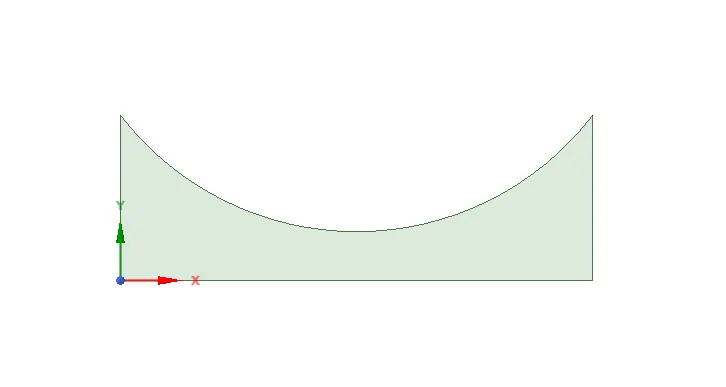
Geometry is created in ansys spaceclaim as per given dimension:
Step 2) Mesh :
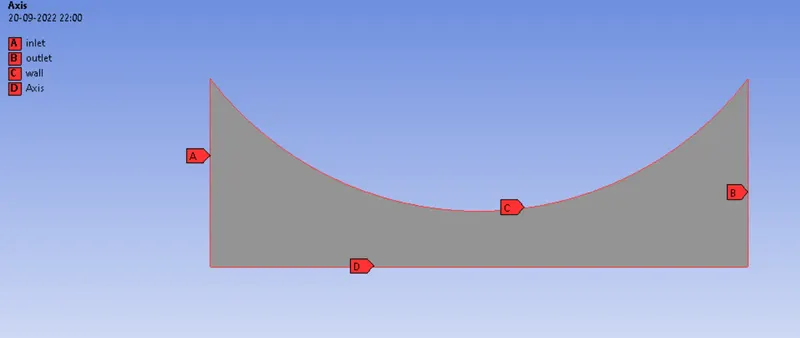
Boundary name selections:
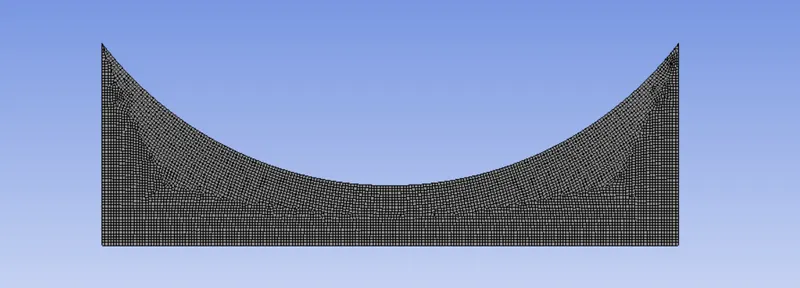
Mesh :
Element quality :

Step 3) Set up and solution:
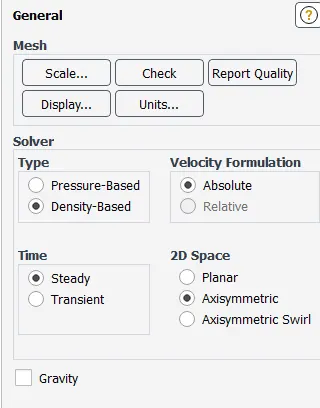
Energy : On
Turbulance Model : Inviscid
Material : Ideal gas (Air)
Boundary condition :
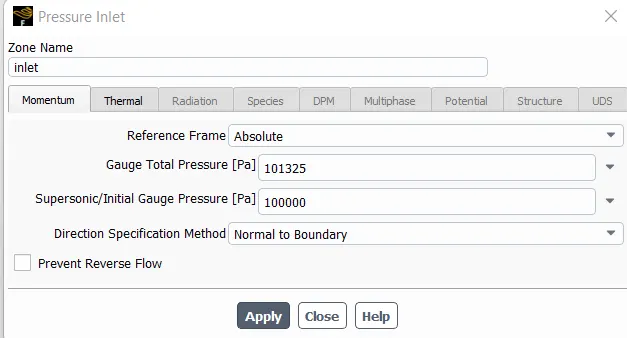
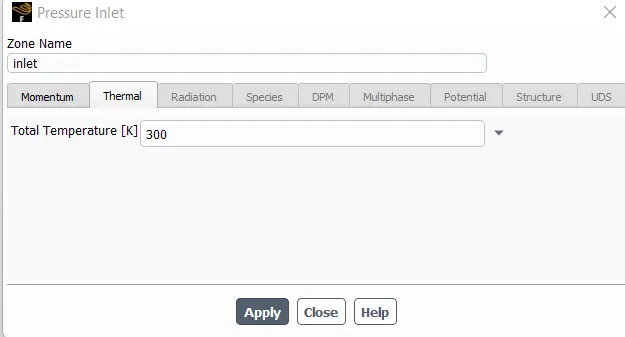
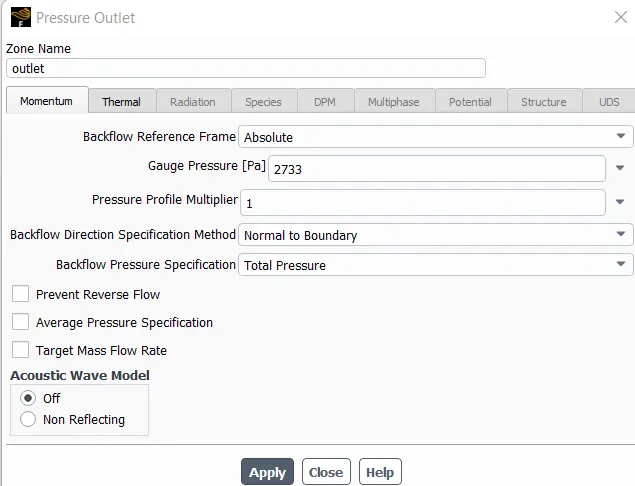
Axis : Type:Axis
Wall : Type :Wall
Step 4) Results:
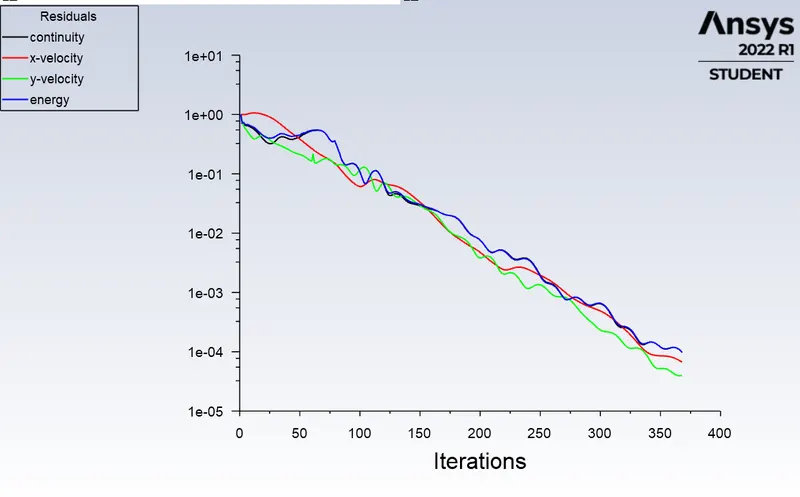
Residual plot:
Pressure contour:
Velocity Contour:
Temperature Contour:
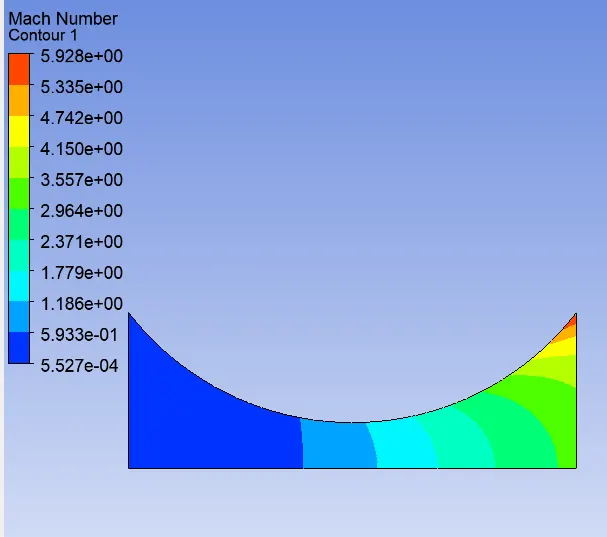
Mach Number contour plot:
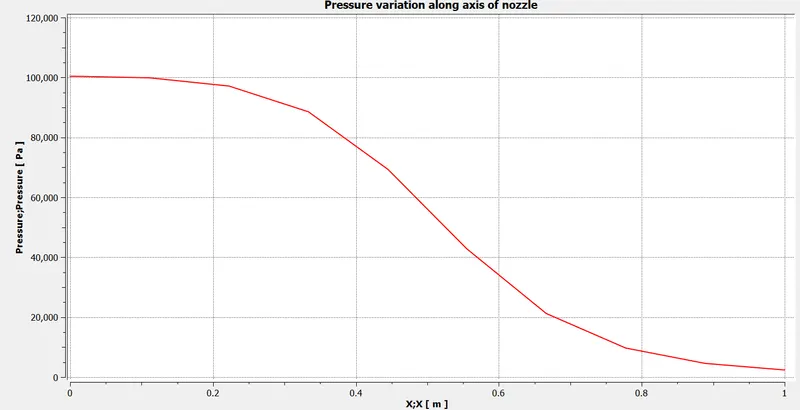
Pressure variation along axis of nozzle:
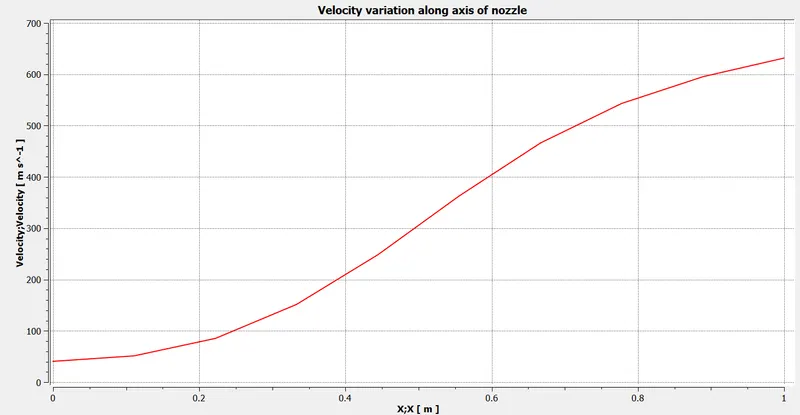
Velocity variation along axis of nozzle;
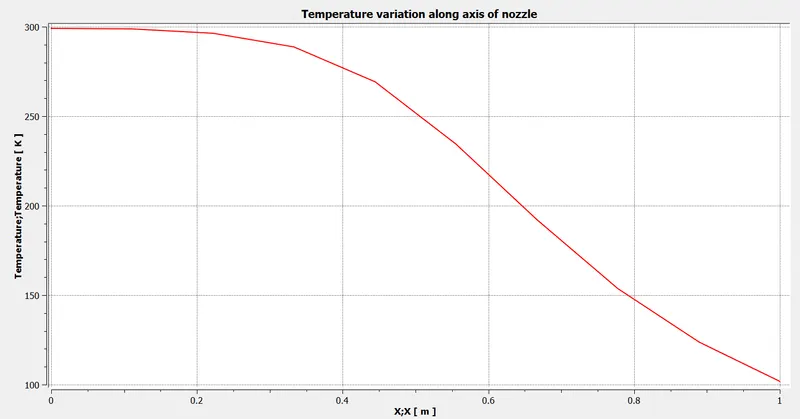
Temperature variation along axis of nozzle;
Variation of Mach number along axis of nozzle:
Conclusion:
- From above plot we can see the mach number is < 1 at distance < 0.5 m from the entrance of nozzle this the subsonic flow.
- The mach number is 1 at distance 0.5 m from the entrance of nozzle this the sonic flow.(M=1)
- The mach number is > 1 at distance > 0.5 m from the entrance of nozzle this the supersonic flow.
- We know the equation for the isentropic flow of a fluid through a nozzle as:
`(dA)/(A) =-(dC)/(C) (1-M^2)`
This equation govern the shape of a nozzle in subsonic or supersonic isentropic flow,Here A and C are positive quantity
We conclude the following :
- For subsonic flow M<1 , `(dA)/(dC` < 0
- For supersonic flow M > 1, `(dA)/(dC)` > 0
- For sonic flow M = 1,`(dA)/(dC` = 0