Week 2 Challenge
AIM :-
In week 2 we learn open foundation related data as here we learn about
Shallow foundation parameters
Sub surface exploration
Type of shallow foundation
Loads & stability
Design parameters
Construction parameters
Now here we get the an Abutment which site parameters which are given and we calculate the
1.Loads as per IRC-06
2.Clauses for loading
3.Check Sliding And overturning
4.Design Stem,heel & Toe
5.Detail of Reinforcement for foundation and wall
6.Drawing for foundation
7.Bore hole location and its depth
8.parameters for shallow foundation
9.Bore log sheet
10.Type of soil
Introduction :-
In the foundation studies ,here we briefly studies about shallow foundation.Here we start with site exploration which will deside the type of foundation.After that we deside the type of shallow foundation. then we apply the load and combinations as per IRC -06. With loading we also check the stability againts sliding and over turning of founation in open foundation.After that we check the design parameters as per IRC-06,78 as well as 112 .
Procedure :-
Here we find out the desire values as per squance as
1.Loads and Clauses as per IRC-06
As per IRC -06 load will apply on open foundation are-
A.Dead load :-
Self weight of super structure and other load rest on super structure will tranfer to foundation with the help of sub structure. Dead load is major load on foundation and it play an major role in design of foundation.
B.Live Load :-
As per IRC -06 an live load on super structure also tranfer into foundation in form of vertical load and bending moment in both direction .Brief details are given in IRC-06 in clause 204.
C.Impact load :-
An impact load due to breaking ,collosion on bridge .
D.Wind load :-
On bridge wind load depends upon the type of structure and loacation as per IRC -06 given location wind speed and wind speed convert into force with the given formula in IRC -06 .
E.Water current Force :-
Bridge which are sea or in water way there water presure force will act on bridge as horizontal load on pier will de consider as IRC -06 .
F.Centrifugal Force :-
The bridge which are construction at curve location there will consider the centrifugal force on bridge . the force centrifugal shall be consider as per IRC -06 on bridge .
G.BUOYANCY :-
As per IRC 06, In the design of abutments, especially those of submersible bridges, the effects of buoyancy shall also be considered assuming that the fill behind the abutments has been removed by scour.
H.EARTH PRESSURE:-
As IRC-06 ,Earth pressure play an import role in design of bridge.
I.Temprature :-
As per IRC -06 change on temp make effect on bridge due to shrinkage and expandation of bridge .
J.Seismic load :-
Seismic load will effect as per Seismic zone in which bridge loaction . we need to consider the effect due to seismic load on bridge.
K.Barge Impact :-
Bridge Imact load only consider only those bridge which are effect due to Barge on bridge structure as per IRC-06 .
L.Snow Load :-
In snow area bridge ,snow has play an important roll play during design . As per IRC We consider snow load .
Mostly these above given load shall be consider during desiging work .
3.Ckecking Sliding And Overturning :-
As here some data are given of Abutment on which we need to ckeck sliding and overturning as,
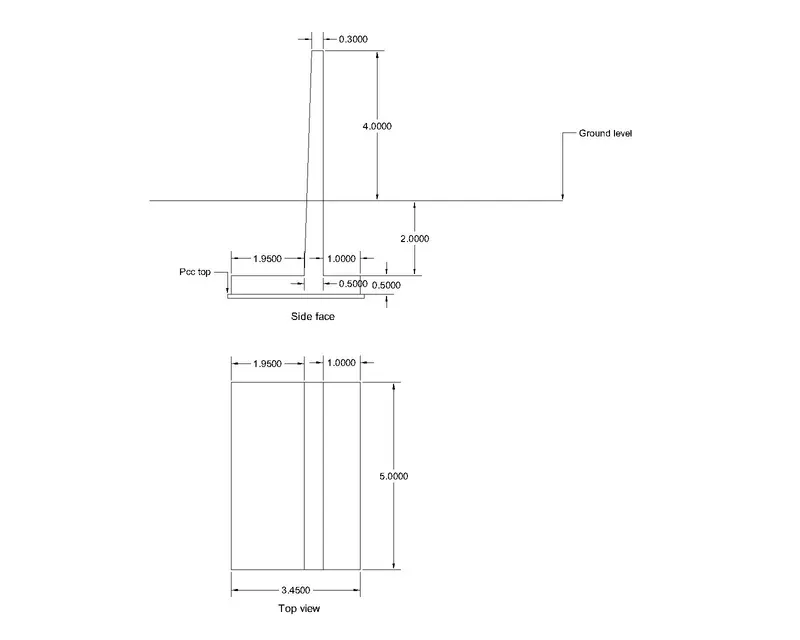
1.Abutment wall height -4m
2.In Ground -2m
3.SBC of Soil -200kn/m3
4.Soil density -20kn/m3
5.coefficient of friction -0.50
6.Ecentricity -0.3m
Let assume some data as
Raft thickness -0.5m
TOE of raft -1m
Heel -1.950m
Wall bottom thickness -0.5m
Wall top thickness -0.3
surcharge angle -0 degree
Angle of internal friction of soil -30 degree
Angle of inclination of wall from vertical face -90 degree
Angle of friction b/w wall and soil -20 degree
4.Design Stem,heel & Toe :-
5.Detail of Reinforcement for foundation and wall:-
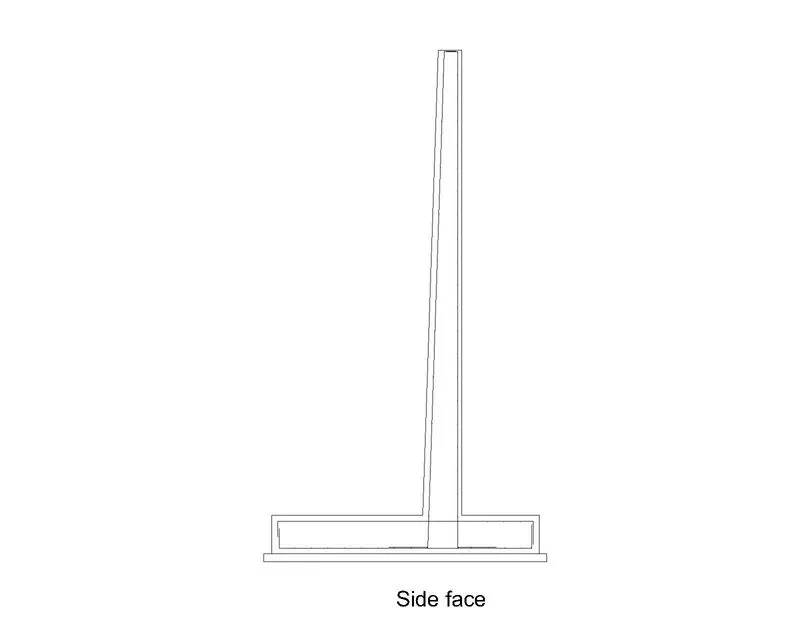
6.Drawing for foundation :-
7.Bore hole location and its depth:-
For soil investigation of strucuture we need each and every location bore for accurate soil srata of foundation location . And depth of bore its depend upon soil stara.its varies from 8-35m .
8.parameters for shallow foundation:-
Before final shallow foundation ,here we need to check these parameters which are such as ,
1.Structure stability :-
When we select the shallow foundation first of all we need to check the stability of structure,if soil unable for bear the load due to structure if will be fail.so soil exploration is most important part of shallow foundation .
2.Durability :-
Any structure should be durable.
3.Economy :-
Economical is most part of any type of foundation, so select any type of foundation economy should be check .
9.Bore log sheet:- Please find attached copy of pdf of my site soil investigation report
10.Type of soil:-
There are different types of soil based on the physical and chemical properties of soil. Based on the formation, description, and classification of soils in the natural environment, the study of soil is called Pedology.
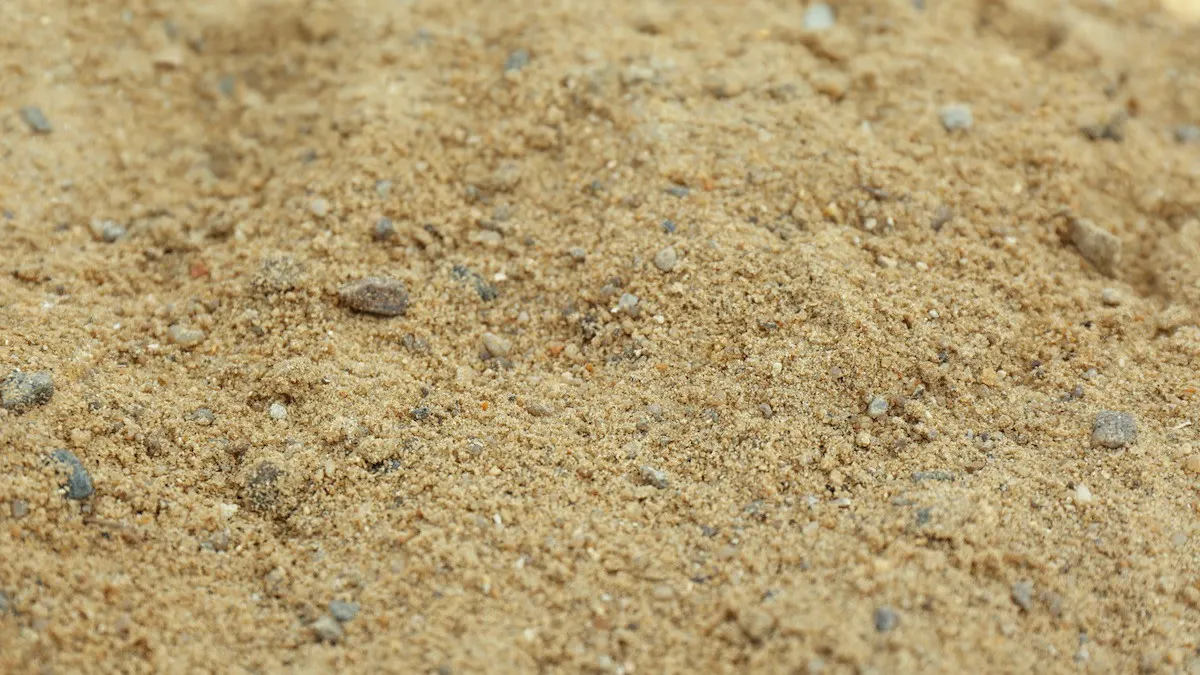
A.sandy soil:-
It is brittle and gritty when touched and this is because of the huge spaces present between the particles. Also, it has low water holding capacity. The draining of water is so quick that water even does not reach the root of the plants. As there is a quick running of water plant does not get the chance to get the nutrients efficiently.
B.Silty soil:-
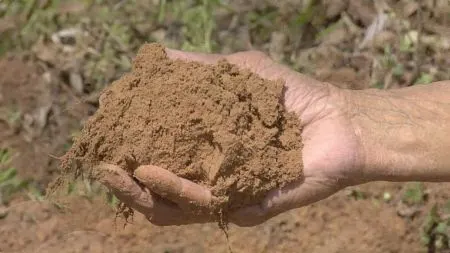
If compared to sandy soil, silty soil is usually smaller in size and so they are smoother and it becomes soapy slick when moistened. It also has rock and other mineral fragments. Its water-holding capacity is better than sand because of its fine texture. It is also good for agricultural activities because of its characteristics.
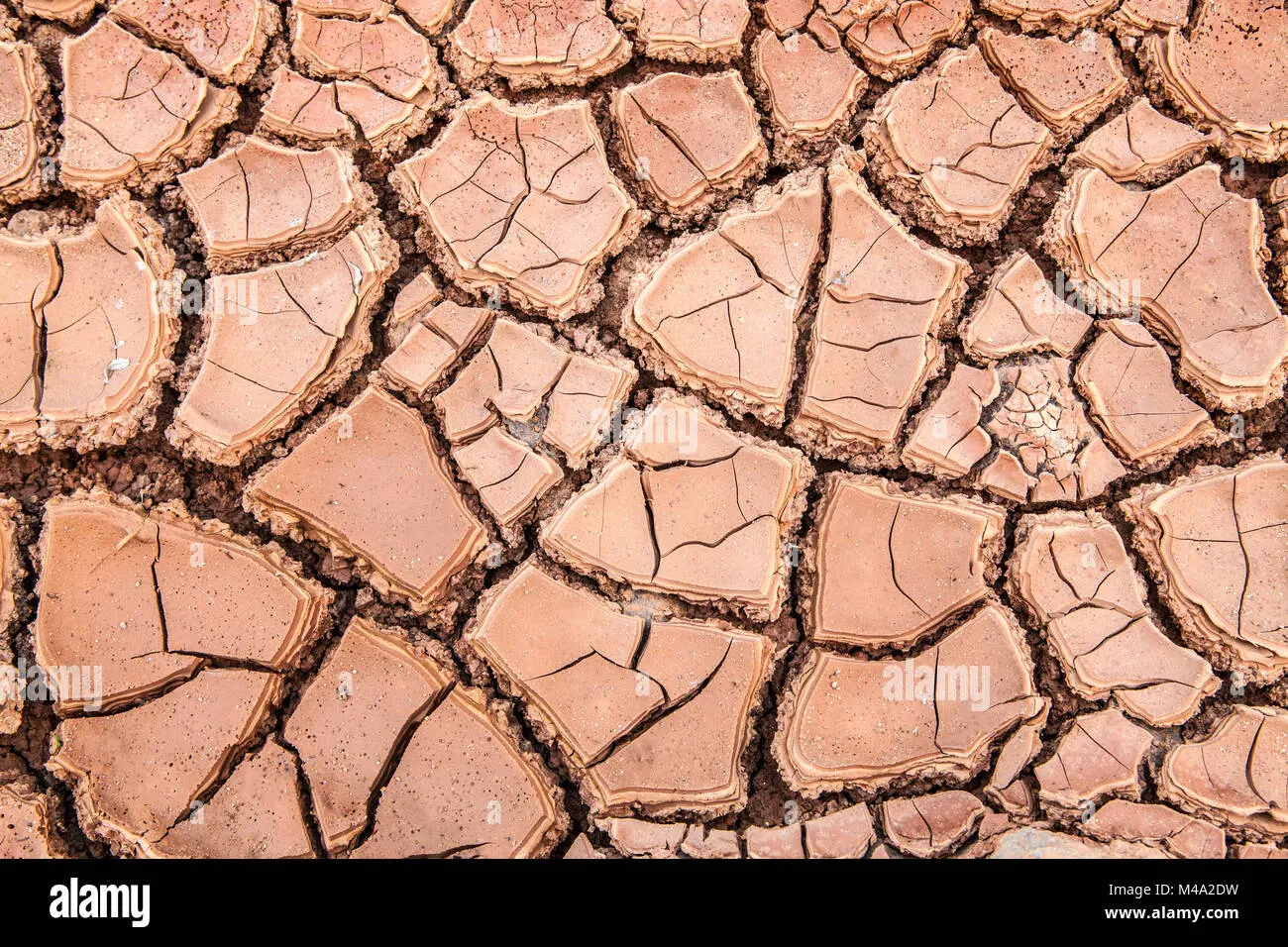
C.Clay soil:-
Clay is a type of fine-grained natural soil material containing clay minerals. Clays develop plasticity when wet but can be hardened through firing.
D.Loam:-
Loam is soil composed mostly of sand, silt, and a smaller amount of clay. By weight, its mineral composition is about 40–40–20% concentration of sand–silt–clay, respectively.
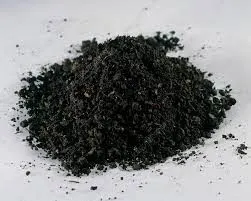
E.Peat:-
Peat is an accumulation of partially decayed vegetation or organic matter. It is unique to natural areas called peatlands, bogs, mires, moors, or muskegs.