Week 2 Challenge
Quetion (1) :- Type of loads applied on bridge as per IRC 6
1) Dead Load & SDl :-
- Dead Load is nothing but seft wt. of bridge element. there are many type of element which bridge have like. Deck, parapet wall, bitumen leying on deck, railing and other utility etc.
2) Live Load as Per IRC :-
Live Load on bridge means vehicle running on bridge or pedestrains throught out it's lenght, as per IRC 6 vehicle load are mainly classify in three type of loading.
- IRC class AA ( Wheeled or Track)
- IRC class A ( Wheeled)
- IRC class B (Wheeled)
3) Live Load as per IRS :-
- Train running on bridge deck through out the lenght, That train load we have to consider from IRS ( Indian railway standerd )
4) Earth Pressure load :-
The minimum value of lateral earth pressure exerted by the soil on the structutre, occuring when the soil is allowed to yeild sufficient to cause it's internal shearing resistance along a potential failure surface to be completed mobilized.
There are three type of earth pressure.
- At rest earth pressure.
- Active earth pressure.
- Passive earth pressure.
5) Wind Load :-
- Pressure applied on the bridge structure due to wind is called as wind Load. wind load is also important factor for bridge design.
- Indian Code for calculating wind load is IS 875 part 3.
6) Seismic Force :-
- Seismic force is nothing but earthquake load which is coming from ground horizontally or sometime vertically. When bridge is constructed in sesmic zone this load must be consider.
- Indian is mainly divided into 5 seismic zone & Code we have to reffer for seismic load is IS 1893 part 3 ( 2016).
7) Water Current Load :-
- When bridge is constructed across the river the. some part of the bridge is submerge under the water like ( substructure). The water current induces horizontal forces on submerge prtion this forces is called as water current load.
- For calculating water current load clauses are given in IRC 6.
8) Centrifugal Forces :-
- The apparent force that is felt by an object moving in curved path that act outward away from the center of rotation.
- When ever vehicle move from curvature path of bridge then centrifugal load act on in. Calculation clause are given in the IRC 6.
9) Wave Force :-
- Wave force is nothing but load occure by the sea wave which is impacting on bridge horizontaly.
- Indian code book for calculating the Wave load is IS 4651 part 3.
10) Temperature Load :-
- Due to daily and seasonal fluctuations in shade air temperature some stress occure in bride structure due to temperature load.
11) Snow Load :-
- Some amount of snow collected on the surface of bridge deck, then this snow create some downward forces this forcess is called as snow load.
- For snow load indian code is IS 875 part 4.
12) Barge Impact load :-
- Suddenly force which is created by the big ship or barge ship which is acting horizontly on bridge structure this load is called as barge impact load.
13) Utility Load :-
- Many material is place over the bridge like lighting pole, pipe, electric wire etc. this material load is consider as utility loads.
14) Impact Force :-
- Impact force on bridge is due to sudden load which is cause by the vehicle moving on the bridge.
15) Longitudinal Forces :-
- The Longitudinal force cause by the breaking or accelerating of vehical on the bridge. When the vehical stop suddenly it create longitudinal forces on bridge.
For checking overturning and sliding of abutment we have refer IRC 78
For open foundation and wll foundation resisting on soil, the alliowable bearing pressure on ultimate bearing capacity may be taken as 2.5 for soil.
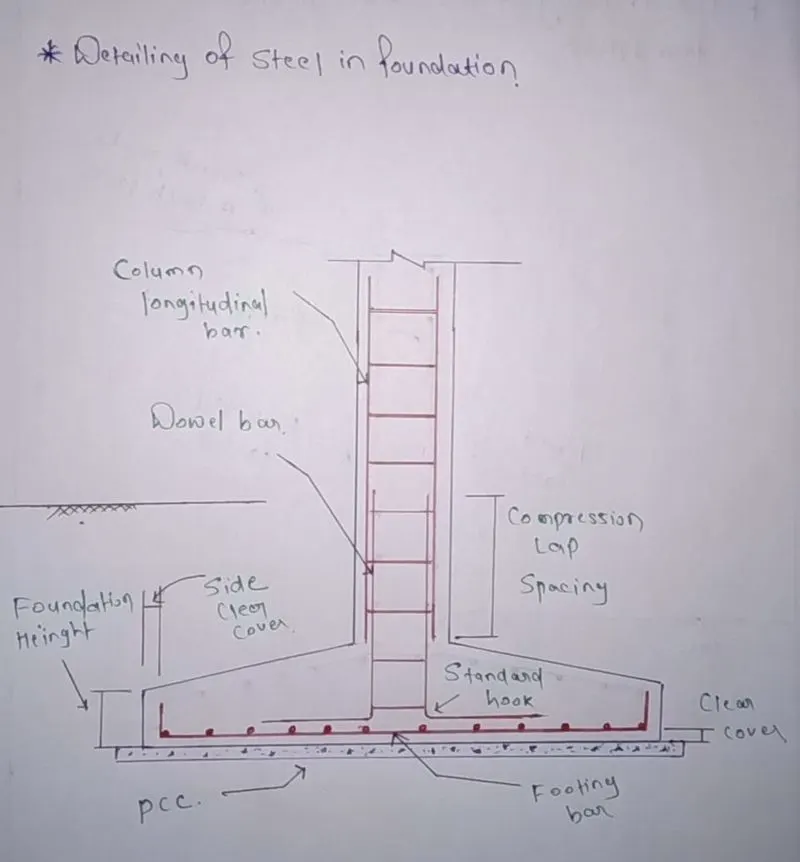
* Detailing of steel in Foundation.
Question (2) :-
A deep hole or narow hole made under the ground which is made to check the property of soil is called as borehole. loacation of the borehole we decide near the foundation which we constructed later on we need to know the property of soil below the foundation. we have to explore soil upto hard strata, at which depth we are getting hard strata below soil bed that we need to consider. shallow foundation shall be kept below 2 meter from ground strata.
Depth of borehole for shallow foundation we have to take width of foundation X 1.5 .
Consider,
Width of foundation is 6 meter then
= 6 X 1.5
= 9 meter ( Depth of Borehole)
Thing we are getting from tha site is :-
- Topography of ground surface.
- HFL level of water in case bridge is submerge under the water.
- Hydrological data.
- Type of soil below the ground level ( Soil testing report).
- Traffic data.
Thing we are getting from geotechnical investigation reportL :-
Geotechnical investigation made by geotechnical engg. to obtain the information of soil under the ground surface.
From the report we get -
- Nature of soil and it's property.
- Depth suitable for bridge structure.
- Bearing capacity of soil.
- Settlement of the soil upto what depth.
- Location of water table below the ground surface.
- Density of soil and other parameter.
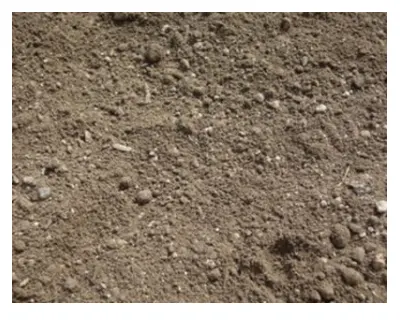
Type of soil and their chateracteristic
1) Clay Soil
- Particles are tightly pack togethe. It can hold water and become sticky when wet. It is made up of fine particles of rock.
- Clay is made of over 25 percent clay, and because of the spaces found between clay particles, clay soils hold a high amount of water. Clay expand when in contact with water and shrink when getting dry. Compared to sand particles, which are generally round, clay particles are thin, flat and covered with tiny plates. Organic clay is highly compressible and its strength is very high when dry, which is why it is used in construction as mud mortar.
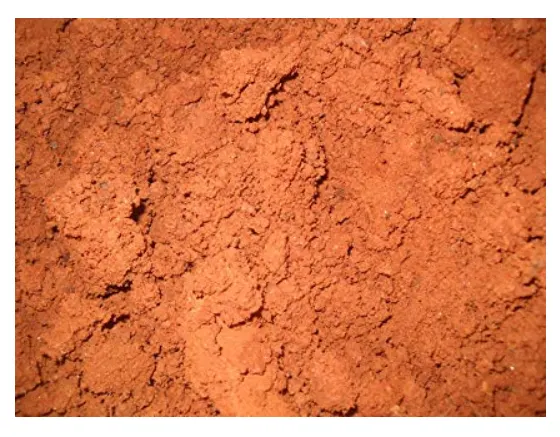
2) Loam Soil
- It is mixture of sand and clay. It has fine texture the soil can hold enough water and oxyen.
- The way the other particles combine in the soil makes the loam. For instance, a soil that is 30 per cent clay, 50 per cent sand and 20 per cent silt is a sandy clay loam, with the soil types before “loam” listed in the order their particles are most dominant in the loam. The labels “clay loam,” “silt loam” and “sand loam” are used to refer to soils that are composed predominantly of those ingredients.
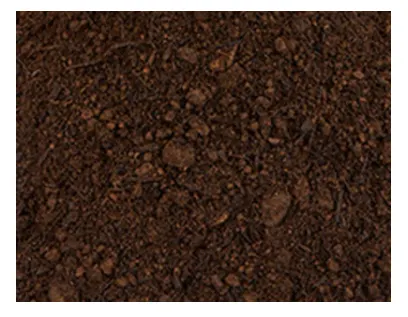
3) Sandy Soil
- Partial of soil are coarse and loses it didn't have capacity to hold the water.
- The particle size of course sand ranges from 2 – 4.75mm, Medium sand ranges from 0.425 – 2 mm and fine sand ranges from 0.075 – 0.425 mm.
- The particle shape is angular, sub angular, rounded, flat or elongated. The texture is rough, smooth, or polished.
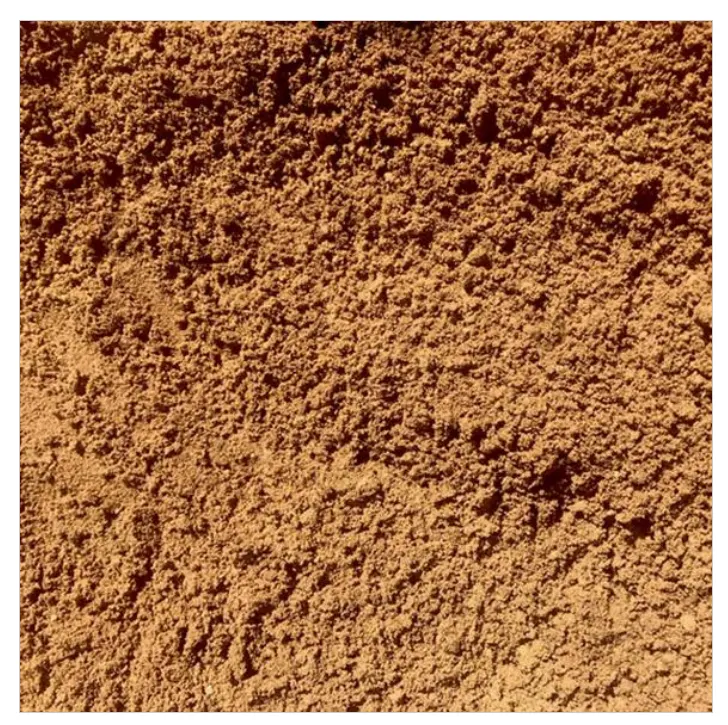
4) Silt soil
- Silt is a non-plastic or low plasticity material due to its fineness. Due to its fineness, when wet it becomes a smooth mud that you can form easily into balls or other shapes in your hand and when silt soil is very wet, it blends seamlessly with water to form fine, runny puddles of mud
- Silt is a sediment material with an intermediate size between sand and clay. Carried by water during flood it forms a fertile deposit on valleys floor. The particle size of silt ranges from 0.002 and 0.06 mm.
Type of Rock and there chateracteristic
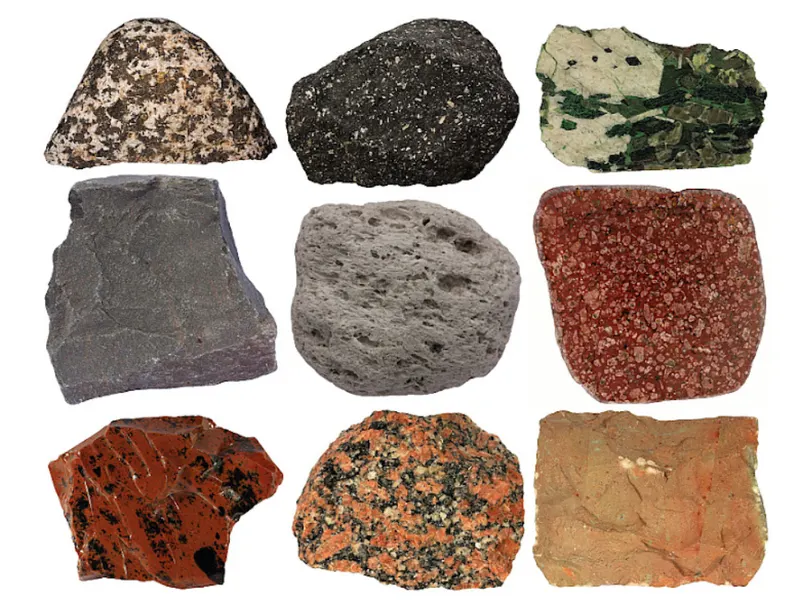
1) Igneous Rock
- Igneous rocks are defined as types of rocks that are formed when molten rock (rock liquefied by intense heat and pressure) cools to a solid state.
- The igneous form of rocks does not include any fossil deposits. If there are any chances of fossil deep inside the crust, it erupts out of the Earth’s surface and gets destroyed due to the sheer heat these rocks produce.
- Most igneous forms include more than one mineral deposit.
- They can be either glassy or coarse.
- These usually do not react with acids.
- The mineral deposits are available in the form of patches with different sizes.
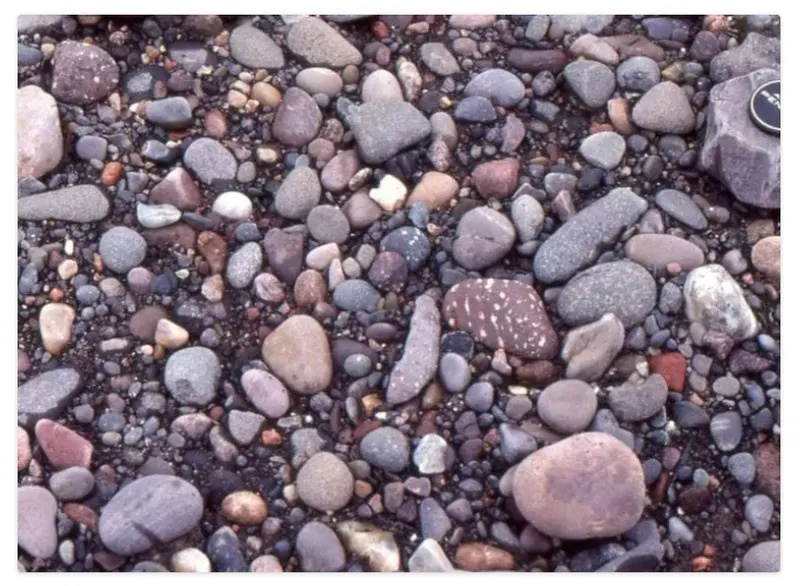
2) Sedimentary rocks
- Sedimentation is the combined name for all the processes that cause organic and mineral particles to get settle. The particle that helps in forming the sedimentary rock.
- Flint is a hard, sedimentary form of the mineral quartz.
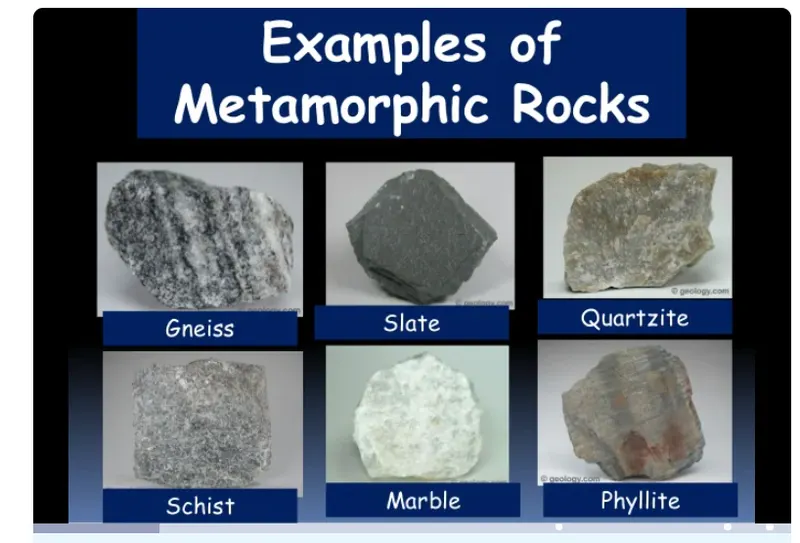
3) Metamorphic rock
- Metamorphic rock are formed when rock changes over a eriod of time due to lot of physical changes like pressure, hest and different chemica
- Cataclastic metamorphism occurs along with the tectonic plate faults where the rocks get rubbed with each other which results in the grain size reduction.
- Transformation of these rocks are classified as one which could not form non foliated rock and is of low grade.
- Circulation of rock results in huge number of mineral water chemical reactions which results in different kinds of precious metals and stones.
-