Simulink Model Of Doorbell Using Solenoid Block And Thermistor To Sense The Temperature Of A Heater & Turn On Or Turn Off The Fan.
Simulink model of Doorbell using solenoid block.
Objective:
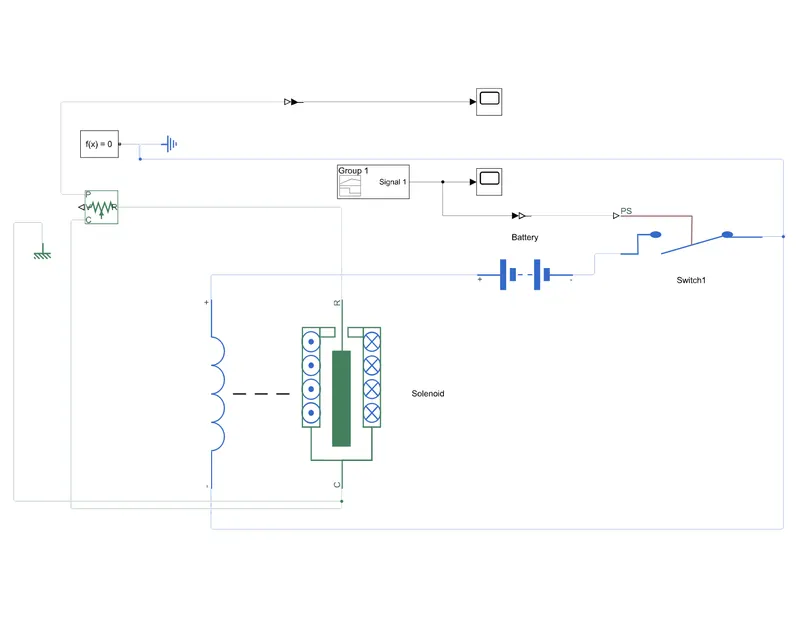
Observe the physical movement of the plunger, when the switch is closed for 2 seconds and then released.
Simulink model:
The working of an electric bell is based on the electromagnetic phenomenon, the electromagnet in an electric bell will create a magnetic field that attracts the iron clapper towards it. The clapper strikes the gong (bell). When the clapper strikes the gong, the current stops flowing through the circuit. This causes the electromagnet to lose its magnetic field. due to inertia this clapper connects back to the circuit again creating the magnetic field this happens very fast and the bell rings till the switch is ON.
Note:
instead of a clapper and gong, we are using a solenoid and an ideal translational motion sensor just to understand the working.
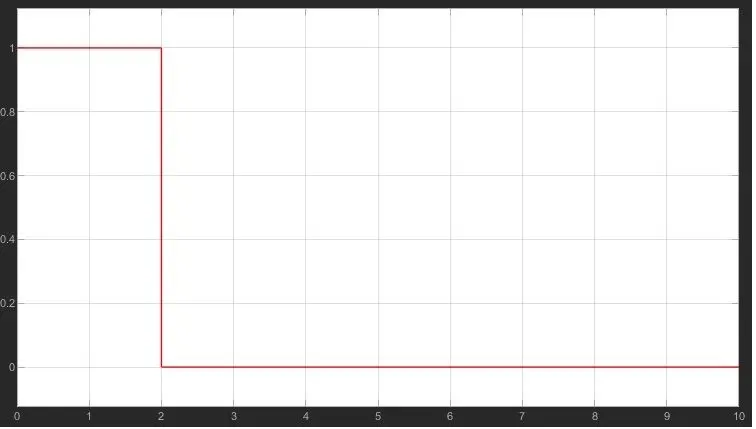
Input signal:
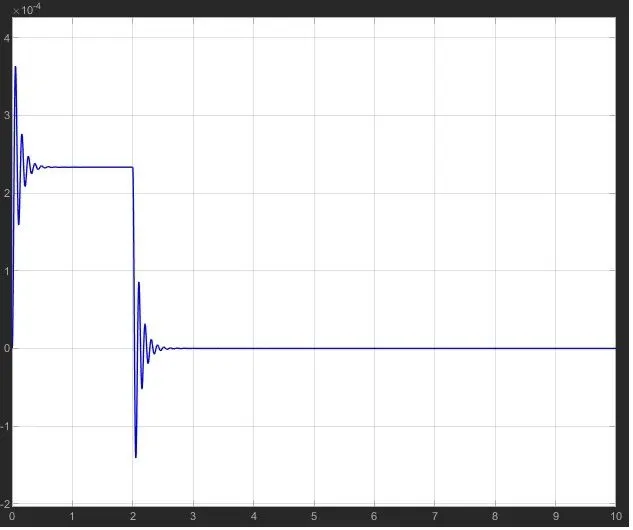
Output signal:
Description:
- we have measured movement in solenoid using an ideal translational motion sensor block
- the switch is closed when the input signal crosses the threshold value(0.5) of the switch and as given in the question the switch is made closed for 2secs and then opened/released
- using the scope connected to the ideal translational motion sensor we got the variation in the solenoid for the given input signal
- dc voltage source is applied to the solenoid for its working.
Result:
by observing the output graph/plot we can conclude there is variation in the solenoid between the initial 2secs of the input signal and hence the bell rings.
Thermistor to sense the temperature of a heater & turn on or turn off the fan.
Objective:
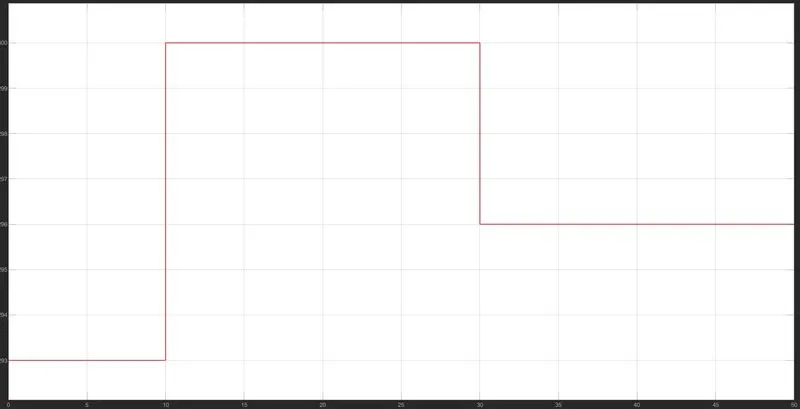
Temperature source: 20 °C from 0 to 10 seconds, 27 °C from 10 to 30 seconds, 23 °C from 30 to 50 seconds.
Fan conditions: ON if the temperature above 25 °C, OFF otherwise.
Simulink model:
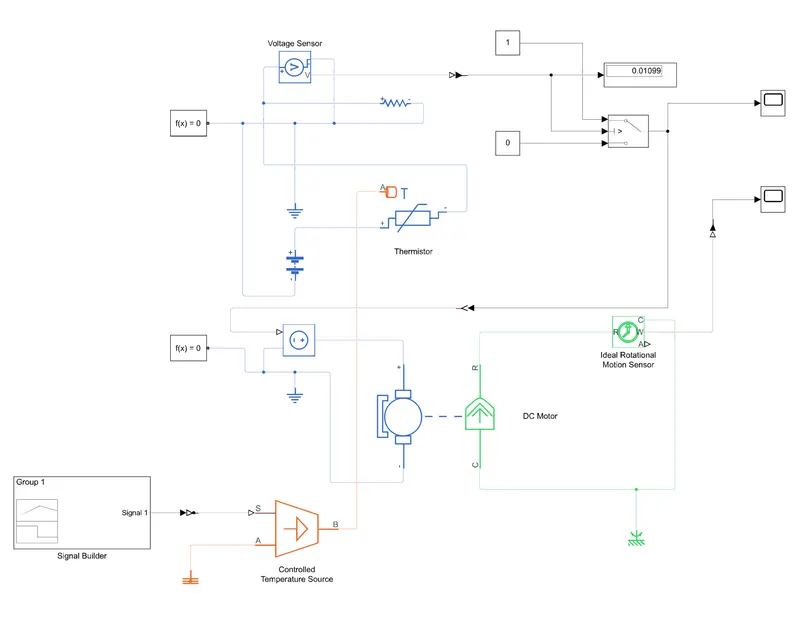
the following model is an appropriate example of the conversion of electrical energy into mechanical energy, thereby recording the value of the thermistor for a value above the threshold value the fan needs to be turned ON this is done by a DC motor and the speed of the fan is measured by an ideal rotational motion sensor.
note: we have used a controlled voltage source given to the dc motor, this block gives high output only after the triggering signal is passed from the switch.
Input signal:
The output of switch and fan rpm:
Description:
- the input signal is created using the signal builder block as per the question
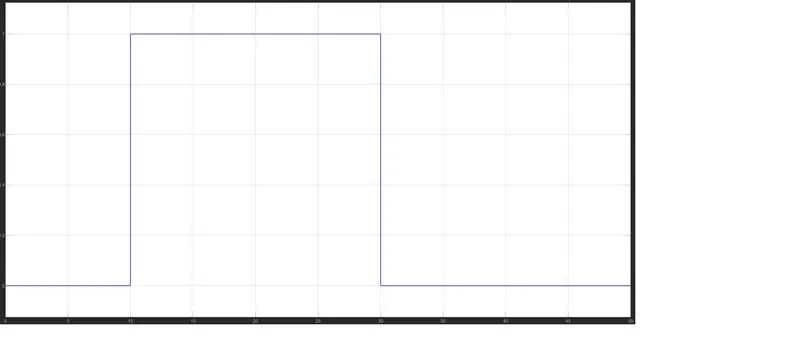
- using a controlled temperature source the input is fed to a thermistor for sensing the temperature and a switch is used such that it gives high output only for the value greater than the threshold value.
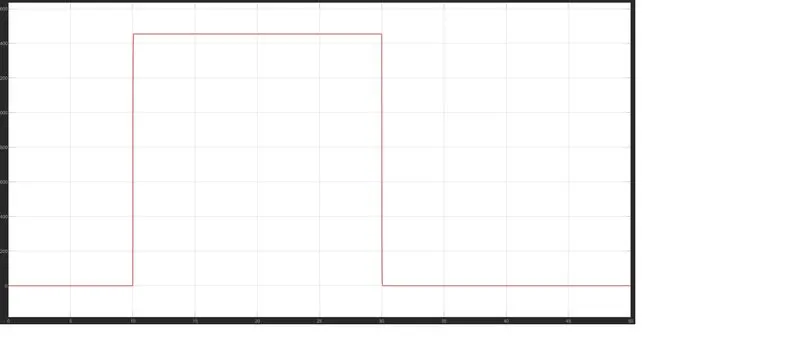
- the DC motor is turned ON only for the value greater than the threshold value and hence the fan starts to turn only after the temperature crosses the threshold value in this vase the threshold temperature as per the given question is 25degree celsius
- but in the given question we have used all ISU and hence kelvin is used.
Result:
by observing the output plot we can conclude the fan is turned ON only when the temperature crosses the threshold temperature and for a given time only.