Week 14 challenge
BUTTERFLY VALVE
- Butterfly valves are flow control valves that allow water and other liquids to flow through them by means of a disk-shaped plate that opens and closes. This valve is typically used in applications where pressure and temperature levels are high, such as in chemical, refinery and water treatment plants. Butterfly valves can be operated manually, hydraulically, pneumatically or electrically and are typically used for controlling and regulating the flow of liquids and gases.
OPERATING PRINCIPLE
- The butterfly valve operates by featuring a disk-like closure element with a rod through its axis. This disk is generally designed in a concave or otherwise curved shape, which makes it easier to shut the valve off.
- The disk is then placed in the middle of the pipe and a nut is used to secure it in place. To open the valve, the disk is turned in a 90°-angle, which causes the disk to hinge outward and allow the water or gas to flow through the pipe.
- To close the valve, the disk is simply turned back in the opposite direction until it is perpendicular to the pipe, blocking the flow.
COMPONENTS OF BUTTERFLY VALVE
- Valve body
- Lever handle
- Retainer
- Disc plate
- Nut
- Stem/Shaft
SOLID MODELS
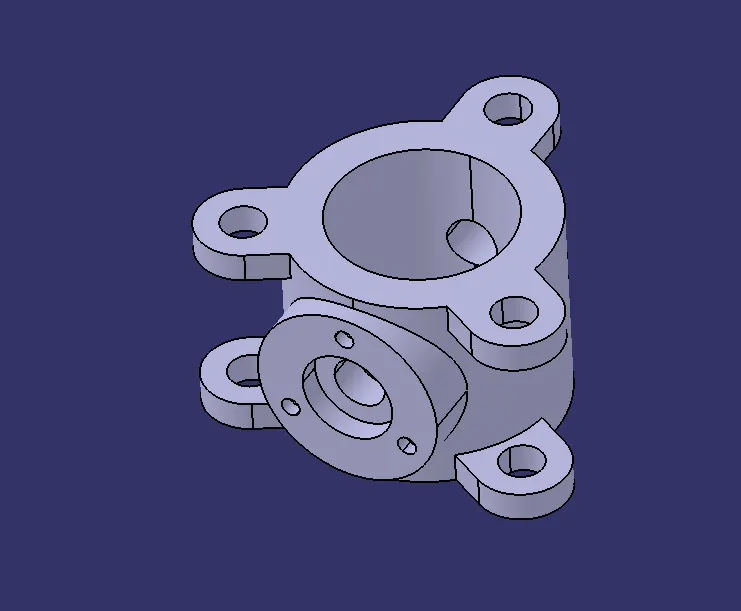
- Valve body
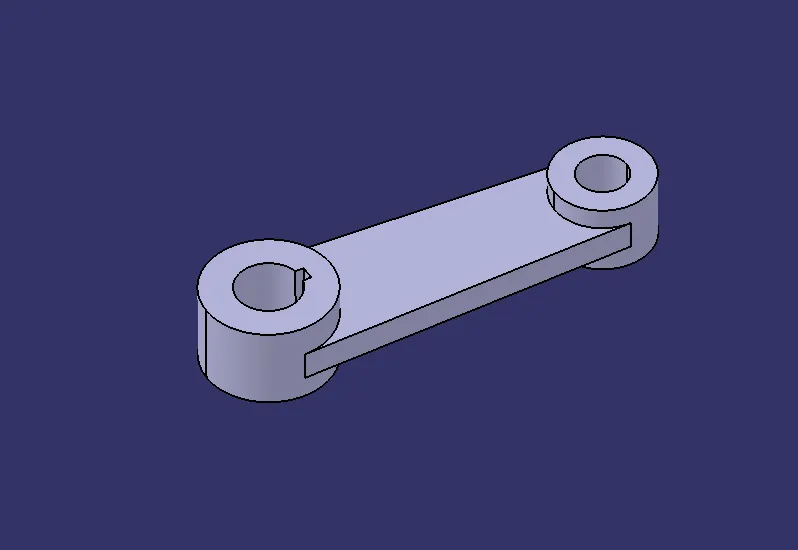
- Lever handle
- Retainer
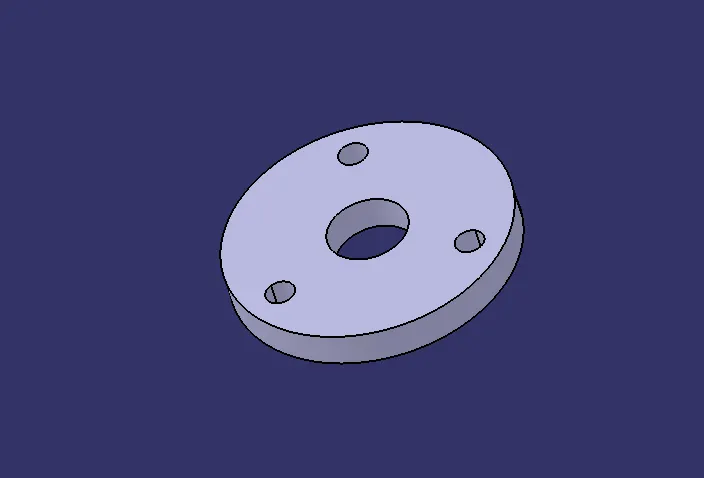
- Disc plate
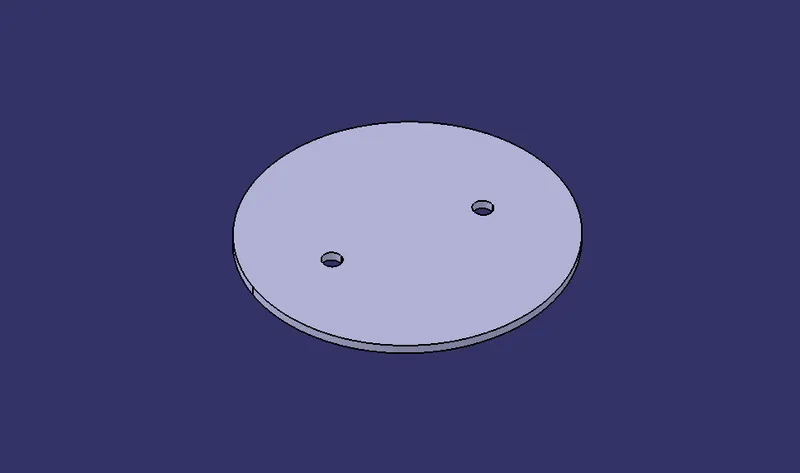
- Nut
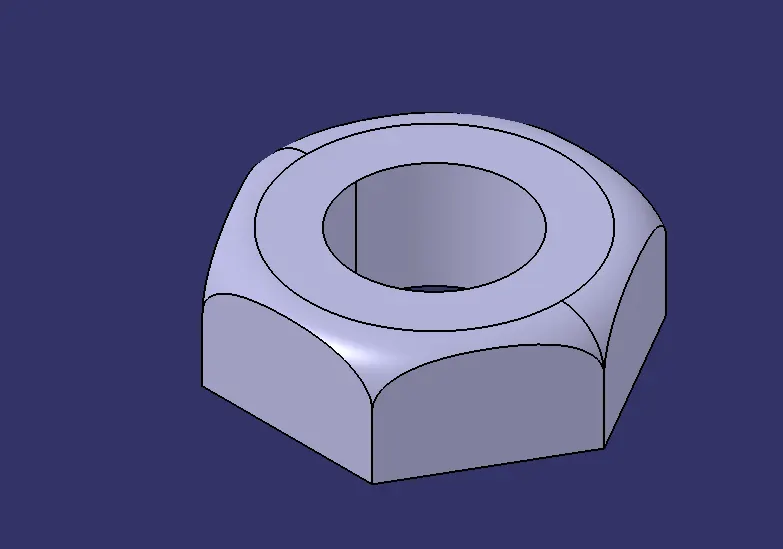
- Stem/Shaft
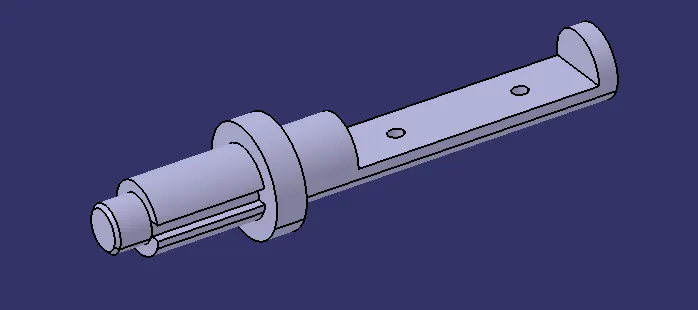
DRAFTING OF EACH PARTS
- Valve body
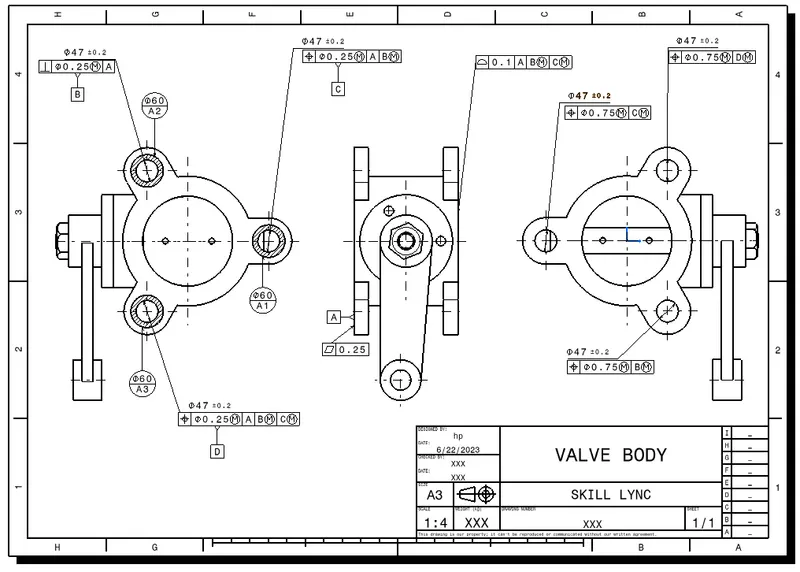
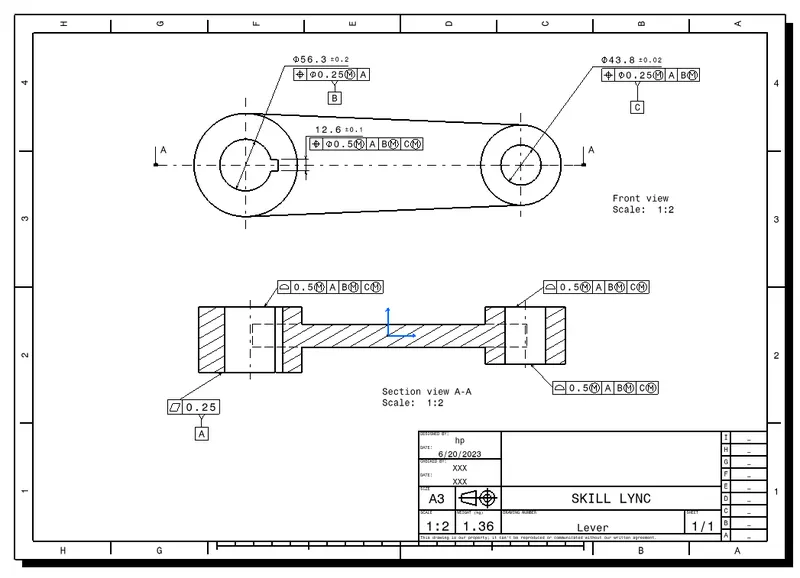
- Lever handle
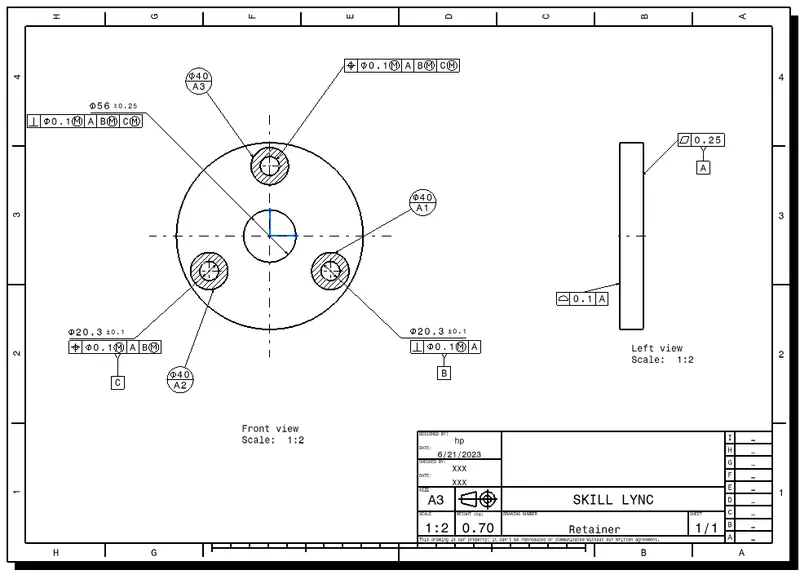
- Retainer
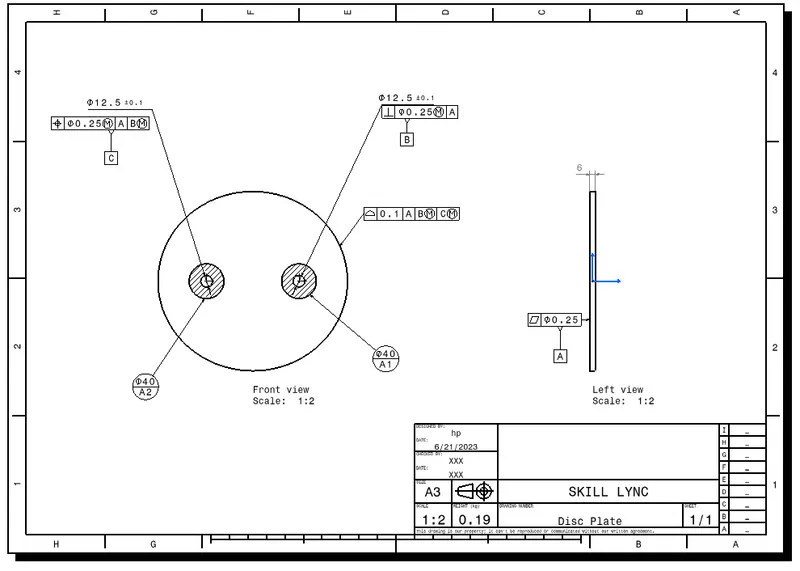
- Disc plate
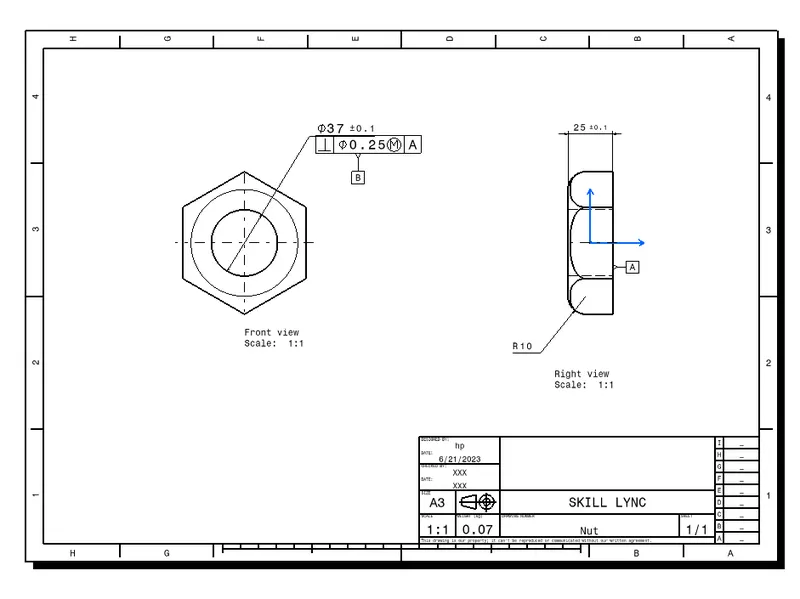
- Nut
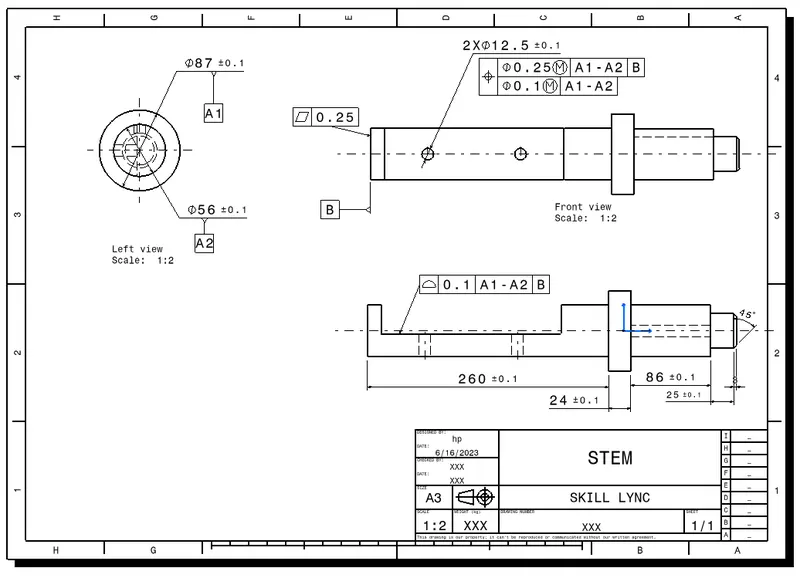
- Stem/Shaft
ASSEMBLY OF BUTTERFLY VALVE
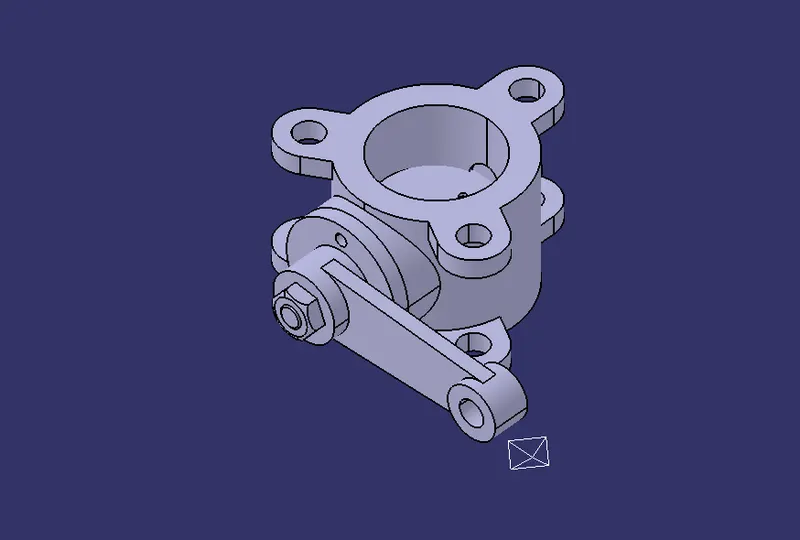
Isometric view
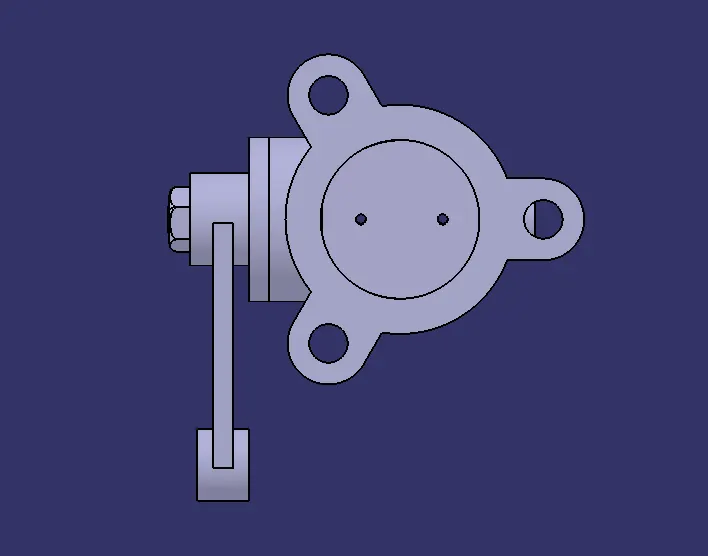
Front view
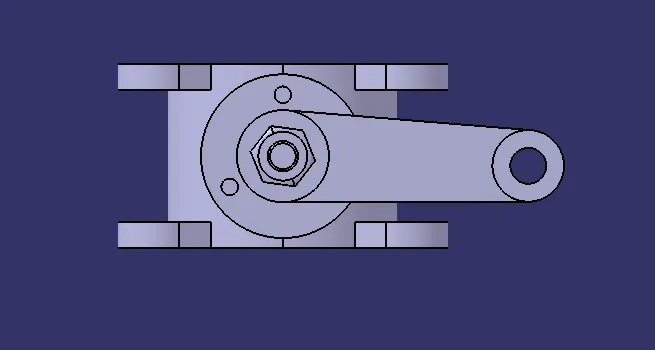
Side view
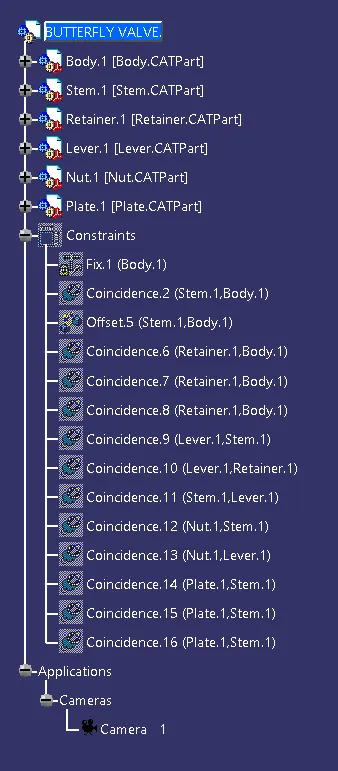
TREE STRUCTURE