Week 14 challenge
AIM
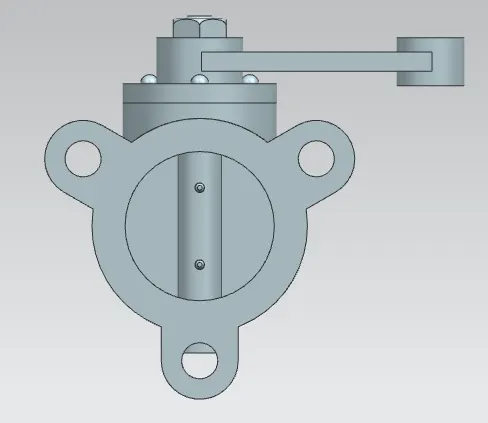
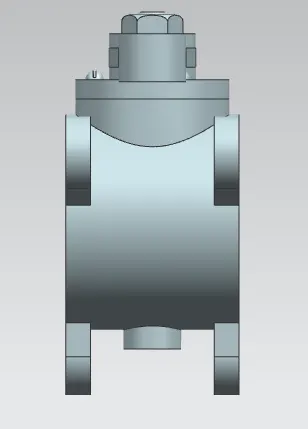
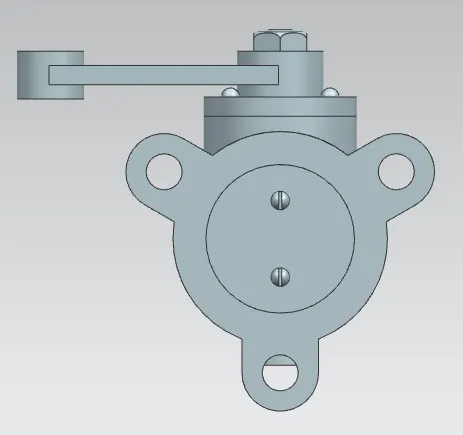
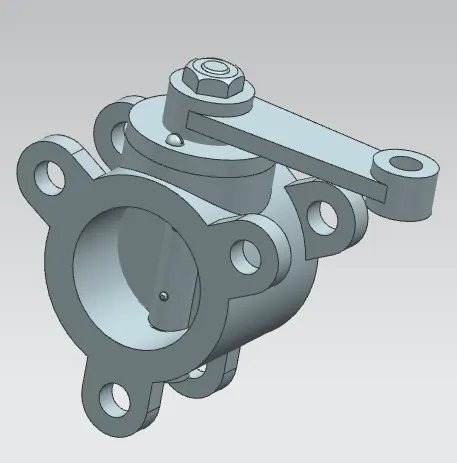
To assemble and apply GD&T to Butterfly Valve assembly drawing.
THEORY
A butterfly valve is a valve that isolates or regulates the flow of a fluid. Butterfly valves are a family of quarter-turn rotational motion valves that are used in pipelines to shut-off flow.
The butterfly valve is classified as a quarter-turn valve. It works like a ball valve for quick shutoff, but unlike a ball valve, the butterfly valve can also open and close incrementally. This difference means that the disc is always present in the flow and allows for a drop in pressure. This disc is mounted at the center of the pipe. Disc movement is controlled by a rod inserted through the disc and an actuator, located outside the valve. Turning the actuator positions the disc either perpendicular or parallel to the flow.
The external operating mechanism of a butterfly valve controls the fluid flow across the valve. It may be operated by manual rotation of the stem or by automatic actuation. Manual operation of butterfly valves involves the application of torque to the lever or handwheel attached to the stem. Levers can set the valve into a closed, fully-opened, or partially-opened position. Larger butterfly valves are equipped with handwheels and gearboxes to increase torque and to aid in the opening and closing of the valve.
Automatic actuation may be used to control the butterfly valve situated in harsh environments and remote locations. It makes the opening and closing of butterfly valves faster, especially for larger valves requiring larger amounts of torque. The types of actuations used in butterfly valves to turn the valve stem are electromechanical actuation, (which uses an electric-powered motor), pneumatic actuation (which moves a piston or a diaphragm with compressed air), and hydraulic actuation, (which moves a piston or a diaphragm with hydraulic pressure).
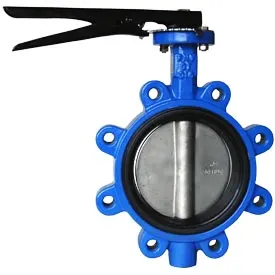
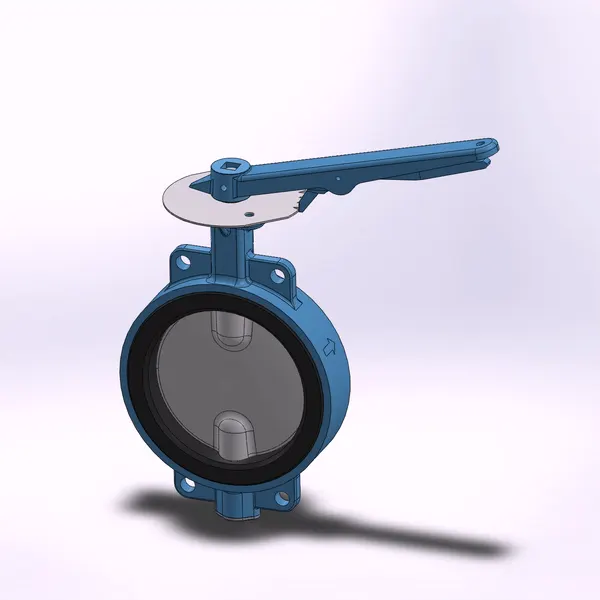
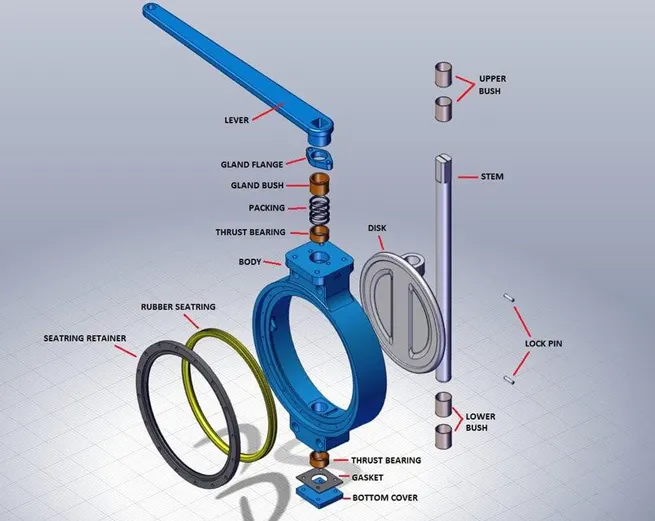
Parts
- Body
- Stem/Shaft
- Retainer
- Disc/Plate
- Lever
Body
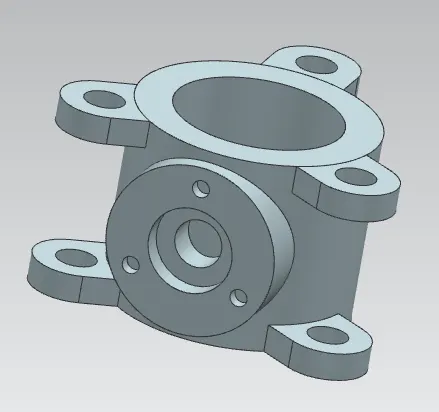
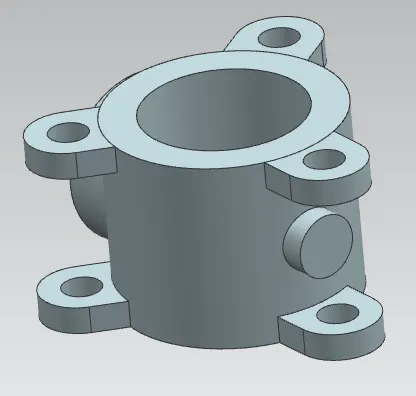
The body of a butterfly valve fits between two pipe flangs having two standard designs. They have two common designs: wafer-style body and lug style butterfly valve.
Stem/Shaft
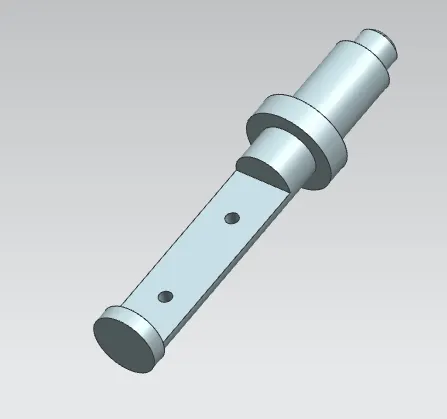
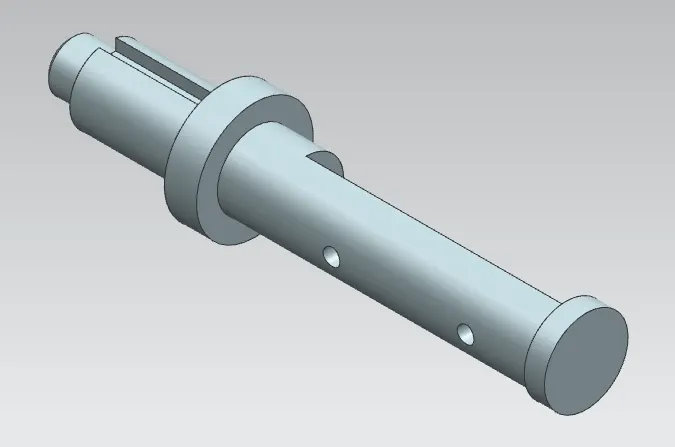
The stem of the butterfly valve plays an important role. The stem is what connects the disk inside to the handle outside. Without it, the valve would not be able to open or close. It may be a one-piece shaft or a two-piece (split-stem) design. The stem in most resilient seated designs is protected from the media, thus allowing an efficient selection of material with respect to cost and mechanical properties.
Disc
A disc is installed inside the valve body to control the fluid flow, operating similarly to a gate or ball valve. It is the same diameter as the pipe it attaches and can even pivot horizontally or vertically, depending on the stem orientation. This disc is responsible to control the flow of the fluid and works similar to the gates or balls that are placed inside the ball valves.
The disc also has two types: Eccentric and Concentric.
- Concentric Disc
The concentric disc contains a stem that passes through the disk’s centerline. Valves with concentric disks are usually used in applications that require low pressure.
- Eccentric Disc
The eccentric disc, in contrast, contains a stem that runs behind the center line. It is in the opposite flow direction.
The eccentric disc is among the parts of butterfly valve that has been initially designed to help prevent the contact between the seal and the disk before the butterfly valve is closed completely. This design enables the valve to have a longer lifespan.
Lever
Levers commonly contain a handle and a locking lever. Plus, they are normally used for small butterfly valves. These hand levers can be locked into different positions including closed, open, and partially open.
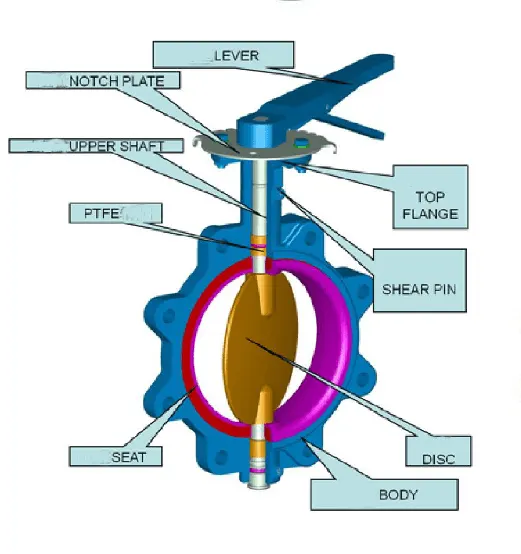
Advantages
- Lightweight and Compact: With a compact design and a smaller face to face dimension, butterfly valves have a considerably less installation footprint and offer savings in the form of lower installation costs including labour cost, equipment, and piping support.
- Low Maintenance Requirements: An inherently simple, economic design that consists of few moving parts, and hence fewer wear points, significantly reduces their maintenance requirements.
- Fast Acting: A 90° rotation of the handle, or the actuation mechanism, provides a complete closure or opening of the valve. However, with larger butterfly valves, a gearbox is often required as part of the actuation mechanism which reduces the operational torque and simplifies the operation of the valve but comes at the expense of speed.
- Low Cost: Owing to their simple design, butterfly valves require less material and are simpler to design and manufacture and are often the more economical choice compared to other valve types. The cost savings are mainly realized in larger valve sizes, typically above DN 300.
- Versatility: Butterfly valves have a wide variety of use cases including the ability to be installed underground.
SOFTWARE USED
Siemens NX 12
DESIGN
Modelling
Body
Stem/Shaft
Retainer
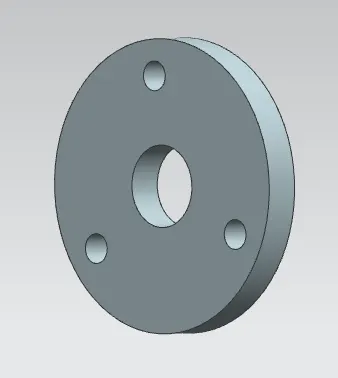
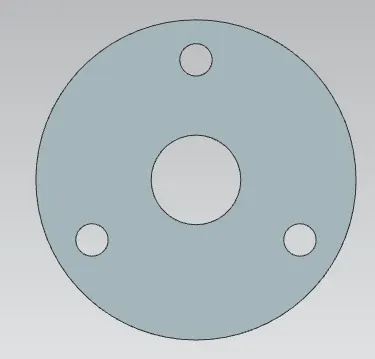
Disc
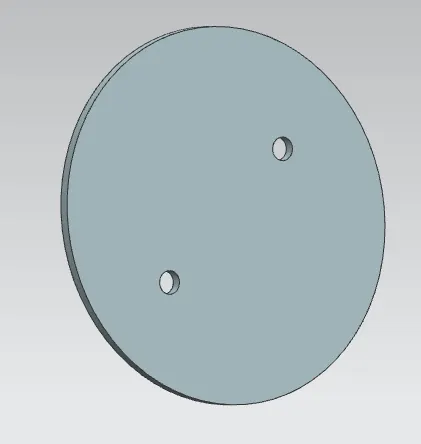
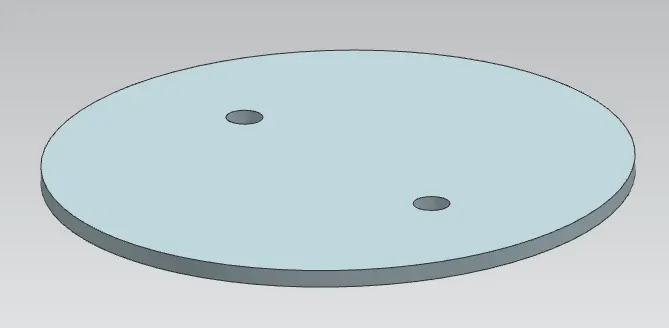
Lever
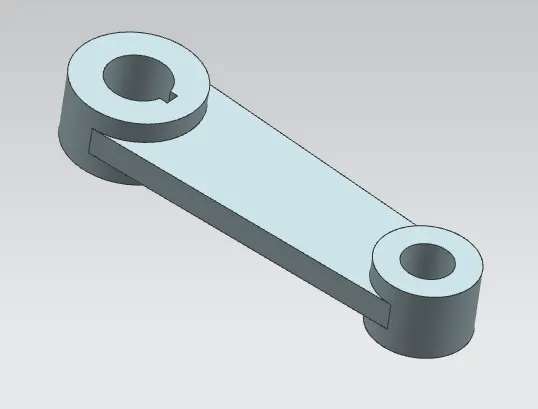
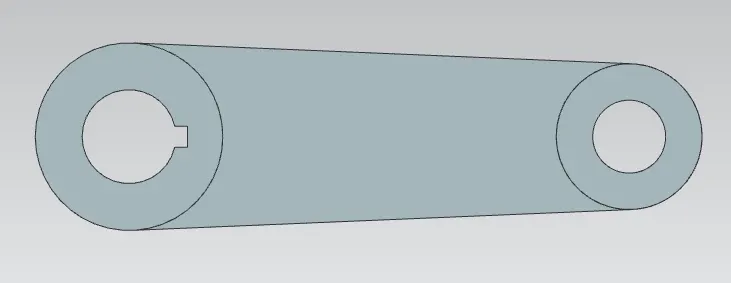
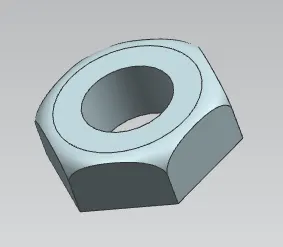
Nut

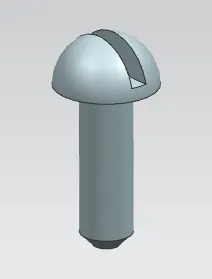
Screw
Assembly
Drafting
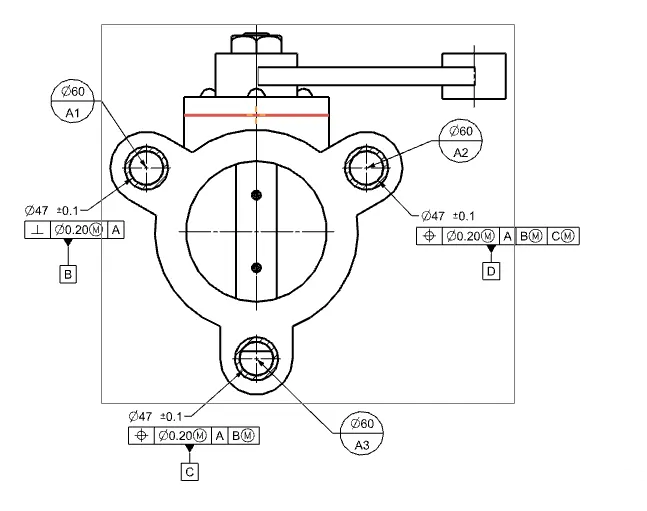
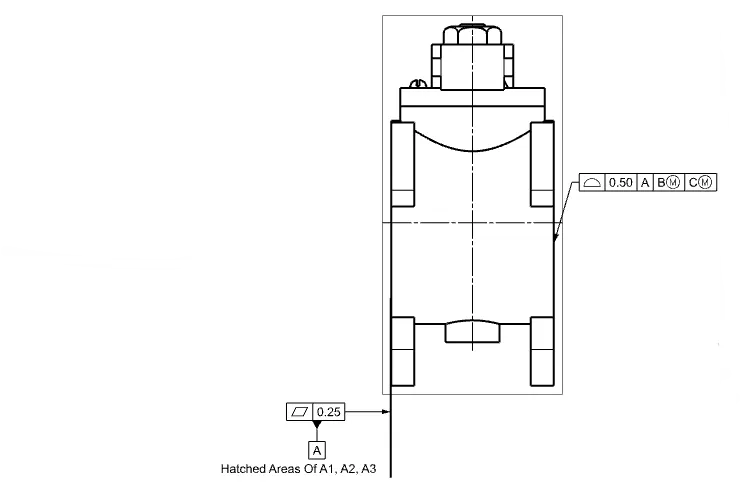
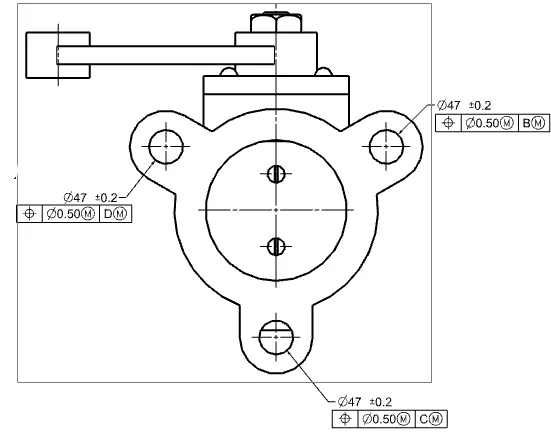
CONCLUSION
Butterfly valve as per the drawing has been assembled and GD&T symbol has been applied to the drawing sheet.