Week 14 challenge
Butterfly Valve
A butterfly valve is a valve that isolates or regulates the flow of a fluid. The closing mechanism is a disk that rotates. A butterfly valve is from a family of valves called quarter-turn valves. In operation, the valve is fully open or closed when the disc is rotated a quarter turn. The "butterfly" is a metal disc mounted on a rod. When the valve is closed, the disc is turned so that it completely blocks off the passageway. When the valve is fully open, the disc is rotated a quarter turn so that it allows an almost unrestricted passage of the fluid. The valve may also be opened incrementally to throttle flow.
A 90° rotation of the handle provides a complete closure or opening of the valve. Large Butterfly valves are usually equipped with a so-called gearbox, where the handwheel by gears is connected to the stem. This simplifies the operation of the valve, but at the expense of speed.
Butterfly Valve is a rotary valve that uses a disc as closure member. The Disc shaped closure member is rotated 90 degree or there about to open or close the passage. The disc closes against the ring seal to close off the flow. Butterfly valves are the most specified valve type for moderate duty conditions in pipe sizes of two inches and larger.
Butterfly valves are normally wafer design fitted directly between piping flanges.
Used in
Liquid, gases, slurries, liquid with suspended solids.
Advantages
High Capacity
Tight Shutoff
lightweight
low Maintenance
Low Pressure drop
Disadvantages
High torque required for control
Components of Butterfly Valve are as Follows:
- Butterfly valve Body
- Shaft Stem
- Plate
- Retainer
- Pin
- Nut
- Bolt
Butterfly Valve
Butterfly valves generally have bodies that fit between two pipe flanges
Following are the Images of Butterfly Valve which i have being designed -
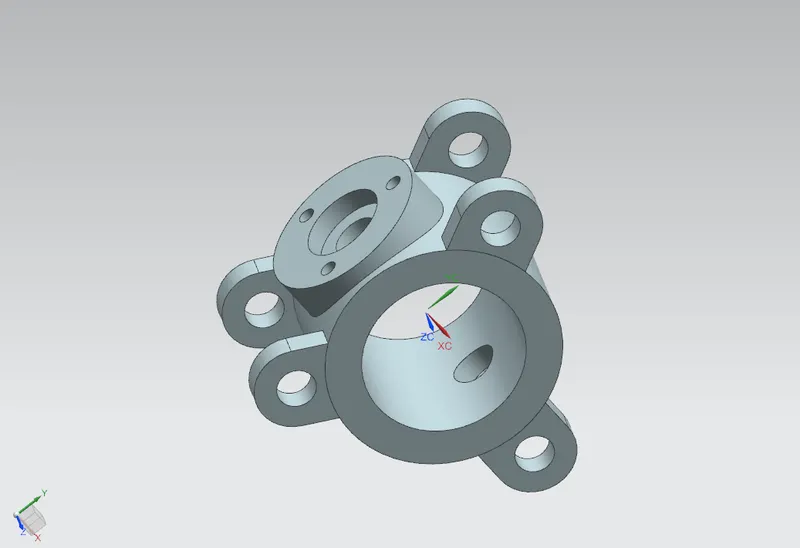
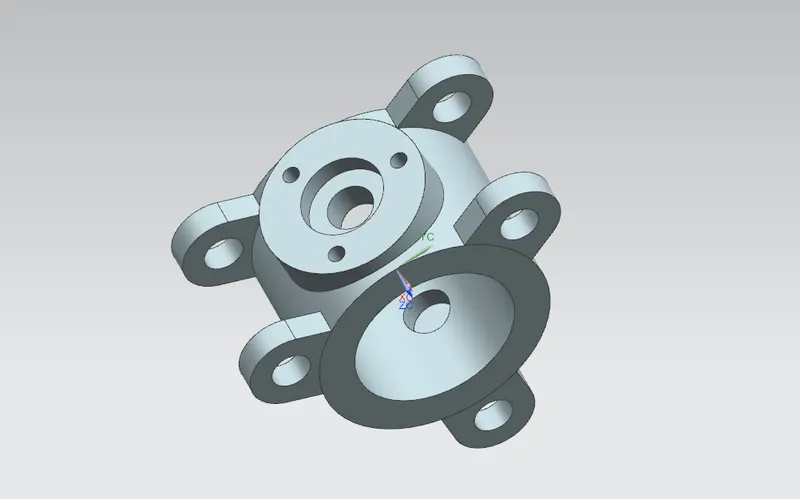
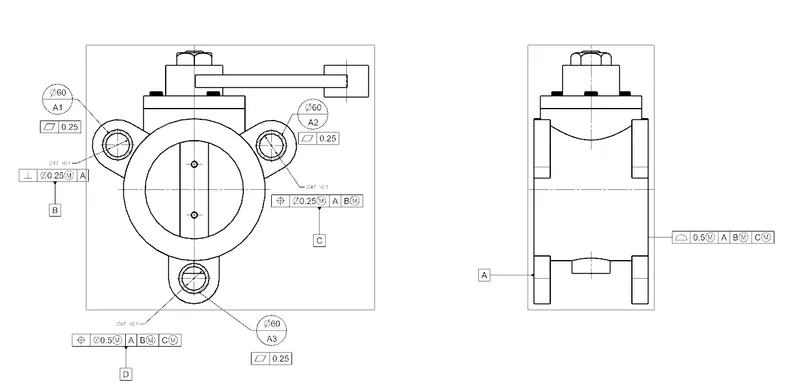
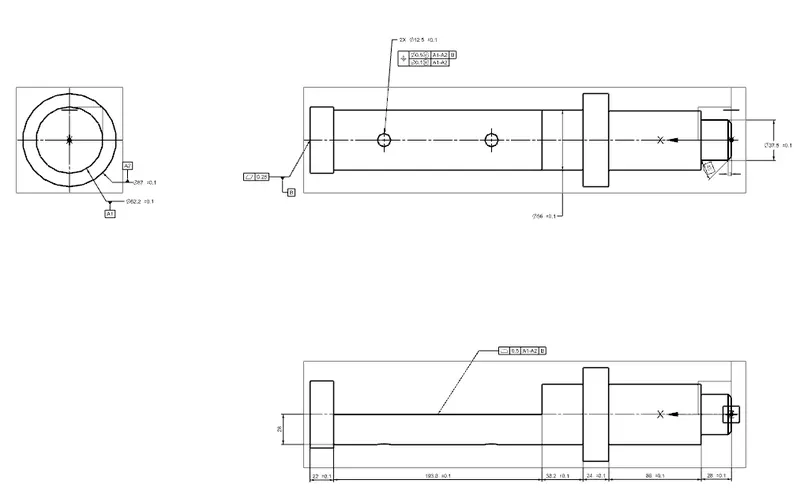
Stem Shaft
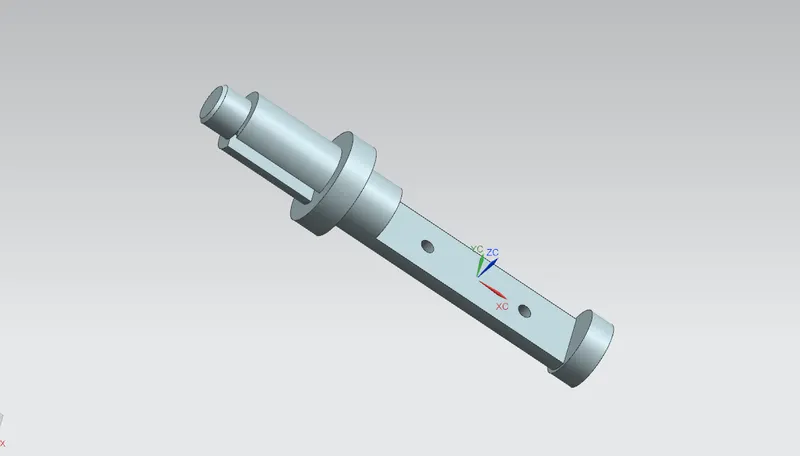
Butterfly valve Stem: The stem of the butterfly valve may be a one-piece shaft or a two-piece (split-stem) design. The stem in most resilient seated designs is protected from the media, thus allowing an efficient selection of material with respect to cost and mechanical properties.
The valve shaft, often also referred to as the stem, is the component that connects the disc to the actuation mechanism and transmits the torque through itself.
Disc Plate
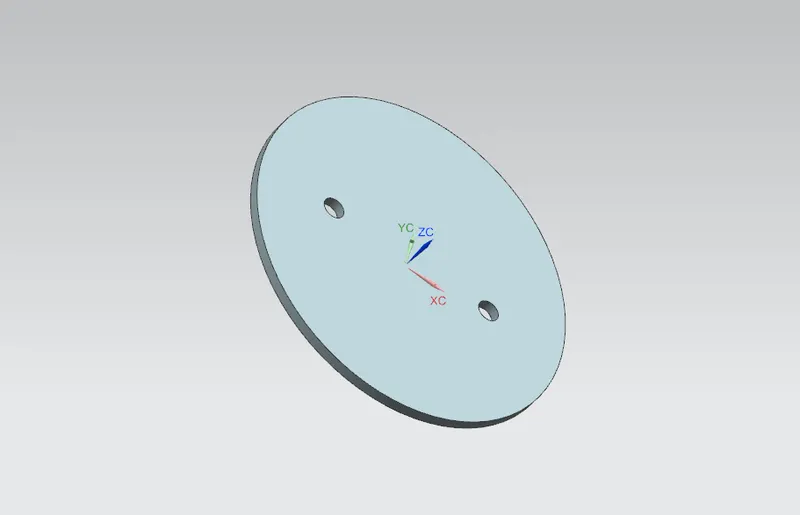
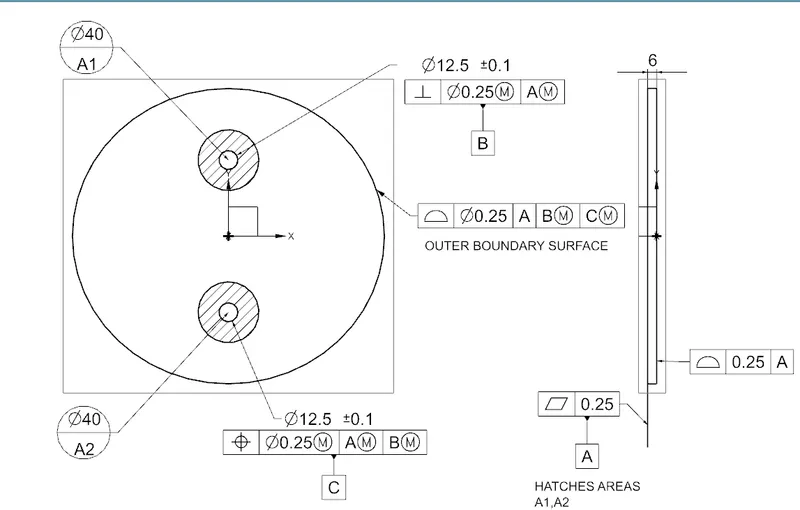
Attached to the stem shaft body is the disc that functions as a gate that stops or throttles fluid flow, it can be considered equivalent to a gate in a gate valve, or a ball in a ball valve. There are many variations in disc design, orientation, and material in order to improve flow, sealing, and/or operating torque.
Retainer plate
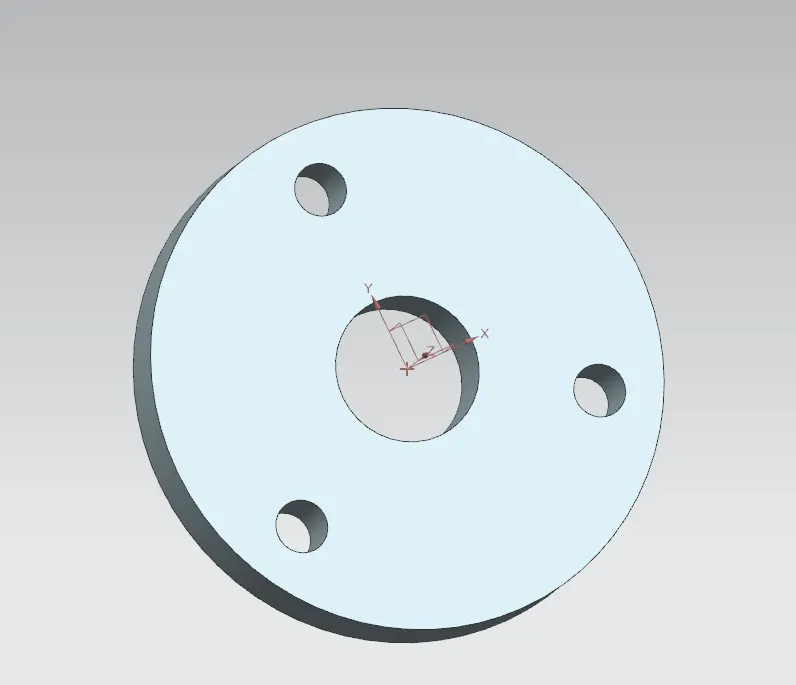
Retainer plate is attached at the top of the butterfly valve. It is held in between Butterfly valve and Stem Shaft. It supports the Stem Shaft while operations are being carried out. It gives strength to the butterfly valve as well as stem shaft.
This part helps to retain or to fix the shaft with the body of the butterfly valve. It prevents the shaft from coming out of the body and keeps it in position for the proper functioning of the disc inside the body.
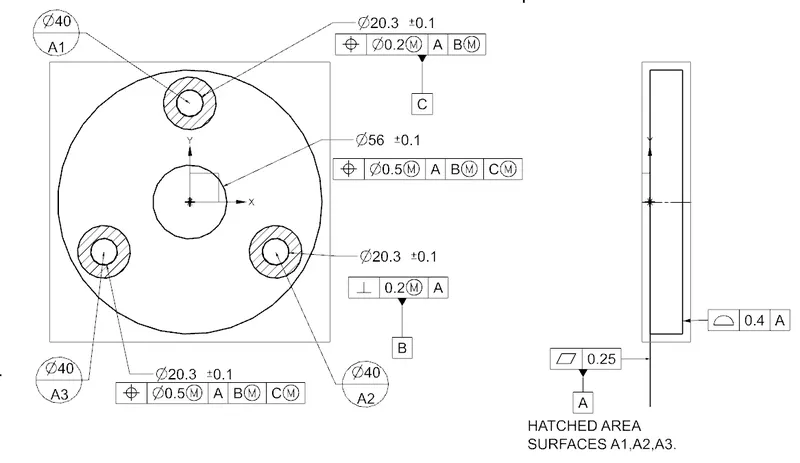
Lever Handle
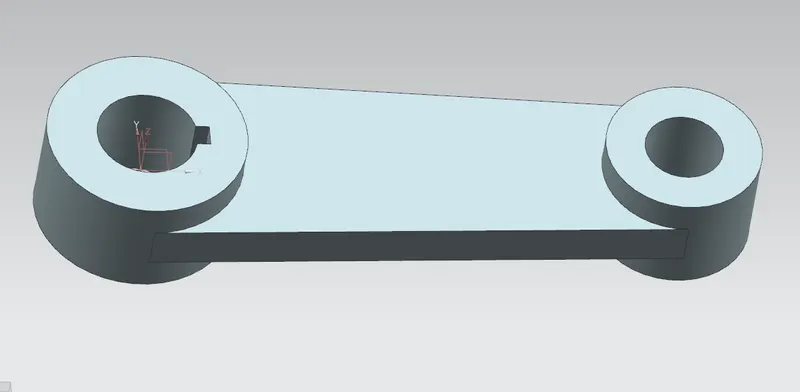
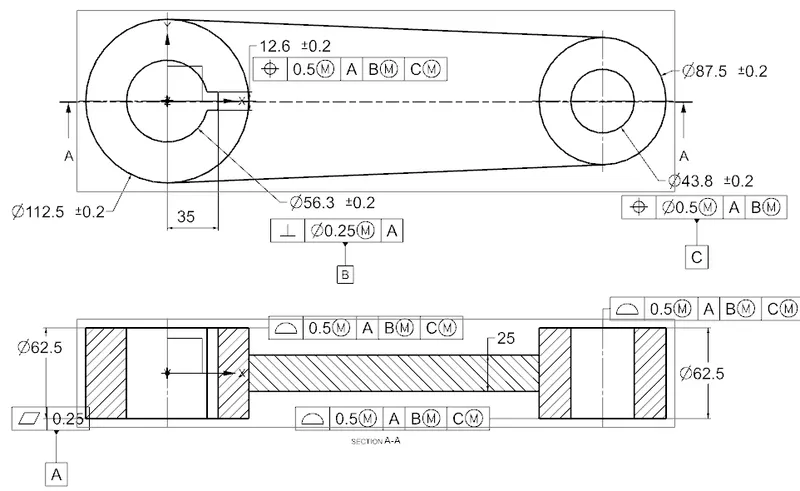
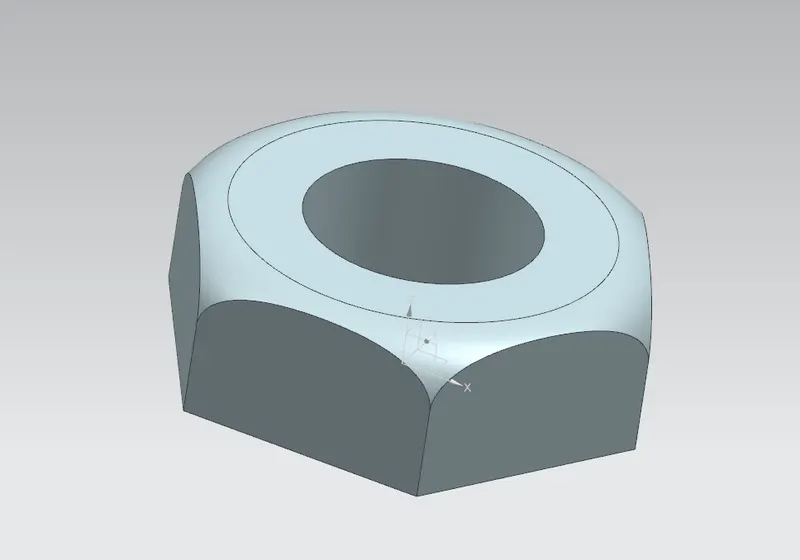
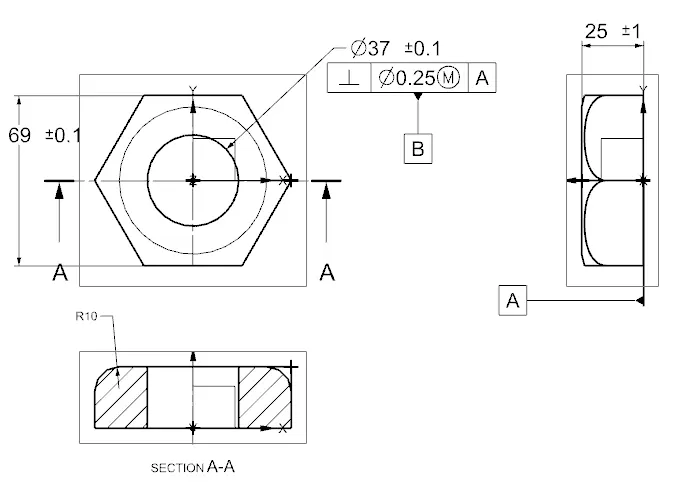
Nut
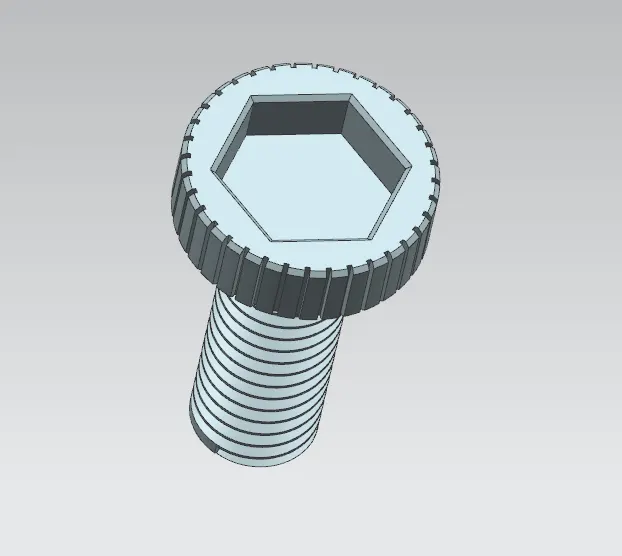
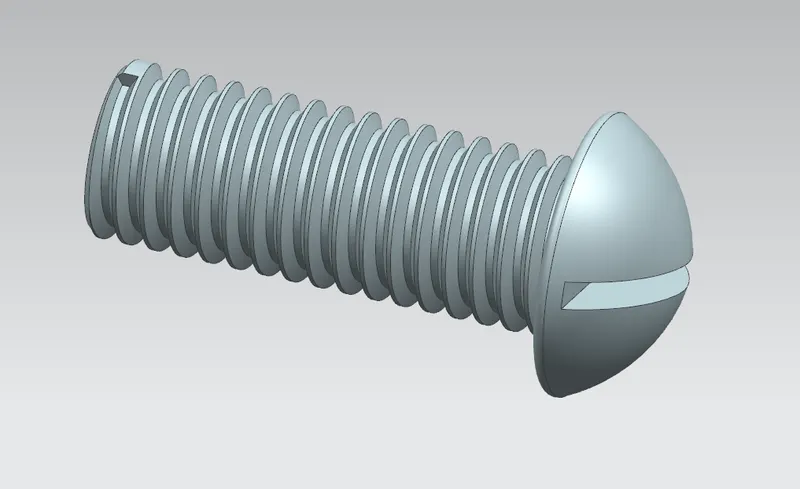
Bolt
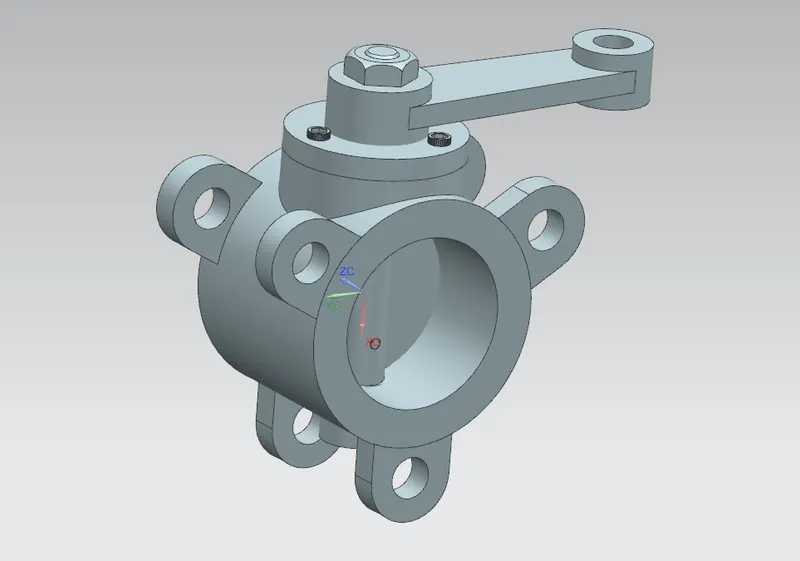
Assembly Images of Butterfly Valve -
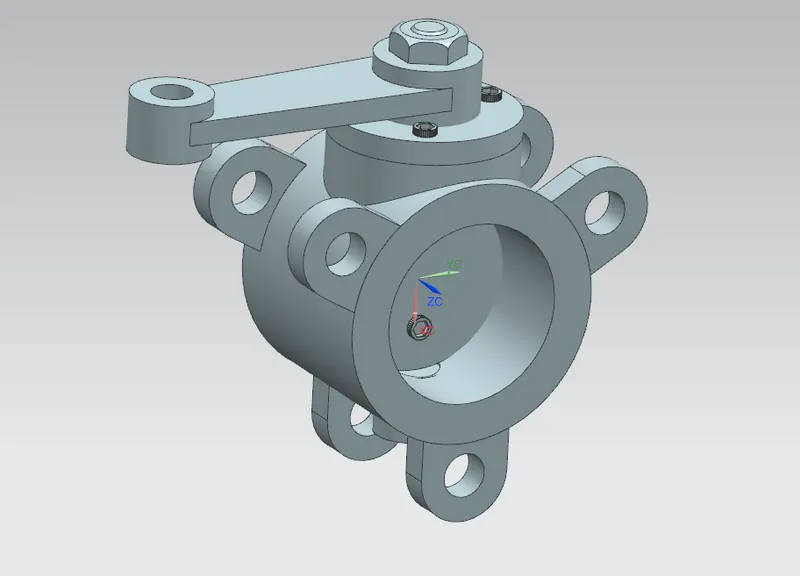
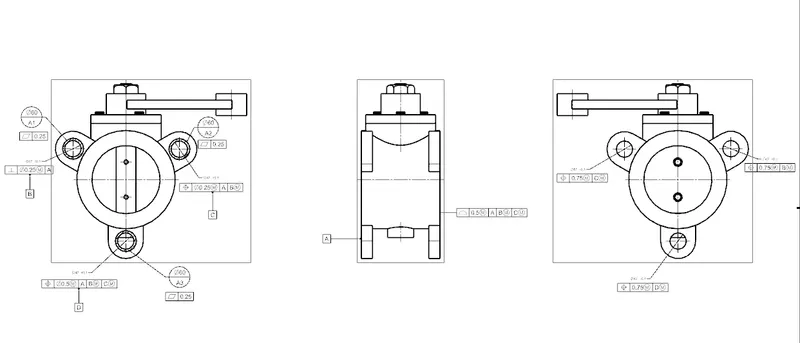
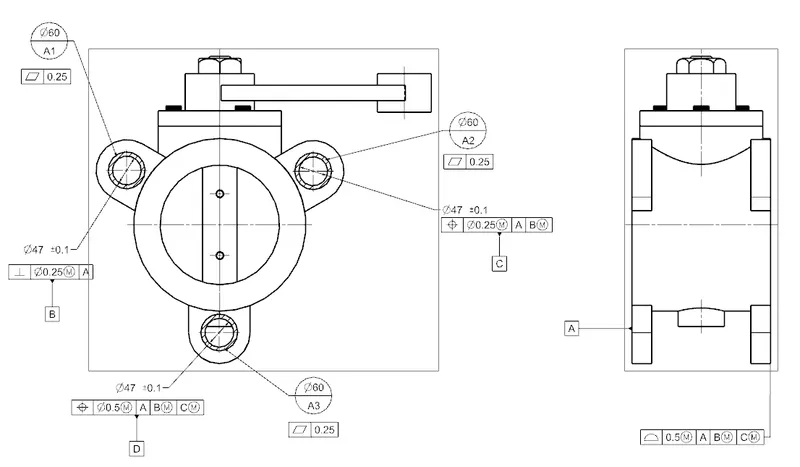
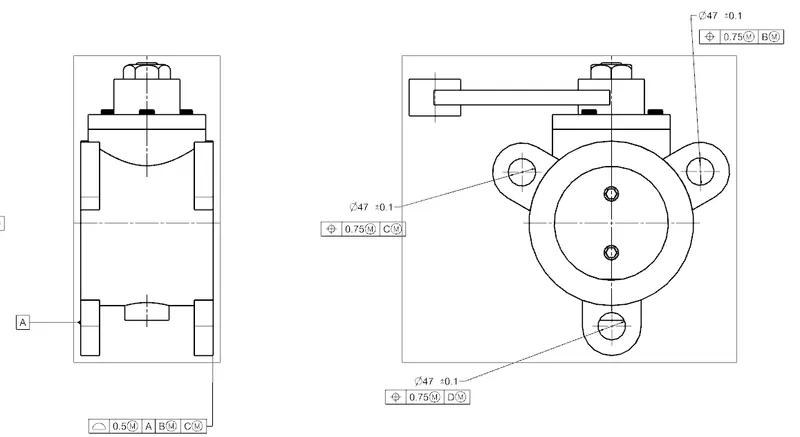
Conclusion
Thus, we have Succesfully designed butterfly valve with all the components and given dimnsions using NxCAD Software.