Week 12- Final project
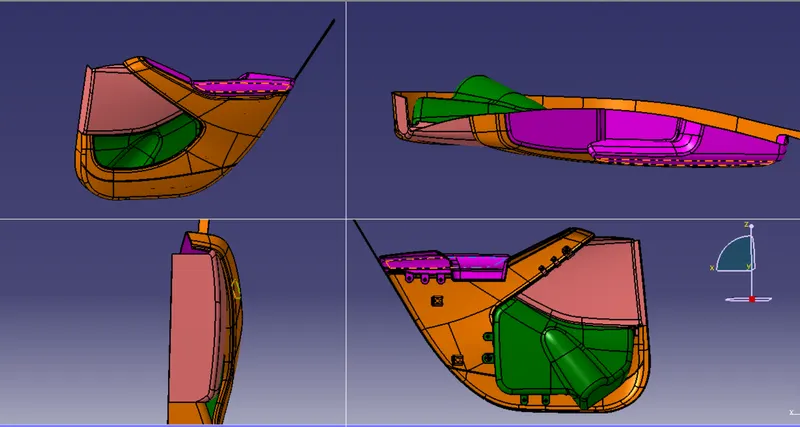
Aim: Development of a Door trim panel.
Creation of CAD model considering following inputs as like in OEM and tier1 companies
- Class A surface
- Nominal thickness: Refer master section
- Attachment strategy:
- Find an attachment strategy for the door panel complete work.
- Use push pin with Dog house for lower substrate - Door panel attachment
- Use heat stakes for part to attachment
Output required:
- Create thickened part using master section for reference
- Create the mounting features as per design guideline in the industry and with master sections
-Apply material details:
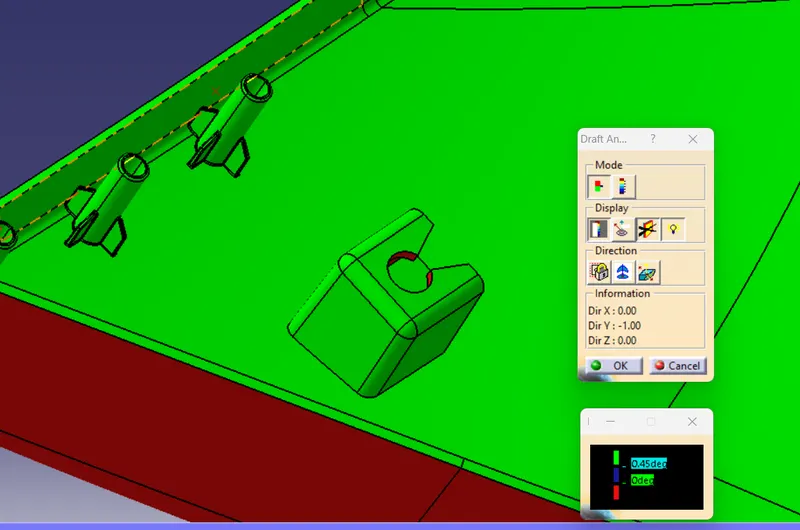
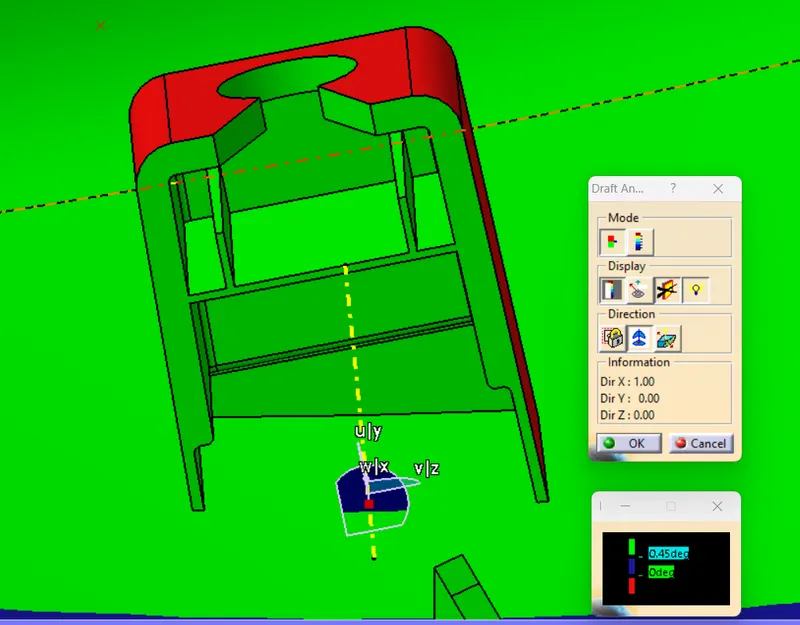
- Draft analysis & Tooling analysis
- Creation of parting lines and check tooling feasibility.
Check for model:
Boundary or join command use for check in model any patches.
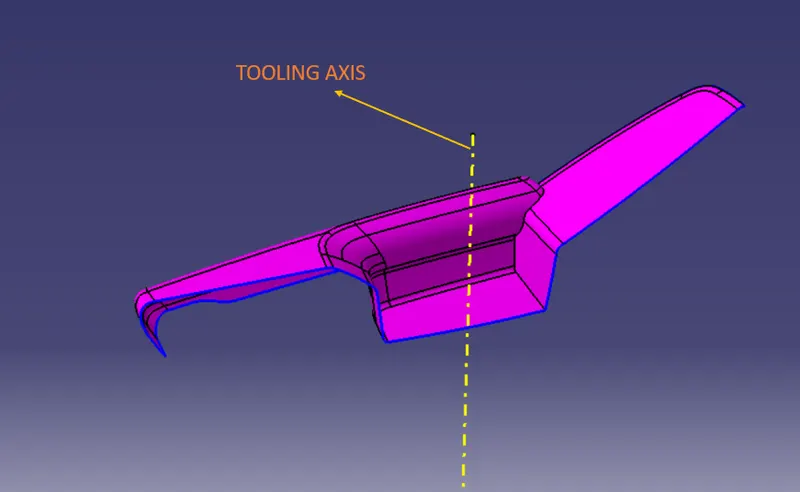
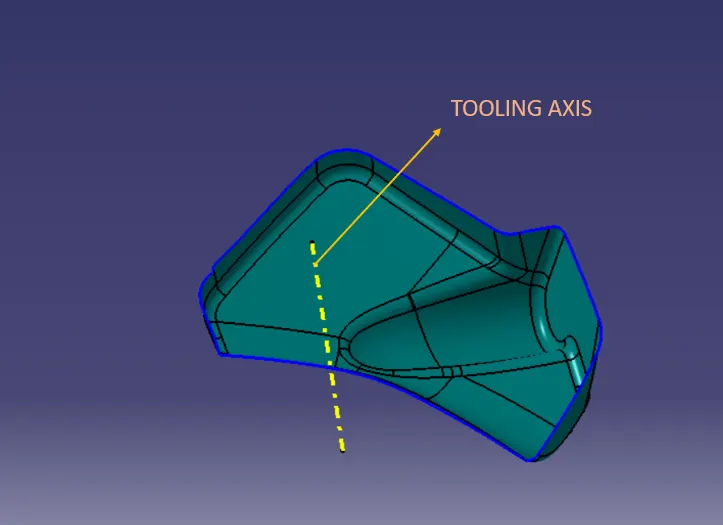
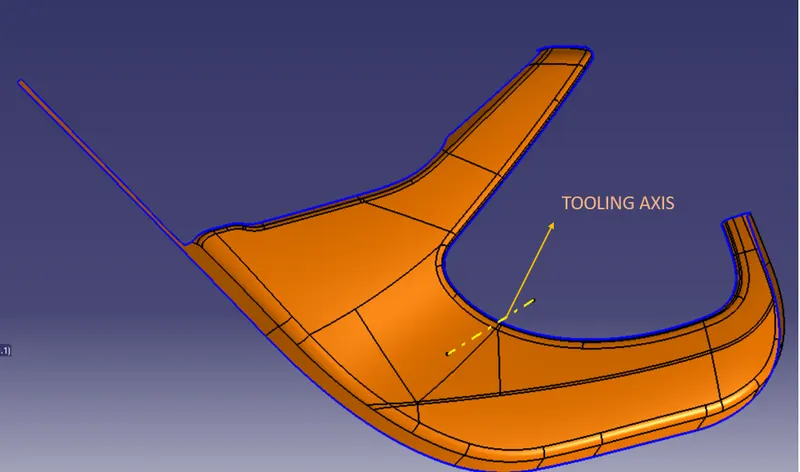
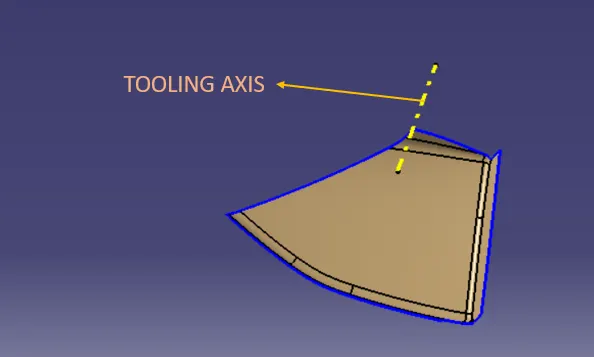
Tooling Axis:
Tooling axis is the direction in which a core cavity of mod opens. This axis is very important to determine the orientation of the component in mold, core and cavity design as well as to run draft analysis of the component. Tooling axis is Cration of two types first is main tooling axis and the second is side coring axis.
Bisection Method:
First of all, create the point (Between two line) in the extracted master section. From the extracted two lines is the key to create the bisecting line and which is going to our tooling axis.
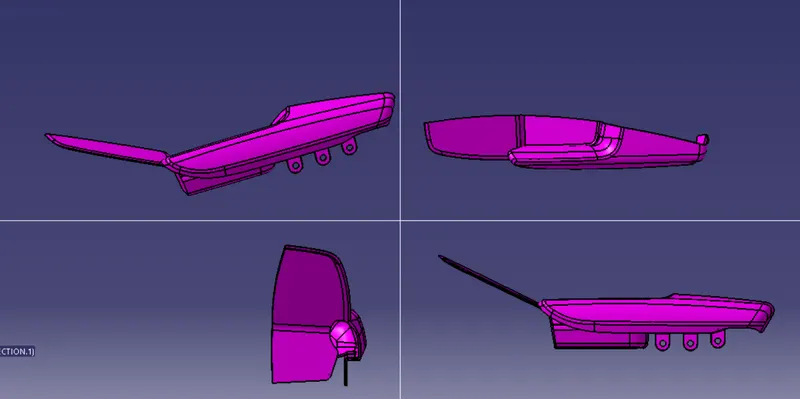
ARM REST:
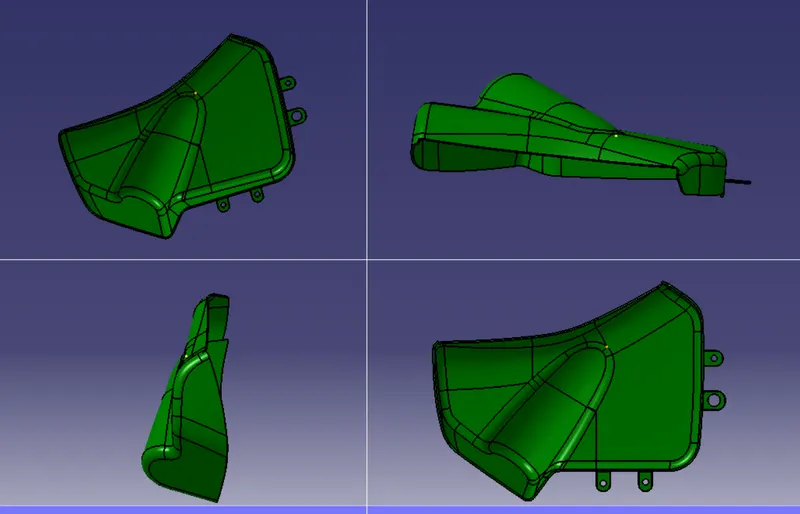
BOTTEL HOLDER:
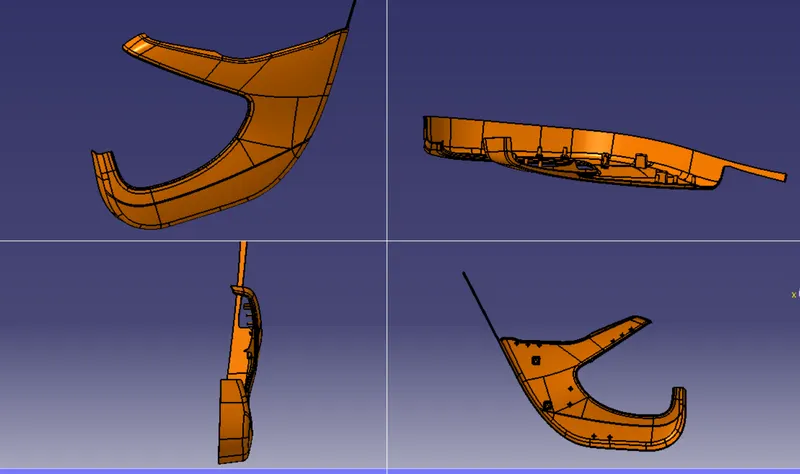
LOWER SUBSTRATE:
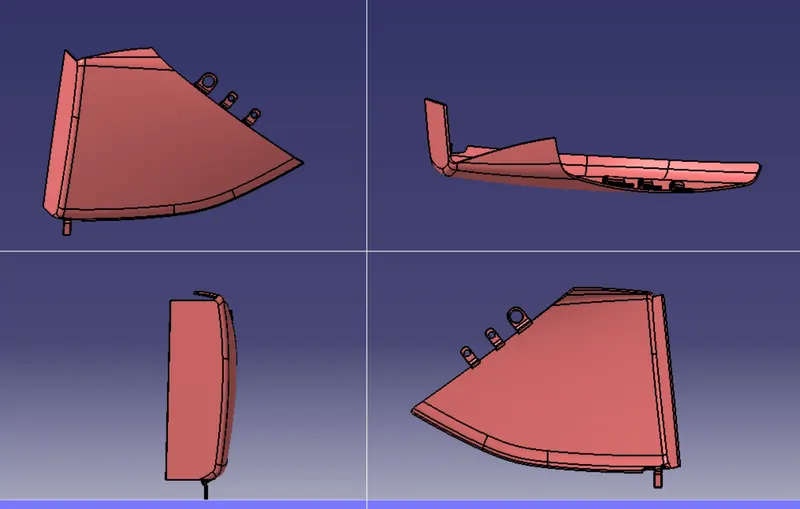
MAP POCKET:
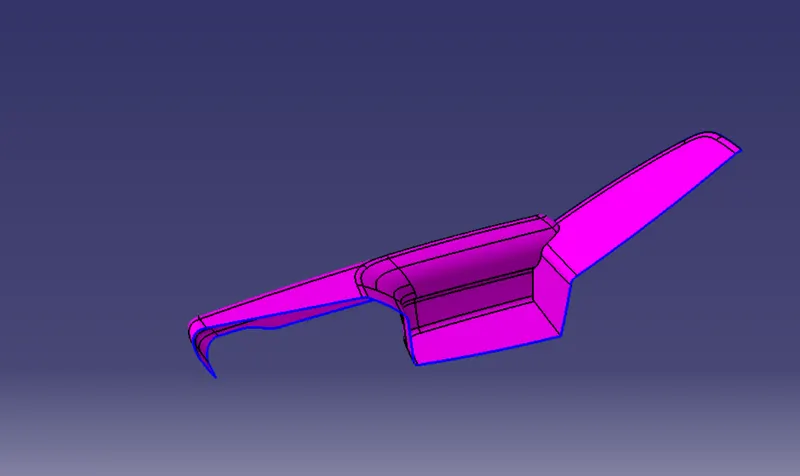
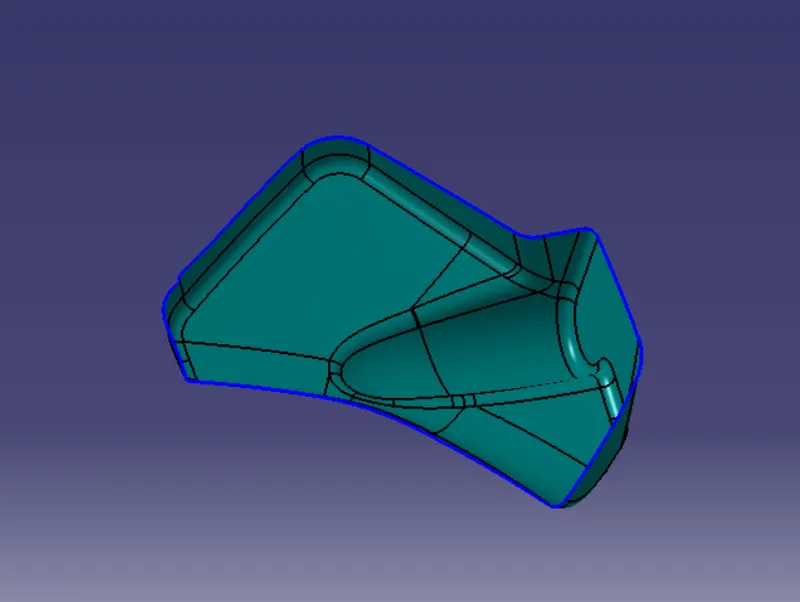
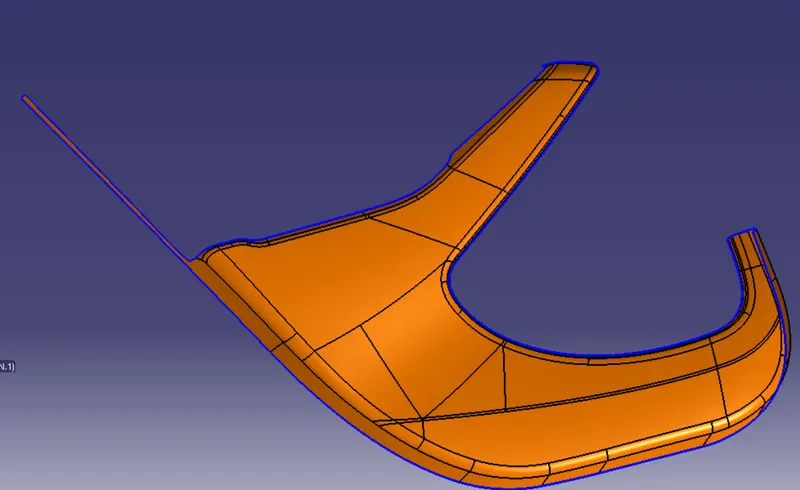
Class-A Surface:
- Visible surface and aesthetic look.
- Surface provide by customer (OEM).
- Surface with textures.
- Don't have any features like rib, snap, bosses etc.
ARM REST CLASS-A SURFACE:
BOTTEL HOLDER CLASS-A SURFACE:
LOWER SUBSTRATE CLASS-A SURFACE:
MAP POCKET CLASS-A SURFACE:
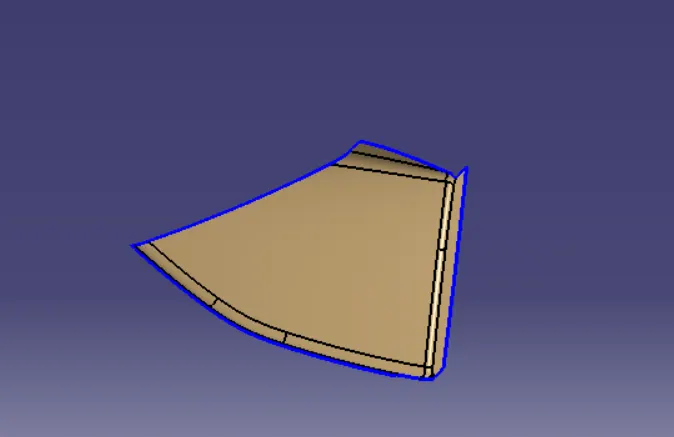
Class-B surface Creation:
The thickness of the component as 2.5 mm. Now we need to create a B surface which will be similar to the A surface at on offset value of 2.5 mm. There are some discontinuities happed while offsetting the class-A surface so surface I repaired it to from a boundary by using the multiple extract, extrapolate, trim and fill surface commands and tools.
ARM REST CLASS-B SURFACE:
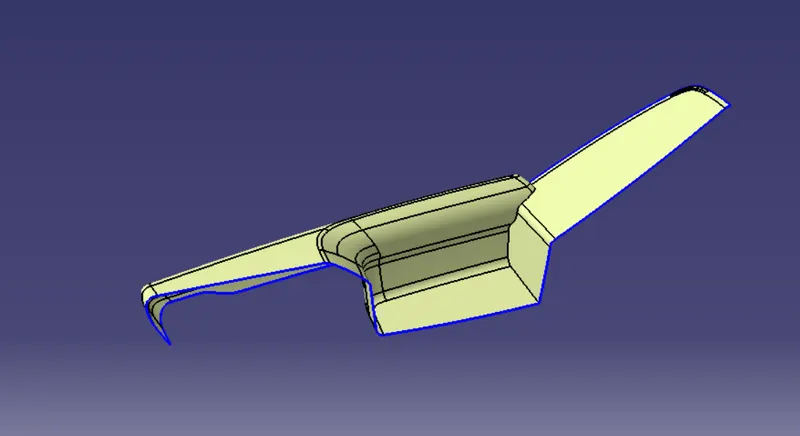
BOTTEL HOLDER CLASS-B SURFACE:
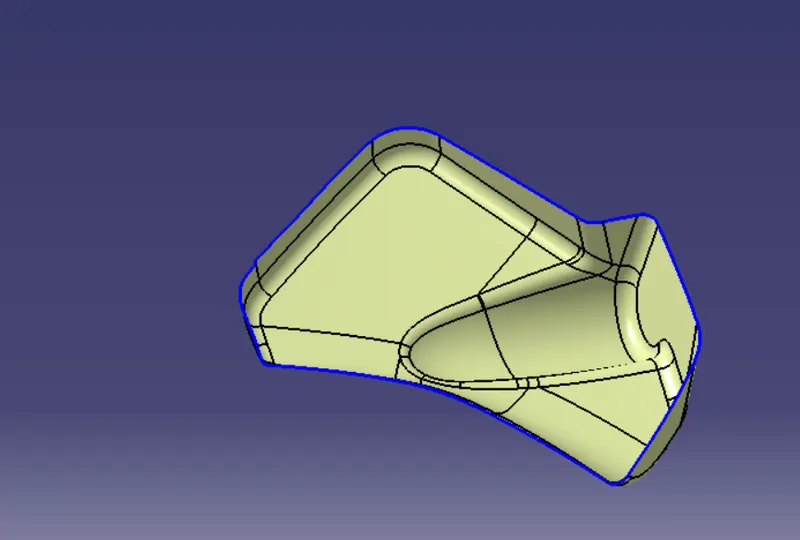
LOWER SUBSTRATE CLASS-B SURFACE:
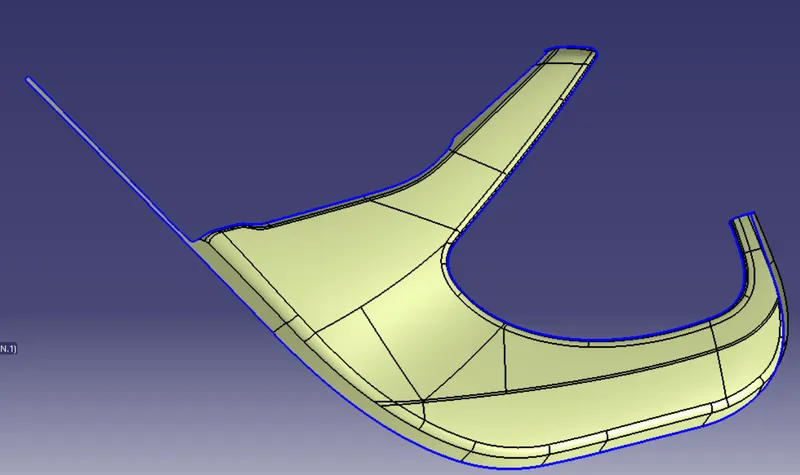
MAP POCKET CLASS-B SURFACE:
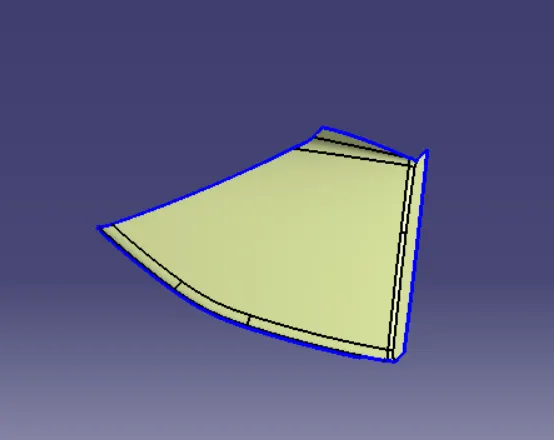
Class-C surface Creation:
Class-C surface is creation with help of A surface by using the sweep (with reference surface) and Boundary command separately, finally join together to get final C surface.
Then join class A surface to the class-C surface after that I trim out joined A surface and C surface to class-B surface to get final object.
ARM REST CLASS-C SURFACE:
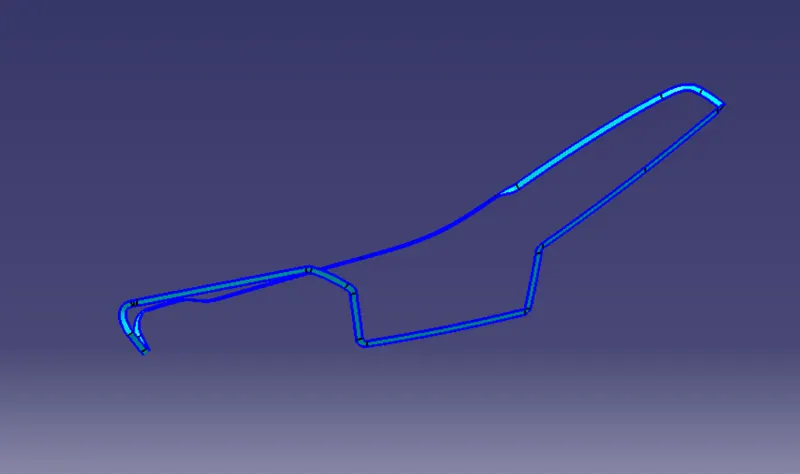
BOTTEL HOLDER CLASS-C SURFACE:
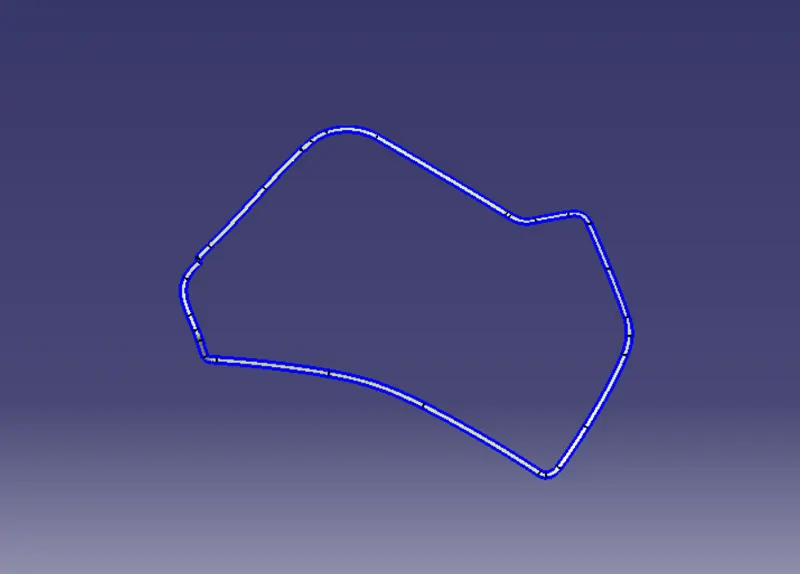
LOWER SUBSTRATE CLASS-C SURFACE:
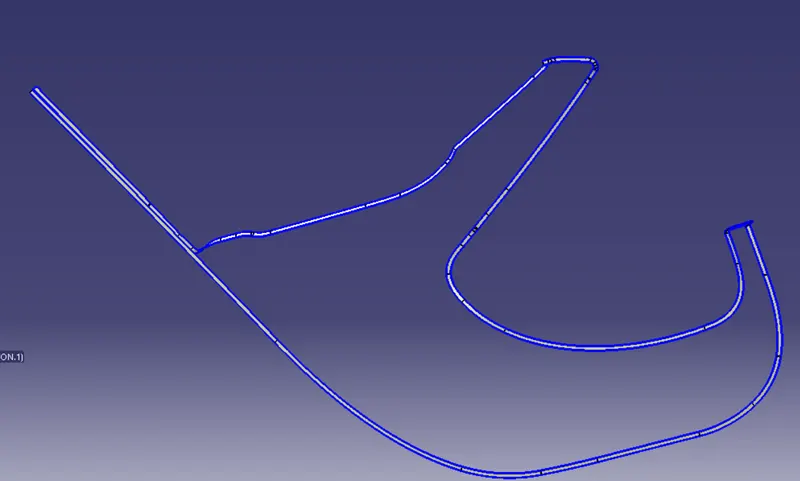
MAP POCKET CLASS-C SURFACE:
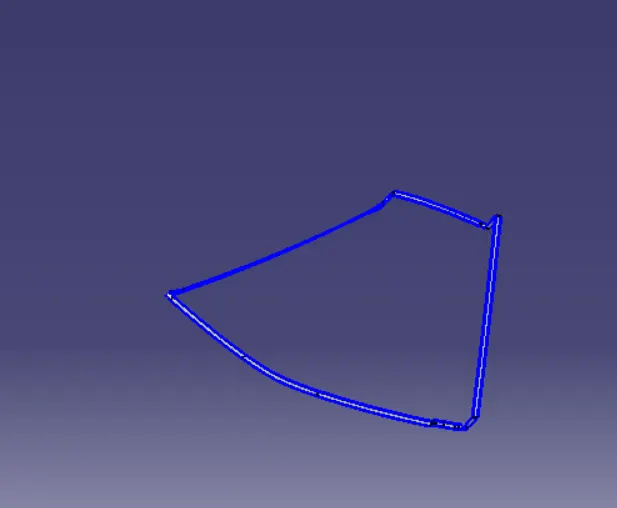
Dog house:
- Dog house is an engineering feature in plastic design.
- Dog house are used as support feature. Sometimes other engineering features like snaps, locators, screw bosses are mounted on them to increase them strength.
DOG HOUSE FOR LOWER SUBSTRATE:
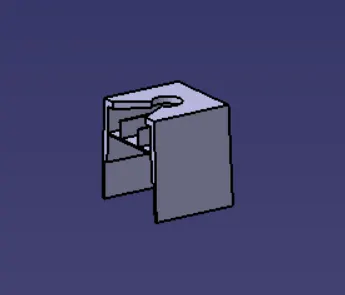
Heat stakes and locators:
Heat staking is pulsed-heat process to join two or more parts out of which one at least is made of plastic. The process is to deform the plastic material using heat and force aty a set other. Heat staking makes it easy to Bound metal to plastic and is commonly used in high volume / low-cost application such as automotive, IT appliances.
Shaping plastic using Heat and pressure:
The plastic is deformed by heating it to a temperature above the glass transition temperature. Super-heated air or a thermodin is used foe this, Pressure is then applied to create the stake. After the stake has been formed, the plastic should be cooled down again below the glass transition temperature. colling is performed under constant pressure to ensure good fixation of the parts. Compressed air can be applied for cooling when a thermos especially for glass-filled plastics which often have a process window of less than 10 degrees Celsius. When the temperature is too high, the glass fibers come out of the plastic which leads to a rough surface and adhesin to the tremors If the temperature is too low. the plastic will crack due to cold deformation.
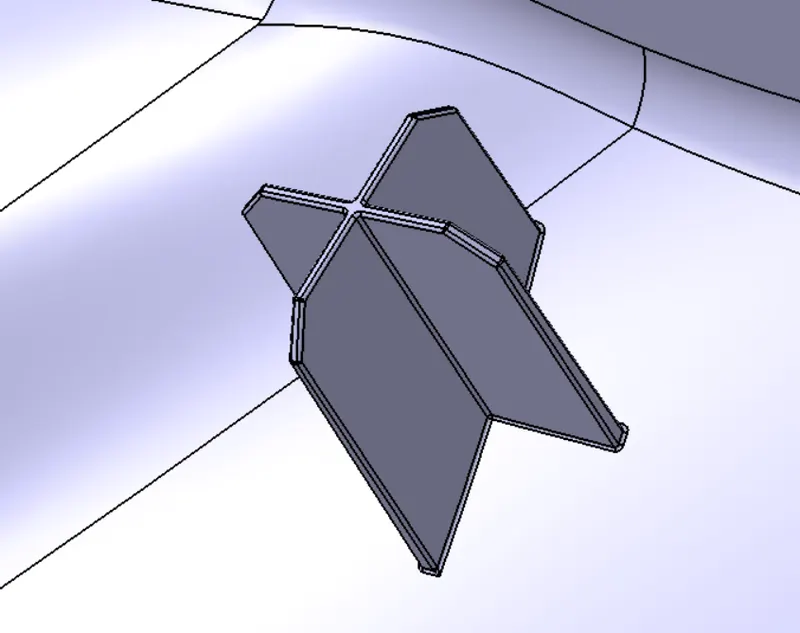
Heat staking Benefits:
Similar and dissimilar materials may be joined metal to metal, plastic to plastic, metal to plastic.
Accurate control operating within a small process window.
Local heating resulting in no damage to surrounding materials.
Processing of filled materials.
No mechanical vibration.
Many heat-stake shapes possible through custom designed tool.
I created the heat stakes and locators by considering all the design parameters.
- Heat stakes buss create for 7mm dimeter and hight is 20mm.
- Edge fillet is 1mm, 3mm and 0.25mm.
- Draft angle is 0.5
- 2-way and 40way Locators created.
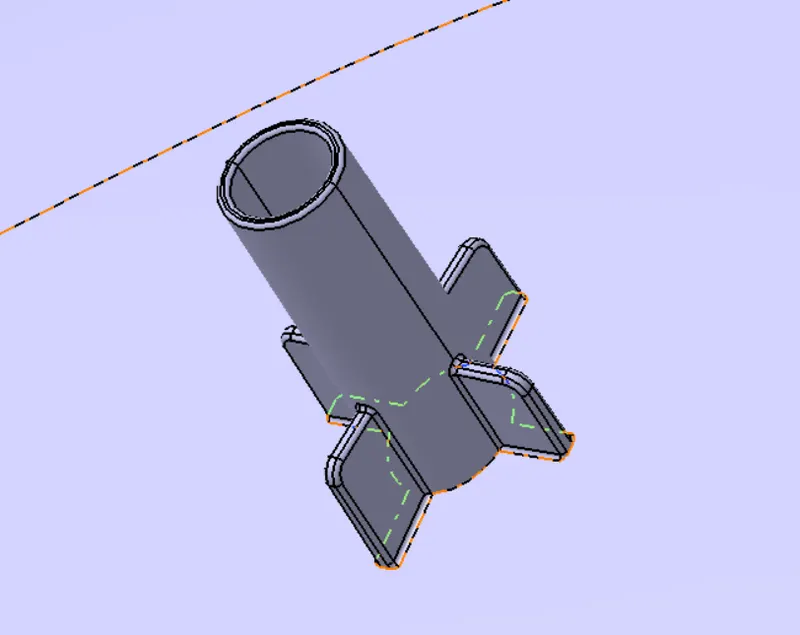
General guidelines for Bosses:
- Draft angle 0.5 on walls.
- Thickness- Typically 40% of the nominal wall at the base.
- Height to Diameter Ratio- 3:1
- Radius - 0.25mm maximum.
In plastic component design, the "parting line and "parting surface" are important concepts related to the manufacturing process of in injection molding. Injection molding in a common method used to produce plastic parts with high precision and efficiency. The paring line and parting surface play a crucial role in determining how the mold will be designed and how the plastic part will be formed.
Partying line:
The parting line is an imaginary line that separates the two halves of the mold, known as the "cavity" and the "core". These halves are brought together during the injection molding process to form the final plastic part. The parting line represents the boundary between these two mold halves. When the mold is closed, the plastic material is injected into the cavity and takes the shape of the mold cavities and cores, creating the final part.
Parting Surface:
Parting surface are the actual physical surface on the mold that correspond to parting line. These surfaces are designed to ensure that mold halves can be separated and the formed plastic part can be ejected without any damage. Parting surface need to be carefully designed and manufactured to create a clean and smooth separation of the mold halves. They must also allow for easy ejection of the part and prevent any unwanted undercuts or features that could hinder the mold release.
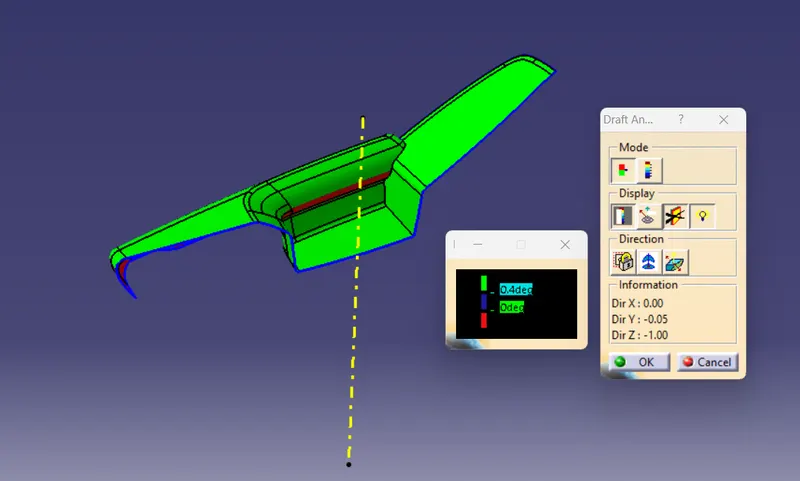
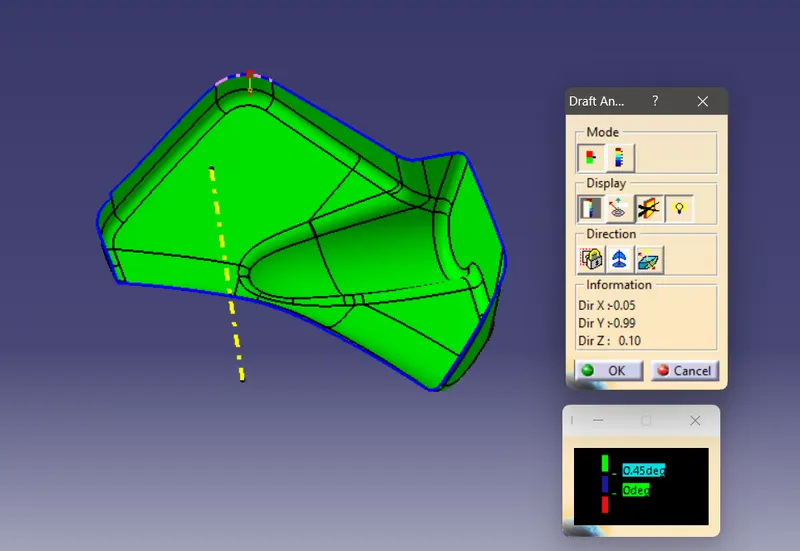
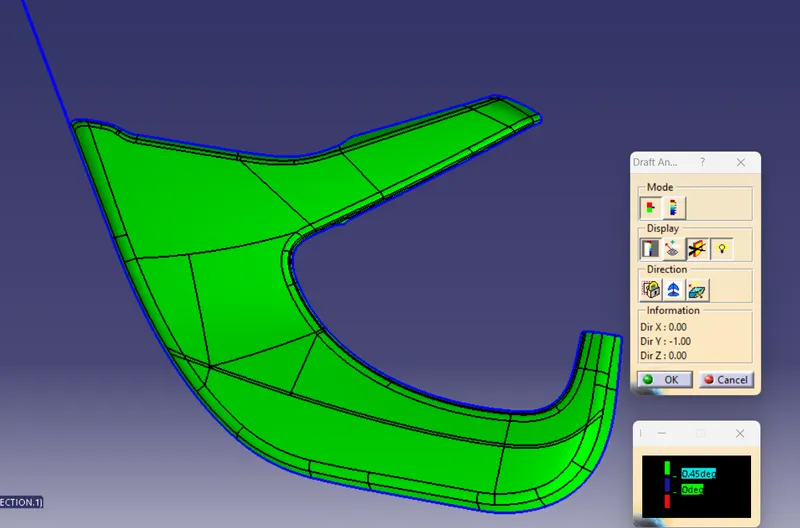
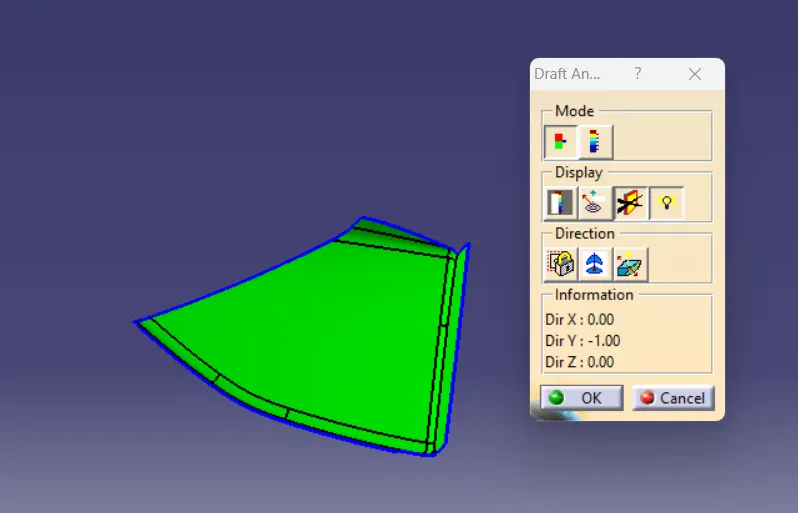
Draft Analysis:
ARM REST:
BOTTEL HOLDER:
LOWER SUBSTRATE:
MAP POCKET:
DOG HOUSE:
FINAL OPRATION PART: