Week 12:- Documentation Challenge
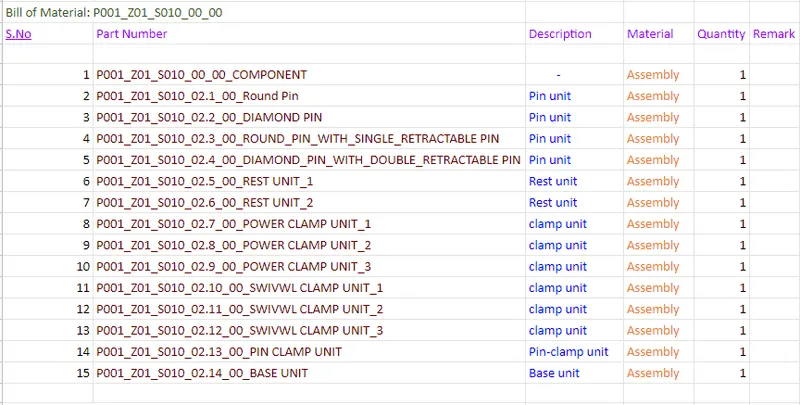
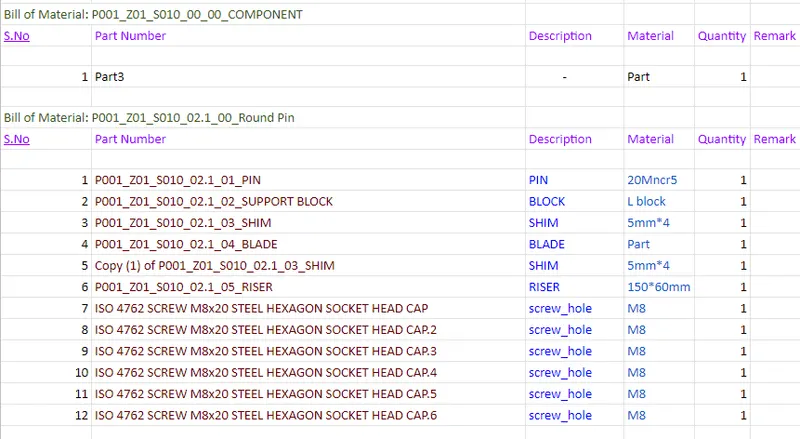
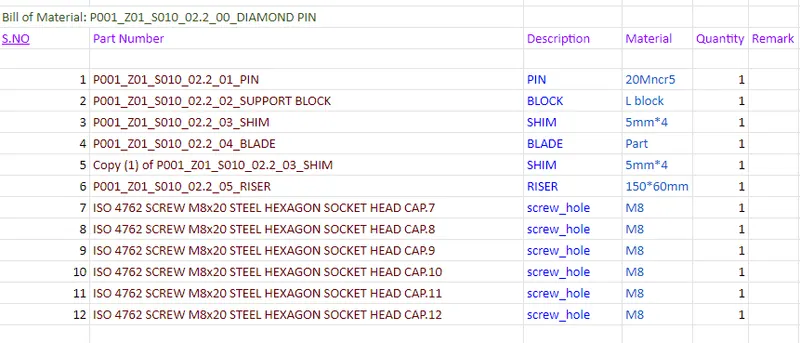
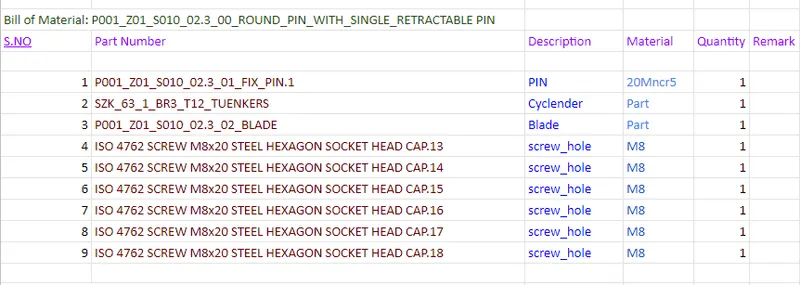
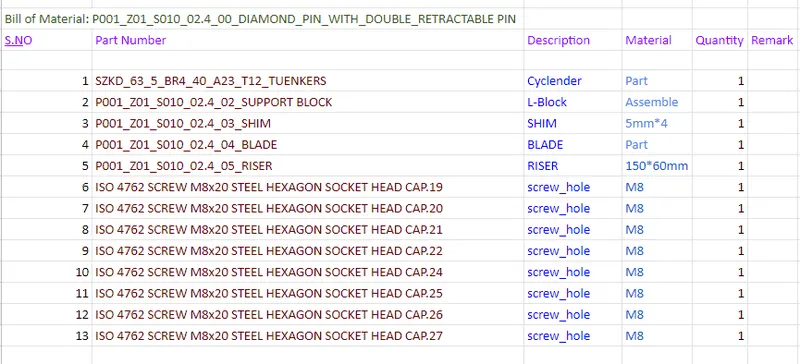
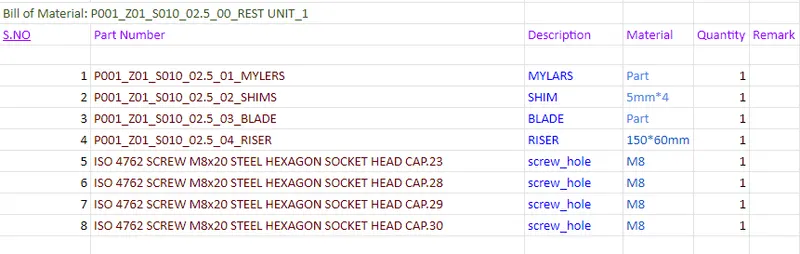
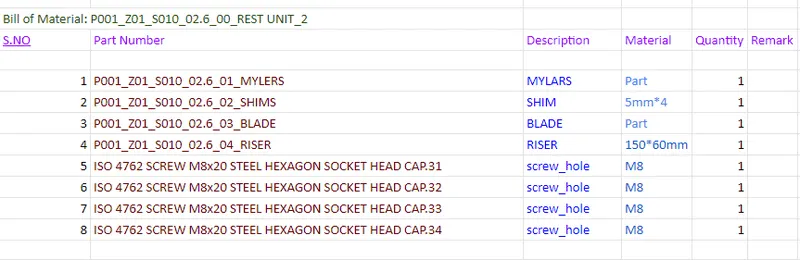
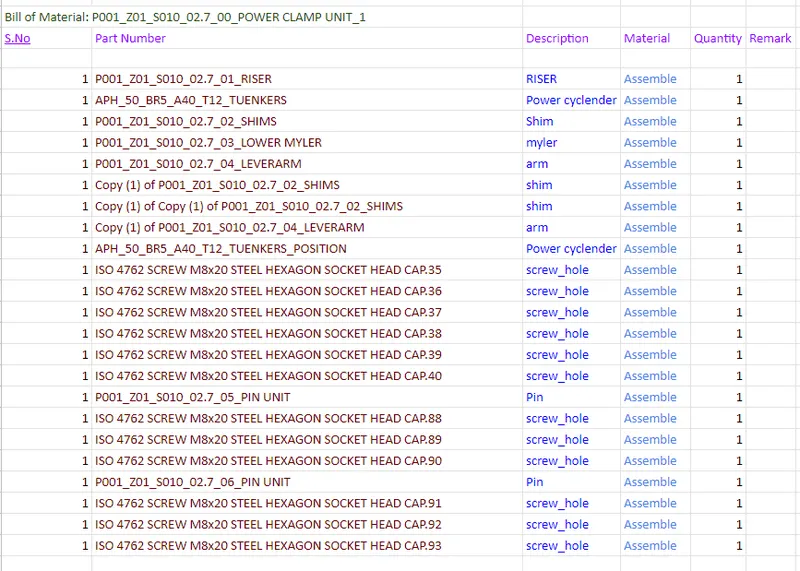
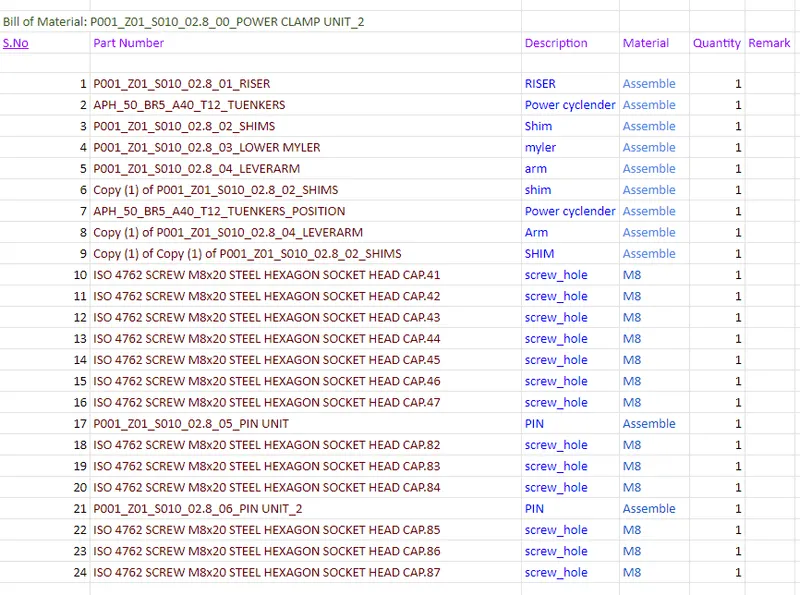
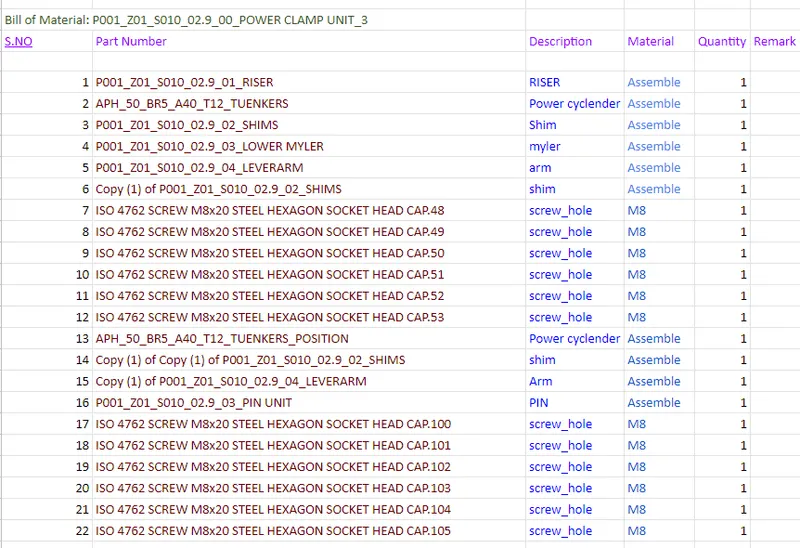
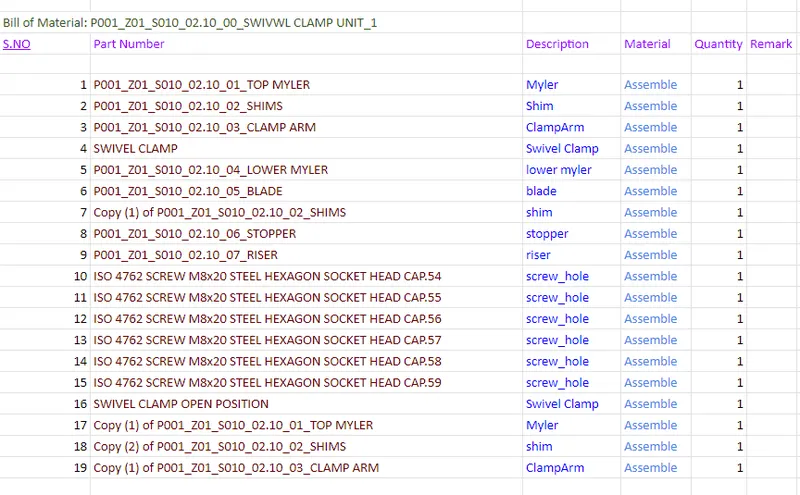
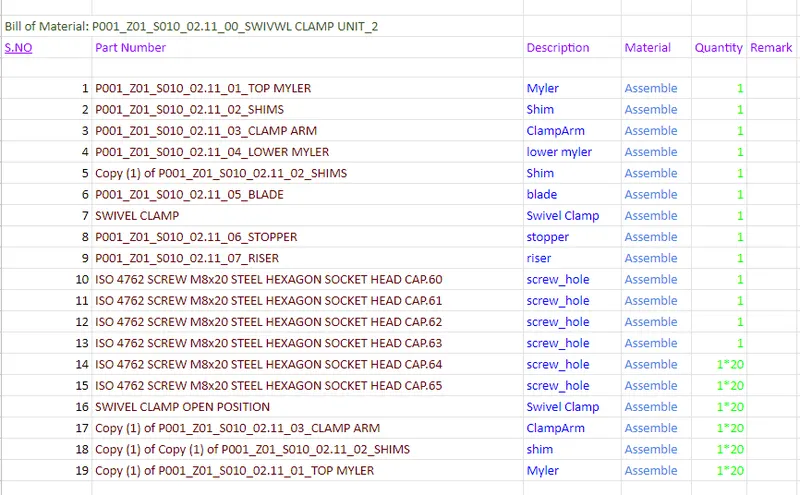
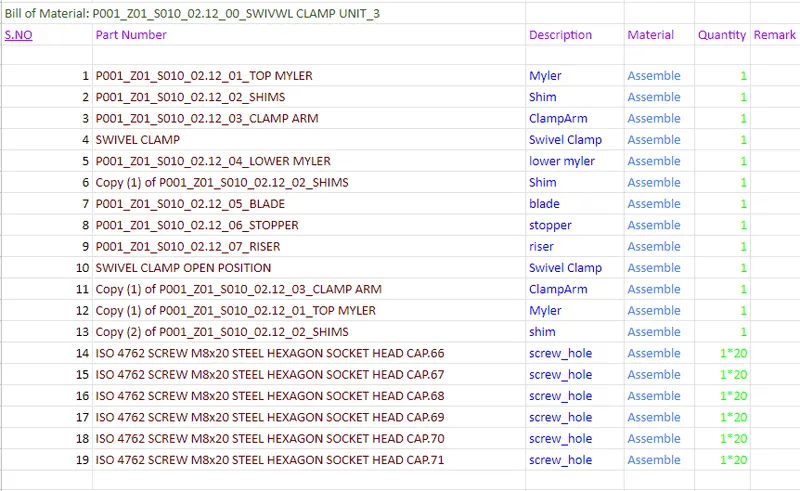
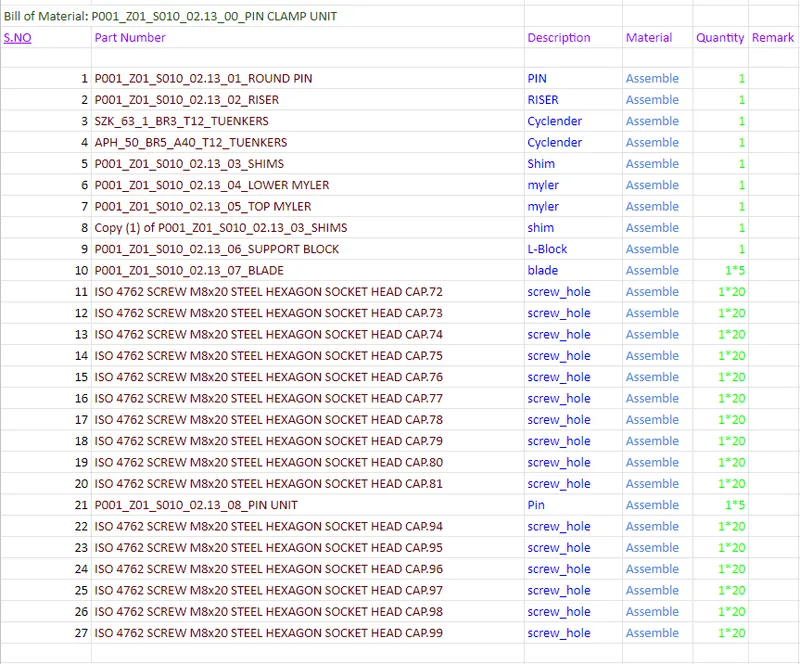
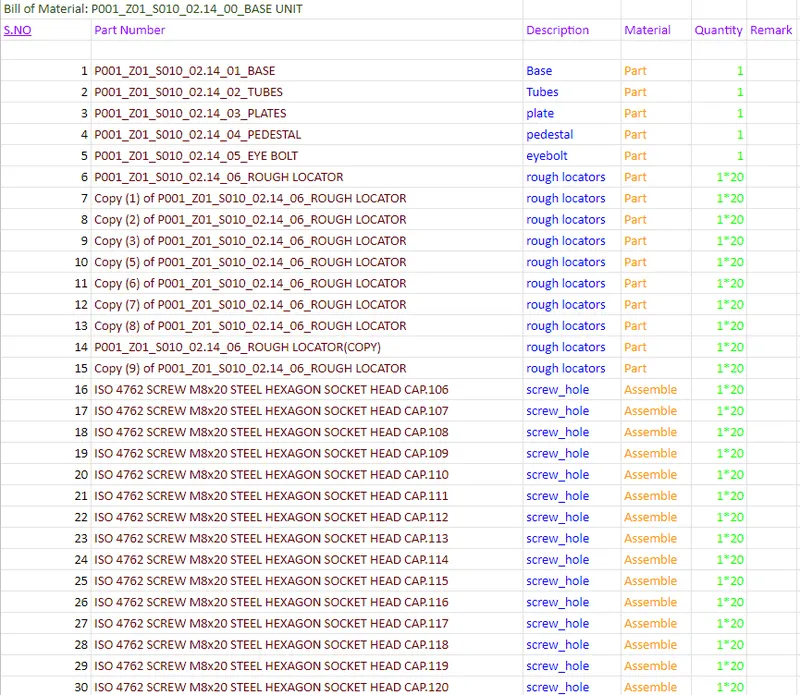
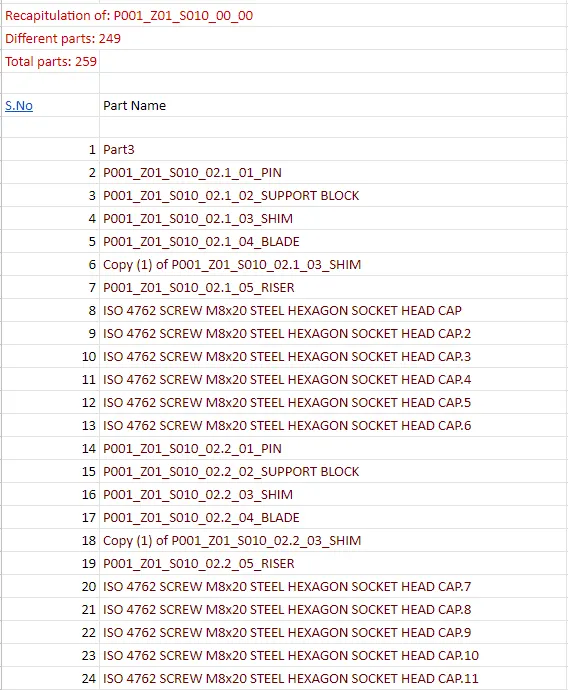
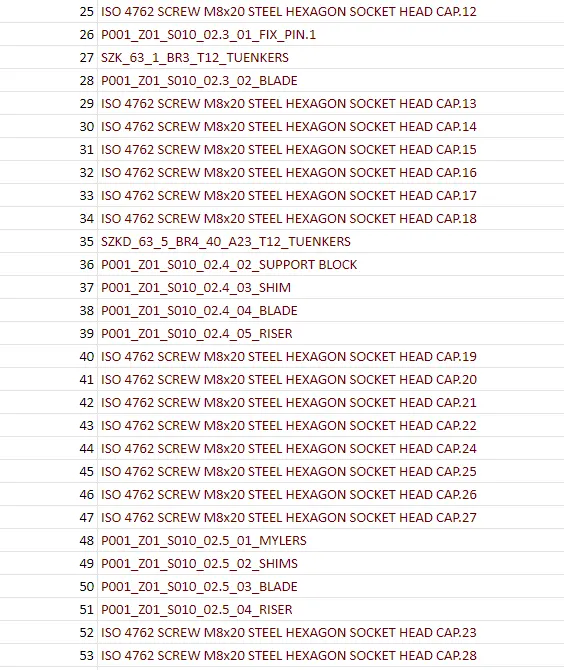
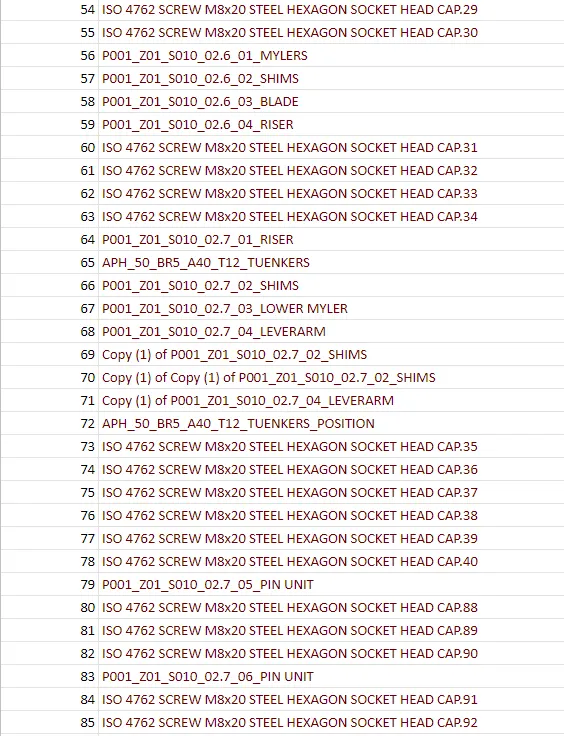
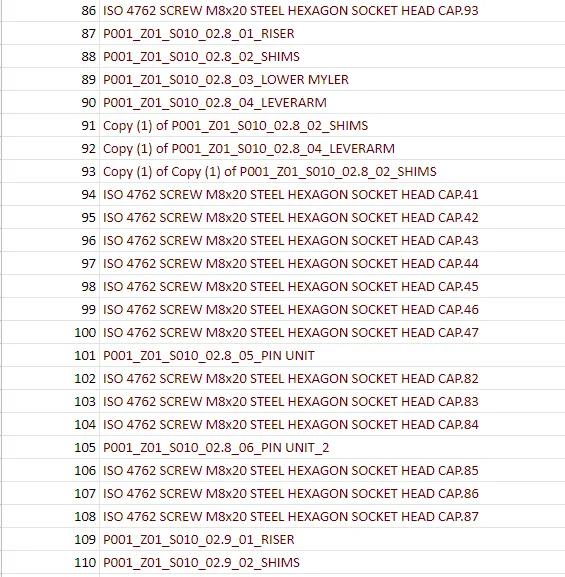
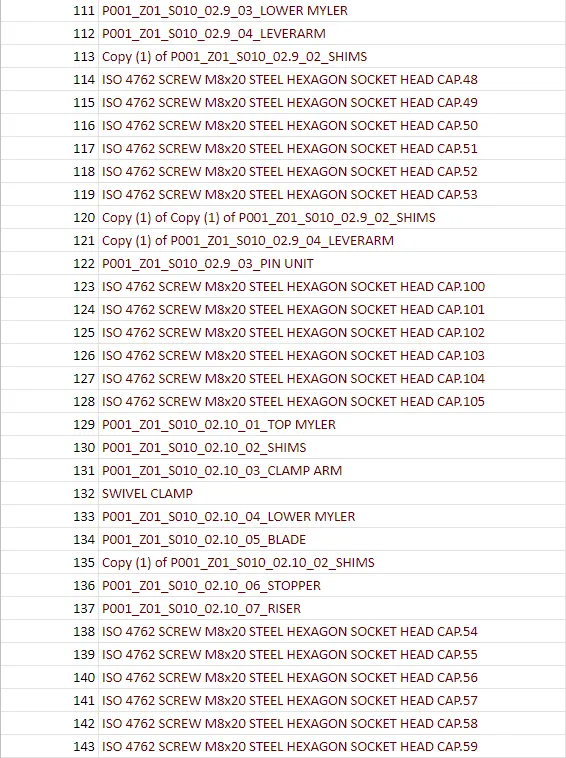
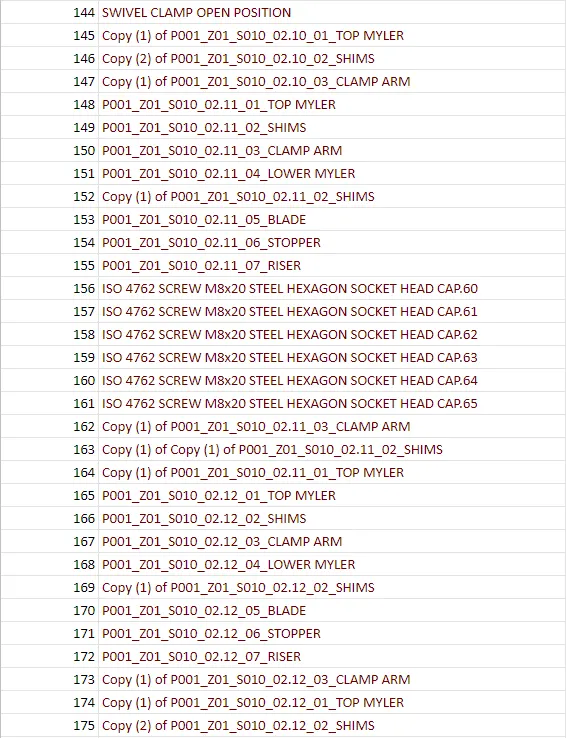
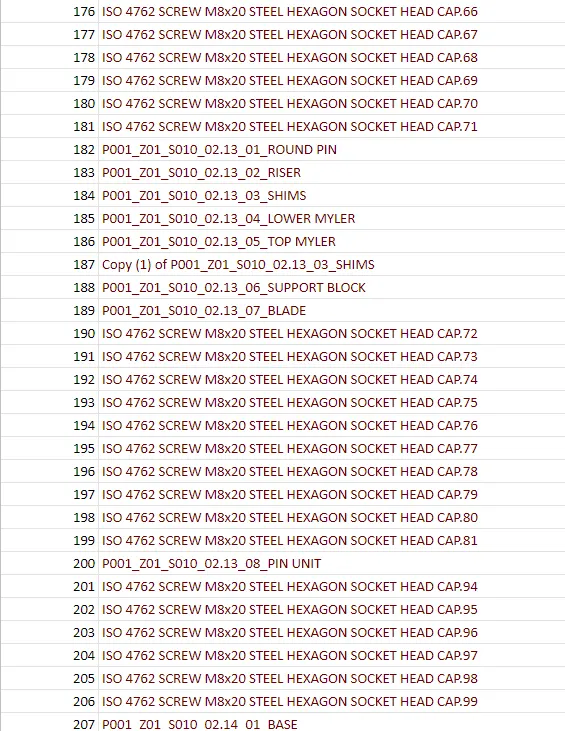
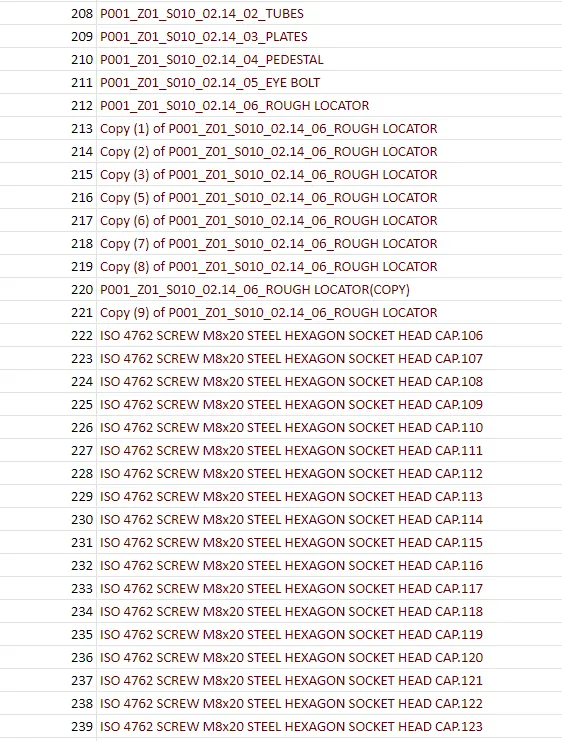
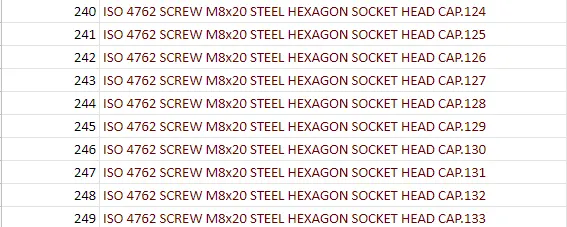
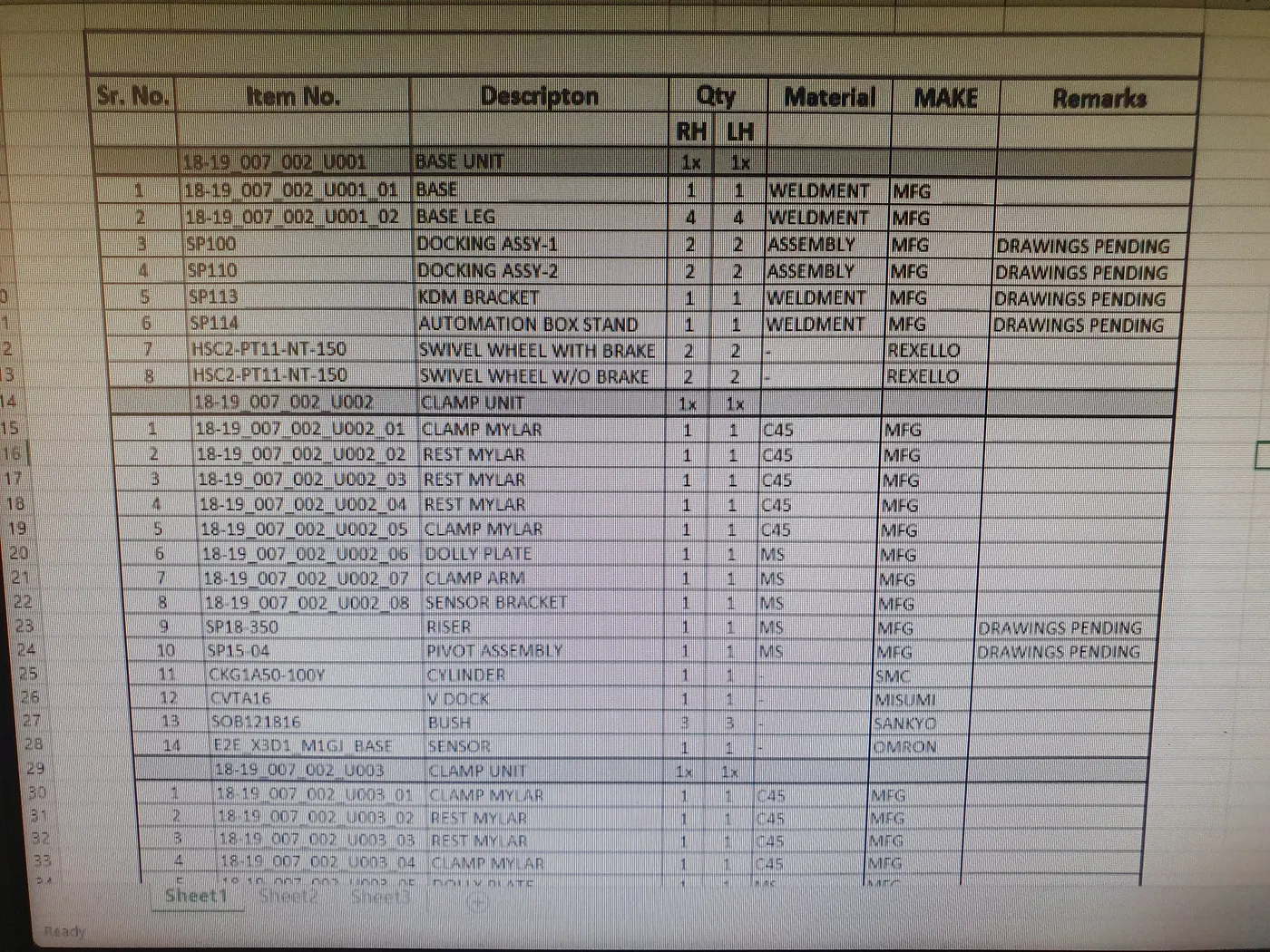
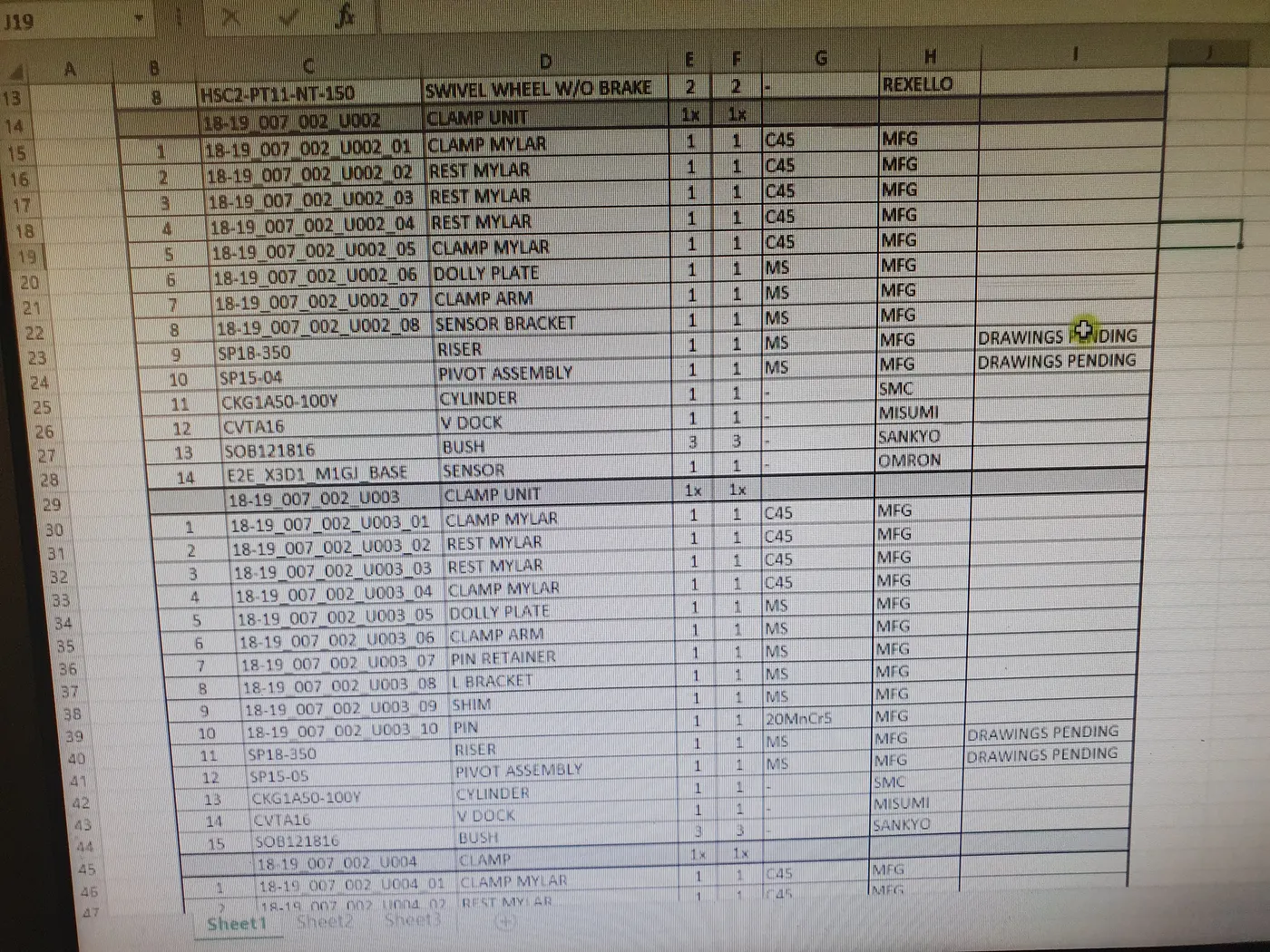
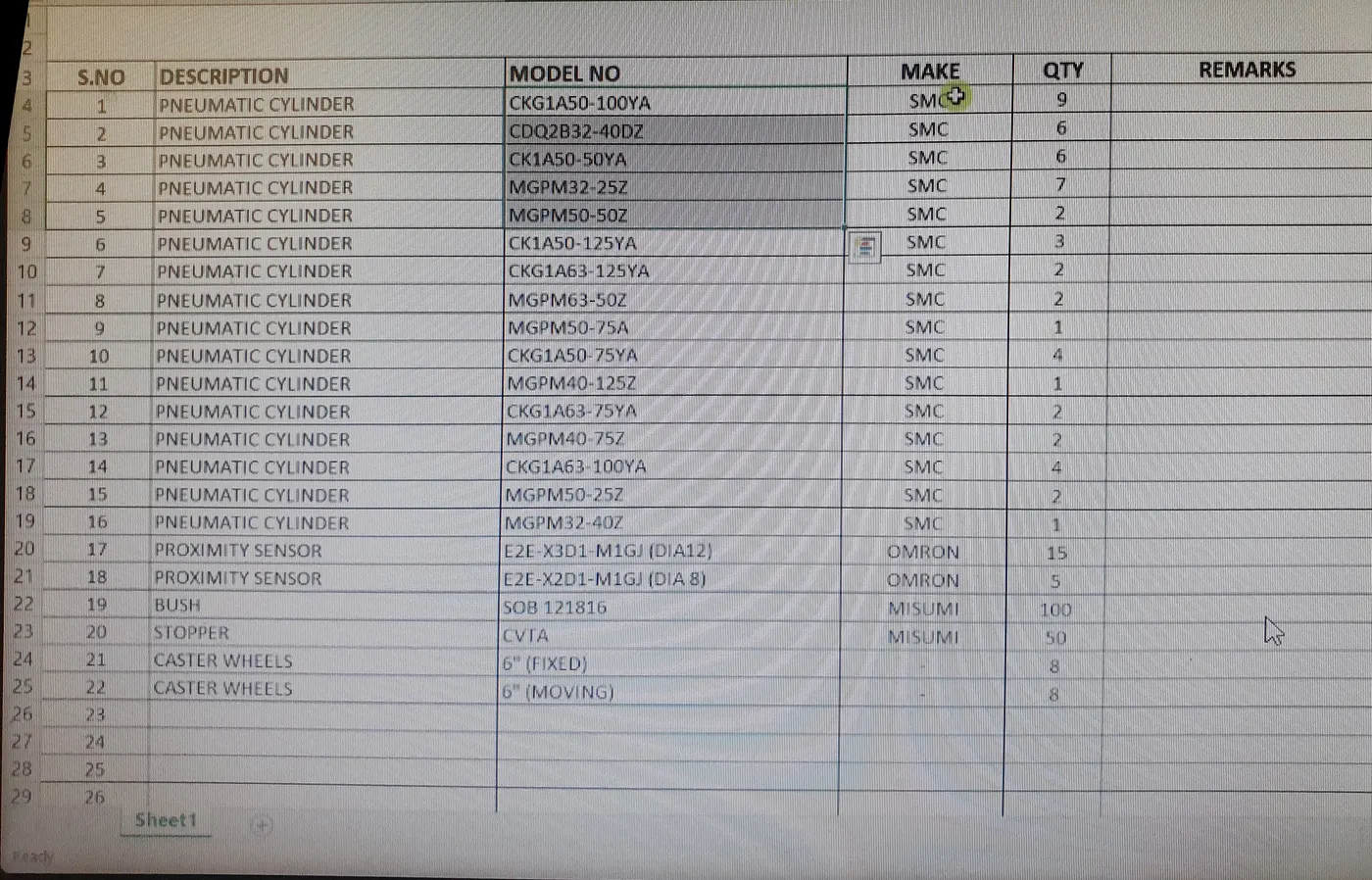
Aim/ Objective: Create a BOM and Hardware list (BOP) for the complete Fixture assembly from challenge 8.
Answer:
BOM:
A bill of materials or product structure (sometimes bill of material, BOM or associated list) is a list of the raw materials, sub-assemblies, intermediate assemblies, sub-components, parts, and the quantities of each needed to manufacture an end product. A BOM may be used for communication between manufacturing partners or confined to a single manufacturing plant. A bill of materials is often tied to a production order whose issuance may generate reservations for components in the bill of materials that are in stock and requisitions for components that are not in stock.
A BOM can define products as they are designed (engineering bill of materials), as they are ordered (sales bill of materials), as they are built (manufacturing bill of materials), or as they are maintained (service bill of materials).
BOMs are of hierarchical nature, with the top level representing the finished product which may be a sub-assembly or a completed item. BOMs that describe the sub-assemblies are referred to as modular BOMs. An example of this is the NAAMS BOM that is used in the automotive industry to list all the components in an assembly line. The structure of the NAAMS BOM is System, Line, Tool, Unit and Detail.
A bill of materials (BOM) is an extensive list of components, and instructions required to construct, manufacture, or repair a product or service. A bill of materials usually appears in a hierarchical format, with the highest level displaying the finished product and the bottom level showing individual components and materials.
A bill of materials (BOM) is a centralized source of information containing a list of items used to manufacture a product and the instructions on how to do so.
Often shown in a hierarchical way, a bill of materials (BOM) lists the finished product at the top, down to individual components and materials.
Bills of materials (BOMs) can be presented as an explosion display or an implosion display.
The two main types of bills of materials (BOMs) are manufacturing bills of materials (BOMs) and engineering bills of materials (BOMs).
It also has the following benefits:
Calculate total costs of manufacturing a product
Plan for raw materials, workstations, and employees
Maintain consistent standards for a product across the factory.
Types of BOM:
A configurable bill of materials (CBOM) is a form of BOM used by industries that have multiple options and highly configurable products (e.g. telecom systems, data-center hardware (SANS, servers, etc.), PCs, cars.
A multi-level bill of materials (BOM), referred to as an indented BOM, is a bill of materials that lists the assemblies, components, and parts required to make a product in a parent-child, top-down method. It provides a display of all items that are in parent-children relationships. When an item is a sub-component, of a (parent) component, it can in-turn have its own child components, and so on. The resulting top-level BOM (item number) would include children; a mix of finished sub-assemblies, various parts and raw materials. A multi-level structure can be illustrated by a tree with several levels. In contrast, a single-level structure only consists of one level of children in components, assemblies and material.
What are the things need to include in BOM?
It includes all alternative and substitute part numbers and parts contained in the drawing notes. Every line of the bill of materials (BOM) includes the product code, part name, part number, part revision, description, procurement type, material and quantity, unit of measure, size, length, weight, and specifications or features of the product.
BOP:
A ‘bought-out’ part is a part used in a machine or equipment that is not manufactured in-house by the manufacturer of the machine or equipment. These can be standard off-the-shelf parts from another manufacturer, for example a power supply cable or a rechargeable battery. The part appears in the Bill of Materials of the equipment with the Part / Model Number of the original manufacturer. Or A part that is custom-designed by the equipment manufacturer, but manufactured by a specialist manufacturer against design and material specified. In this case, the Bill of Materials contains the internal Part reference of the equipment manufacturer