Documentation
AIM :
To study about the various design aspects regarding BIW fixtures.
OBJECTIVE :
- To Create a BOM and Hardware list (BOP) for the complete Fixture assembly created earlier.
Bill of Materials
A Bill of Materials (BOM) is a comprehensive list of parts, items, assemblies, subassemblies, intermediate assemblies, documents, drawings, and other materials required to create a product. The BOM can be thought of as the recipe used to create a finished product, presented in a hierarchical format. Depending on the product, it may include mechanical (hardware), electrical (e.g., ICs, PCBAs), software, and related documents and drawings.
The bill of materials and associated records describe the materials required to source and build an assembly. All manufacturers building products, regardless of their industry, get started by creating a bill of materials (BOM).
Because the bill of materials pulls together all sorts of product information, it is common that several disciplines (design and engineering, document management, operations, manufacturing, purchasing, contract manufacturers, and more) will collaborate on the product information contained within the BOM to enable accurate production. Furthermore, engineering teams will create engineering bill of materials (EBOMS) and the manufacturing teams will rely on manufacturing bill of materials (MBOMS).
The BOM helps guide positive results as products evolved from design, through development, and ultimately volume production—so it is critical to create and share an accurate and up-to-date version of the BOM with all teams. And for companies that rely on supply chain partners, it’s important to provide effective revision control throughout the new product development and introduction (NPDI) process. Any time the BOM is shared with a contract manufacturer (CM) or supplier, it should be the latest released revision to prevent unnecessary production mistakes and product launch delays.
In a nutshell, it is the complete list of all the items that are required to build a product. A BOM is sometimes also referred to as a product structure, assembly component list or production recipe.
Take, for example, a bicycle manufacturer that wants to build 1,000 bicycles. A bill of materials for a bicycle will include all the parts that make up the bicycle such as seats, frames, brakes, handlebars, wheels, tires, chains, pedals and cranksets, including the quantities required of each component and their cost.
A well-defined BOM helps companies:
- Plan purchases of raw materials
- Estimate material costs
- Gain inventory control
- Track and plan material requirements
- Maintain accurate records
- Ensure supply robustness and reduce waste
RESULTS :
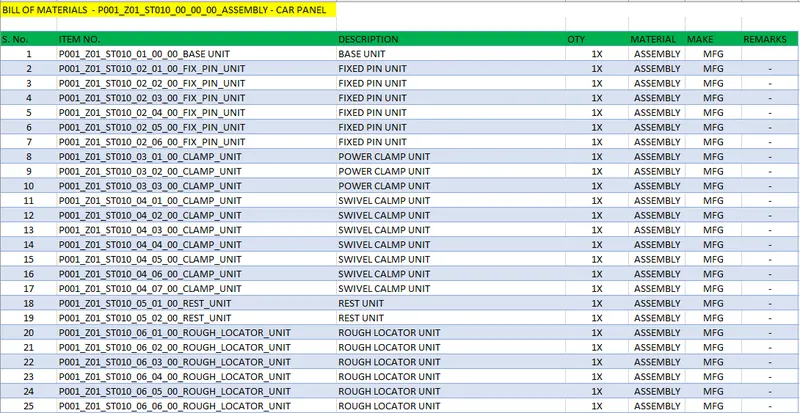

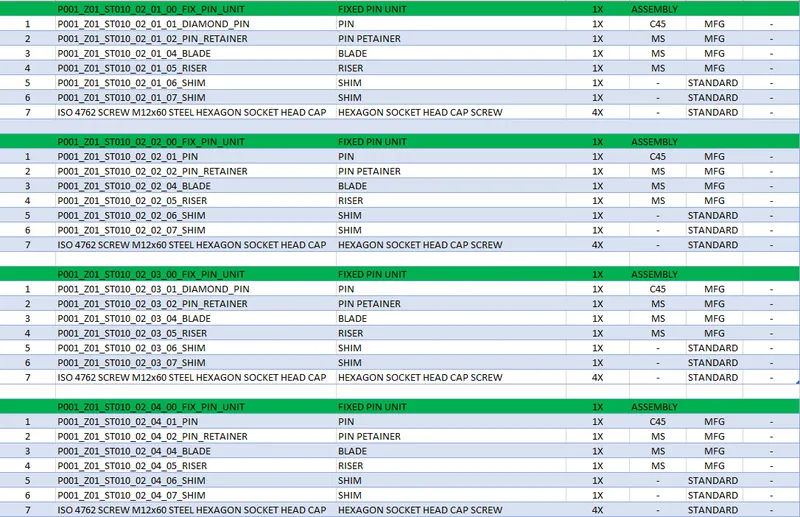
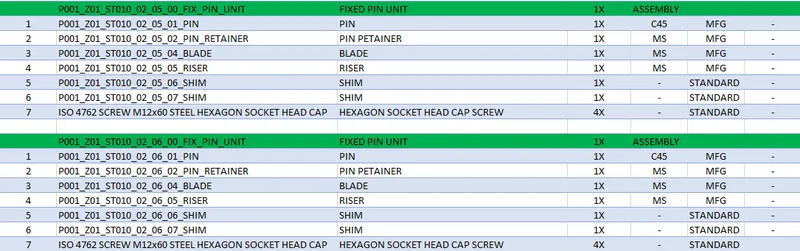
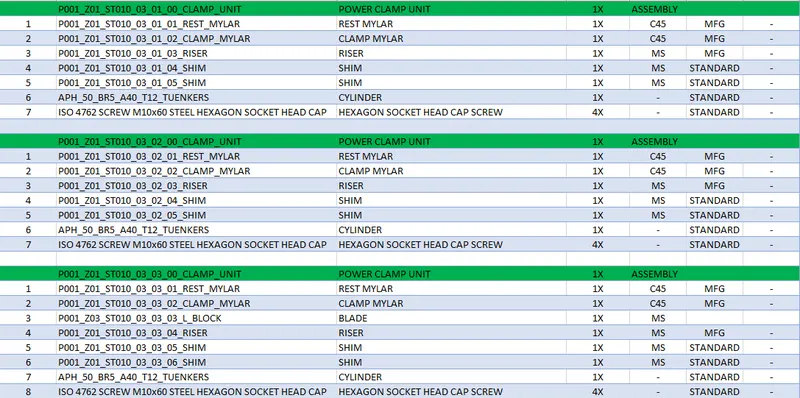
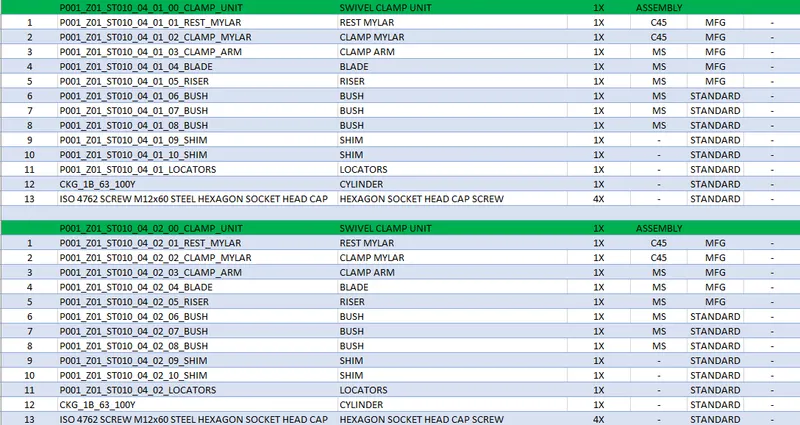
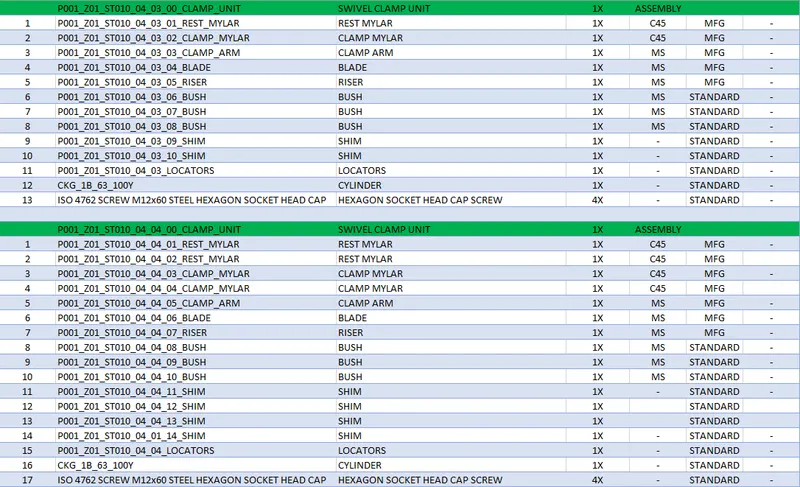
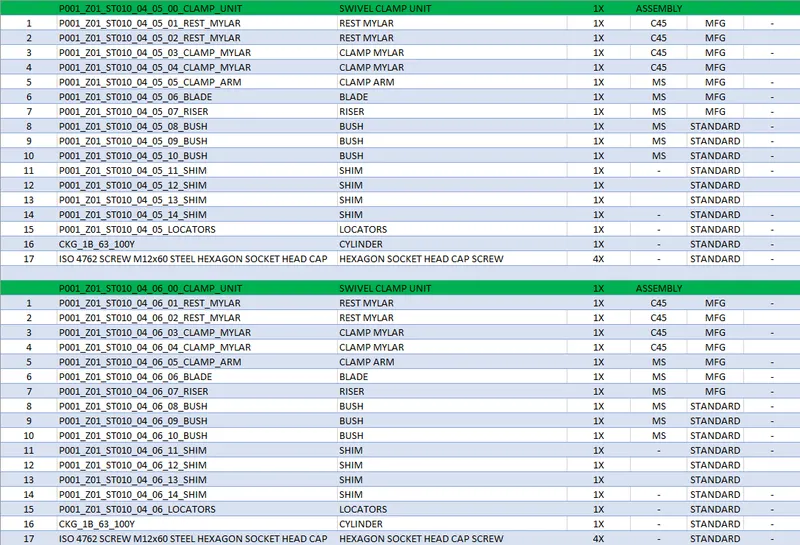
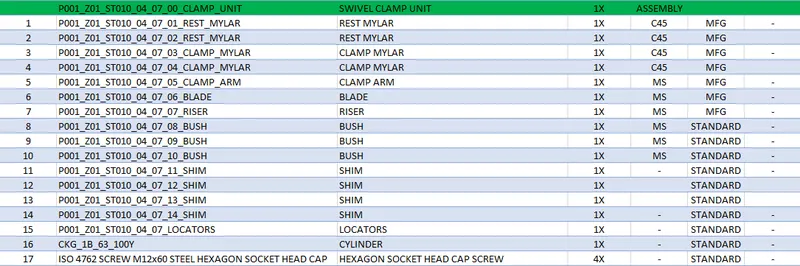
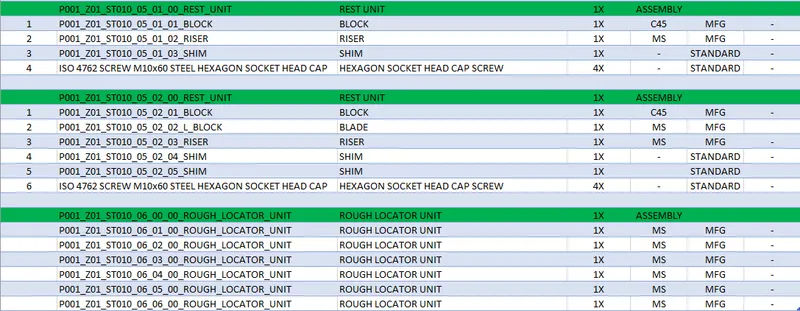
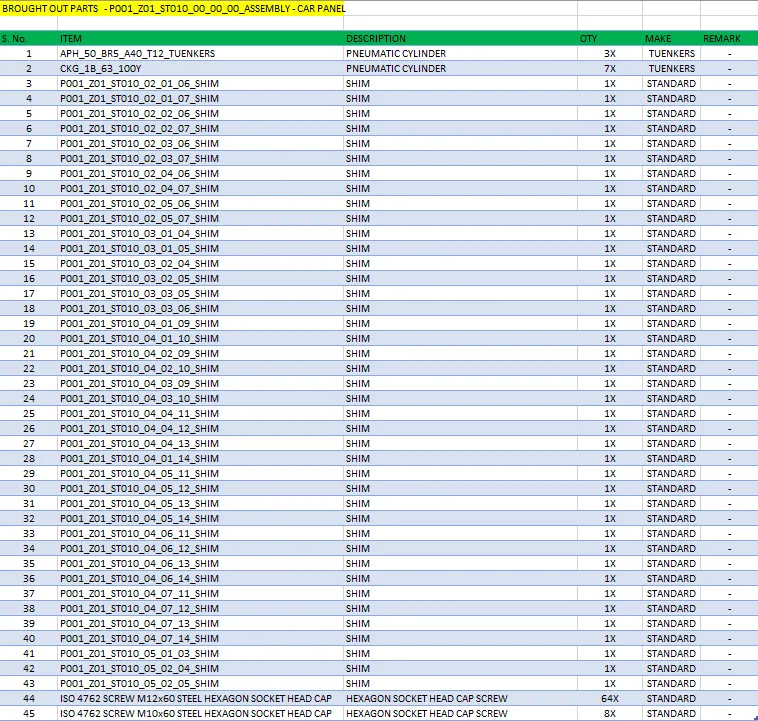
CONCLUSION :
All the given objectives were satisfied with atmost perfection.
The images were attached wherever necessary.